Vocabulary development Worksheets for 4-Year-Olds - Page 2
44 filtered results
-
From - To
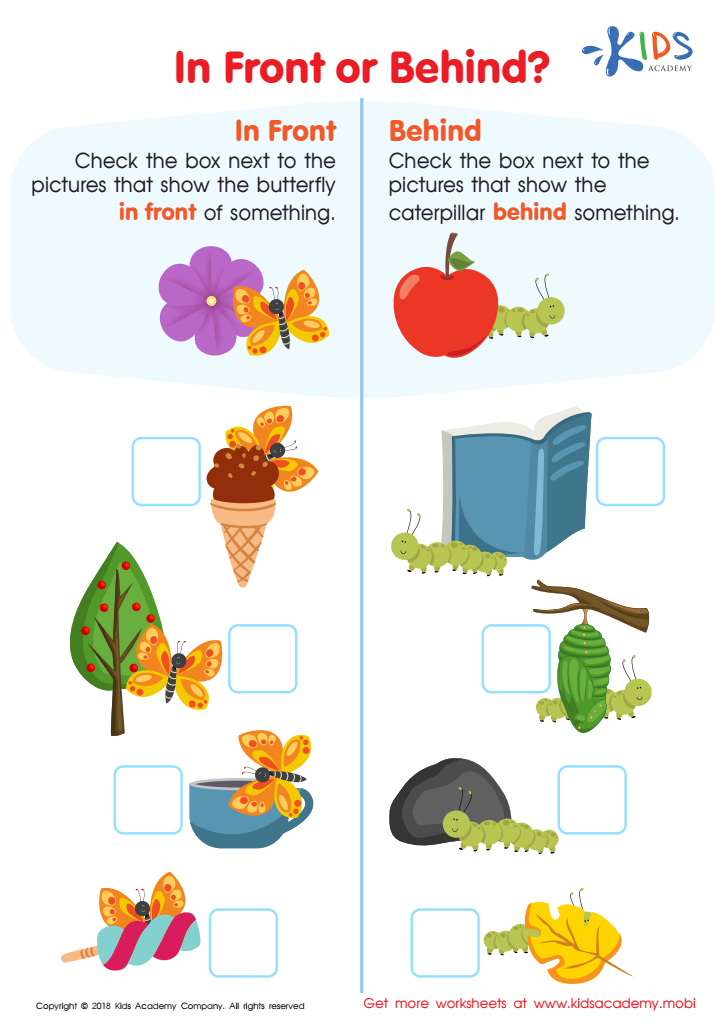
In Front or Behind Worksheet
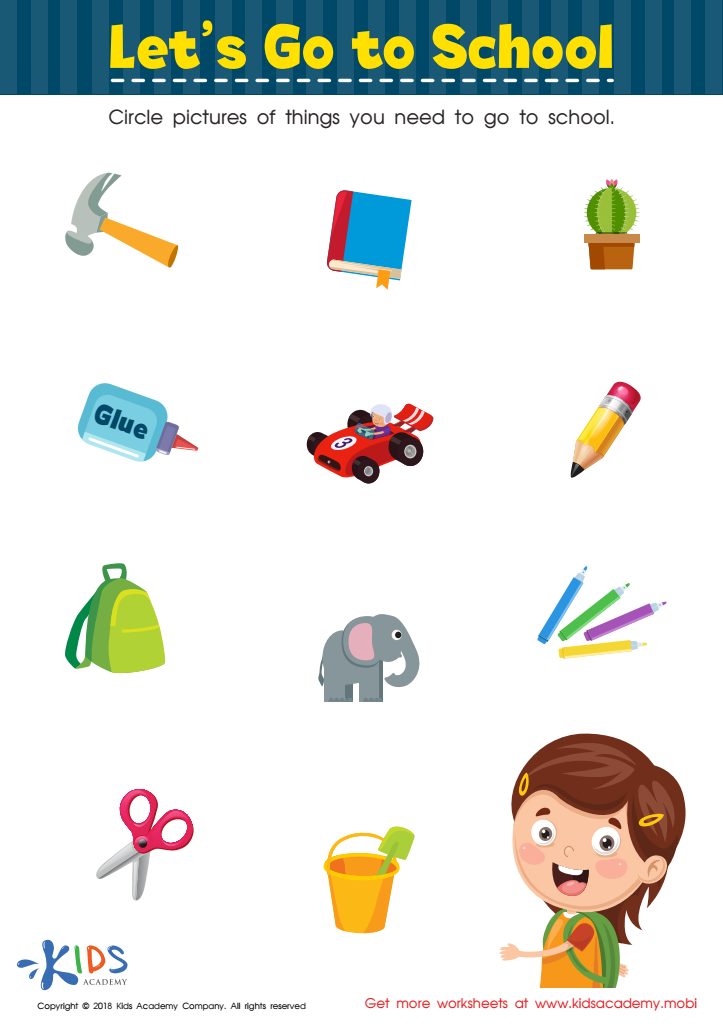
Let's Go to School! Worksheet
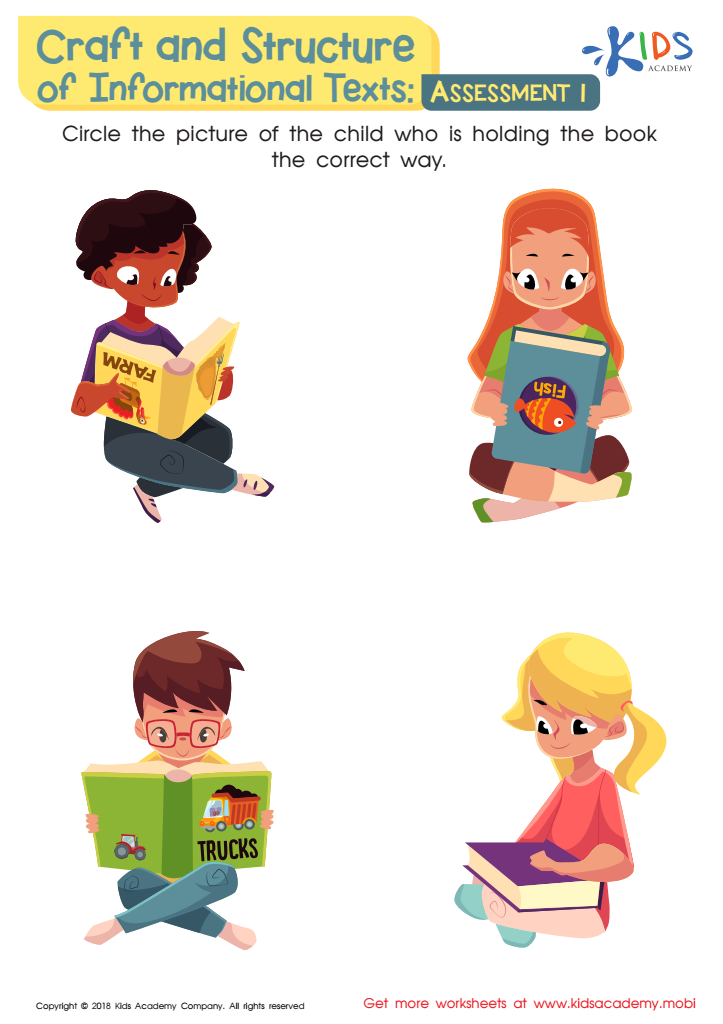
Craft and Structure of Informational Texts: Assessment 1 Worksheet

Turkey Thanksgiving Day Worksheet
 Assign to My Students
The Three Little Pigs Worksheet
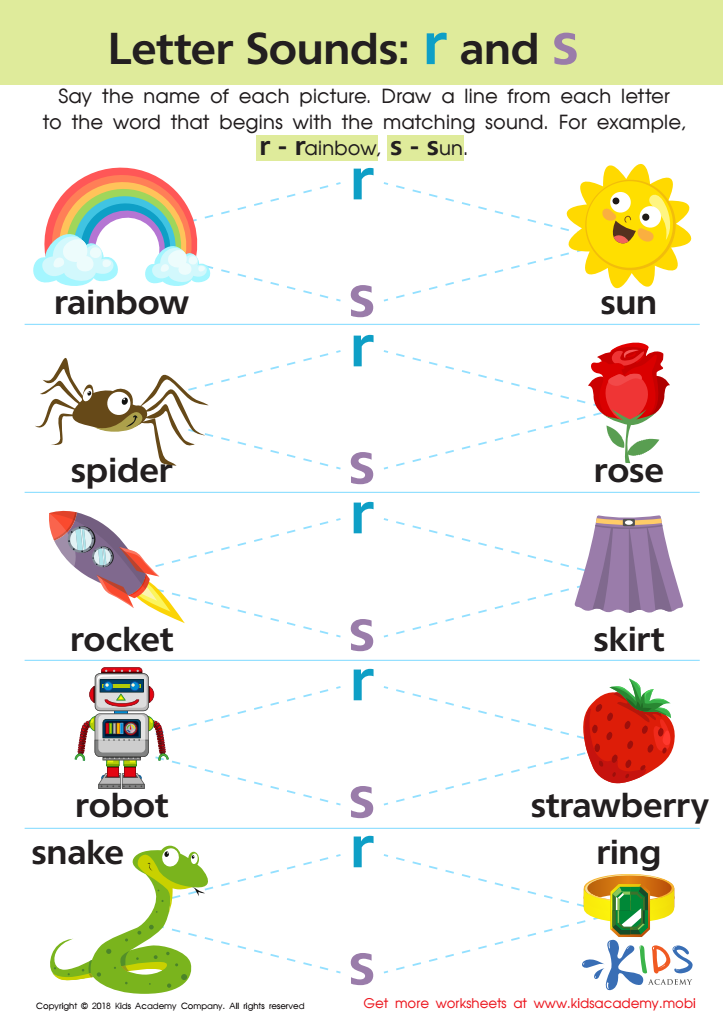
Letter R and S Sounds Worksheet
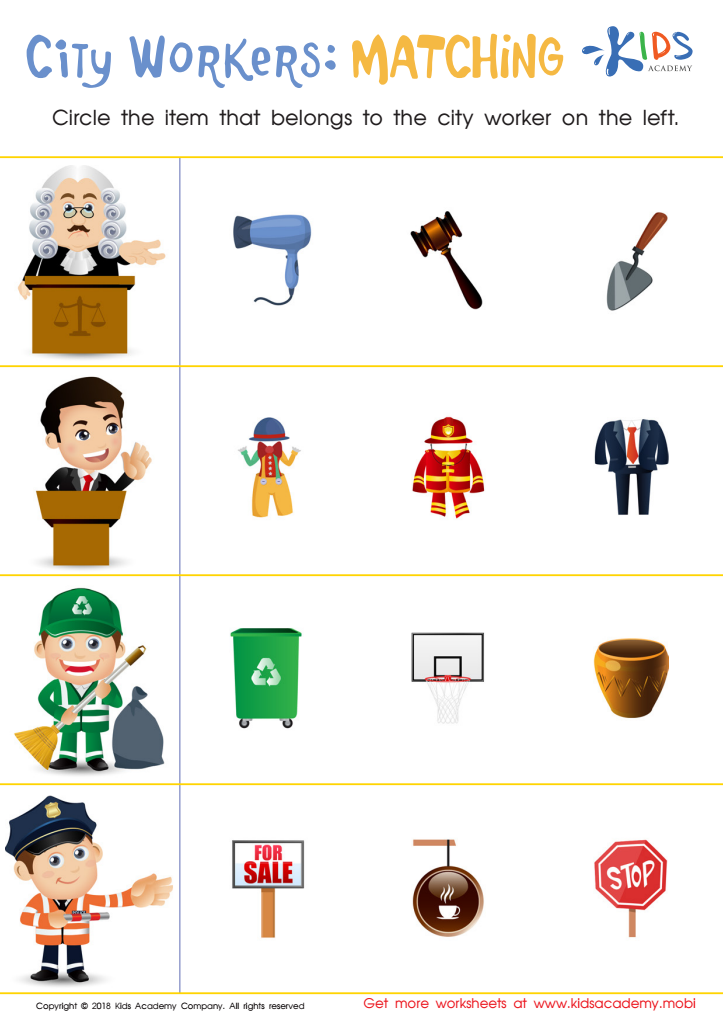
City Workers: Matching Worksheet
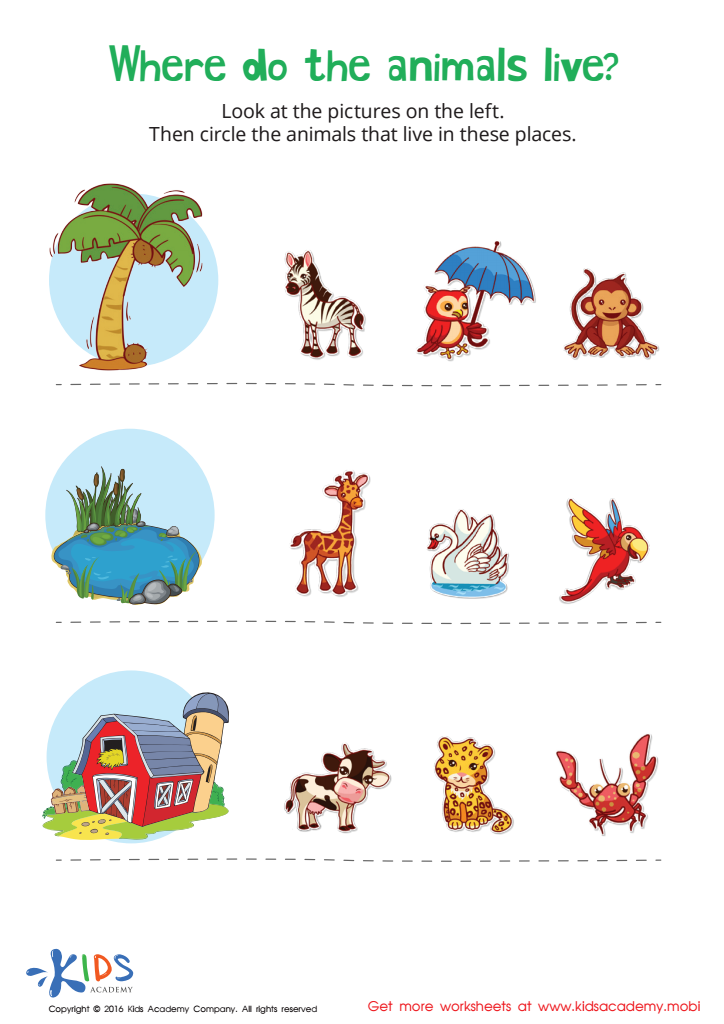
Where Animals Live Worksheet
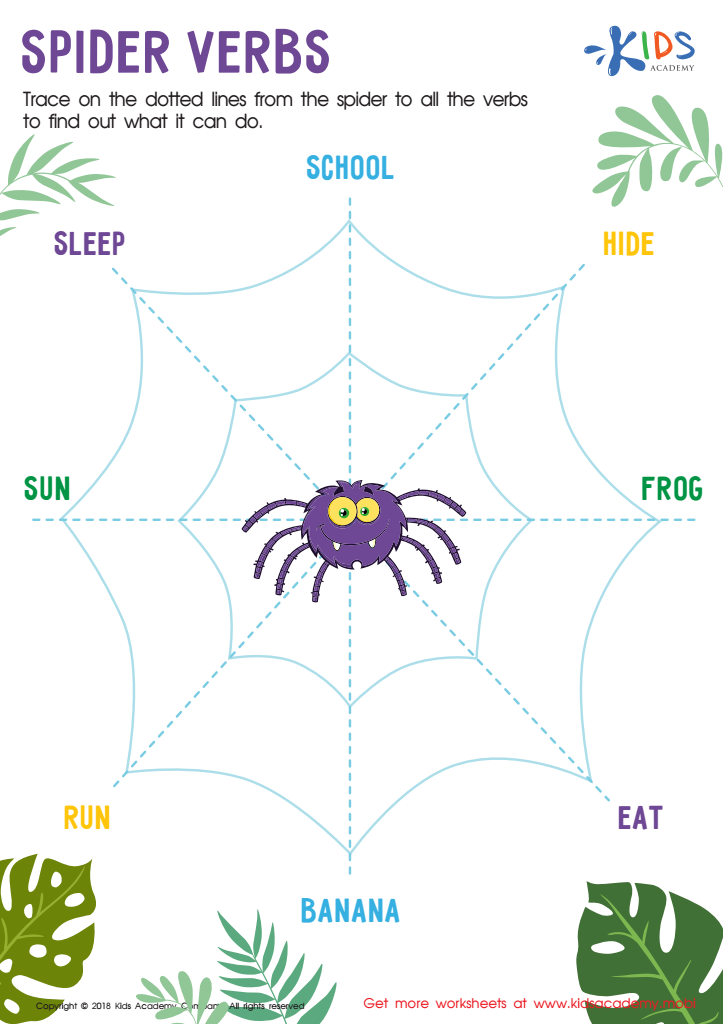
Spider Verbs Worksheet
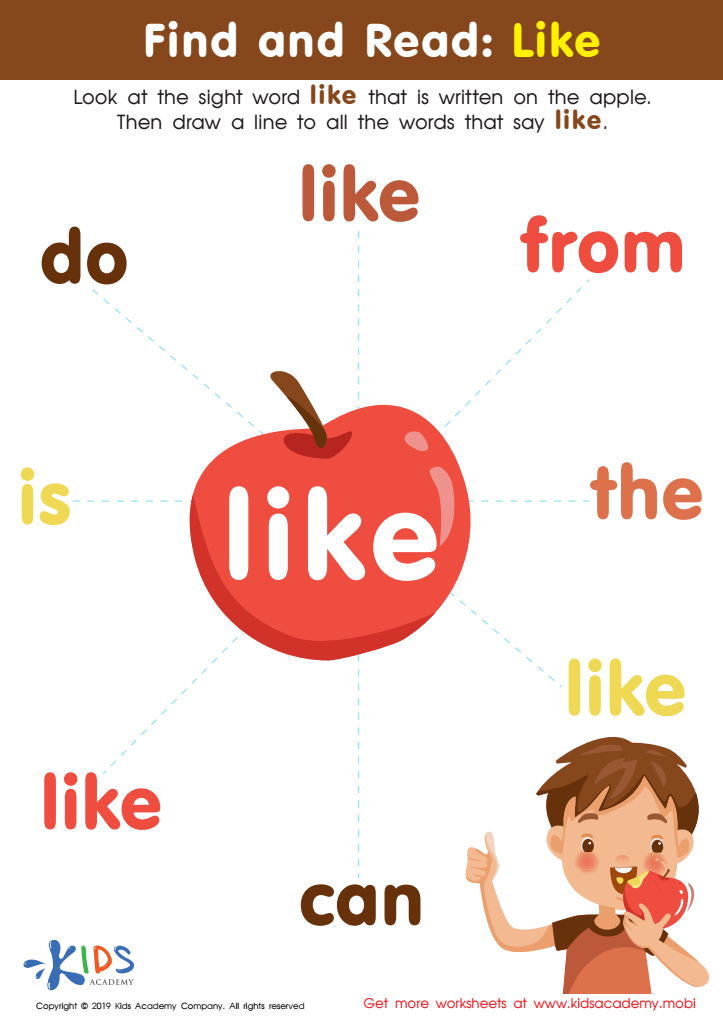
Find and Read: Like Worksheet
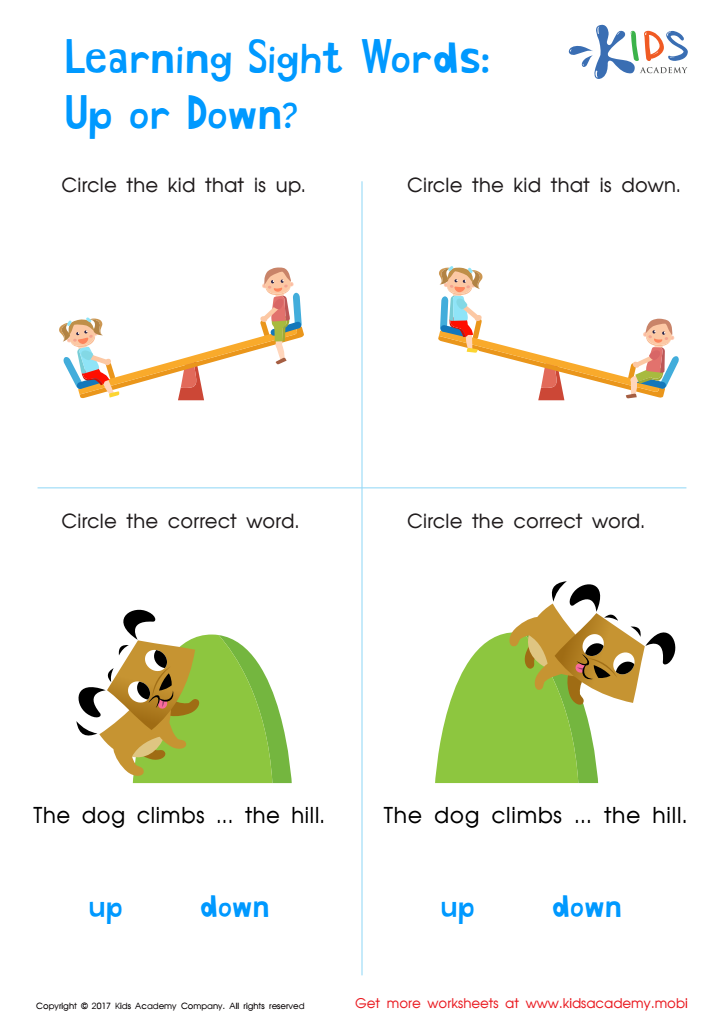
Up or Down Printable Sight Words Worksheet
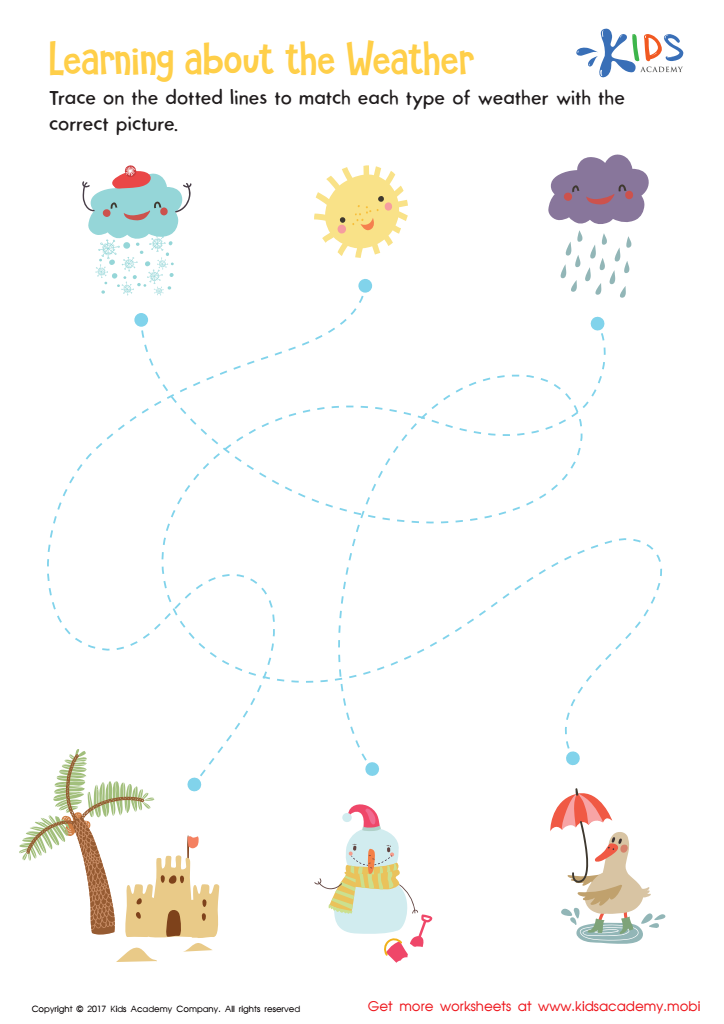
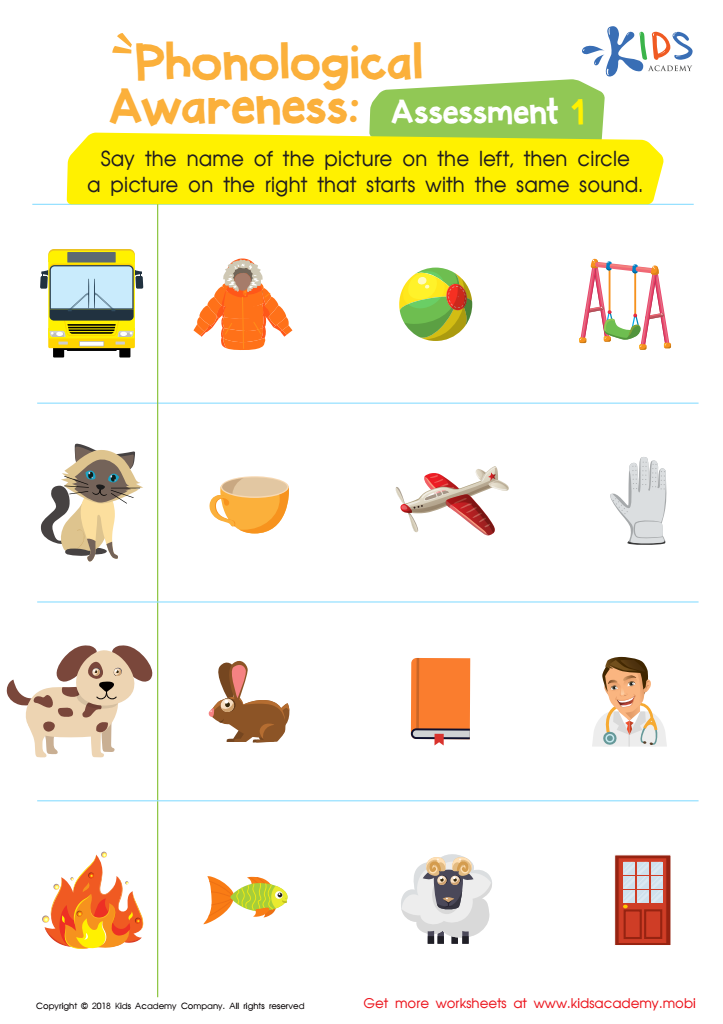
Phonological Awareness: Assessment 1 Worksheet
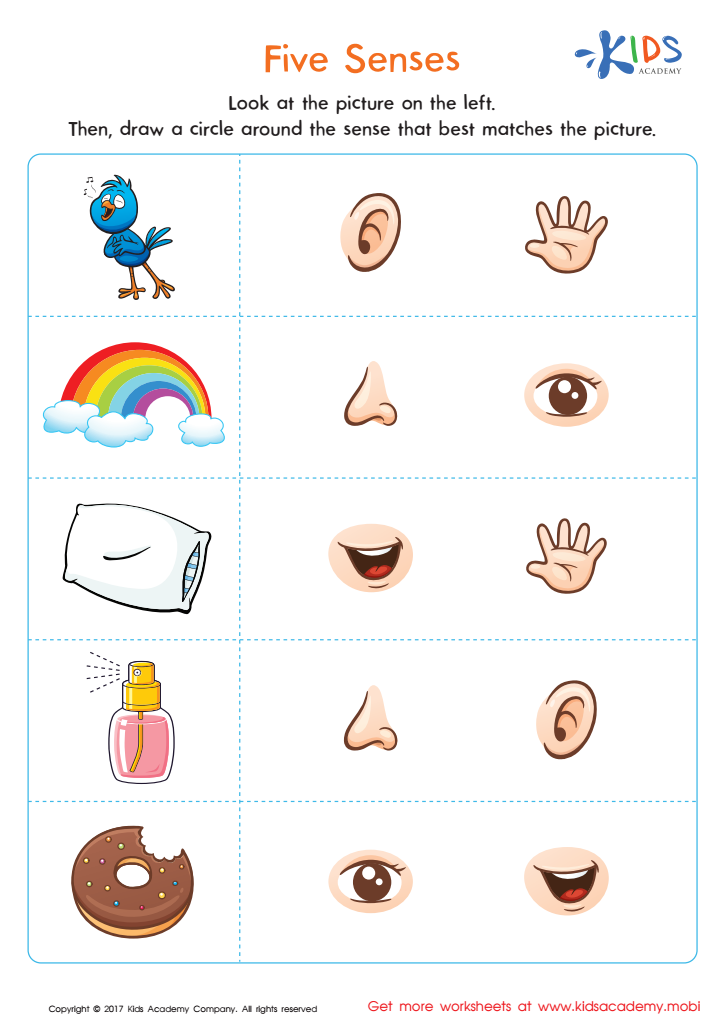
Five Senses Printable
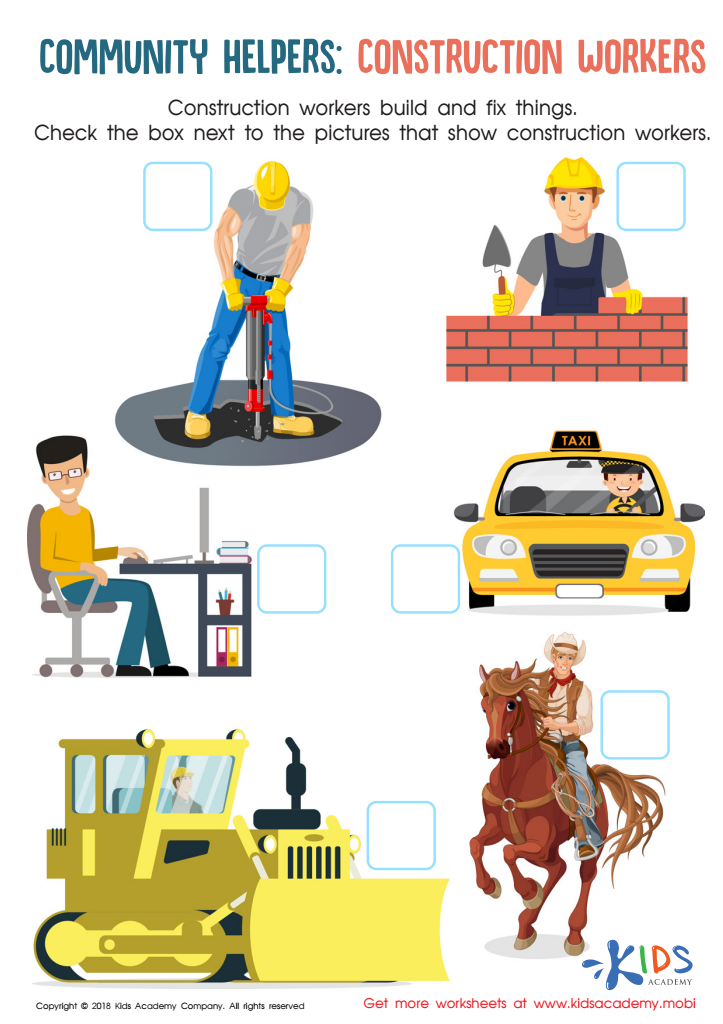
Construction Workers Community Helpers Worksheet
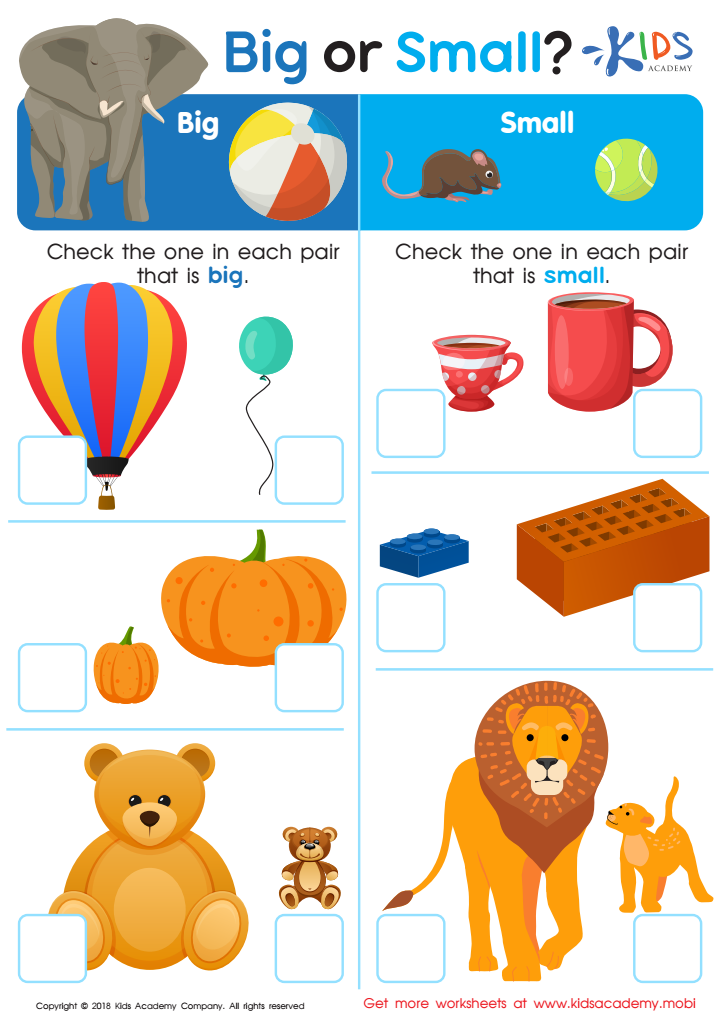
Big or Small? Worksheet
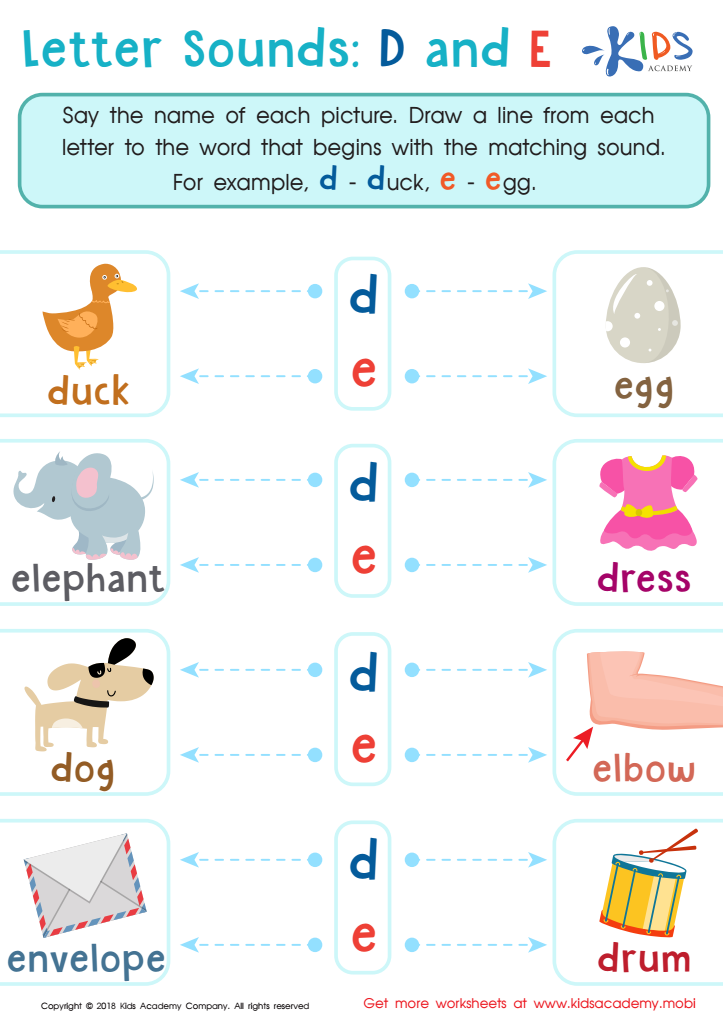
Letter D and E Sounds Worksheet
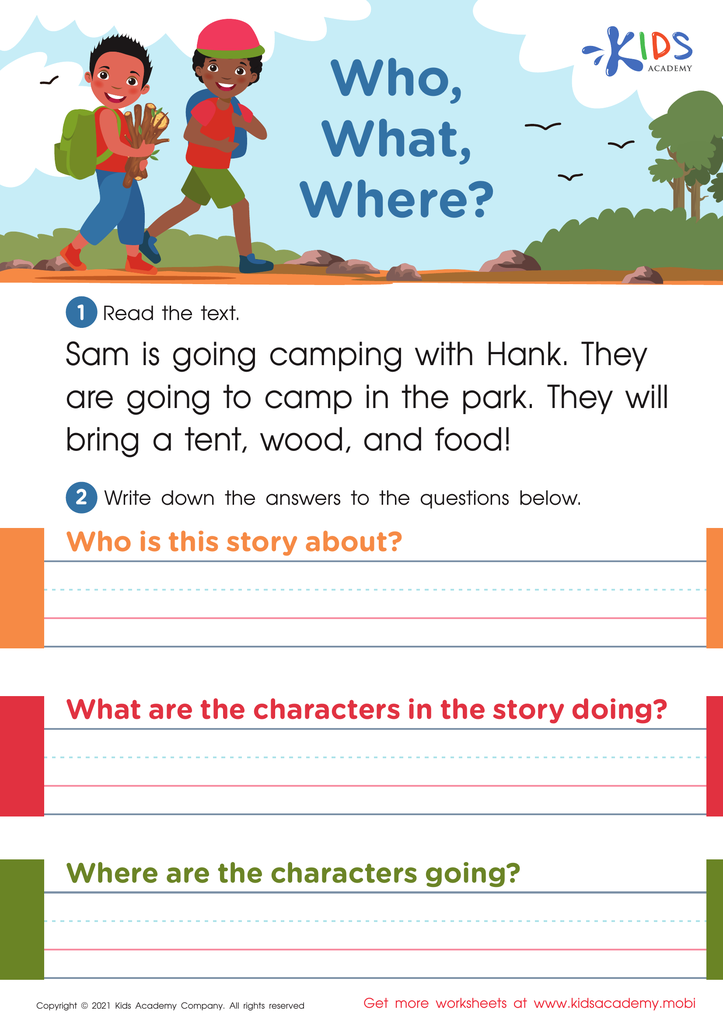
Who, What, Where? Worksheet

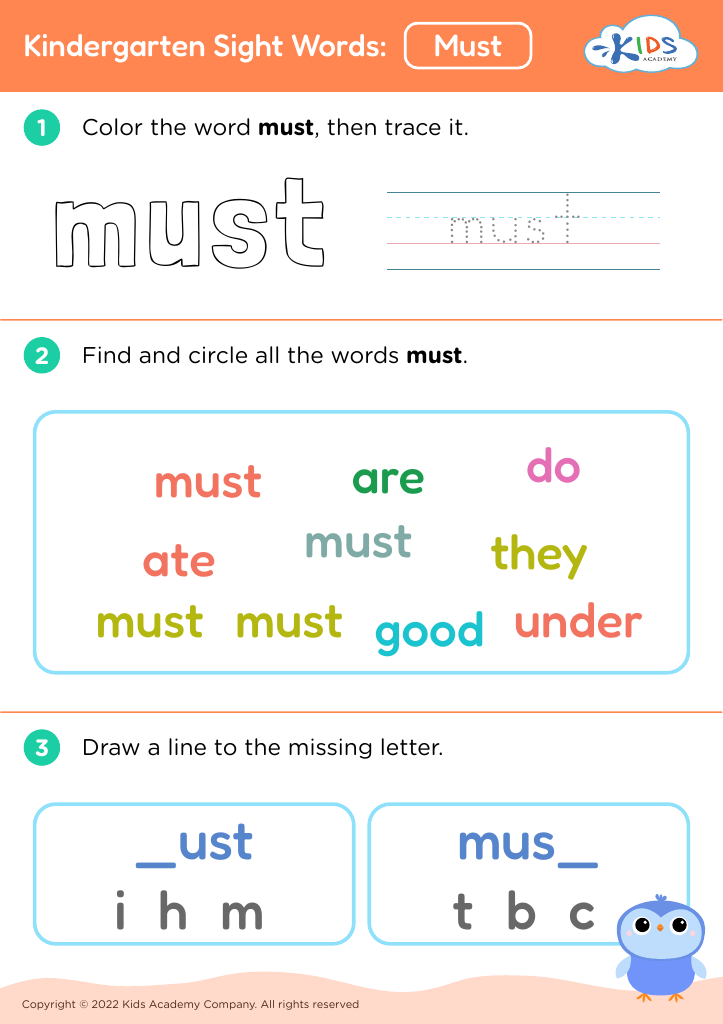








Vocabulary development at the age of four is crucial for a child's overall growth and future academic success, and parents and teachers should prioritize it for several important reasons. At this formative stage, children are rapidly acquiring new language skills and words, which are the building blocks for effective communication, reading comprehension, and cognitive development.
A robust vocabulary enhances a child's ability to express themselves clearly and understand others, fostering better social interactions and emotional regulation. This is vital as children begin to form friendships and solve problems both in and out of the classroom. Additionally, a strong vocabulary foundation is directly linked to later reading success. Children with a richer vocabulary can more easily decode new words, comprehend reading material, and enjoy stories, giving them a head start in literacy and educational achievement.
Moreover, early vocabulary development supports critical thinking and invites curiosity. When children know more words, they can ask more complex questions, engage in detailed storytelling, and think more abstractly, which lays the groundwork for future learning in all subjects. Parents and teachers play a key role in nurturing a child's vocabulary by engaging in conversations, reading aloud, and introducing new and diverse words in everyday contexts. By doing so, they equip children with essential tools for lifelong learning and success.








