Writing practice Worksheets for 4-Year-Olds - Page 2
29 filtered results
-
From - To
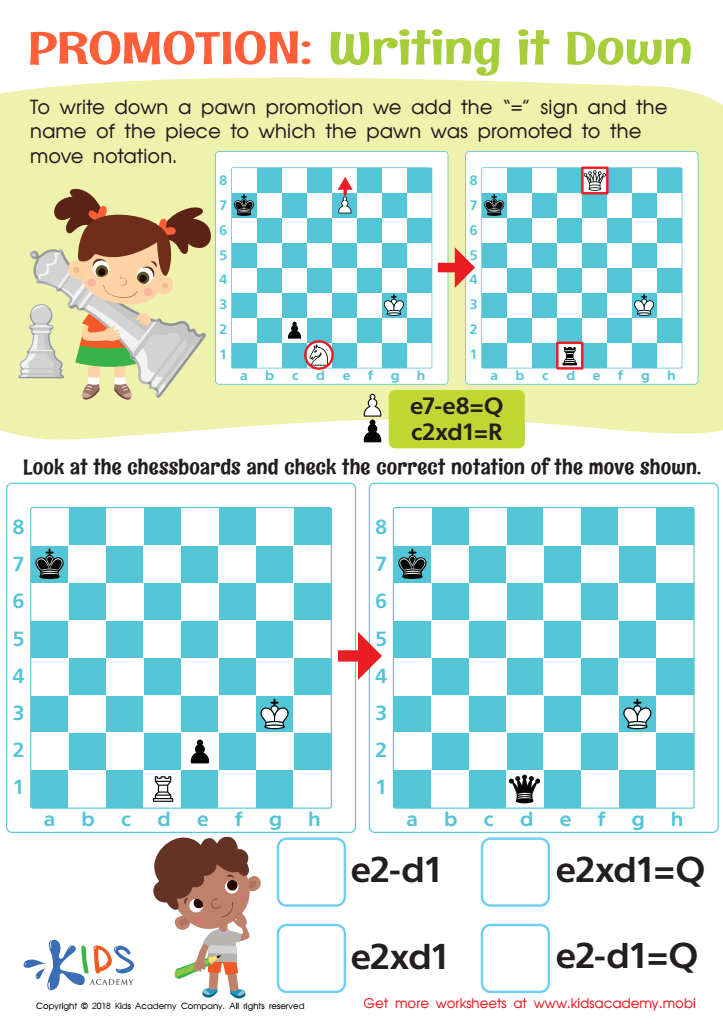
Writing it Down Worksheet

Count the Cucumbers and Trace the Number 8 Printable
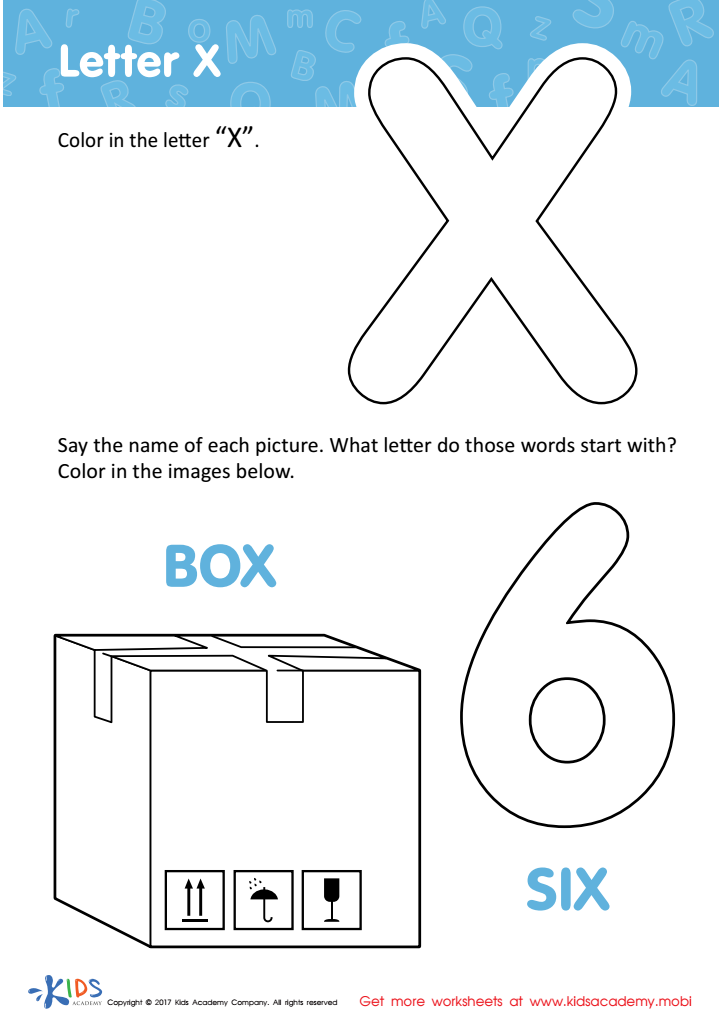
Letter X Coloring Sheet
 Assign to My Students
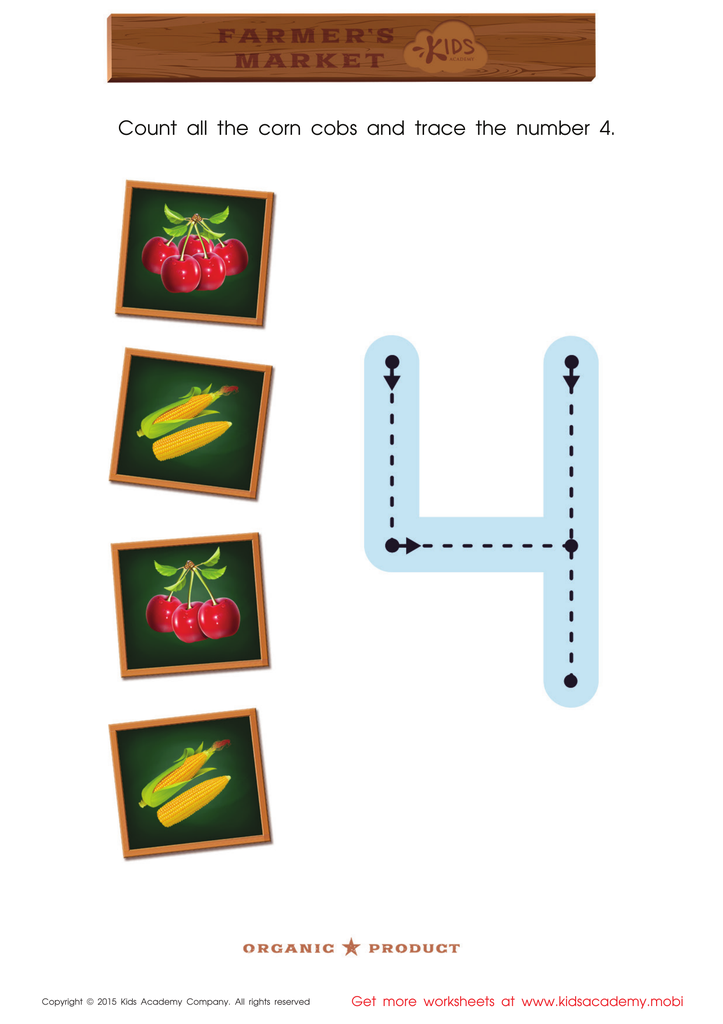
Count the Corncobs and Trace the Number 4 Worksheet








Writing practice for four-year-olds is crucial for several reasons. First, it supports the development of fine motor skills, which are essential for other tasks such as using scissors or buttoning clothing. At this age, children are building hand strength and coordination, and writing provides a fun and engaging way to practice these skills.
Secondly, writing activities foster literacy development. It helps to introduce the connection between sounds and letters, laying a foundation for reading skills. Engaging in letters, words, and simple sentences allows children to explore language, enhancing their vocabulary and comprehension.
Additionally, writing encourages creativity and self-expression. When children create their own stories or simple drawings with accompanying labels, they develop their imagination and learn to communicate their thoughts and feelings. This builds confidence and a sense of ownership in their learning.
Lastly, regular writing practice encourages persistence and patience. Children learn that making mistakes is a part of learning, building their resilience. Therefore, parents and teachers should actively encourage writing activities, as they offer a comprehensive range of benefits that contribute to a child's overall development—socially, emotionally, and academically. Engaging in regular writing allows children to cultivate a love for learning from a young age.








