Critical Thinking 2D Shapes Worksheets for 4-Year-Olds
5 filtered results
-
From - To
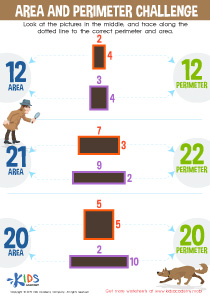
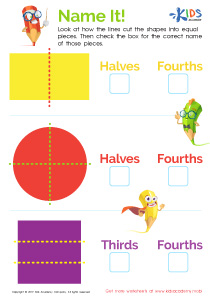
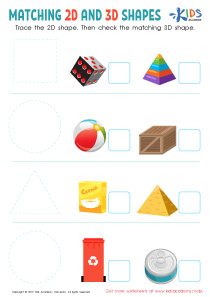
Nurture your child's problem-solving skills with our "Critical Thinking 2D Shapes Worksheets for 4-Year-Olds"! Designed to foster early math and analytical abilities, these engaging worksheets help children recognize, compare, and contrast various shapes. Through fun, interactive activities, kids will enhance their understanding of geometry while developing critical thinking and spatial awareness. Our printables are easy-to-follow, ensuring young learners stay interested and motivated. Suitable for both classroom and at-home learning, these worksheets are perfect for paving the way for a lifetime of confident, capable mathematicians. Explore now and unlock your child's potential today!
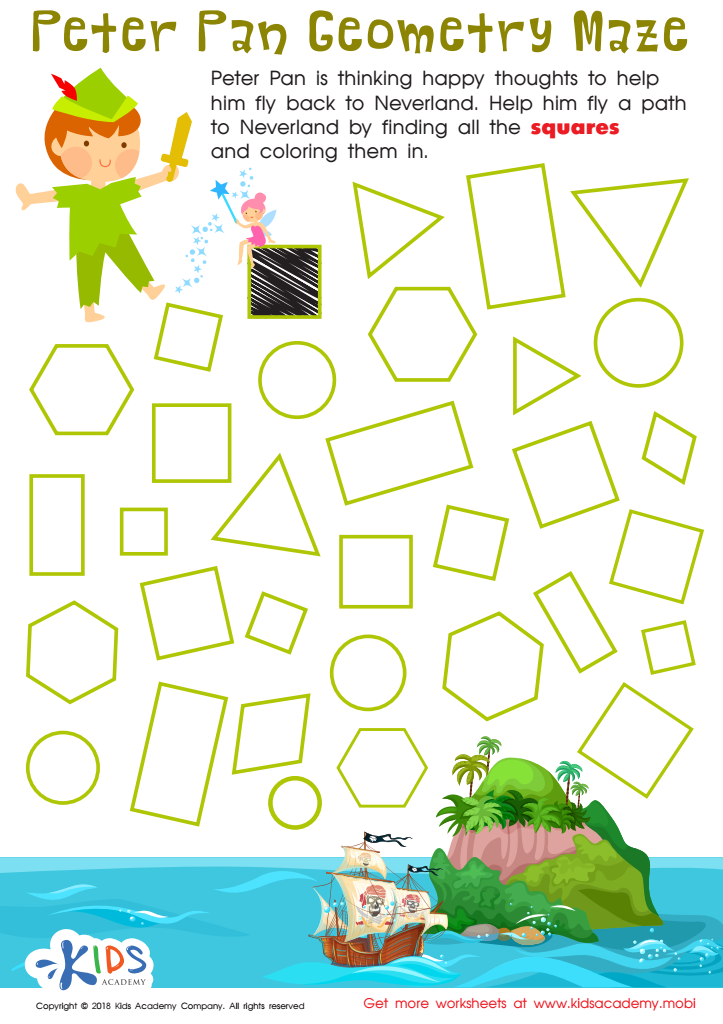
Peter Pan Worksheet
 Assign to My Students


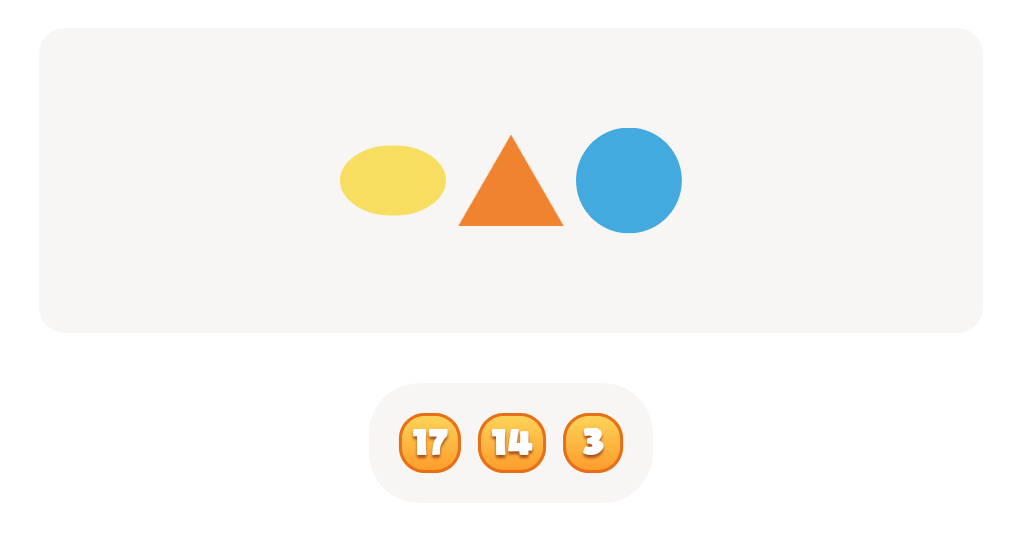
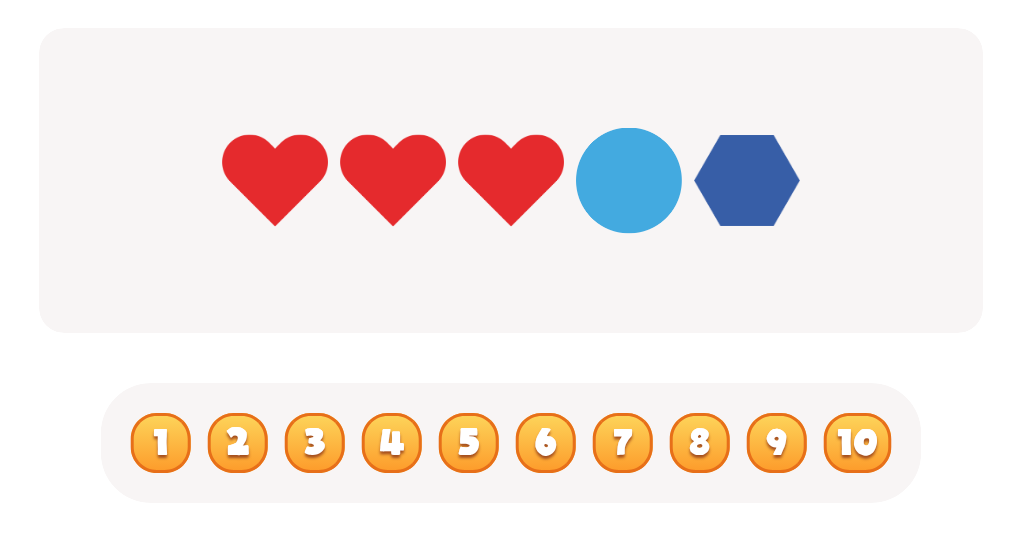
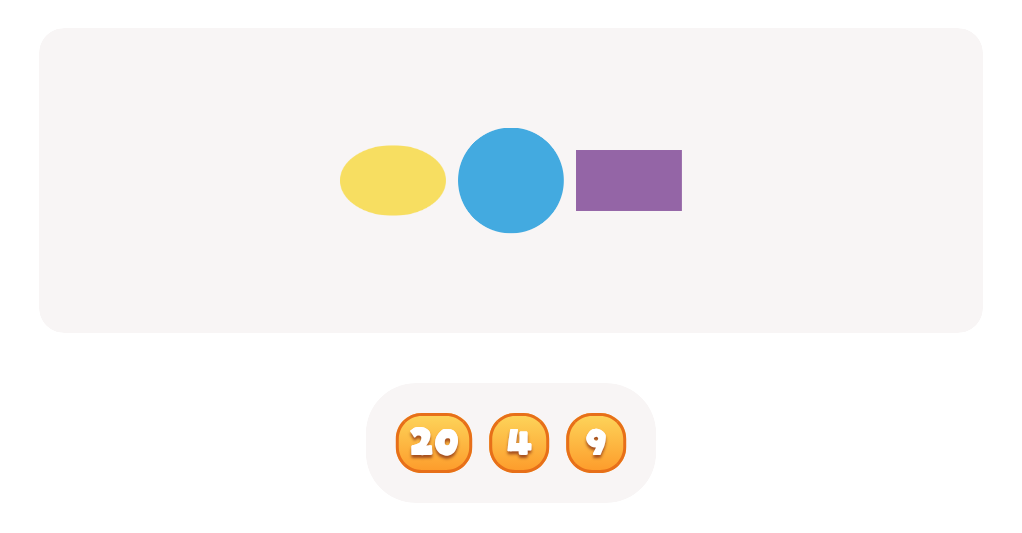
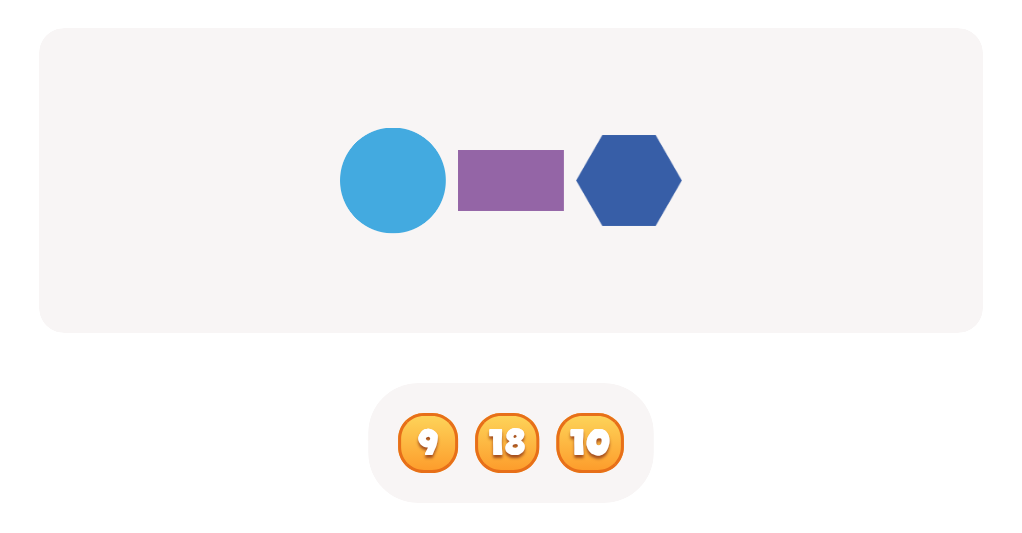
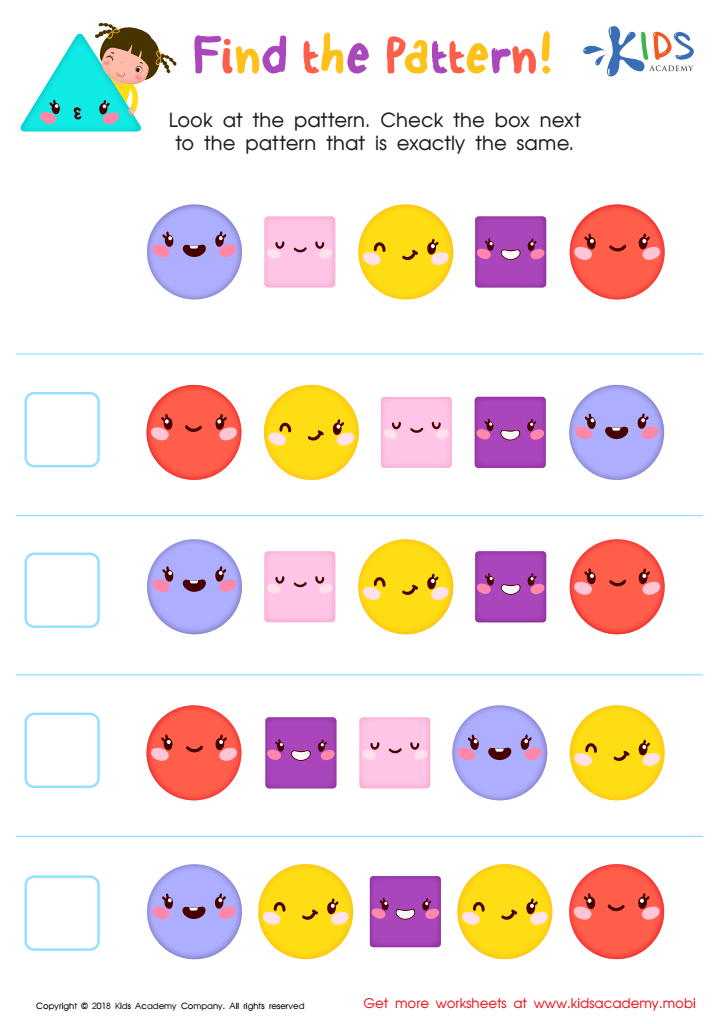
Find the Pattern Worksheet
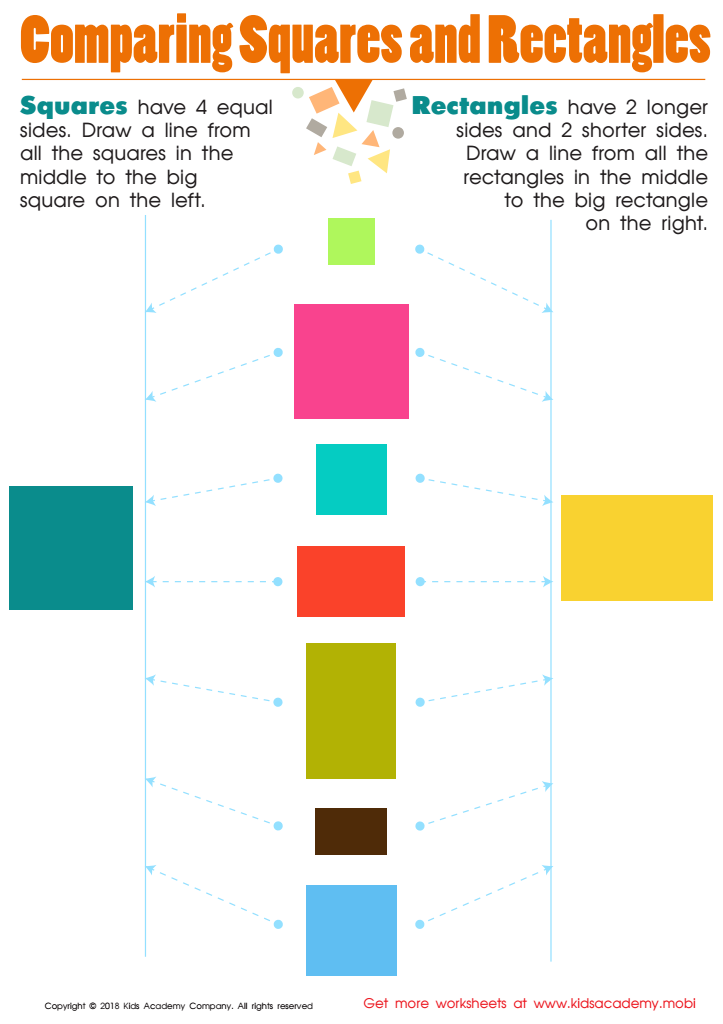
Comparing Squares Rectangles Worksheet
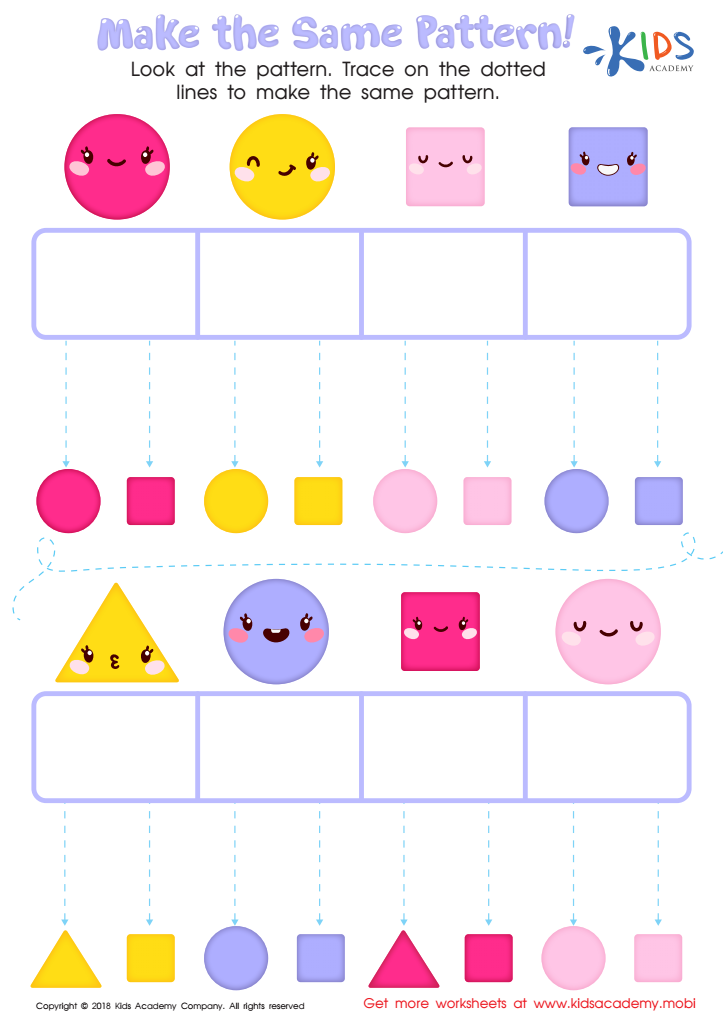
Make the Same Pattern Worksheet
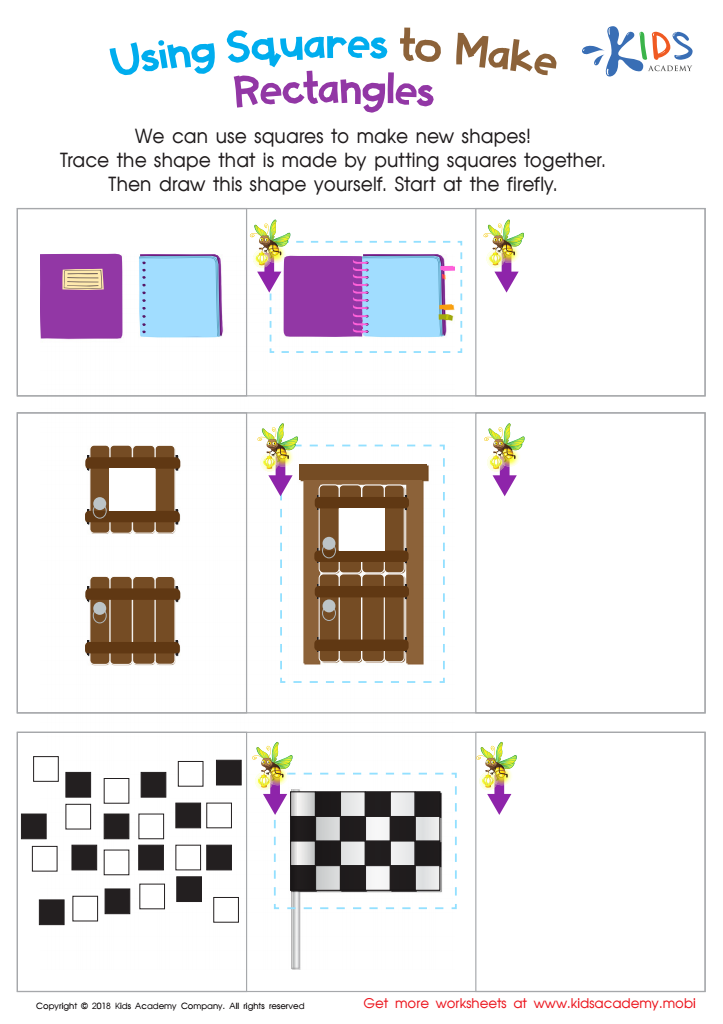
Using Squares to Make Rectangles Worksheet








Critical thinking is an essential skill that benefits individuals throughout their lifetime, and its development can begin as early as preschool. For 4-year-olds, engaging with 2D shapes is a practical and accessible way to foster critical thought while laying the groundwork for future mathematical and problem-solving abilities.
Firstly, learning to recognize and differentiate between various 2D shapes enhances observation and analytical skills. Children learn to notice subtle differences and similarities between shapes like circles, squares, triangles, and rectangles. This keen attention to detail enriches their ability to analyze and synthesize information critically.
Secondly, discussions about shapes foster language development and communication skills. When children describe shapes, they use specific vocabulary and learn to express their thoughts clearly, a key aspect of effective thinking and problem-solving.
Furthermore, working with 2D shapes can introduce foundational concepts of geometry, such as symmetry and spatial awareness. These concepts are crucial for more advanced math topics and are applicable in daily tasks, from understanding maps to organizing physical spaces efficiently.
Additionally, problem-based activities involving shapes encourage logical reasoning and creativity. For example, when asked to create a picture using specific shapes, children must think critically about how to arrange them effectively, promoting flexible thinking and innovation.
Ultimately, giving attention to critical thinking activities around 2D shapes equips children with valuable skills that support their cognitive development and academic success, making it an important focus for parents and teachers.