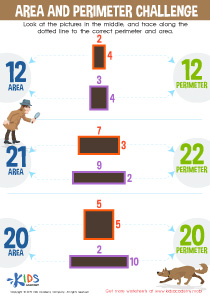
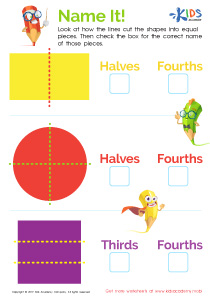
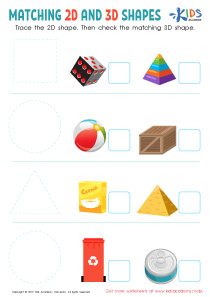
Visual Perception Skills 2D Shapes Worksheets for 4-Year-Olds
3 filtered results
-
From - To
Boost your child's visual perception skills with our engaging 2D shapes worksheets designed specifically for 4-year-olds! These fun and interactive resources help young learners identify, differentiate, and manipulate various 2D shapes, fostering essential cognitive abilities. Exploring shapes through vibrant visuals and hands-on activities enhances their recognition skills and boosts confidence in their early math journey. Perfect for homeschool or classroom use, these worksheets offer versatile learning opportunities that align with early childhood education standards. Help your child build a strong foundation in shape recognition while having a blast! Download our visual perception skills worksheets today and watch their learning flourish!
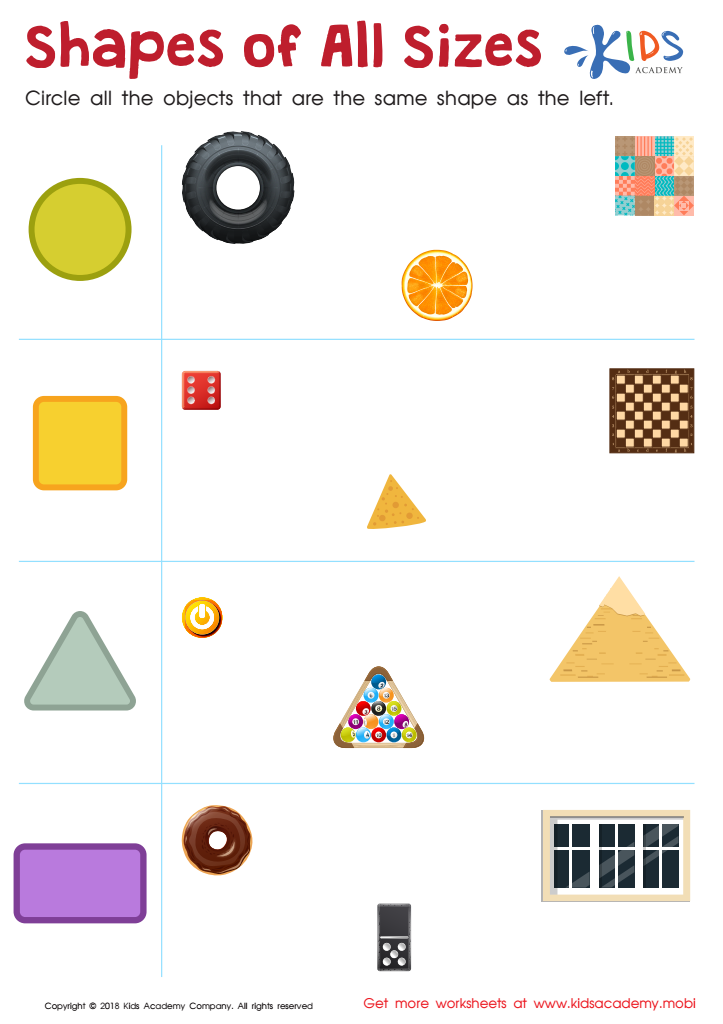
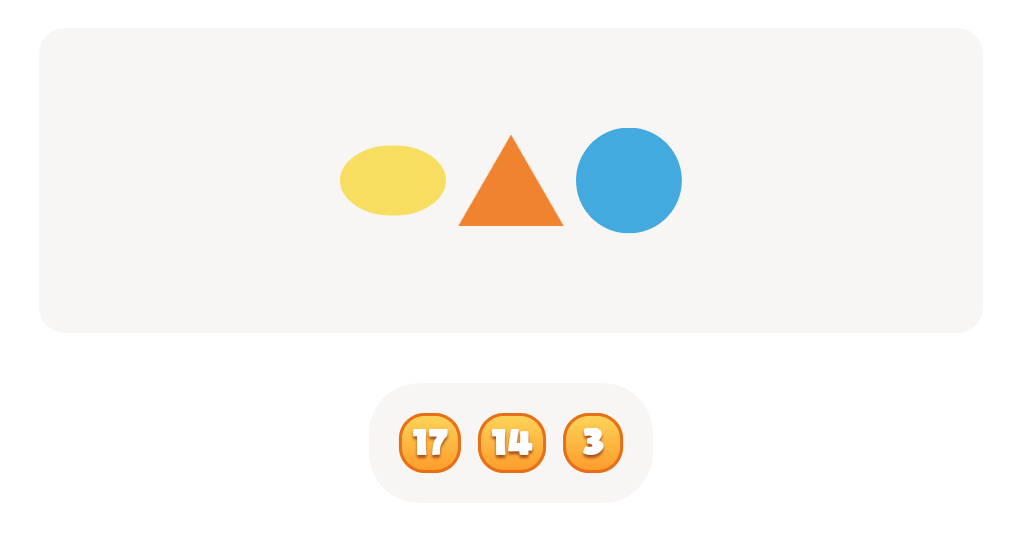
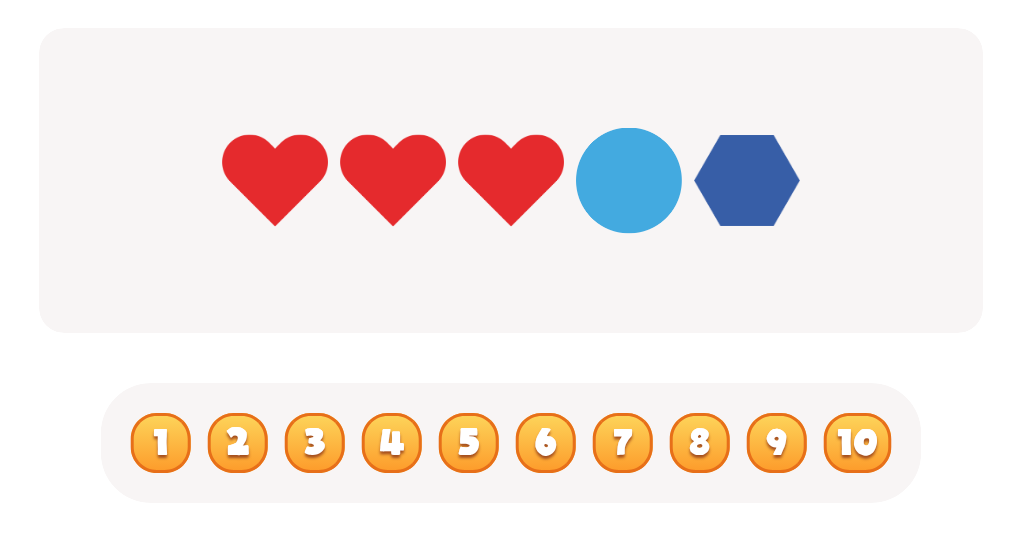
Shapes of All Sizes Worksheet
 Assign to My Students









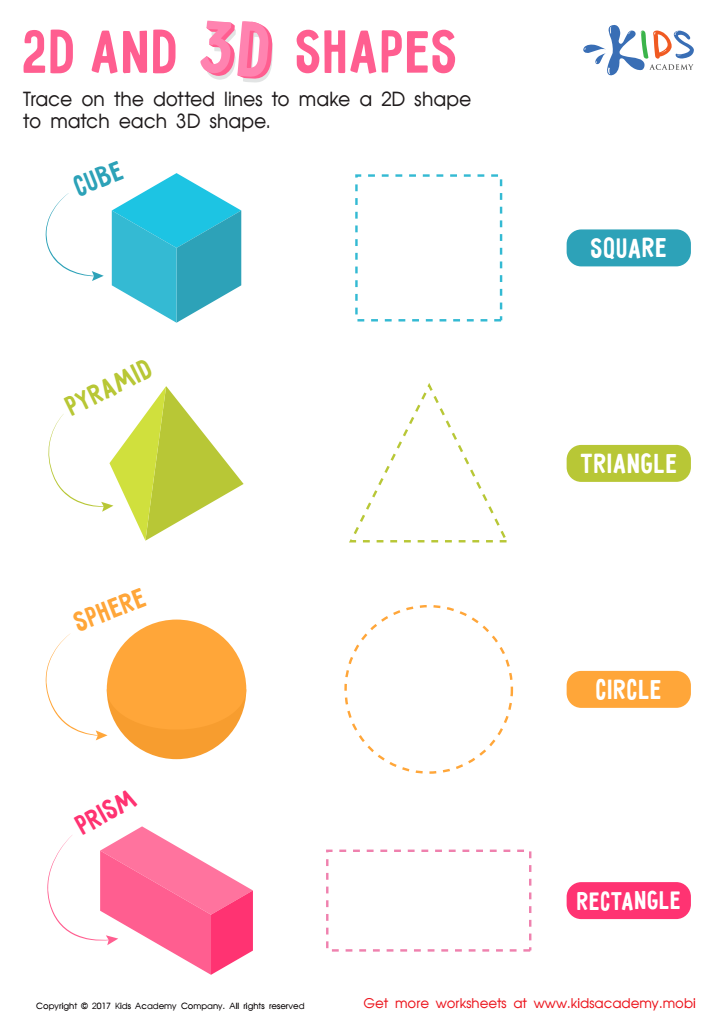
2D and 3D Shapes Worksheet
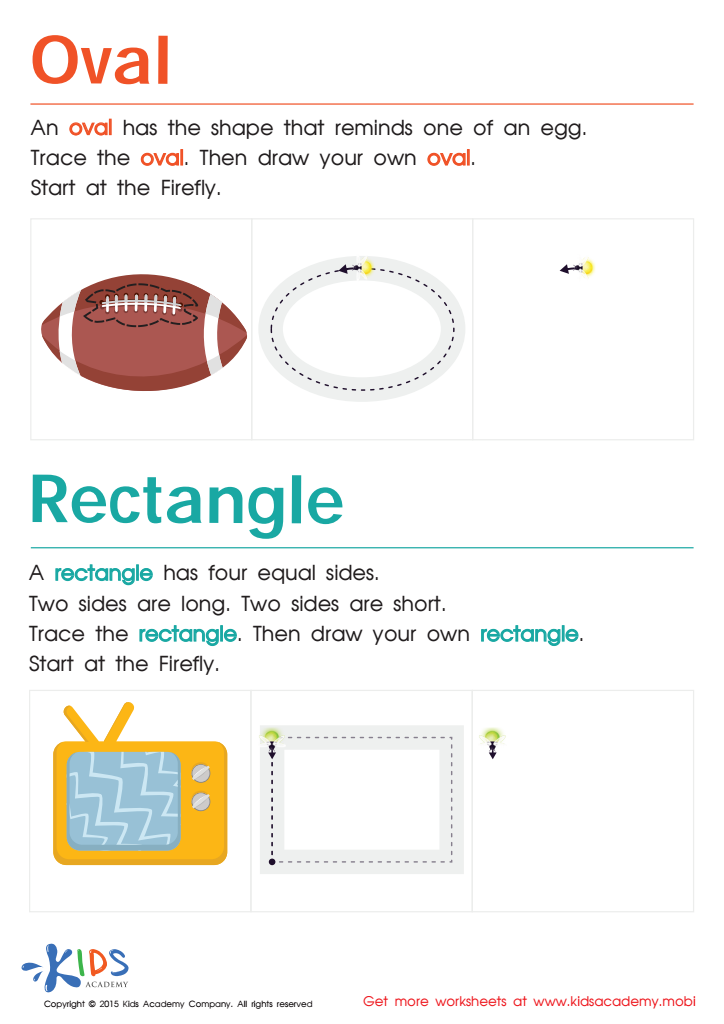
Easy Drawing of Ovals And Rectangles Worksheet








Parents and teachers should prioritize the development of visual perception skills related to 2D shapes for 4-year-olds because these foundational skills are crucial for early learning and cognitive development. At this age, children begin to identify and differentiate shapes, which enhances their ability to categorize, problem-solve, and make sense of the world around them. Recognizing shapes contributes to early mathematics skills, such as counting, sorting, and basic geometry, which serve as building blocks for future academic success.
Moreover, strong visual perception skills support literacy development as children learn to recognize letters and numbers that often share similar shapes. Engaging with 2D shapes through hands-on activities encourages creativity and critical thinking, allowing children to explore concepts such as symmetry, size, and spatial awareness.
In addition, these skills play a vital role in fostering social interactions; when children collaboratively engage in shape-related activities, they enhance their communication and teamwork abilities. By supporting visual perception skills in young learners, parents and teachers not only enrich children’s educational experience but also cultivate a well-rounded foundation for lifelong learning and development. Investing time into building these skills today will yield positive results in children’s academic journeys tomorrow.