Visual Learning Adding Up to 5 Worksheets for 4-Year-Olds - Page 4
84 filtered results
-
From - To


%20(1).jpg)


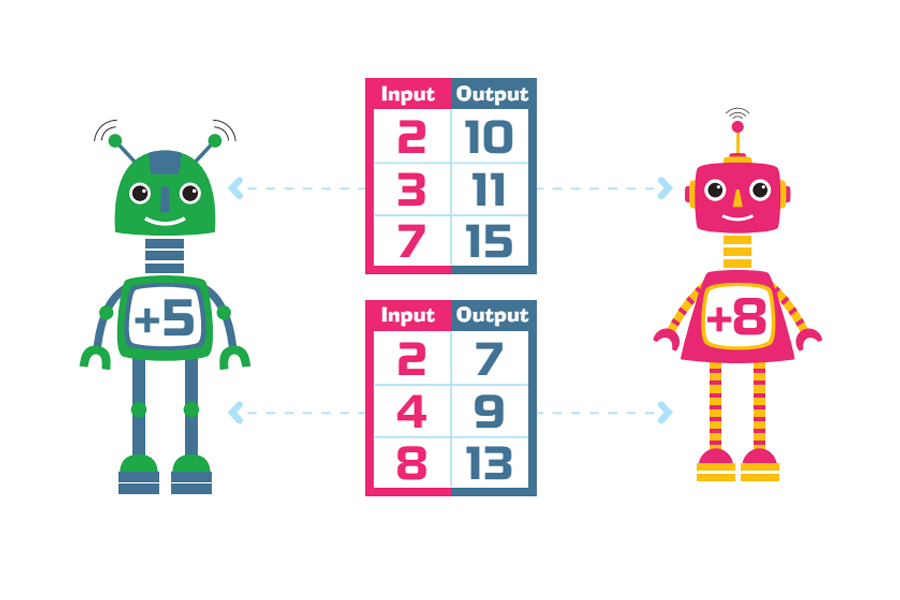


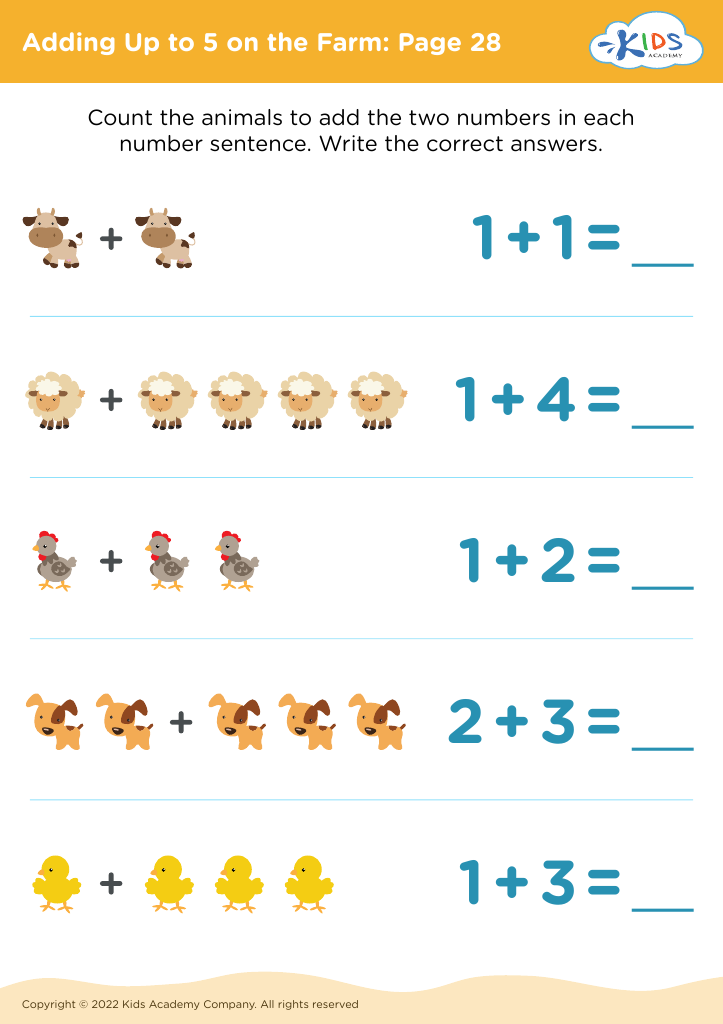
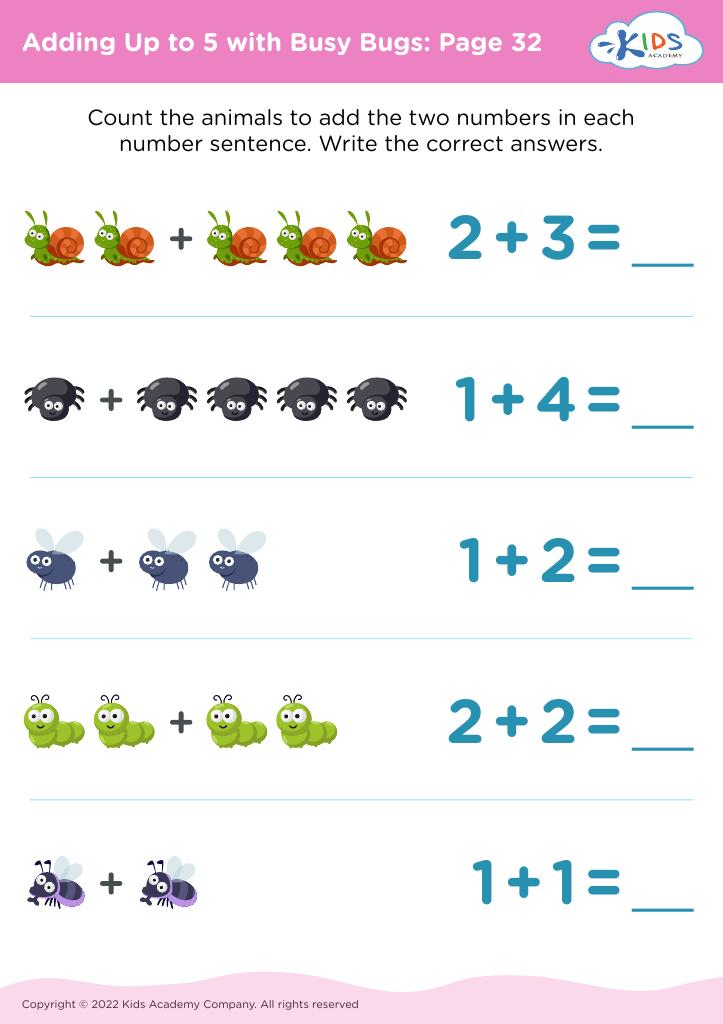
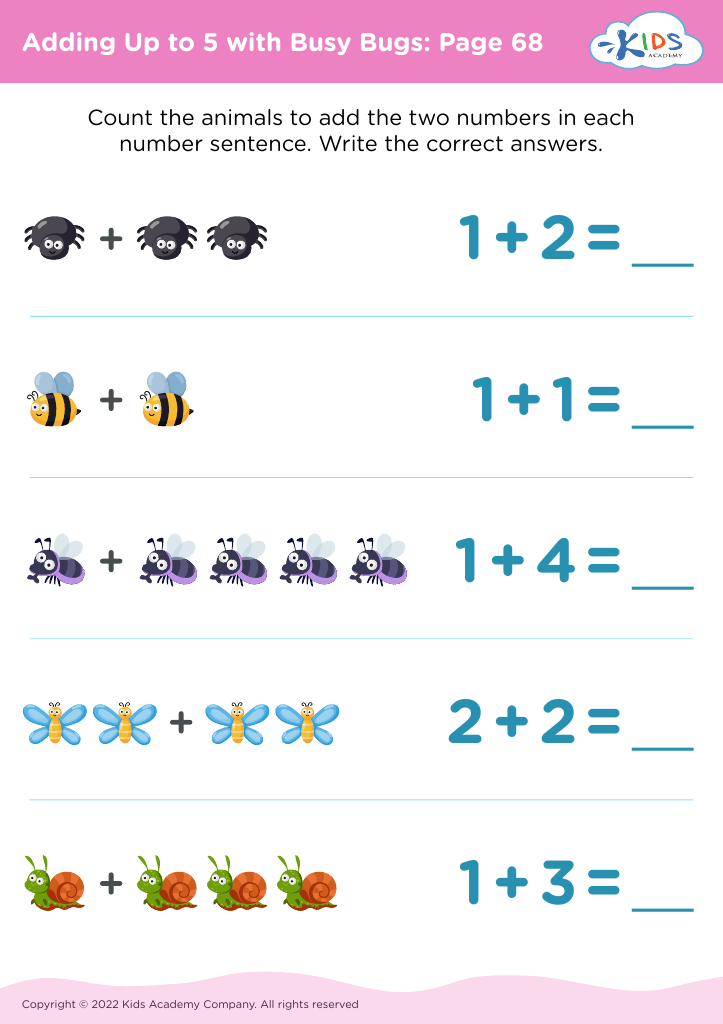
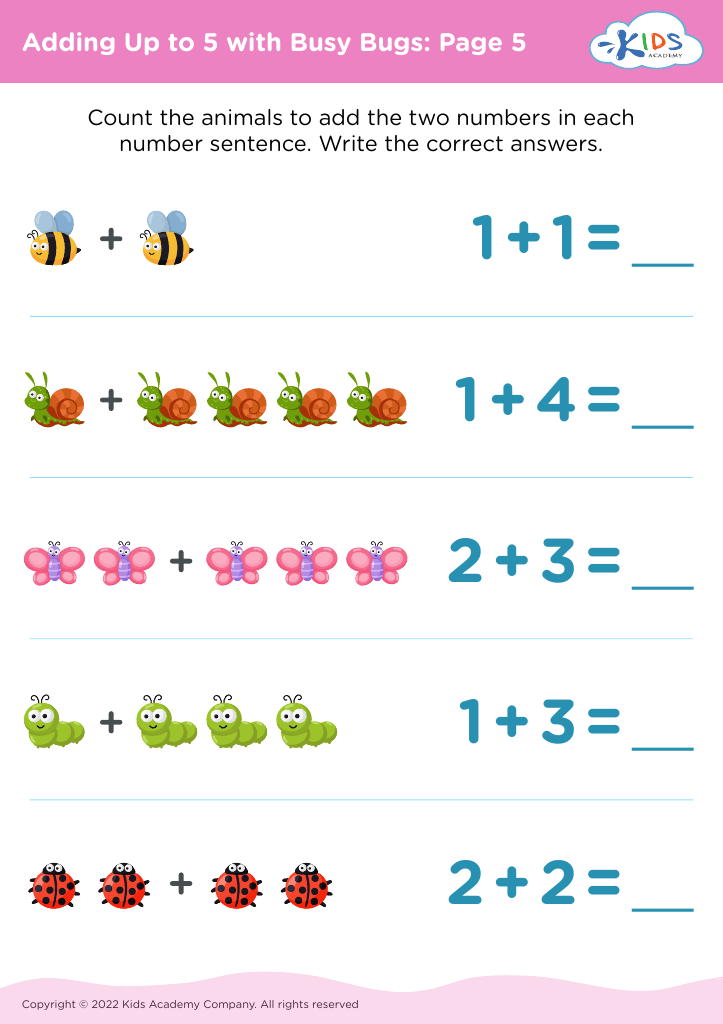
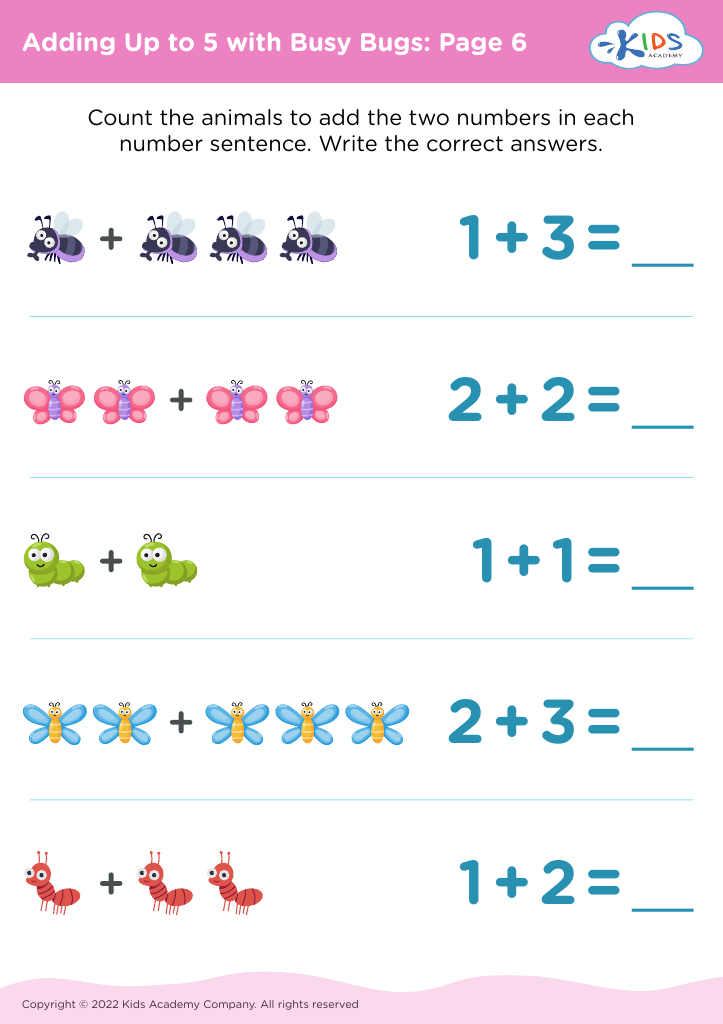
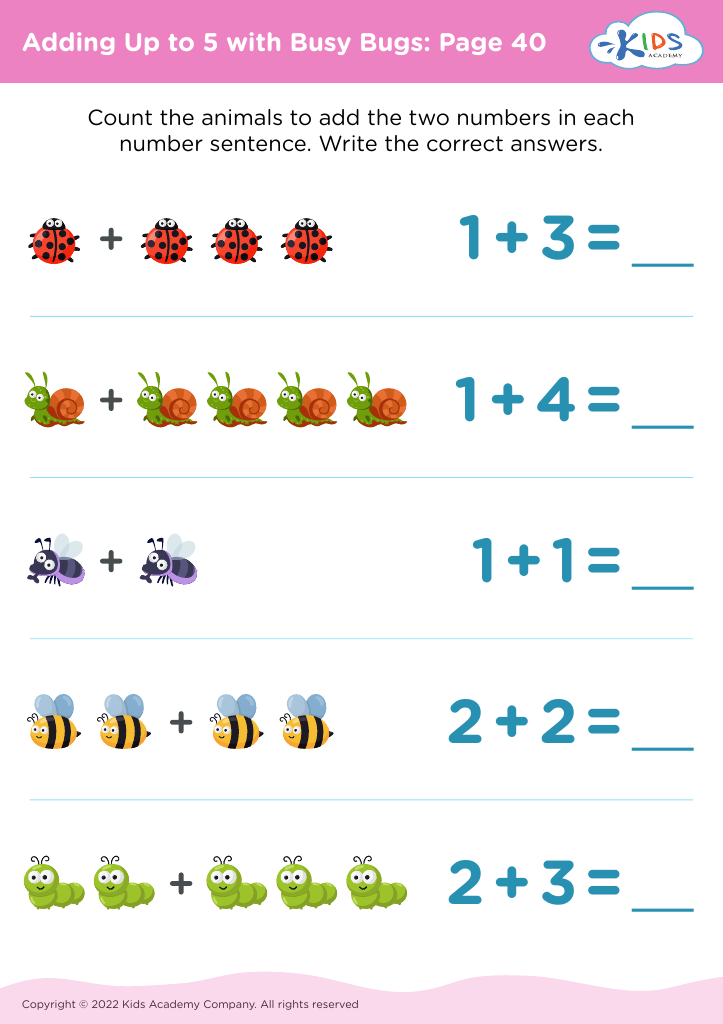
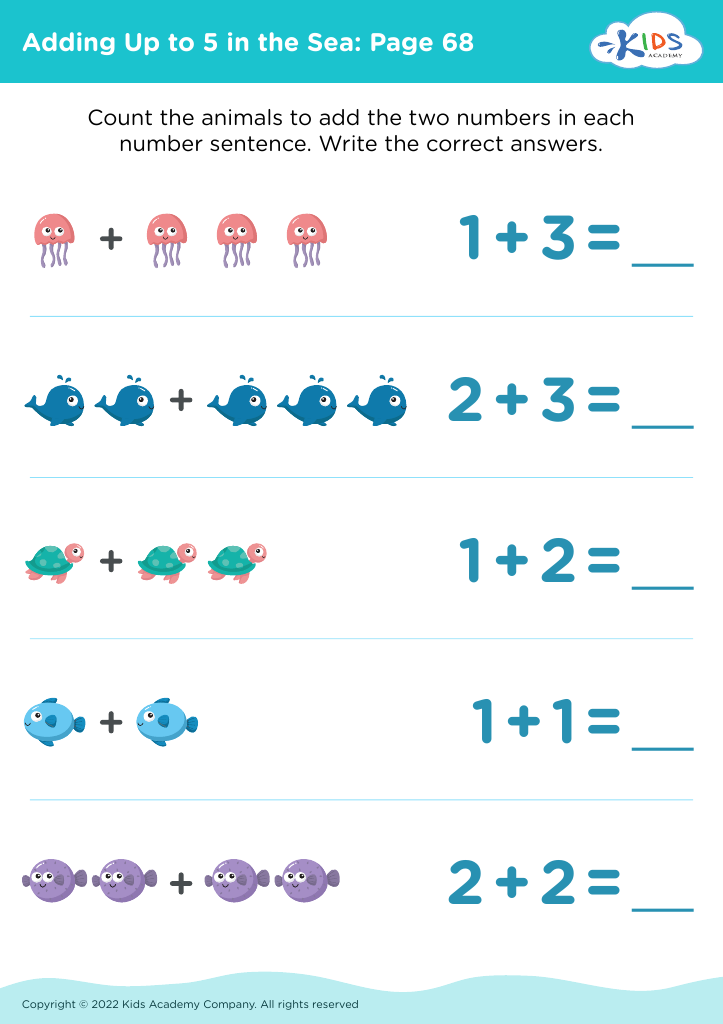
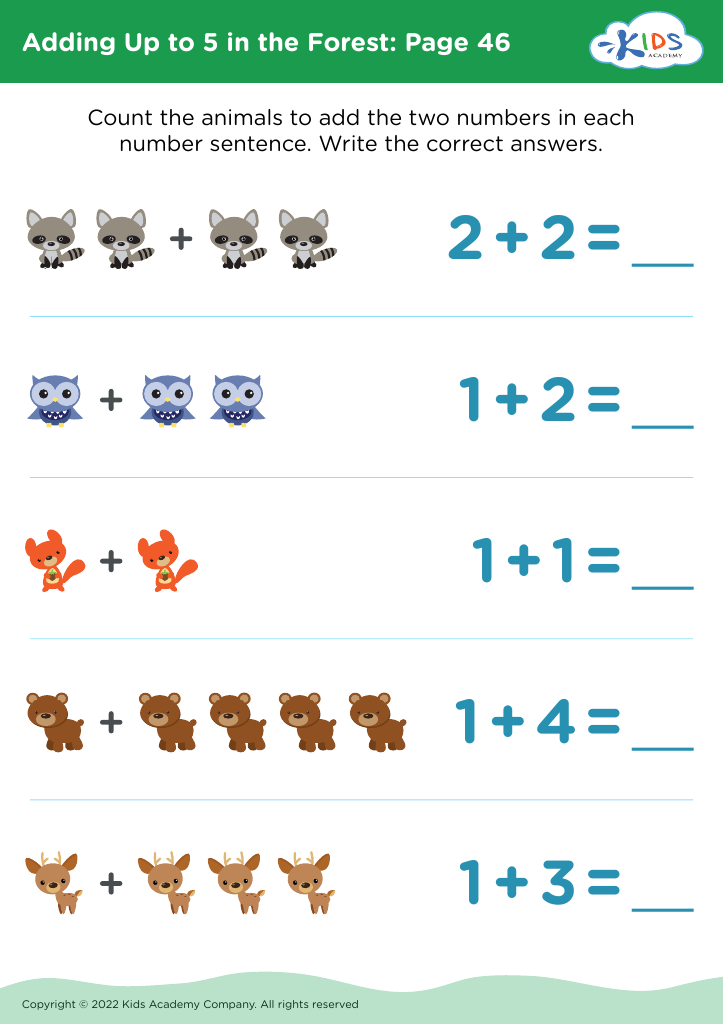
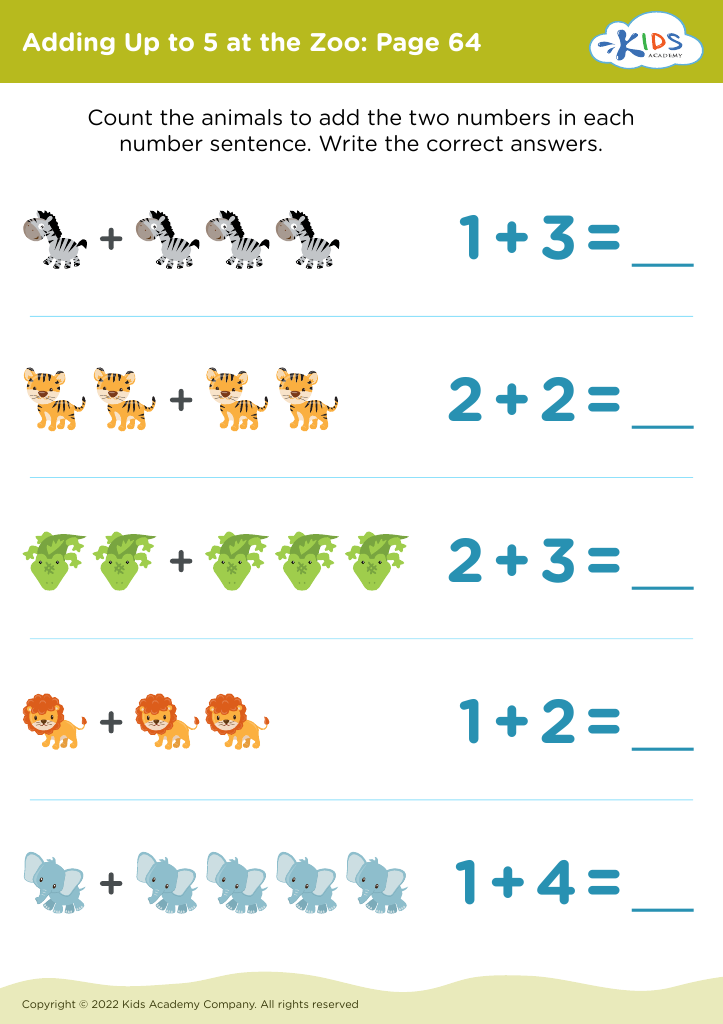
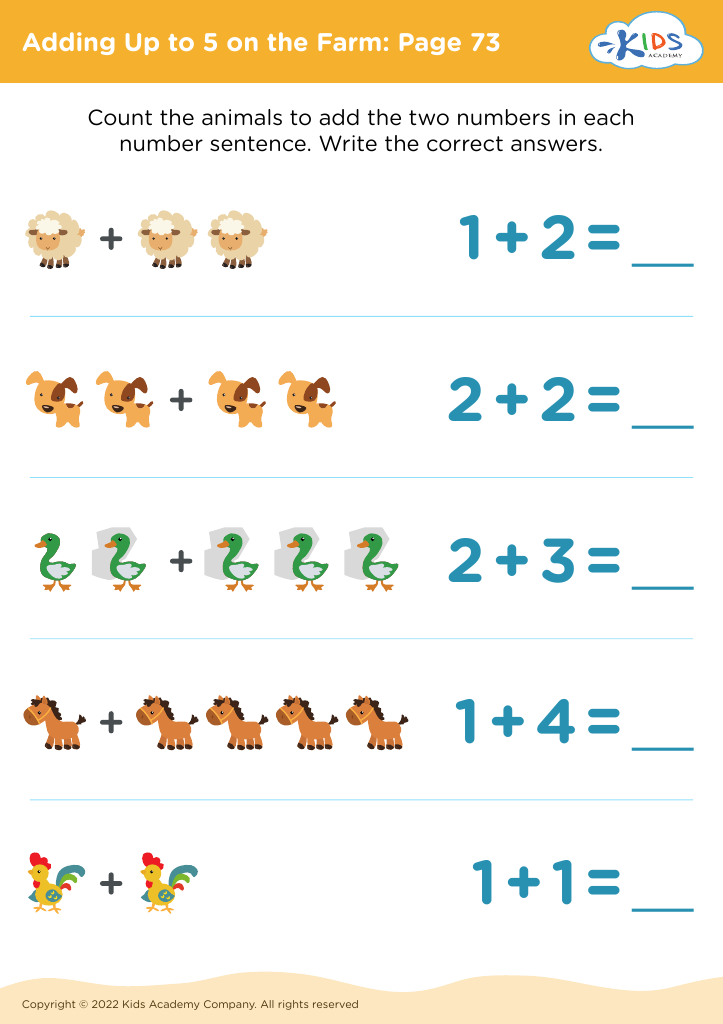
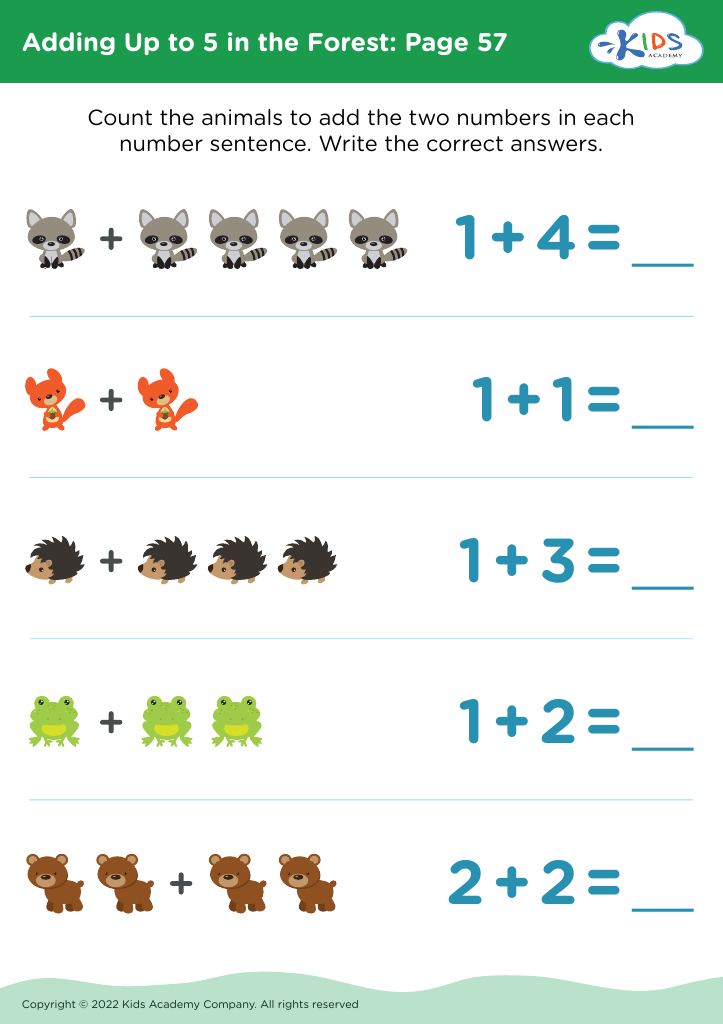
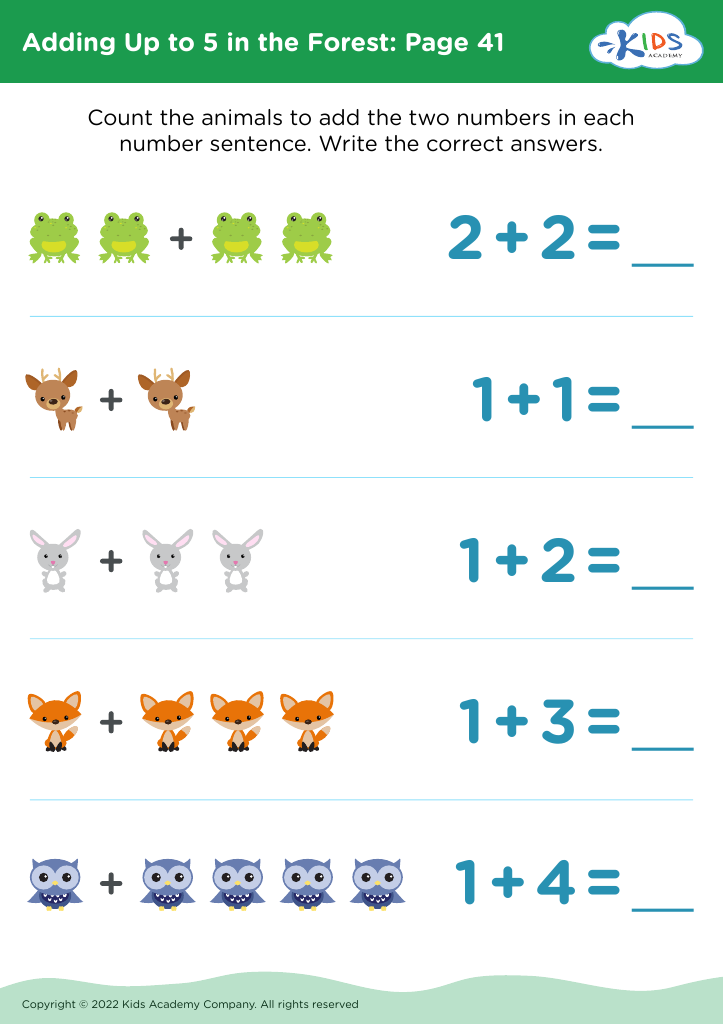
Visual learning for adding up to 5 is crucial for 4-year-olds because it enhances their understanding of basic math concepts in a concrete and engaging way. At this age, children are naturally curious and visually oriented, making visual aids such as counters, number lines, or colorful pictures particularly effective.
Using visual methods allows young children to easily grasp the idea of quantity and how numbers combine. For instance, when they see five apples and remove two, the visual change helps them understand that taking away affects the total count, illustrating subtraction in a simple, digestible manner. Similarly, combining visual objects shows them how addition works, reinforcing the math concept with real-world applications.
Moreover, visual learning supports various developmental skills, such as hand-eye coordination, pattern recognition, and fine motor skills. It encourages active participation and keeps children engaged and interested, which increases retention and comprehension. Such foundational math skills lay the groundwork for more advanced mathematical thinking required in future education.
Parents and teachers who focus on visual learning for sums up to 5 help smooth the early cognitive development in children, paving the way for a more positive and confident approach to math as they progress through their educational journey.








