Hand-eye Coordination Addition and Subtraction Word Problems Worksheets for 4-Year-Olds
3 filtered results
-
From - To
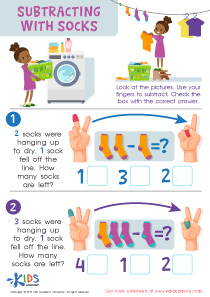
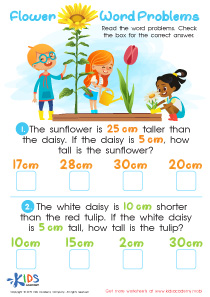
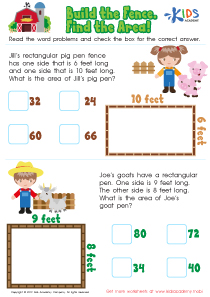
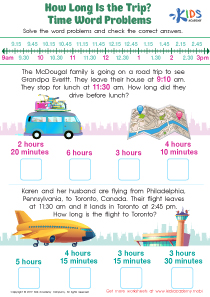
Introduce your 4-year-old to fun and educational math challenges with our "Hand-eye Coordination Addition and Subtraction Word Problems Worksheets". These engaging activities are designed to enhance essential math skills while simultaneously boosting hand-eye coordination. Each worksheet presents colorful and interactive problems that encourage young learners to practice addition and subtraction in an enjoyable way. Tailored specifically for early learners, these exercises help kids develop fine motor skills, number recognition, and problem-solving abilities. Perfect for both classroom and home use, these worksheets lay a strong foundation for future math success and make learning an exciting adventure!
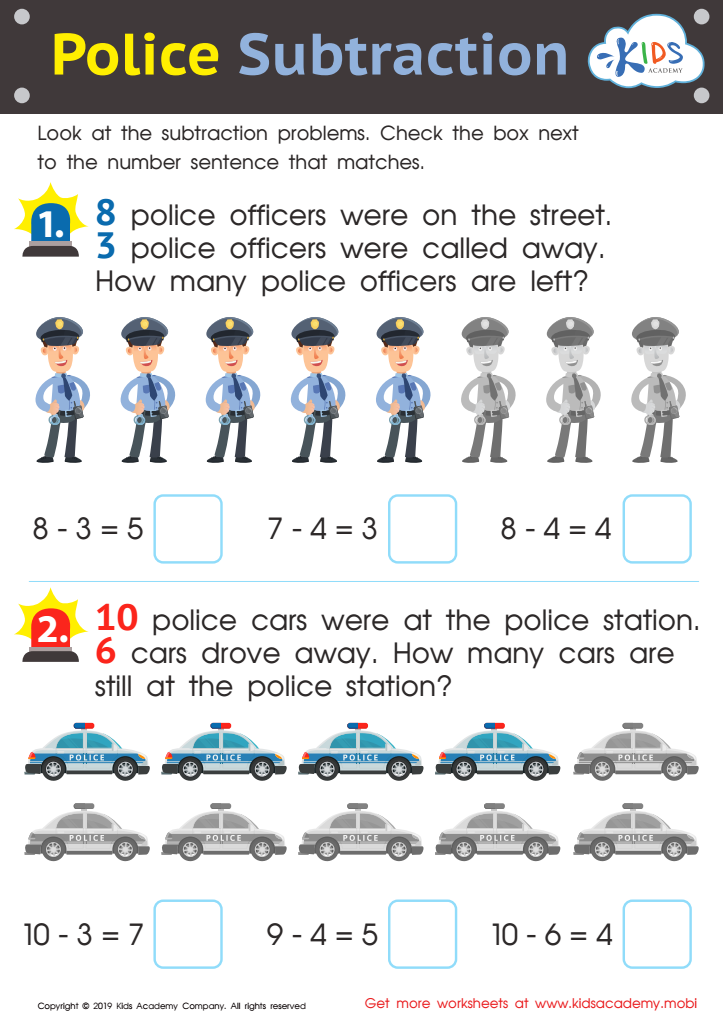
Police Subtraction Worksheet
 Assign to My Students
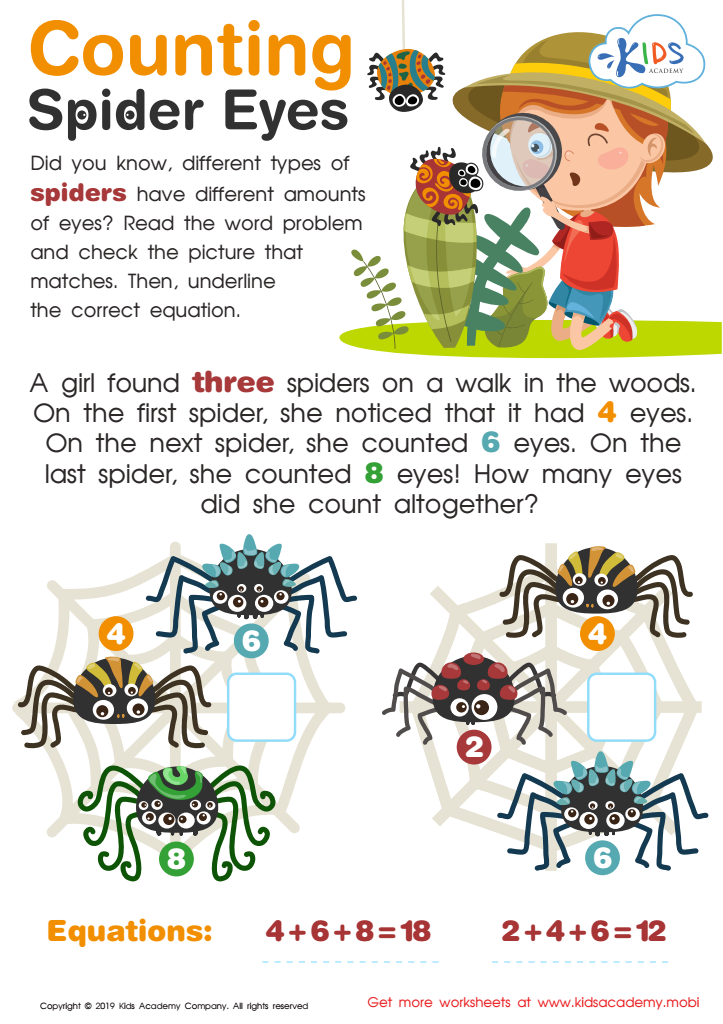
Counting Spider Eyes Worksheet
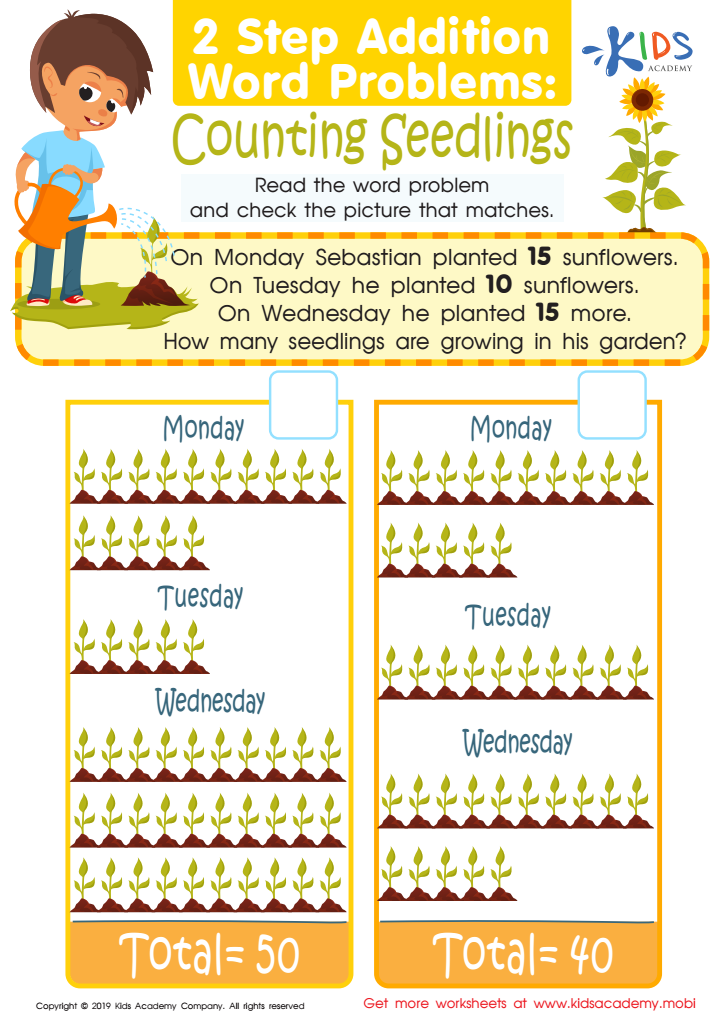
Counting Seedlings Worksheet








Hand-eye coordination is a critical developmental skill that enhances a child’s ability to perform tasks that require simultaneous use of their hands and eyes. Incorporating hand-eye coordination exercises into addition and subtraction word problems for 4-year-olds fosters multiple essential abilities concurrently. Firstly, it creates a stimulating multi-sensory learning environment, making mathematical concepts more tangible and engaging. Activities such as placing physical objects (like toys or counters) to represent numbers help solidify abstract concepts like addition and subtraction in young minds.
Moreover, crafting problems that integrate physical actions—such as picking up and placing objects into specific spaces or sequences—encourages fine motor skills development. Handling small items effectively hones muscle control and dexterity, foundational for future tasks like writing, cutting, and athletics.
In terms of cognitive benefits, these combined activities boost memory retention and enhance logical thinking. Young children are naturally kinesthetic learners; by moving and manipulating real objects, their comprehension of mathematical operations becomes deeper and more intuitive. Additionally, cooperative problem-solving fosters social and communication skills, making learning a communal experience.
Thus, integrating hand-eye coordination with math word problems for 4-year-olds nurtures cross-disciplinary growth, laying a robust foundation for future academic and physical pursuits. Parents and teachers should recognize this multi-faceted approach as beneficial for a comprehensive and enriched developmental trajectory.