Number Recognition Addition and Subtraction Word Problems Worksheets for 4-Year-Olds
17 filtered results
-
From - To
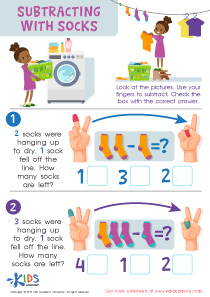
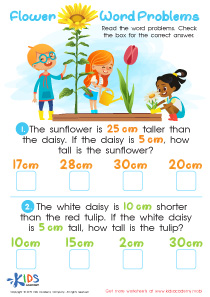
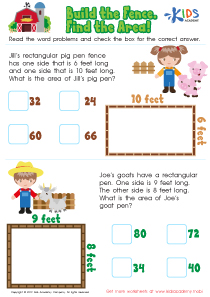
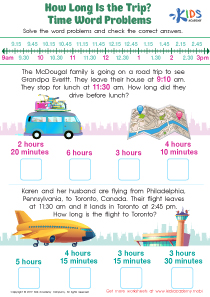
Contact us to expand your child’s mathematical skills with our Number Recognition Addition and Subtraction Word Problems Worksheets for 4-Year-Olds. Designed specifically for young learners, these engaging worksheets introduce foundational math concepts through colorful illustrations and real-world scenarios. Children will build essential skills in number recognition while solving simple addition and subtraction problems that encourage critical thinking. Our activities are perfect for homeschooling, classroom use, or extra practice at home. Help your child develop a love for math early on with fun, interactive learning tools that foster confidence and reinforce problem-solving abilities. Explore our resources today for endless educational fun!
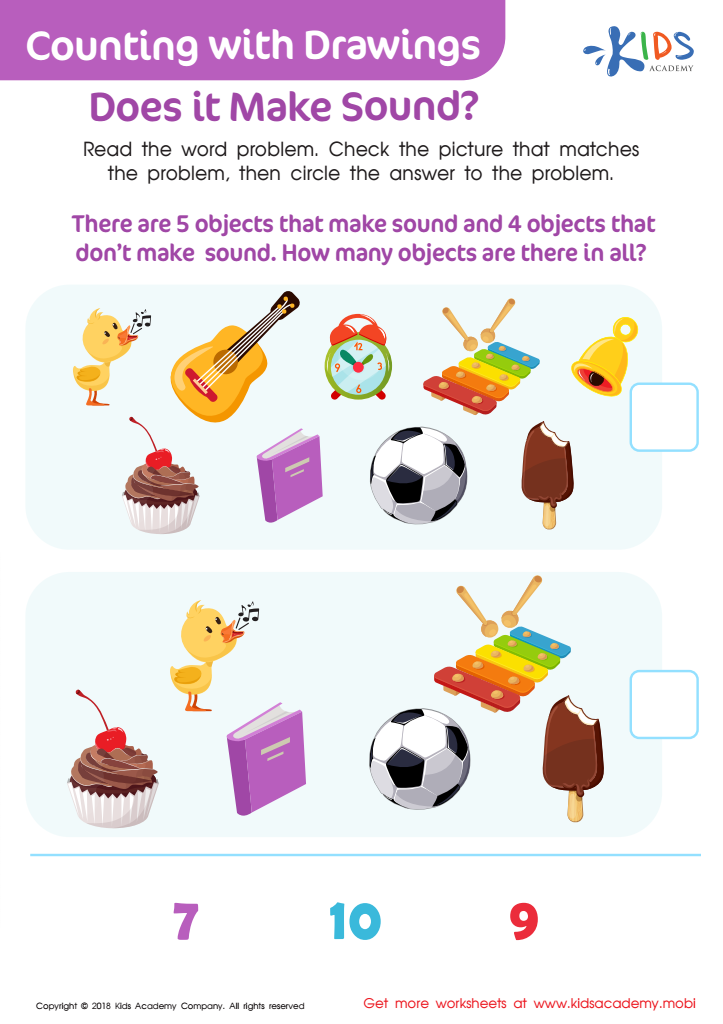
Counting With Drawings. Does It Make Sound? Worksheet
 Assign to My Students
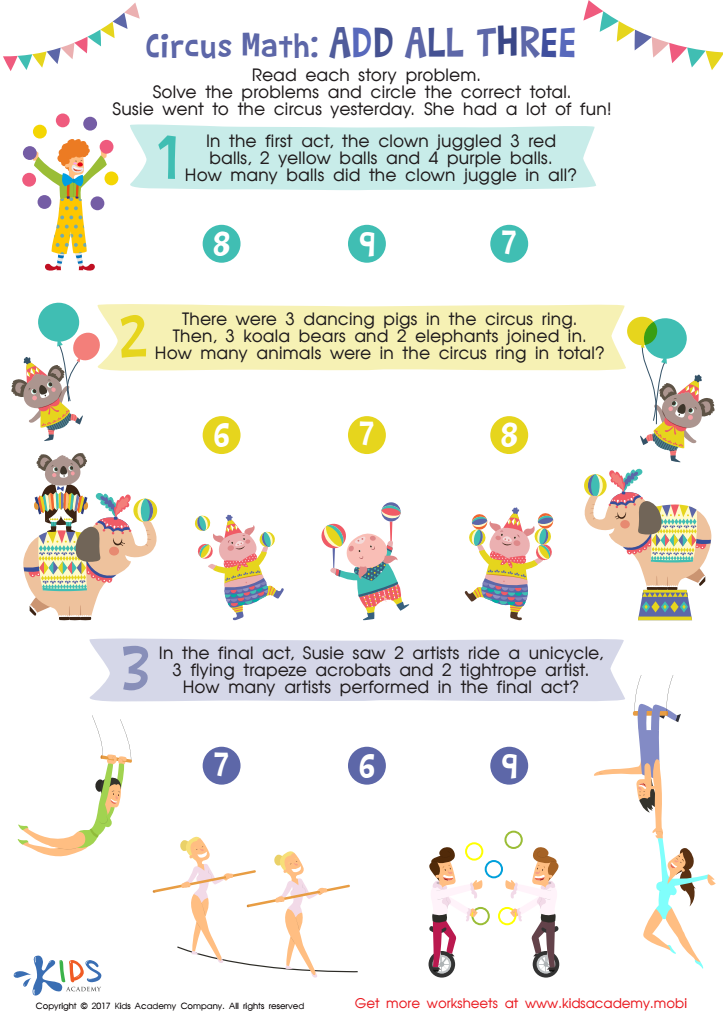
Circus Math Printable
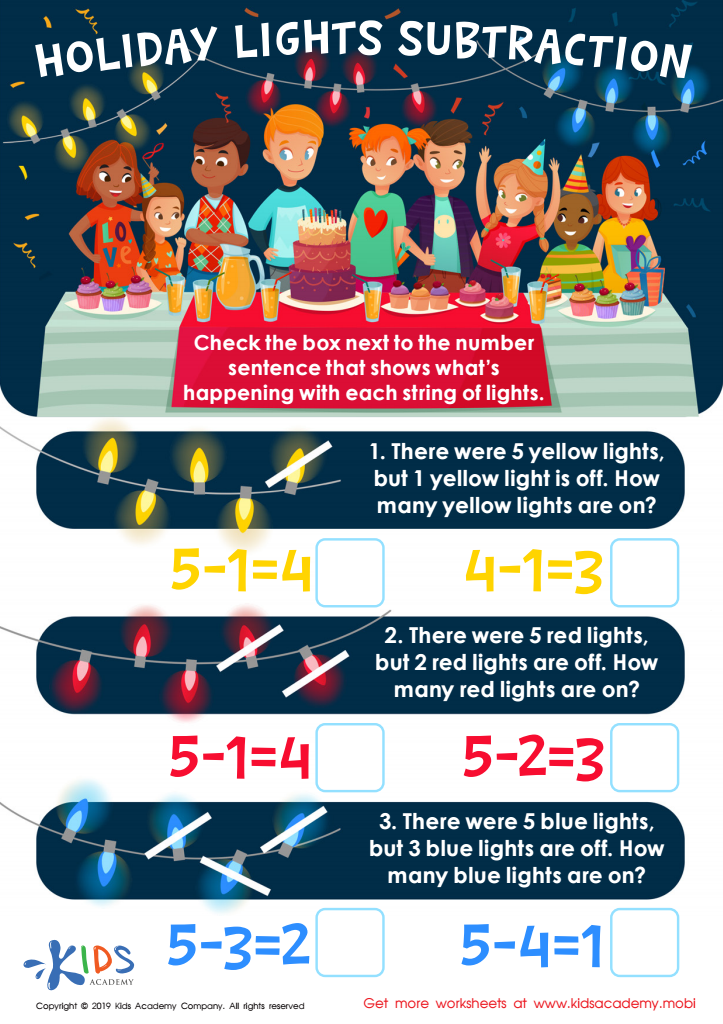
Holiday Lights Subtraction Worksheet
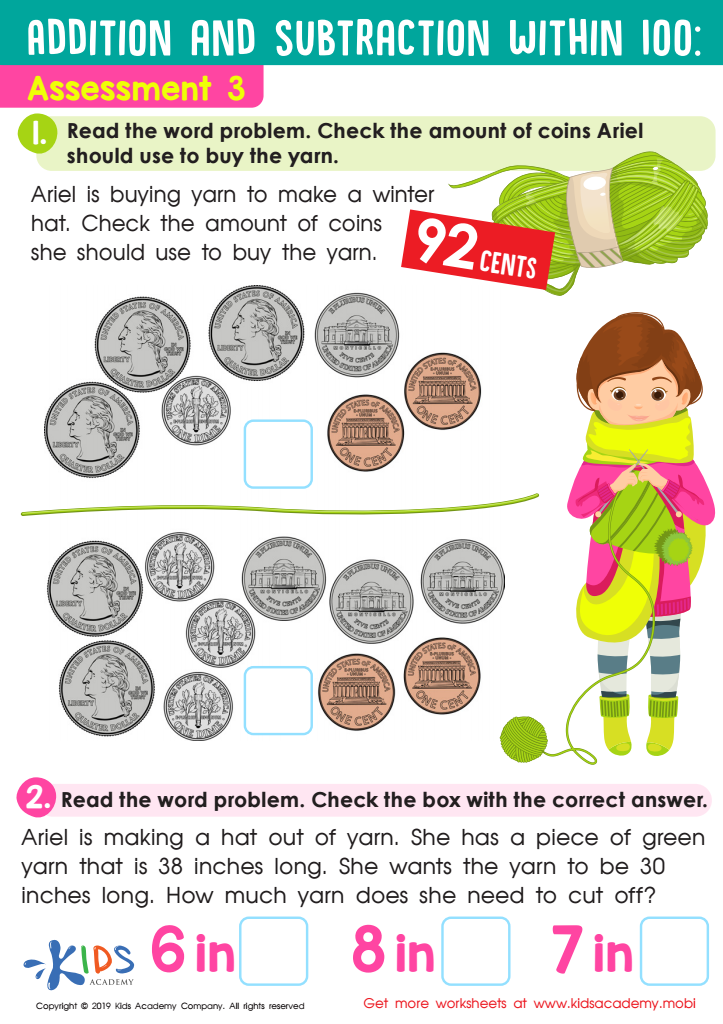
Assessment 3 Math Worksheet
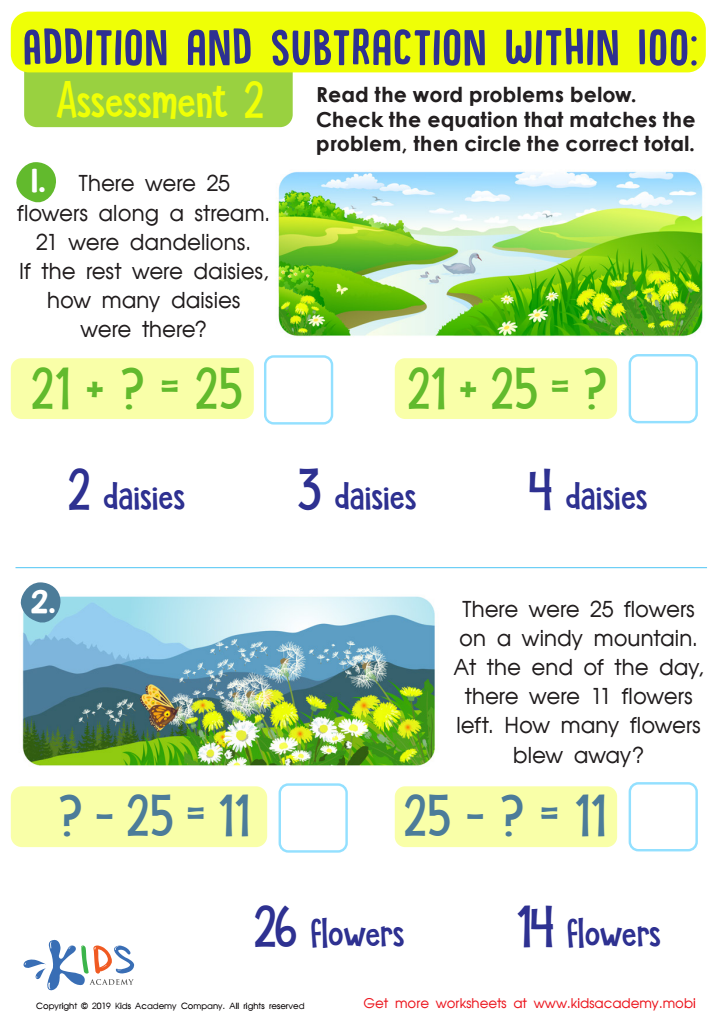
Assessment 2 Math Worksheet
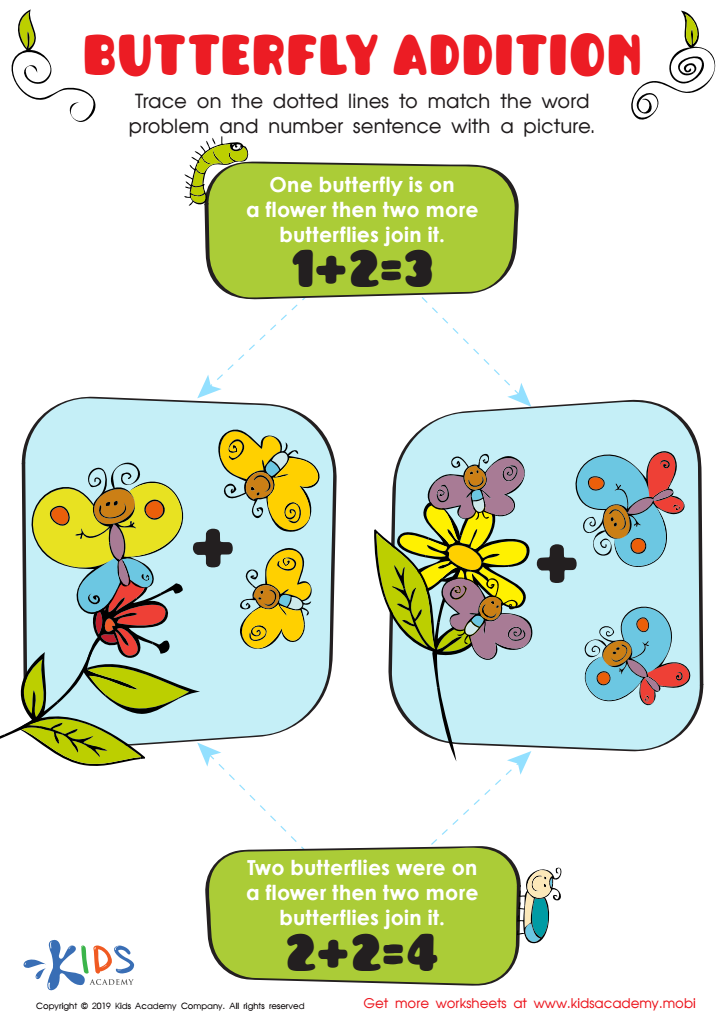
Butterfly Addition Worksheet
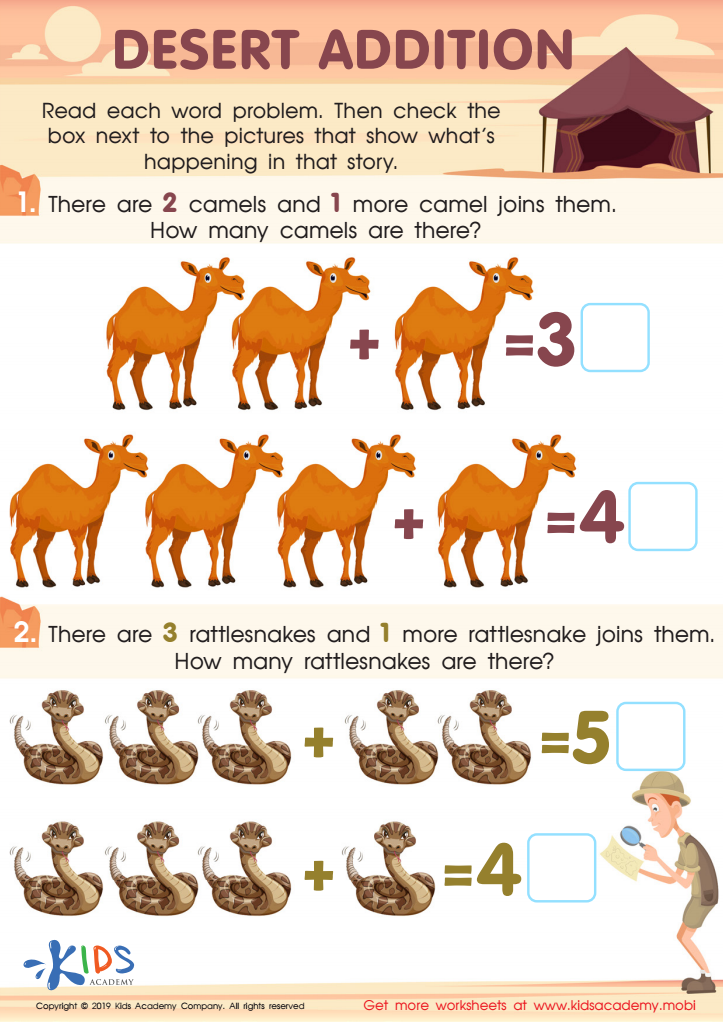
Desert Addition Worksheet
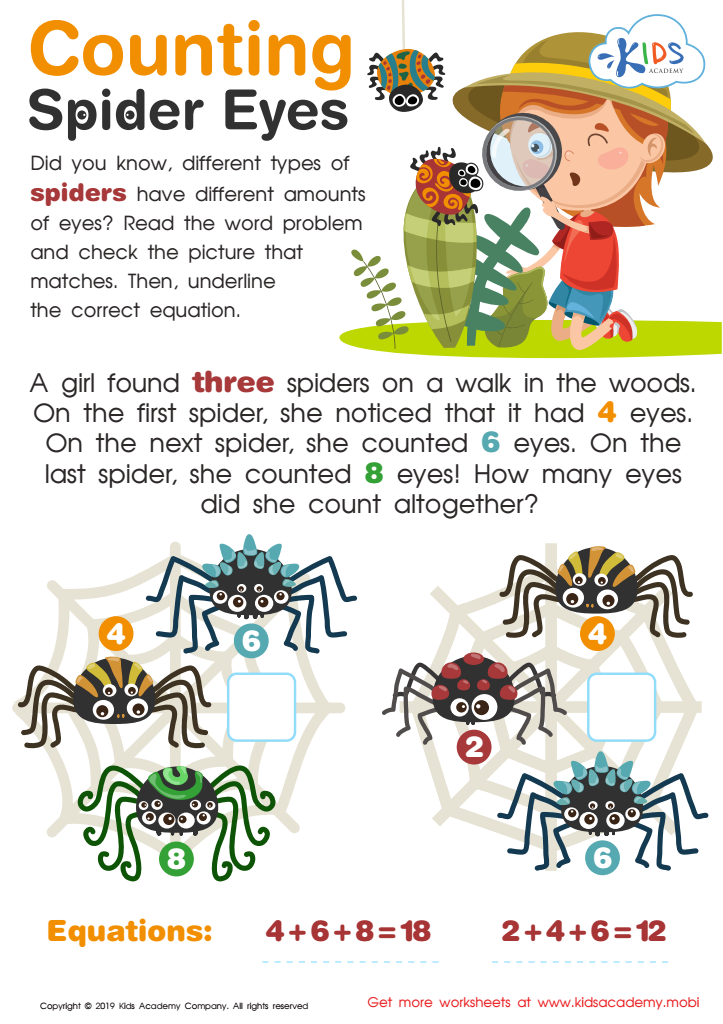
Counting Spider Eyes Worksheet
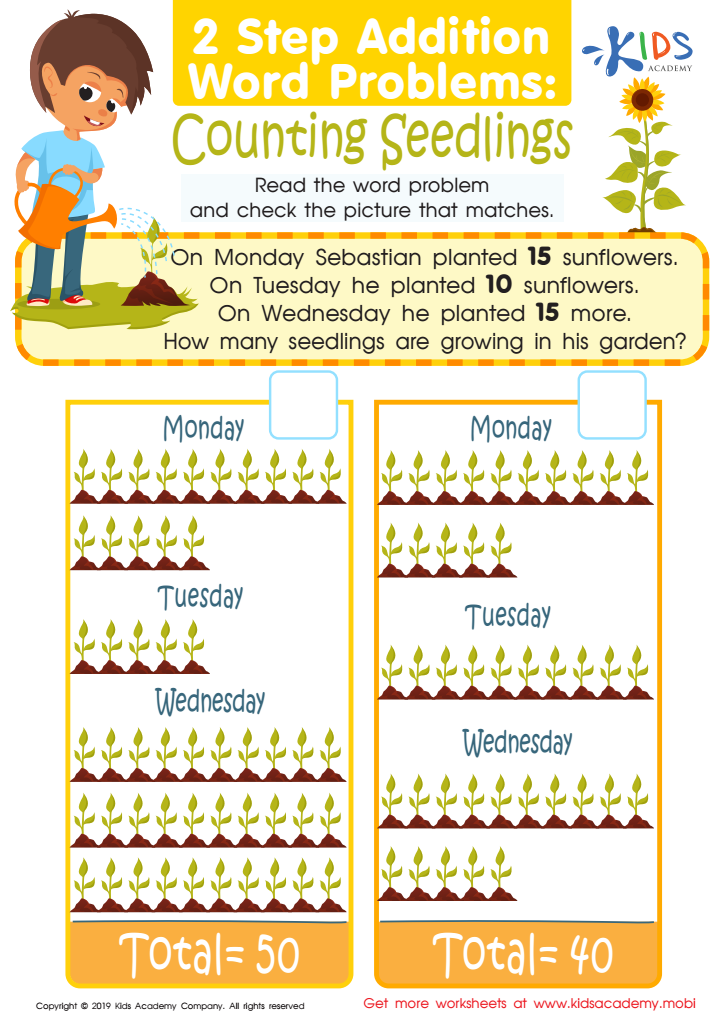
Counting Seedlings Worksheet
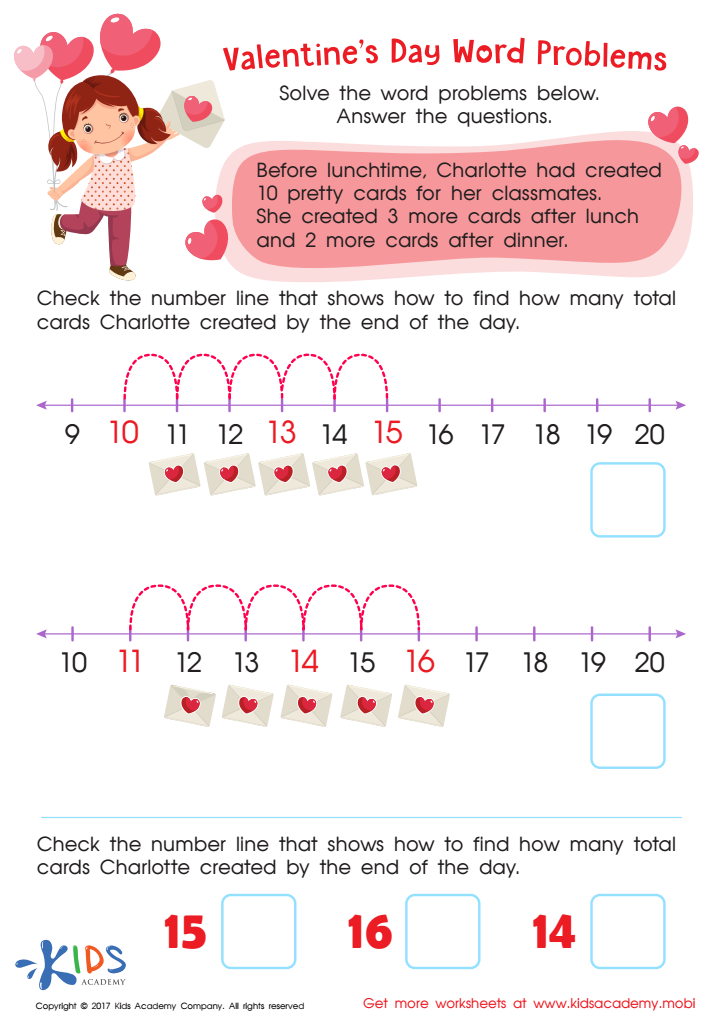
Valentines Day Word Problem Worksheet
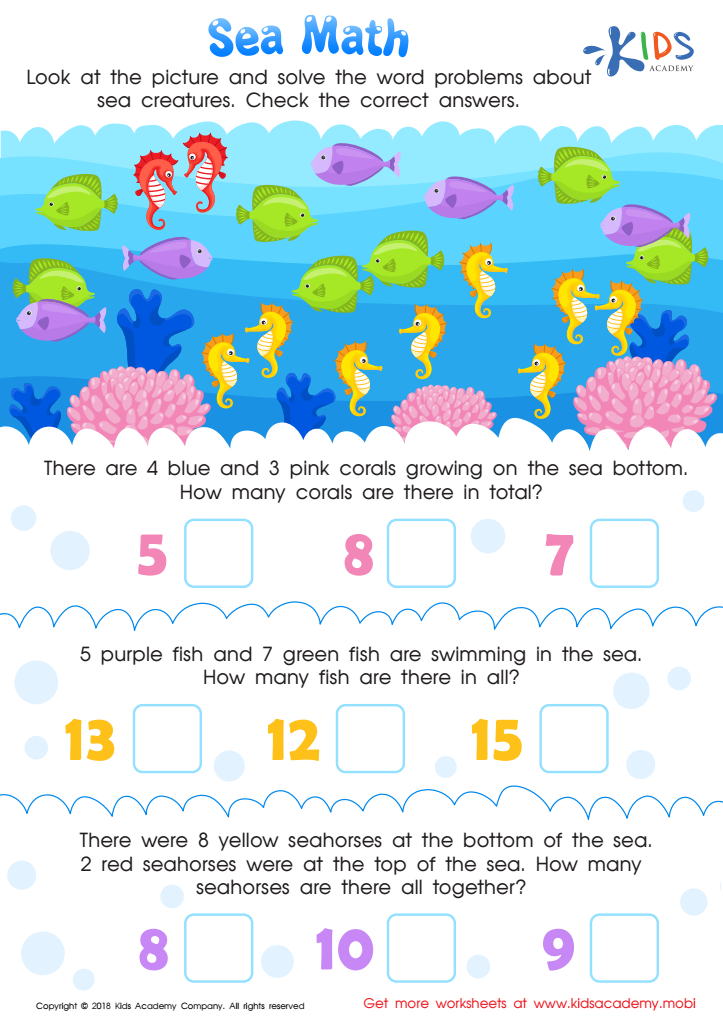
Sea Math Worksheet
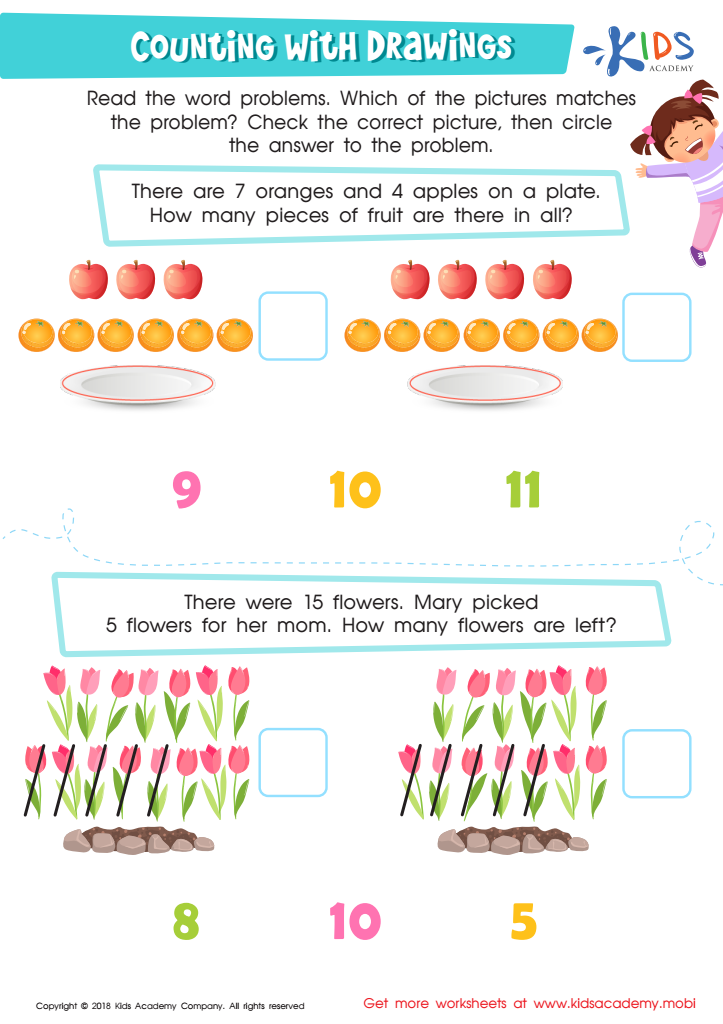
Counting with Drawings: Fruits & Chocolates Worksheet
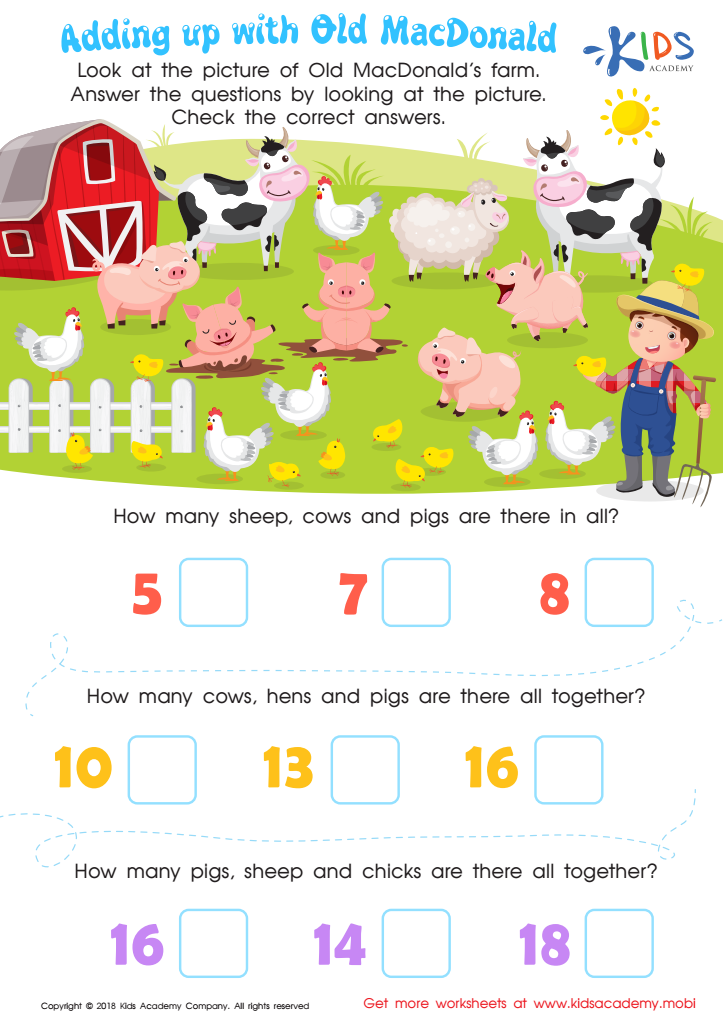
Adding Up with Old MacDonald Worksheet
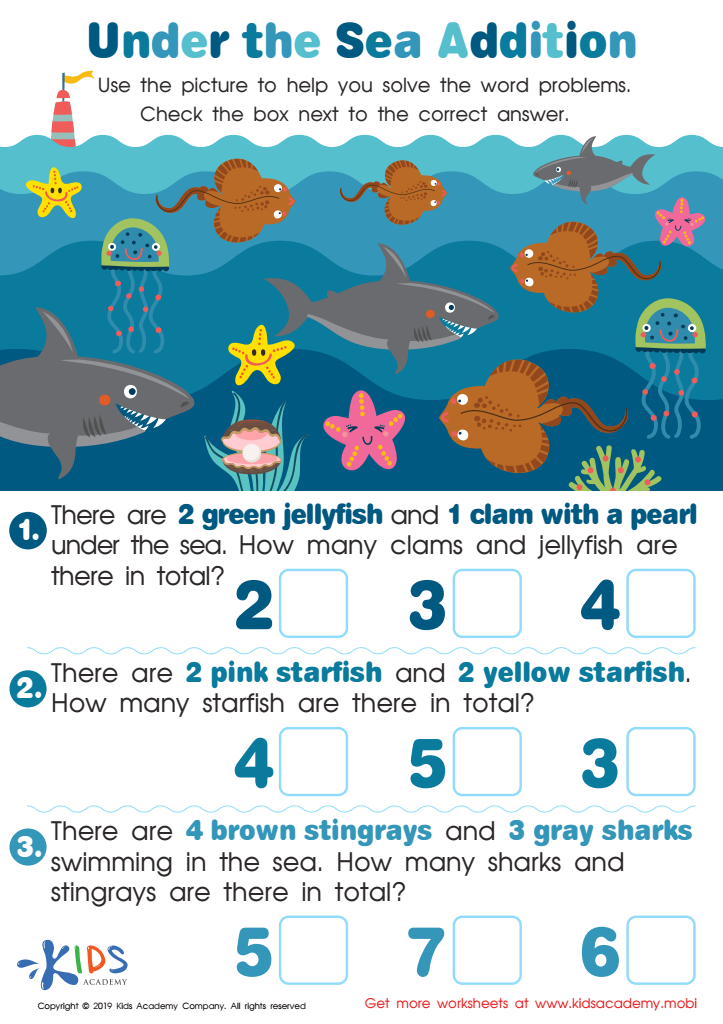
Under the Sea Addition Worksheet
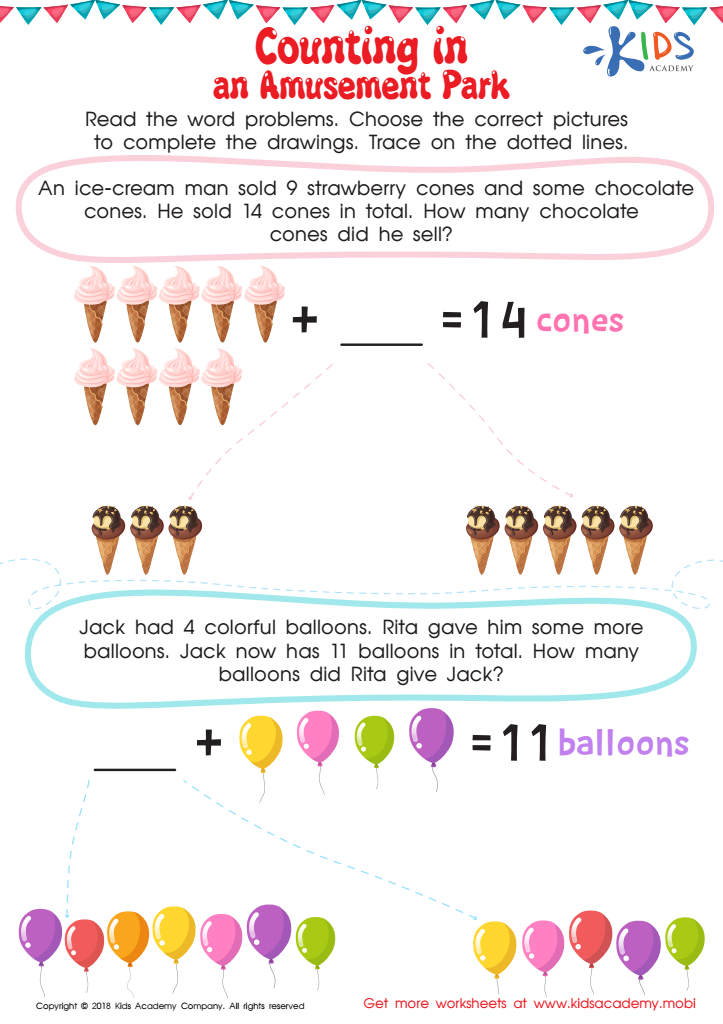
Counting in an Amusement Park Worksheet
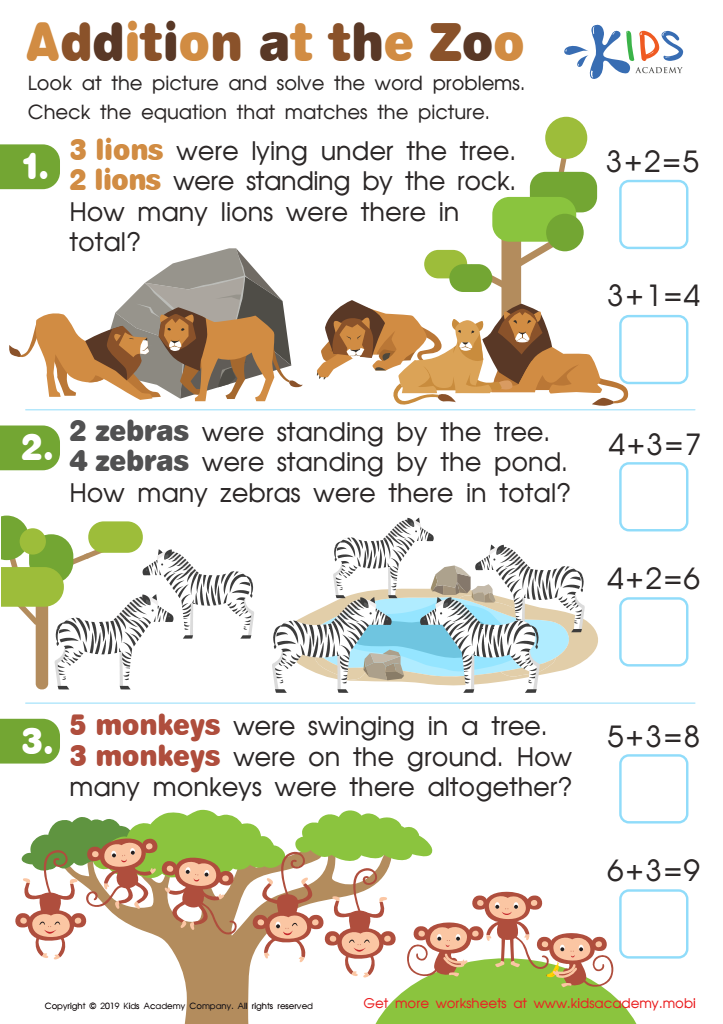
Addition at the Zoo Worksheet
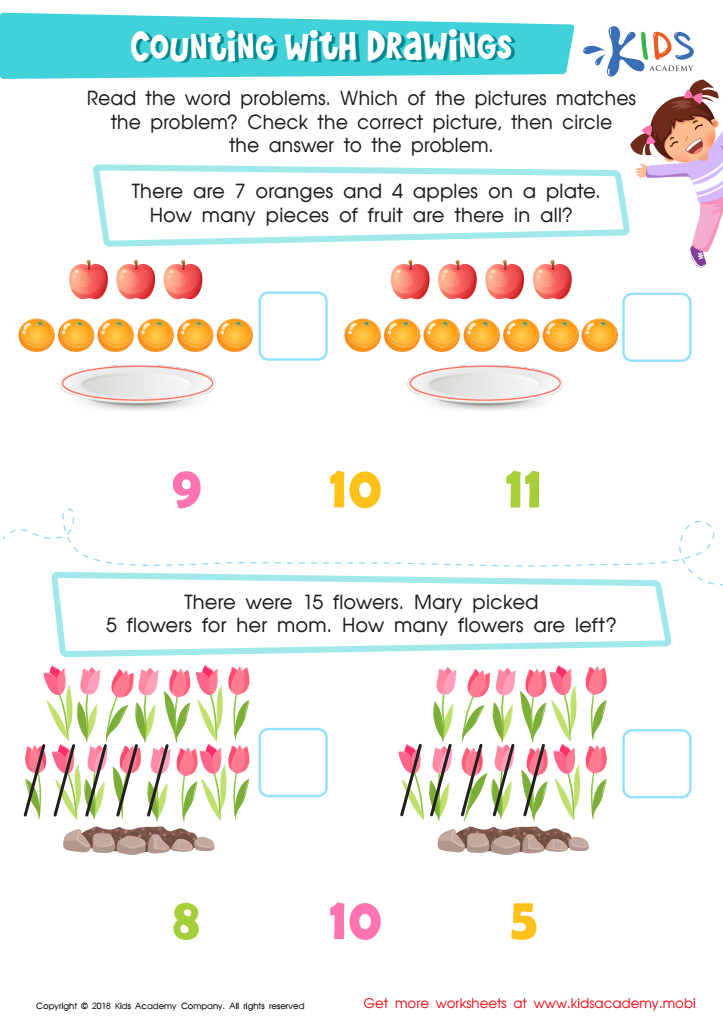
Counting with Drawings:Fruits & Flowers Worksheet








Parents and teachers should prioritize number recognition, along with addition and subtraction word problems, for 4-year-olds due to its foundational role in early mathematics. At this developmental stage, children are highly receptive to learning, making it the perfect time to introduce basic numeracy concepts. Number recognition helps children identify and understand numbers, laying the groundwork for more complex mathematics in the future.
Engaging with word problems fosters critical thinking as children learn to interpret language and translate it into numerical concepts. This not only builds mathematical skills but also enhances literacy, as children learn to understand and analyze information in both forms. Additionally, solving addition and subtraction problems in relatable contexts (like sharing toys or counting snacks) encourages problem-solving skills and promotes social-emotional development through cooperative play.
Moreover, cultivating these skills early on can lead to a positive attitude towards math, reducing anxiety and building confidence as they progress through school. By integrating number recognition and word problems into everyday activities, parents and teachers can create a rich learning environment that nurtures both cognitive and social-emotional growth, ensuring better preparedness for later academic challenges.