Fine motor skills (drawing lines) Addition & Subtraction Worksheets for 4-Year-Olds
3 filtered results
-
From - To
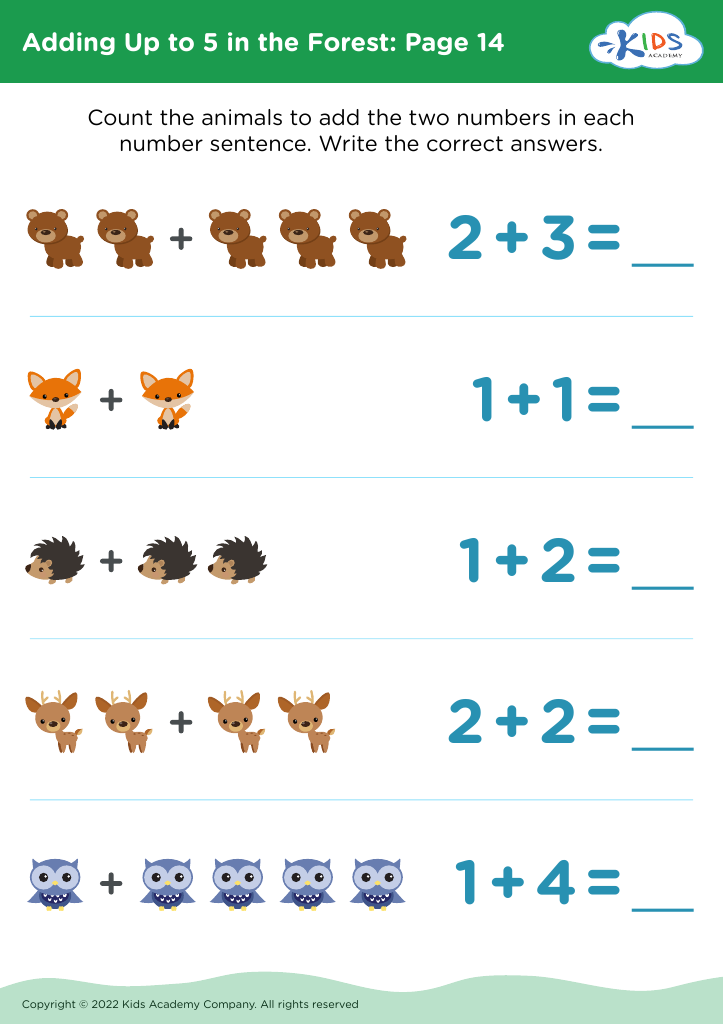
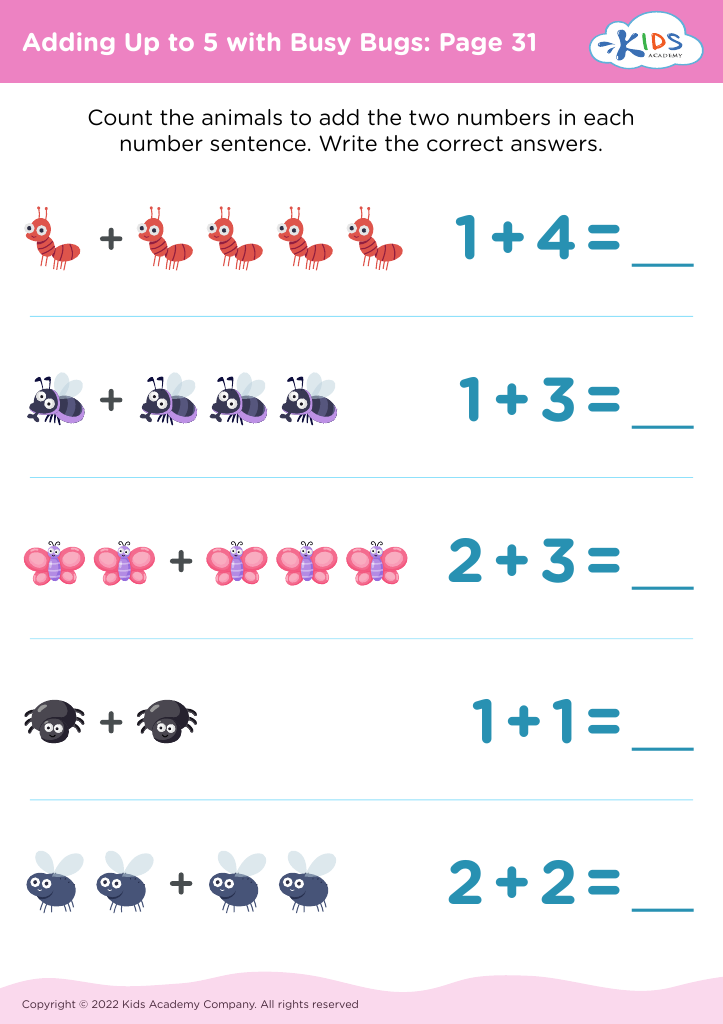
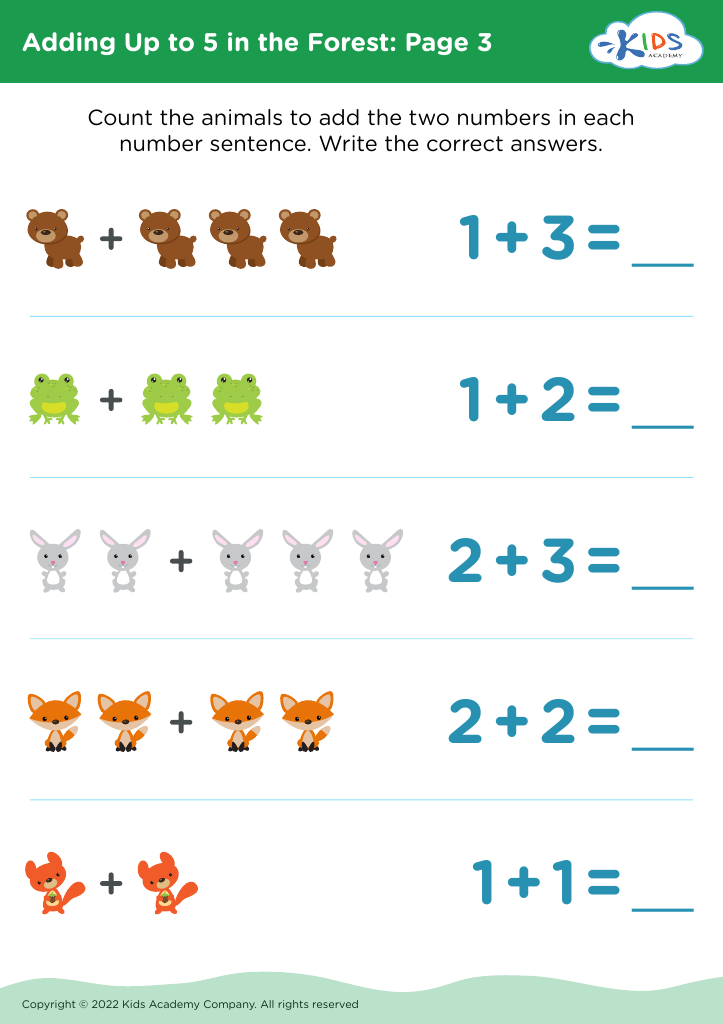
Enhance your child's fine motor skills with our engaging Addition & Subtraction Worksheets designed specifically for 4-year-olds! These worksheets focus on drawing lines to help little hands gain better control while simultaneously introducing fundamental math concepts. Kids will love tracing and completing fun, colorful activities that make learning enjoyable. Our resources promote hand-eye coordination and encourage early learners to develop crucial pre-writing skills, setting a strong foundation for future academic success. Perfect for preschool settings or home use, these worksheets encourage independent learning and provide opportunities for kids to practice addition and subtraction in a playful way. Download now and start learning!








Fine motor skills, such as drawing lines, are essential for a child's overall development, particularly in the early years. For 4-year-olds, these skills lay the foundation for future writing, drawing, and even self-care tasks like buttoning clothes. Improved fine motor skills enable children to have better control over their hands and fingers, which translates to greater accuracy in manipulating objects and writing tools.
Moreover, introducing addition and subtraction concepts at this age fosters early mathematical understanding. When combined with fine motor activities like drawing or using manipulatives, children can visually engage with numbers. This hands-on approach helps solidify their comprehension and makes learning enjoyable.
Parents and teachers play a vital role in nurturing these skills. Engaging children in activities that promote fine motor development—such as drawing lines, playing with clay, or crafting—encourages not just skill enhancement but also critical thinking and problem-solving. Through practice in addition and subtraction, children can learn to make connections between mathematical concepts and real-world applications.
Ultimately, nurturing fine motor skills in conjunction with foundational math can set 4-year-olds on a positive and progressive educational path, instilling confidence and a love for learning that will benefit them throughout their academic journey.








