Filters

380 filtered results

Clear all filters
Favorites
With answer key
Interactive

380 filtered results

Difficulty Level

Grade


Check out this FREE Trial Lesson on Addition for age 4!

Making 12

Favorites
With answer key
Interactive
  • 4
  • Number Recognition
  • Addition
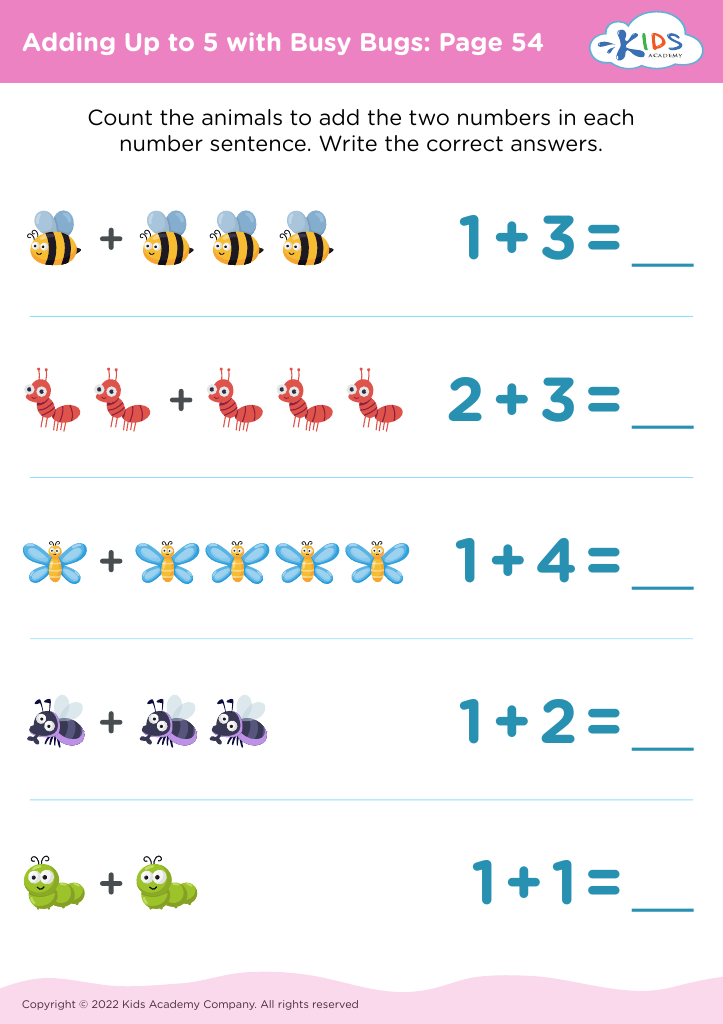
Adding Up to 5 with Busy Bugs: Page 54
Worksheet
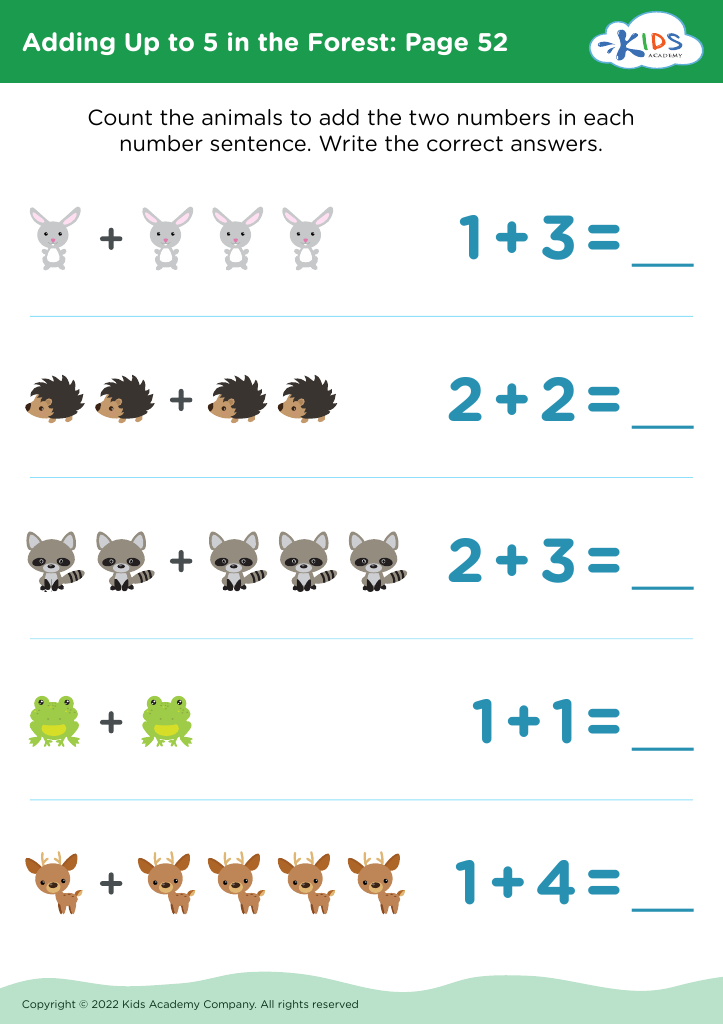
Adding Up to 5 in the Forest: Page 52
Worksheet
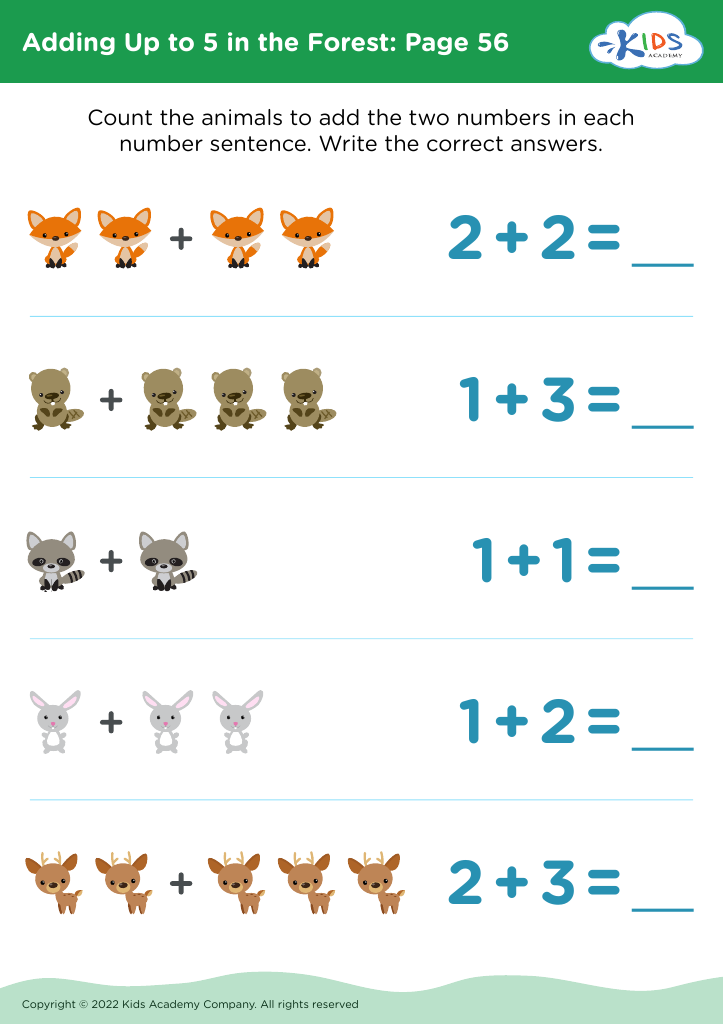
Adding Up to 5 in the Forest: Page 56
Worksheet
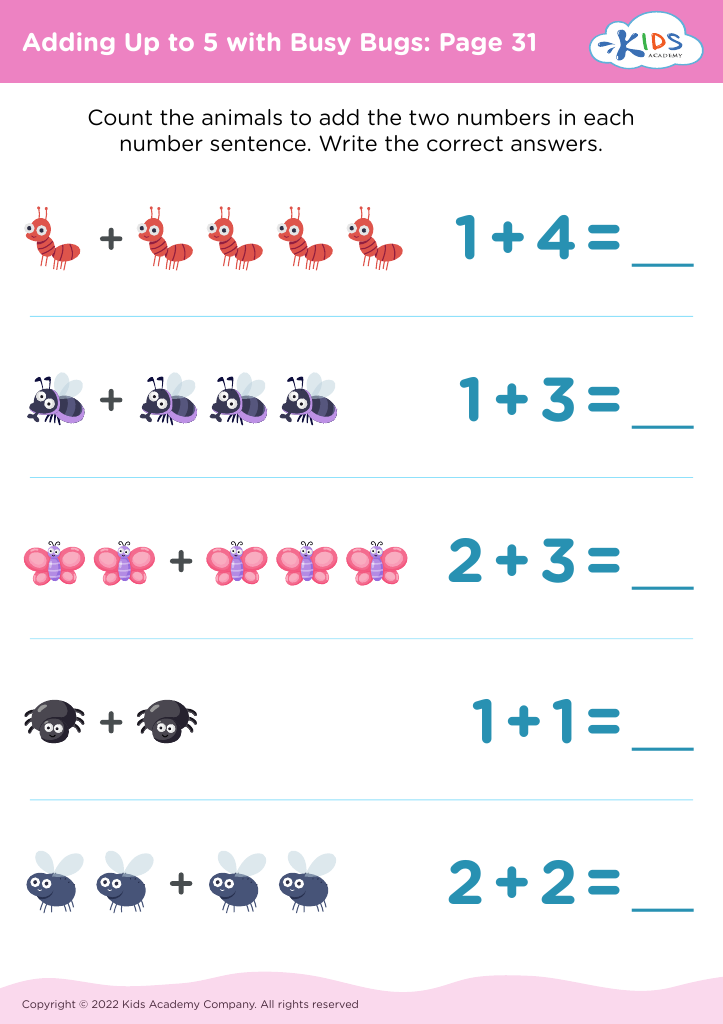
Adding Up to 5 with Busy Bugs: Page 31
Worksheet
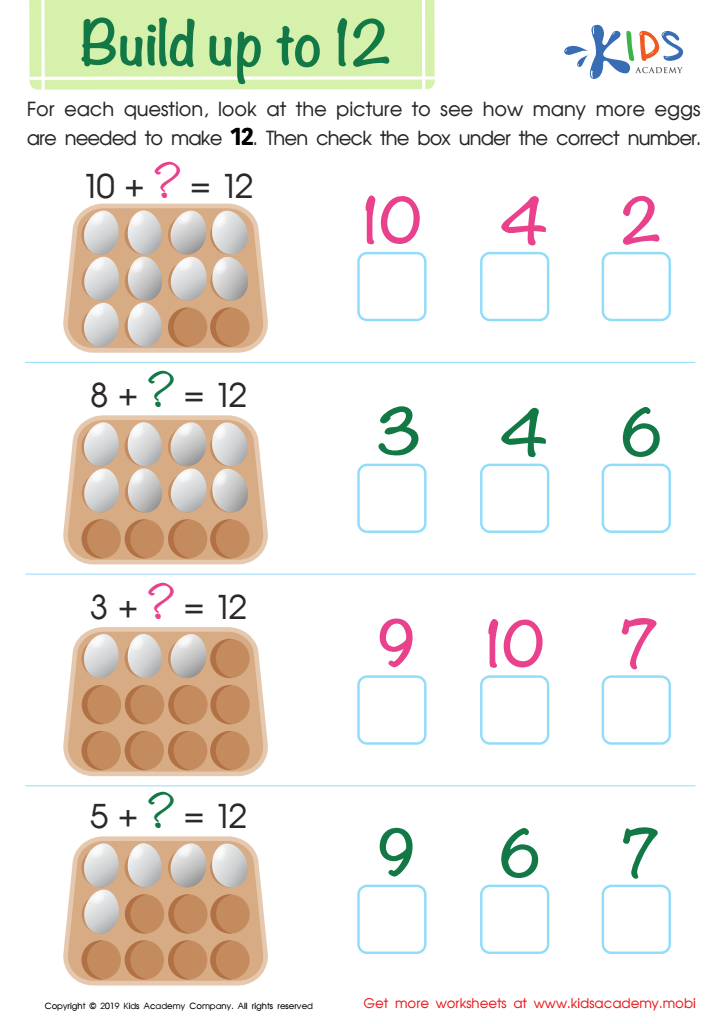
Build up to 12 Worksheet

Build up to 12 Worksheet

Love eggs? Kids can identify them in the picture in this worksheet. We need to add numbers to make 12. Look at the picture and see how many eggs are needed. Check the correct number box. Breakfast or baking, eggs are essential!
Build up to 12 Worksheet
Worksheet
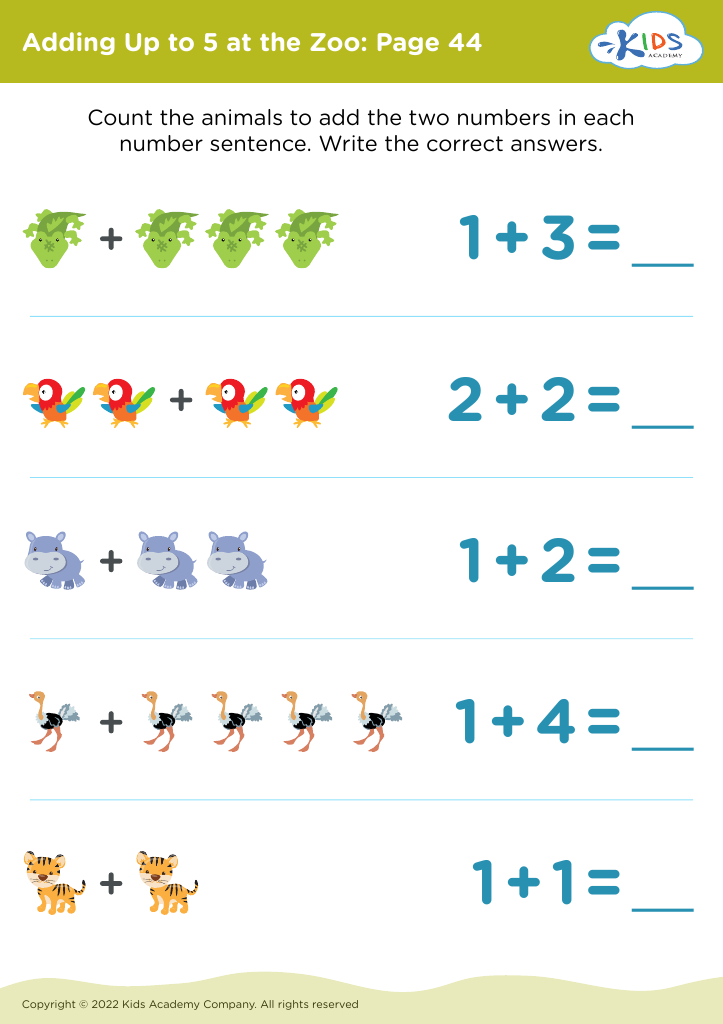
Adding Up to 5 at the Zoo: Page 44
Worksheet
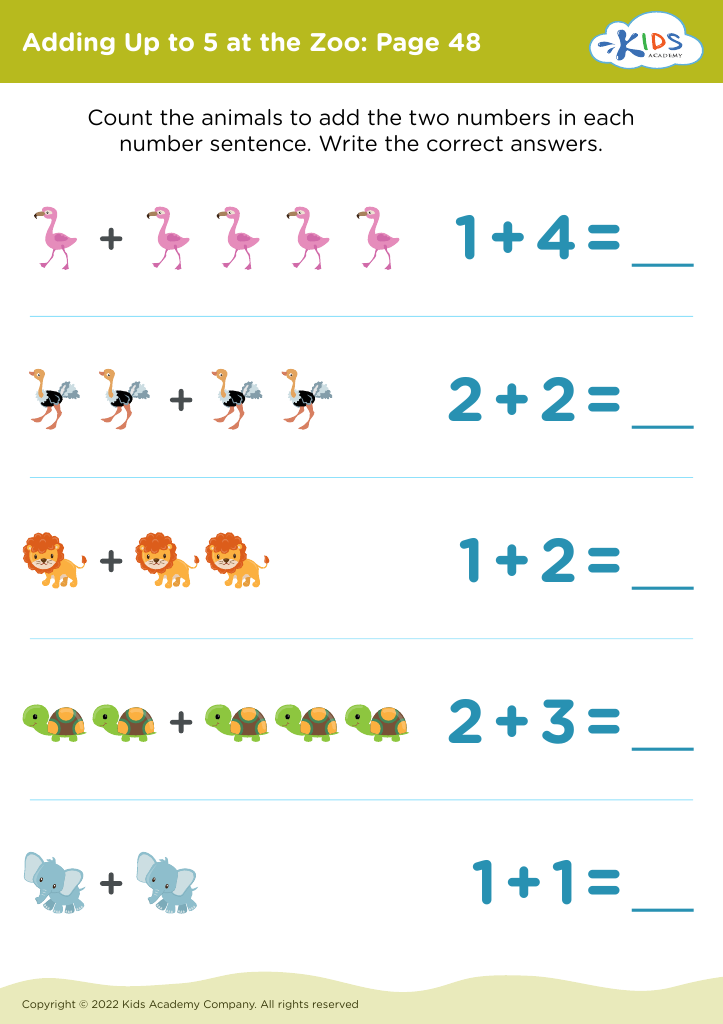
Adding Up to 5 at the Zoo: Page 48
Worksheet
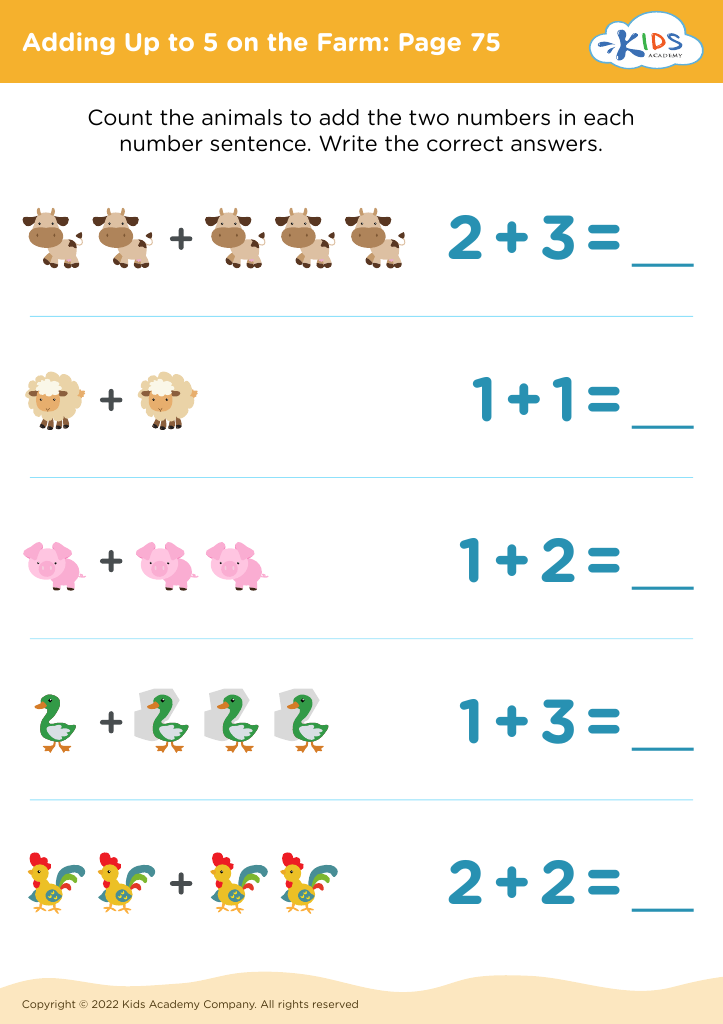
Adding Up to 5 on the Farm: Page 75
Worksheet
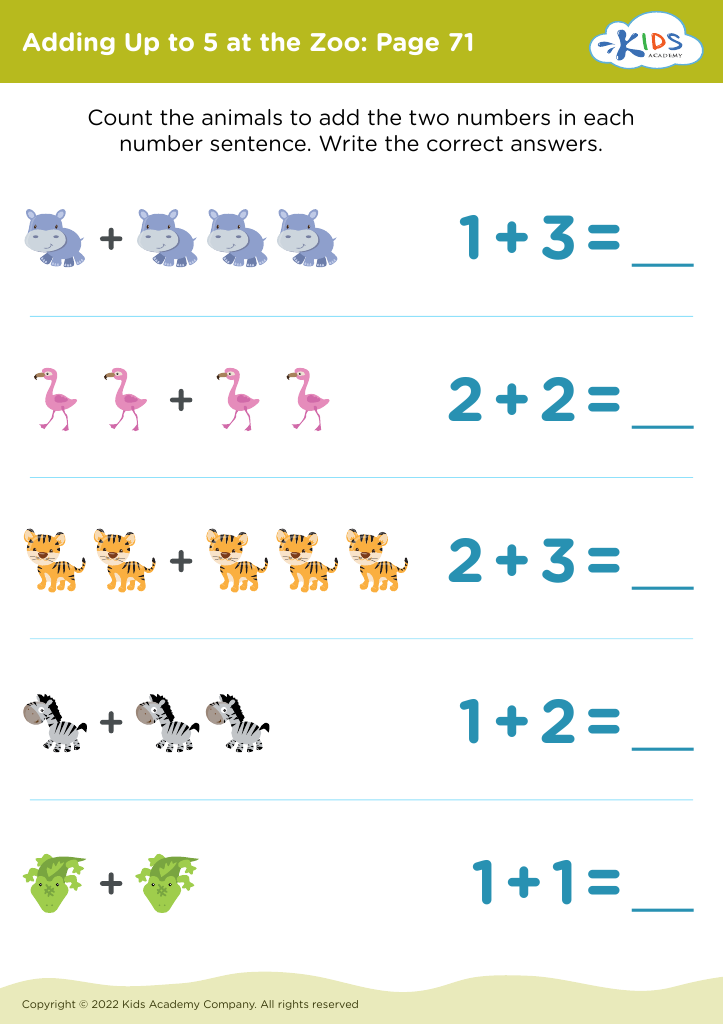
Adding Up to 5 at the Zoo: Page 71
Worksheet
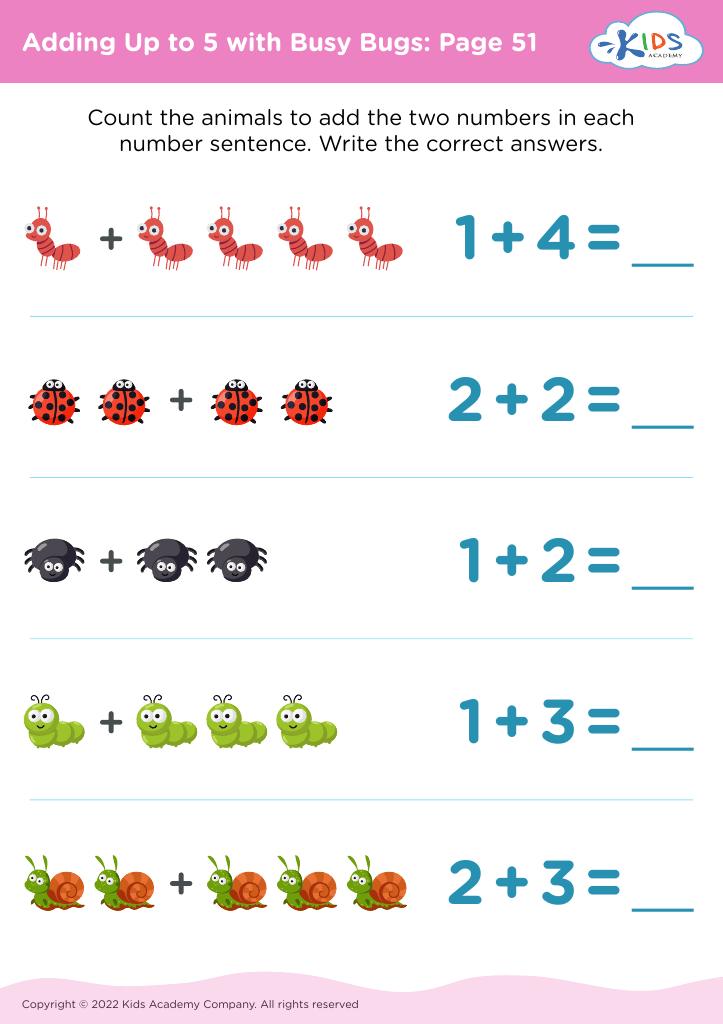
Adding Up to 5 with Busy Bugs: Page 51
Worksheet
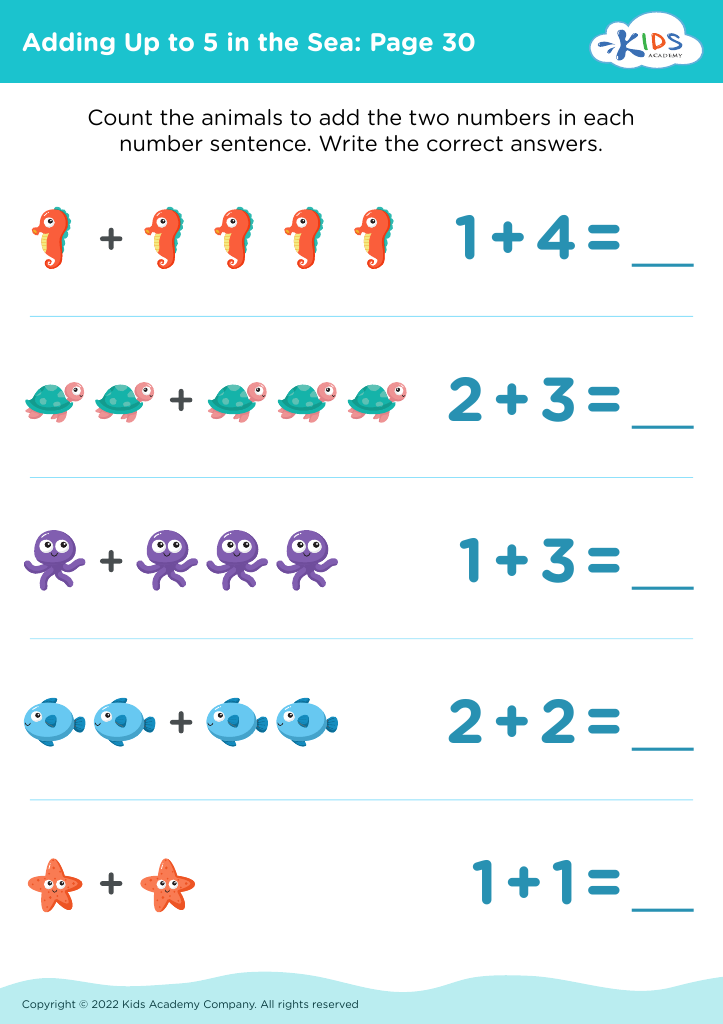
Adding Up to 5 in the Sea: Page 30
Worksheet
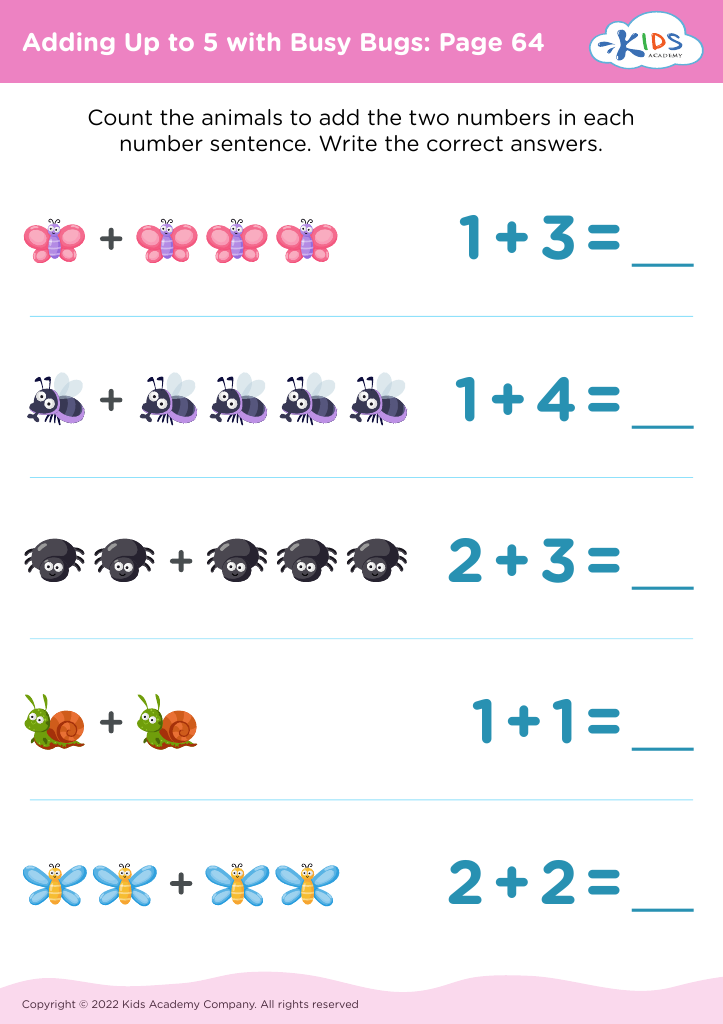
Adding Up to 5 with Busy Bugs: Page 64
Worksheet
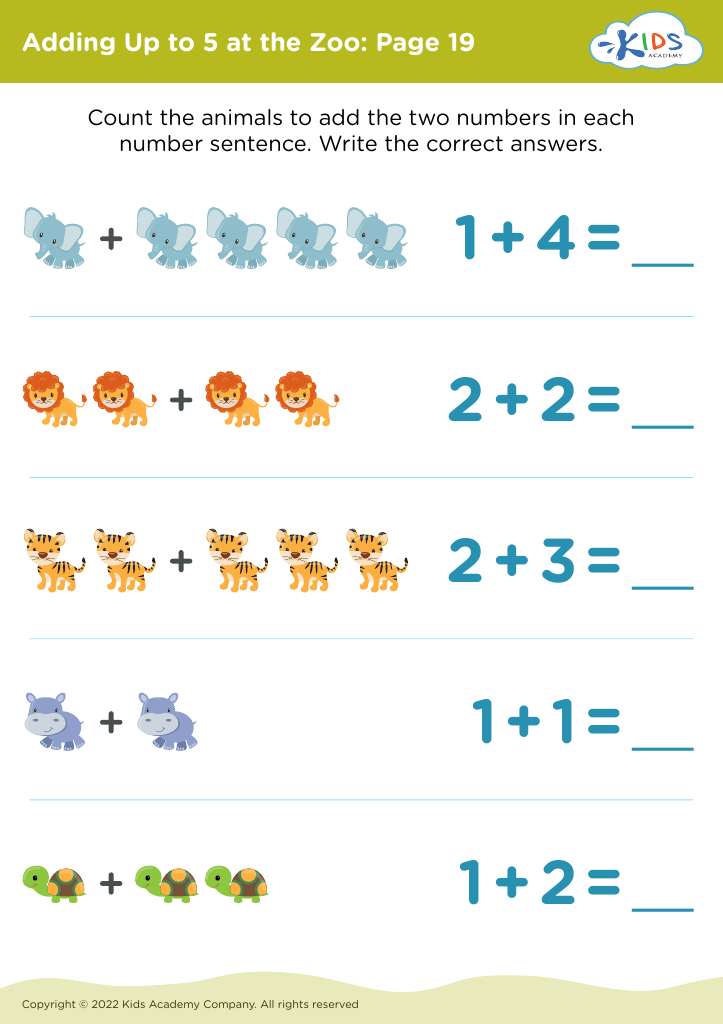
Adding Up to 5 at the Zoo: Page 19
Worksheet
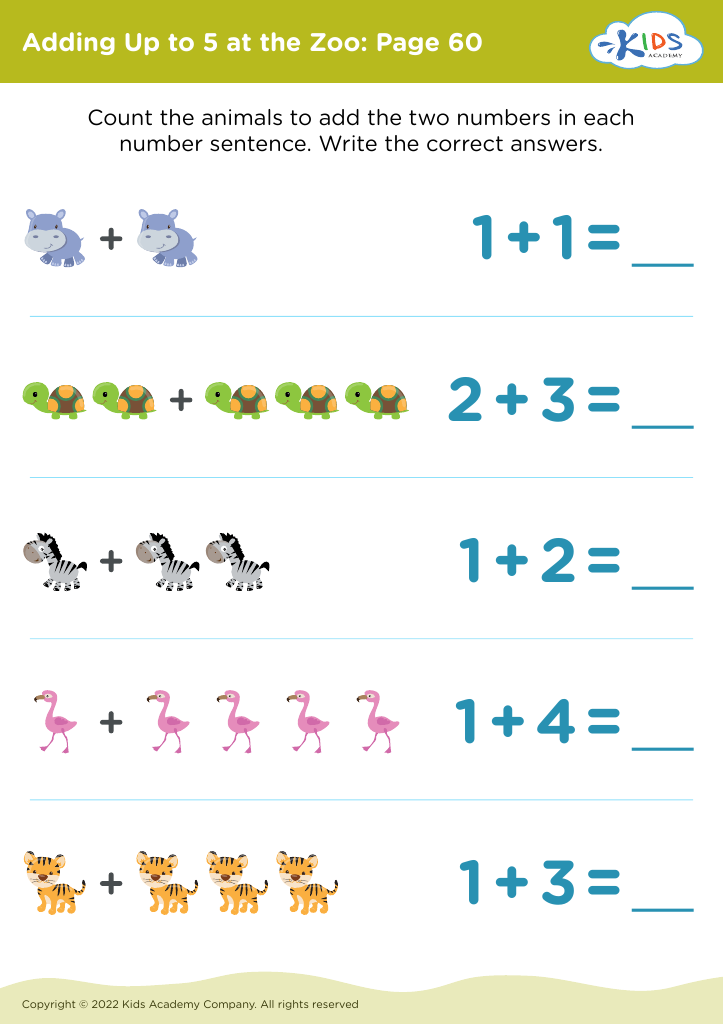
Adding Up to 5 at the Zoo: Page 60
Worksheet
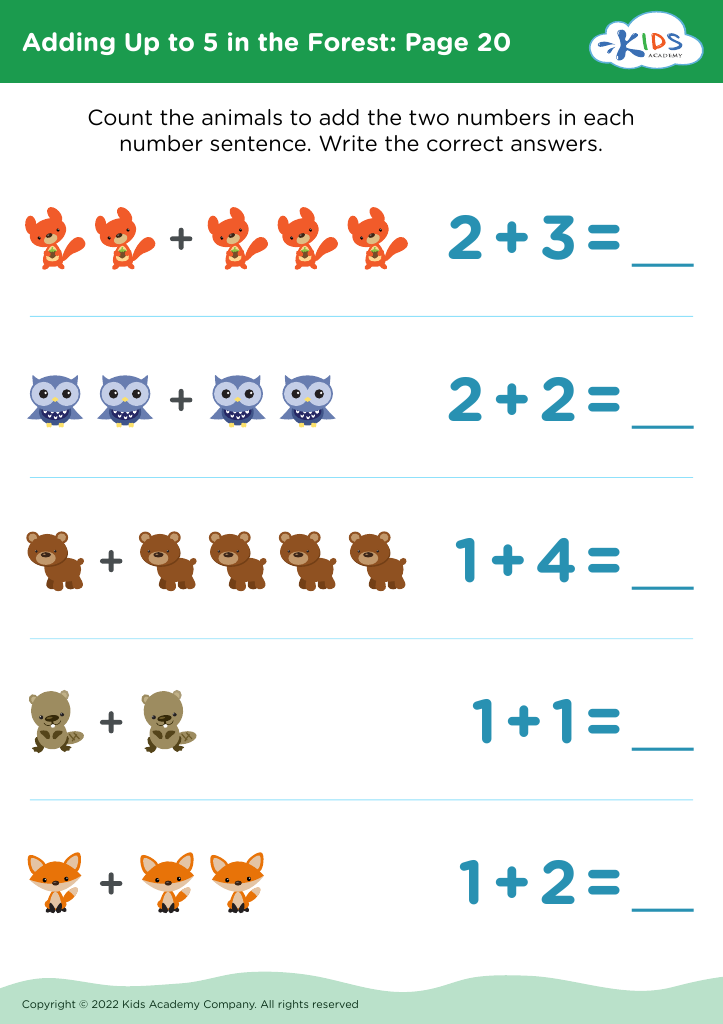
Adding Up to 5 in the Forest: Page 20
Worksheet
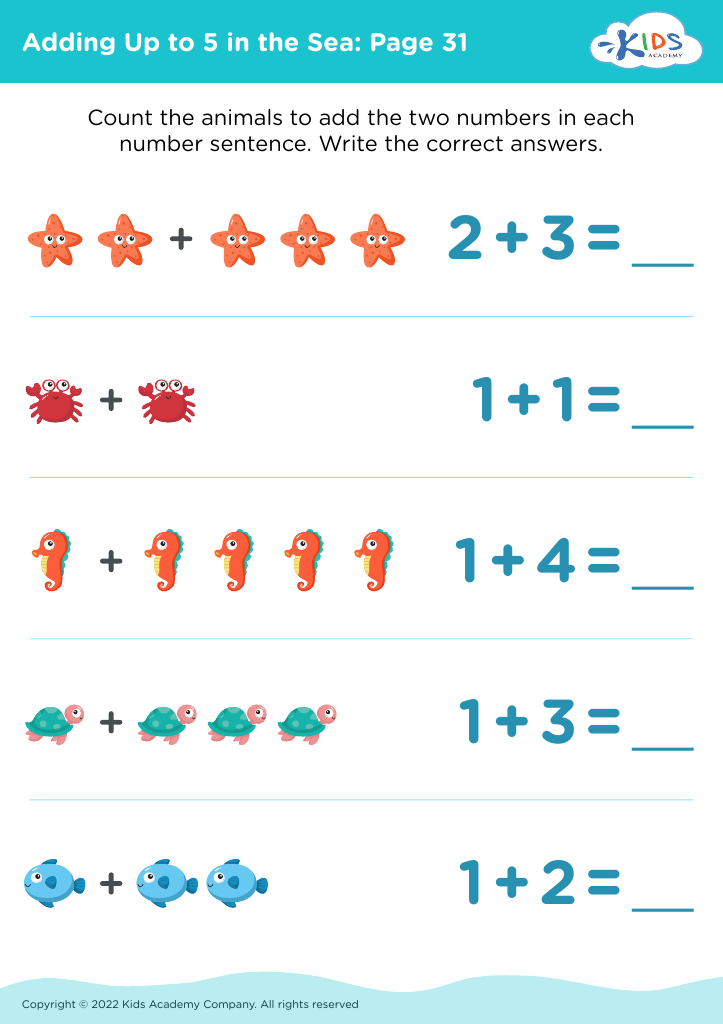
Adding Up to 5 in the Sea: Page 31
Worksheet
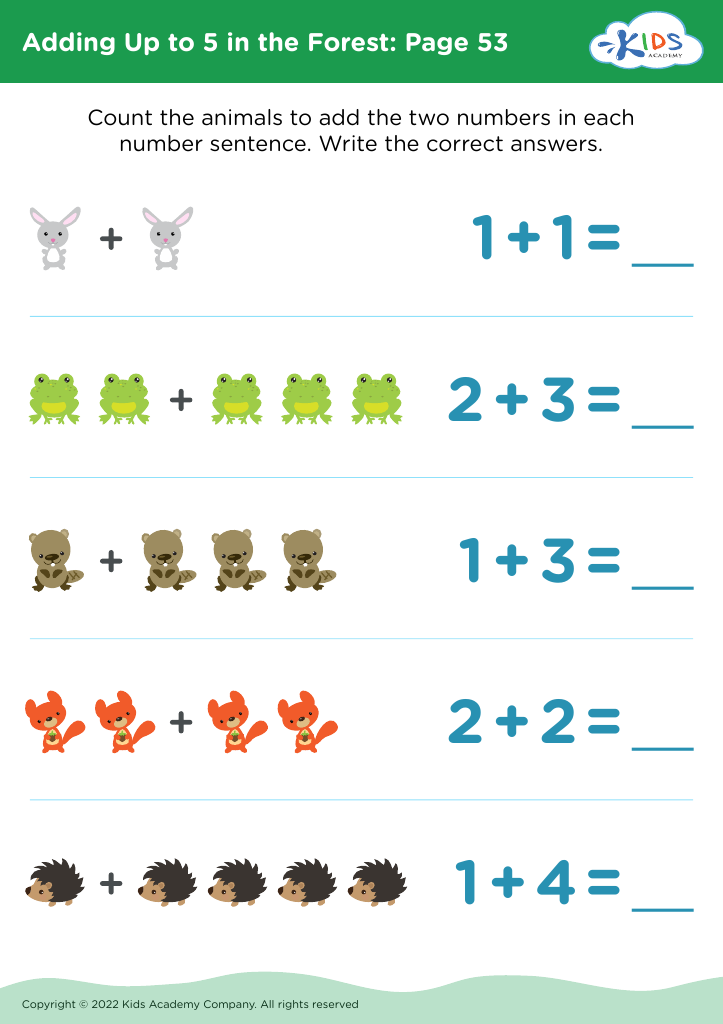
Adding Up to 5 in the Forest: Page 53
Worksheet
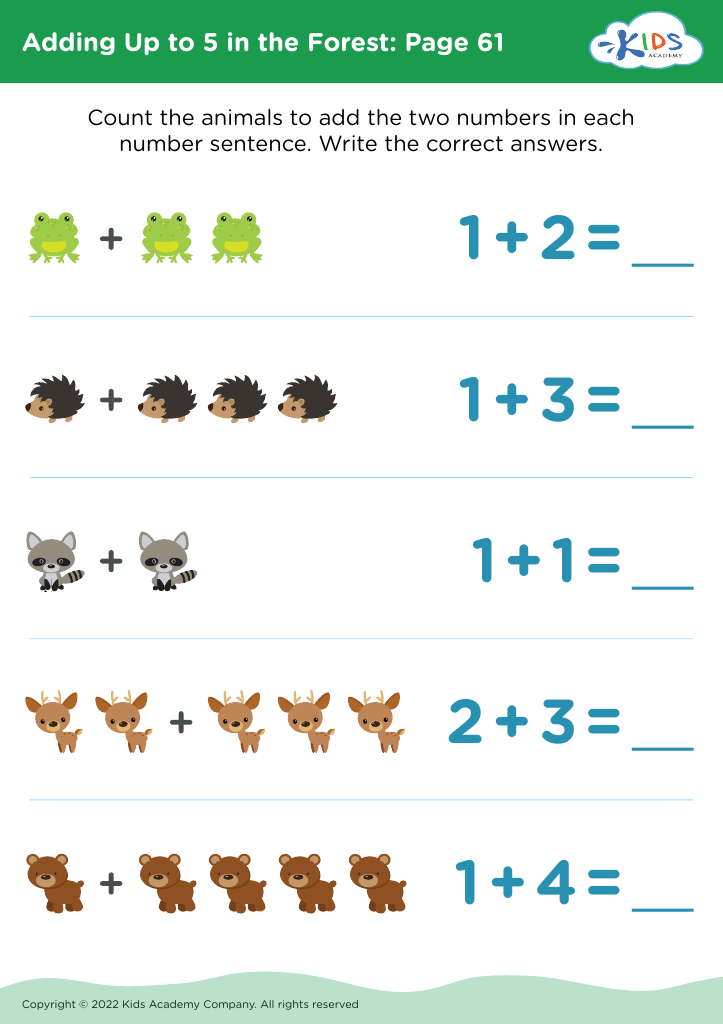
Adding Up to 5 in the Forest: Page 61
Worksheet
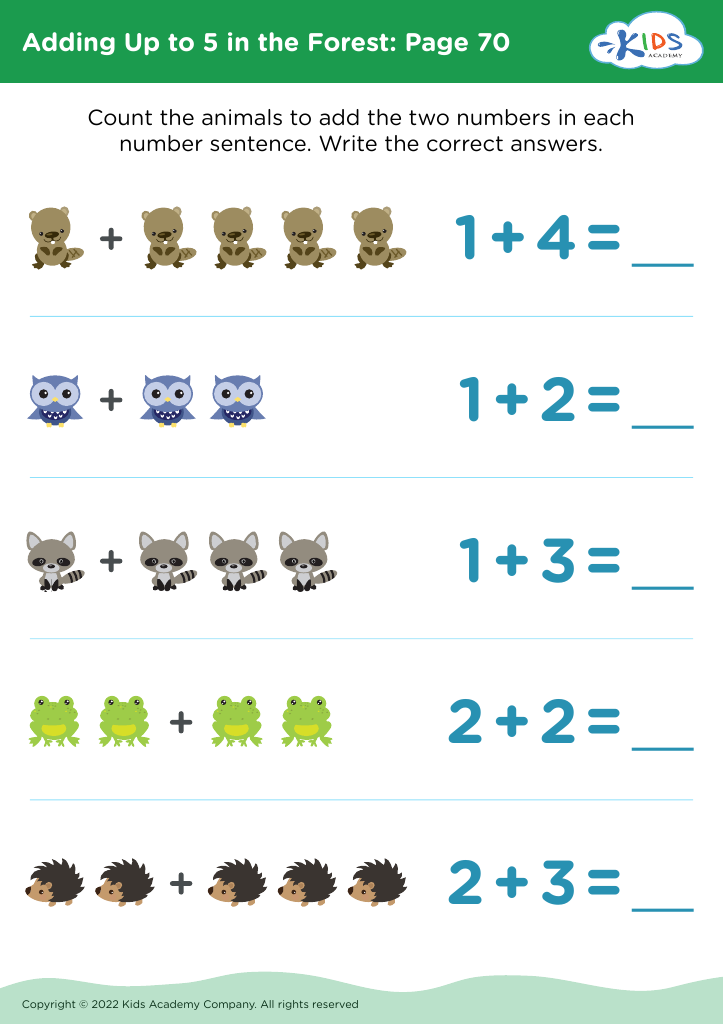
Adding Up to 5 in the Forest: Page 70
Worksheet
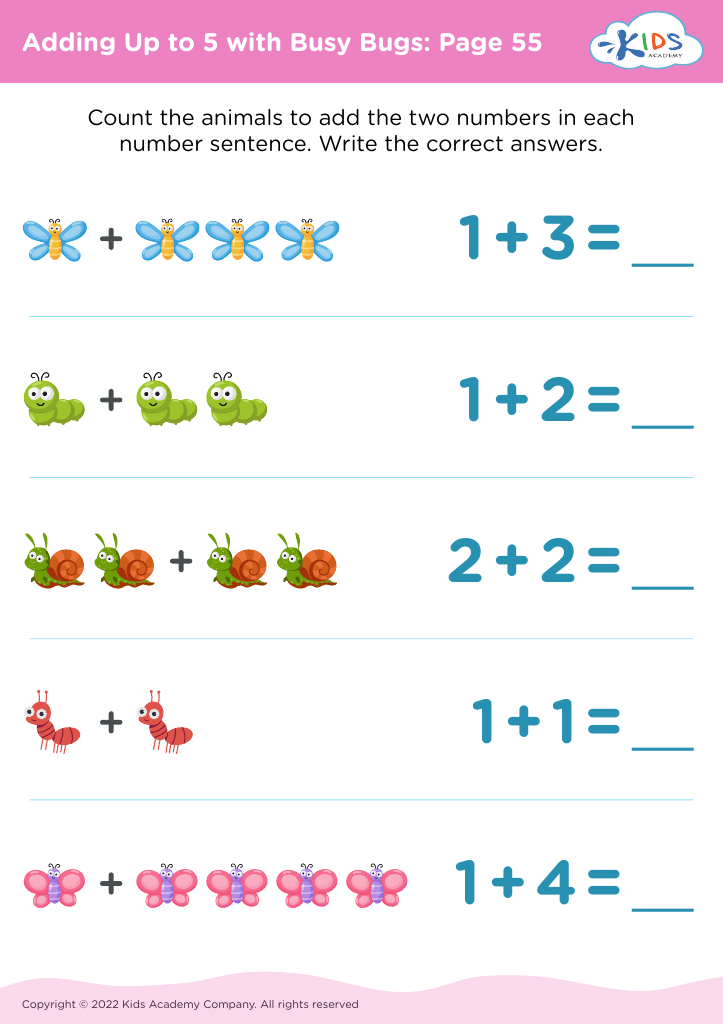
Adding Up to 5 with Busy Bugs: Page 55
Worksheet
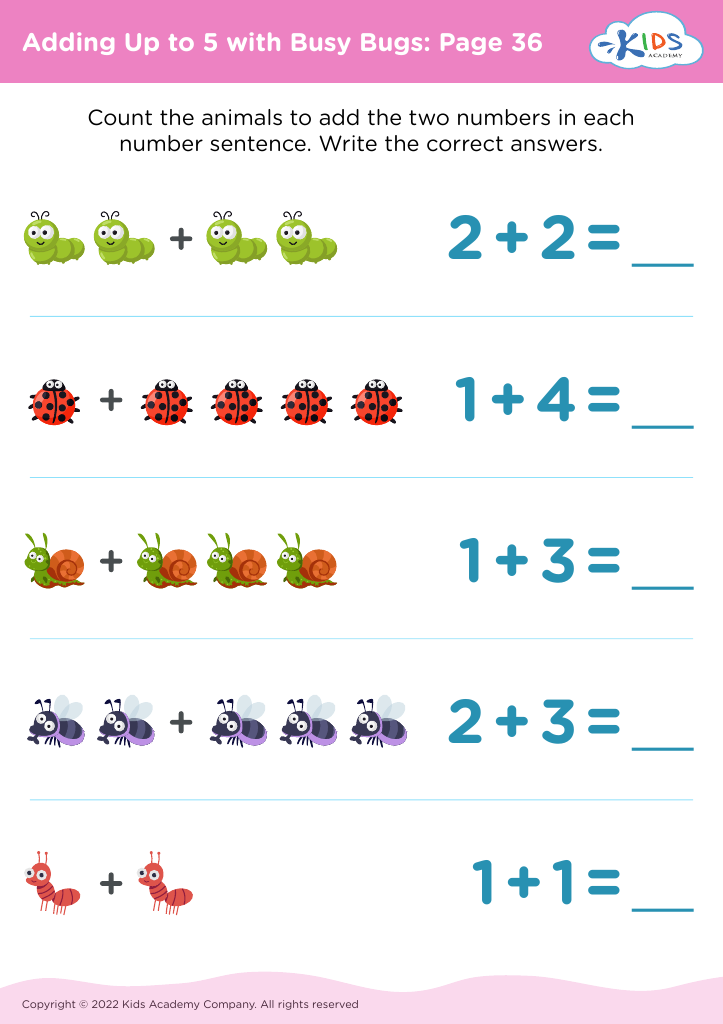
Adding Up to 5 with Busy Bugs: Page 36
Worksheet
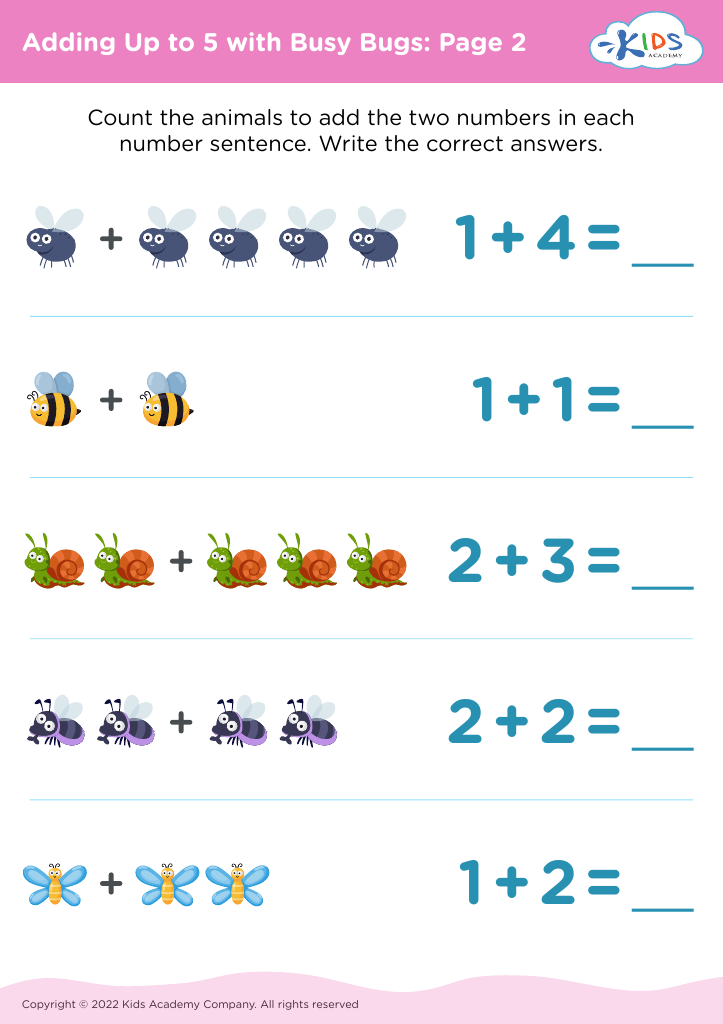
Adding Up to 5 with Busy Bugs: Page 2
Worksheet
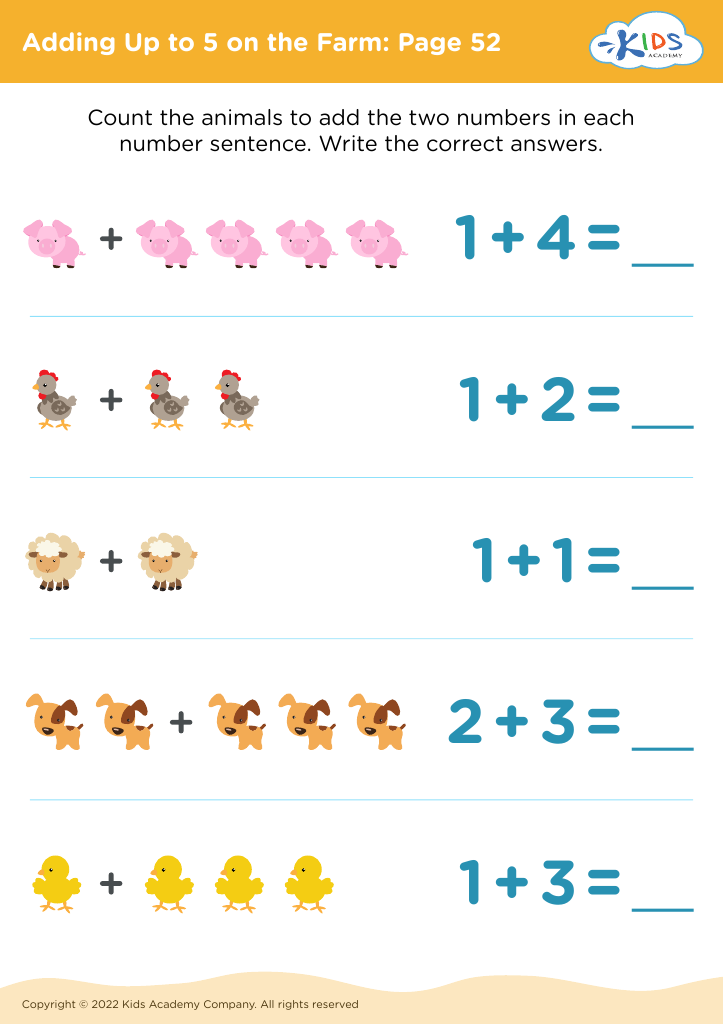
Adding Up to 5 on the Farm: Page 52
Worksheet
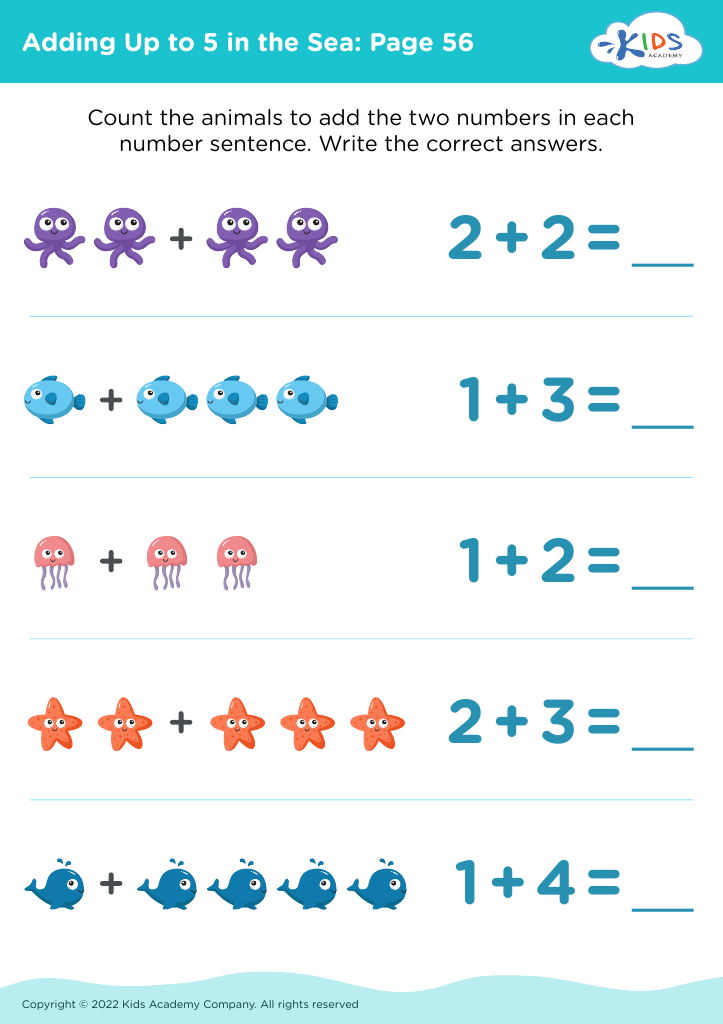
Adding Up to 5 in the Sea: Page 56
Worksheet


Number recognition and basic addition for 4-year-olds form a foundational part of early mathematics education. When parents and teachers prioritize these skills, they can significantly influence a child's cognitive development and confidence in math. Understanding numbers helps children grasp the concept of quantity, enabling them to make connections between numerical symbols and their values. This early exposure contributes to essential cognitive skills needed for problem-solving and logical thinking.

Moreover, mastering addition at a young age fosters numerical fluency, reducing math anxiety as children progress to more complex concepts. Engaging in activities like counting, using number games, and playing with blocks helps children backup their understanding of addition through play, ensuring a joyful learning experience. When parents and teachers incorporate these skills into daily routines, like counting objects during playtime or using snacks for simple addition, children are more likely to engage and retain what they've learned.

Ultimately, early number recognition and addition training lays the groundwork for future academic success and helps children develop a positive attitude toward math, empowering them for a lifetime of learning. Therefore, it's crucial for both parents and educators to nurture these skills in 4-year-olds.