
Basic Math understanding Numbers Worksheets for 4-Year-Olds
3 filtered results
Difficulty Level
Grade
Age
-
From - To
Subject
Activity
Standards
Our "Basic Math Understanding Numbers Worksheets for 4-Year-Olds" are designed to make learning numbers fun and effective for young learners. Crafted by educational experts, these worksheets introduce foundational math skills through engaging activities that capture your child's interest. Each worksheet encourages number recognition, counting practice, and basic problem-solving. Perfect for preschoolers, these printables blend play with education, providing a solid mathematical base. Let your little one embark on a journey to numeracy with our specially designed worksheets, ensuring a strong start in their educational journey.
Favorites
With answer key
Interactive
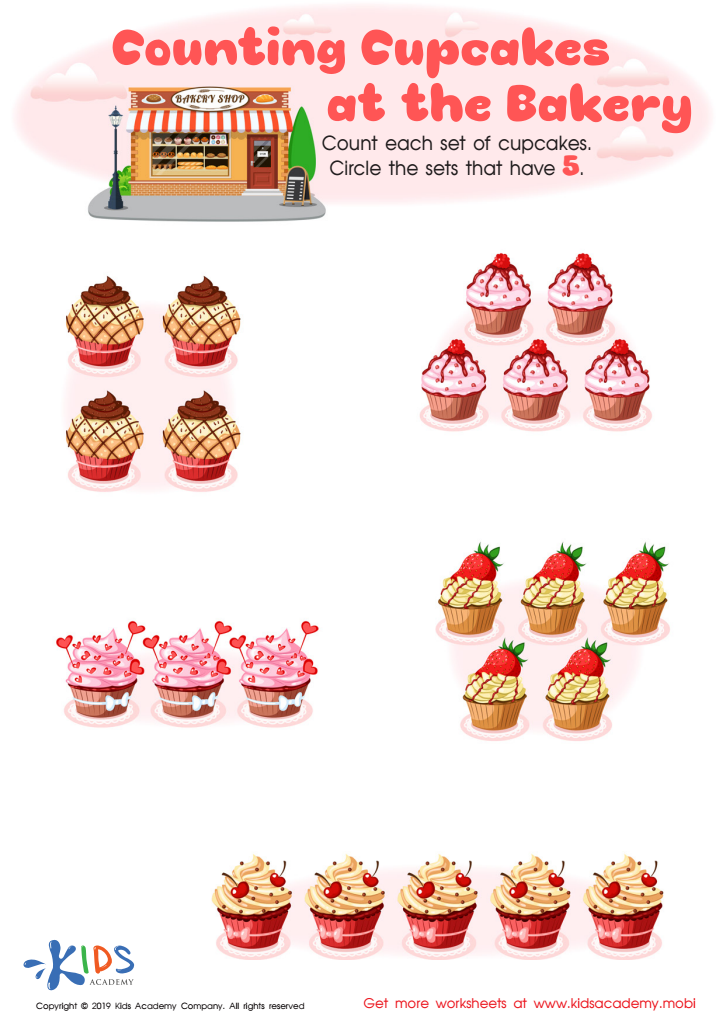
Counting Cupcakes Worksheet
This fun worksheet for preschoolers uses cupcakes to teach counting. Kids must circle the groups of cupcakes that add up to 5. The delicious treats make learning fun and engaging!
Counting Cupcakes Worksheet
Worksheet
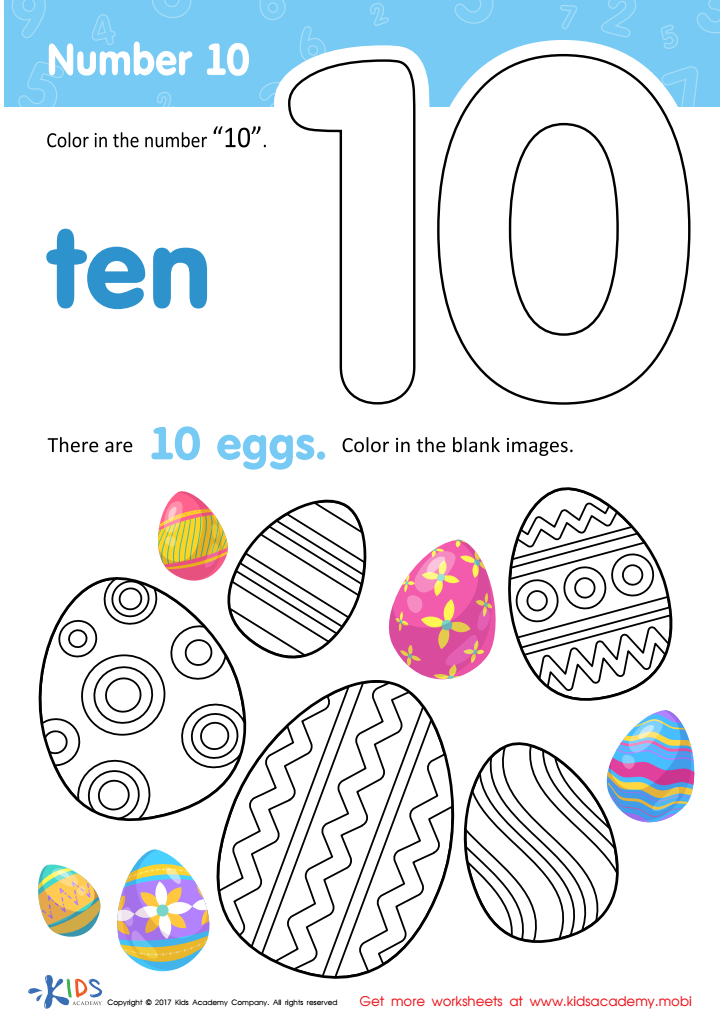
Number 10 Printable
Easter eggs are a great way to combine creativity and learning! Help your child explore the number 10 with our fun coloring page. The intricate designs will spark their imagination and fuel their artistic side, while they practice important numeracy basics. Get creative with eggs and enjoy the fun, no matter the time of year!
Download (PDF)
 Assign to My Students
Assign to My Students
Number 10 Printable
Worksheet
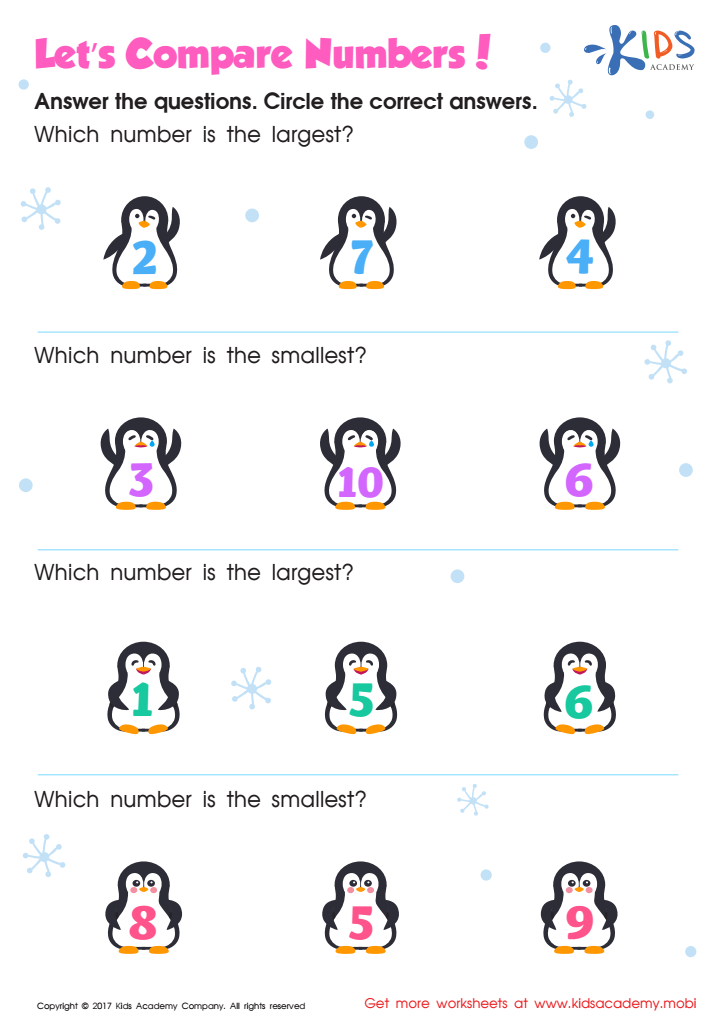
Comparing Numbers 1–10 Worksheet Kindergarten
Help your child sort out numbers 1-10 with this fun worksheet! They'll practice comparing numbers and boost their number sense. Plus, it features cute little penguins with numbers on their bellies - they make learning even more exciting!
Comparing Numbers 1–10 Worksheet Kindergarten
Worksheet
Join Kids Academy for Free
Who is primarily going to use this learning content?







Ensuring that 4-year-olds develop a basic understanding of numbers is crucial for their academic and life-long success. At this age, children's brains are highly receptive, and introducing foundational math skills can set the stage for future learning. First, it stimulates cognitive development. Basic math skills encourage logical thinking, problem-solving, and analytical skills. This early exposure promotes a positive attitude towards math, creating a foundation for a lifelong interest in the subject.
Moreover, understanding numbers improves everyday life skills. Whether it’s counting objects, telling time, or understanding the concept of more and less, these skills are essential for navigating daily tasks. This competence extends to more complex concepts they will encounter in school, such as arithmetic and eventually algebra.
Early math education also correlates with other academic areas. Studies indicate that children strong in early math skills perform better not only in later math but also in reading and science. Introducing these concepts enriches vocabulary and comprehension, aiding overall academic performance.
Teachers and parents play a pivotal role in this early education by making learning enjoyable and relatable. Simple activities, like counting toys or doing puzzles, can greatly enhance number recognition and understanding, setting children on a path to success and confidence in their educational journey.








