Shape Recognition Numbers Worksheets for 4-Year-Olds
6 filtered results
-
From - To
Shape Recognition Numbers Worksheets for 4-Year-Olds are perfect for early learners! Designed to be fun and educational, these printable worksheets combine number recognition with basic shape identification to reinforce key math skills. Tailored specifically for young children, each worksheet features engaging activities like matching shapes to numbers and tracing over shapes and numbers. These worksheets help develop fine motor skills, spatial awareness, and early numeracy skills. Ideal for both classroom use and at-home practice, they provide a solid foundation for kindergarten readiness. Make learning enjoyable for your child with these dynamic and interactive resources!
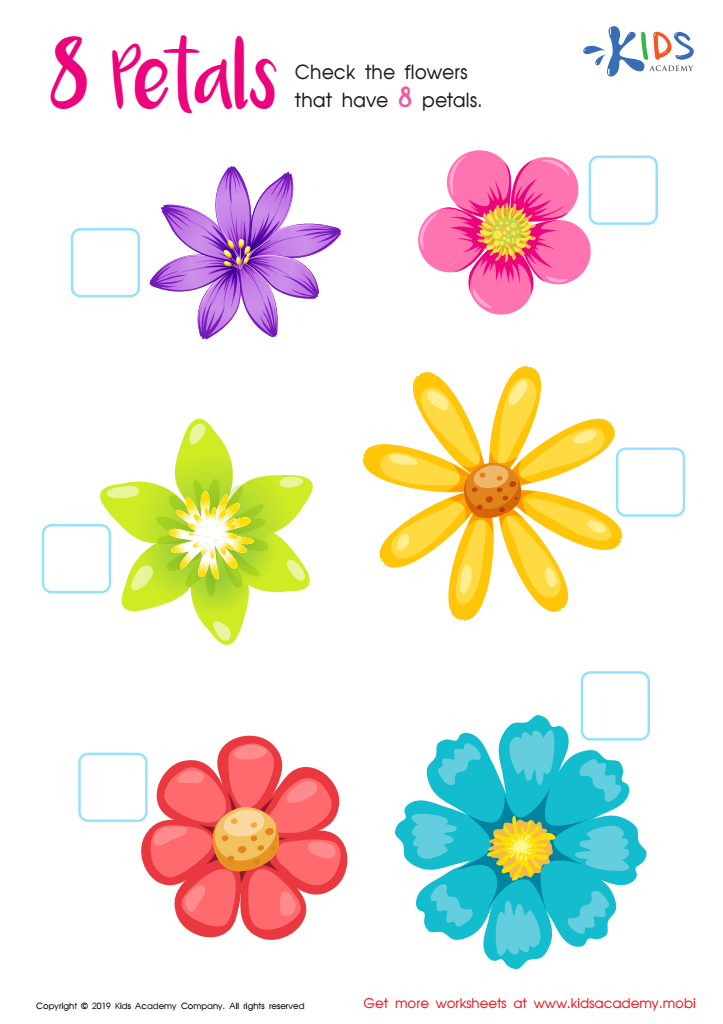
8 Petals Worksheet
 Assign to My Students
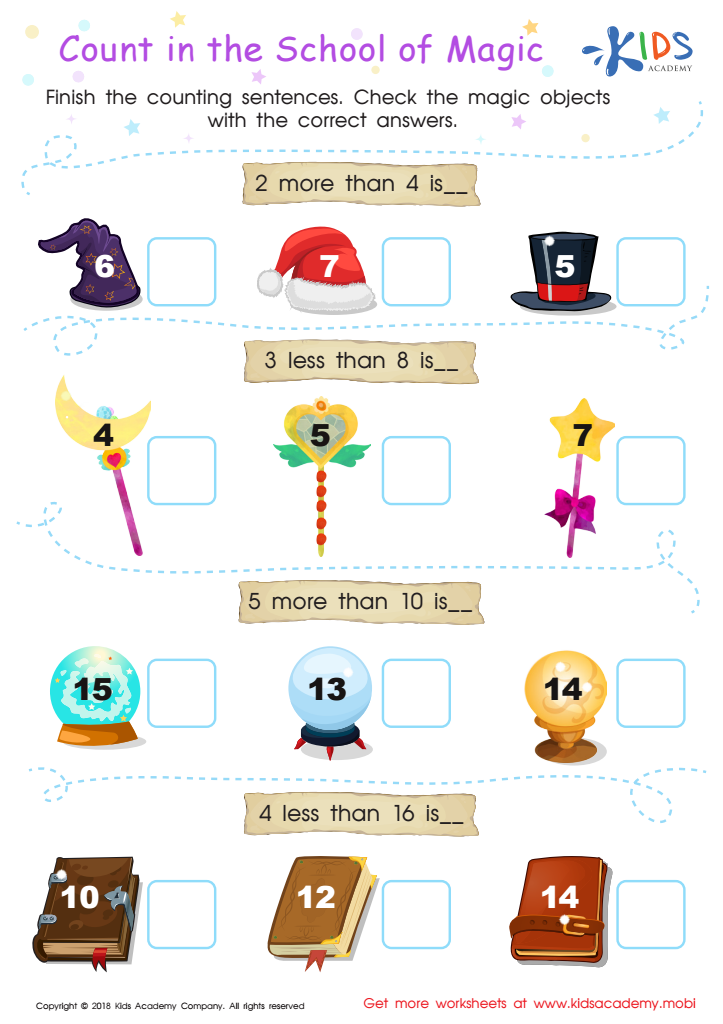
Count in the School of Magic Worksheet
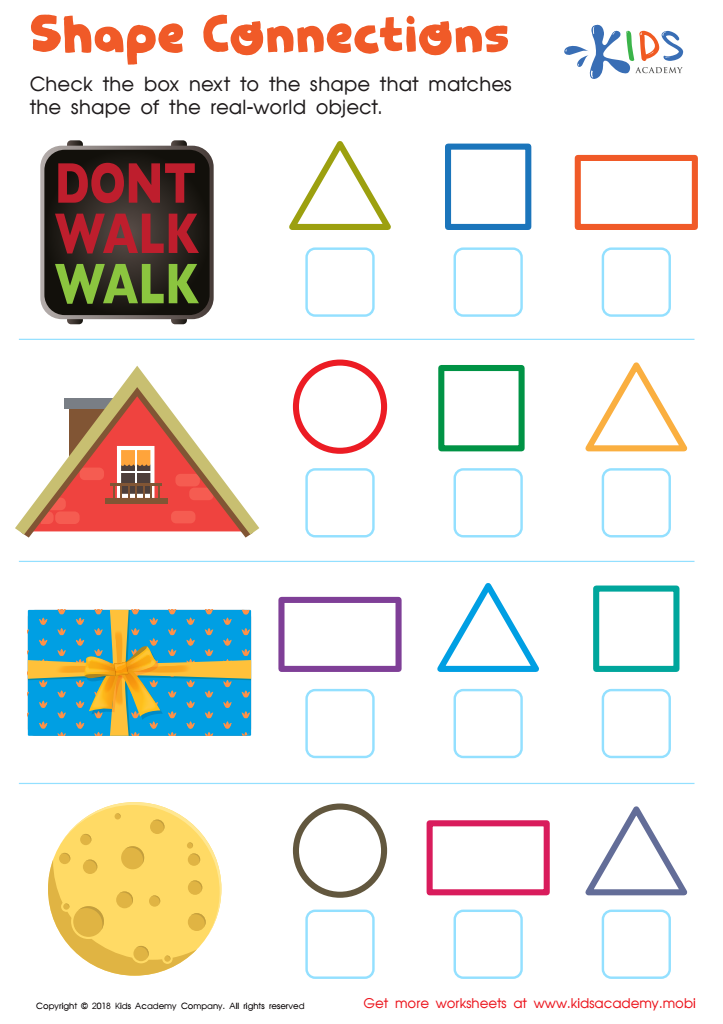
Shape Connections Worksheet
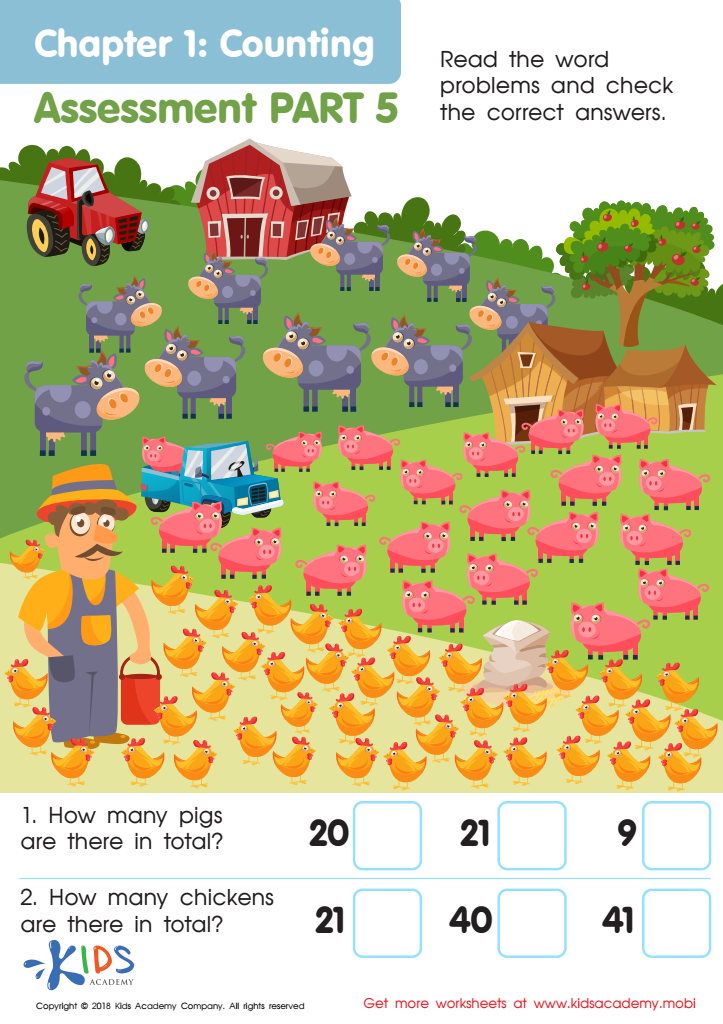
Counting: Assessment 5 Worksheet
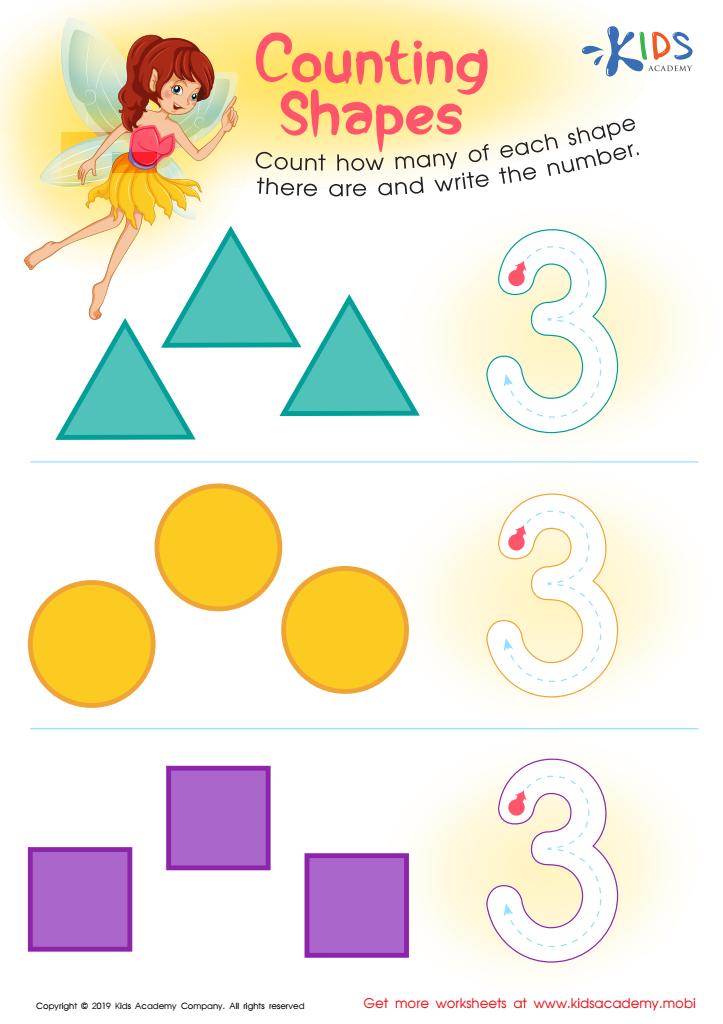
Counting Shapes Worksheet
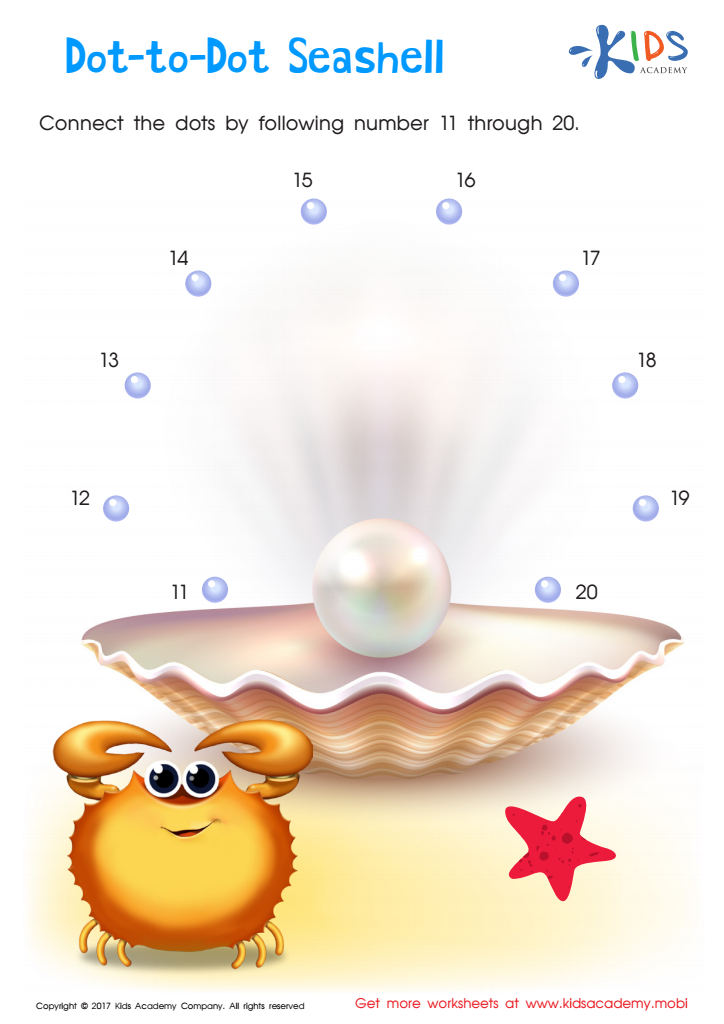
Ordering 11–20: Dot–to–dot Seashell Printable





%20(1).jpg)


Understanding Shape Recognition at an early age is crucial because it acts as a building block for developing mathematical skills and cognitive abilities in 4-year-olds. Parents and teachers should care about shape recognition because it helps children sharpen their spatial awareness and visual perception, which are fundamental for later learning in subjects such as geometry, science, and even art.
Shape recognition is intertwined with number recognition, paving the way for a child’s ability to understand numeral forms and the concept of numbers. For instance, the number "2" has a distinct shape different from "5," and learning to differentiate between these shapes enhances a child's numerical comprehension, essential for early math literacy.
Moreover, recognizing shapes helps improve fine motor skills and hand-eye coordination as children manipulate and differentiate various shaped objects or trace shapes on paper. Enhancing these motor skills is vital for tasks that require precision, such as writing and cutting.
From a social perspective, engaging children in shape recognition activities fosters cooperative play and improves communication skills as they describe and identify shapes together.
In essence, making shape and number recognition a focus during early childhood lays a solid multisensory foundation. It not only prepares children for future academic challenges but also enriches their overall cognitive and physical development.








