Basic math concepts Math Worksheets for 4-Year-Olds
16 filtered results
-
From - To
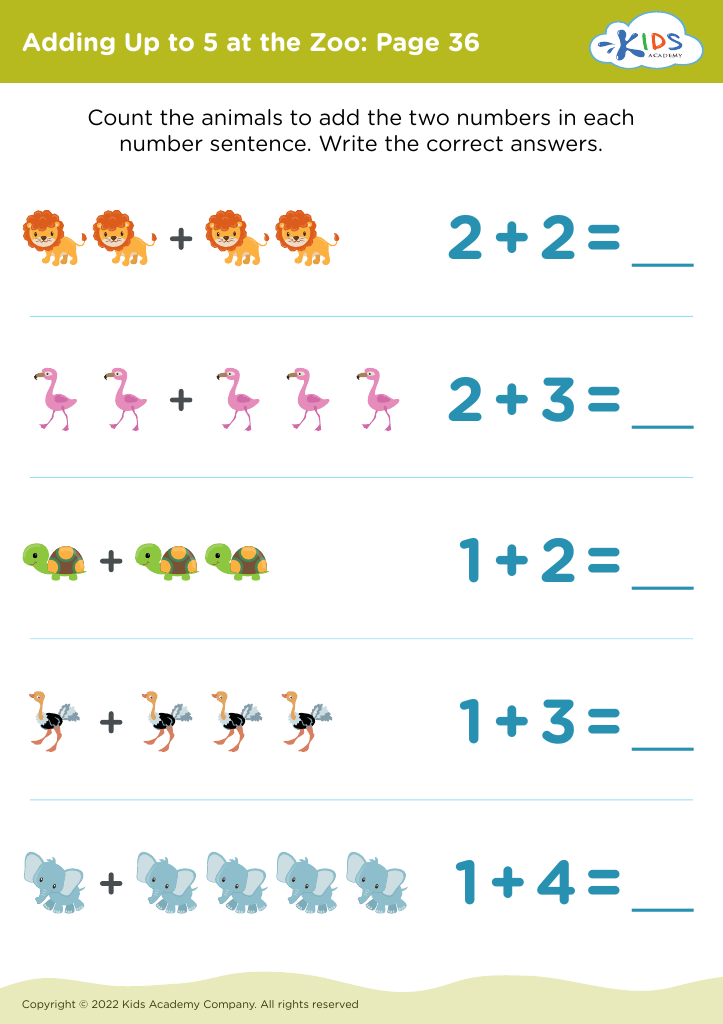
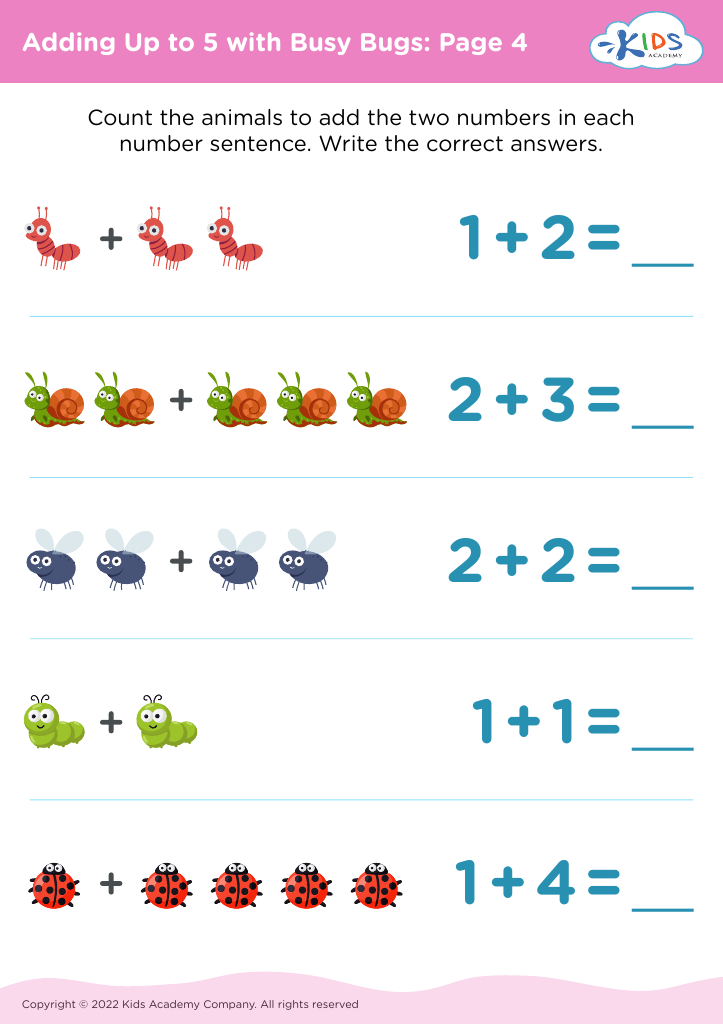
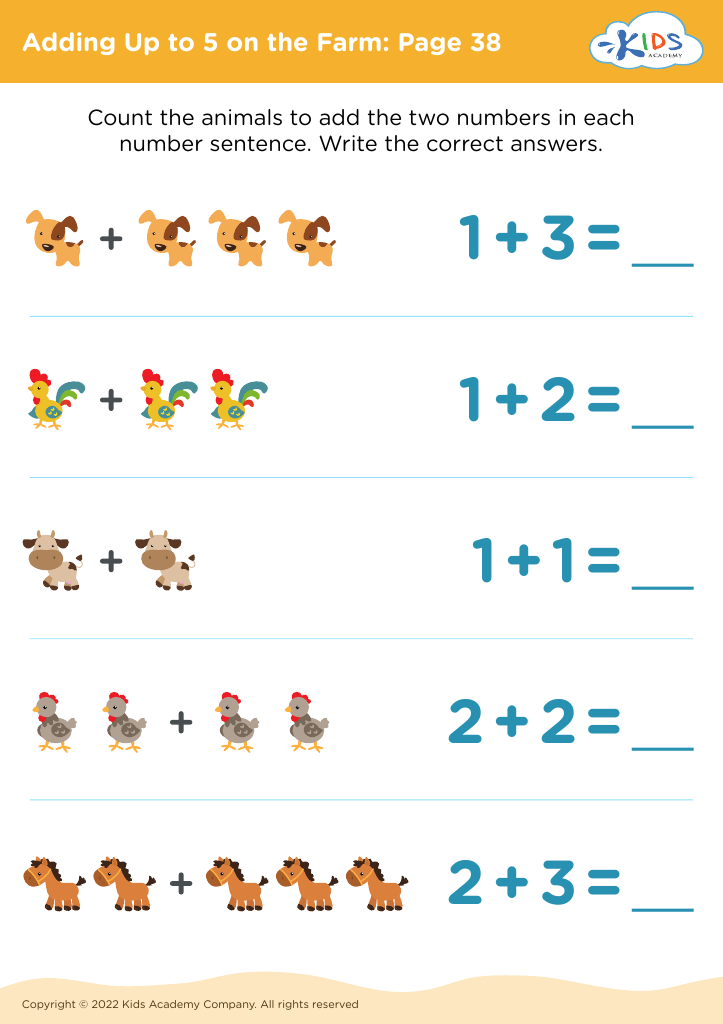
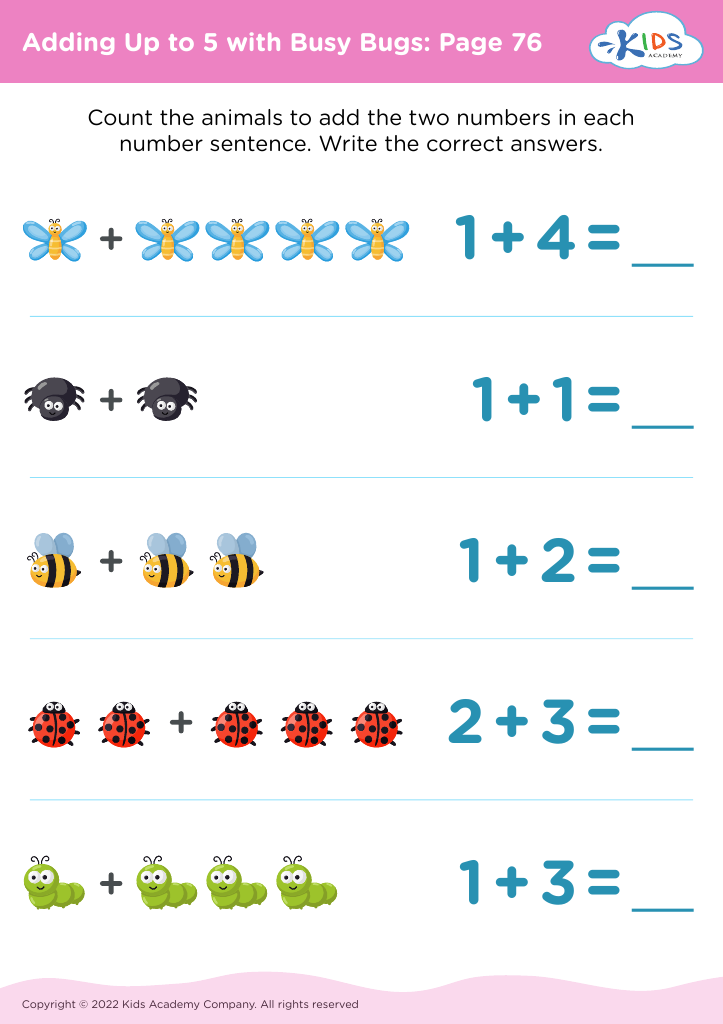
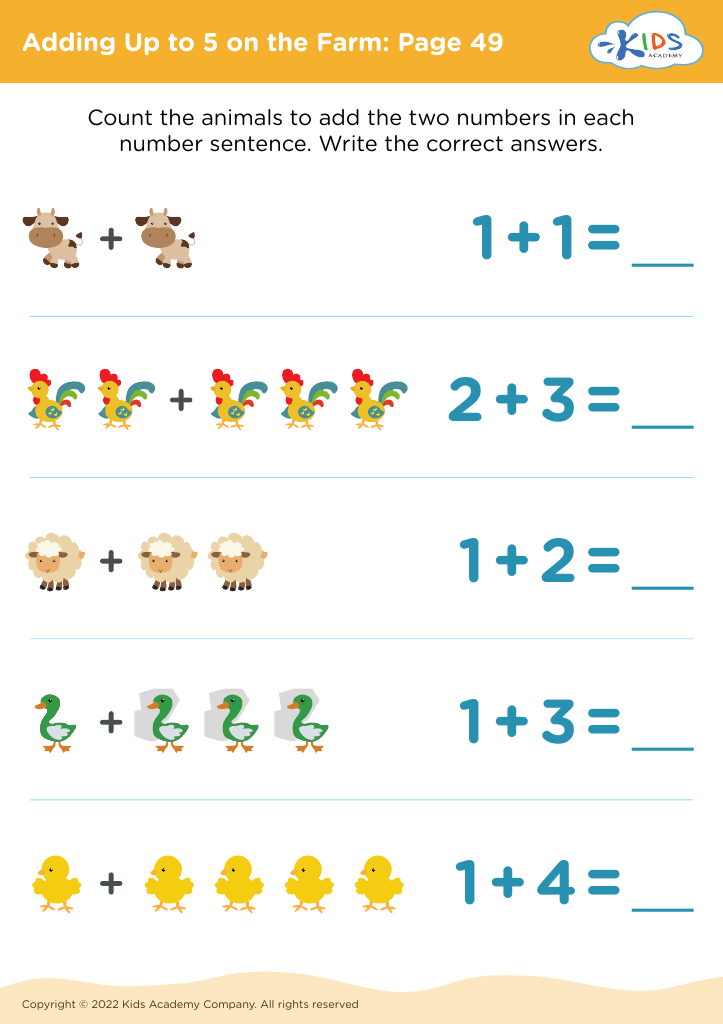
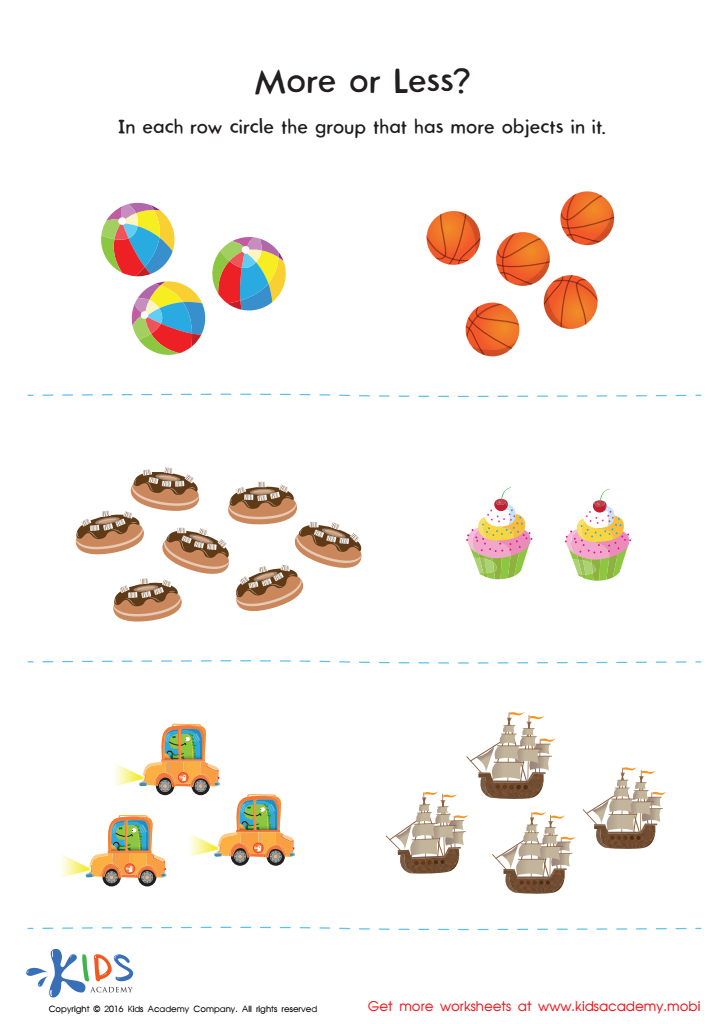
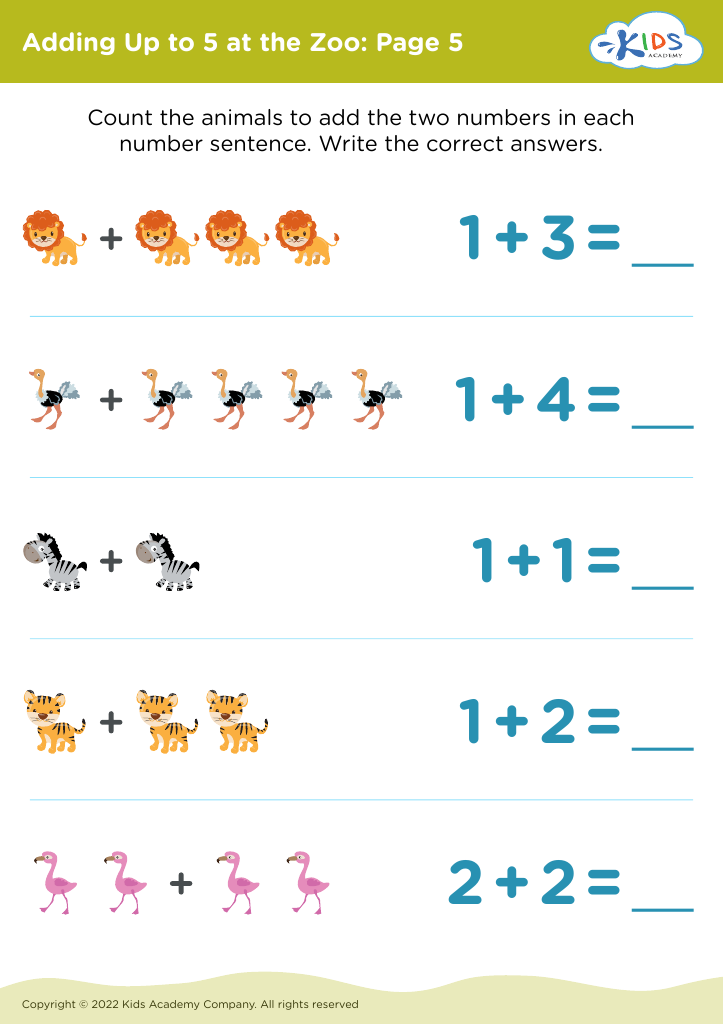
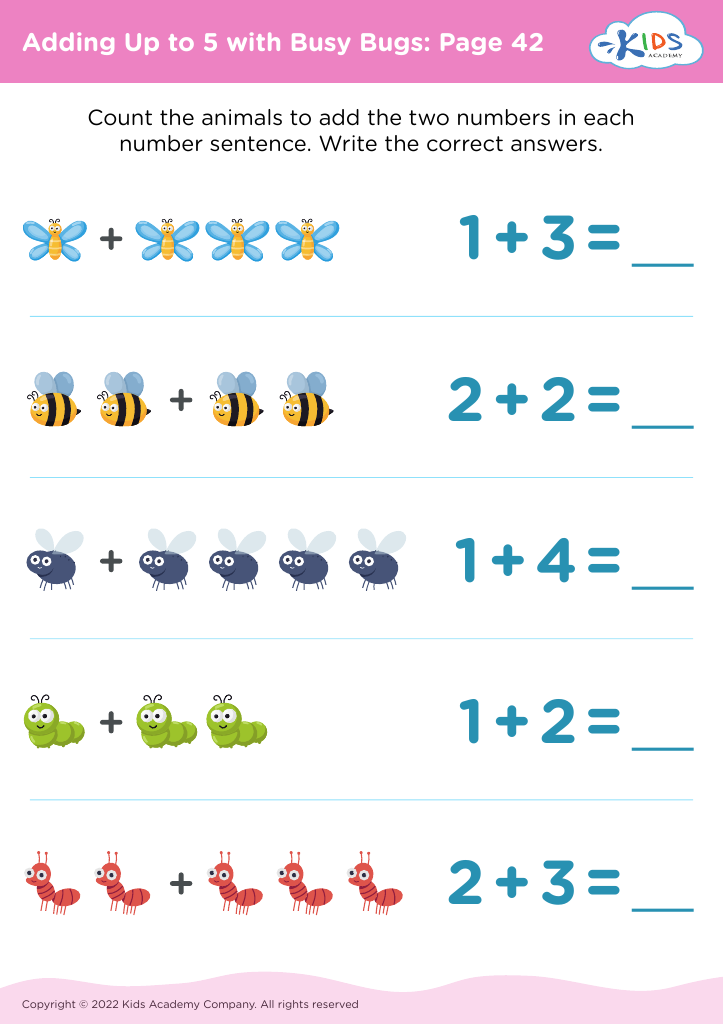
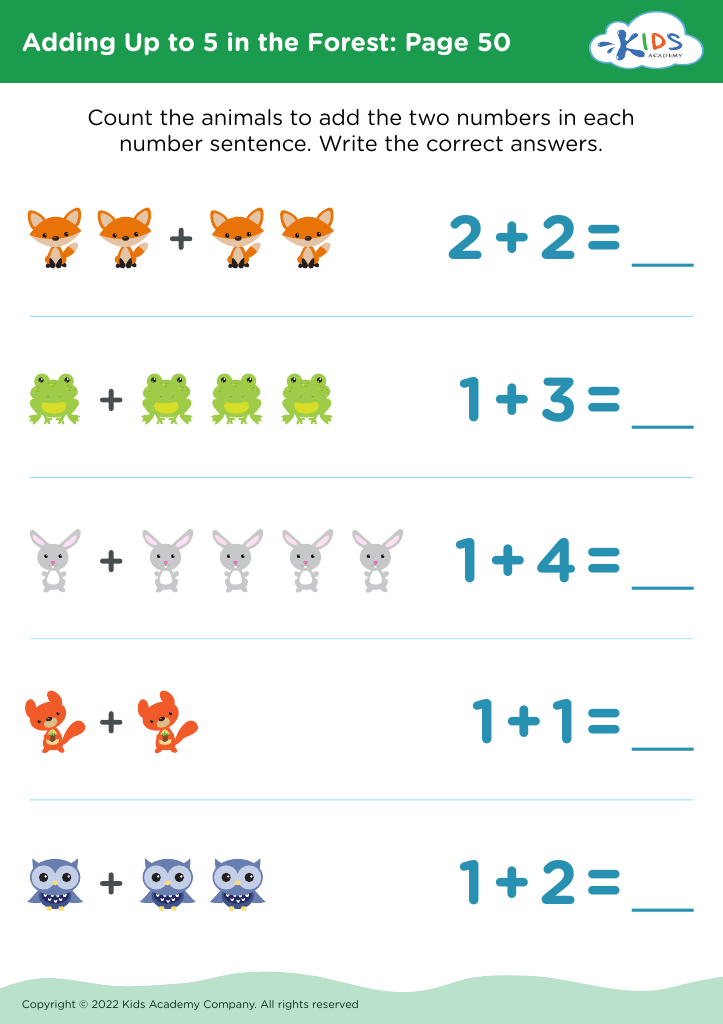
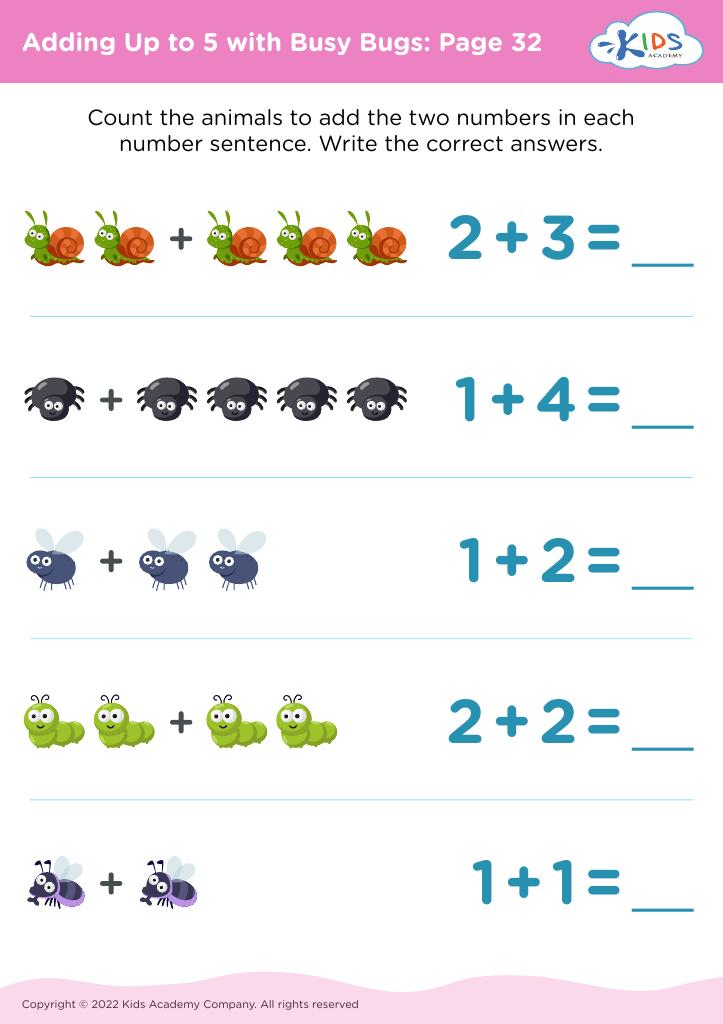
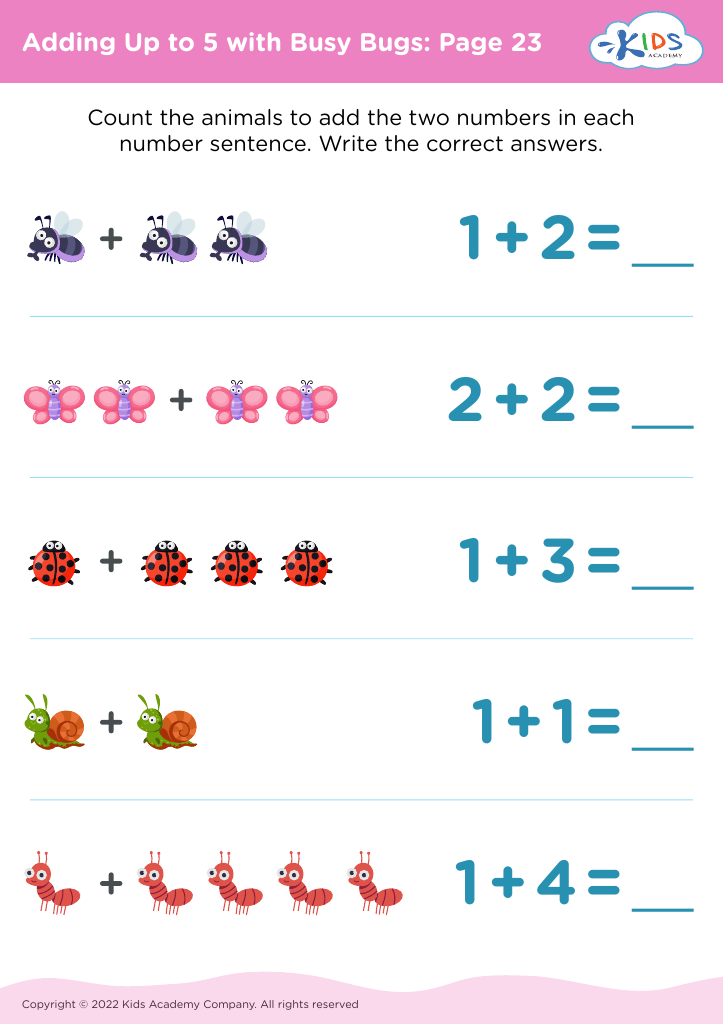
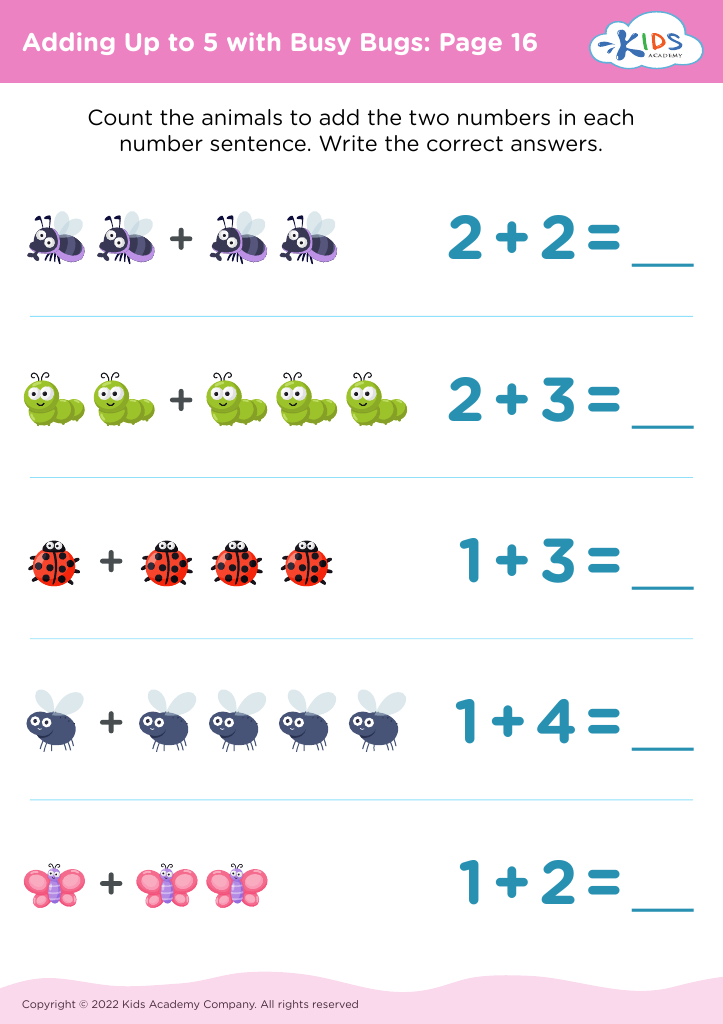
Explore our engaging Basic Math Concepts worksheets designed specifically for 4-year-olds! These printable resources help young learners grasp fundamental math skills through fun activities that foster creativity and critical thinking. Our worksheets cover essential topics such as counting, number recognition, simple addition, and understanding shapes, tailored to keep little minds captivated. With bright visuals and interactive exercises, children will develop foundational math abilities while enjoying the learning process. Perfect for at-home practice or classroom use, our worksheets provide the ideal supplement to foster early math skills in your preschooler. Dive in and watch your child build confidence in their math journey!
 Assign to My Students
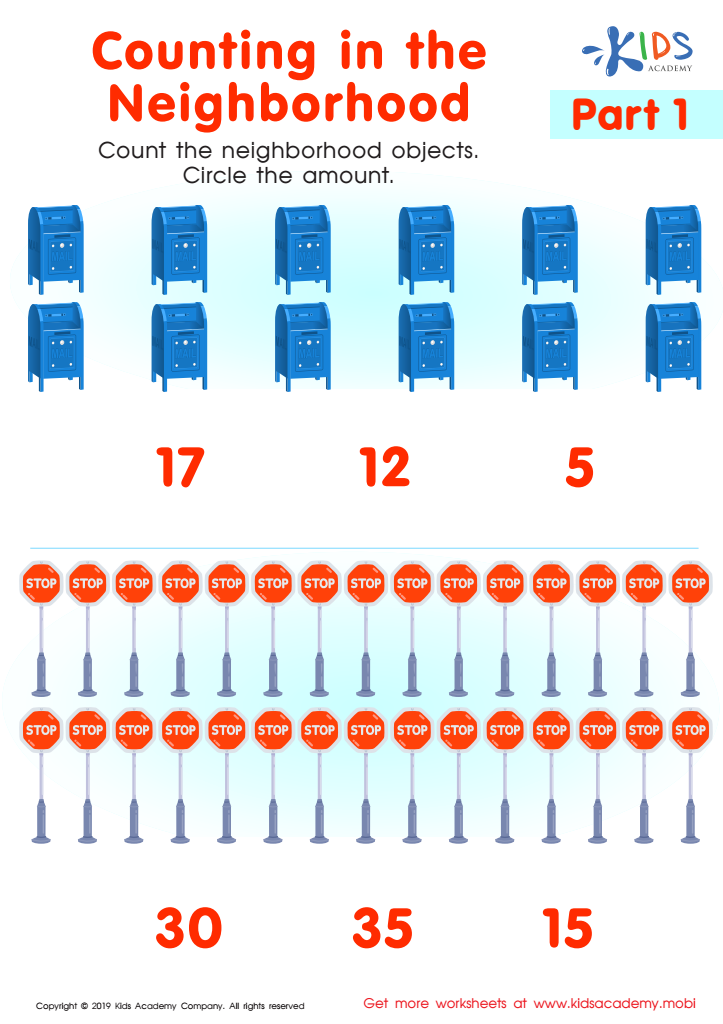
Counting in the Neighborhood Part1 Worksheet
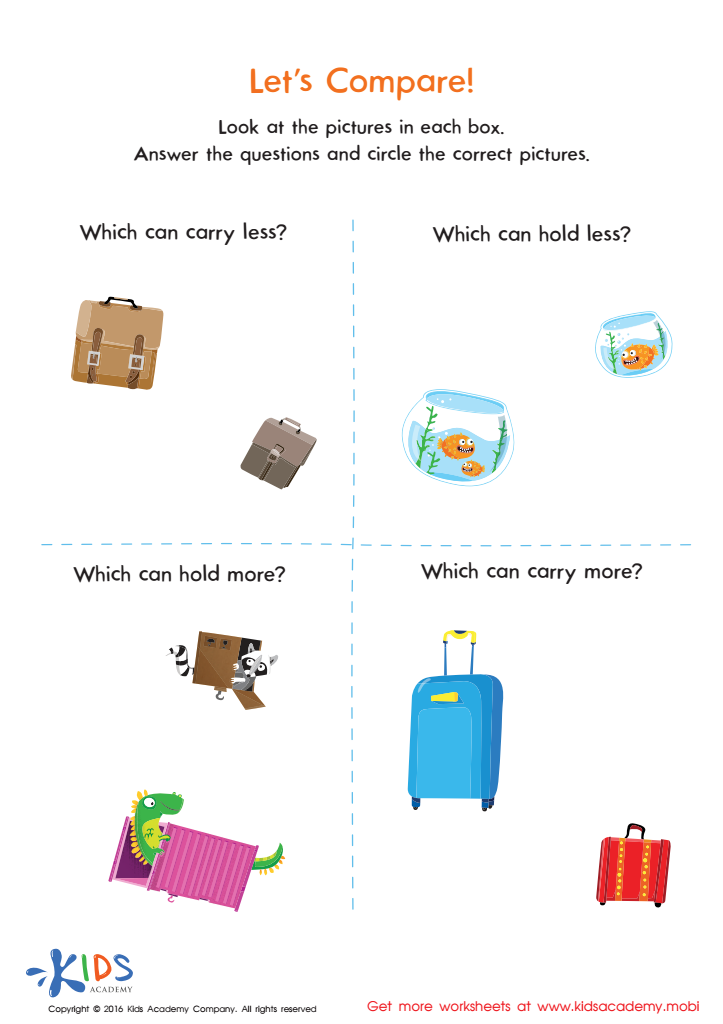
Let's Compare Worksheet: Big or Small
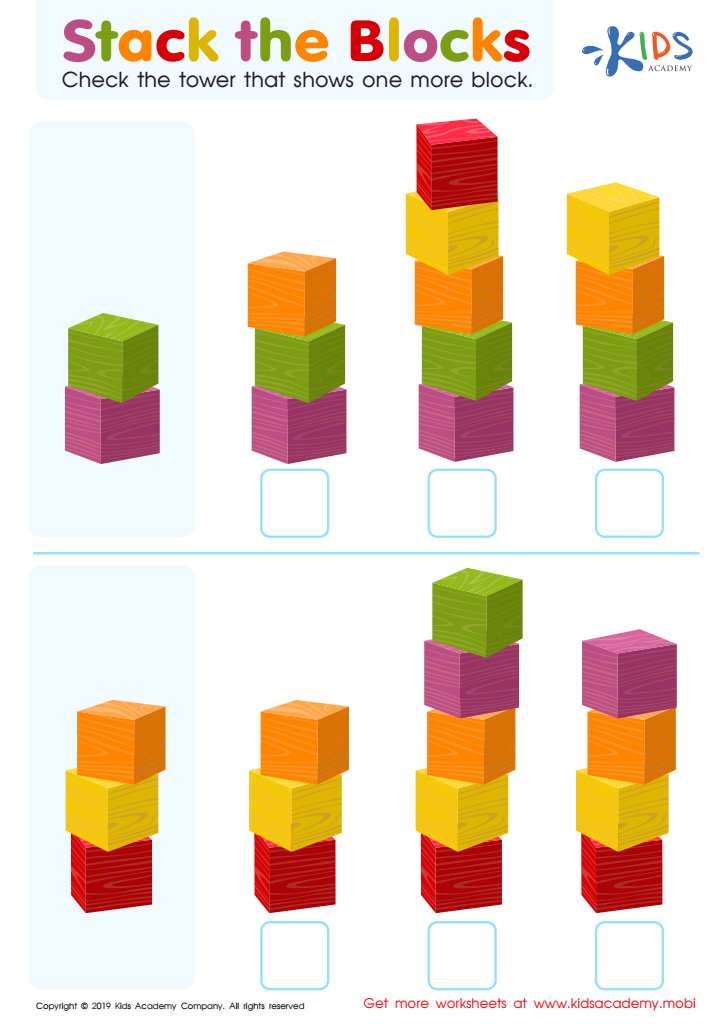
Stack the Blocks Worksheet
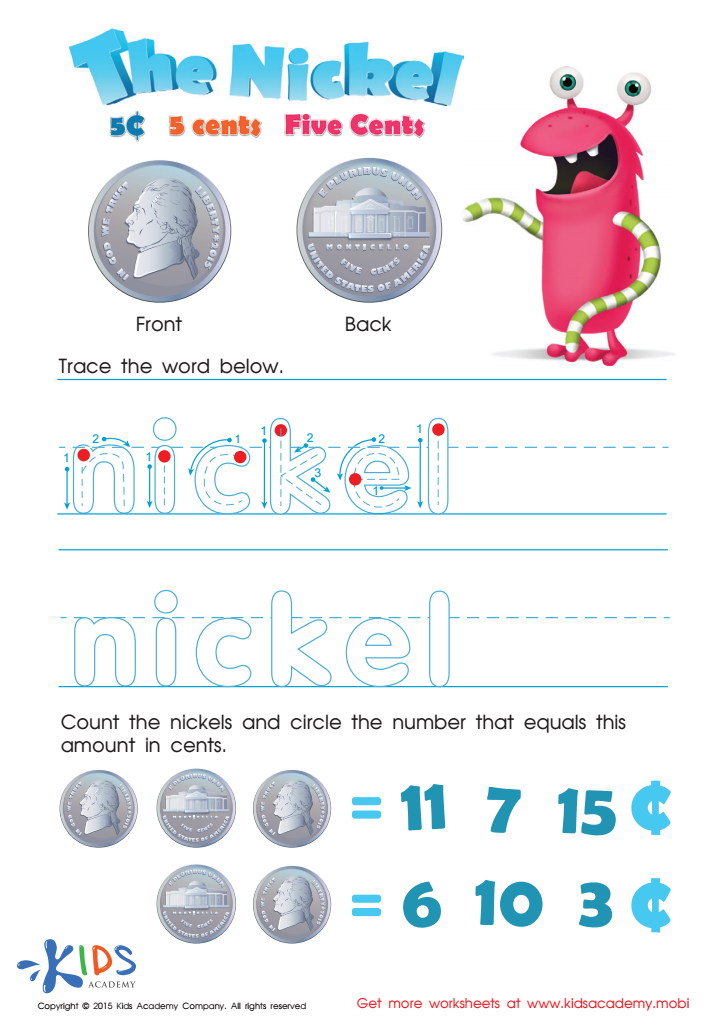
Five Cents or the Nickel Money Worksheet



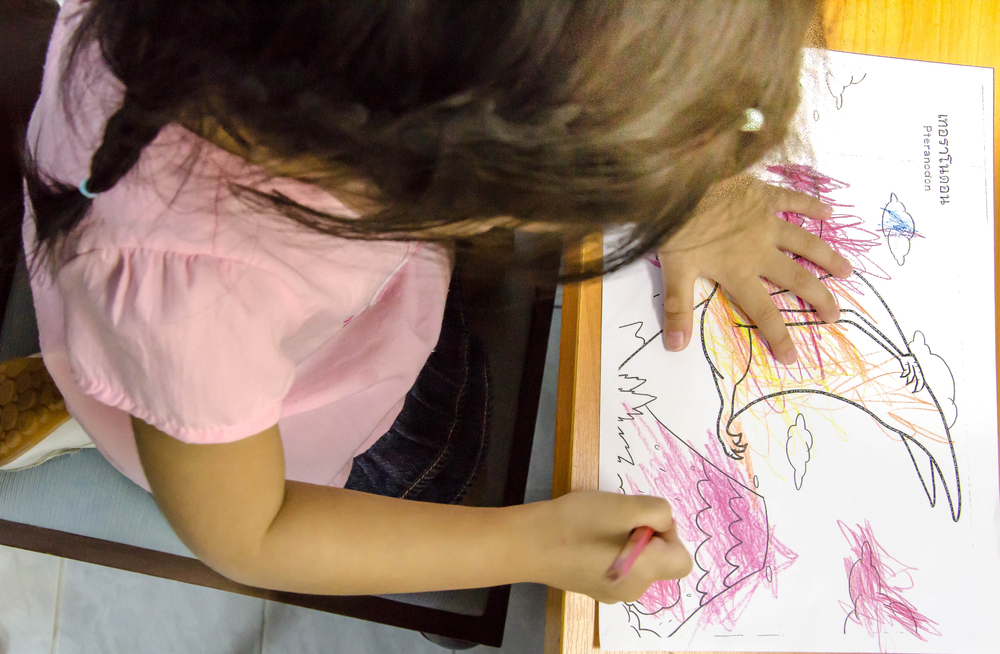




Parents and teachers should prioritize basic math concepts for 4-year-olds as these foundational skills are crucial for future academic success. At this age, children are naturally curious and eager to explore their environment, making it an ideal time to introduce concepts like counting, sorting, and simple addition and subtraction. Engaging in early math activities helps to develop critical thinking and problem-solving skills, essential for cognitive development.
Furthermore, early exposure to math fosters a positive attitude toward the subject. It encourages children to see math as integrated into everyday life rather than merely an abstract concept encountered later in school. Everyday experiences, such as counting toys or measuring ingredients during cooking, can make math enjoyable and relatable.
Additionally, basic math concepts help improve language skills as children learn the vocabulary associated with numbers and operations. Positive early experiences in math can also diminish anxiety and build confidence, promoting a growth mindset. Ultimately, laying a solid mathematical foundation can lead to greater achievements not only in math but across all subject areas as the child grows. By investing in early math education, parents and teachers can support holistic development and set the stage for lifelong learning and engagement with mathematics.








