Fine Motor Skills Math Worksheets for 4-Year-Olds - Page 2
137 filtered results
-
From - To
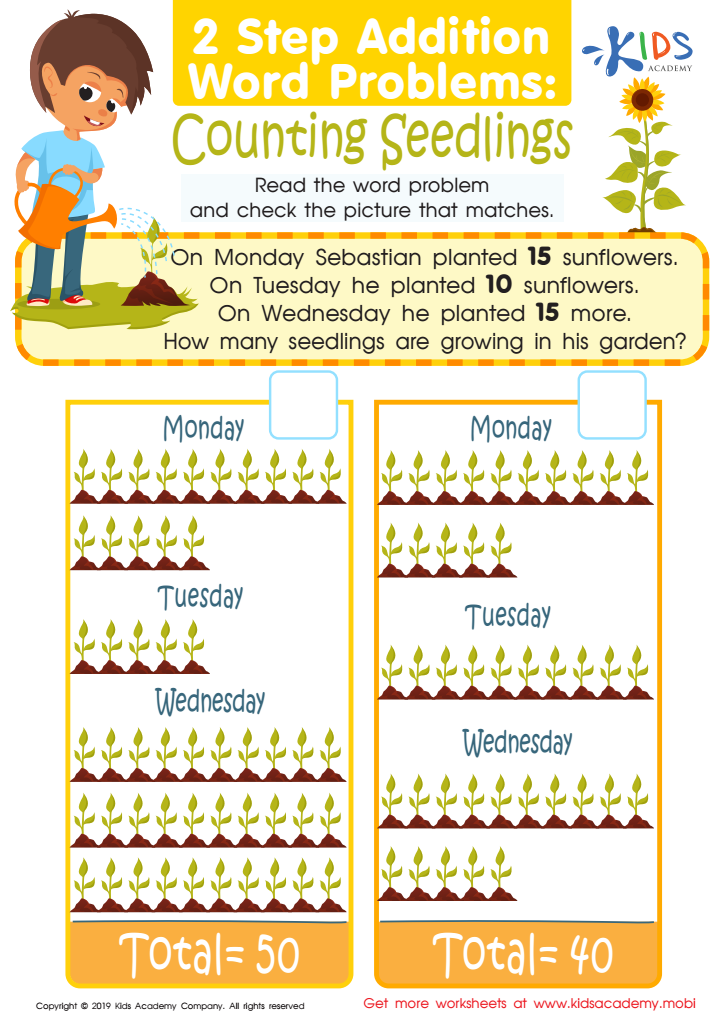
Counting Seedlings Worksheet
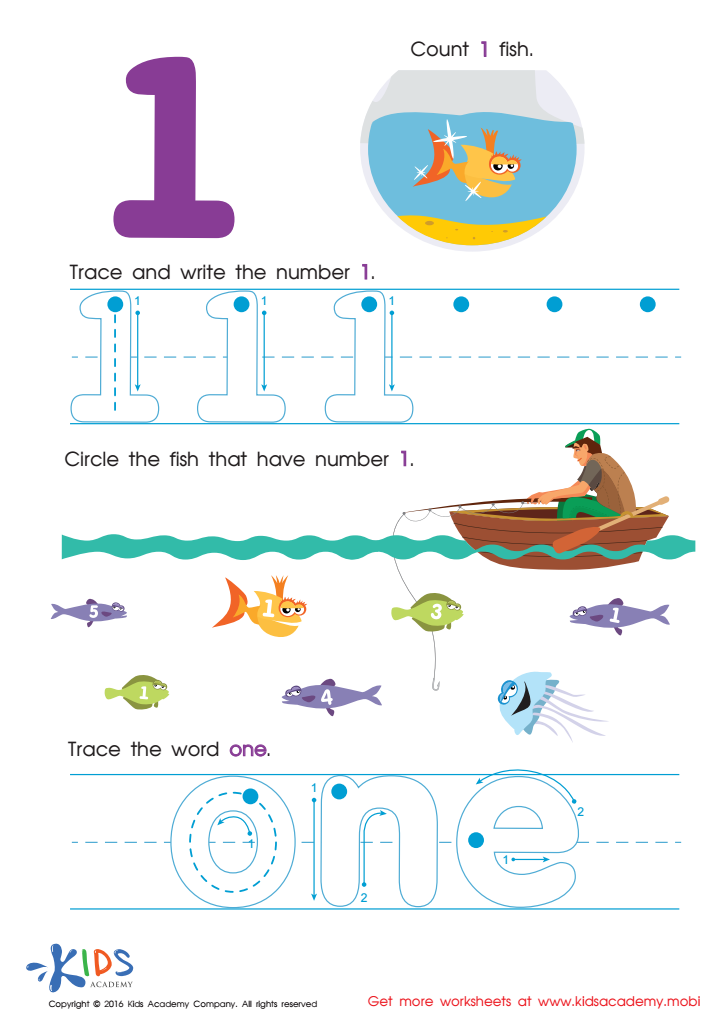
Learning to Write 1 Worksheet
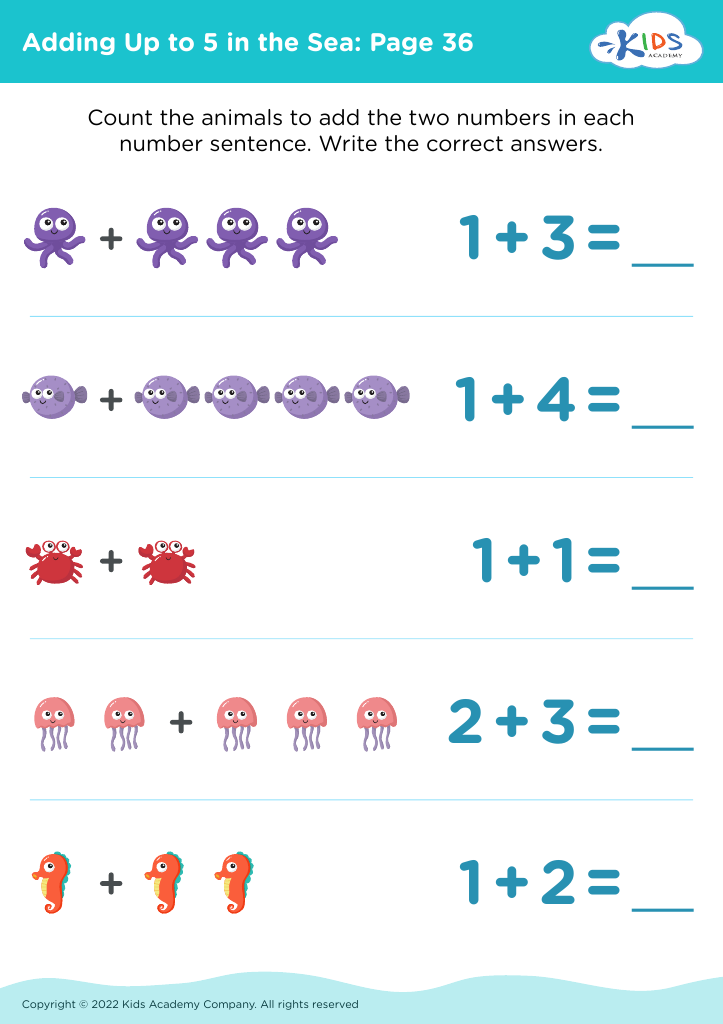
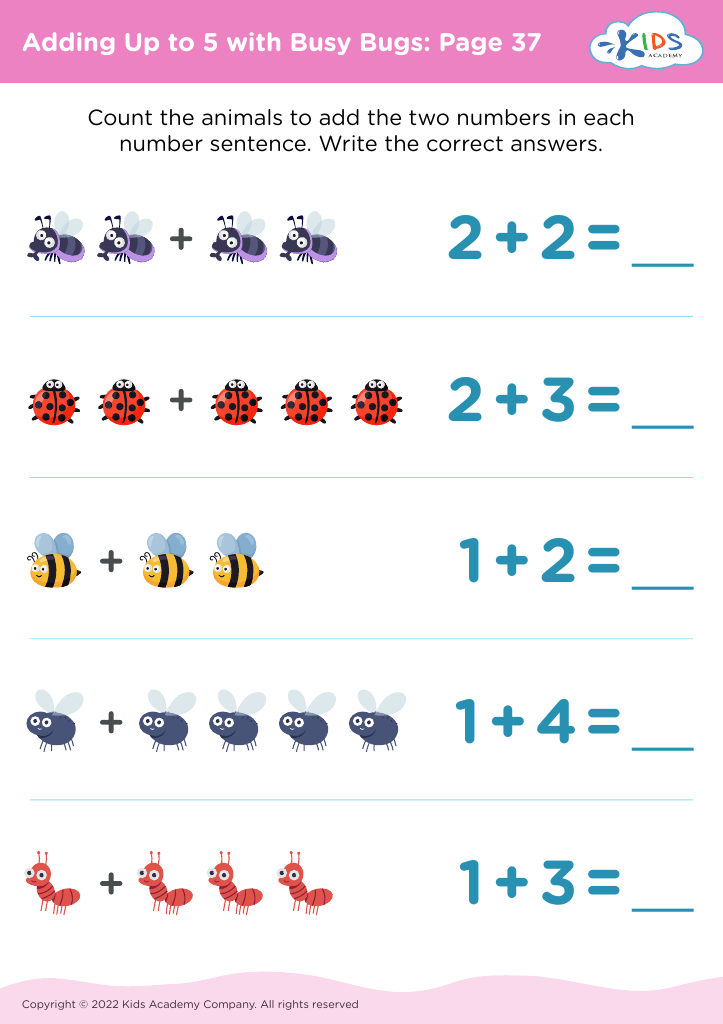
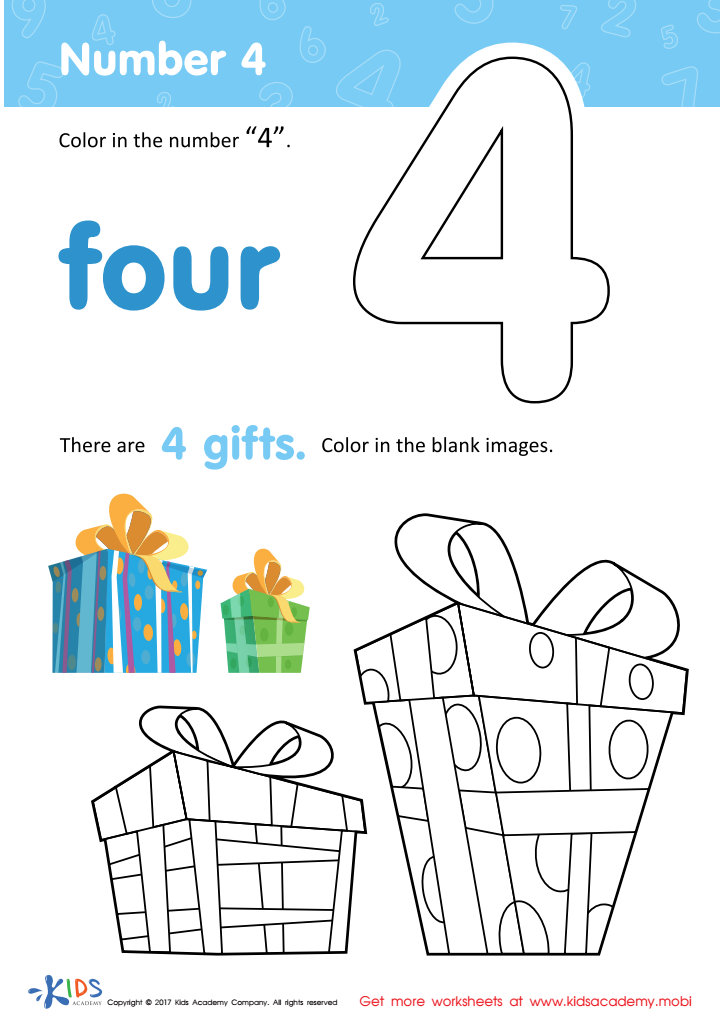
Number 4 Printable
 Assign to My Students
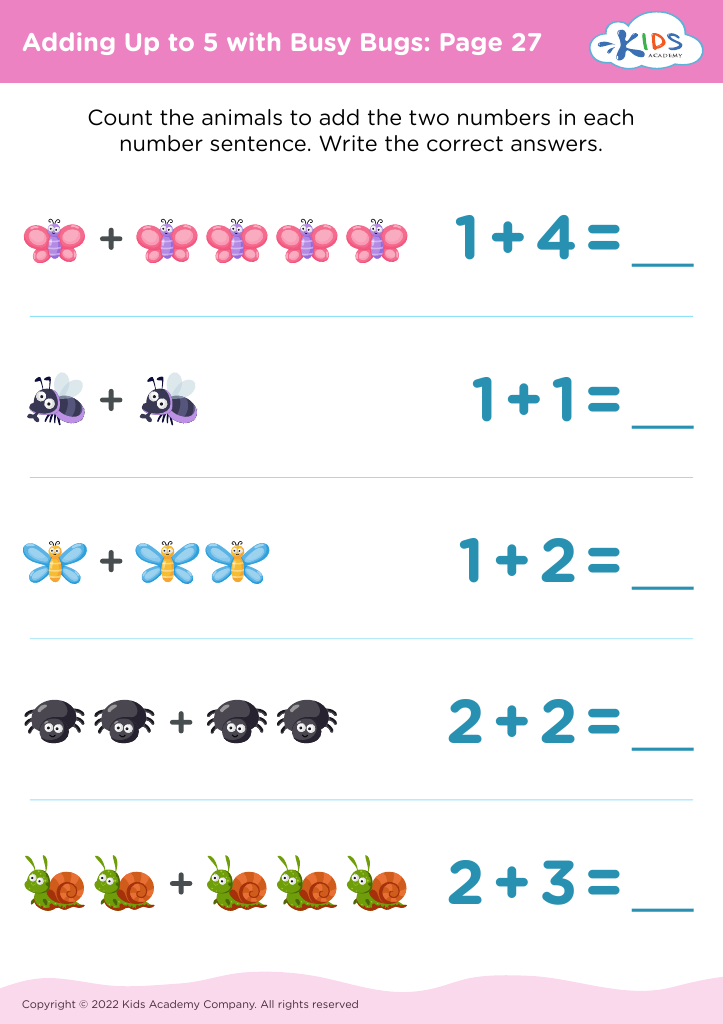
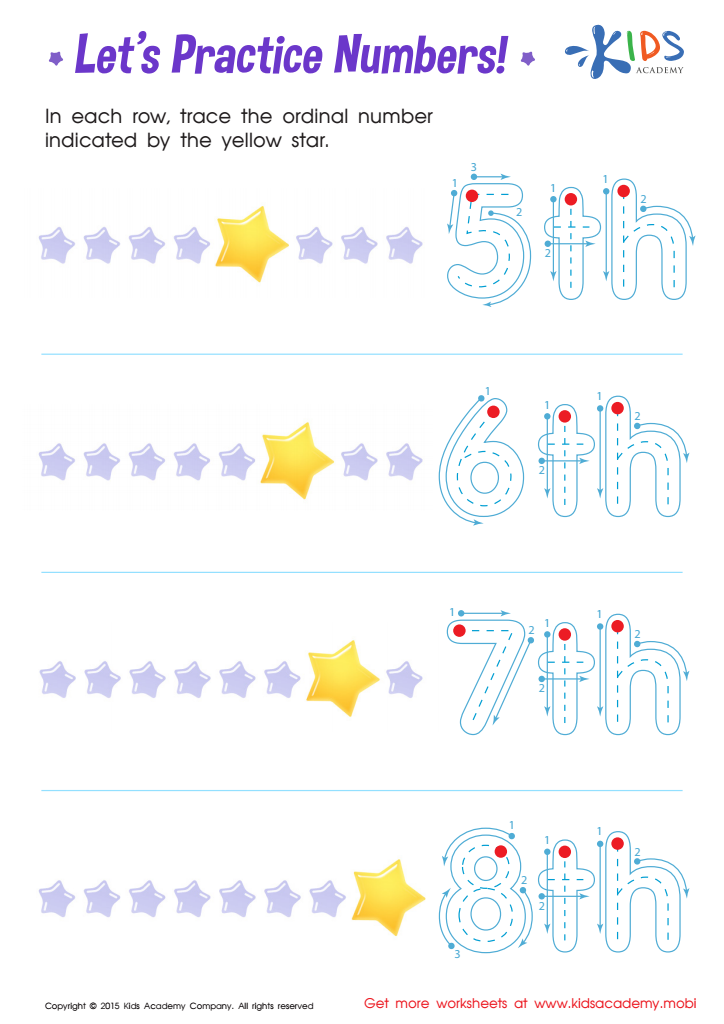
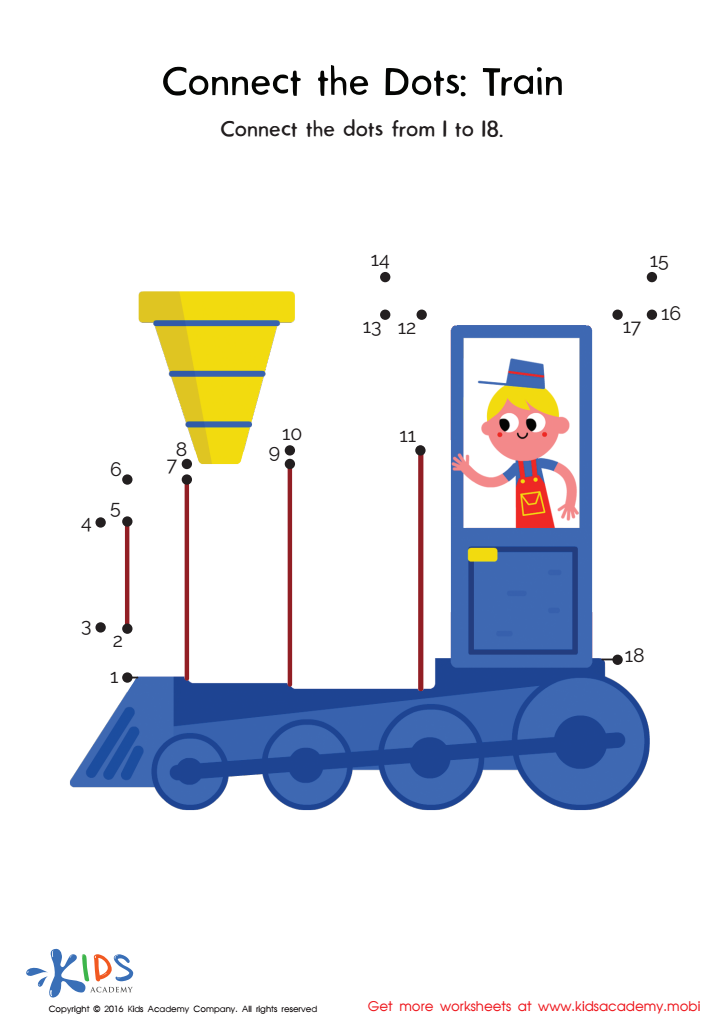
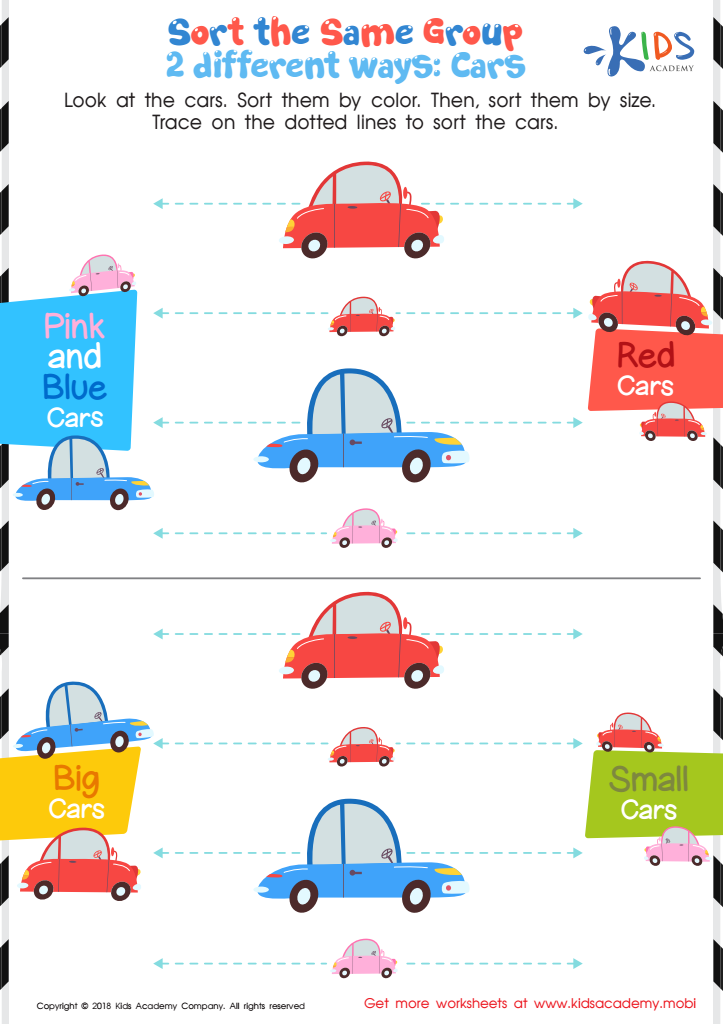
Sort the Same Group 2 Different Ways: Cars Worksheet
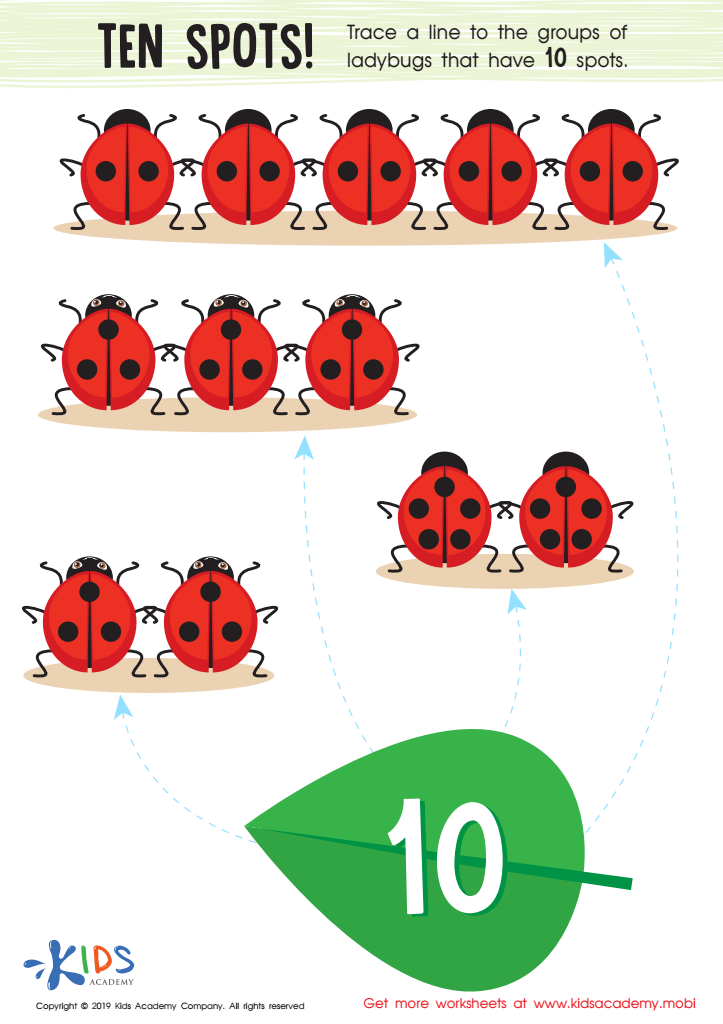
Ten Spots Worksheet
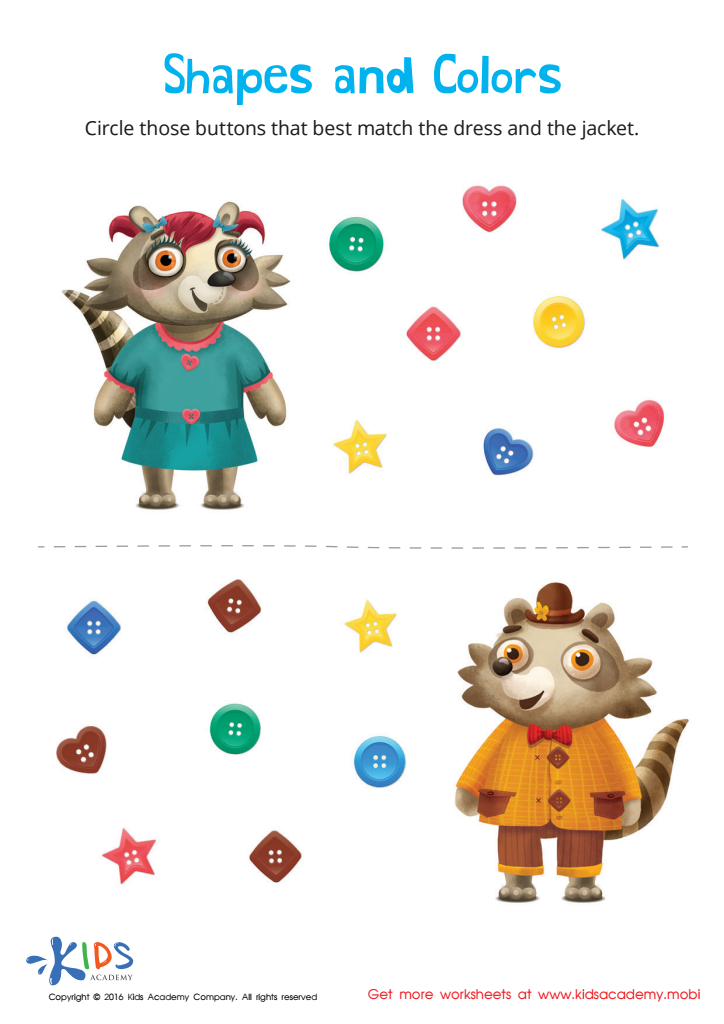
Matching: Shapes and Colors Worksheet
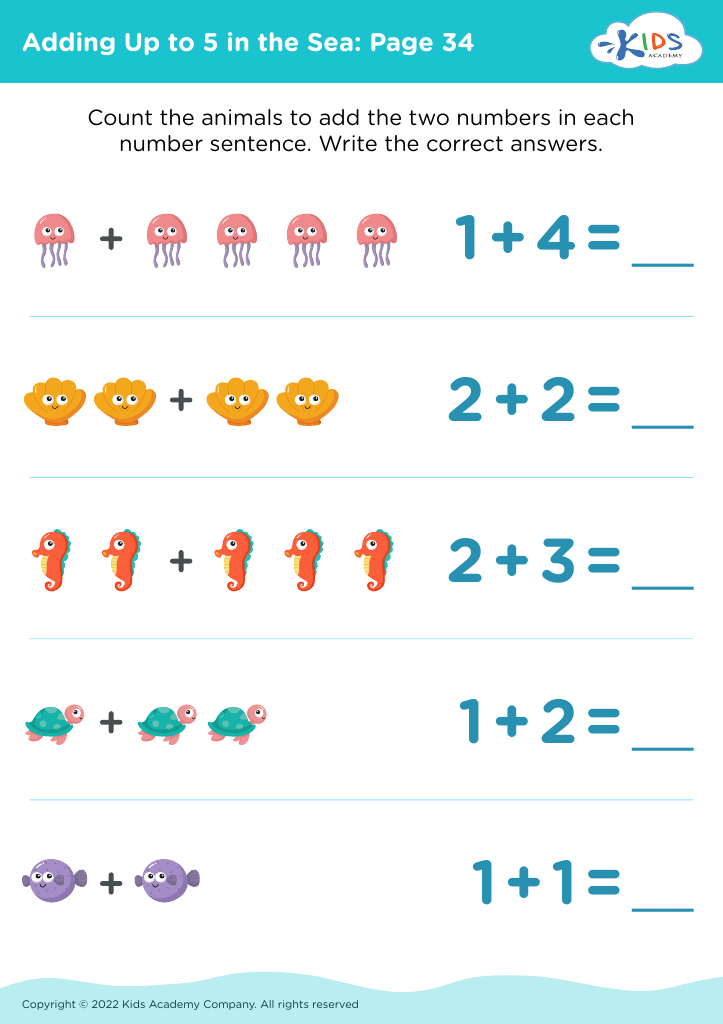
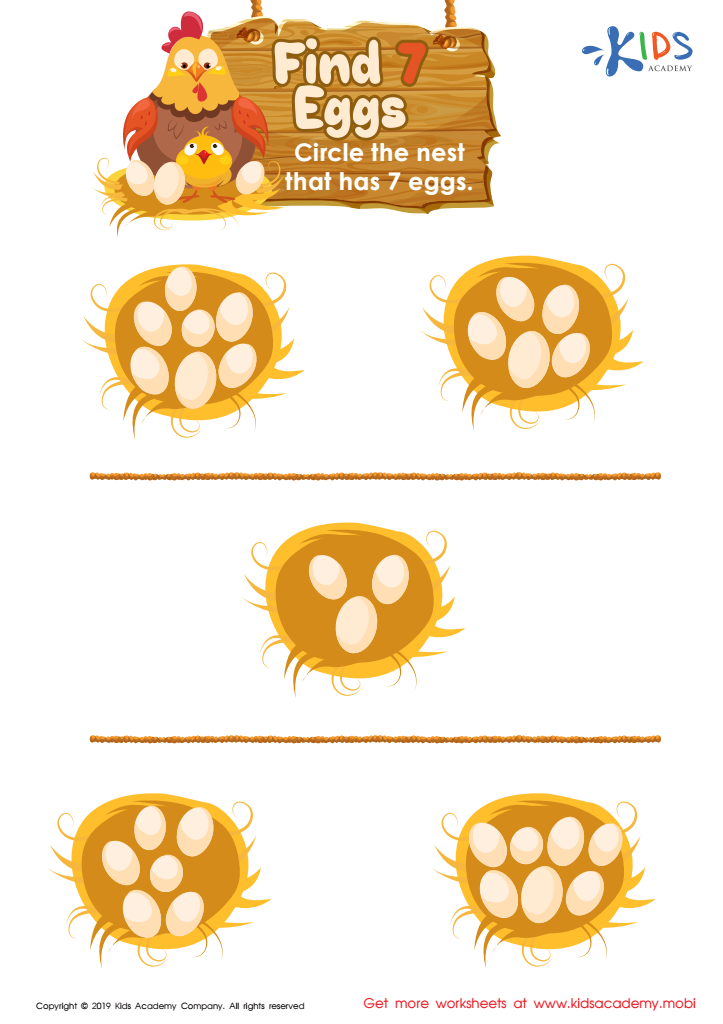
Find 7 Eggs Worksheet
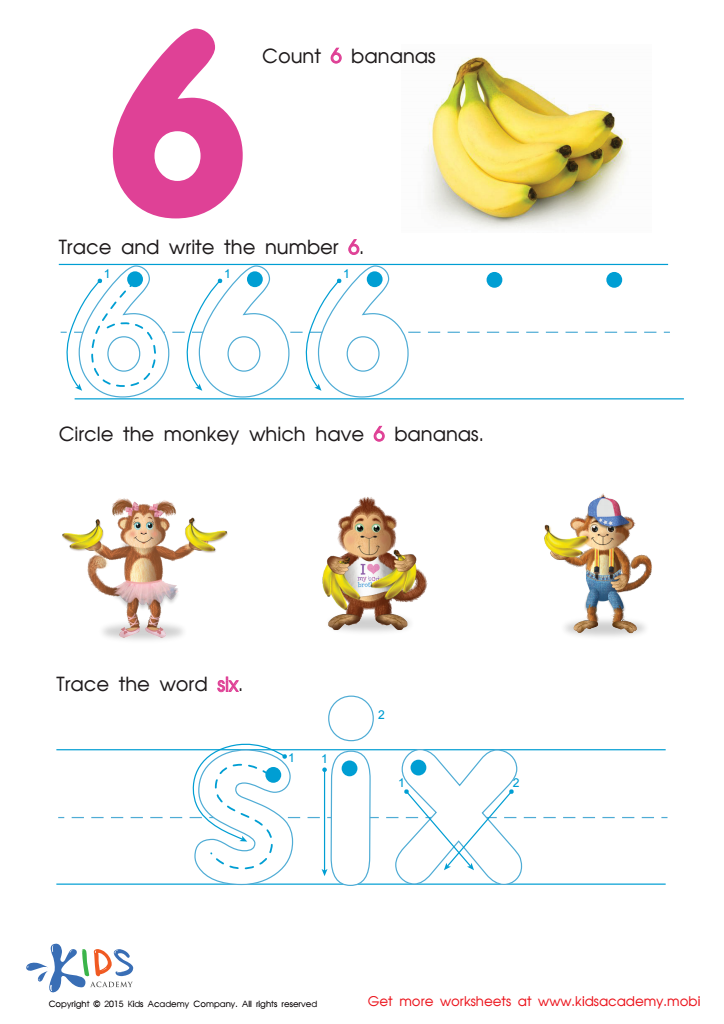
Tracing And Writing Number 6 Worksheet
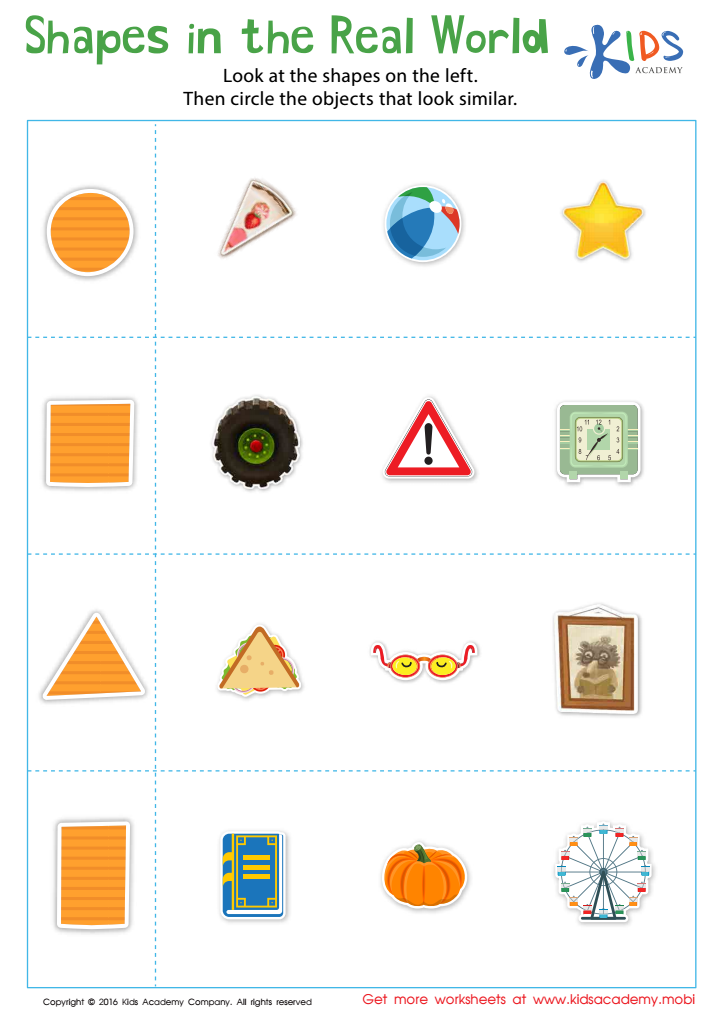
Shapes in the Real World Worksheet
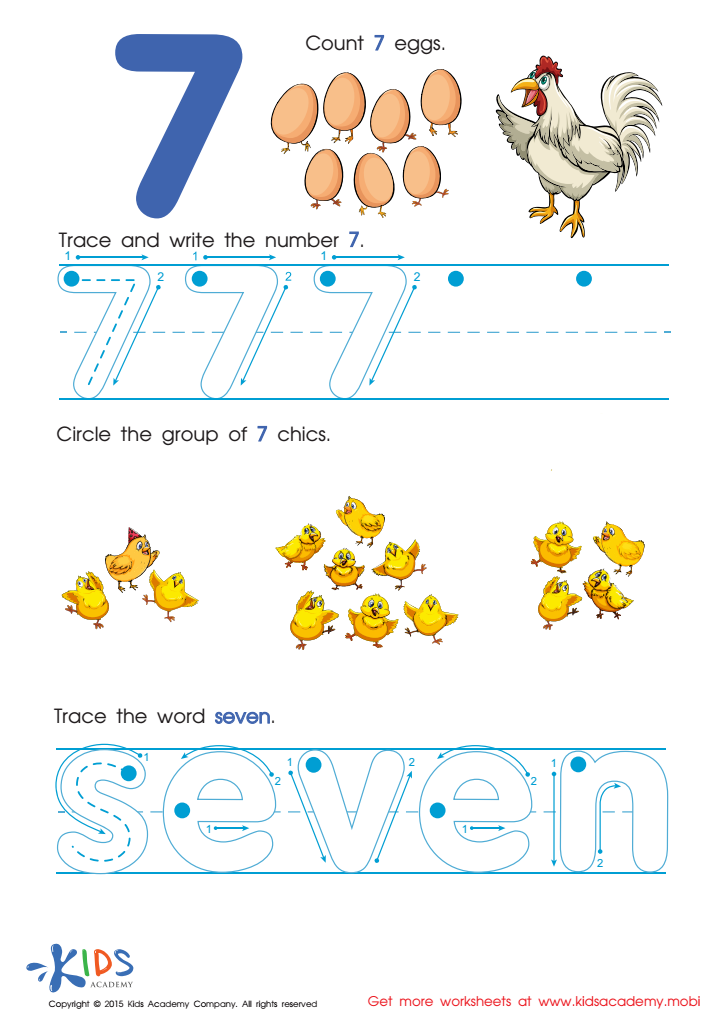
Trace And Write Number 7 with Fun Worksheet
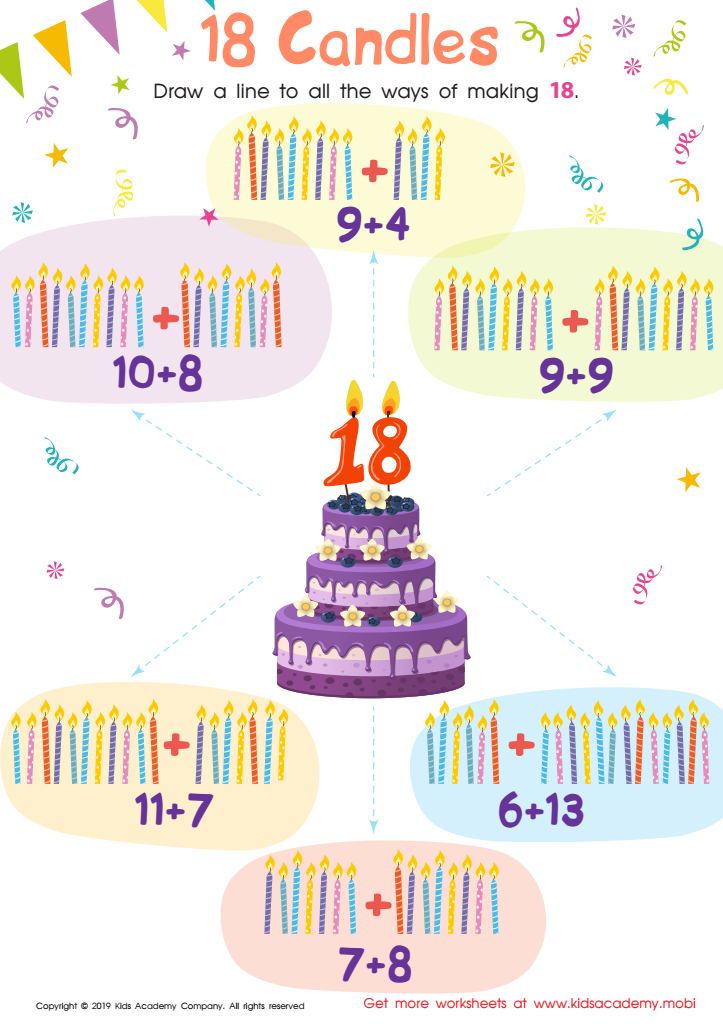
18 Candles Worksheet
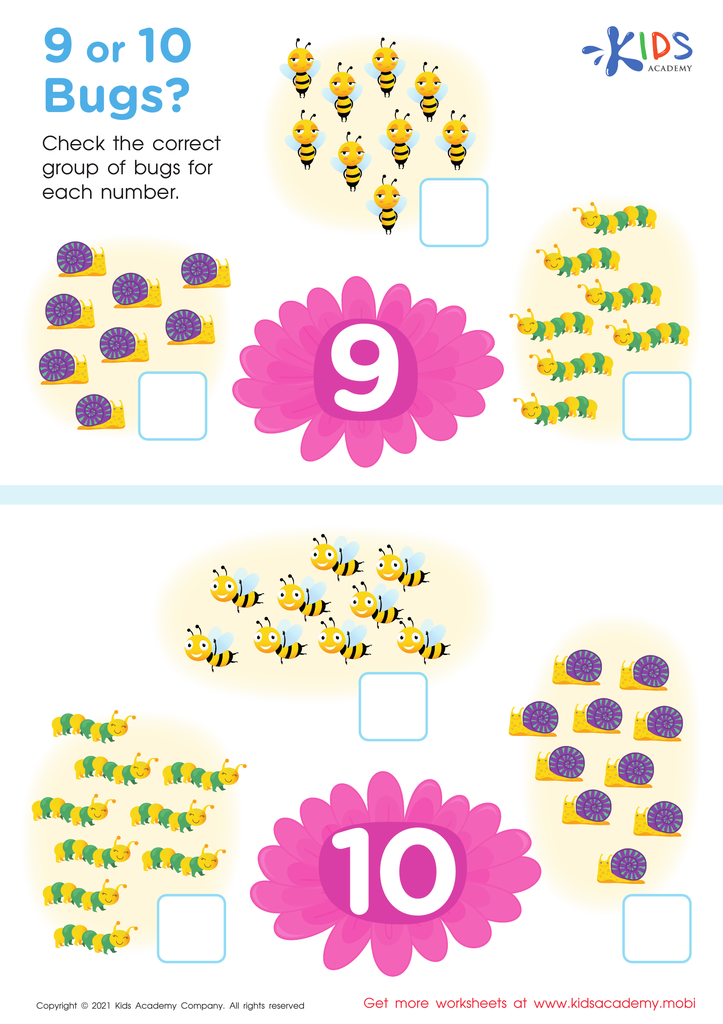
9 or 10 Bugs Worksheet
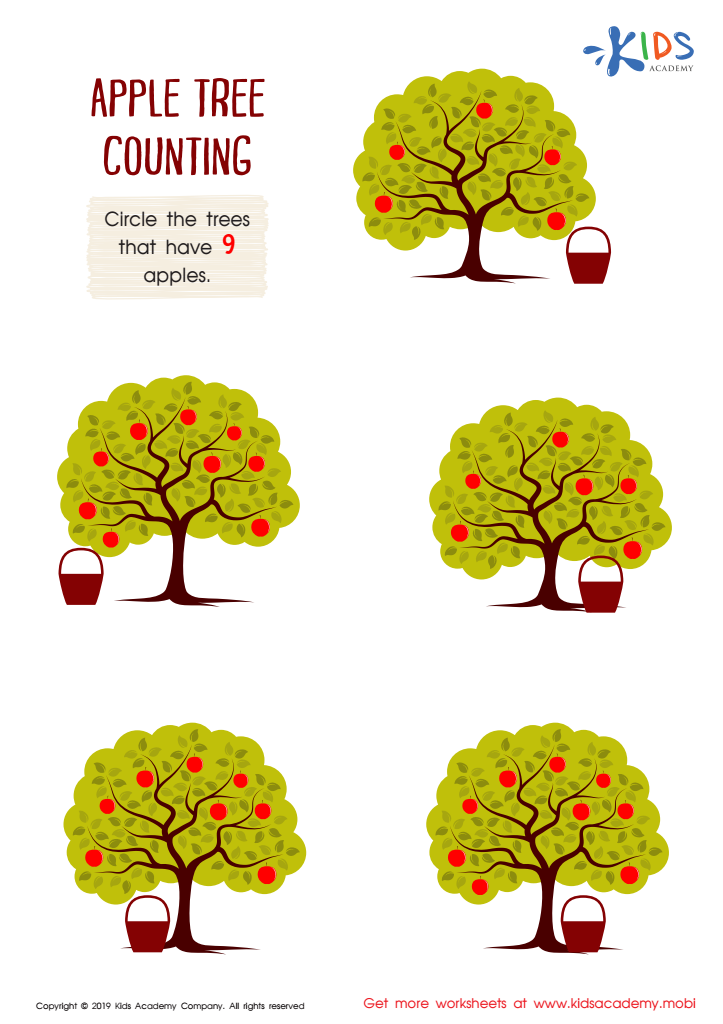
Apple Tree Counting Worksheet








Fine motor skills are essential for young children's overall development, particularly when it comes to academic readiness. For 4-year-olds, the integration of fine motor skills into math learning is crucial because these skills involve the coordination of small muscles and hand-eye coordination, which are necessary for tasks such as writing, drawing, and manipulating objects.
When parents and teachers emphasize fine motor activities in math, they provide opportunities for children to engage in hands-on learning experiences. Activities like counting beads, fitting puzzle pieces, or using scissors to cut shapes not only reinforce mathematical concepts such as counting, sorting, and pattern recognition but also enhance dexterity and control.
Furthermore, developing fine motor skills strengthens a child’s ability to focus and concentrate, facilitating better performance in other learning areas. Children who struggle with these skills may find math challenging, leading to frustration and a lack of confidence. By nurturing fine motor skills through classroom activities or home play, parents and teachers lay a solid foundation for academic success, ensuring children are better prepared for future learning. Ultimately, a firm grasp of fine motor skills fosters a well-rounded educational experience that promotes both cognitive and motor development.








