Check out this FREE Trial Lesson on Math for age 4!

Exactly the Same, or Not

Favorites
With answer key
Interactive
  • 4
  • Visual Learning
  • Math
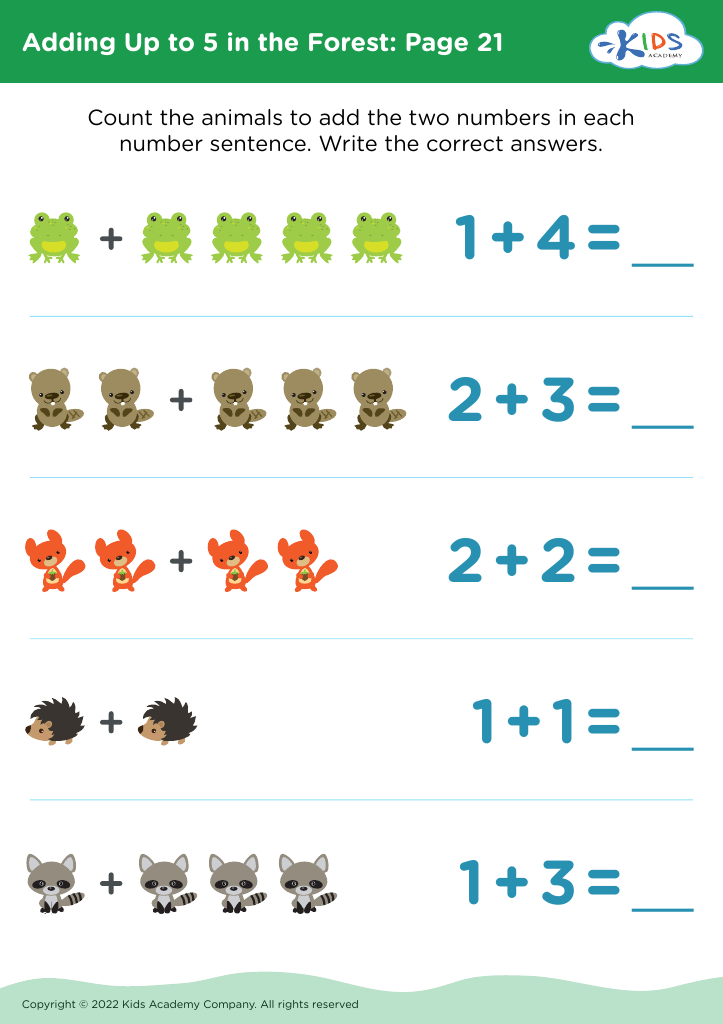
Adding Up to 5 in the Forest: Page 21
Worksheet
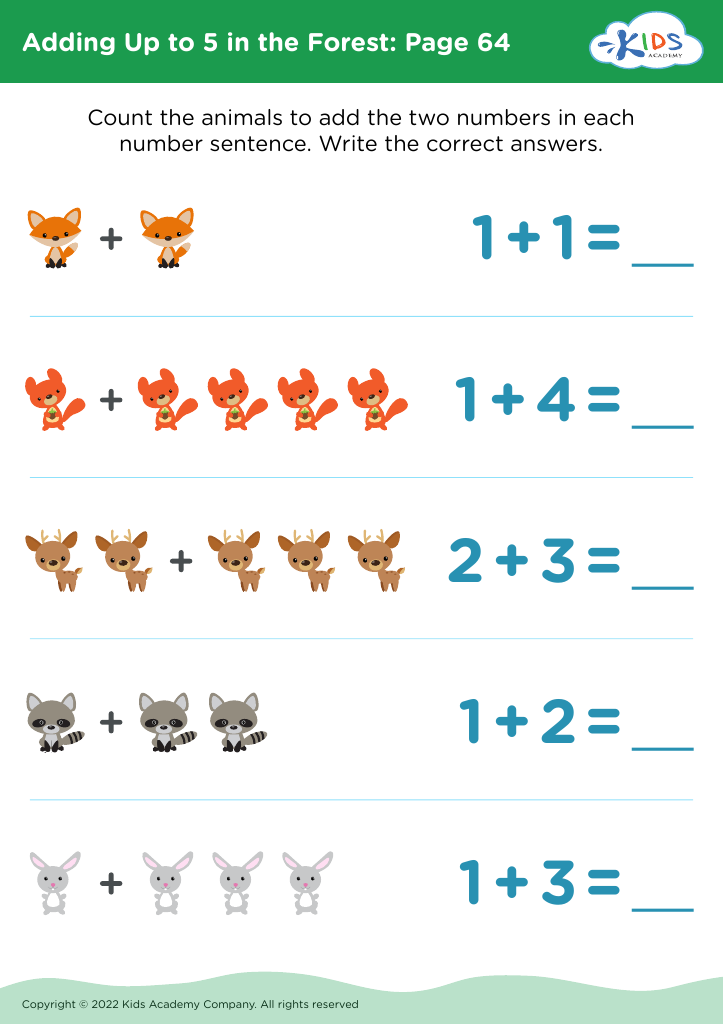
Adding Up to 5 in the Forest: Page 64
Worksheet
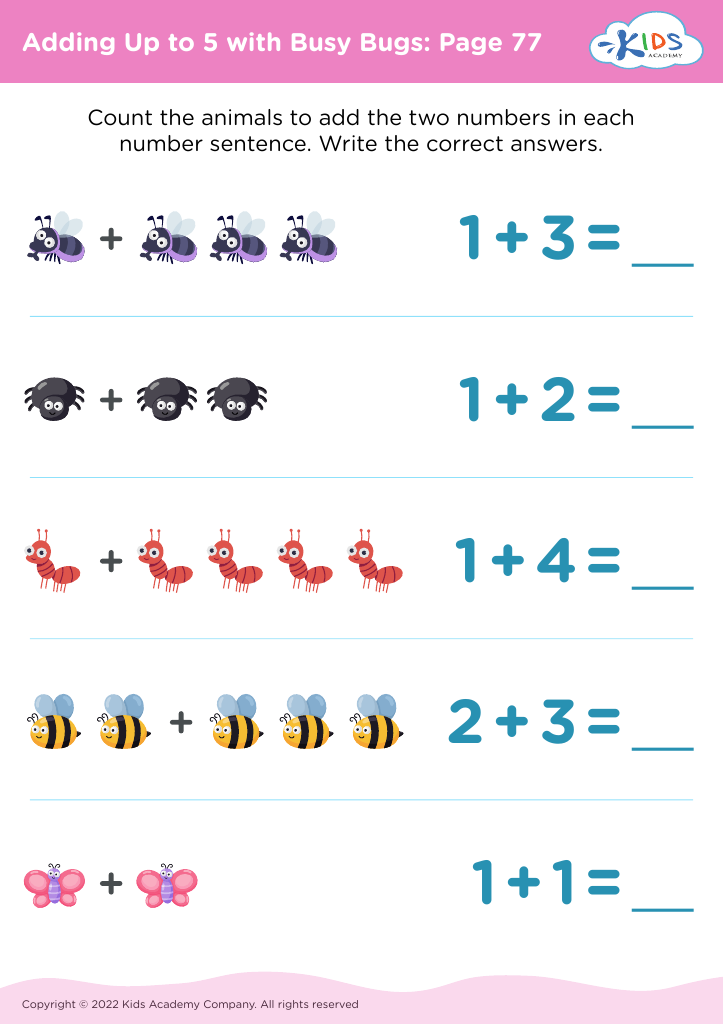
Adding Up to 5 with Busy Bugs: Page 77
Worksheet
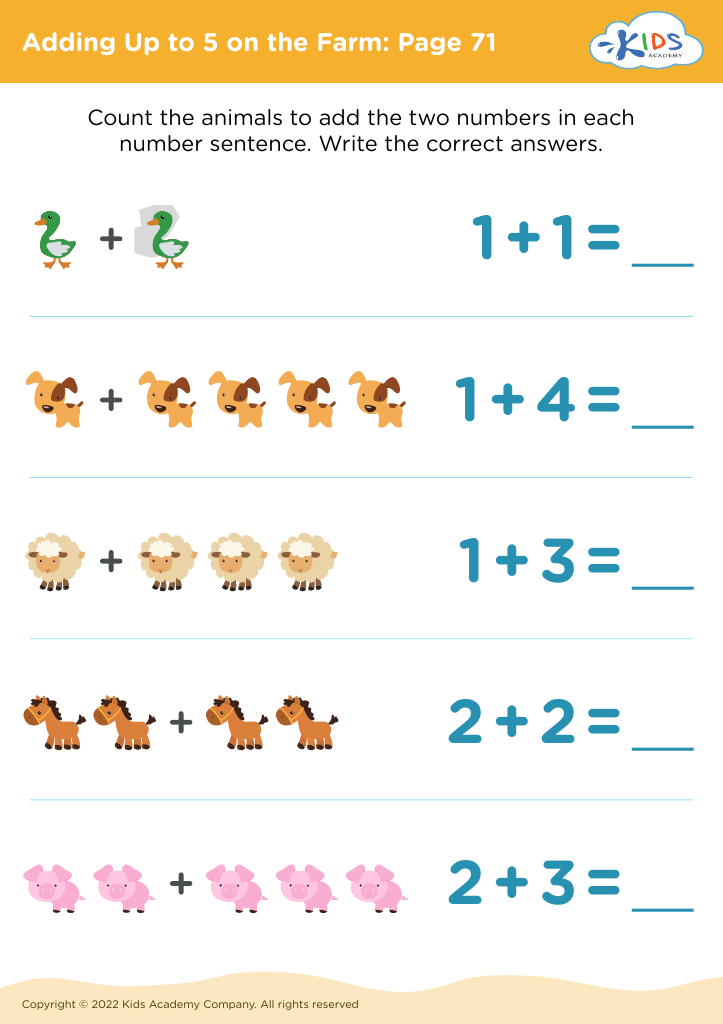
Adding Up to 5 on the Farm: Page 71
Worksheet
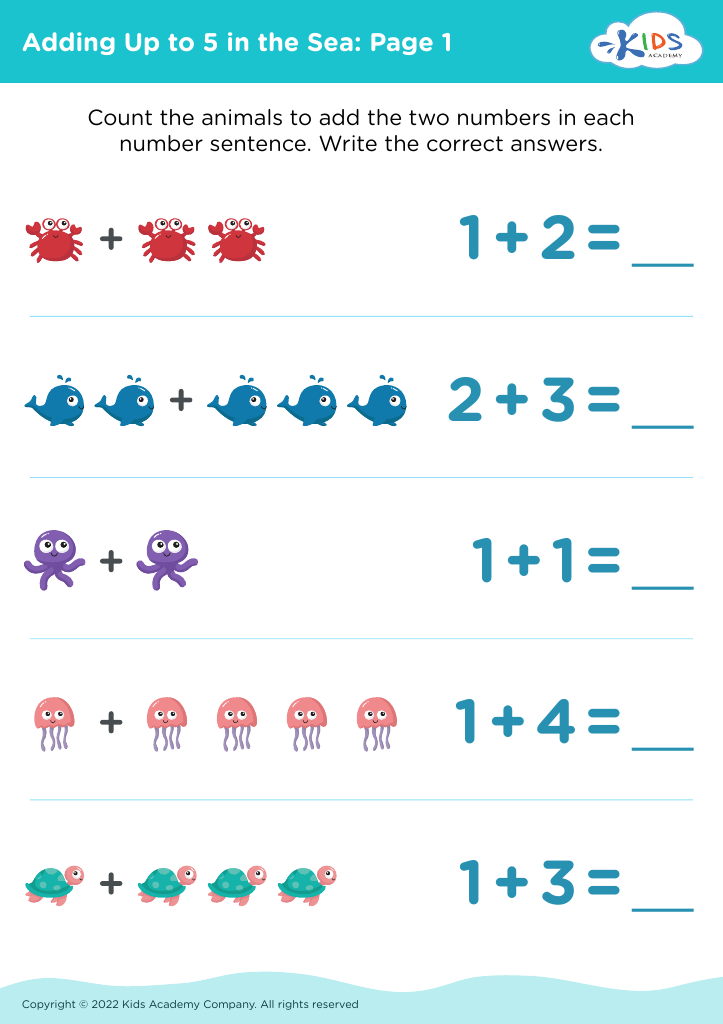
Adding Up to 5 in the Sea: Page 1

Adding Up to 5 in the Sea: Page 1

Adding Up to 5 in the Sea: Page 1
Worksheet
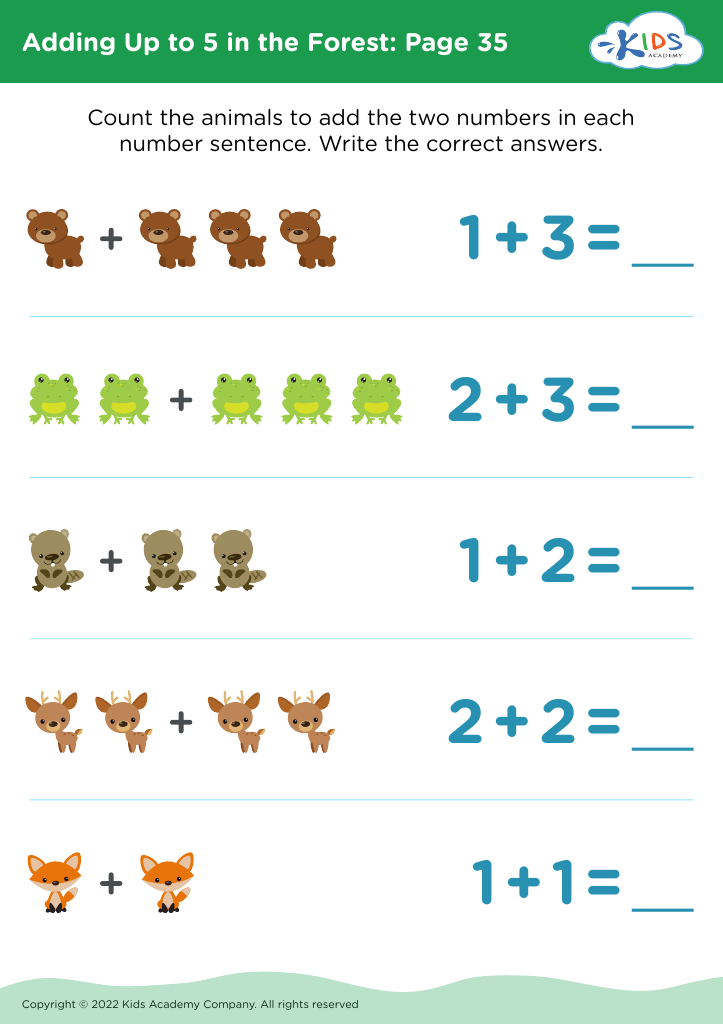
Adding Up to 5 in the Forest: Page 35
Worksheet
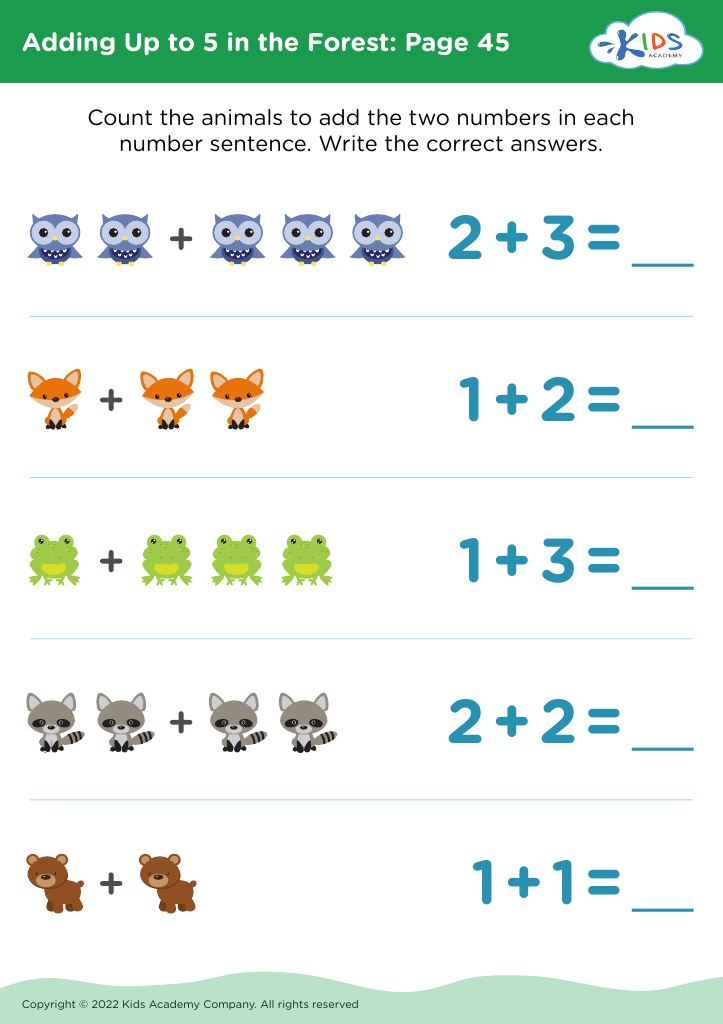
Adding Up to 5 in the Forest: Page 45
Worksheet
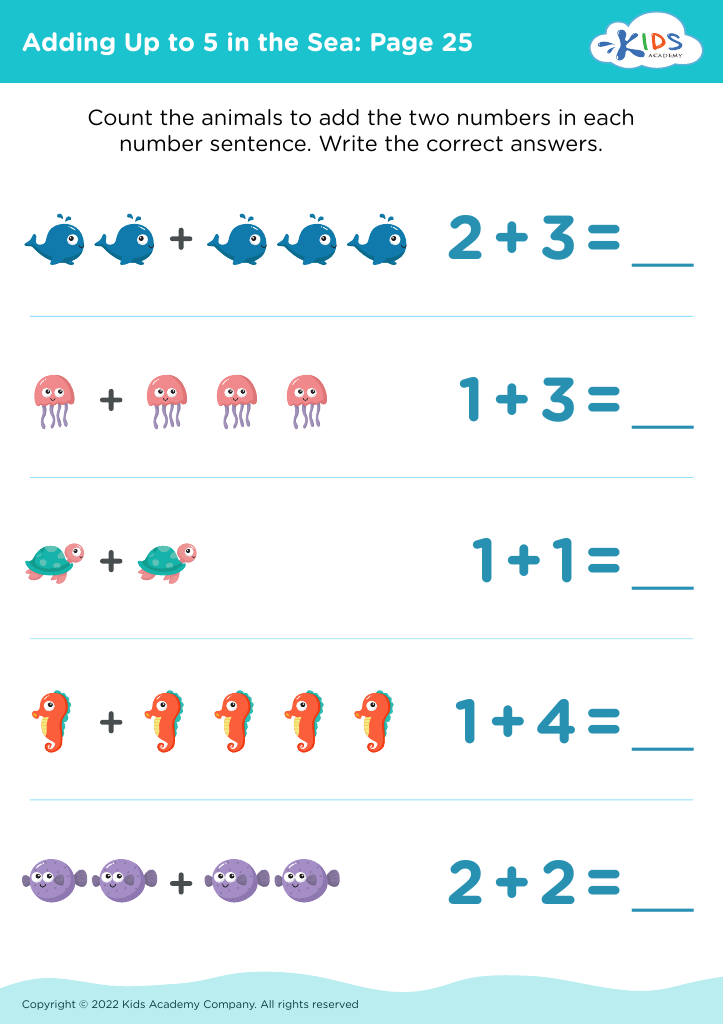
Adding Up to 5 in the Sea: Page 25
Worksheet
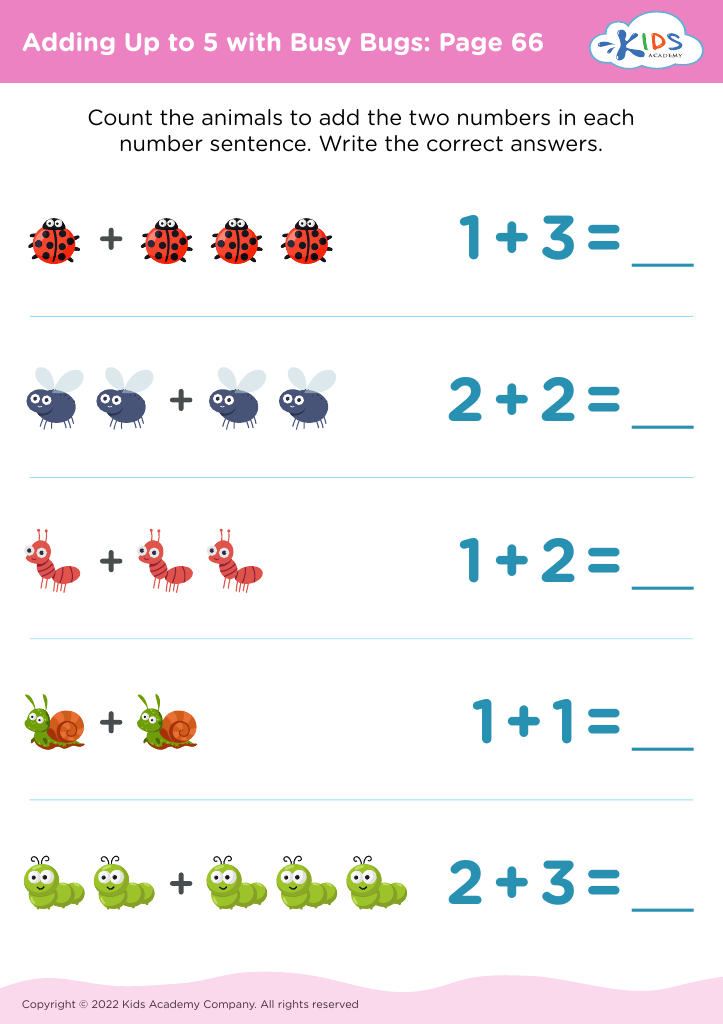
Adding Up to 5 with Busy Bugs: Page 66
Worksheet
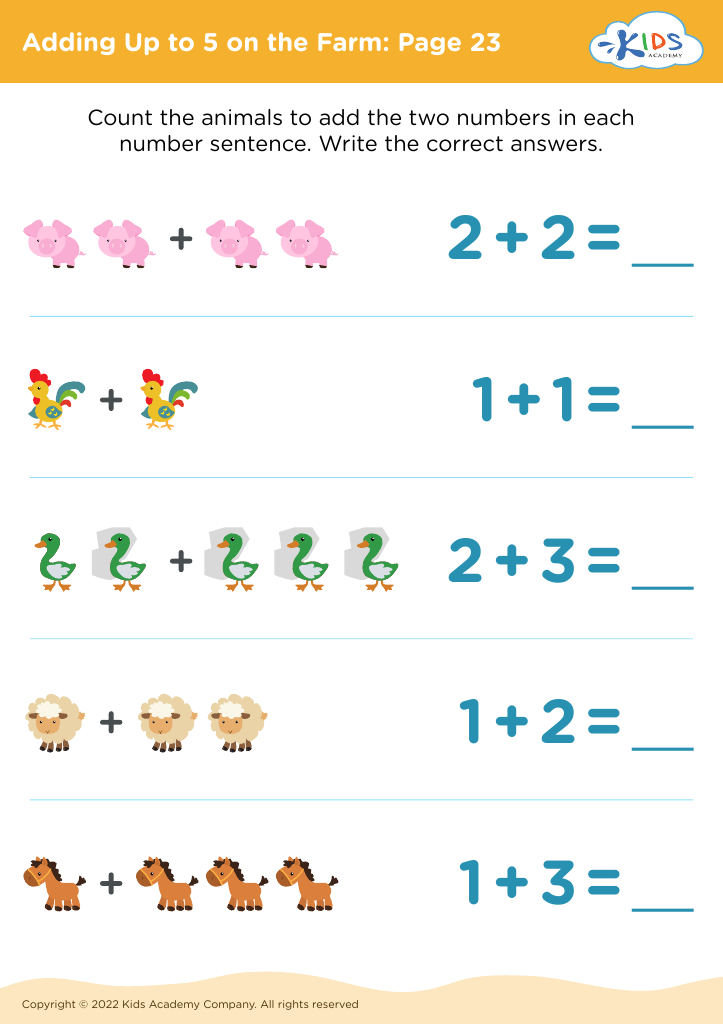
Adding Up to 5 on the Farm: Page 23
Worksheet
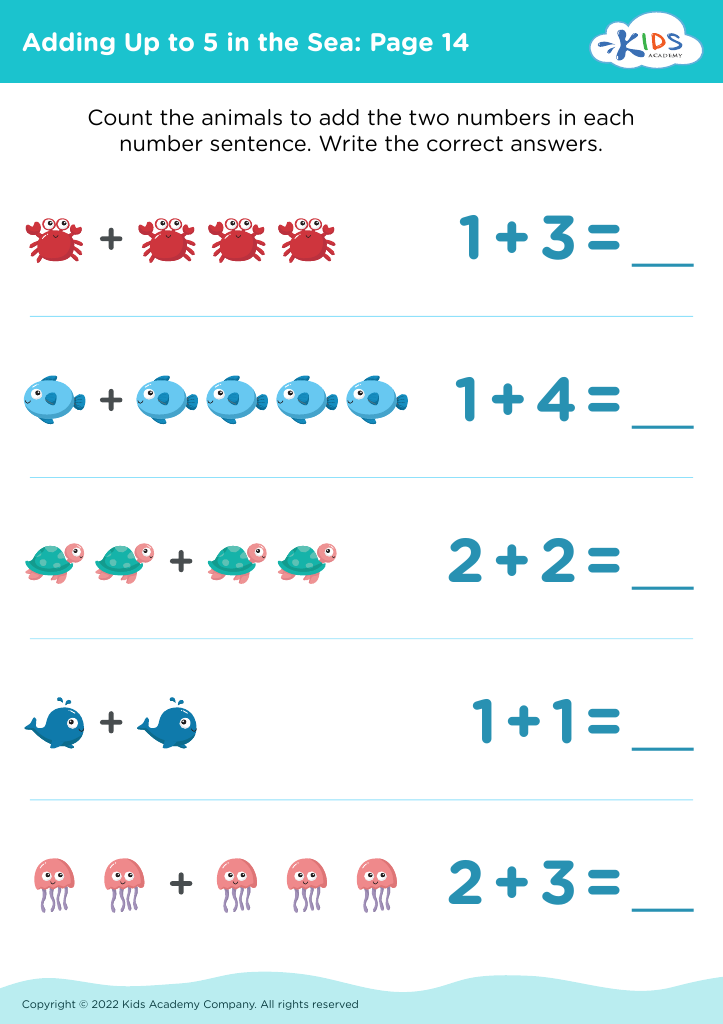
Adding Up to 5 in the Sea: Page 14
Worksheet
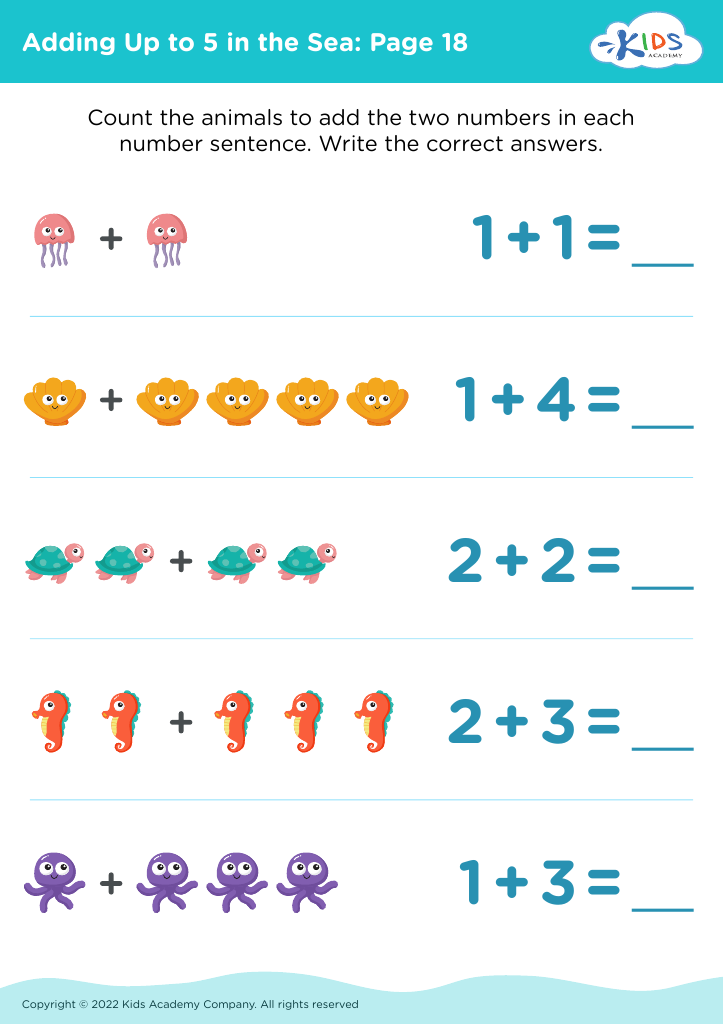
Adding Up to 5 in the Sea: Page 18
Worksheet
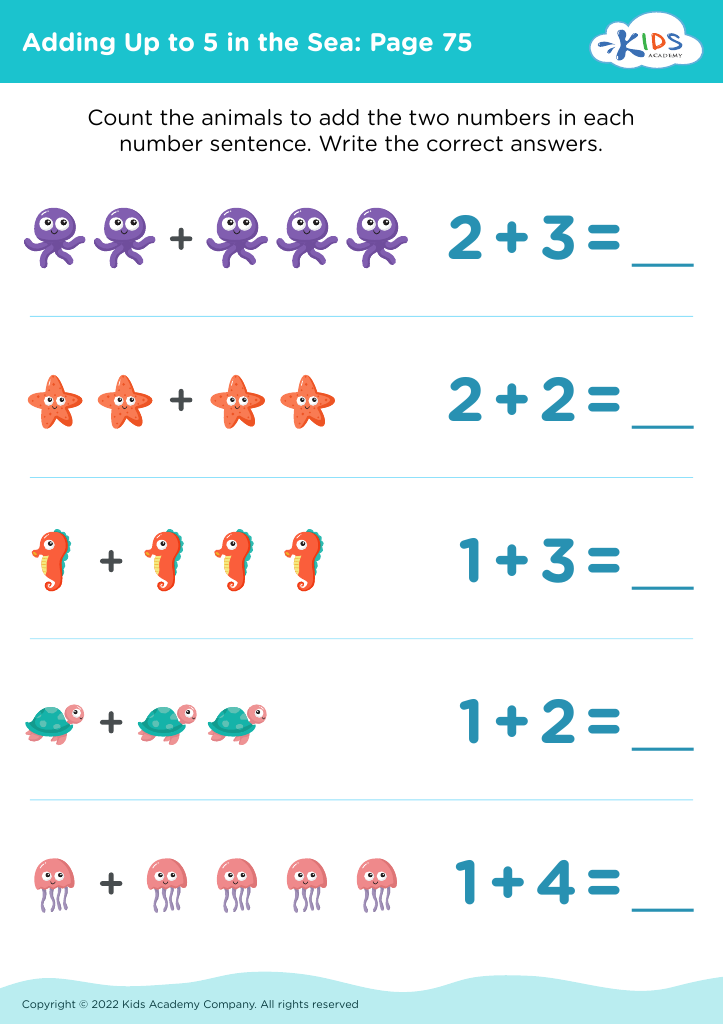
Adding Up to 5 in the Sea: Page 75
Worksheet
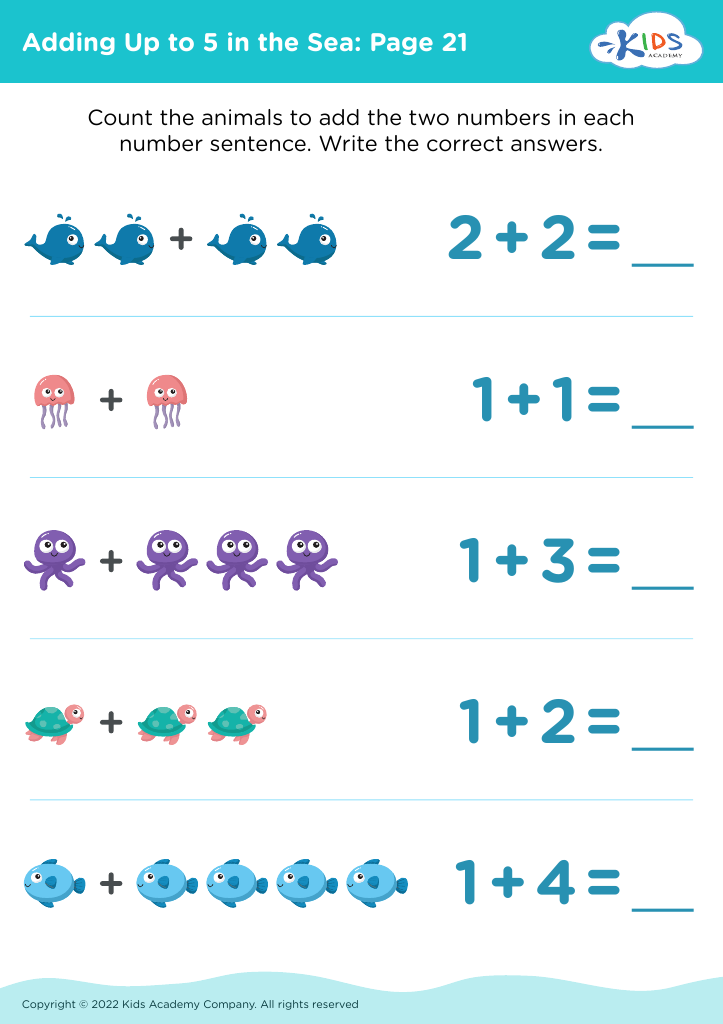
Adding Up to 5 in the Sea: Page 21
Worksheet
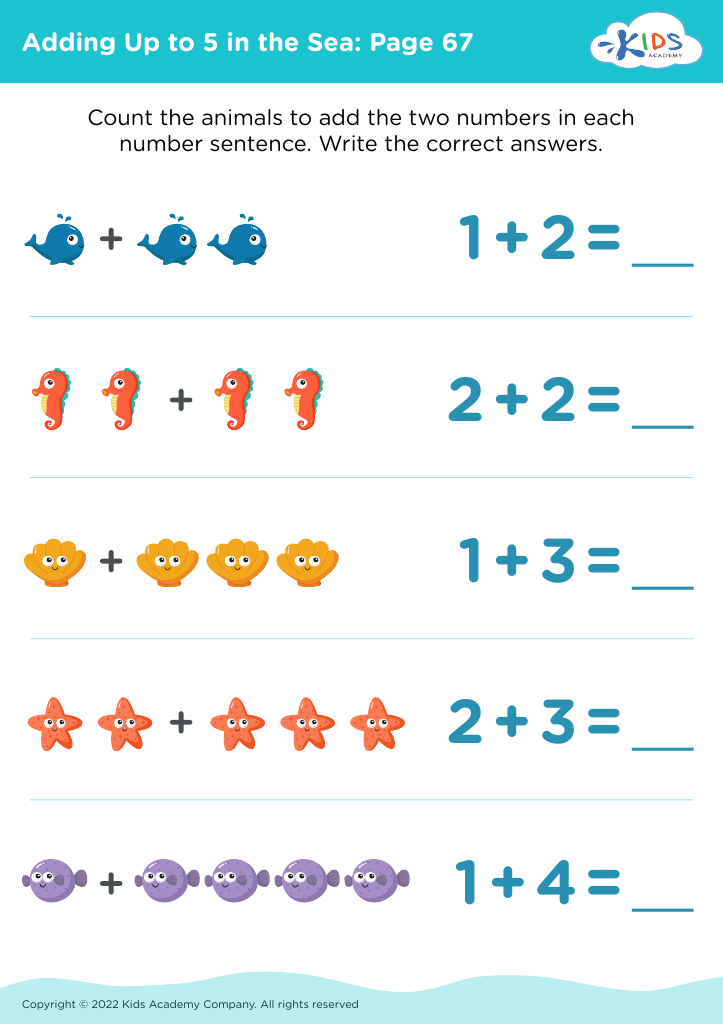
Adding Up to 5 in the Sea: Page 67
Worksheet
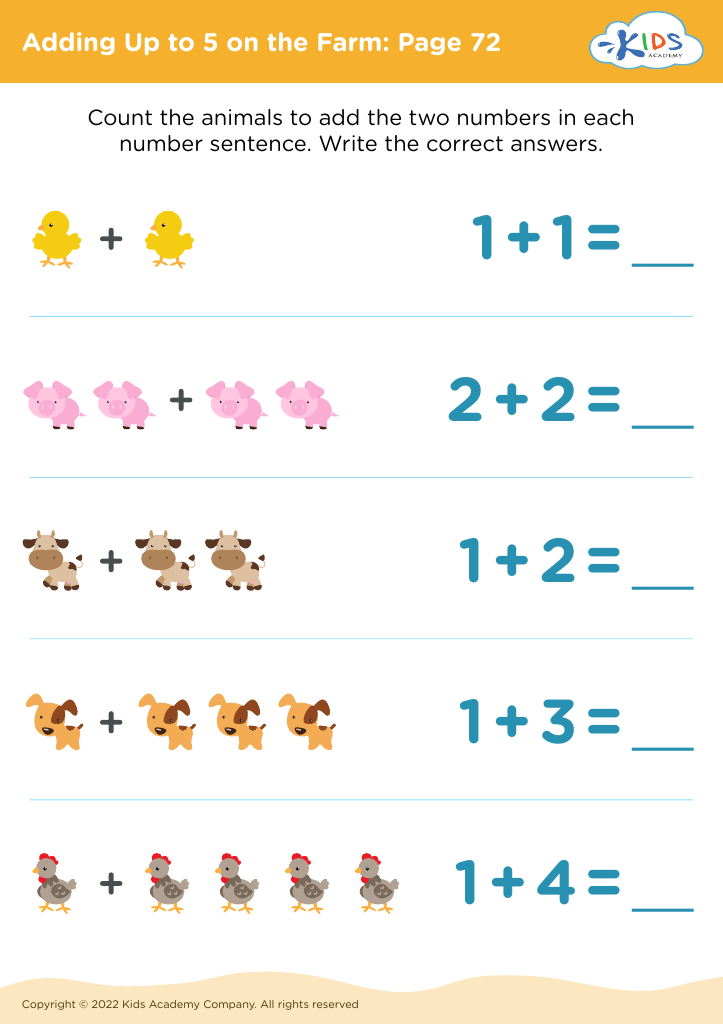
Adding Up to 5 on the Farm: Page 72
Worksheet
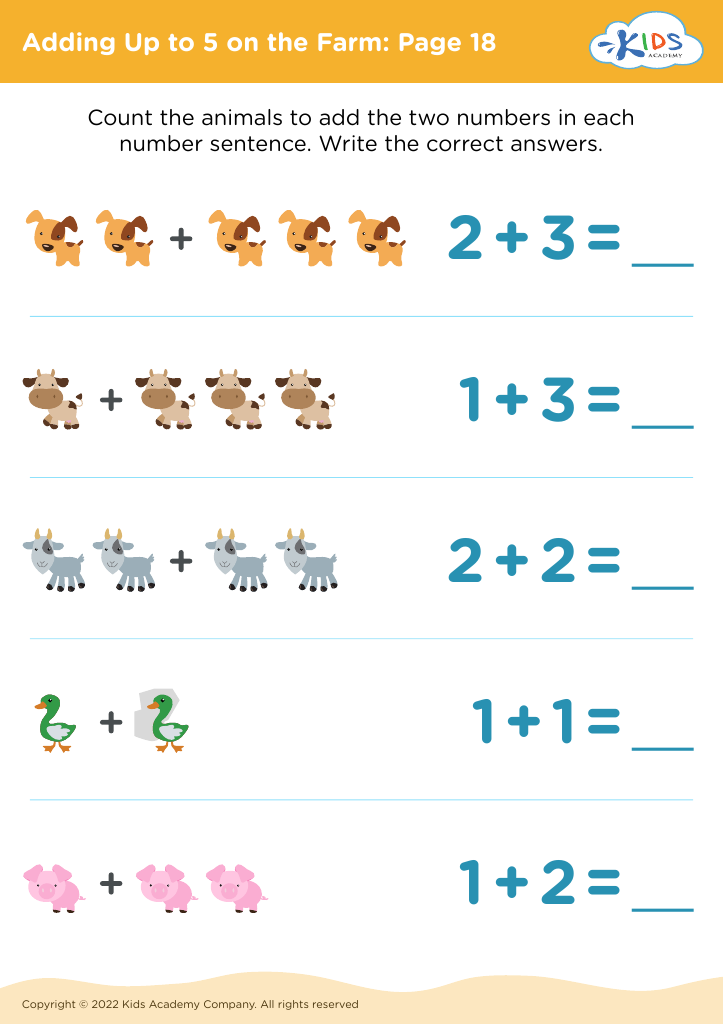
Adding Up to 5 on the Farm: Page 18
Worksheet
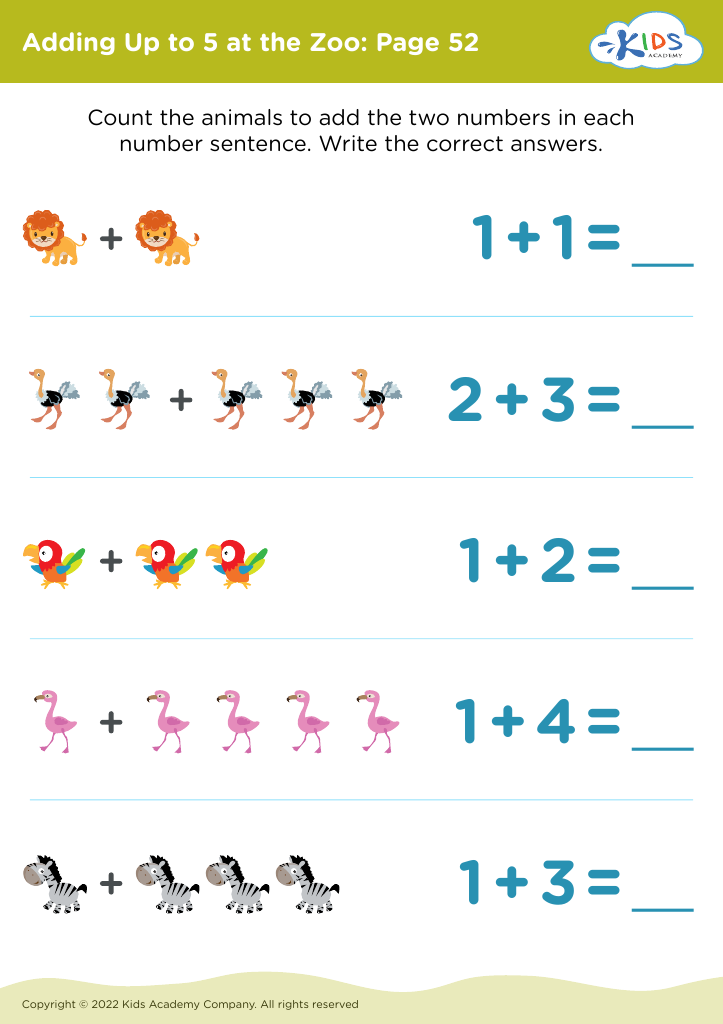
Adding Up to 5 at the Zoo: Page 52
Worksheet
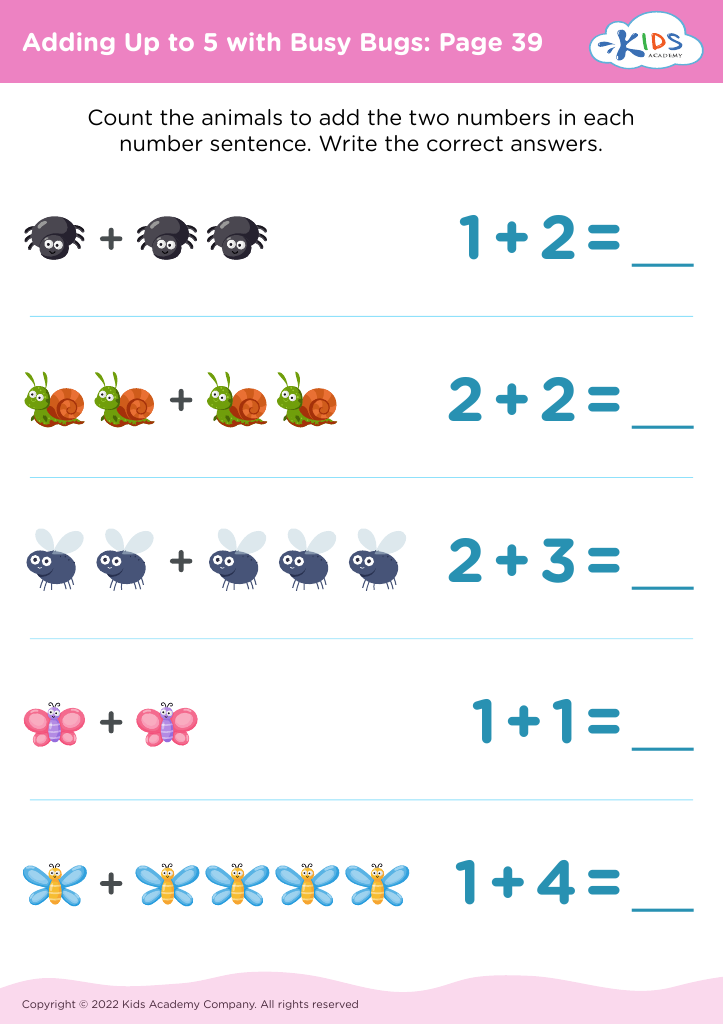
Adding Up to 5 with Busy Bugs: Page 39
Worksheet
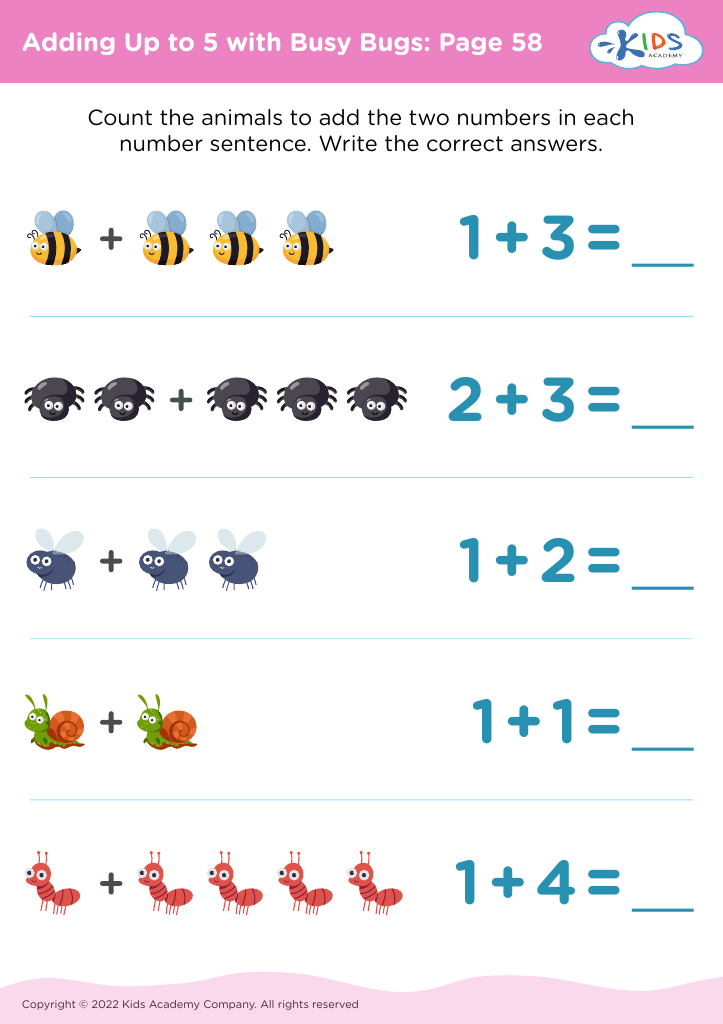
Adding Up to 5 with Busy Bugs: Page 58
Worksheet
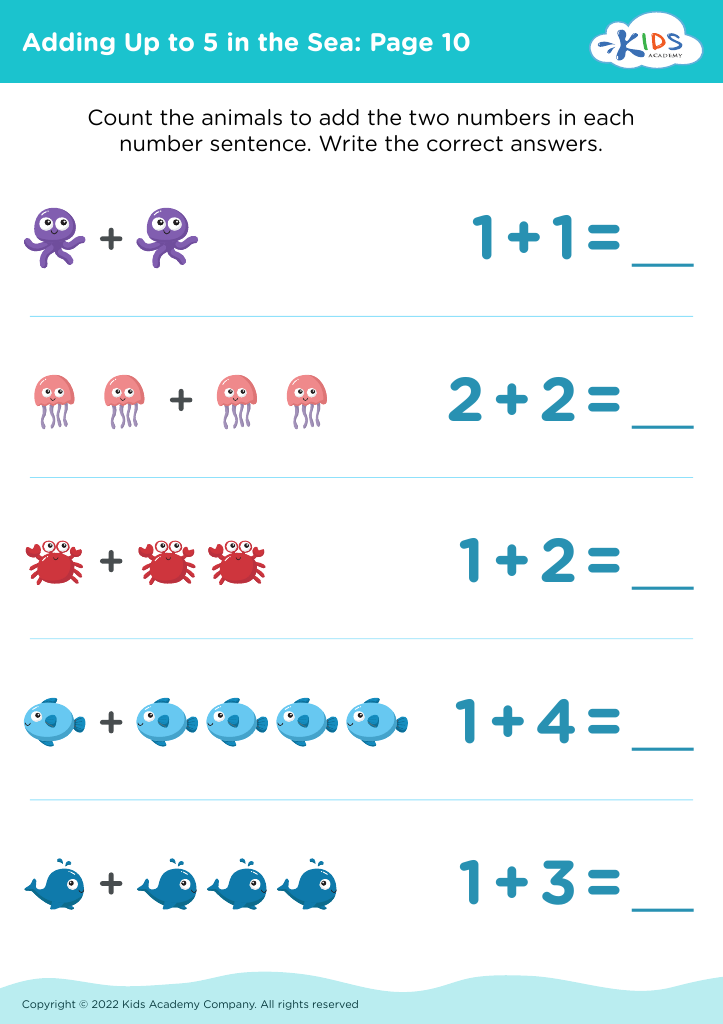
Adding Up to 5 in the Sea: Page 10
Worksheet
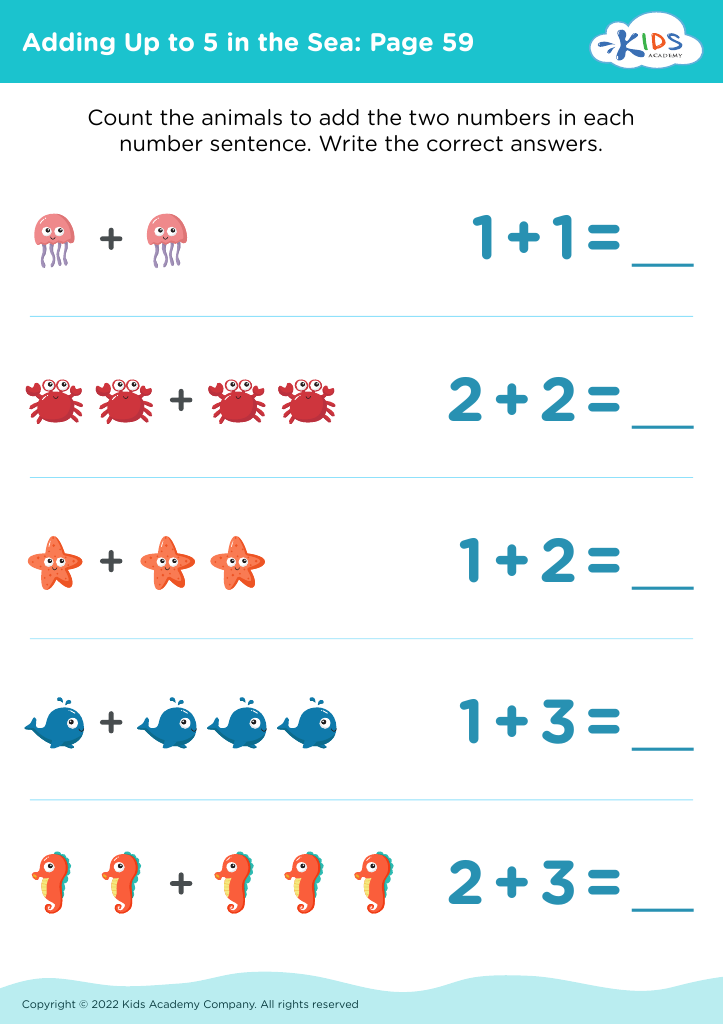
Adding Up to 5 in the Sea: Page 59
Worksheet
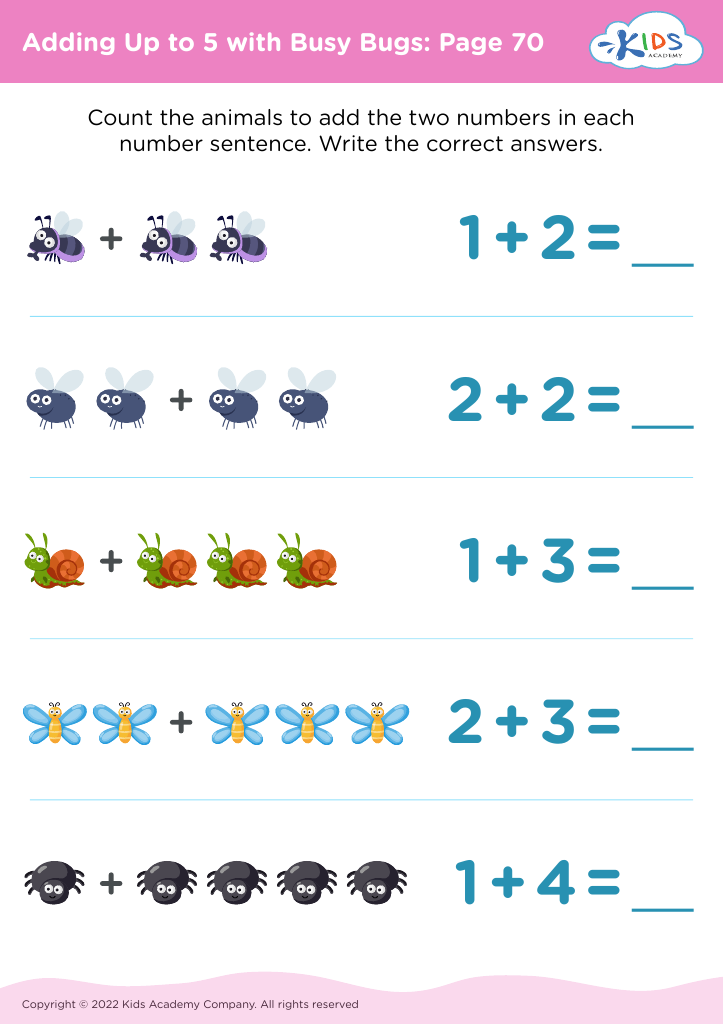
Adding Up to 5 with Busy Bugs: Page 70
Worksheet
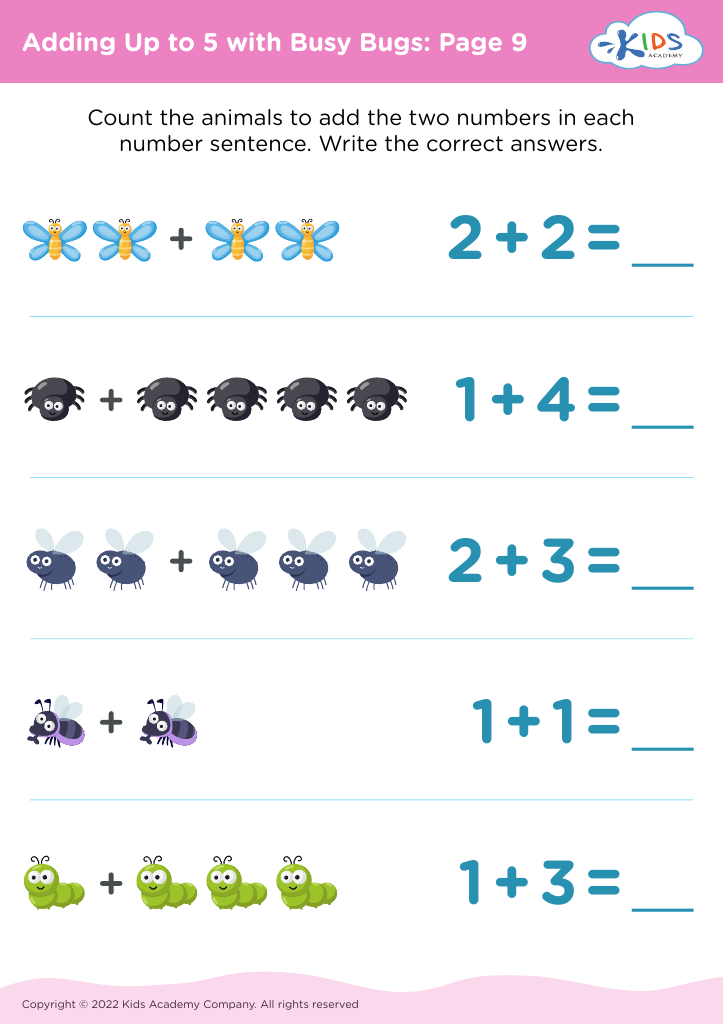
Adding Up to 5 with Busy Bugs: Page 9
Worksheet


Visual learning in math for 4-year-olds plays a crucial role in building foundational numeracy skills. At this early age, children are naturally drawn to bright colors, shapes, and pictures, making visual learning an intuitive and effective method for introducing mathematical concepts. Parents and teachers should care about this because it harnesses young children’s instinctive visual exploration to teach numbers, patterns, and simple problem-solving in an engaging manner.

Early exposure to visual math aids in cognitive development by encouraging kids to recognize and remember mathematical relationships, which enhances memory retention. Because math is such a cumulative subject, early grasp of basic concepts sets the stage for future academic success. Visual representations such as counting beads, sorting blocks by shapes or colors, and simple pictograms are essential tools that make these abstract notions more concrete.

Moreover, visual learning nurtures a positive attitude toward math. Approaching math through pictures and tangible objects turns learning into play; children are more likely to view math with interest rather than intimidation. This positive early experience is critical in preventing math anxiety, which can impede academic progress later on. Therefore, by integrating visual learning into math education for 4-year-olds, parents and teachers lay a solid and enthusiastic foundation for lifelong mathematical learning.