
Vocabulary development Math Worksheets for 4-Year-Olds
5 filtered results
Difficulty Level
Grade
Age
-
From - To
Subject
Activity
Standards
Enhance your child's mathematical vocabulary with our engaging Vocabulary Development Math Worksheets for 4-year-olds! Designed to spark their imagination and cultivate essential language skills, these worksheets provide a fun learning experience that combines math concepts with vocabulary building. Children will explore terms related to counting, shapes, measurements, and more through vibrant illustrations and interactive activities. Our worksheets promote early literacy, comprehension, and numeracy, setting a solid foundation for future learning. Ideal for use at home or in the classroom, these resources make learning enjoyable while equipping your little ones with the language skills they need to thrive in math. Download now!
Favorites
With answer key
Interactive
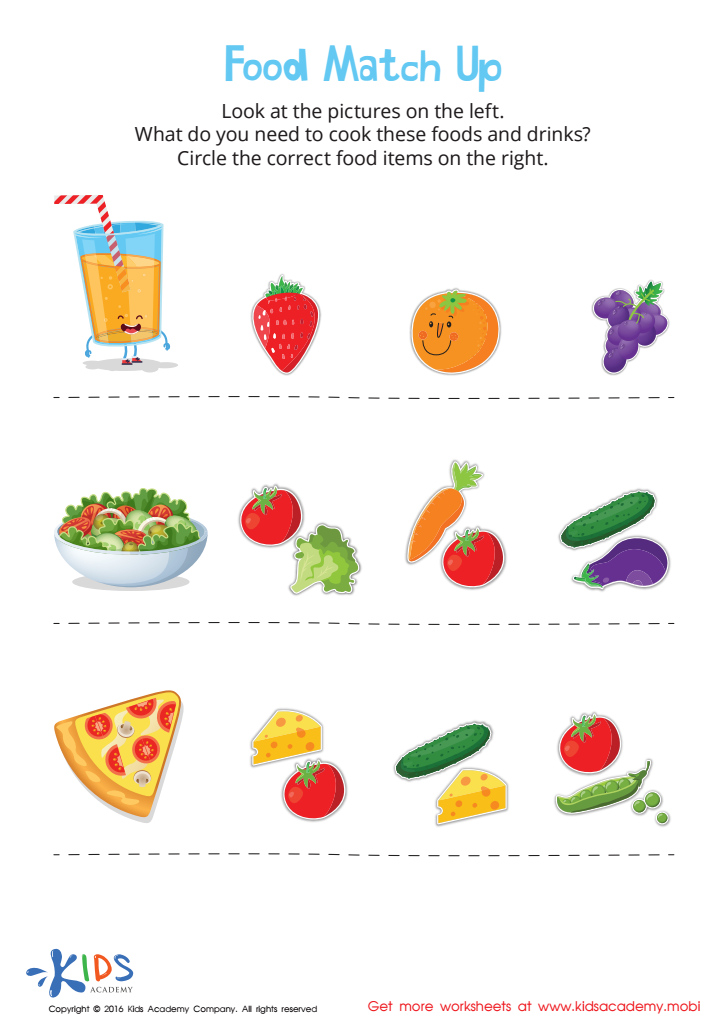
Food Match Up Worksheet
This worksheet will help your preschooler develop early math and cognitive skills. It challenges them to pay attention to details, understand how smaller parts make a whole, and increase important matching skills. Use it to give them a hands-on learning experience in the kitchen, and watch them understand how ingredients come together to make something delicious!
 Assign to My Students
Food Match Up Worksheet
Worksheet
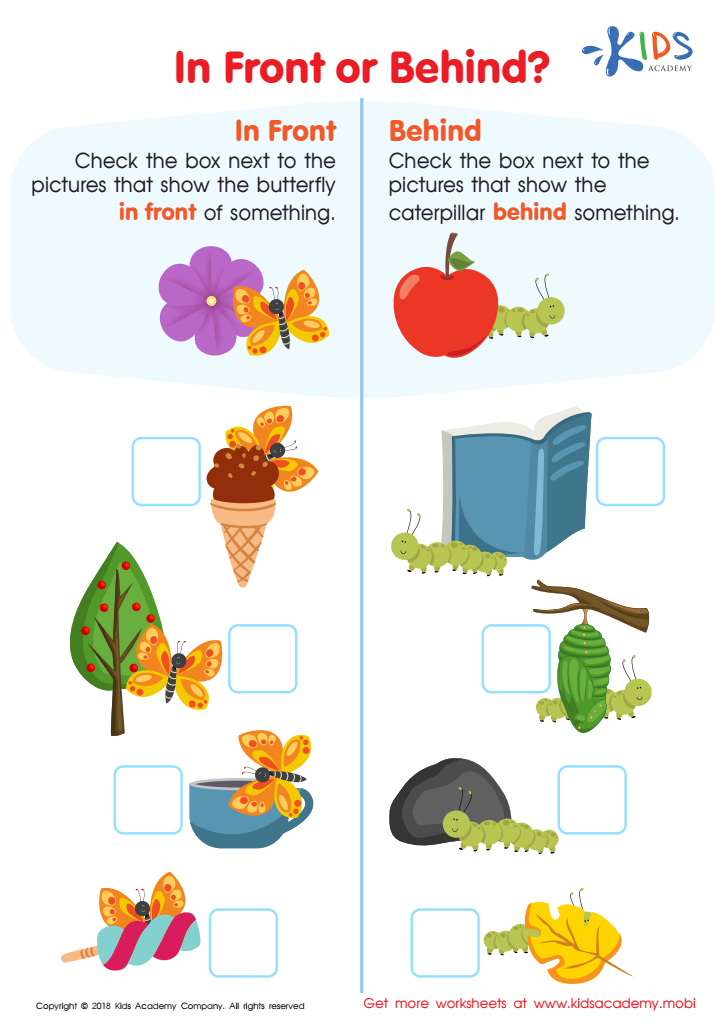
In Front or Behind Worksheet
Hone your child's spatial skills with 'in front' and 'behind'! This knowledge is essential for communication and study. Get them started with this free PDF worksheet - check off the pictures that show the butterfly in front and caterpillar behind!
In Front or Behind Worksheet
Worksheet
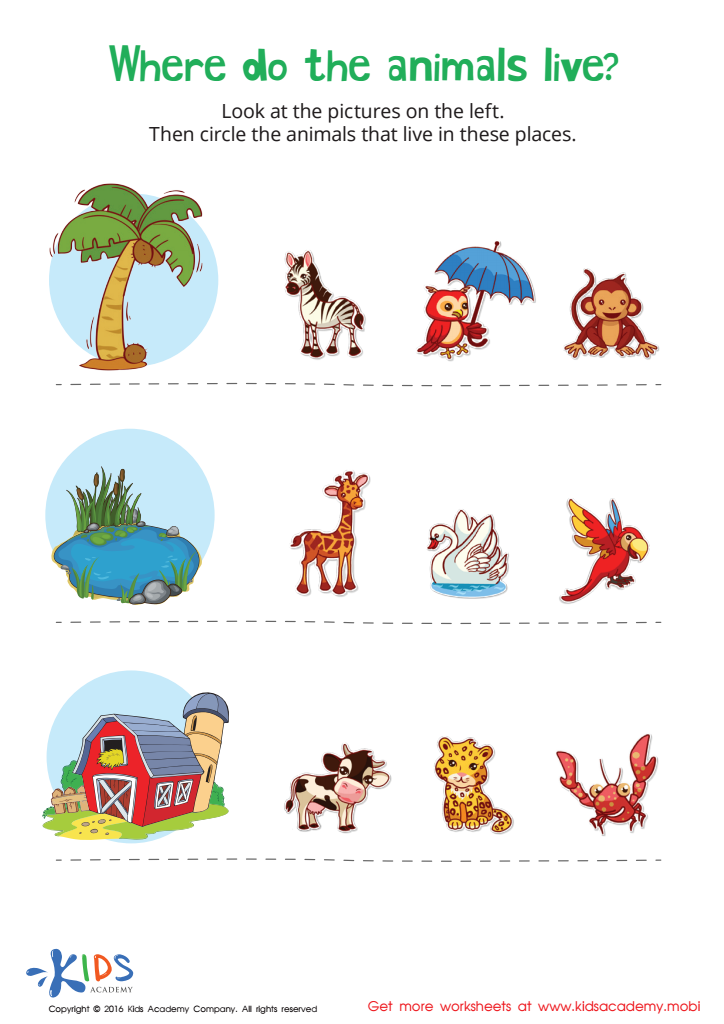
Where Animals Live Worksheet
Teaching early reading and math skills is important, but don't forget about science. With the Where Animals Live PDF worksheet, kids can identify their favorite animals and the environments they live in. Ask them what type of environment the animals like and introduce them to geography. It's great for logical reasoning and classification skills. Your kid will practice with their favorite animals and love the trip to the zoo afterwards!
Where Animals Live Worksheet
Worksheet
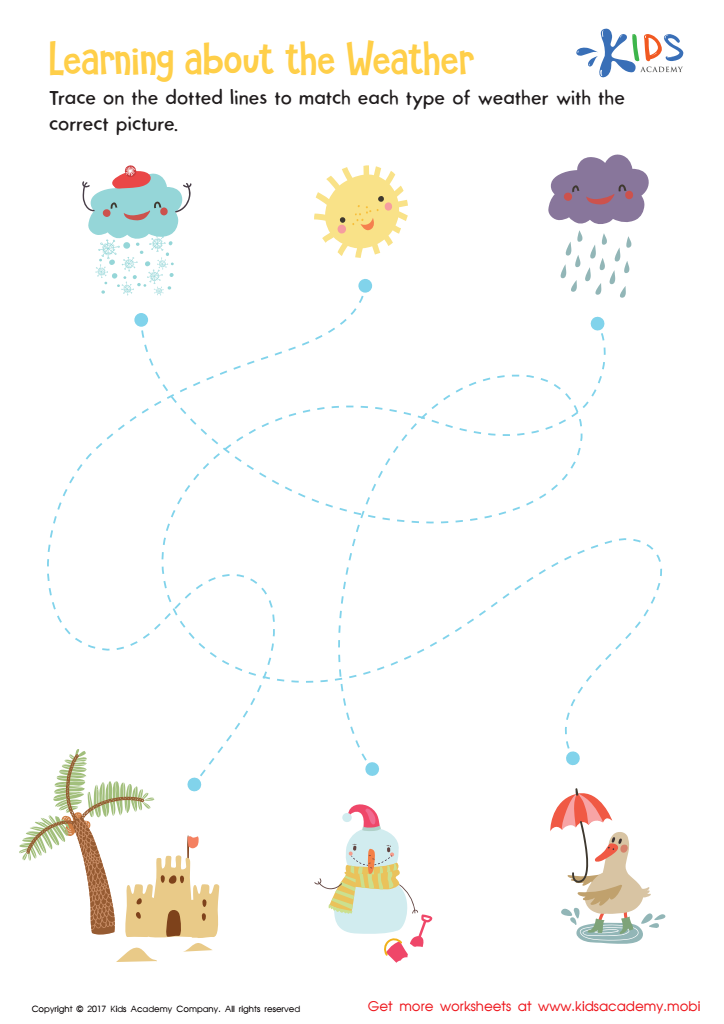
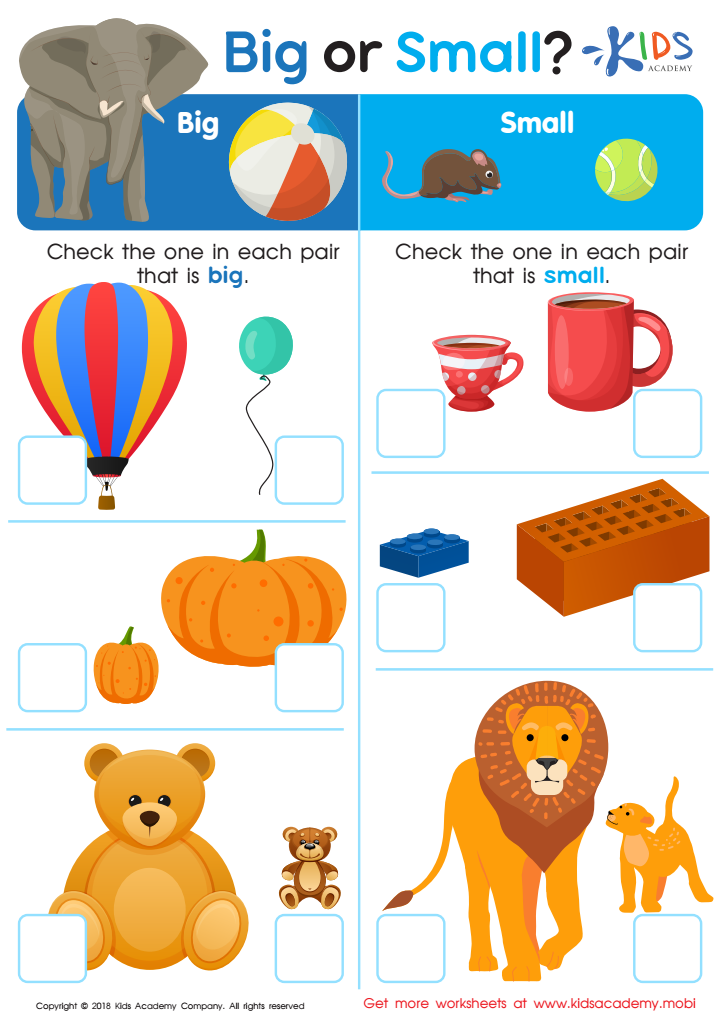
Big or Small? Worksheet
Kids need visuals to understand bigger and smaller concepts. This free PDF worksheet offers fun pictures that let them compare and gain a stronger understanding of sizes. Kids will enjoy it and won't realize they're learning since the pictures are so engaging. It's great preparation for future measurements.
Big or Small? Worksheet
Worksheet
Join Kids Academy for Free
Who is primarily going to use this learning content?




.jpg)


Vocabulary development in math for 4-year-olds is crucial for laying the foundation for future learning. At this age, children are naturally predisposed to explore and understand the world around them, making it an ideal time to introduce mathematical concepts through language. When parents and teachers focus on vocabulary development in math, they help children understand essential terms like "more," "less," "enough," "count," and "shape." These concepts facilitate problem-solving skills and logical reasoning.
Additionally, a strong mathematical vocabulary enhances a child's ability to communicate their thoughts and understand instructions. As 4-year-olds engage in activities involving sorting, counting, or measuring, they begin to associate words with actions and quantities, enriching their cognitive and linguistic abilities simultaneously.
Conversely, when vocabulary in math is neglected, children may struggle with more complex mathematical concepts in later years. It can hinder their confidence and interest in the subject, leading to potential gaps in learning. Supporting vocabulary development in math not only fosters a positive attitude towards the subject but also nurtures critical thinking skills that are vital throughout their educational journey. Thus, investing time in building math vocabulary ensures children are better equipped for their future academic challenges.








