Counting skills Matching Worksheets for 4-Year-Olds
13 filtered results
-
From - To
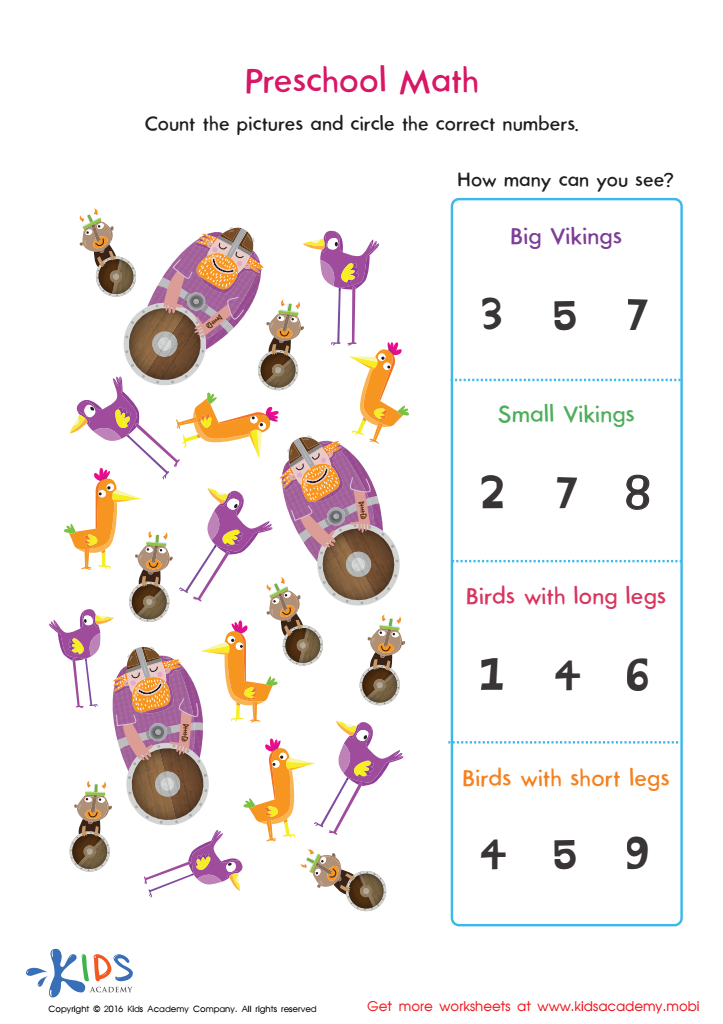
Enhance your child's early math development with our "Counting Skills Matching Worksheets" designed for 4-year-olds. These engaging and educational worksheets help young learners practice counting, number recognition, and matching skills in a fun and interactive way. Perfect for preschoolers, the activities focus on counting objects and matching them to the correct numerals, reinforcing fundamental concepts. Each worksheet features colorful images and thoughtfully crafted exercises to capture your child's interest and boost their confidence. Visit our page to download and print these valuable resources, and watch your child flourish in their counting skills!
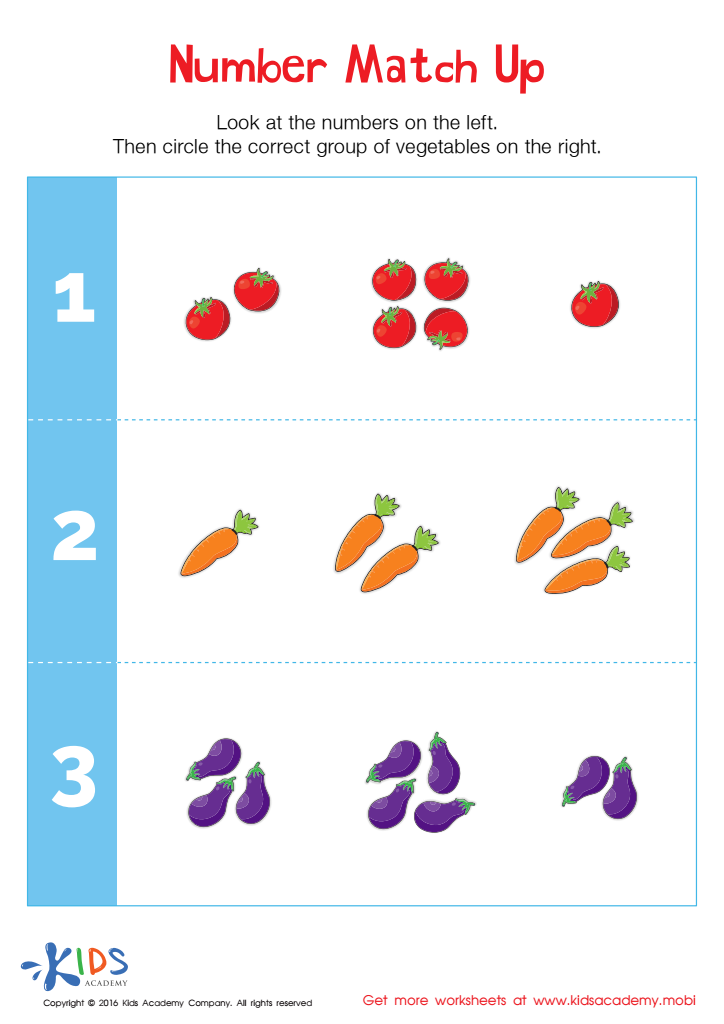
Number Match Up Worksheet
 Assign to My Students
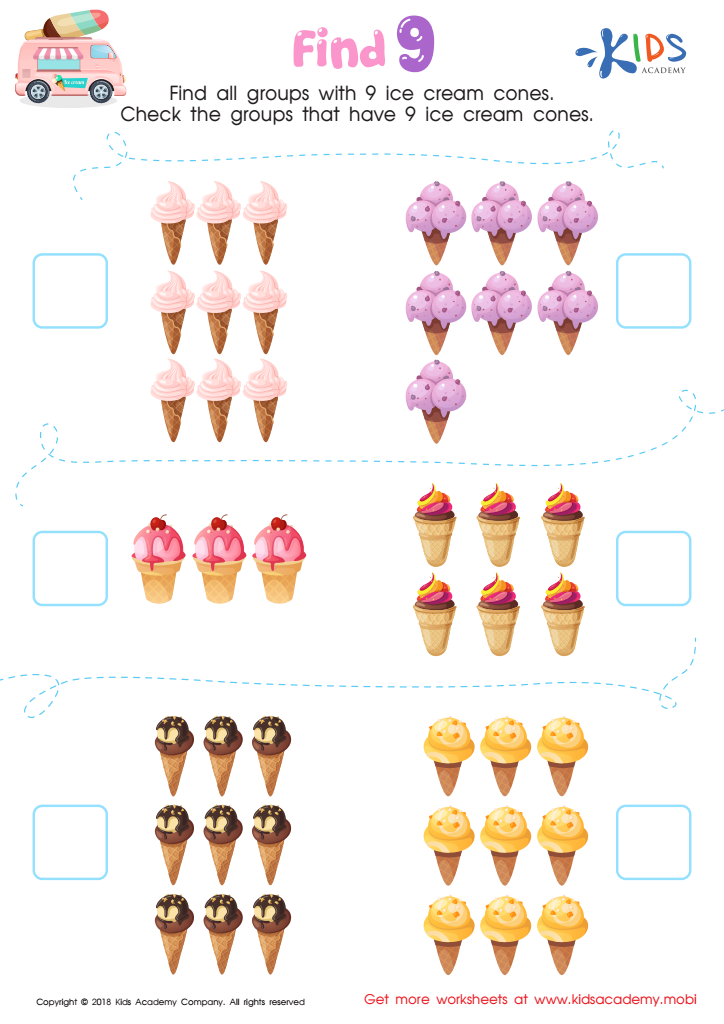
Find 9 Worksheet
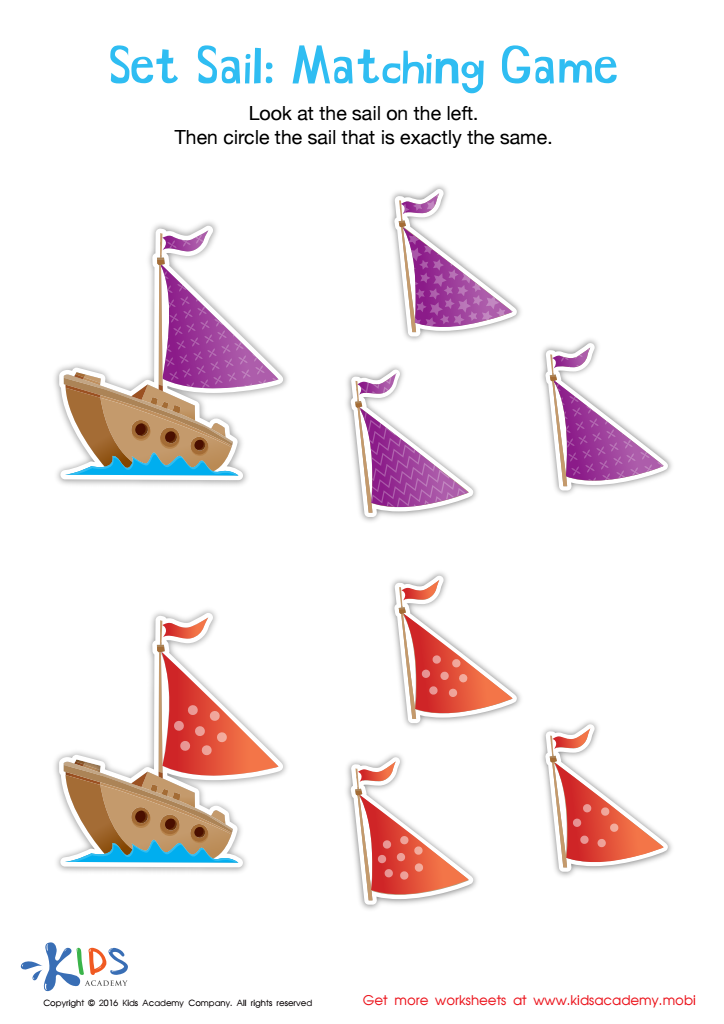
Set Sail Worksheet
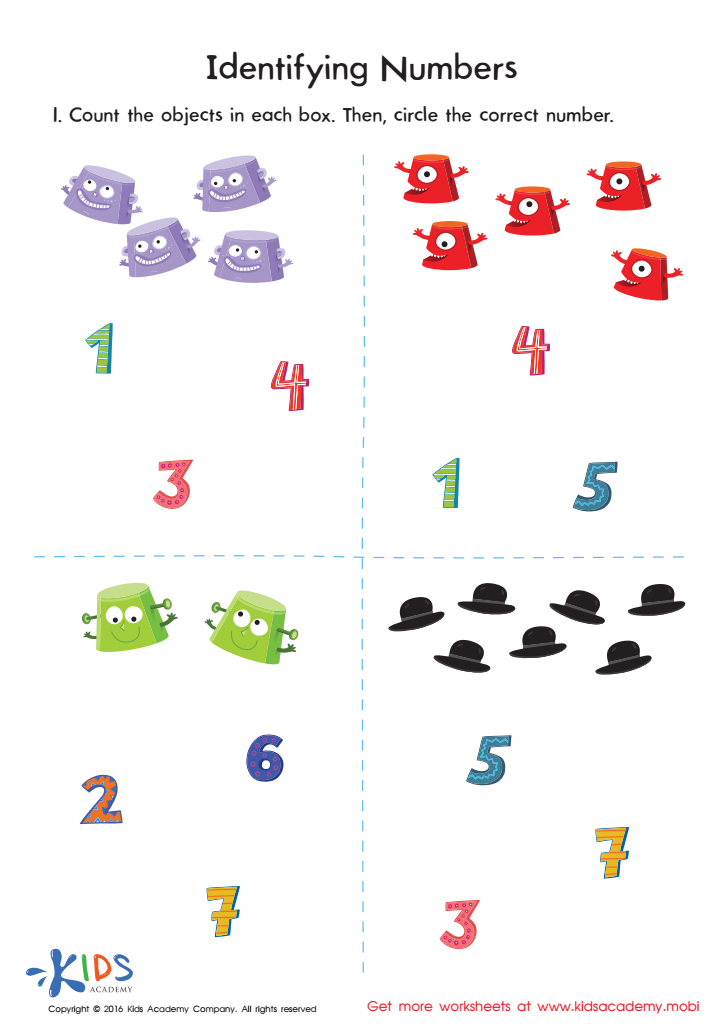
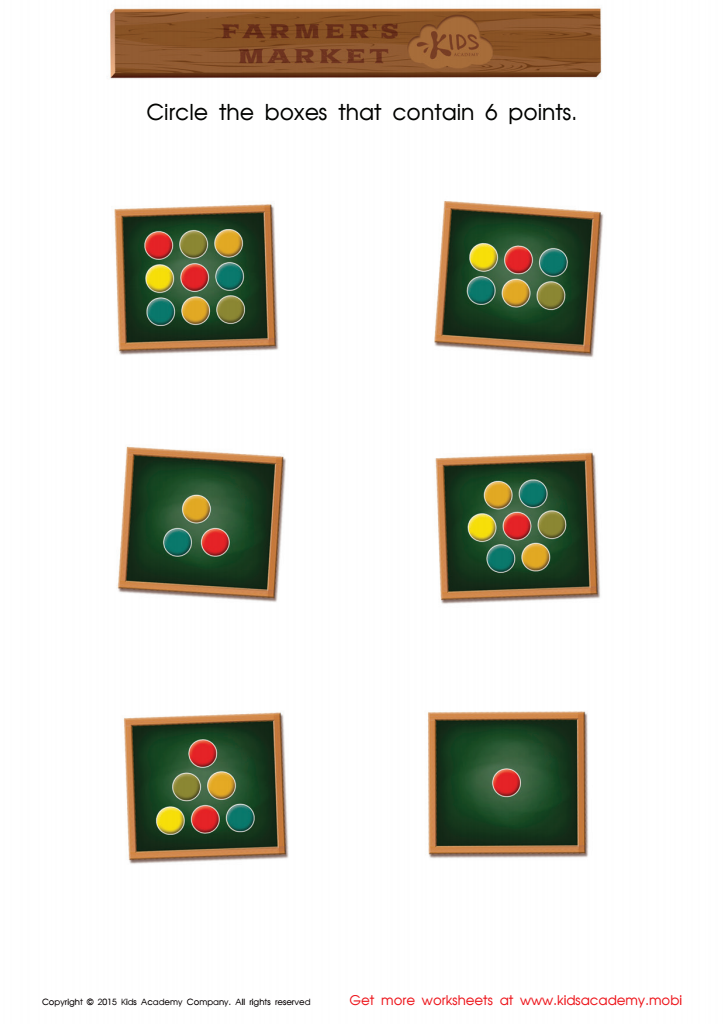
Count and Match Points 6 Math Worksheet
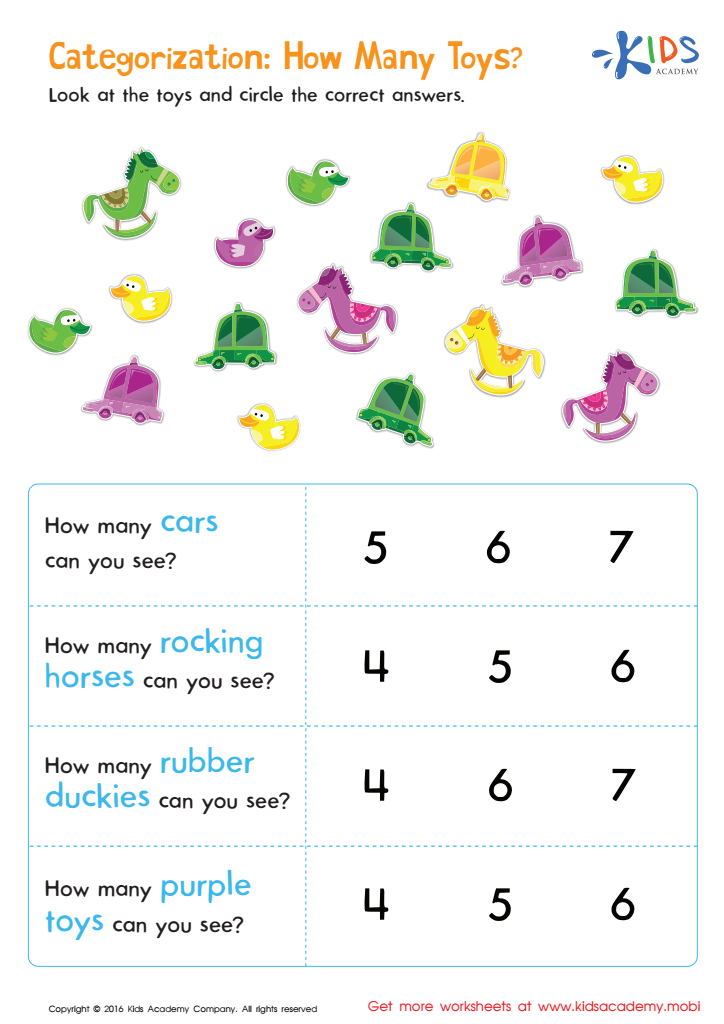
Classifying Toys by Type and Color Sorting Worksheet
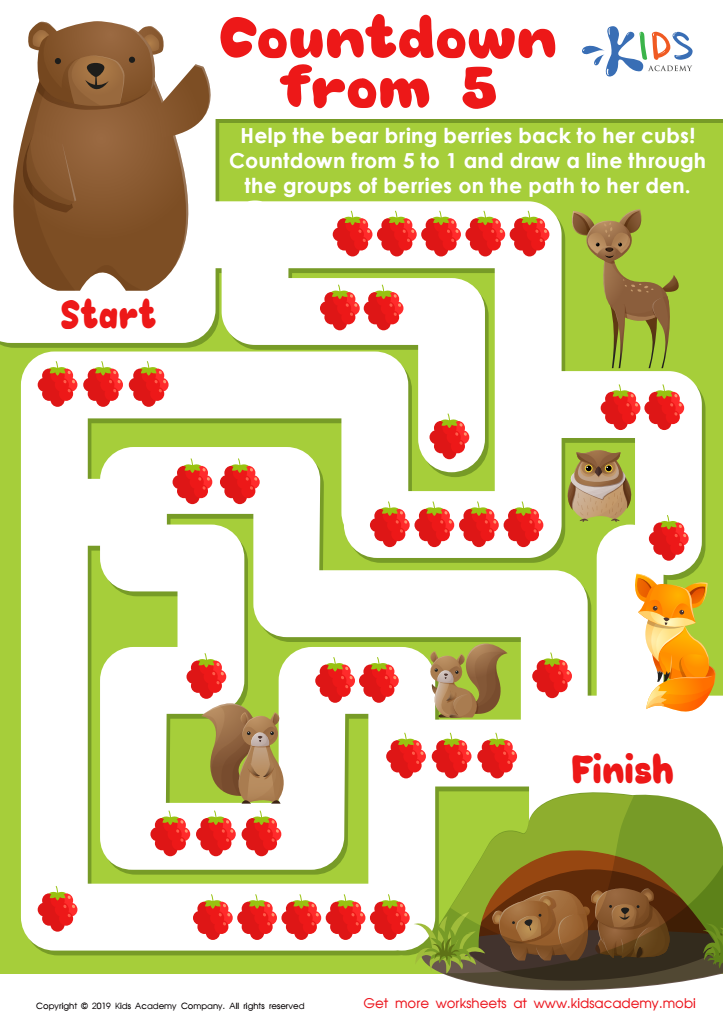
Countdown from 5 Worksheet
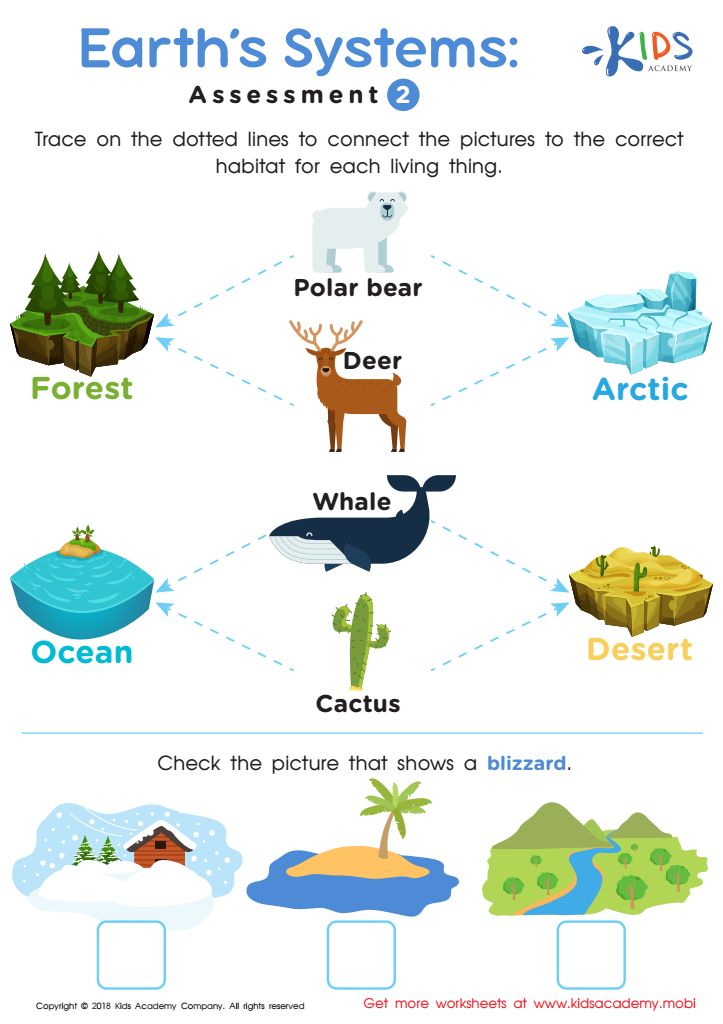
Earth's Systems: Assessment 2
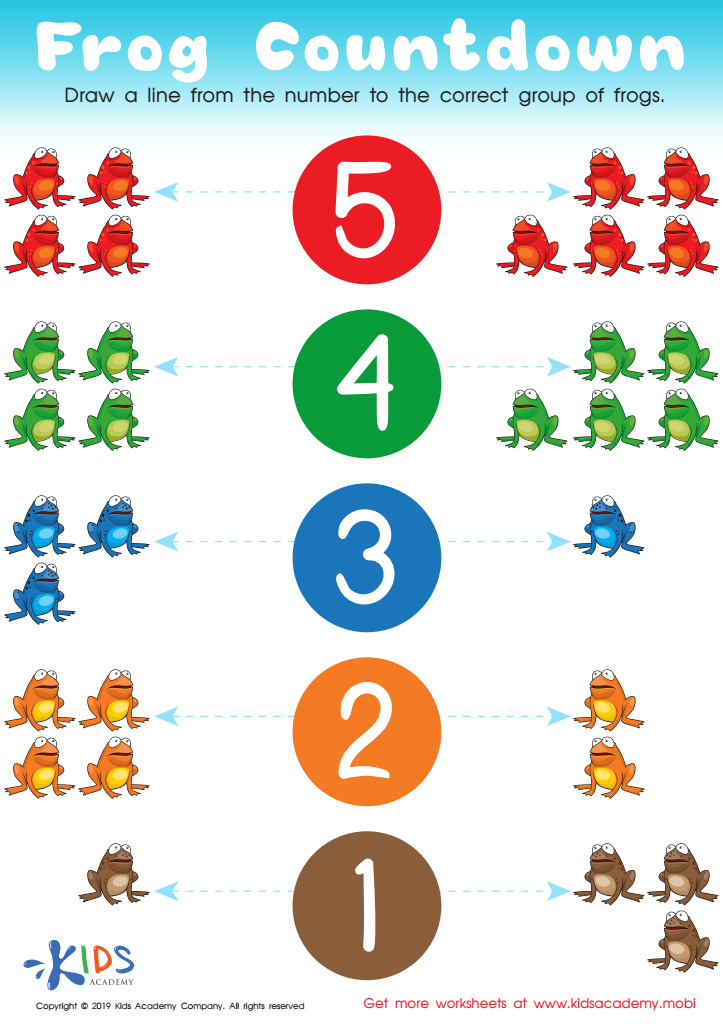
Frog Countdown Worksheet
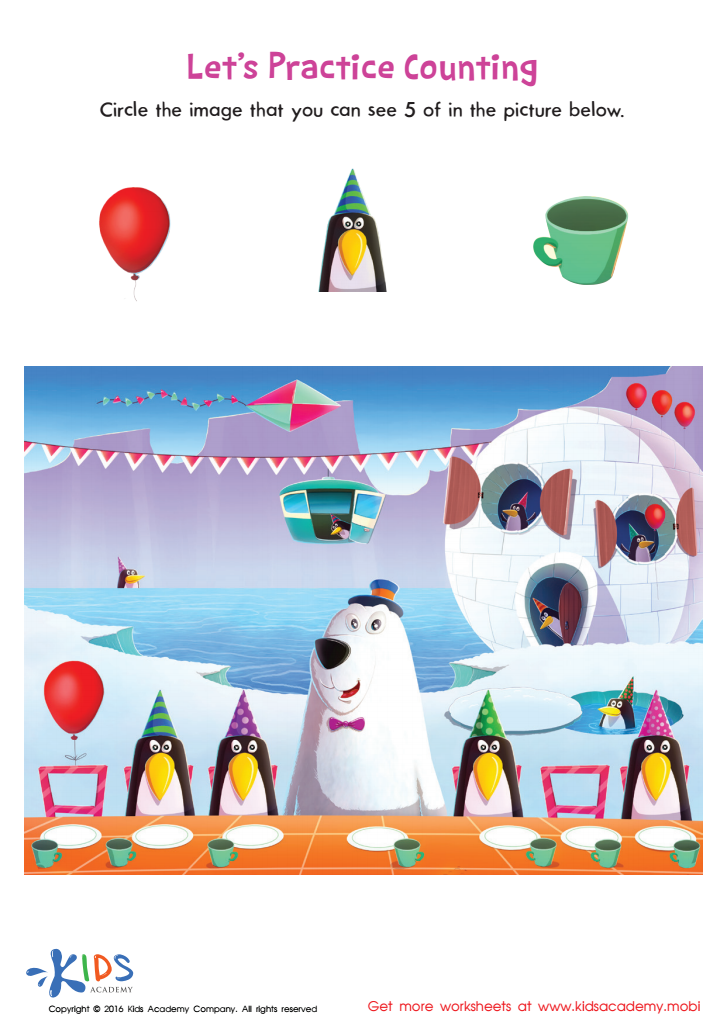
Counting Worksheet: Let's Practice Counting
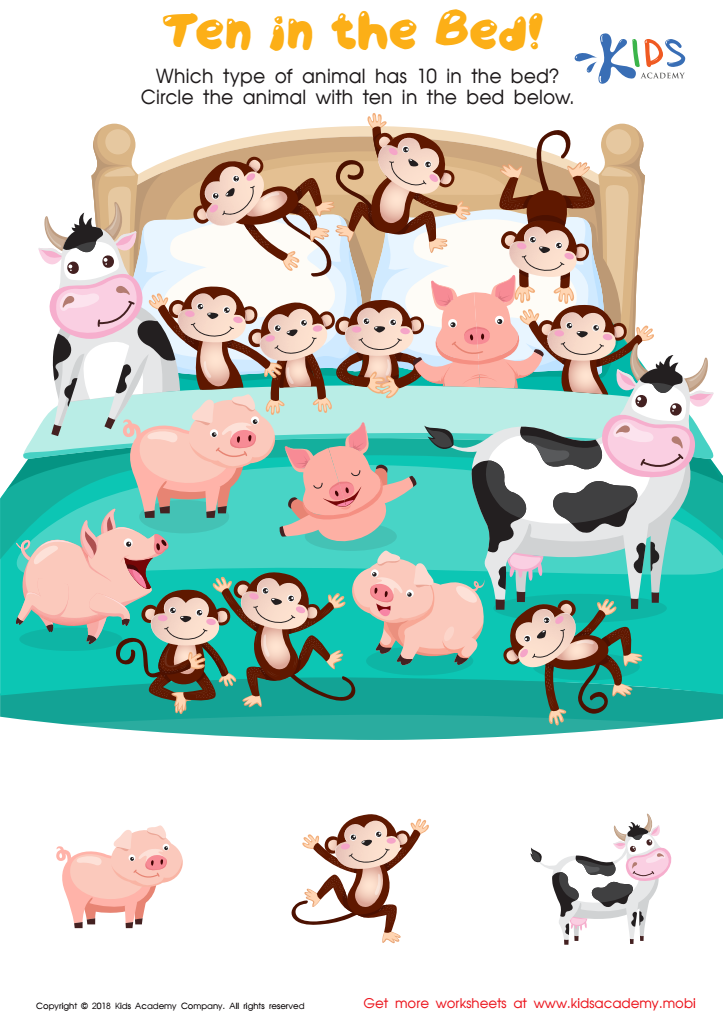
Ten in the Bed Worksheet
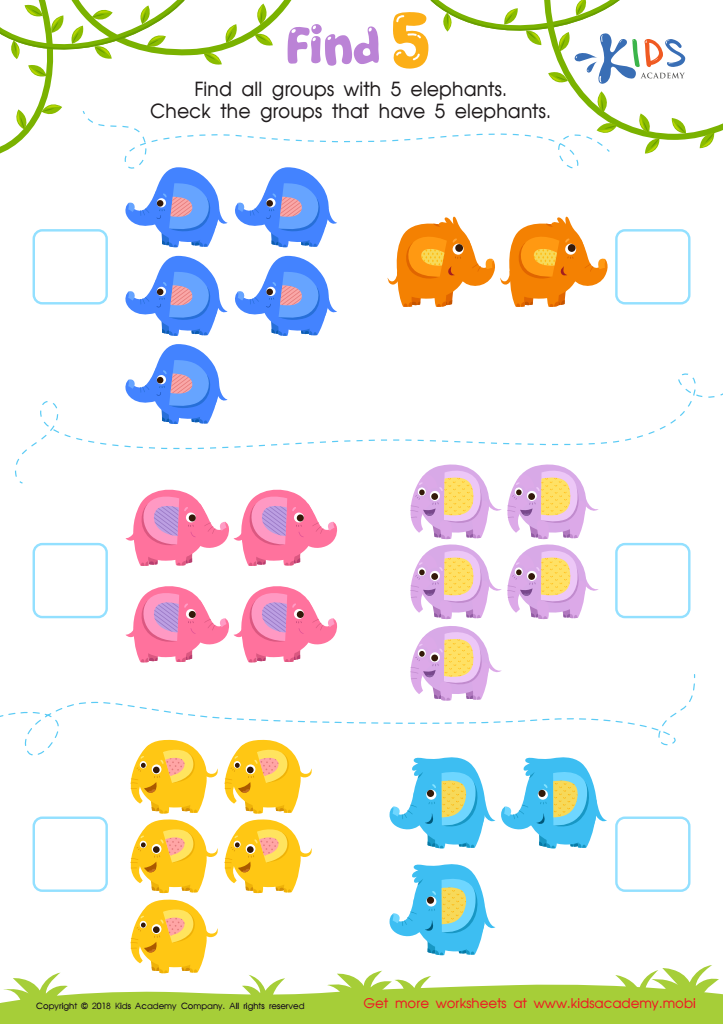
Find 5 Worksheet






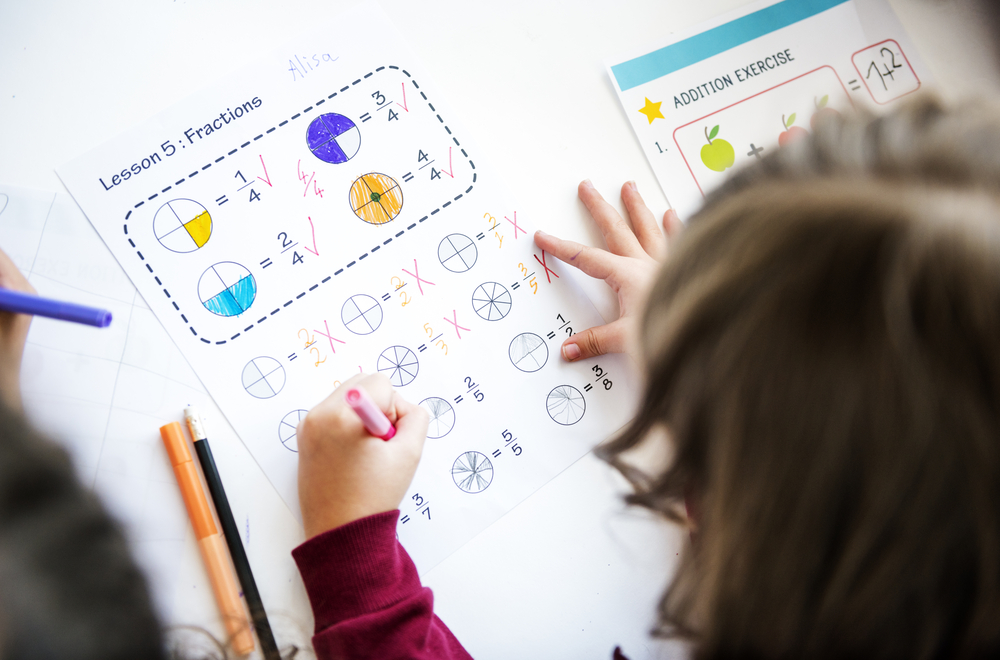

Parents and teachers should care about counting skills and matching for 4-year-olds because these skills lay the foundational building blocks for later mathematical proficiency and cognitive development. At the age of four, children are at a critical stage of cognitive and motor development where they begin to understand numbers, quantities, and the concepts of similarities and differences.
Counting helps young children grasp the concept of numbers as symbols representing quantities. It isn’t just about memorizing the order of numbers; it’s about associating numbers with actual counts of objects. This understanding forms the basis for more complex mathematical concepts like addition and subtraction later on. By confidently counting objects, children develop a sense of number order, which is essential for numerical fluency.
Matching, on the other hand, enhances critical thinking and problem-solving skills. When children match objects with the same attributes, such as size, shape, color, or quantity, they learn to categorize and sort items, which fosters logical reasoning and organizational skills. This ability is not only central to math but also benefits areas such as reading and scientific reasoning.
Fostering counting and matching skills encourages a love for learning, boosts confidence, and enhances fine motor skills and attention to detail. When children feel competent in these early skills, they are better equipped to tackle more complex tasks, enabling lifelong academic and personal success.








