Basic Math Skills Measurement Worksheets for 4-Year-Olds
9 filtered results
-
From - To
Discover our engaging Basic Math Skills Measurement Worksheets designed specifically for 4-year-olds! These fun, interactive worksheets help young learners grasp essential measurement concepts such as length, height, and weight through playful activities and colorful visuals. Tailored to enhance early math skills, these worksheets encourage hands-on learning and promote creativity while giving children the confidence to explore math in a playful environment. Ideal for preschool or at-home learning, our worksheets are perfect for fostering numeracy in early childhood. Equip your little ones with the foundational skills they need to succeed in math with our thoughtfully crafted measurement resources today!
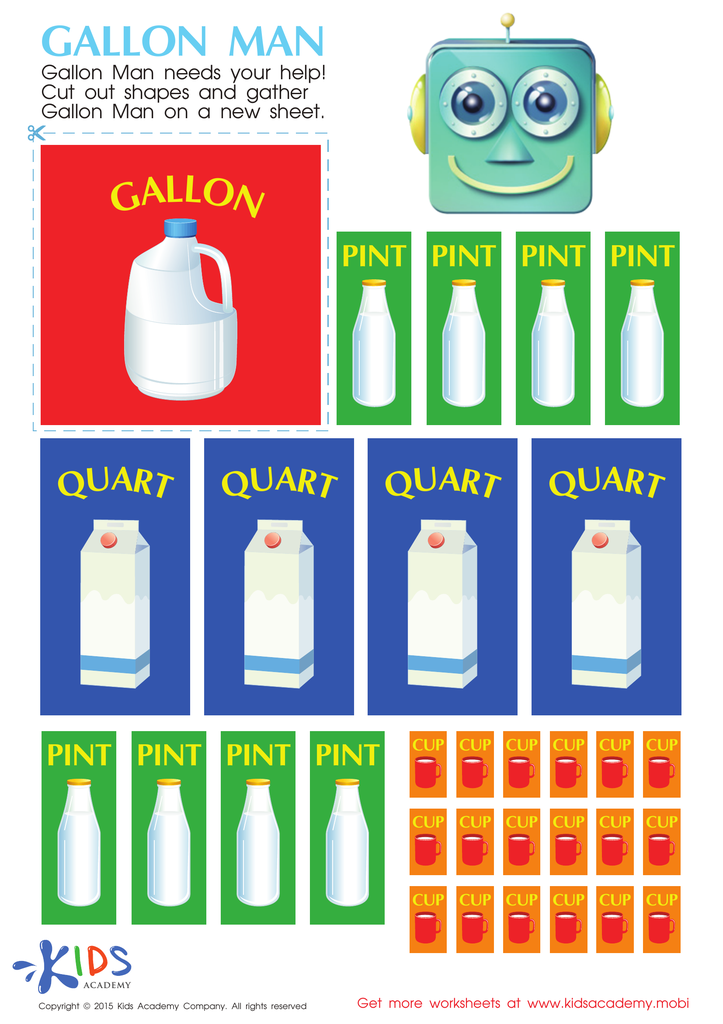
Cups, Pints and Quarts With Gallon Man Worksheet
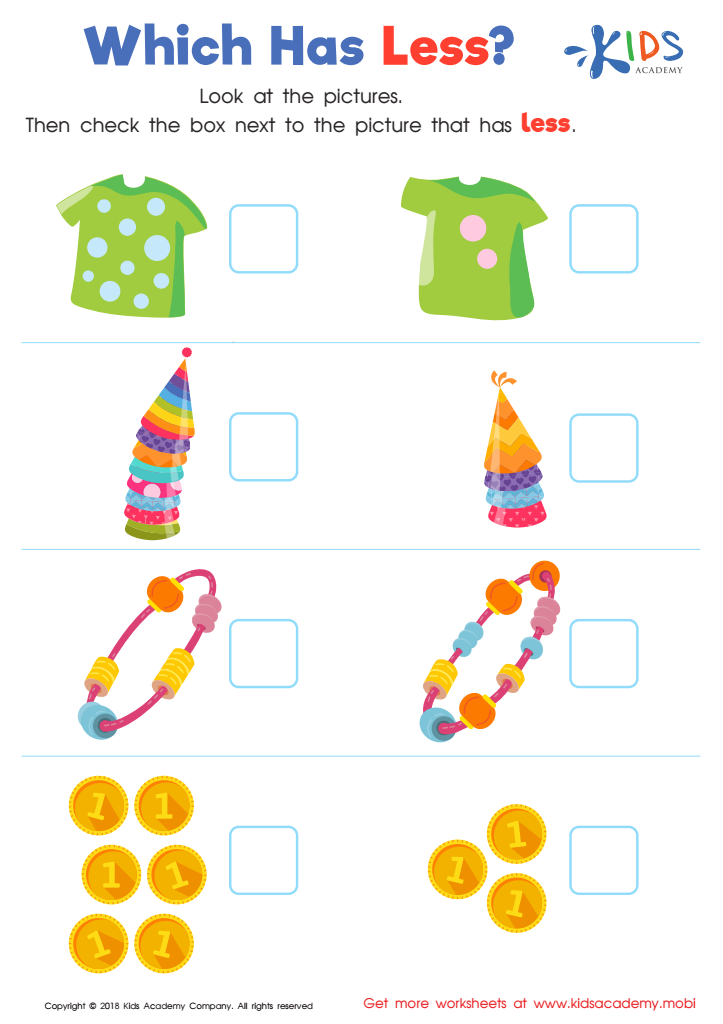
Which Has Less? Worksheet
 Assign to My Students
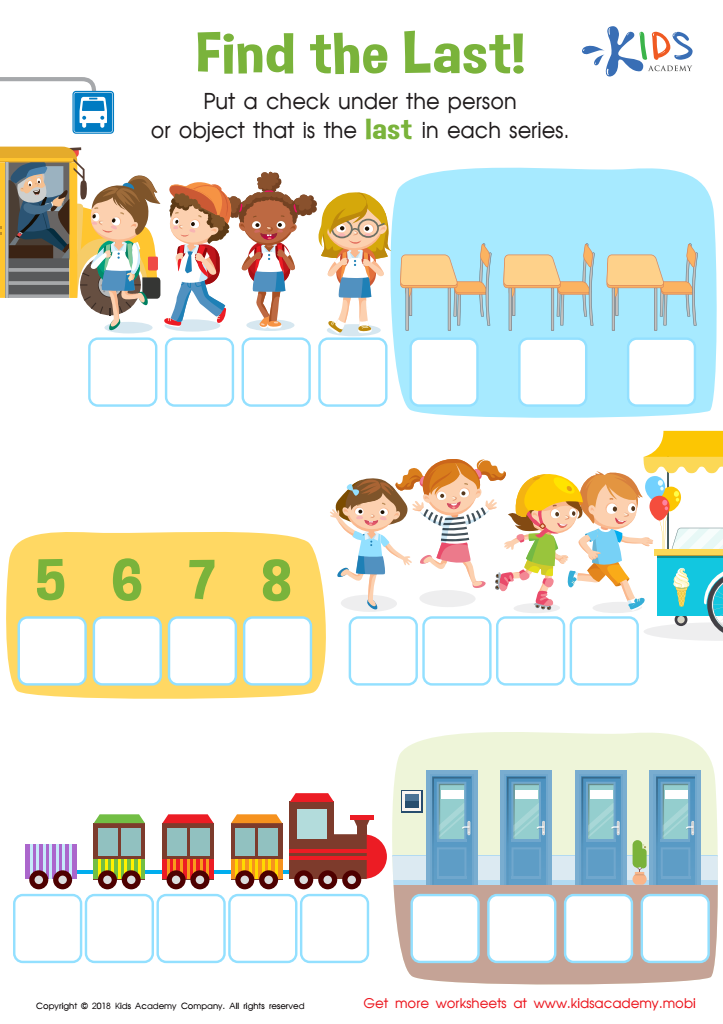
Find the Last! Worksheet
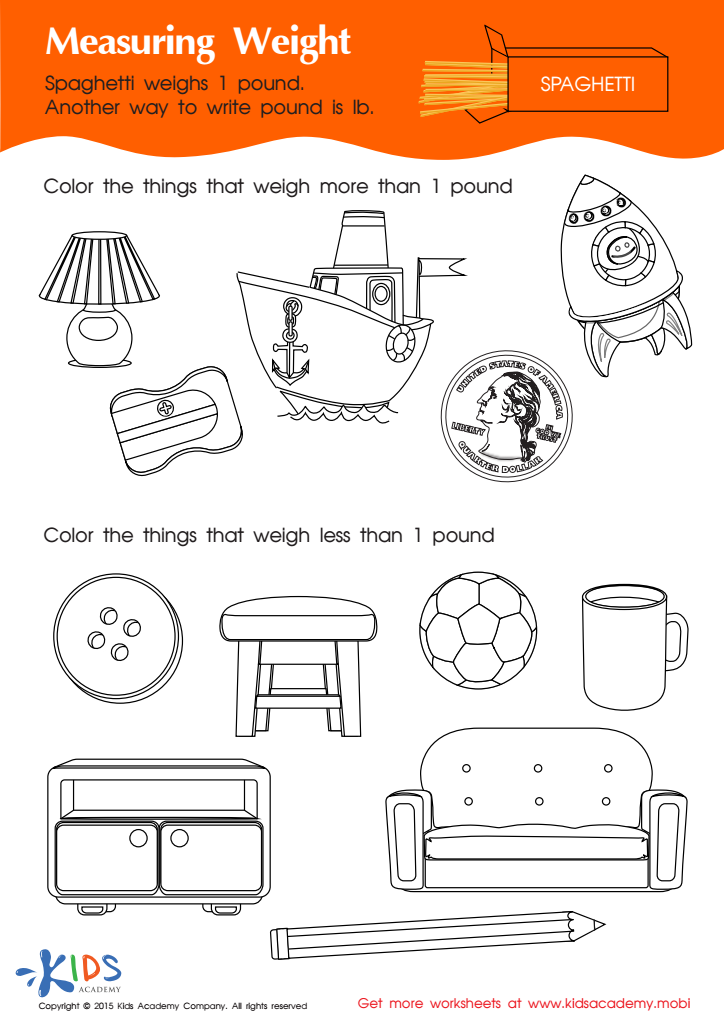
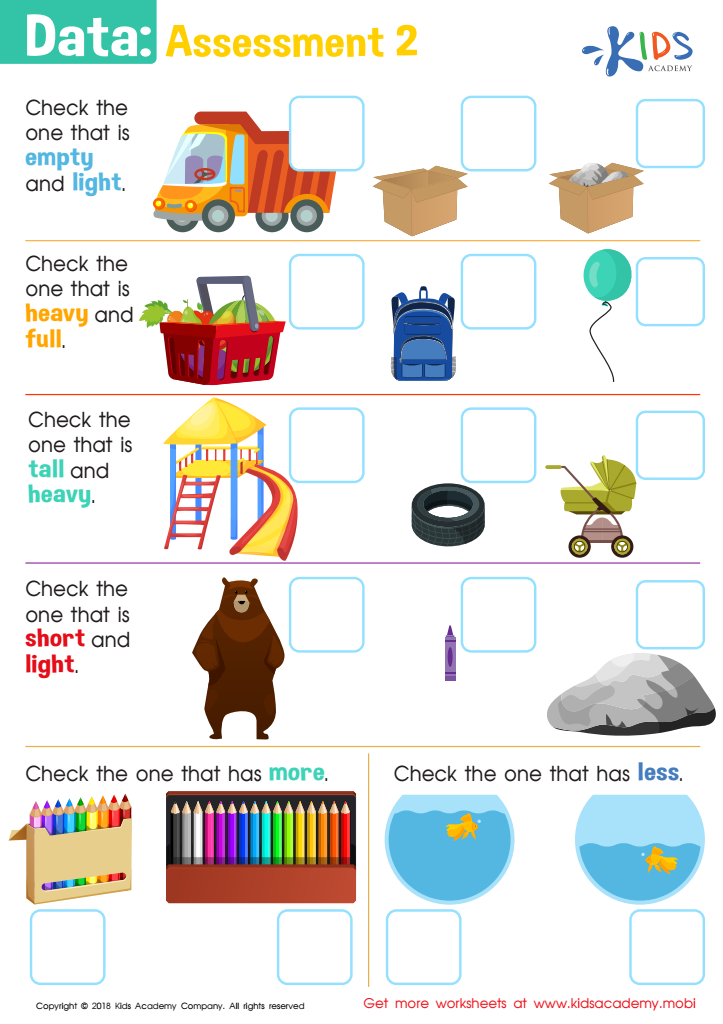
Data: Assessment 2 Worksheet
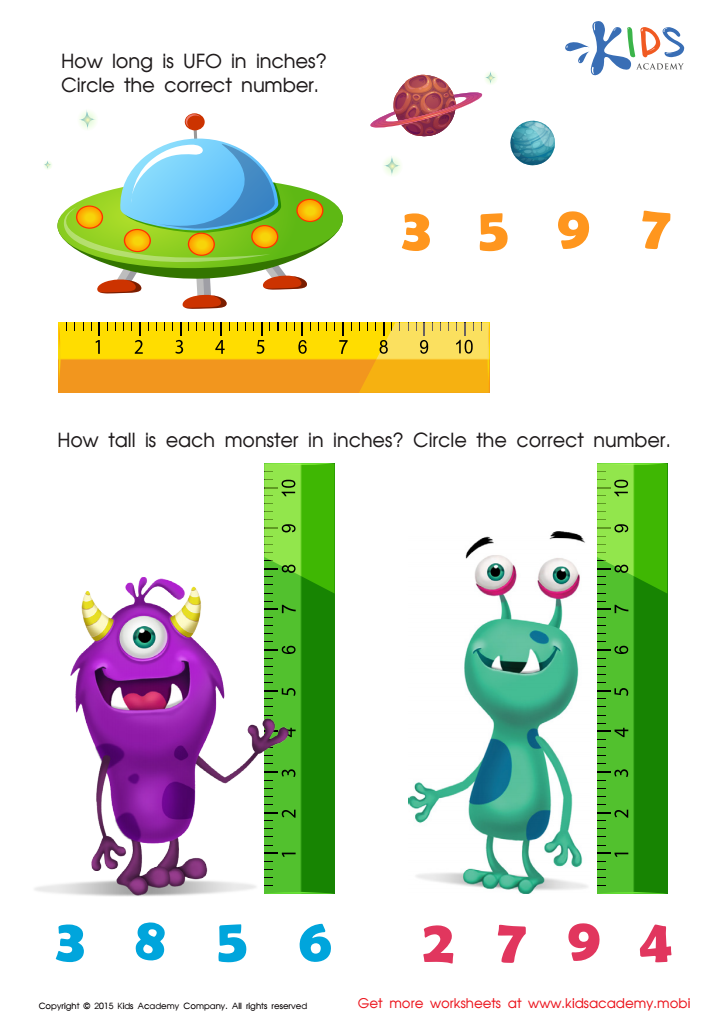
Measuring in Inches Worksheet
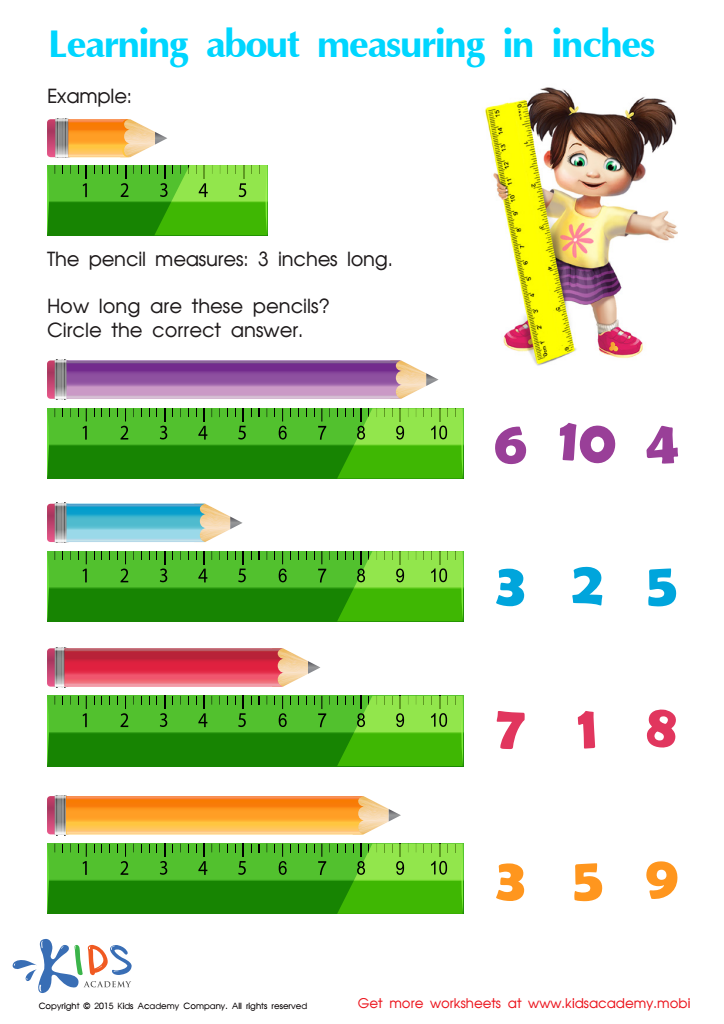
Learning About Measuring In Inches Printable
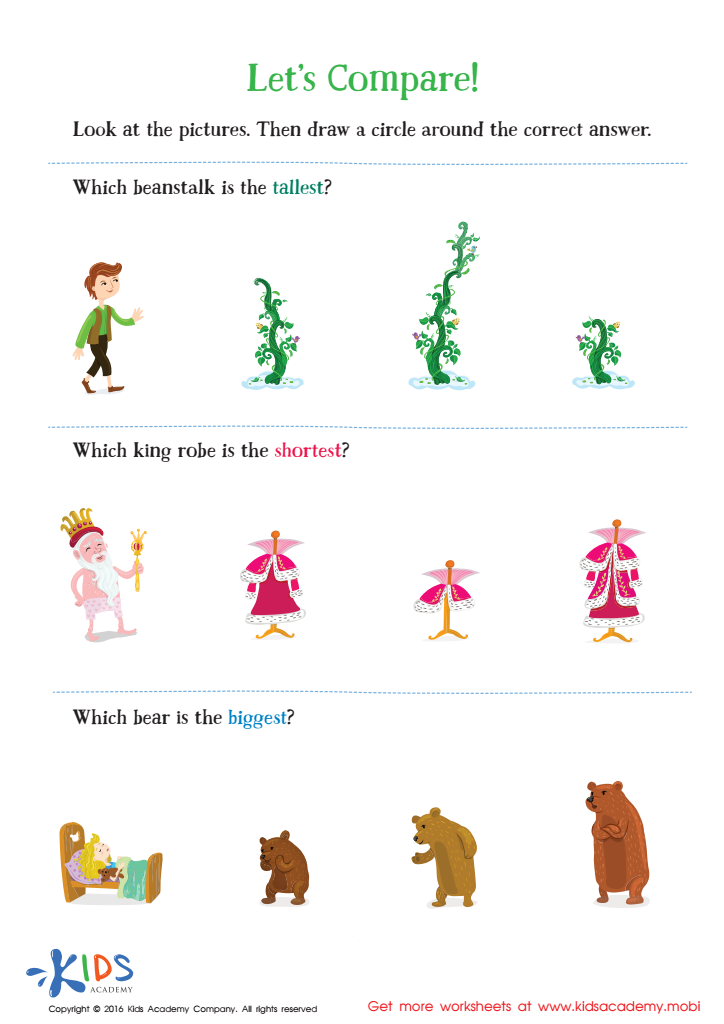
Fairy Tale Worksheet: Let's Compare
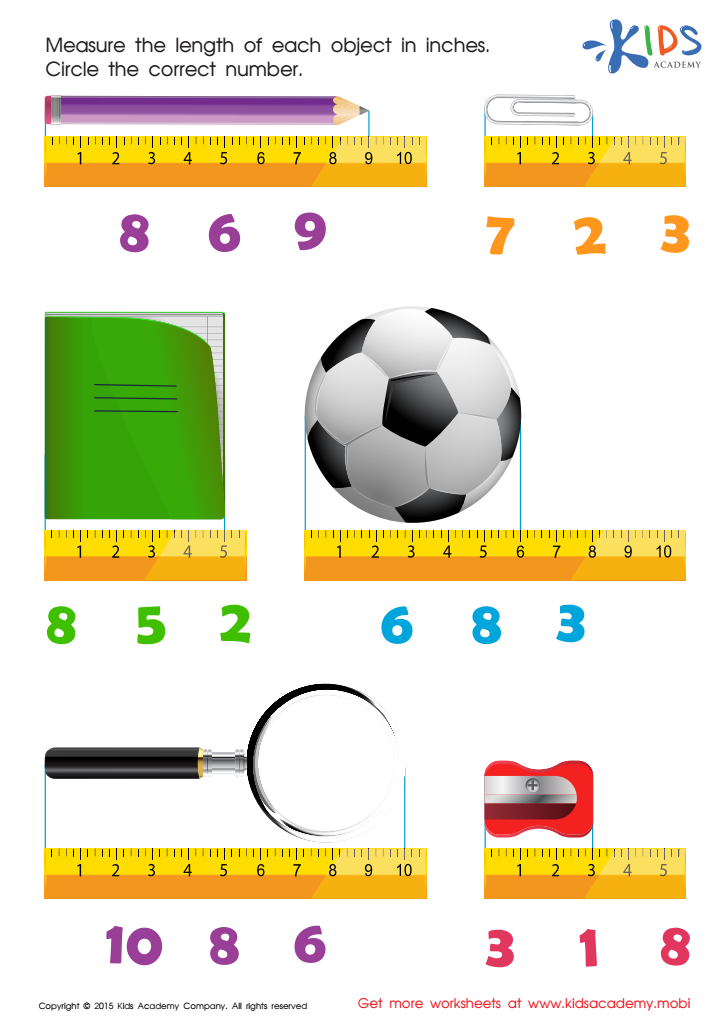
Learning measuring objects in inches Worksheet








Parents and teachers should prioritize basic math skills measurement for 4-year-olds because these early experiences lay the foundation for future mathematical understanding. At this age, children are developing critical cognitive skills, and engaging with math concepts helps enhance their problem-solving abilities, logical reasoning, and critical thinking skills.
Measuring basic math skills involves helping young learners recognize numbers, understand quantities, and comprehend simple patterns and relationships. Engaging in these activities promotes curiosity and fosters a positive attitude towards math, setting the stage for more advanced concepts in later years. Research indicates that early exposure to math concepts correlates with better academic performance in later grades.
Additionally, developing math skills boosts a child’s confidence and independence. When kids can measure, count, and categorize objects, they gain a sense of achievement that can transcend into other areas of learning and life skills. For parents, this means equipping children with the tools necessary to navigate everyday situations, from helping in the kitchen to budgeting their allowance.
In summary, measuring basic math skills for 4-year-olds is essential for cognitive development, foundational learning, boosting confidence, and instilling a lifelong appreciation for mathematics. It empowers both parents and teachers to actively participate in shaping a child’s educational journey.








