Fine Motor Skills Numbers 0–10 Worksheets for 4-Year-Olds - Page 2
48 filtered results
-
From - To

Eight Geese Worksheet
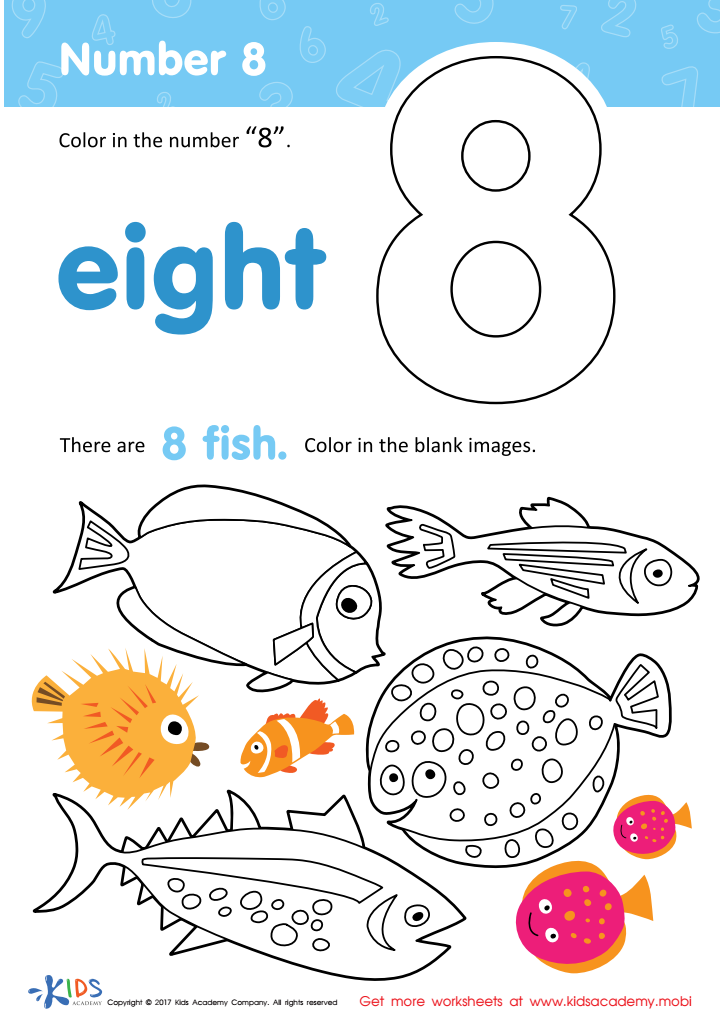
Number 8 Printable
 Assign to My Students
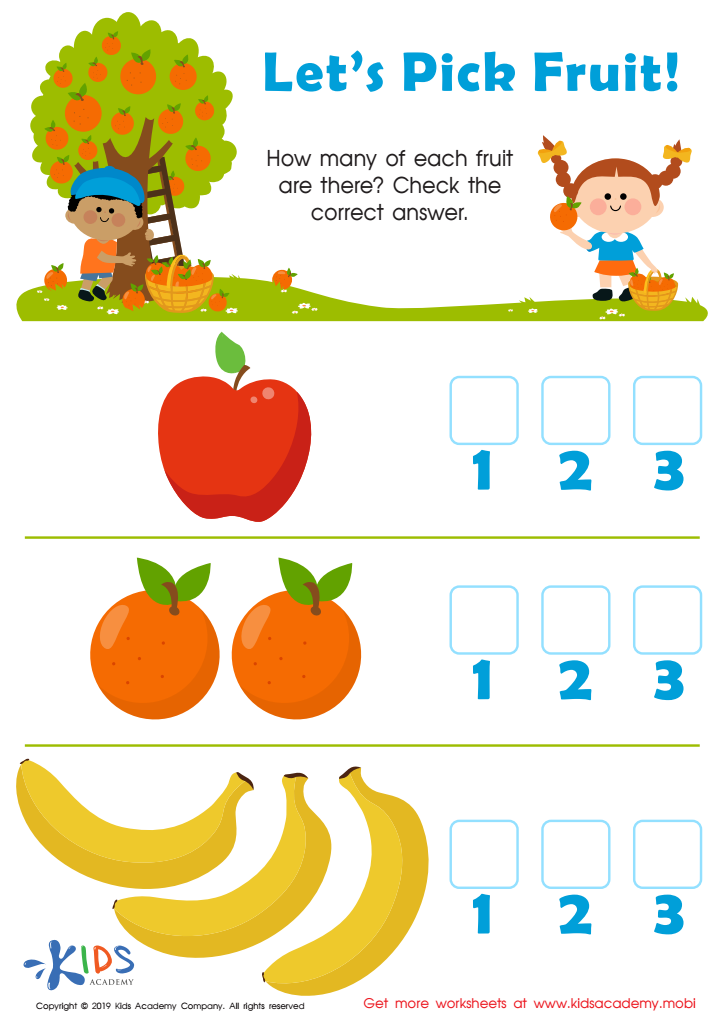
Let's Pick Fruit Worksheet
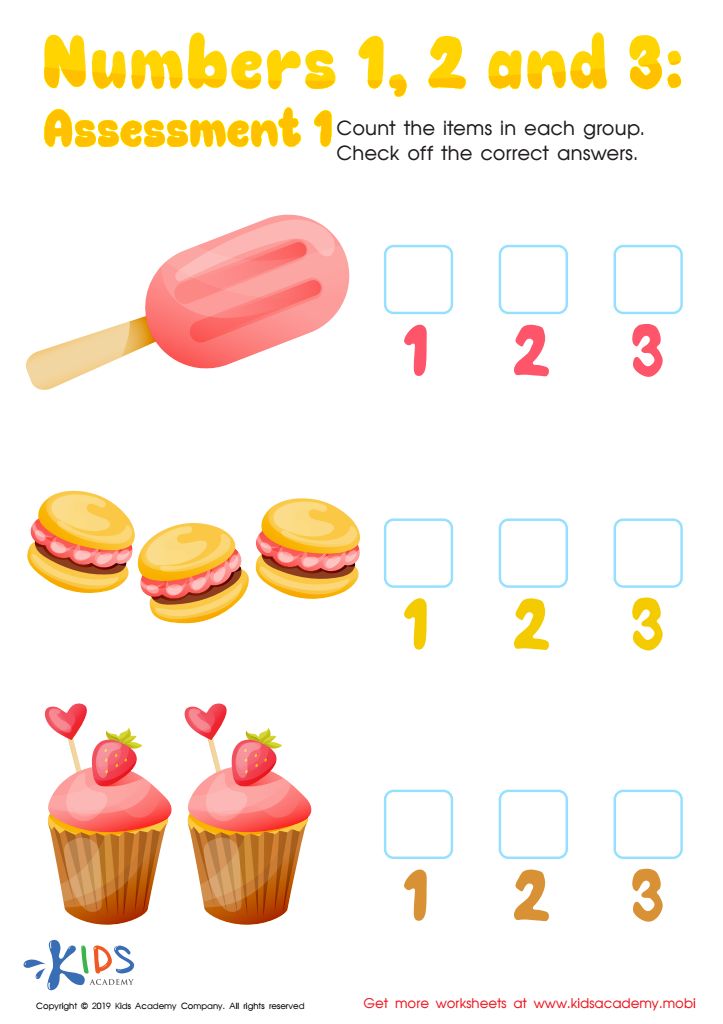
Numbers 1, 2 and 3: Assessment 1 Worksheet

Underwater Adventure Worksheet
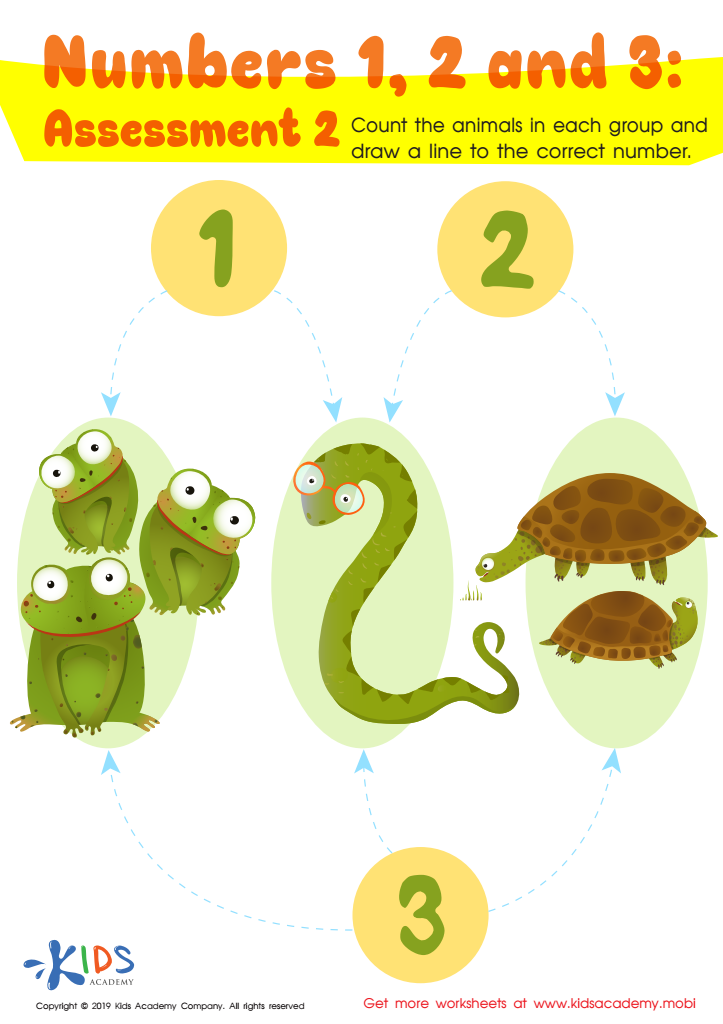
Numbers 1, 2 and 3: Assessment 2 Worksheet
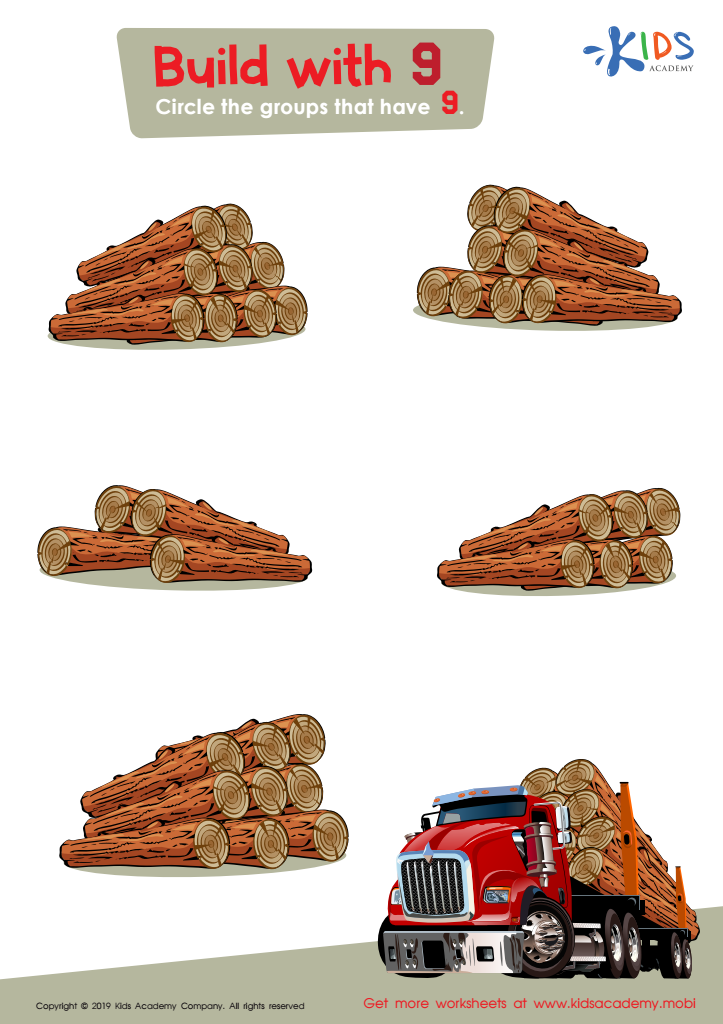
Build with 9 Worksheet
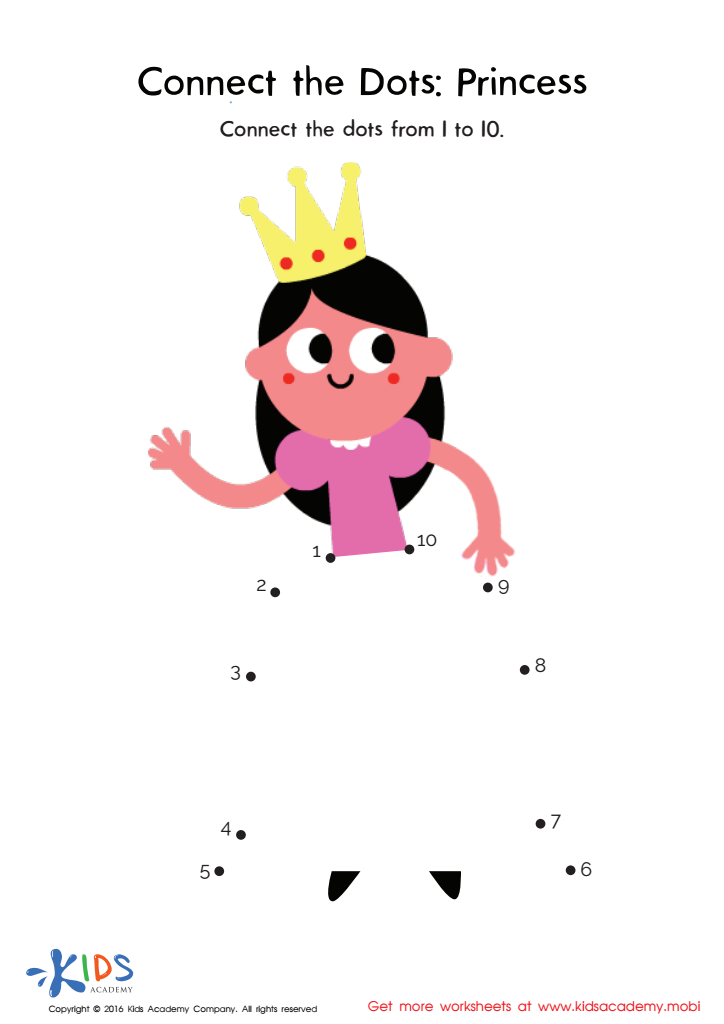
Princess Connect Dots Worksheet
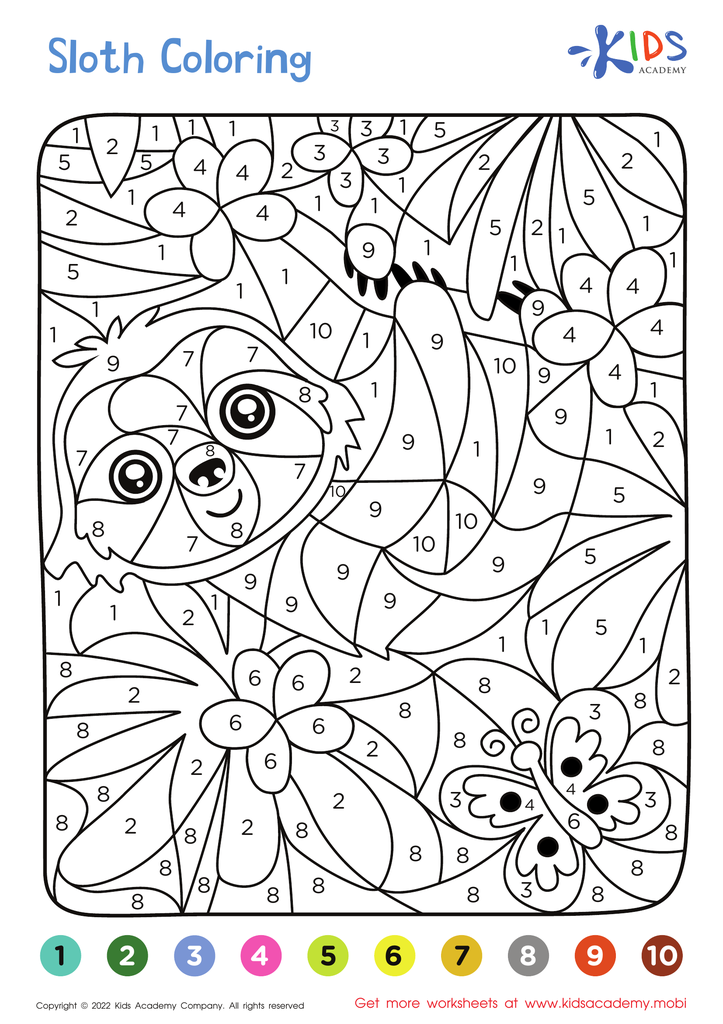
Sloth – Coloring by Numbers

Count the Cucumbers and Trace the Number 8 Printable
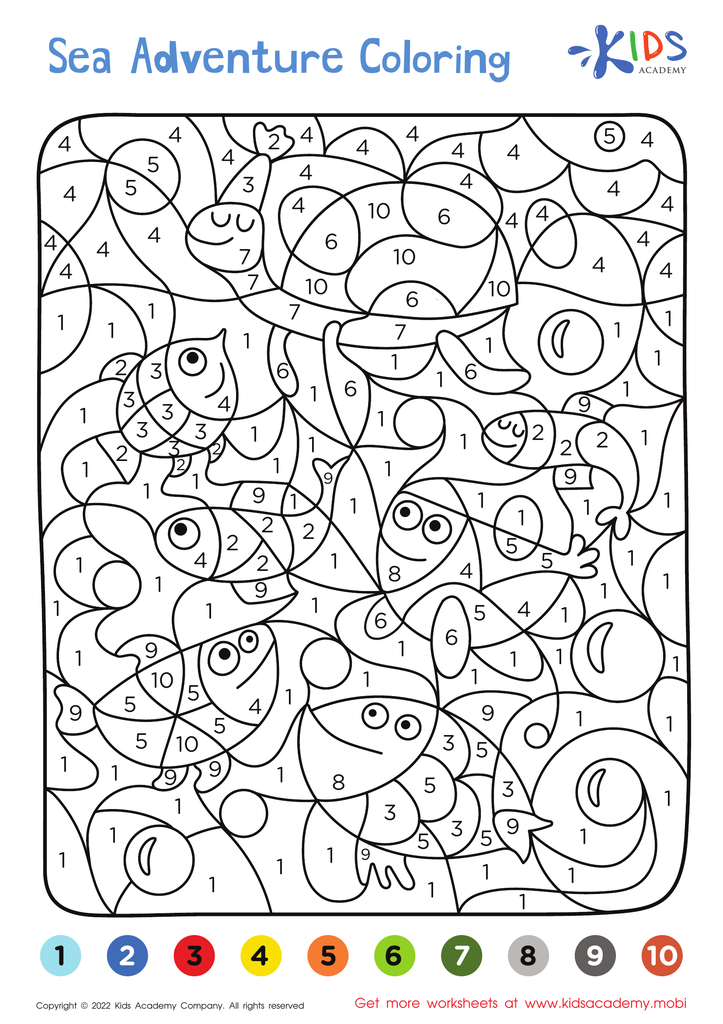
Sea Adventure – Coloring by Numbers
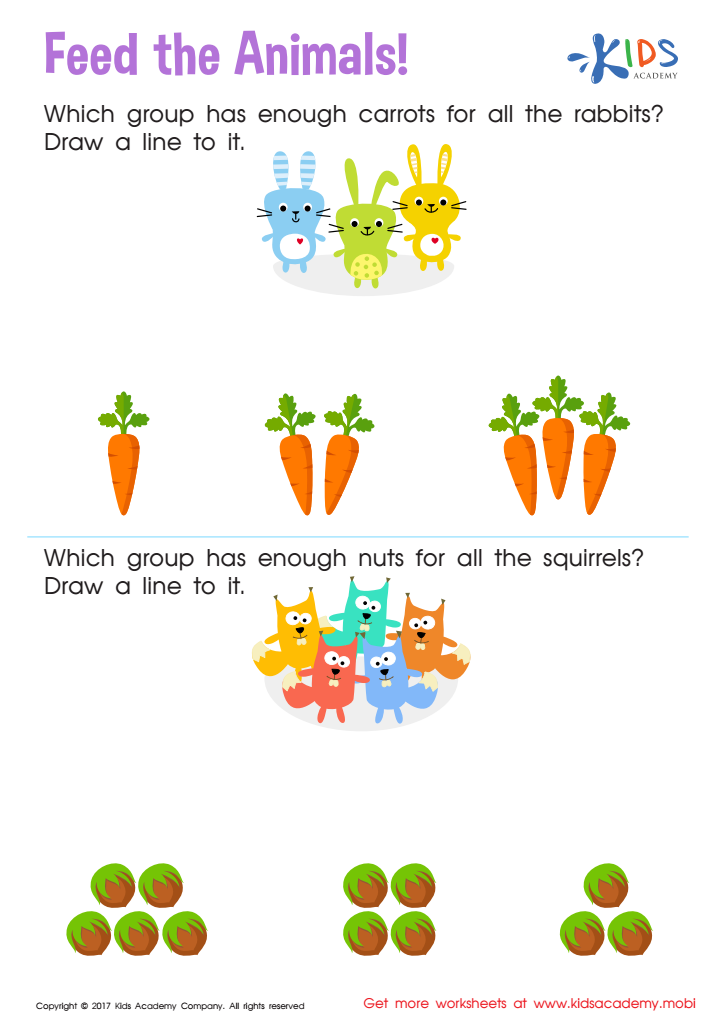
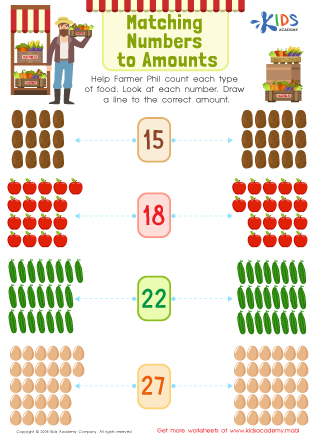
Count and Match: Feed the Animals Worksheet
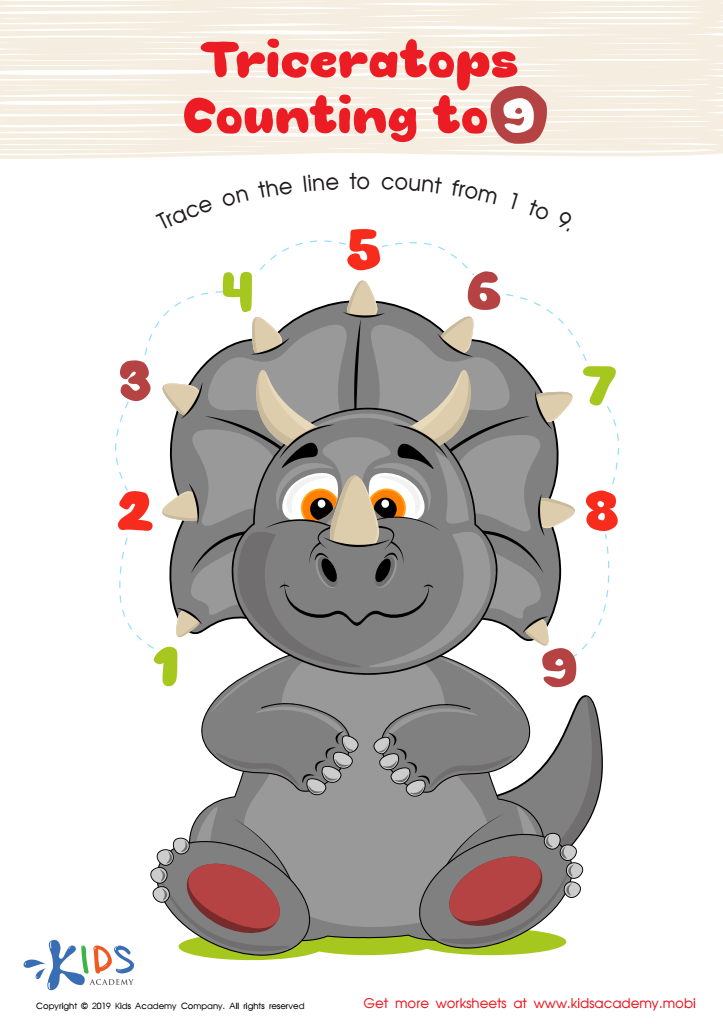
Triceratops Counting to 9 Worksheet
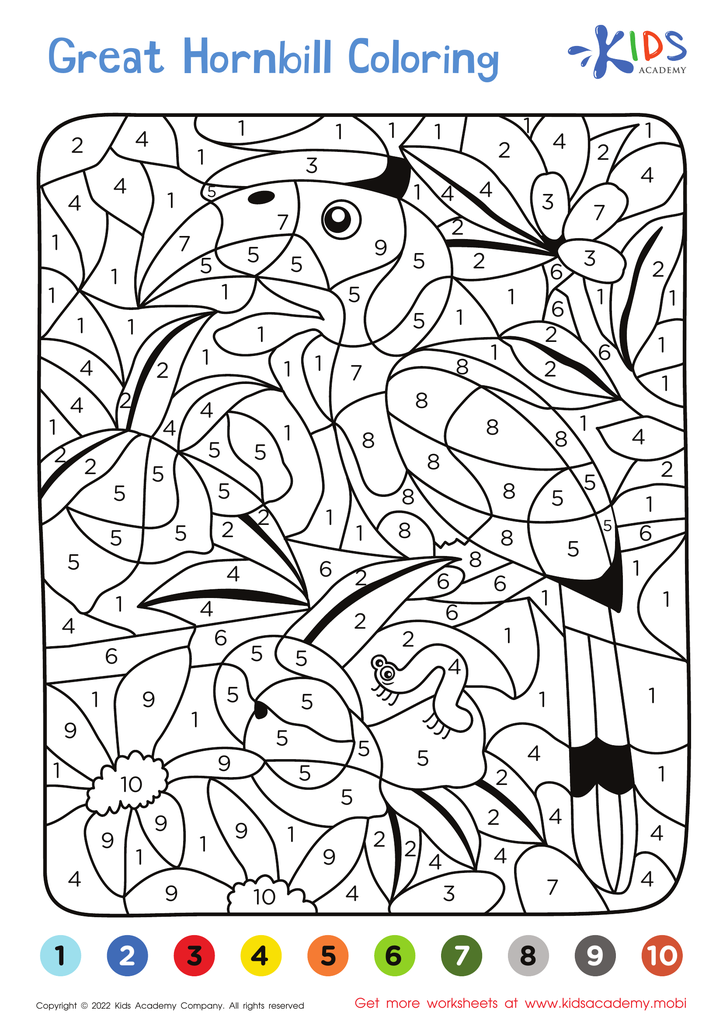
Great Hornbill – Coloring by Numbers
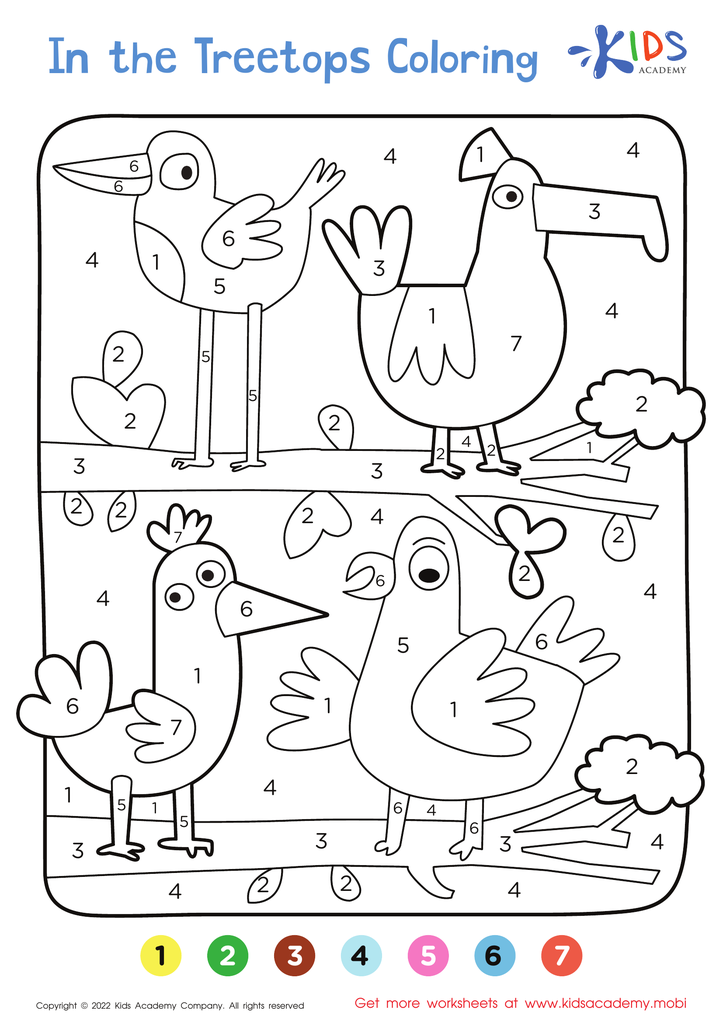
In the Treetops – Coloring Page

Twinkle, Twinkle, Little Star – Coloring by Numbers
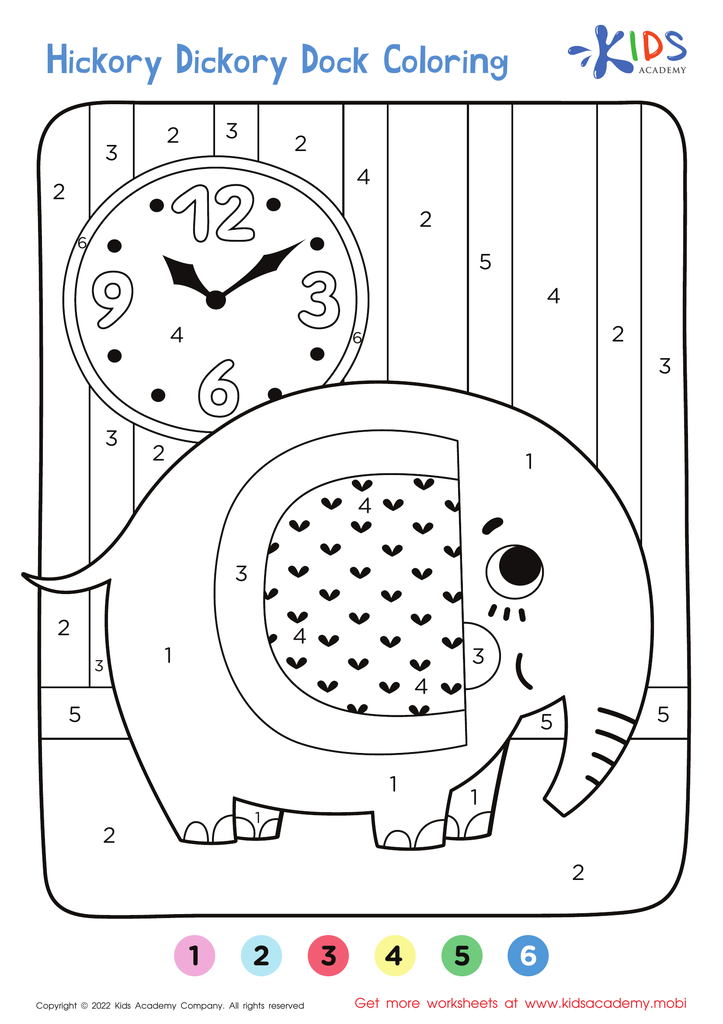
Hickory Dickory Dock – Coloring by Numbers
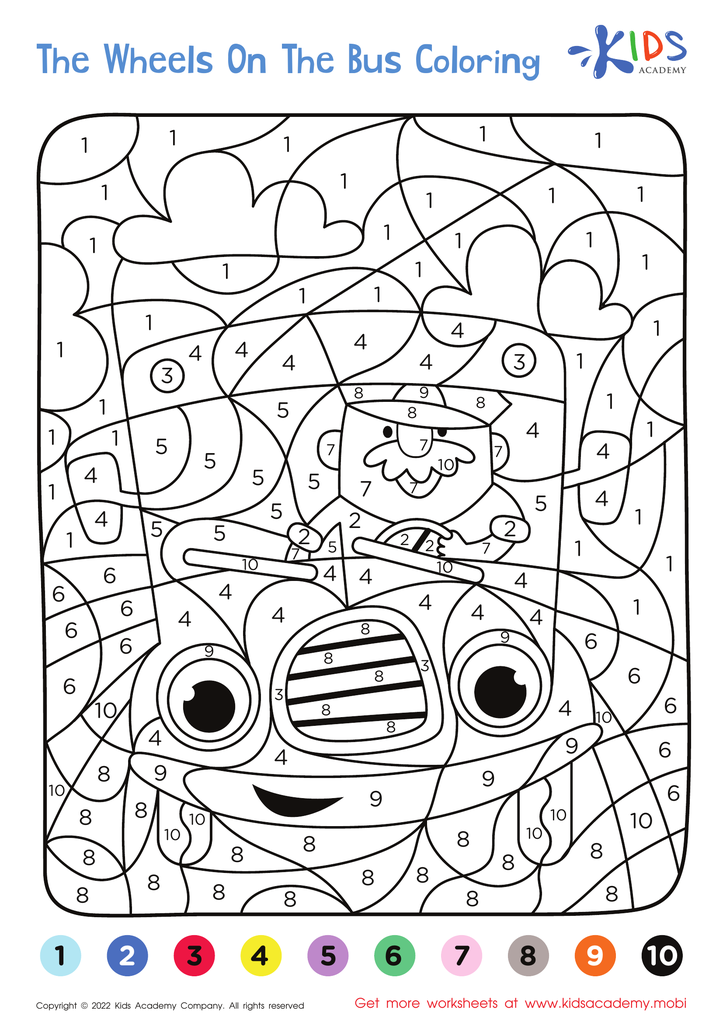
Wheels on the Bus – Coloring by Numbers

Night Sky Numbers Worksheet
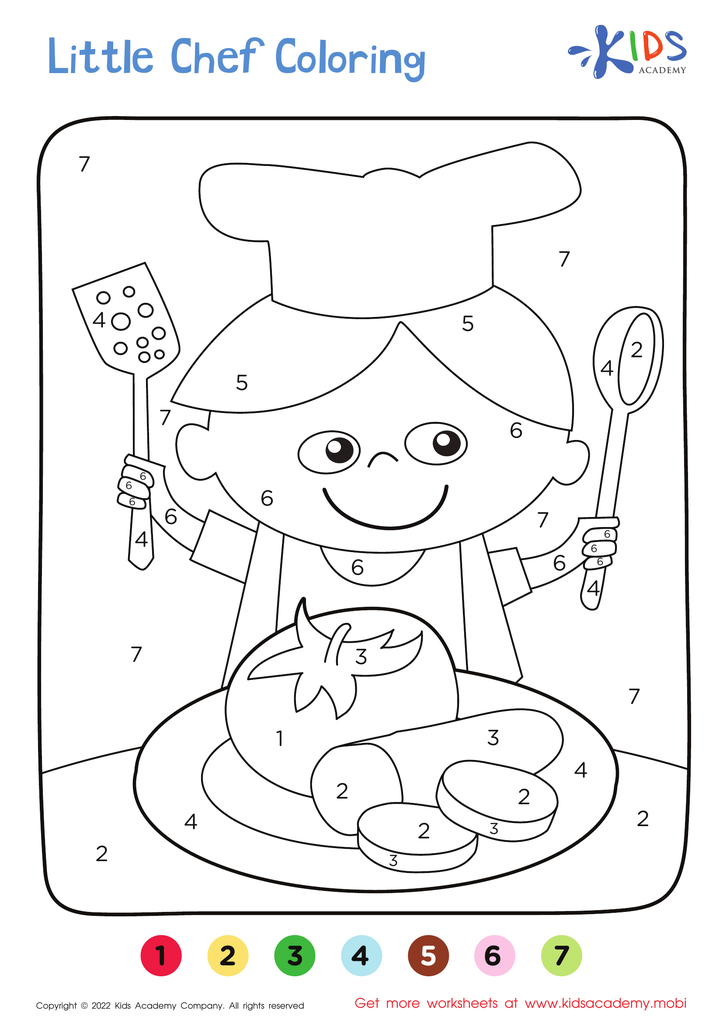
Little Chef – Coloring by Numbers
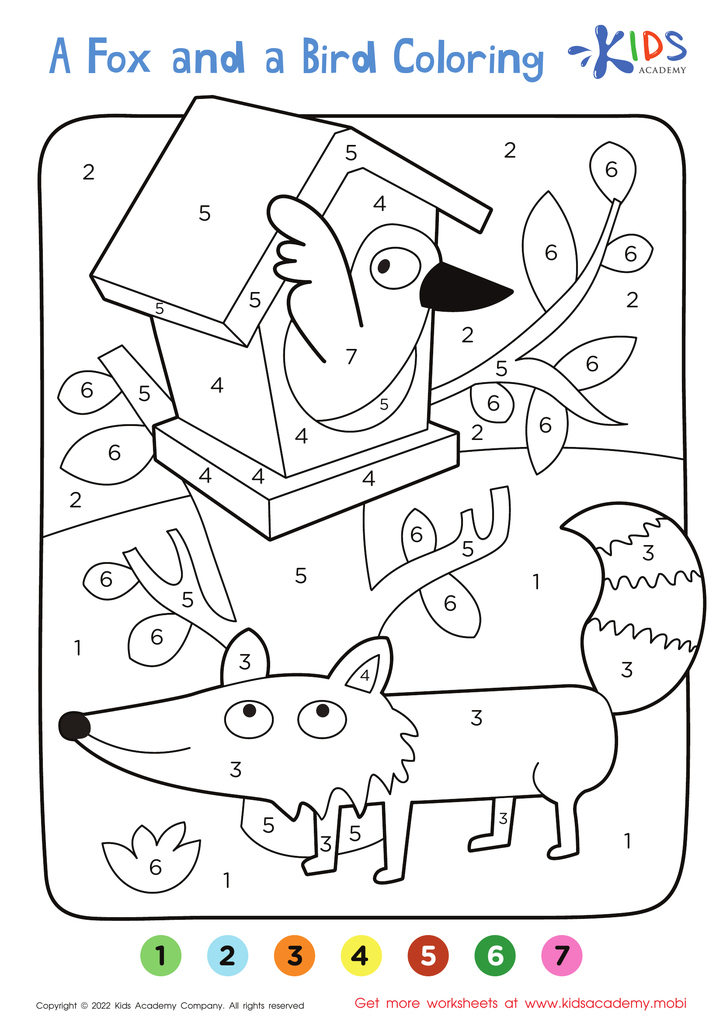
A Fox and a Bird – Coloring by Numbers
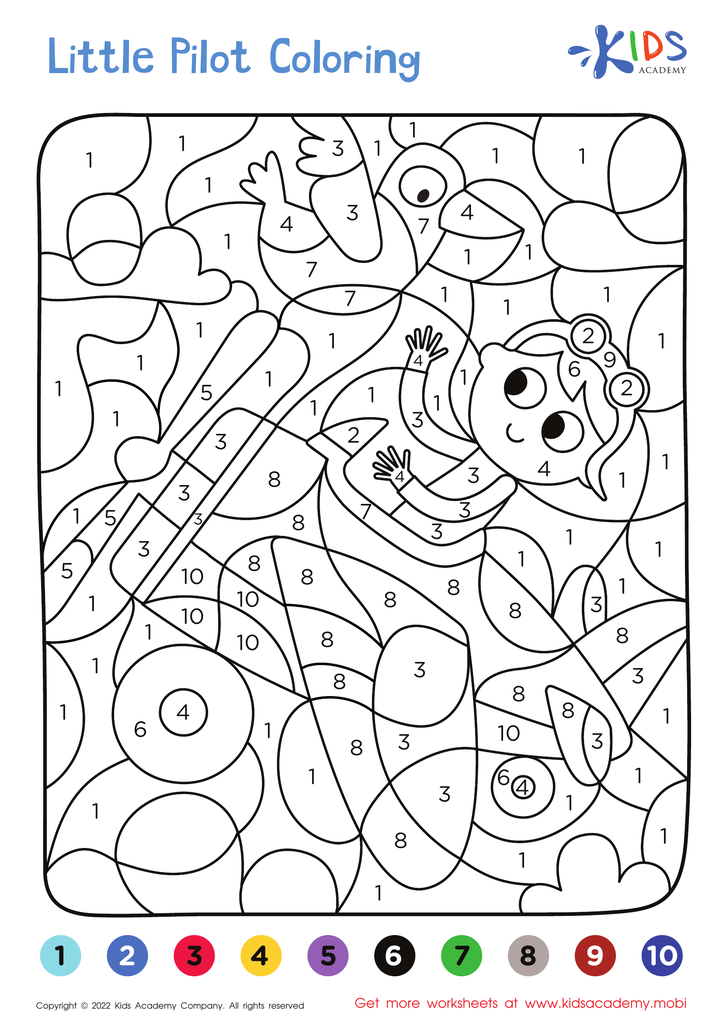
Little Pilot – Coloring by Numbers
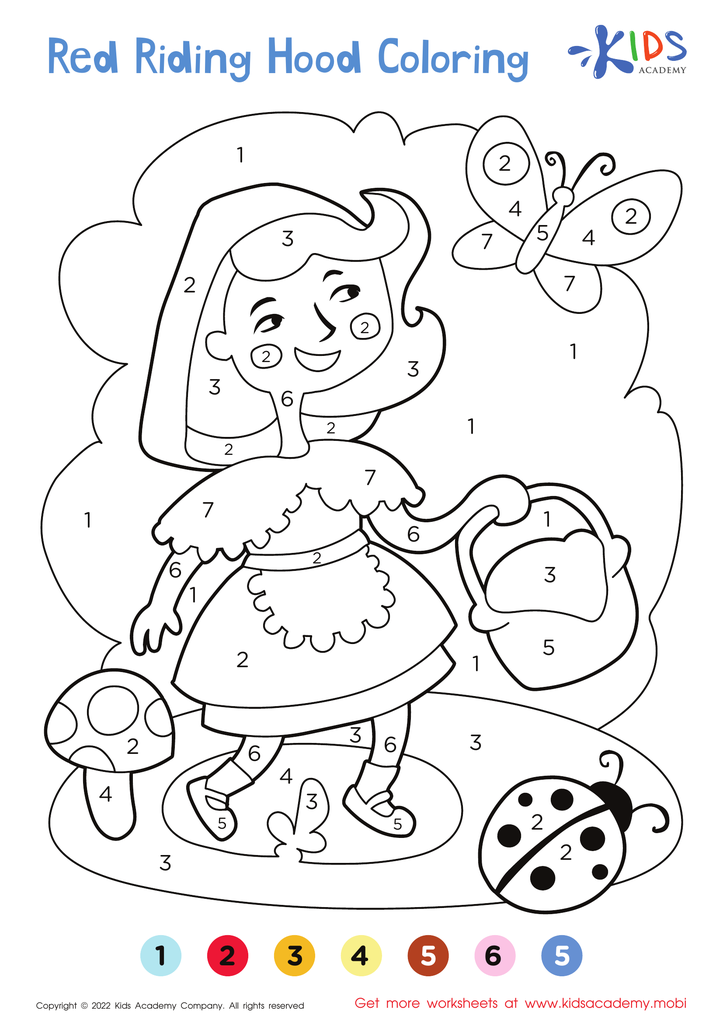
Little Red Riding Hood – Coloring by Numbers
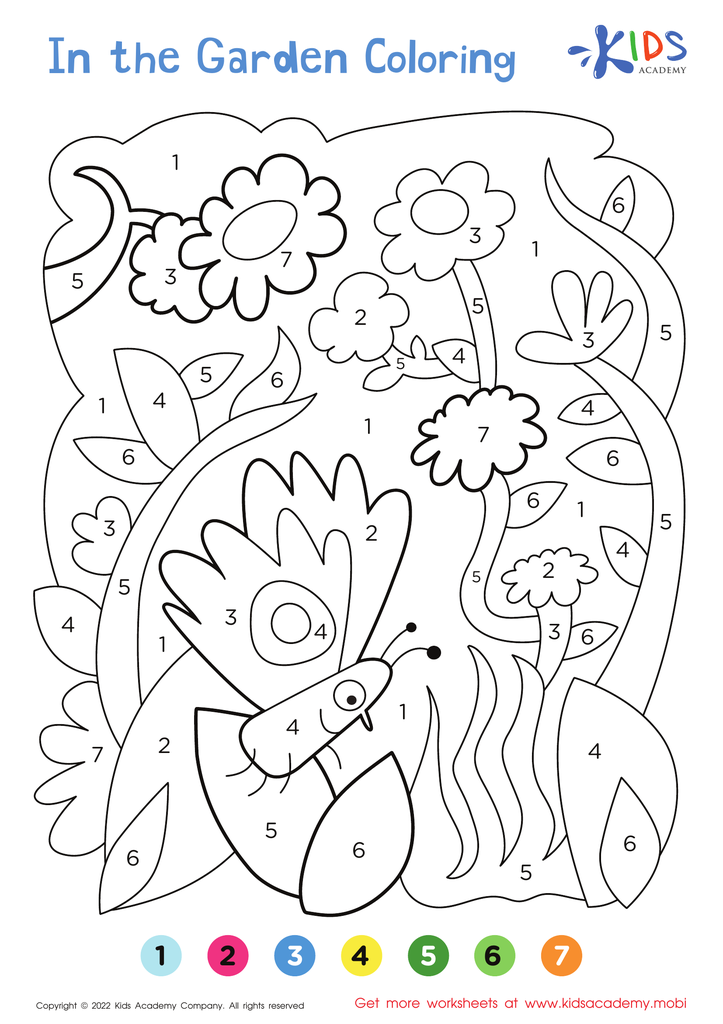
In the Garden – Coloring by Numbers








Fine motor skills refer to the small movements of fingers and hands that are essential for many daily tasks and academic activities. For 4-year-olds, focusing on fine motor skills related to numbers 0–10 is crucial for several reasons.
Firstly, acquiring fine motor skills enhances a child's ability to write and manipulate objects, promoting independence. Learning to grasp a pencil, use scissors, or clasp buttons lays the groundwork for successful finger control needed in writing numerals and solving basic math problems.
Secondly, developing fine motor skills supports cognitive growth. Activities such as counting beads, threading, or assembling puzzles provide hands-on experiences that reinforce number recognition and early math concepts. This kinesthetic approach helps children better comprehend abstract ideas involved with numbers.
Additionally, fostering these skills can boost a child’s self-esteem. Successfully completing tasks involving fine motor skills empowers them with a sense of accomplishment, encouraging a positive relationship with learning.
In summary, parents and teachers should prioritize fine motor skill development in the context of numbers 0–10 because it supports a child’s literacy and numeracy, contributes to their overall cognitive development, and builds confidence—essential factors for lifelong learning success.