Following instructions Building Vocabulary Worksheets for 4-Year-Olds
8 filtered results
-
From - To
Enhance your 4-year-old's vocabulary with our engaging "Following Instructions Building Vocabulary Worksheets"! Designed specifically for young learners, these worksheets incorporate fun activities that encourage children to follow directions while expanding their word bank. Through interactive exercises, kids will learn essential vocabulary terms and the importance of listening and following instructions. Our worksheets are tailored to facilitate skill development in a playful and enjoyable manner, making learning both effective and entertaining. Perfect for home or classroom use, these resources will help your toddler develop critical language skills as they embark on their educational journey. Unlock the joy of learning today!
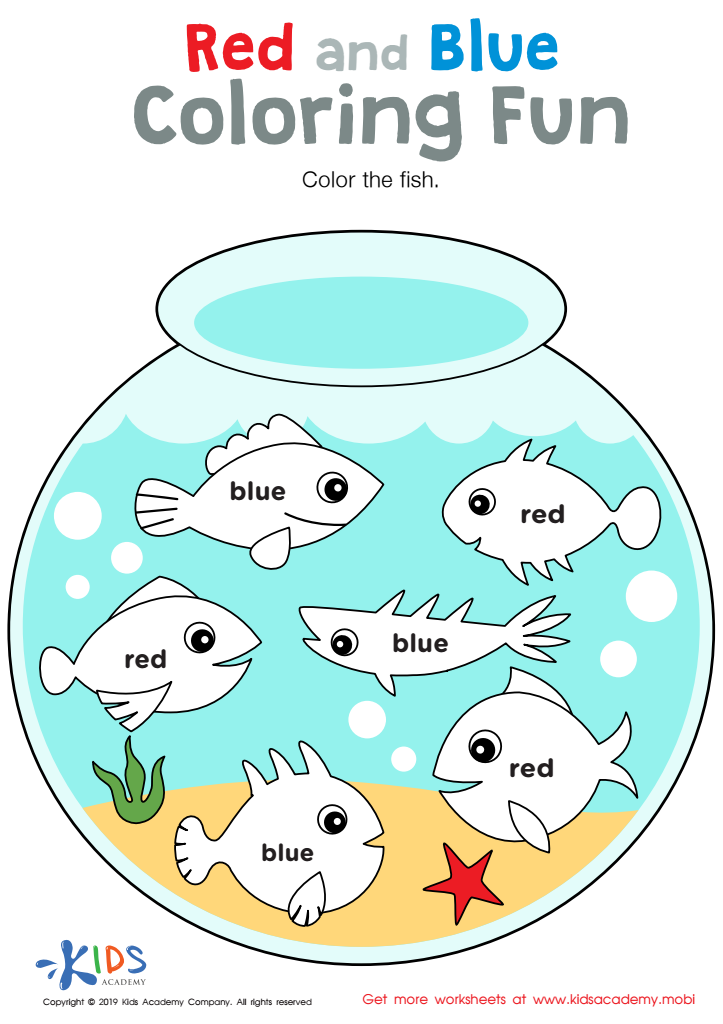
Red and Blue Coloring Fun Worksheet
 Assign to My Students











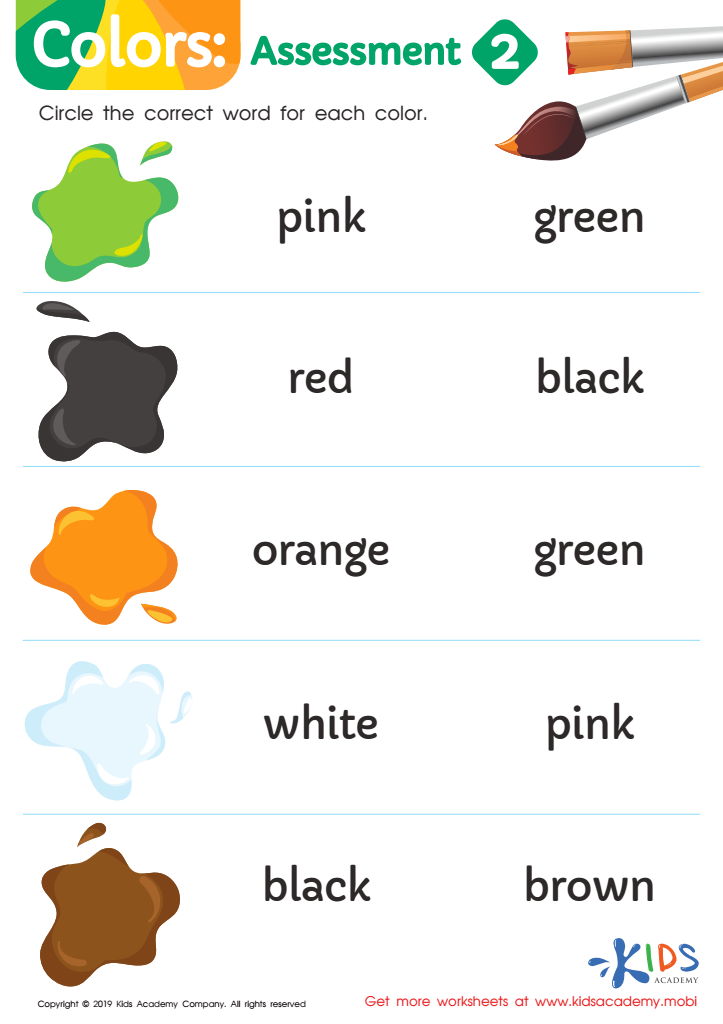
Colors: Assessment 2 Worksheet
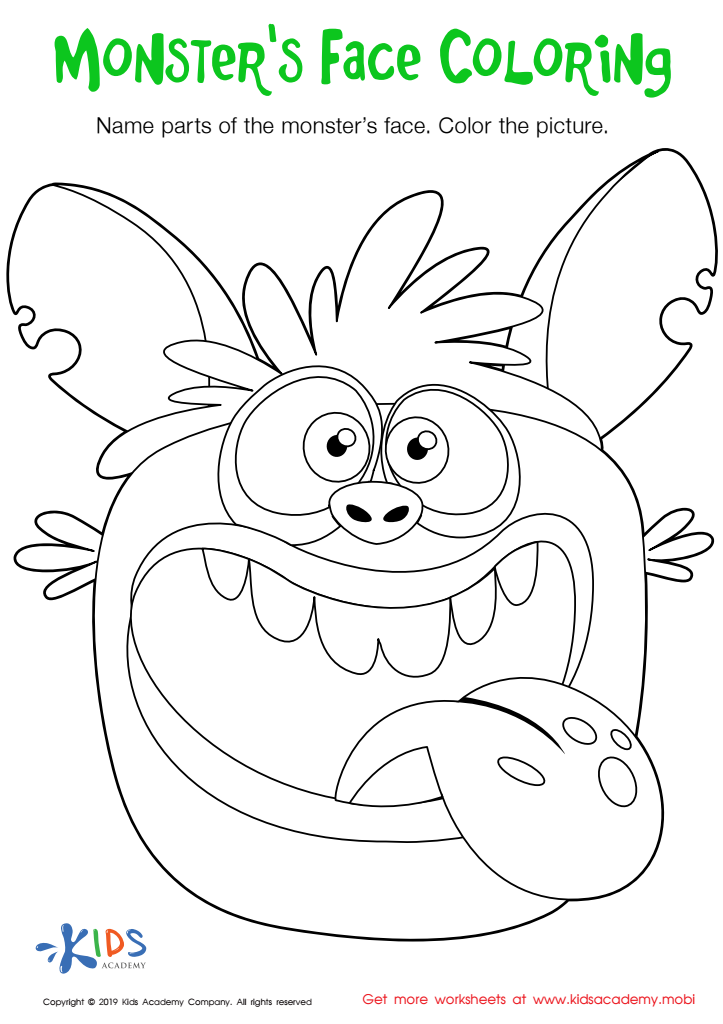
Monster's Face Coloring Worksheet
Assign to My Students
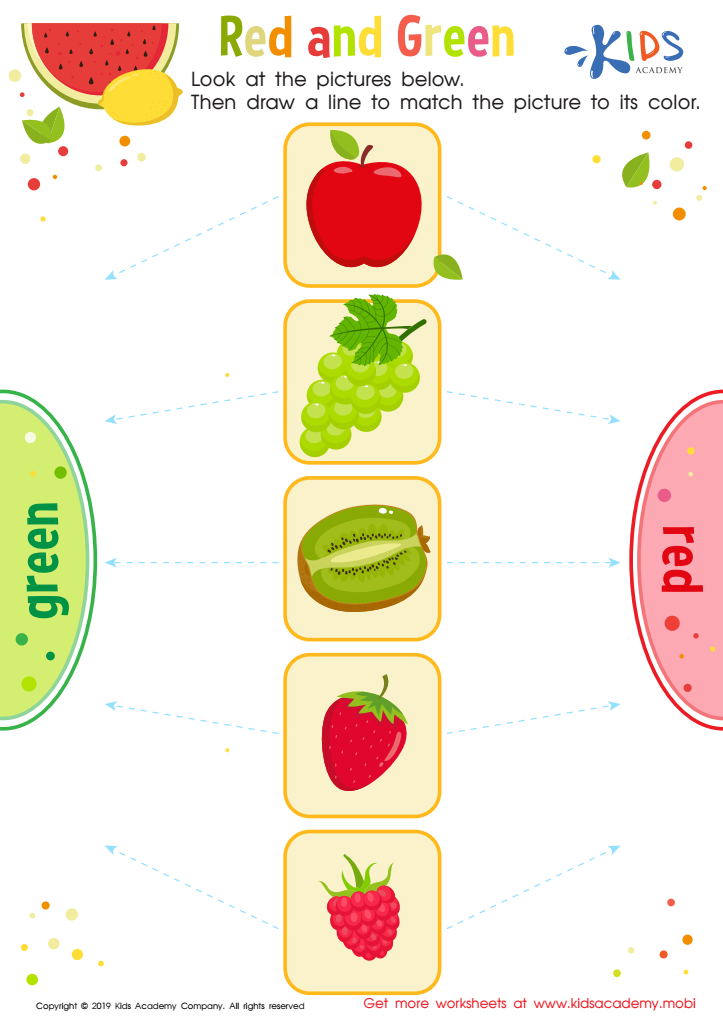
Red and Green Worksheet
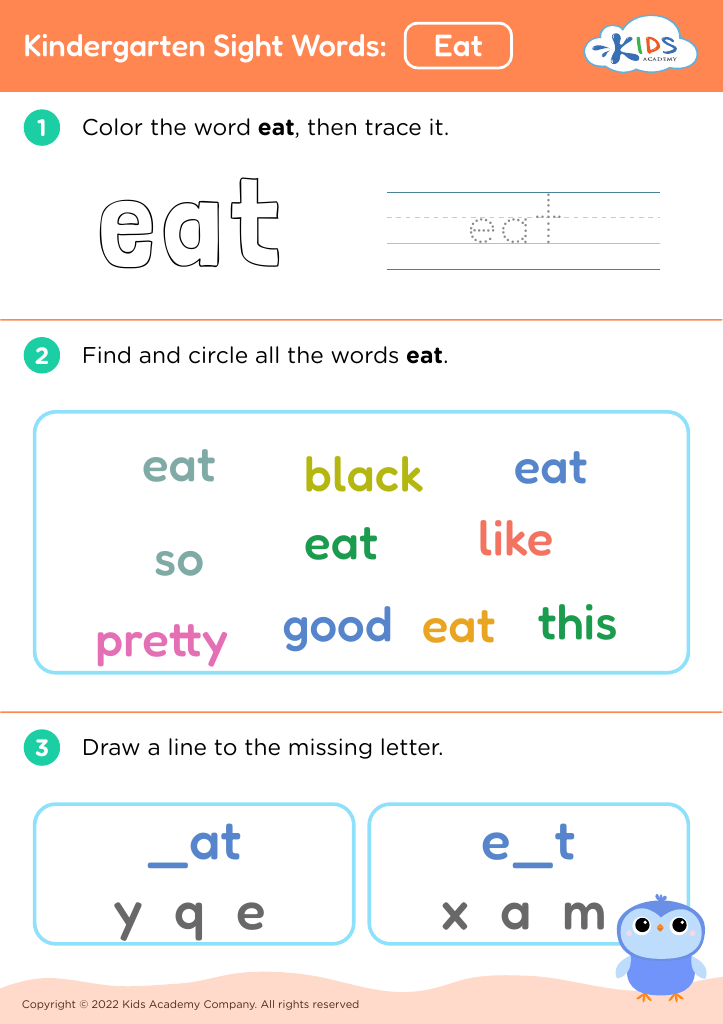
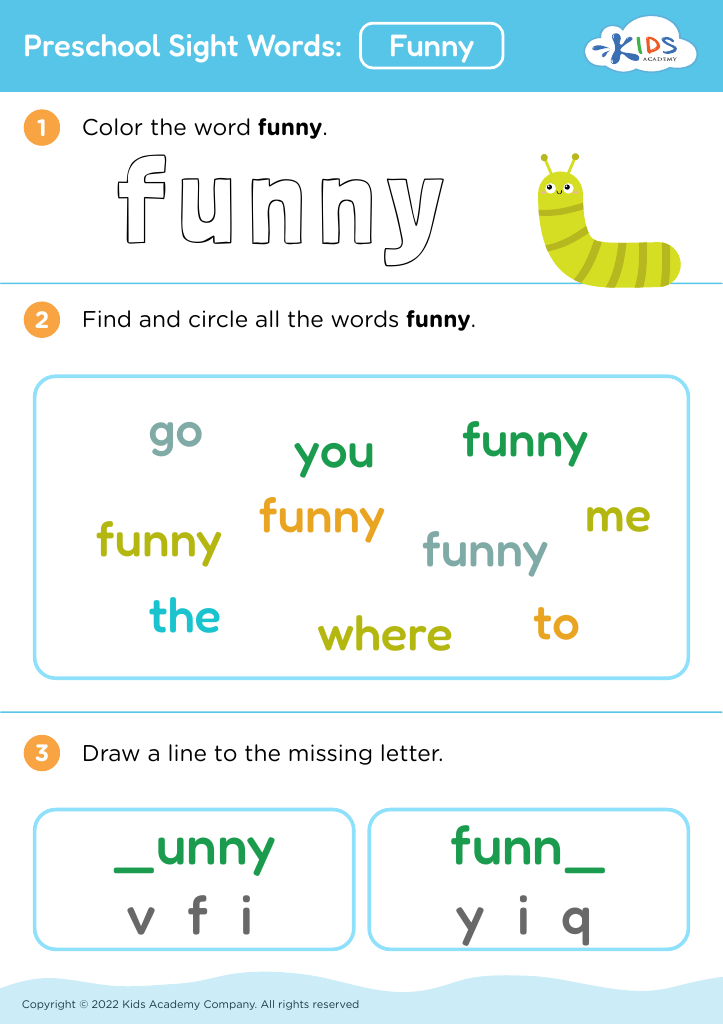
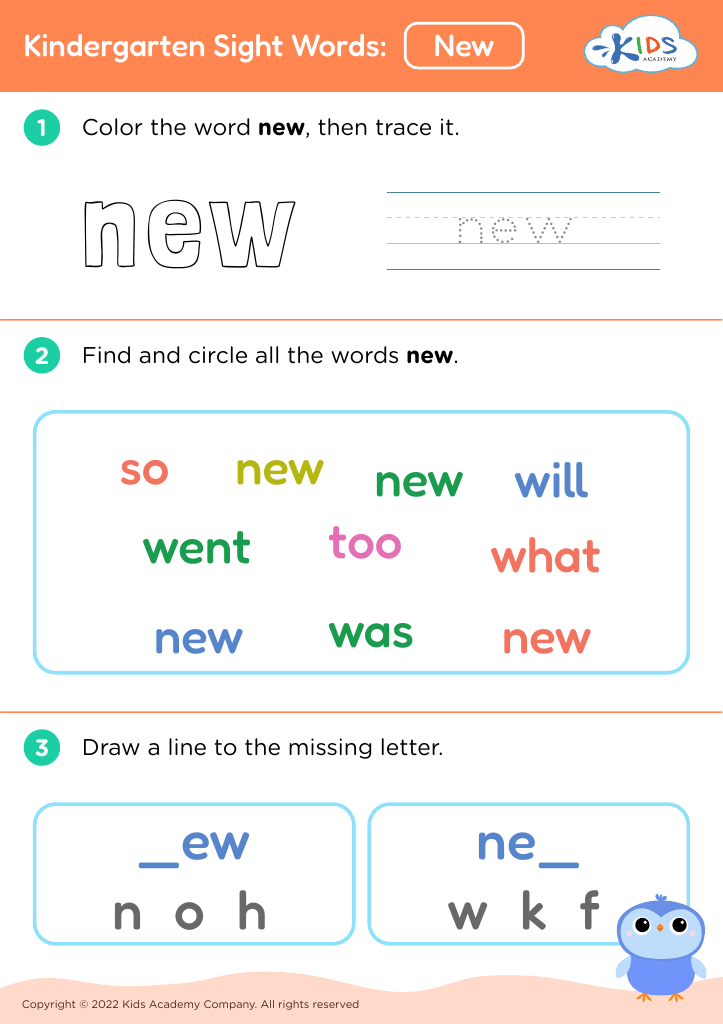
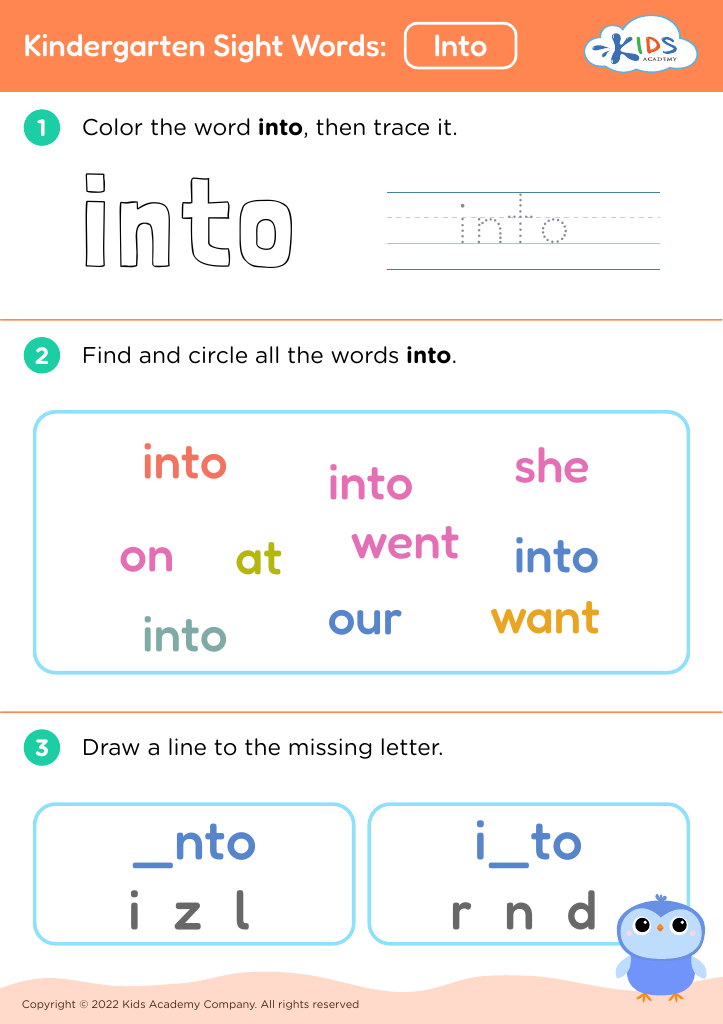








Following instructions and building vocabulary are crucial elements of development for 4-year-olds. As children navigate early education, the ability to follow instructions enhances their comprehension and listening skills. When children successfully follow directives, they become more independent and capable of completing tasks, fostering a sense of achievement and boosting their confidence. This skill plays a pivotal role in social interactions, group activities, and learning environments, as they learn to understand and respond to teachers and peers effectively.
Simultaneously, building vocabulary is essential for cognitive development and communication. A rich vocabulary enhances a child's ability to express thoughts, emotions, and needs clearly, promoting better relationships with peers and adults. Vocabulary development also lays the groundwork for literacy skills, making it easier for children to learn to read and write later on. Engaging children in activities that enrich their vocabulary—such as stories, songs, and conversations—helps them grasp language concepts and encourages curiosity about world knowledge.
Both skills intertwine; as children learn to follow instructions effectively, they encounter new words and phrases, further boosting their vocabulary. Thus, parents and teachers should prioritize these skills, as they are fundamental to a child's overall development and success in school and life.








