Logical Reasoning Building Vocabulary Worksheets for 4-Year-Olds
7 filtered results
-
From - To
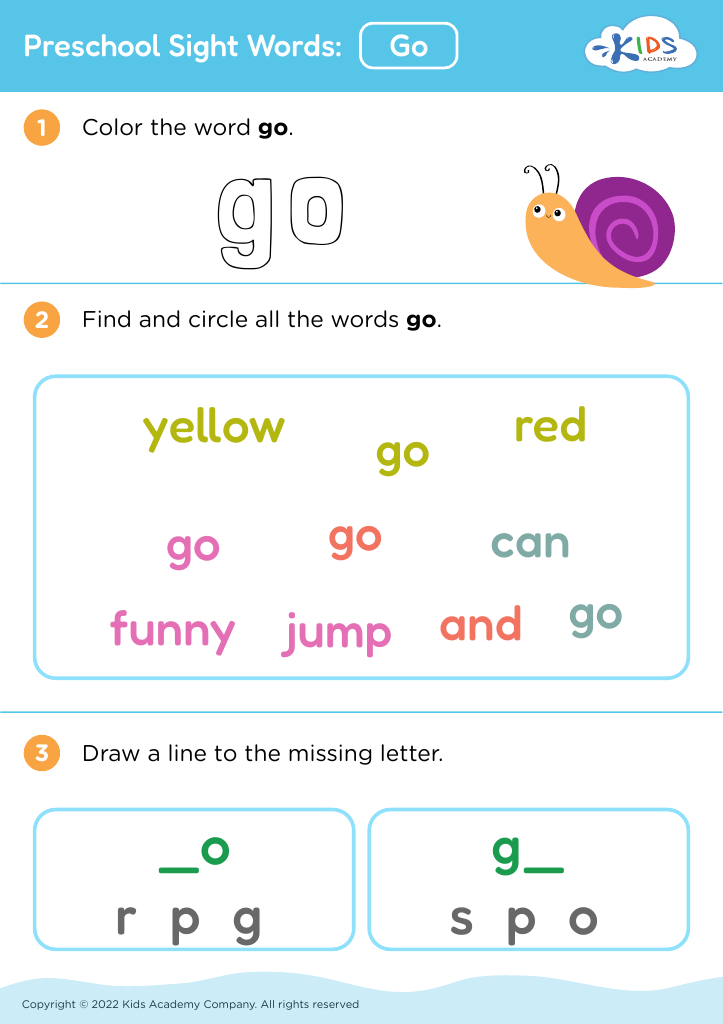
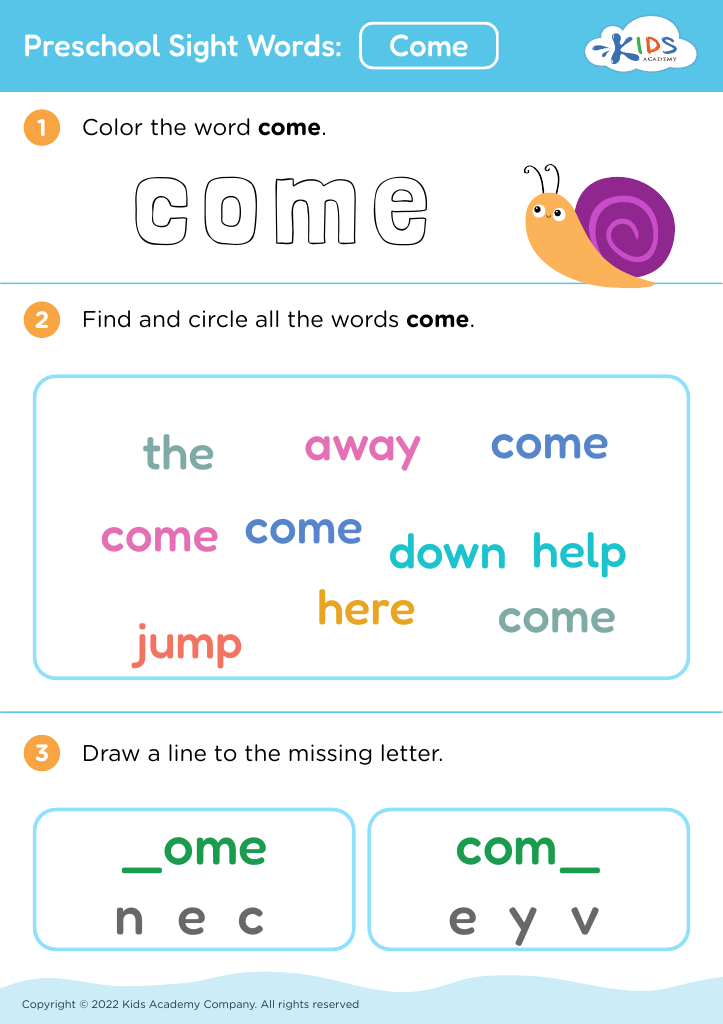
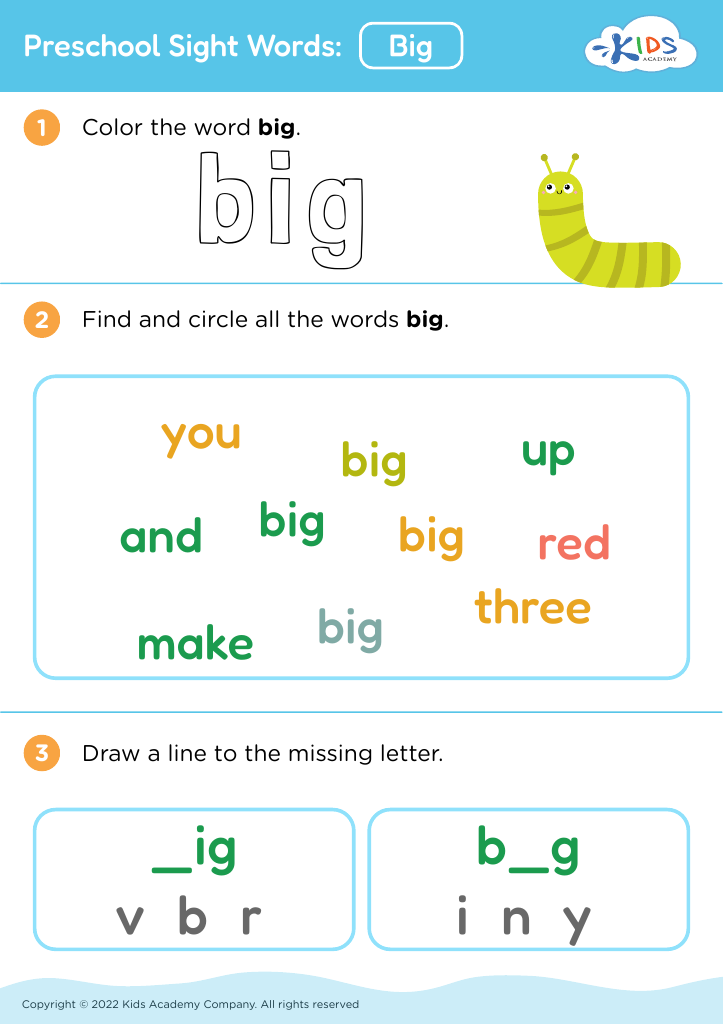
Foster your 4-year-old's cognitive growth with our Logical Reasoning Building Vocabulary Worksheets. These expertly crafted printable sheets are tailored to develop critical thinking skills and expand vocabulary through engaging activities. Each worksheet offers a blend of challenges that promote logic, pattern recognition, and problem-solving, helping young minds to make connections and understand new concepts creatively. Ideal for both classroom and at-home learning, our comprehensive collection supports early literacy by offering fun, educational exercises that spark interest and curiosity. Empower your child with the tools for a strong educational foundation and a love for learning!
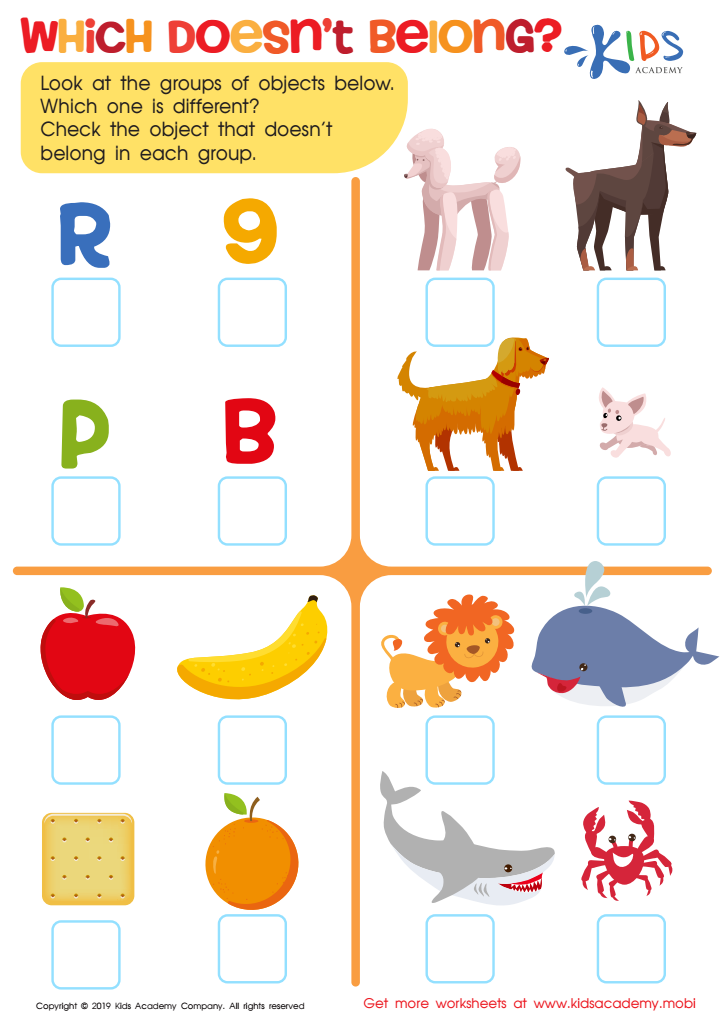
Which Doesn't Belong? Worksheet
 Assign to My Students











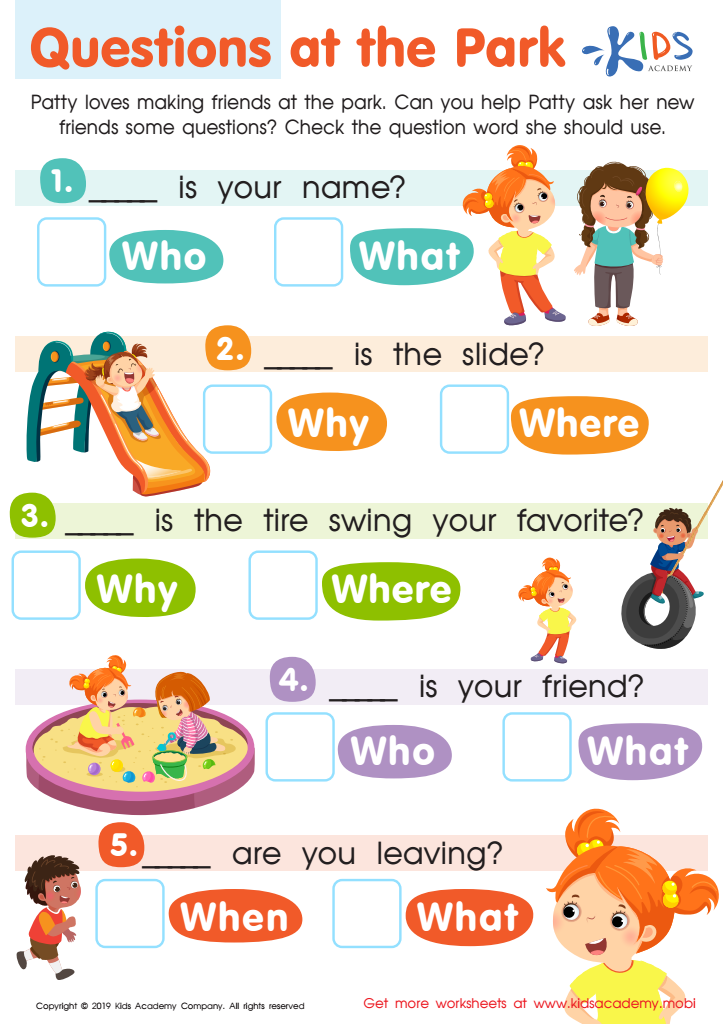
Questions at the Park Worksheet
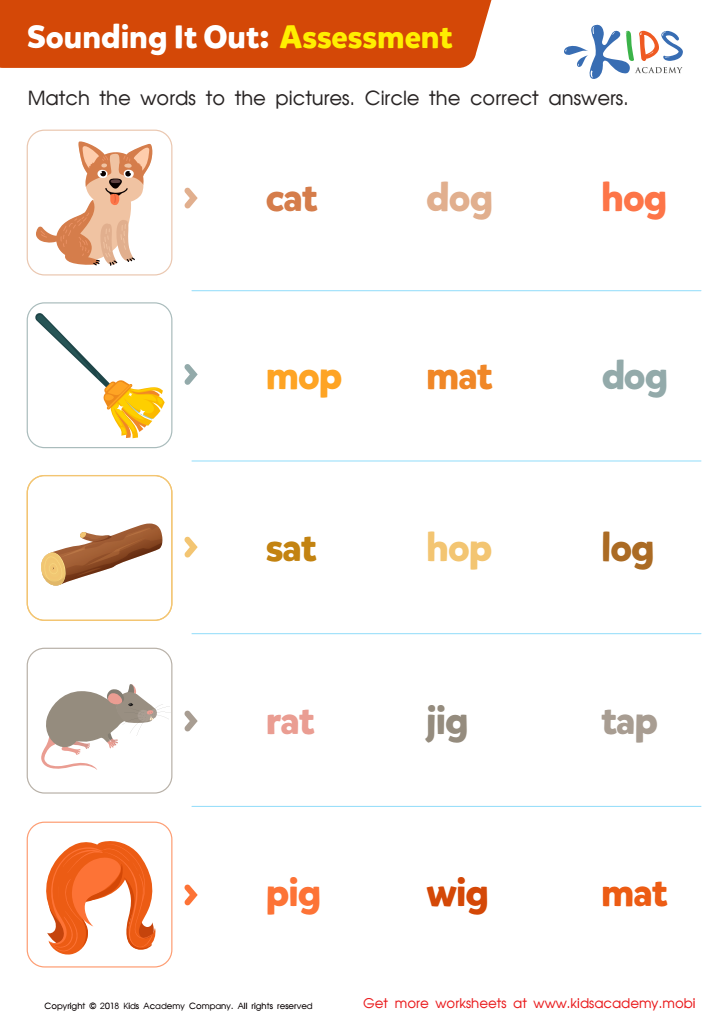
Sounding it Out: Assessment Worksheet
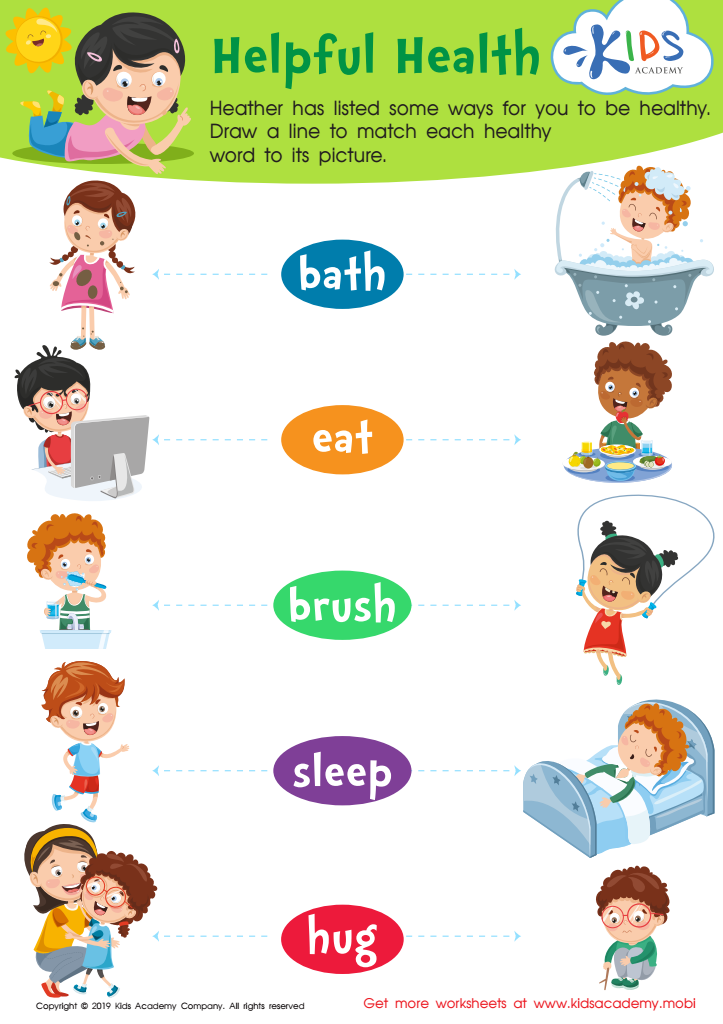
Helpful Health Worksheet


.jpg)





Developing logical reasoning and building vocabulary in 4-year-olds lays a critical foundation for future learning and cognitive growth. At this age, children's brains are exceptionally receptive to new information and skills. Logical reasoning helps children learn to think systematically and draw connections between different pieces of information. This strengthens their problem-solving abilities, enabling them to approach challenges in a structured way rather than through trial and error alone.
Building vocabulary is equally important. A rich vocabulary allows children to express their thoughts and emotions more clearly and supports reading and writing skills essential for academic success. As children's language skills grow, they better understand instructions and narratives, which enhances their ability to follow classroom activities and engage with learning materials.
Combining logical reasoning and a strong vocabulary equips children with the tools to better navigate their environment, both socially and academically. Teachers and parents play a crucial role in this developmental stage by providing stimulating activities, asking open-ended questions, and engaging in meaningful conversations. Early development in these areas can lead to improved academic performance, better social interactions, and a lifelong habit of curiosity and learning. Thus, investing time and effort in nurturing these skills during the formative years can yield substantial long-term benefits.








