Basic Math Skills Reading Worksheets for 4-Year-Olds
8 filtered results
-
From - To
Discover our engaging Basic Math Skills Reading Worksheets designed specifically for 4-year-olds! These worksheets provide a fun and interactive way for young learners to explore essential math concepts through reading. With colorful illustrations and age-appropriate activities, children can boost their counting, number recognition, and basic problem-solving skills. Our resources help develop early literacy while cultivating a strong foundation in math. Perfect for at-home learning or classroom settings, these worksheets are aligned with early childhood education standards. empower your child's learning journey today with our unique math reading activities! Download and print your worksheets now for endless educational fun.
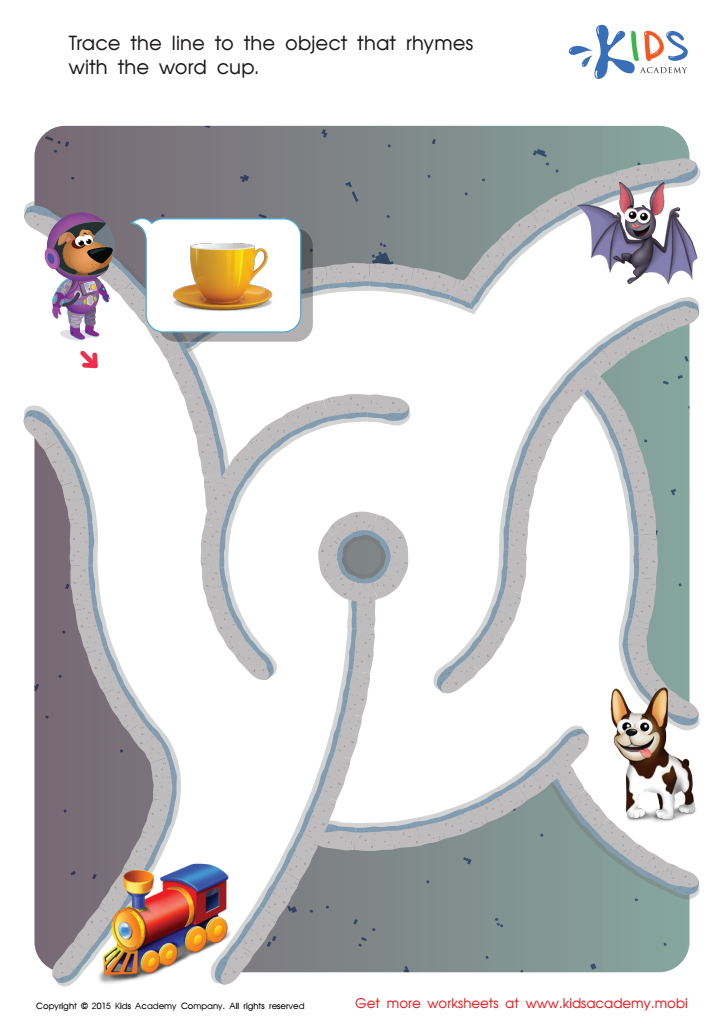
Cup Rhyming Words Worksheet
 Assign to My Students
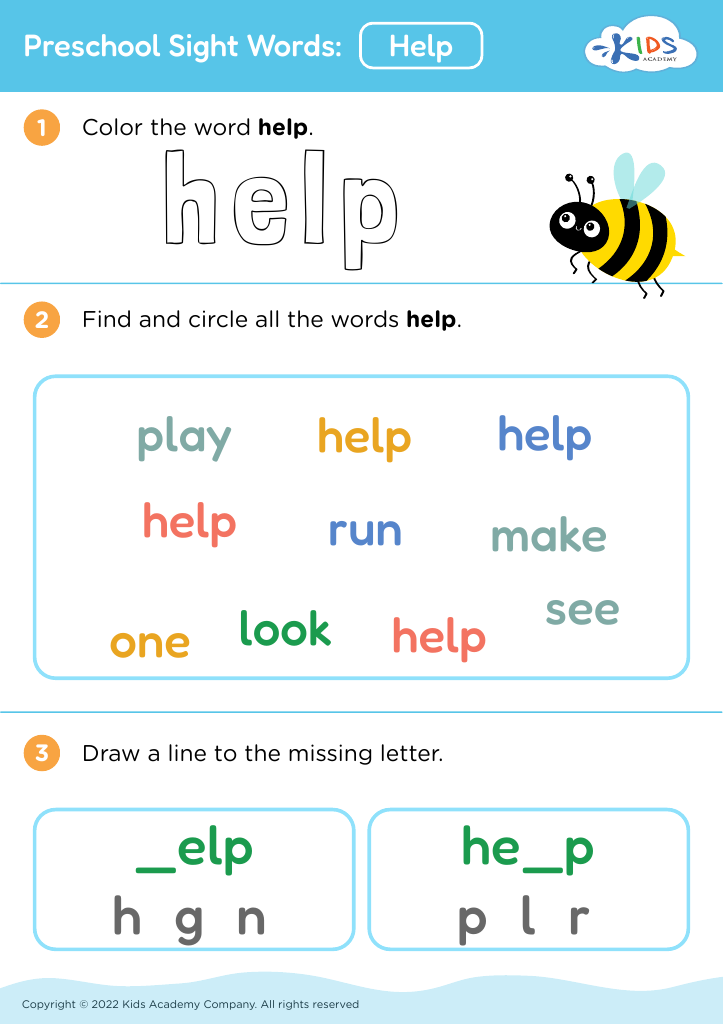
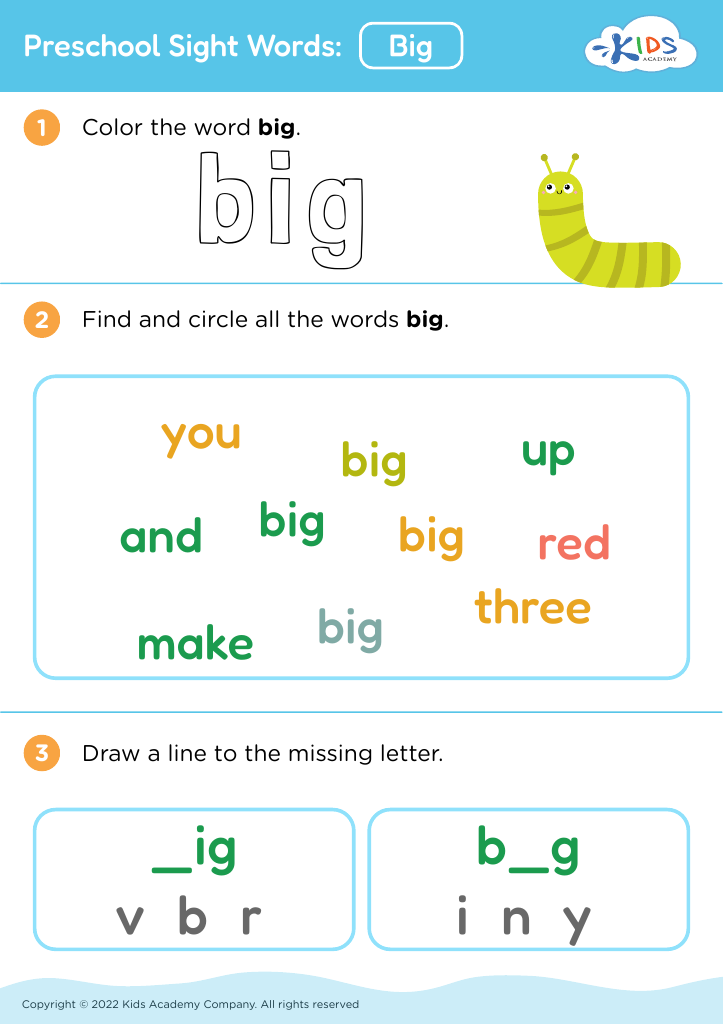
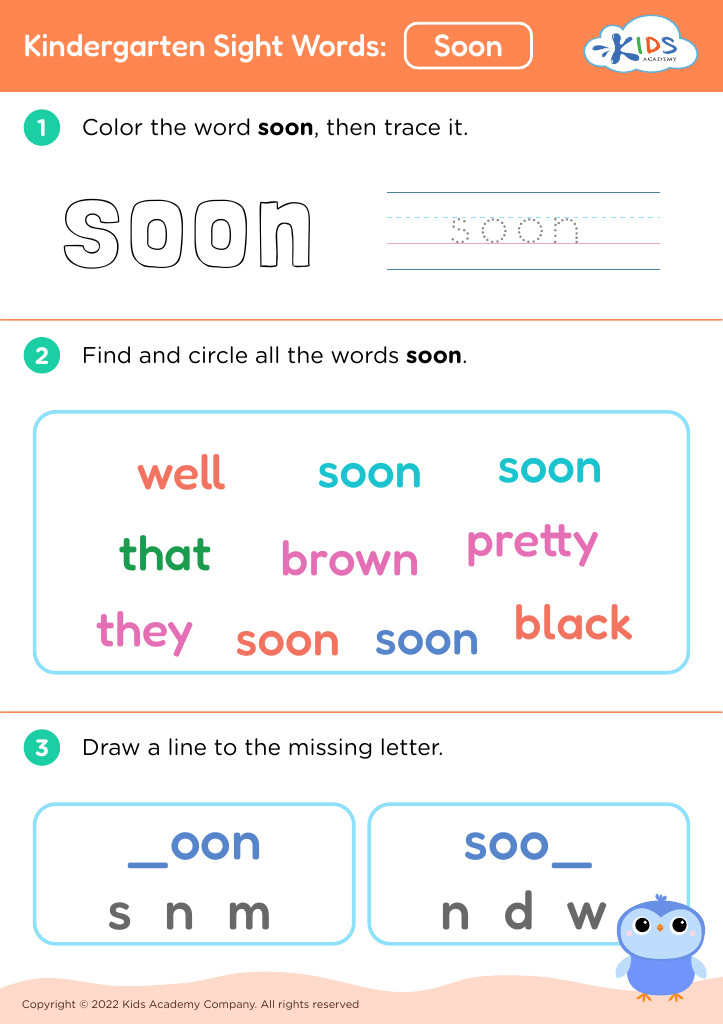
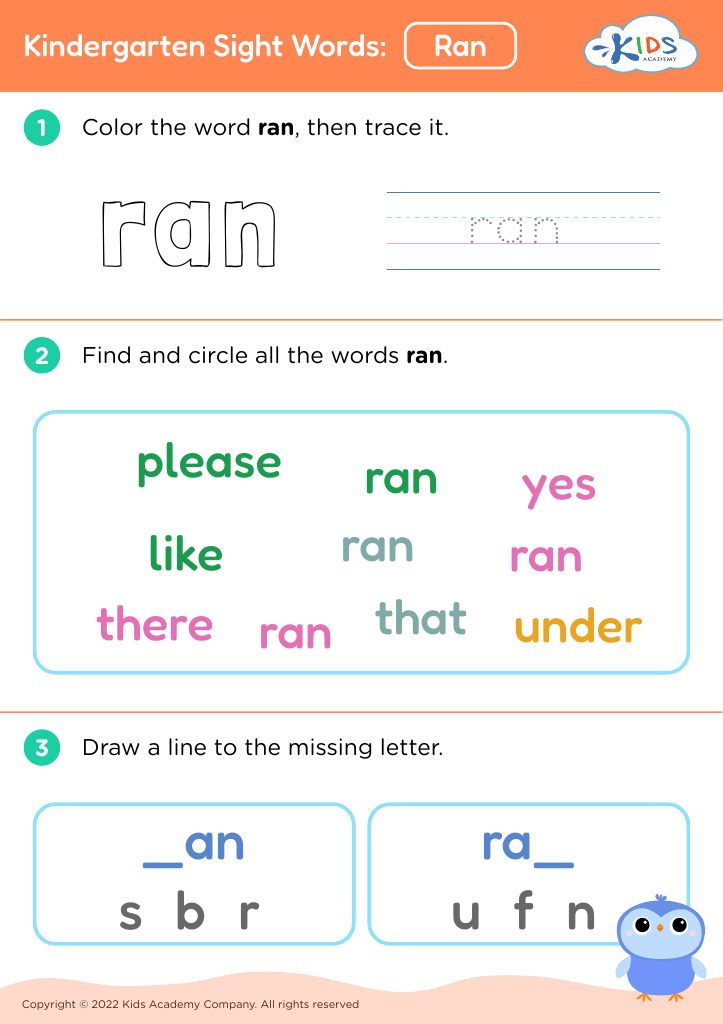
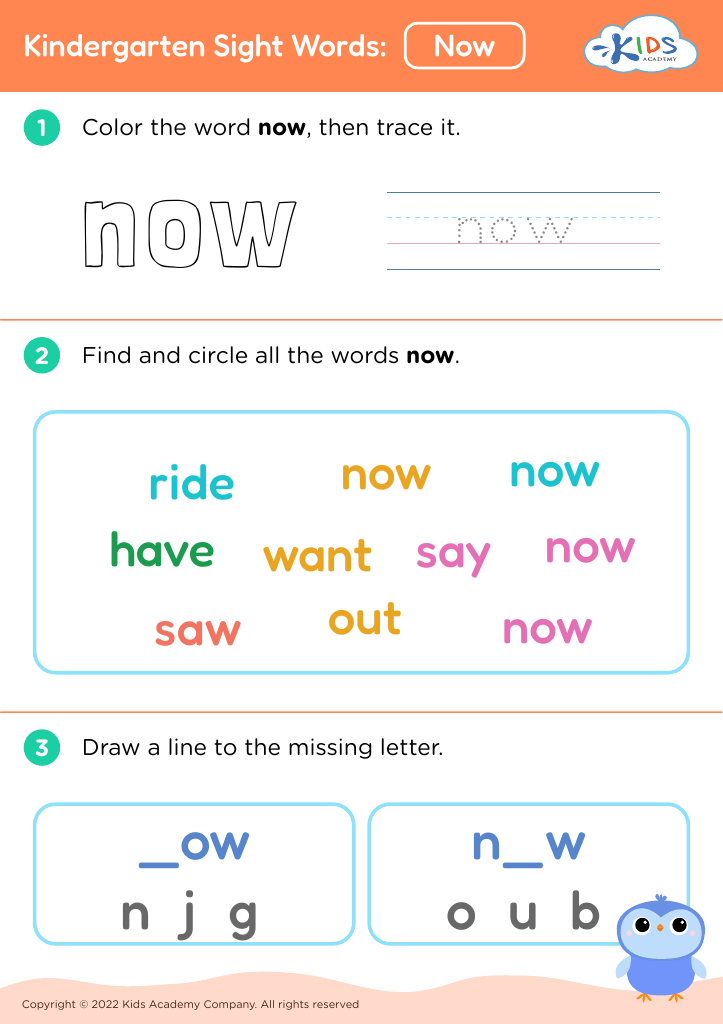
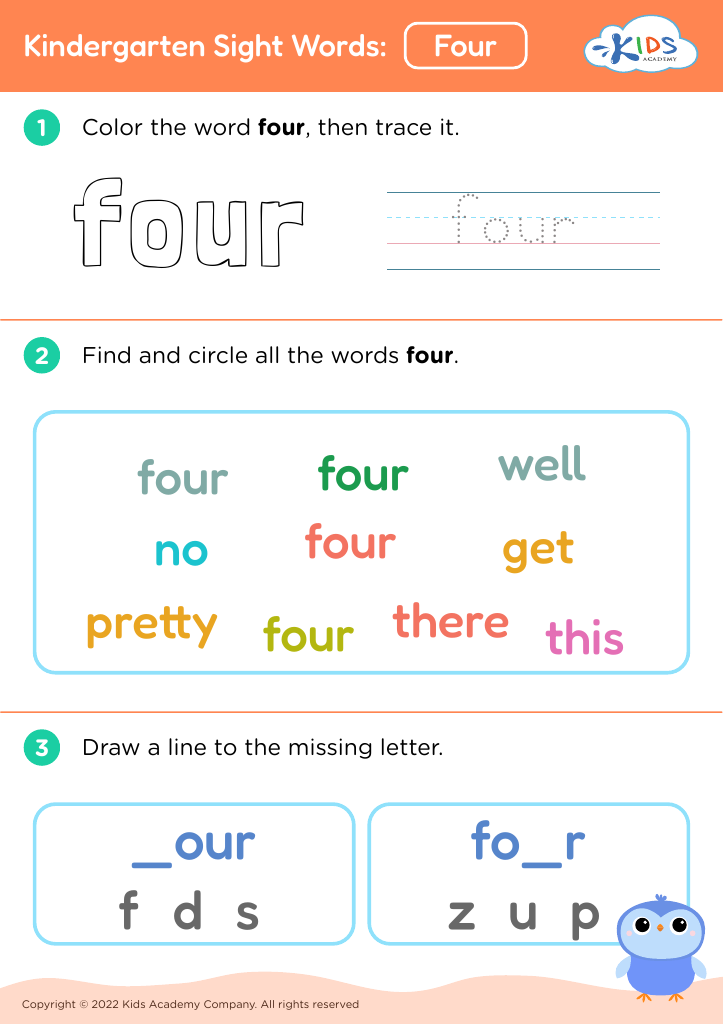
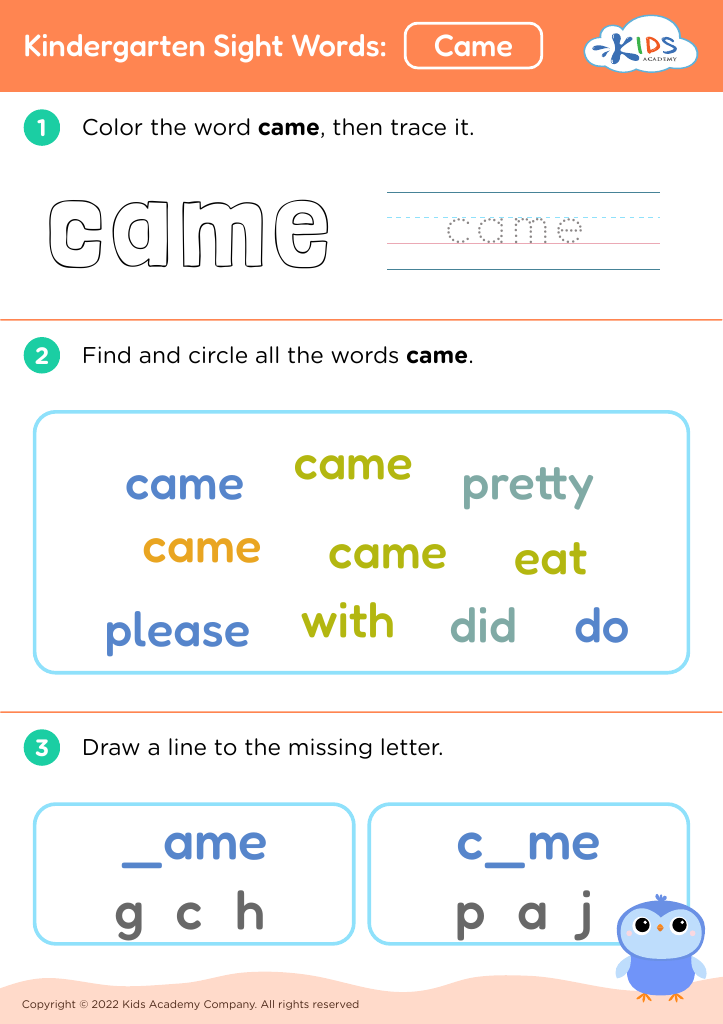





.jpg)


Parents and teachers should prioritize basic math and reading skills for 4-year-olds because these foundational abilities are crucial for children's overall development and future academic success. At this age, children are naturally curious, and fostering their interest in math and reading can set the stage for lifelong learning.
Basic math skills, such as counting, recognizing shapes, and understanding patterns, help young children develop critical thinking and problem-solving abilities. These skills are not just about numbers; they enhance analytical thinking, which is essential for navigating daily tasks and understanding the world around them. Similarly, early reading skills, such as recognizing letters and understanding simple words, boost language development and comprehension, laying the groundwork for effective communication.
Engaging children in math and reading activities through fun and interactive methods—like storytelling, games, or songs—makes learning enjoyable and encourages a positive attitude toward education. Early exposure to these subjects also builds confidence, reduces school anxiety, and promotes a sense of accomplishment. Overall, cultivating basic math and reading skills in young children nurtures their cognitive, social, and emotional growth, preparing them for more complex concepts as they progress in their educational journey.








