
Understanding patterns Reading Worksheets for 4-Year-Olds
4 filtered results
Difficulty Level
Grade
Age
-
From - To
Subject
Activity
Standards
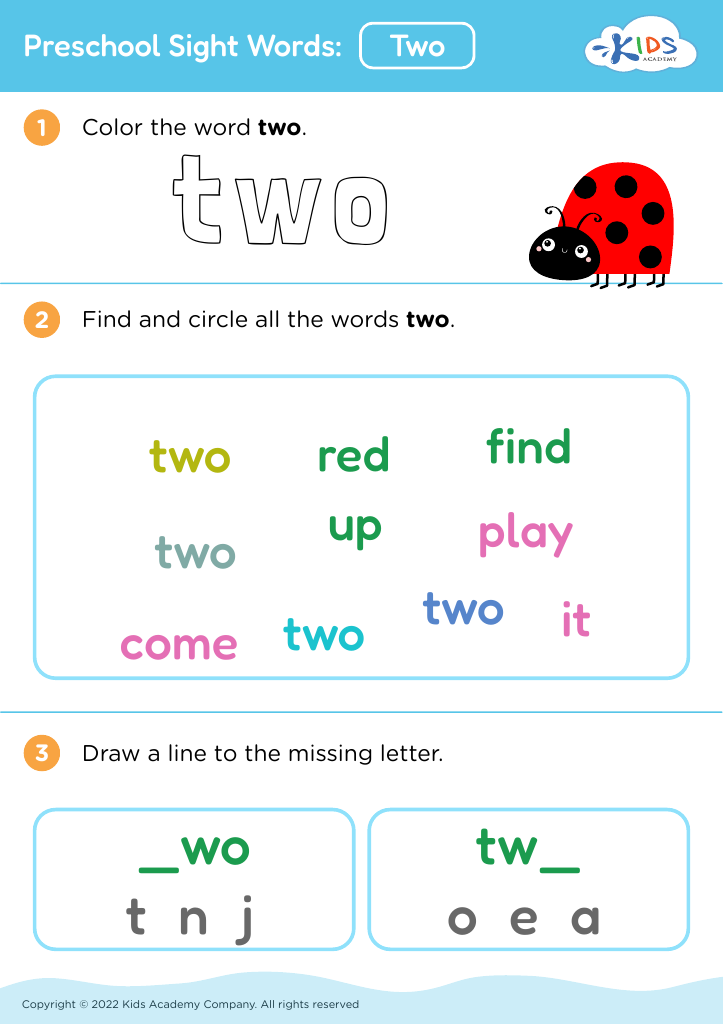
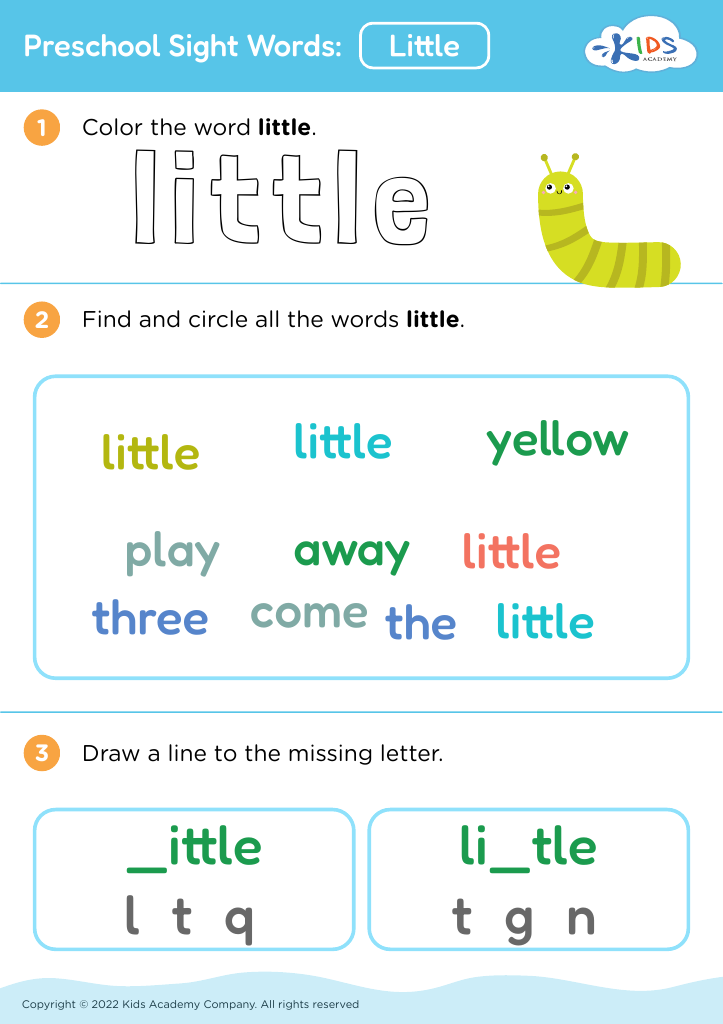
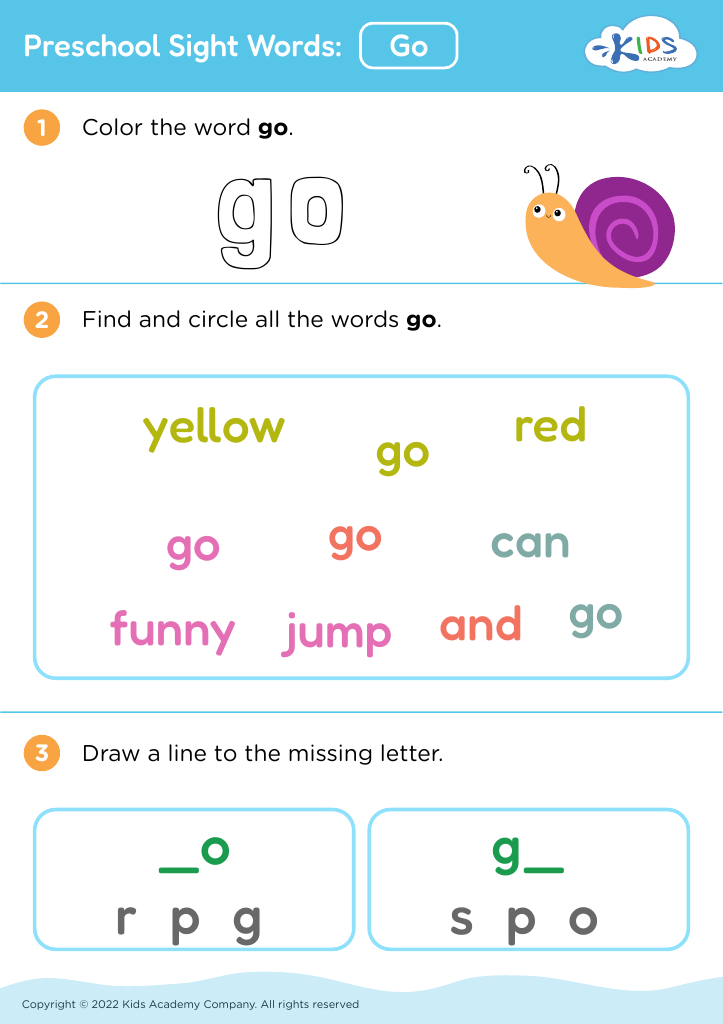
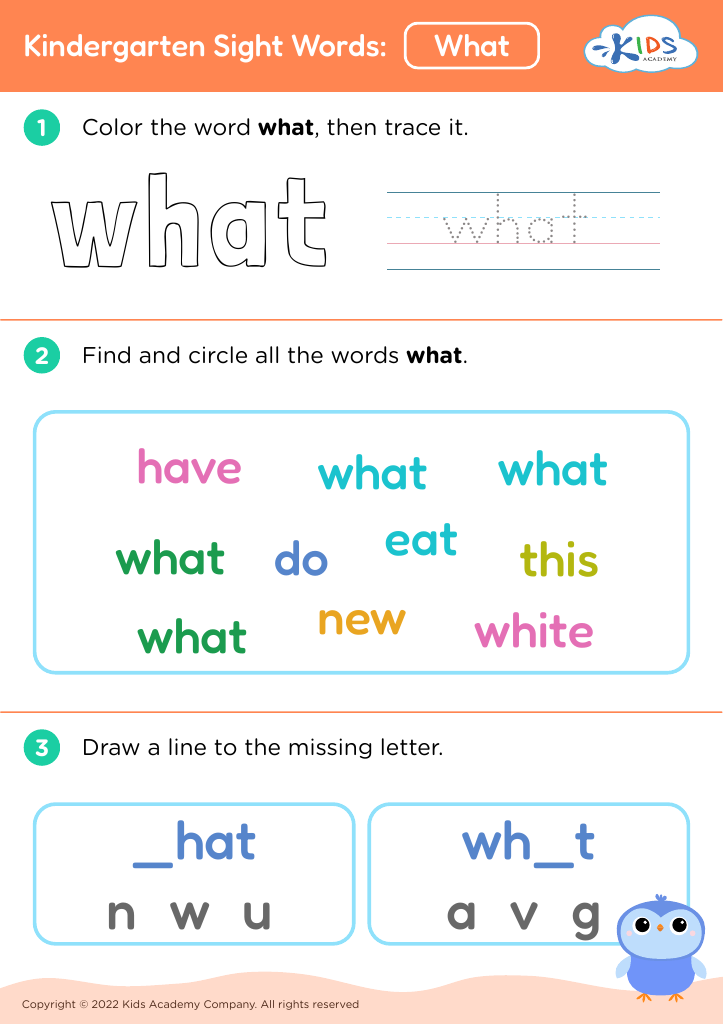
Unlock the world of patterns with our expertly designed reading worksheets for 4-year-olds. At Kids Academy, we believe in making learning fun and engaging. These worksheets are crafted to help young learners recognize and understand various patterns through colorful illustrations and interactive activities. By identifying sequences and predicting what comes next, children enhance their critical thinking and early math skills. Perfect for both classroom and home use, our easy-to-follow worksheets provide a solid foundation in pattern recognition, ensuring your child feels confident and excited about learning. Join us at Kids Academy and witness your child’s progress through endless discovery and joy!
Favorites
With answer key
Interactive
Join Kids Academy for Free
Who is primarily going to use this learning content?








Understanding patterns in reading is crucial for 4-year-olds because it lays the foundation for essential cognitive and literacy skills that contribute to their overall development. Recognizing and understanding patterns help young children to predict and make sense of the world around them. In terms of literacy, identifying patterns in words, sentences, and stories helps children decode language, understand the structure of words, and begin the journey to reading fluency.
Patterns strengthen a child's ability to recognize sequences, categorize objects, and understand mathematical concepts, providing a crucial skill set for their educational journey. For instance, the repetitive patterns in nursery rhymes and simple storybooks enable children to anticipate what comes next, enhancing both their comprehension and retention. This early pattern recognition fuels their curiosity and engagement with texts.
In addition, mastering patterns improves a child’s problem-solving and critical thinking abilities. When children can identify patterns, they can apply this knowledge to new situations, promoting a more profound understanding of concepts and sparking intellectual curiosity. For parents and teachers, fostering pattern recognition equips children with the cognitive tools they need for academic success, building a robust early literacy foundation critical for advanced reading and writing skills in future learning.








