Filters

9 filtered results

Clear all filters
Favorites
With answer key
Interactive

9 filtered results

Difficulty Level

Grade


Enhance your 4-year-old's vocabulary with our engaging Vocabulary Development Reading Worksheets! Designed specifically for young learners, these worksheets make it easy and fun to explore new words. Each activity encourages creativity and critical thinking through colorful illustrations and interactive exercises. From matching words to pictures to simple fill-in-the-blank activities, children will develop essential language skills that foster a love for reading. These printable resources are perfect for at-home learning and early education settings. Support your child's literacy journey and build a strong vocabulary foundation today! Visit our site to access a variety of engaging worksheets tailored for early learners.

Check out this FREE Trial Lesson on Reading for age 4!

Compare and Contrast the Experiences of Characters in Familiar Stories

Favorites
With answer key
Interactive
  • 4
  • Vocabulary development
  • Reading
“The Princess and the Pea” and “Cinderella” Worksheet

“The Princess and the Pea” and “Cinderella” Worksheet

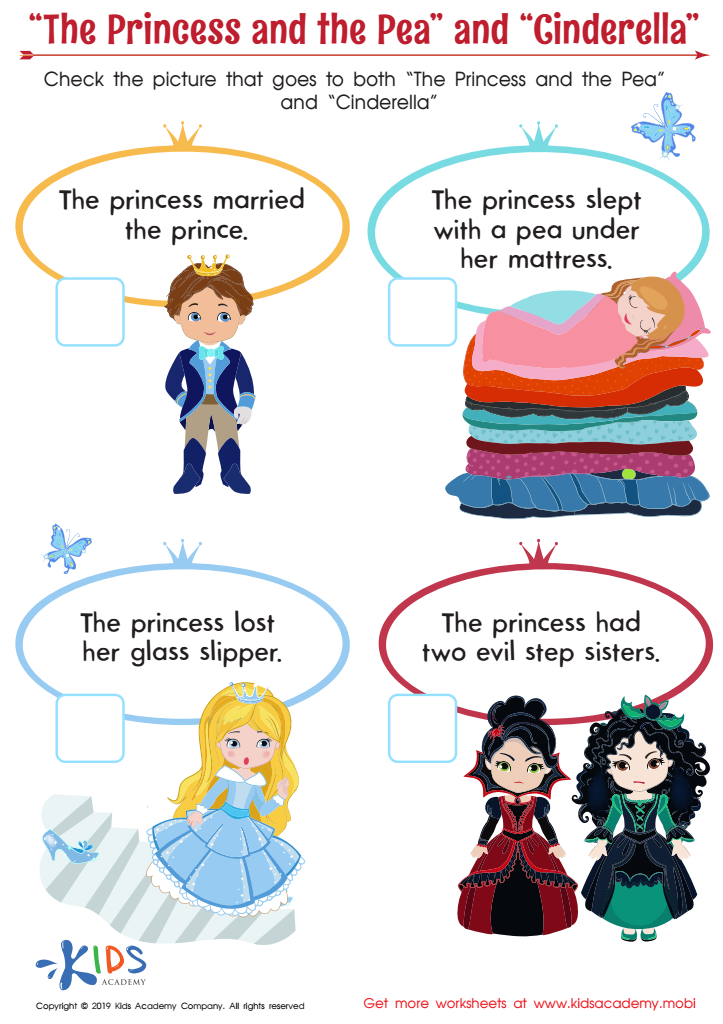
Read "Cinderella" and "The Princess and the Pea" to your little ones. Ask them what their favorite parts were and what similarities they found in the princesses. This worksheet has four pictures of scenes from the stories. Ask your kids which picture goes with both tales.
“The Princess and the Pea” and “Cinderella” Worksheet
Worksheet
Craft and Structure: Assessment 1 Worksheet

Craft and Structure: Assessment 1 Worksheet

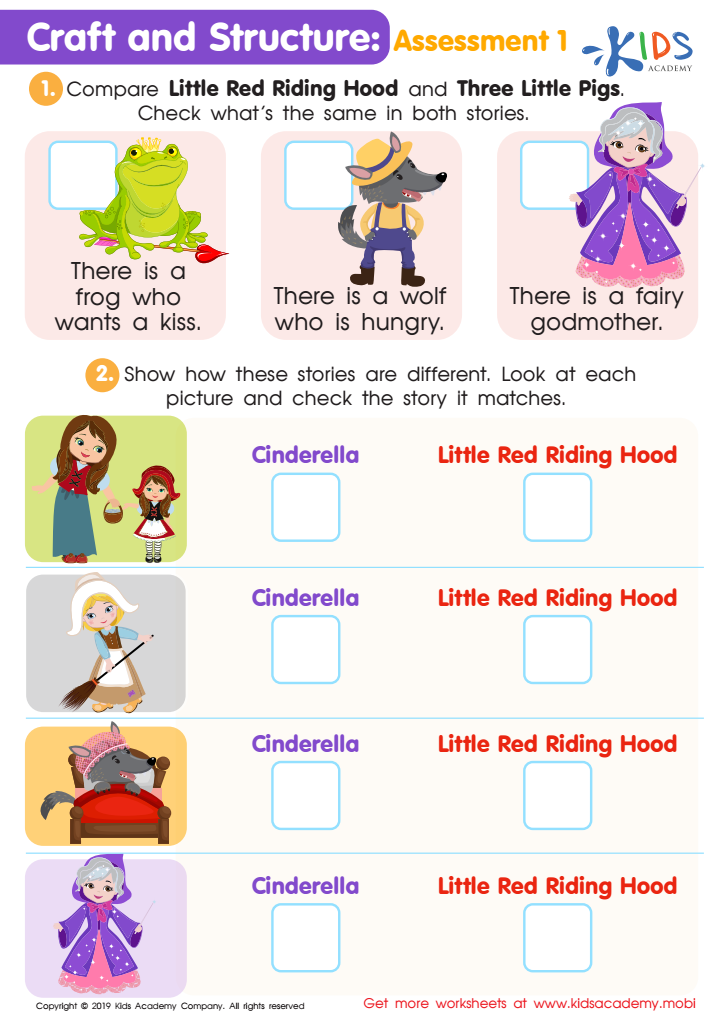
Fairytales are a great way to bond with your kids while teaching them. Popular stories include Little Red Riding Hood and Three Little Pigs. Test how well they understood these two with this assessment worksheet. Ask them to compare the two stories and check what is the same. Doing this will help kids learn new words and sentence construction, as well as teaching them life lessons.
Craft and Structure: Assessment 1 Worksheet
Worksheet
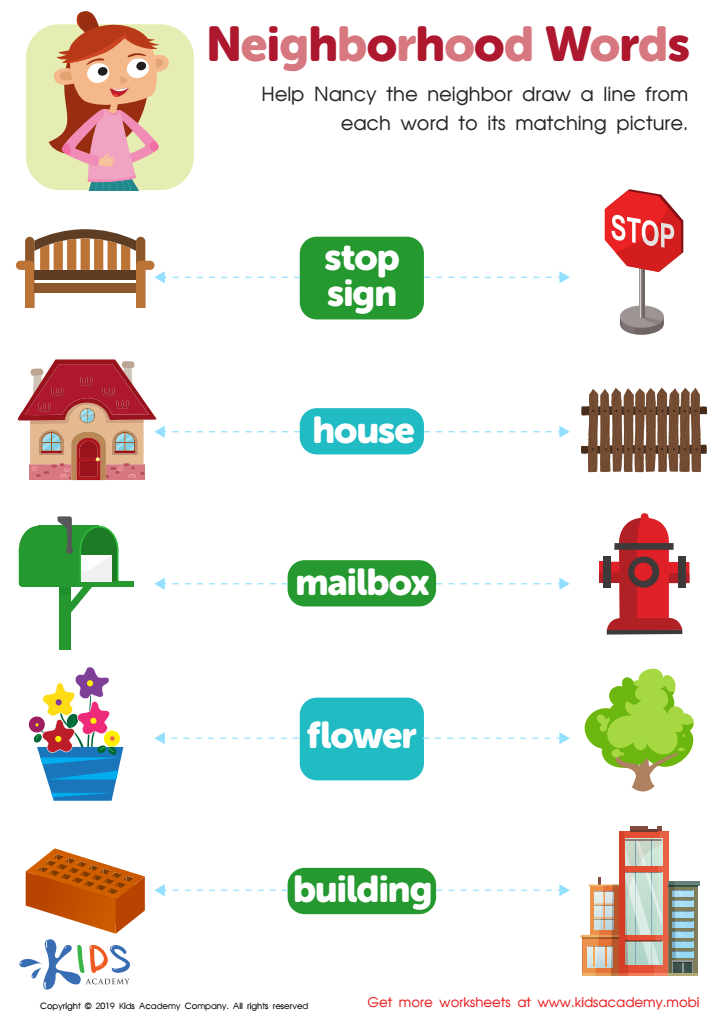
Neighborhood Words Worksheet

Neighborhood Words Worksheet

Help preschoolers develop life skills and familiarize them with words and concepts with this worksheet! It'll also boost their fine motor skills as they trace lines to match pictures with the words. They'll learn new words and feel more confident in their reading.
Neighborhood Words Worksheet
Worksheet
=
=

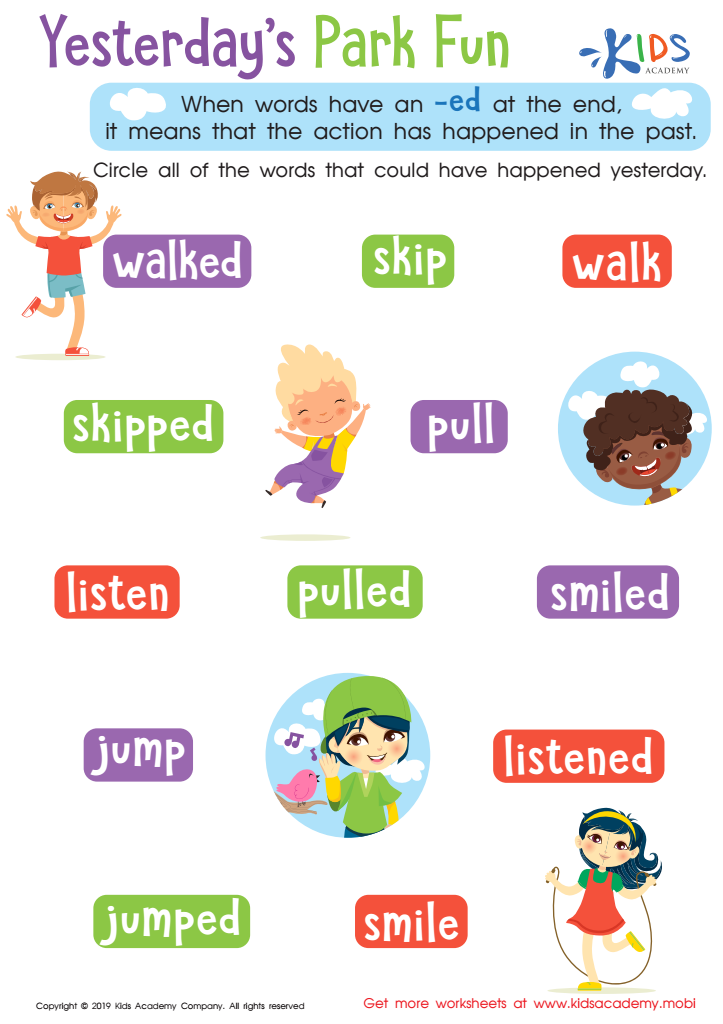
Yesterday's Park Fun Worksheet

Add -ed to the end of words and you get a word that happened in the past. This PDF helps your child understand this concept by giving practice examples: walk, pull, jump and smile can all be transformed into the past tense with a -ed suffix. They'll circle all the words that happened yesterday and learn about the past tense.
Yesterday's Park Fun Worksheet
Worksheet
Craft and Structure of Informational Texts: Assessment 1 Worksheet

Craft and Structure of Informational Texts: Assessment 1 Worksheet

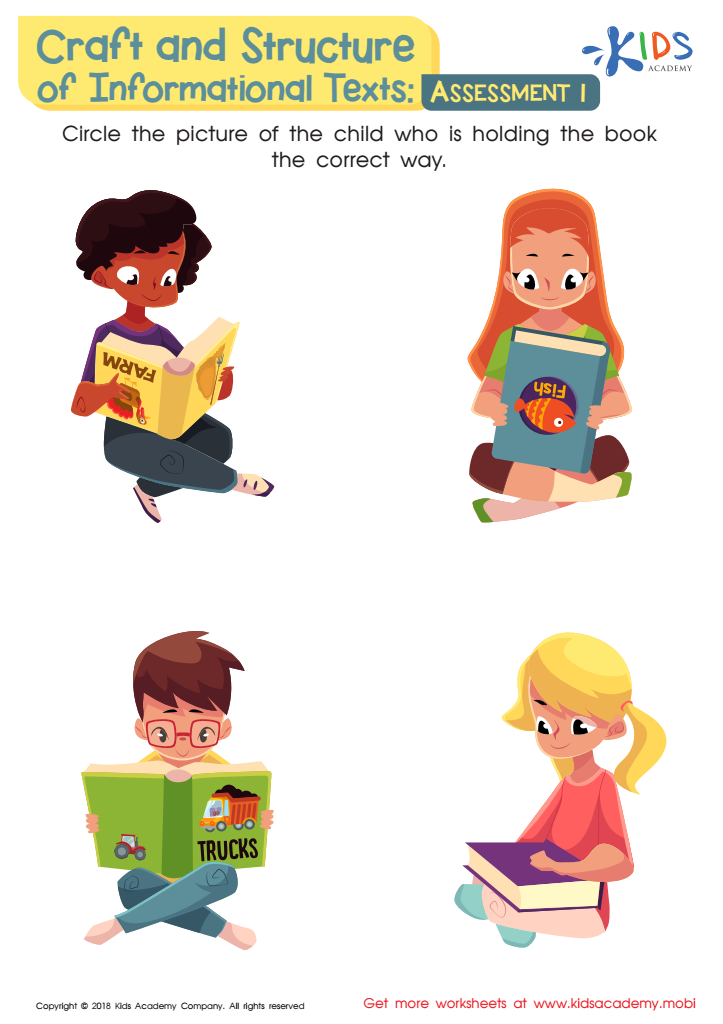
Young children need to know how to hold books correctly when they start reading. This assessment worksheet helps them show they know what to do. They'll look at the pictures and circle the child who is holding the book correctly. It's a great way to tell they are well on their way to becoming lifetime readers!
Craft and Structure of Informational Texts: Assessment 1 Worksheet
Worksheet
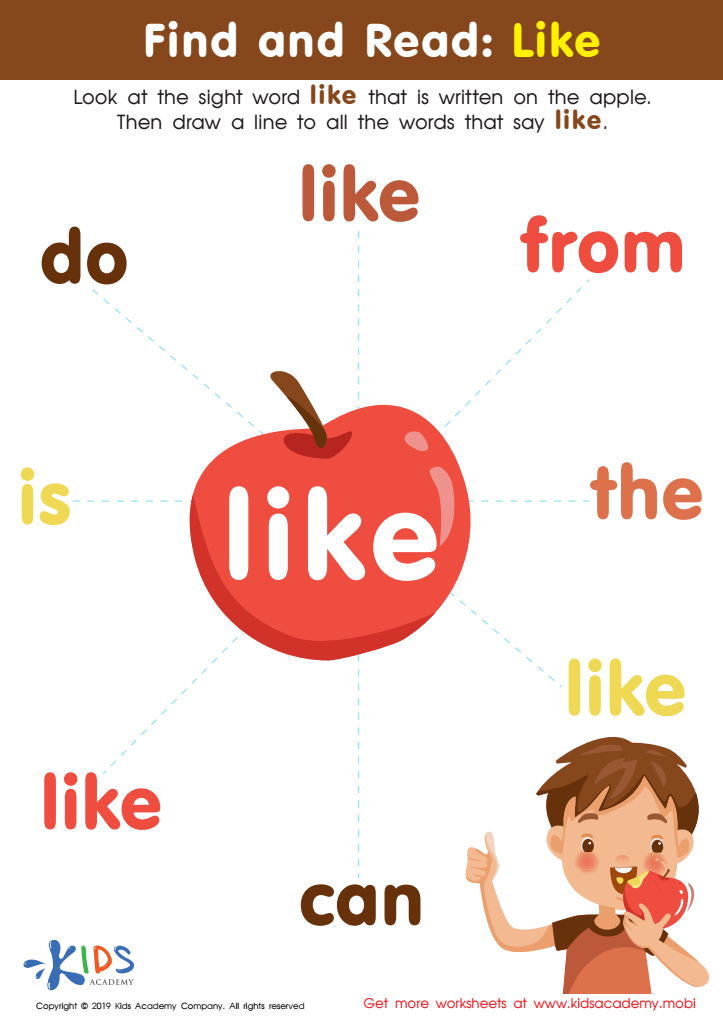
Find and Read: Like Worksheet

Find and Read: Like Worksheet

Reading starts with learning sight words. This free PDF worksheet helps kids learn the word "like" in various ways. It encourages their visual discrimination skills with its colorful design and traceable lines. It's a great way to help them recognize and differentiate this common sight word from other words that look similar.
Find and Read: Like Worksheet
Worksheet
Colored Sight Words Up or Down

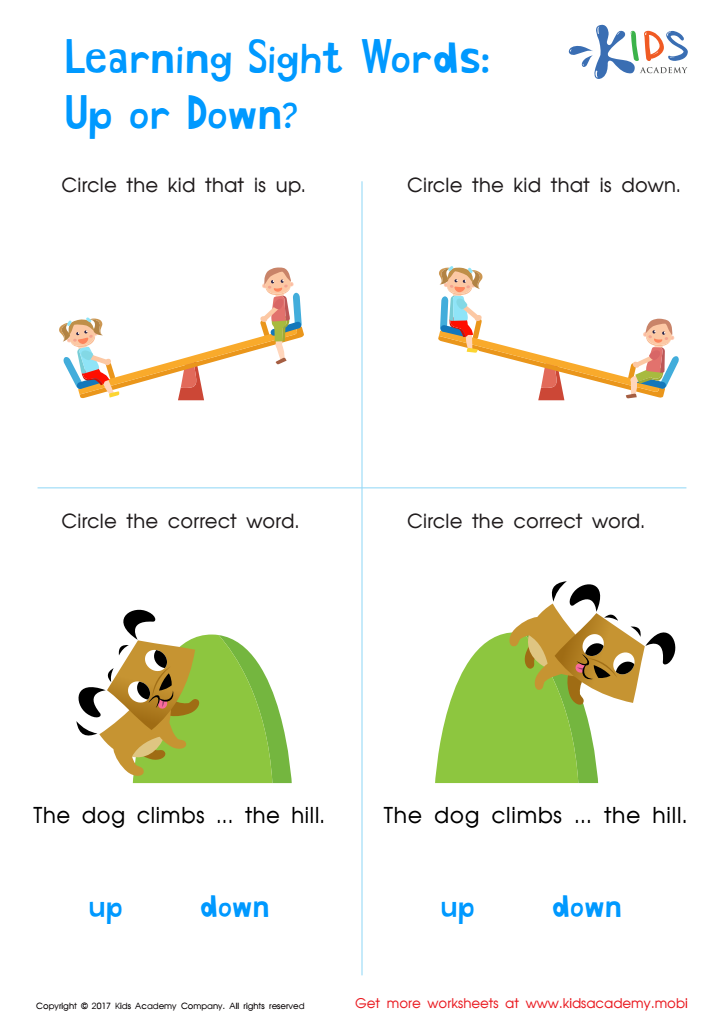
Up or Down Printable Sight Words Worksheet
Help your child identify up and down in print with this sight words worksheet. It has simple sentences, vibrant images and easy-to-read language that allow your little learner to practice these essential sight words. Perfect for early readers! Help your early reader identify and read up and down with this sight words worksheet. It provides simple sentences, clear language and vibrant images to help them practice these essential sight words. Perfect for toddlers!
Up or Down Printable Sight Words Worksheet
Worksheet
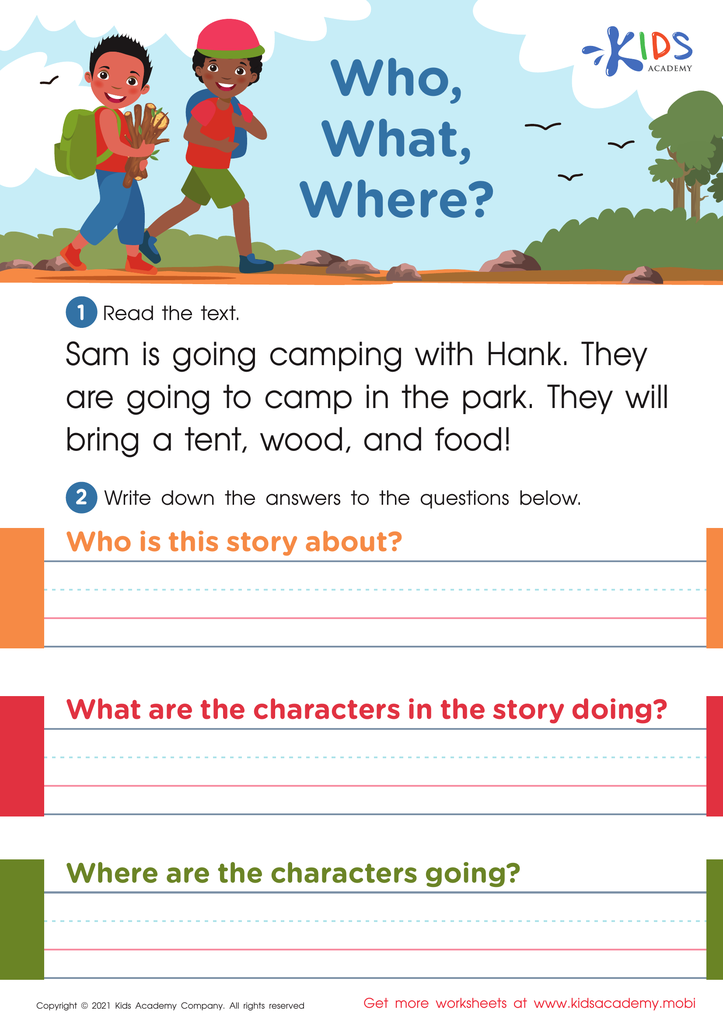
Who, What, Where? Worksheet

Who, What, Where? Worksheet

The availability of technology has changed the way students learn and interact with their environment in a very meaningful way. Technology has revolutionized learning and interaction for students. It offers an array of opportunities to engage with their surroundings, leading to a more meaningful educational experience.
Who, What, Where? Worksheet
Worksheet
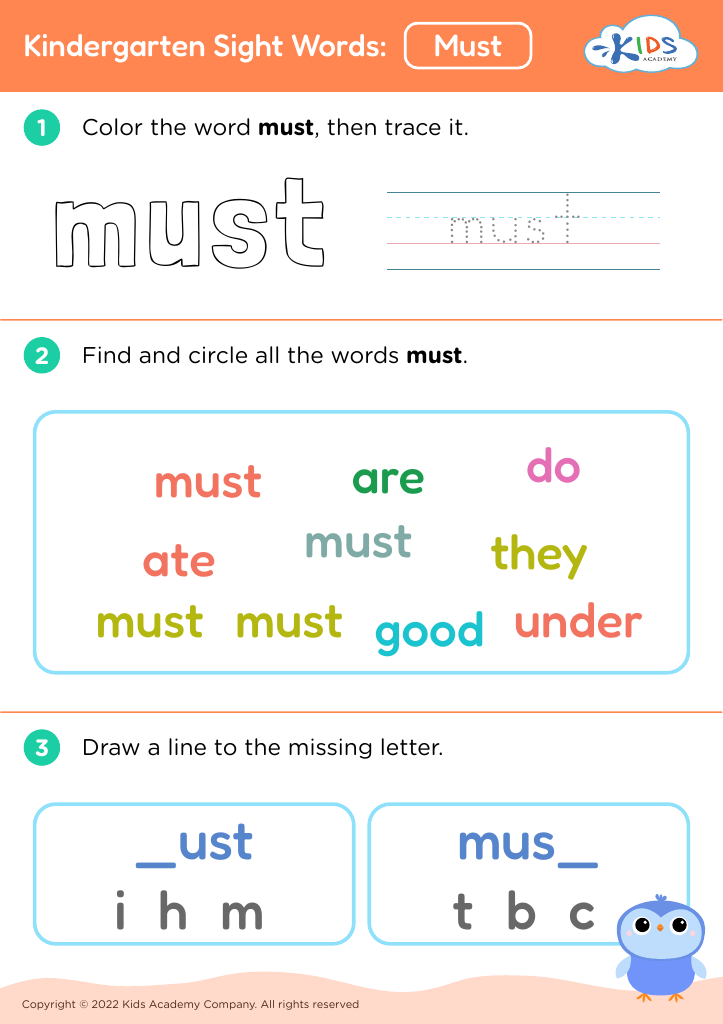
Kindergarten Sight Words: Must

Kindergarten Sight Words: Must

Kindergarten Sight Words: Must
Worksheet


Vocabulary development is crucial for 4-year-olds, as it forms the foundation for lifelong learning and communication skills. At this age, children are rapidly expanding their language abilities, and exposure to a rich vocabulary can significantly enhance their cognitive development.

Parents and teachers should care about vocabulary development as it is directly linked to literacy skills. A robust vocabulary aids in early reading success, enabling children to decode text and comprehend stories more effectively. When children can articulate their thoughts and understand the words around them, they feel more confident in their interactions, fostering a love for reading and learning.

Additionally, high vocabulary levels are associated with improved academic performance later in life. Engaging with children through storytelling, conversations, and enriching experiences helps introduce them to diverse words. This not only nurtures critical thinking but also encourages curiosity about the world.

In essence, investing time in vocabulary development with 4-year-olds can have a profound impact. It not only creates a strong base for reading and writing but also promotes social skills and emotional intelligence, setting the stage for a child’s overall development and future success.