Vocabulary development Reading Comprehension Worksheets for 4-Year-Olds
4 filtered results
-
From - To
Boost your 4-year-old's language skills with our Vocabulary Development Reading Comprehension Worksheets! These thoughtfully designed activities help young learners enhance their vocabulary while nurturing their reading comprehension. Each worksheet features engaging and age-appropriate content that makes learning fun and effective. Kids will delight in colorful illustrations and relatable themes as they explore new words and build crucial literacy foundations. Perfect for preschoolers, these worksheets support cognitive development and early reading proficiency. Give your child a head start in language mastery with our expert-crafted resources, specially tailored for curious and enthusiastic young minds. Discover the joy of learning at Kids Academy!
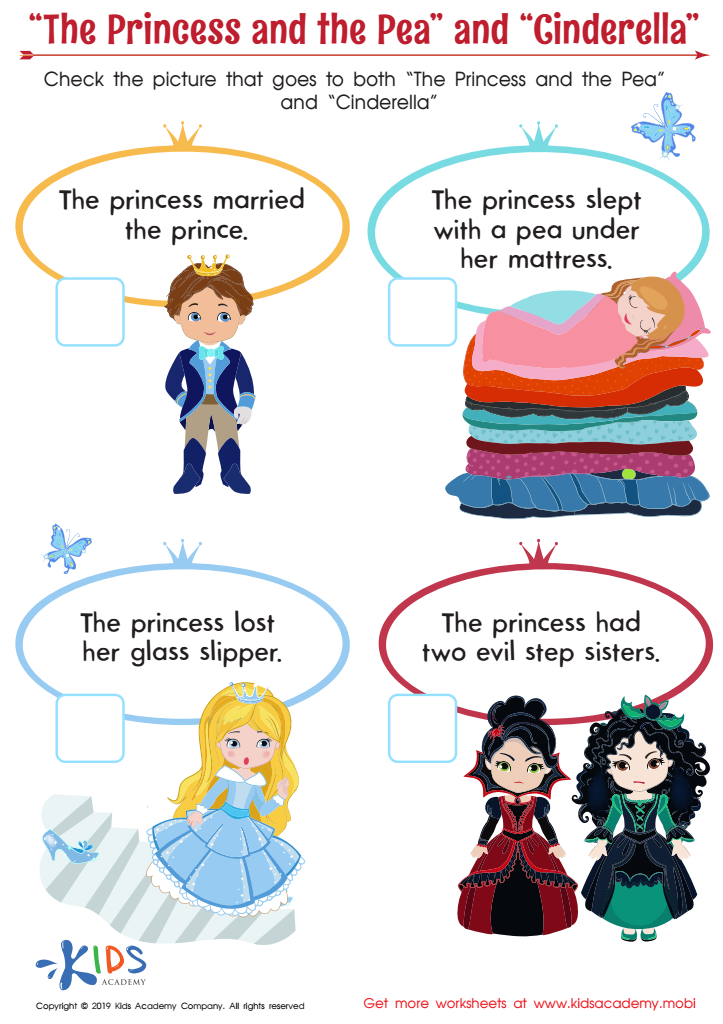
“The Princess and the Pea” and “Cinderella” Worksheet
 Assign to My Students
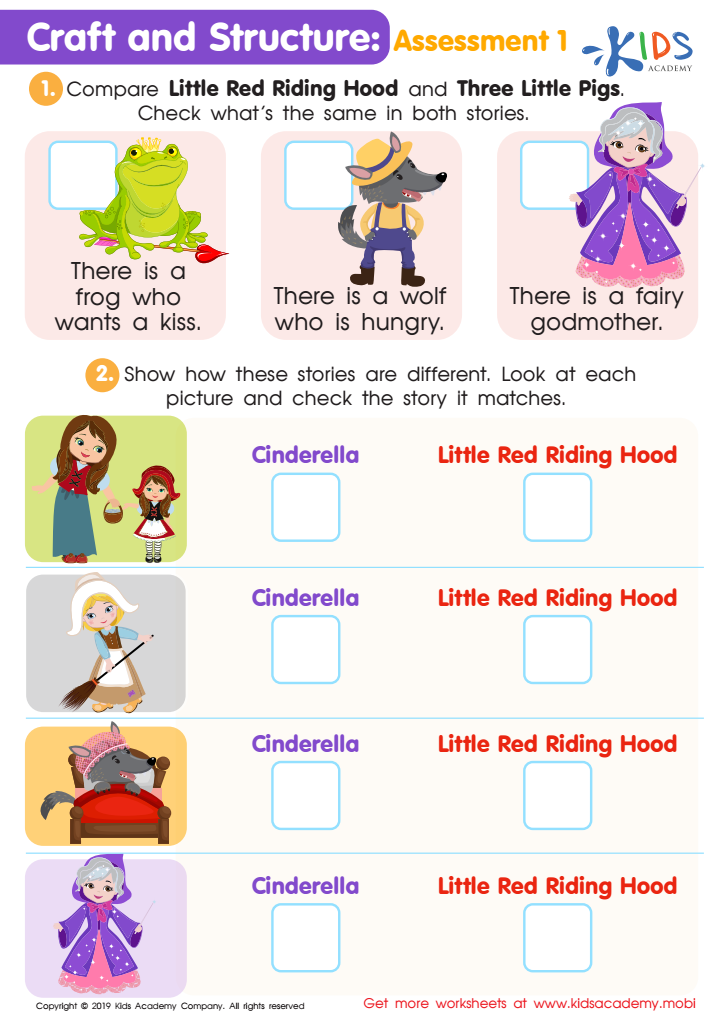
Craft and Structure: Assessment 1 Worksheet
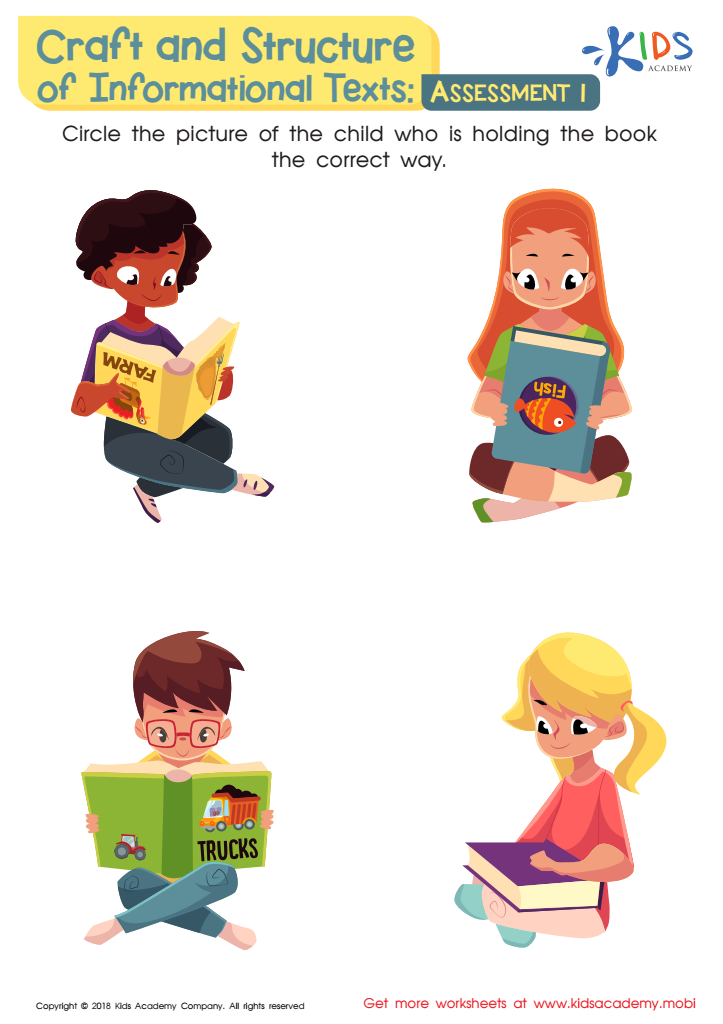
Craft and Structure of Informational Texts: Assessment 1 Worksheet
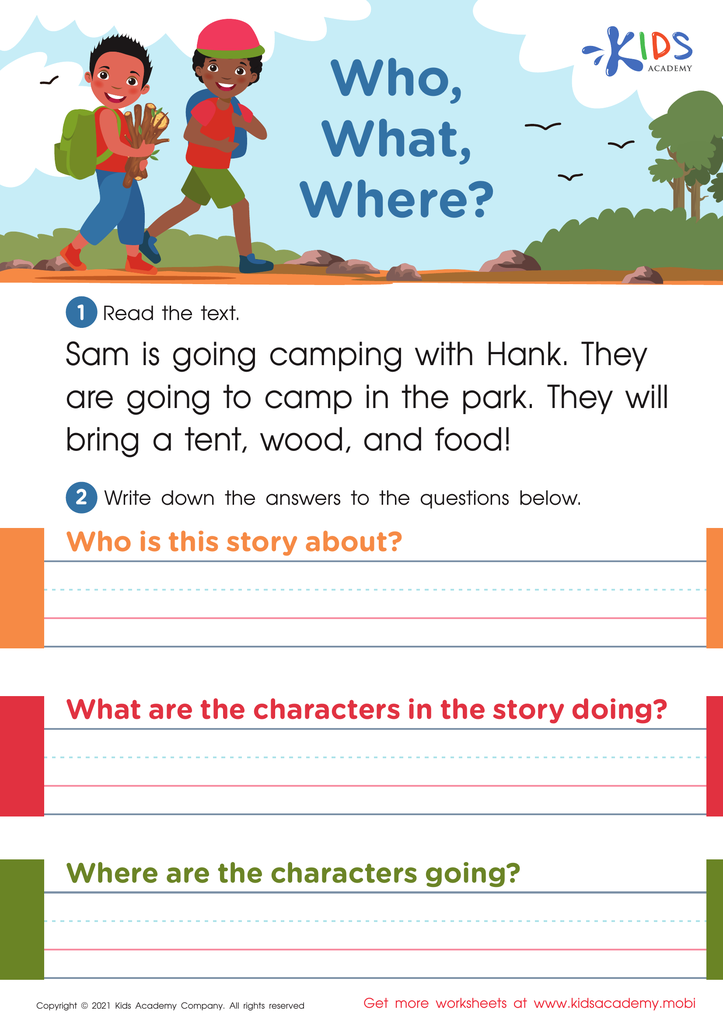
Who, What, Where? Worksheet







Fostering vocabulary development and reading comprehension in 4-year-olds is crucial for their early learning and long-term academic success. Parents and teachers play a pivotal role in nurturing these skills during the formative years when children's brains are highly receptive to new information.
Vocabulary development is a cornerstone of language acquisition. A robust vocabulary enables children to express themselves more clearly and effectively. It is foundational not only for speaking but also for thinking and understanding the world around them. As children encounter and learn new words, they become better equipped to comprehend and engage with complex ideas.
Reading comprehension, on the other hand, is an essential skill that begins developing well before children can read independently. By understanding stories and their structures, children enhance their ability to process information logically and critically. Good reading comprehension skills set the stage for academic achievements across all subjects.
By investing time in vocabulary building and reading together, parents and teachers can also foster a love of learning and a strong bond with children. Such early interactions form the basis for confident communicators with a lifelong love of reading, curiosity, and resilience. These benefits are not just academic but extend to social and emotional development, preparing children for a successful, well-rounded life.








