Cognitive Development Reading Fiction Worksheets for 4-Year-Olds
3 filtered results
-
From - To
Discover engaging "Cognitive Development Reading Fiction Worksheets for 4-Year-Olds" designed to inspire young minds. Our worksheets nurture foundational cognitive skills through enchanting stories and activities, fostering creativity, comprehension, and critical thinking. Tailored for preschool children, these worksheets make learning fun and interactive, ensuring they enter school prepared and excited. By exploring vibrant narratives and solving imaginative puzzles, kids build vocabulary, practice problem-solving, and enhance memory. Ideal for parents and educators, this resource supports early literacy development, laying the groundwork for a lifetime love of reading and learning. Start your child's journey to cognitive excellence today!
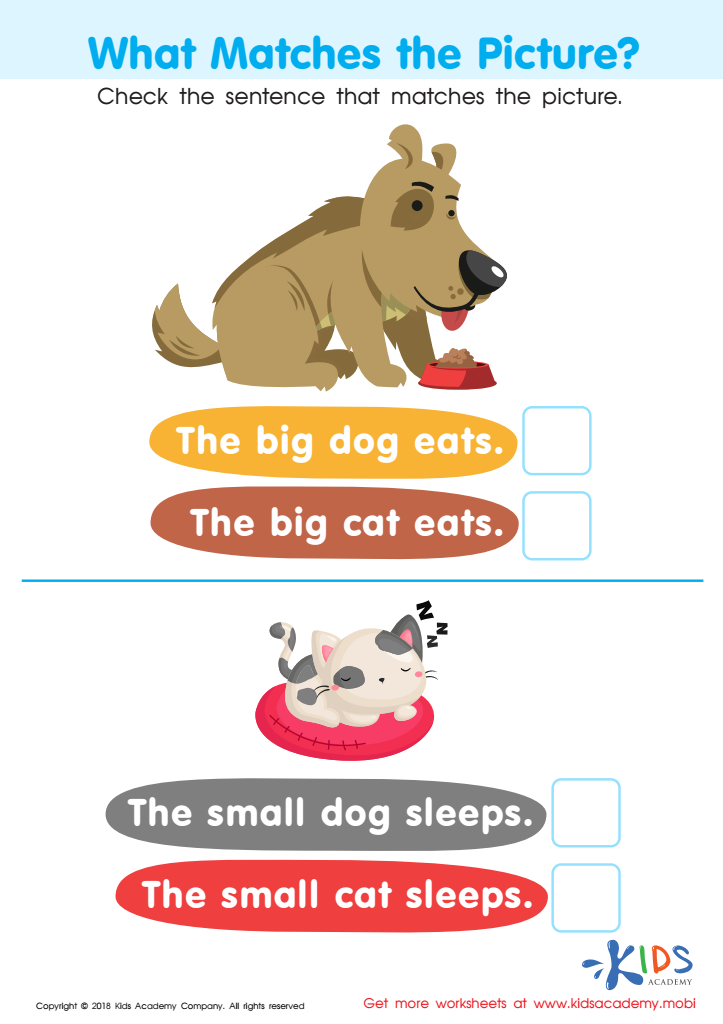
What Matches the Picture? Worksheet
 Assign to My Students
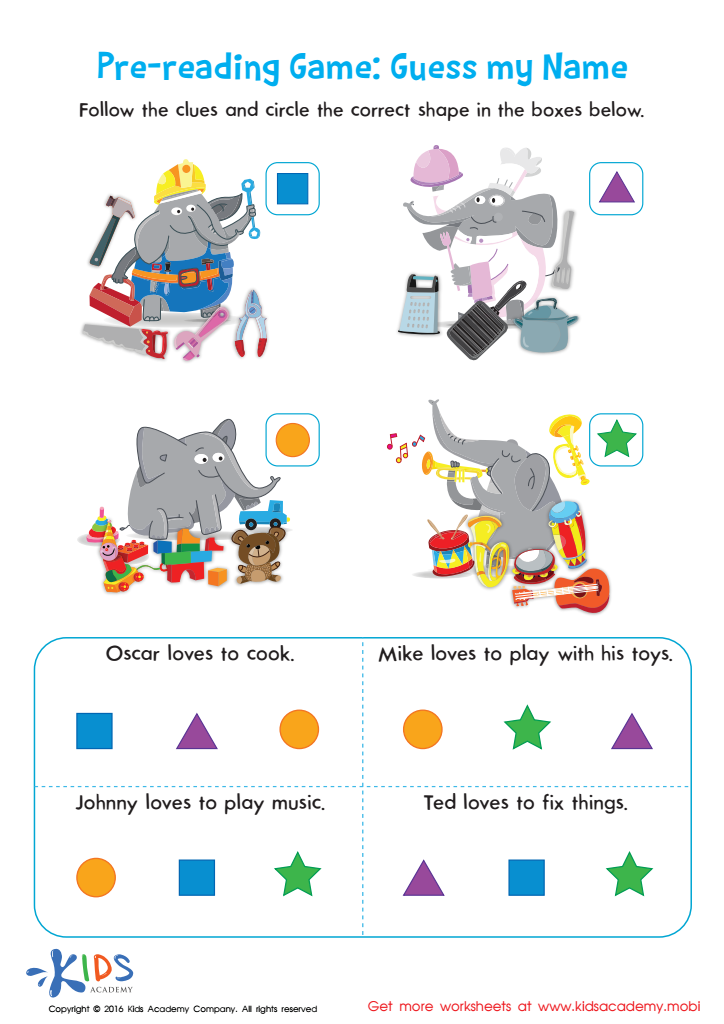
Pre Reading Worksheet Guess My Name
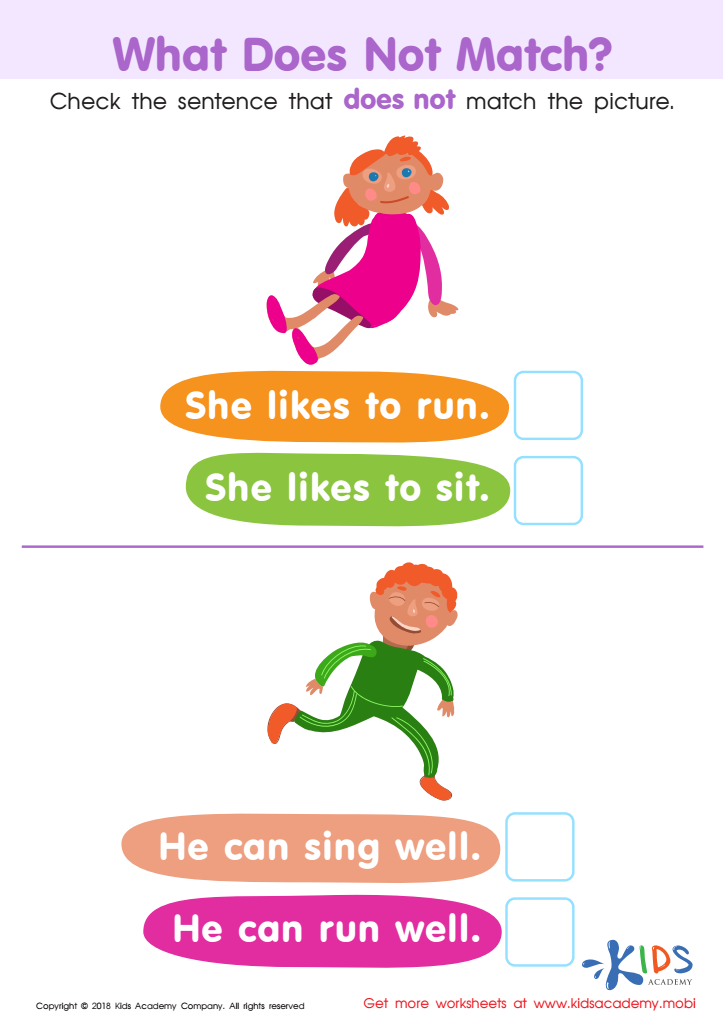
What Does Not Match? Worksheet








Caring about cognitive development through reading fiction for 4-year-olds is essential because it lays the groundwork for lifelong learning and emotional growth. At this formative age, children's brains are extraordinarily receptive, and engaging with stories nurtures vital developmental aspects.
Firstly, reading fiction enhances language skills. Exposure to varied vocabulary, sentence structures, and expressive dialogue in stories helps expand their linguistic abilities far beyond daily conversation. These language skills form the foundation for effective communication and future academic success.
Secondly, fiction stimulates imagination and creativity. As children picture story events and characters, they exercise their imagination, learning to think creatively and solve problems in innovative ways. This imaginative play is critical to cognitive flexibility, which helps them adapt to new situations.
Additionally, stories often explore emotions and social situations, teaching empathy and emotional intelligence. Understanding characters' feelings and decisions allows children to gain insight into human experiences and improve their ability to navigate social interactions.
Reading together also strengthens the bond between children and adults, creating a nurturing learning environment. This emotional security supports cognitive functions, enabling more effective learning.
Overall, reading fiction at this age supports not just cognitive development, but emotional, social, and intellectual growth, making it a cornerstone of early childhood education.








