Color recognition Reading Fiction Worksheets for 4-Year-Olds
5 filtered results
-
From - To
Discover our engaging Color Recognition Reading Fiction Worksheets designed specifically for 4-year-olds! These interactive worksheets combine literacy and color recognition, fostering essential learning through fun and relatable stories. Each activity encourages young learners to identify colors while enhancing their reading skills, making it an enjoyable experience. Perfect for at-home or classroom use, our worksheets promote creativity and critical thinking as children explore vibrant illustrations and encouraging narratives. Help your child build a strong foundation in reading and color recognition with our thoughtfully crafted, age-appropriate materials. Dive into colorful learning today and ignite your child's passion for reading and discovery!
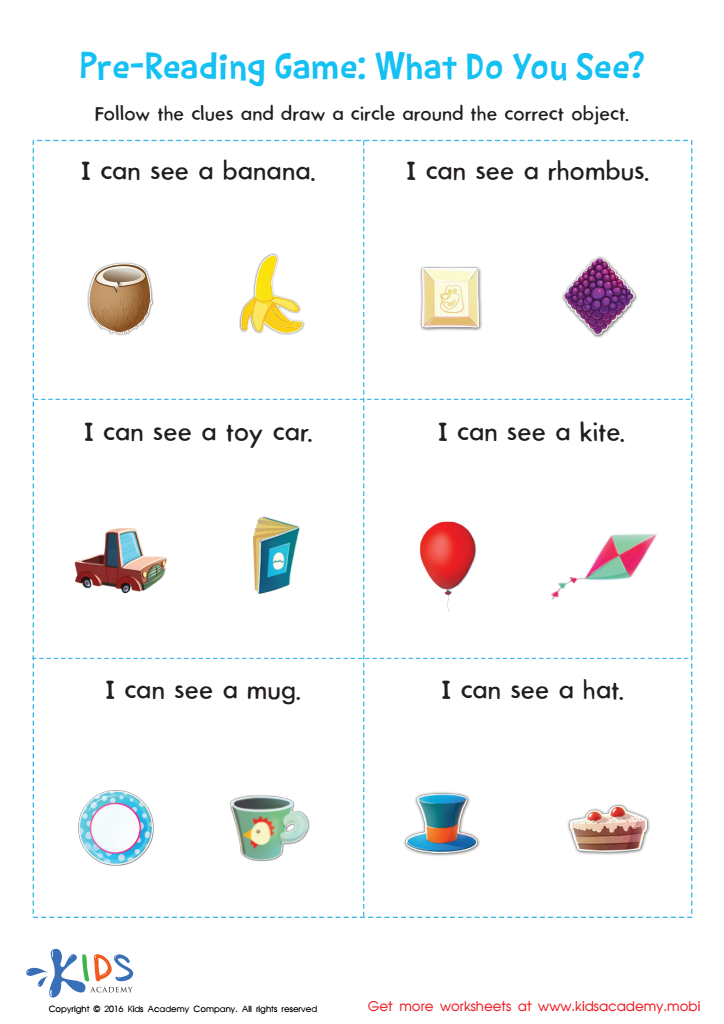
Pre–reading Worksheet: What Do You See?
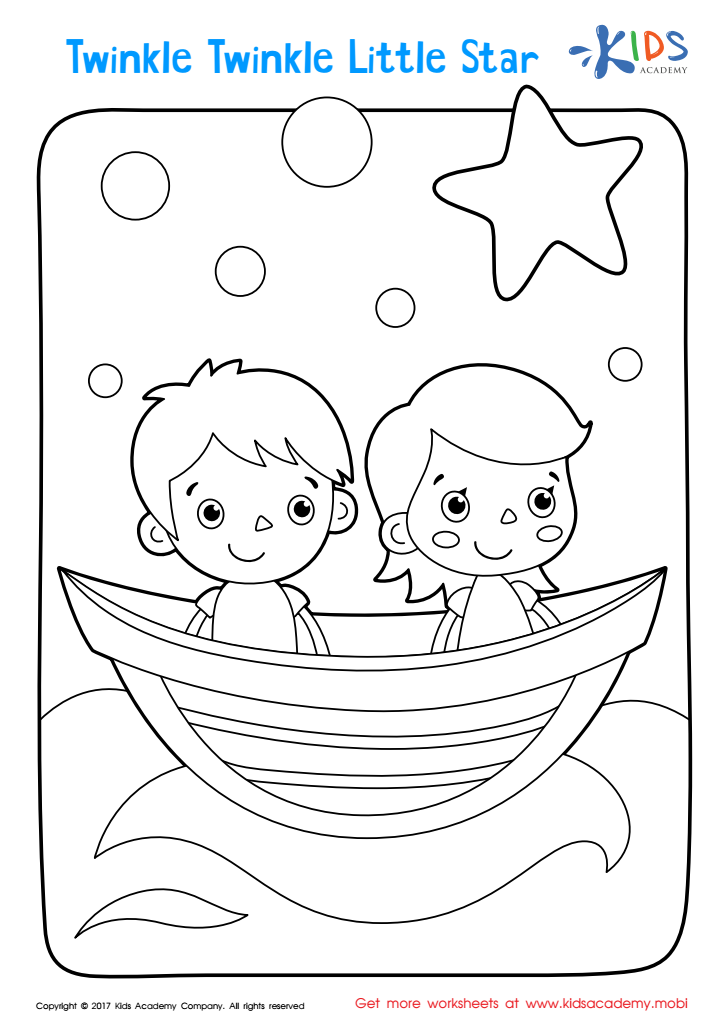
Twinkle Twinkle Little Star Coloring Page
 Assign to My Students
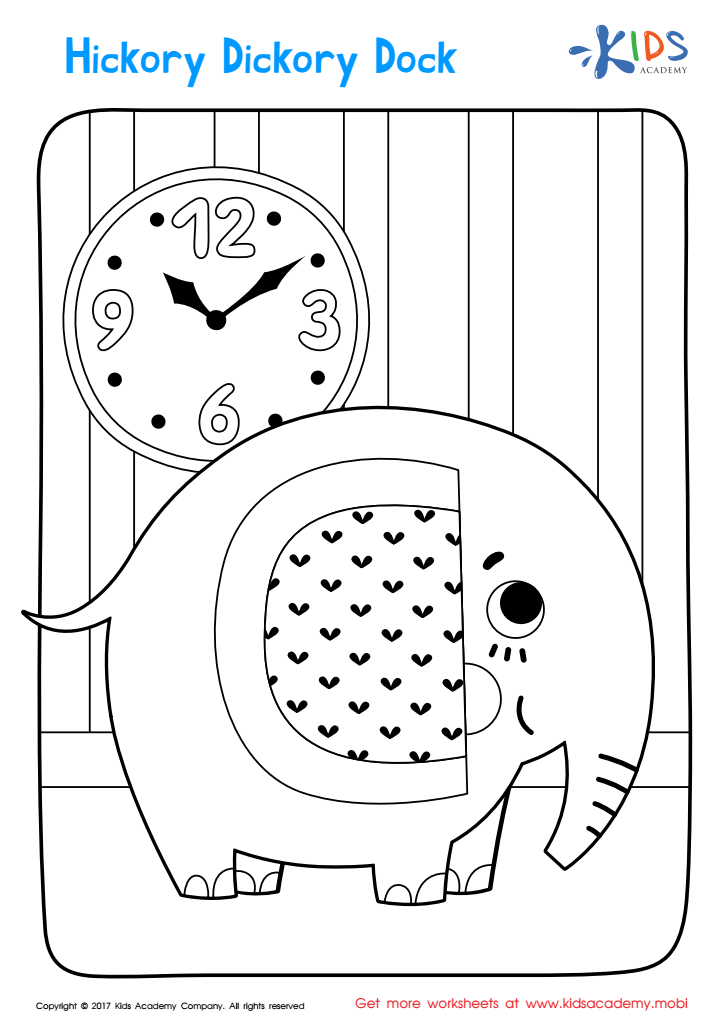
Hickory Dickory Dock Coloring Page
Assign to My Students
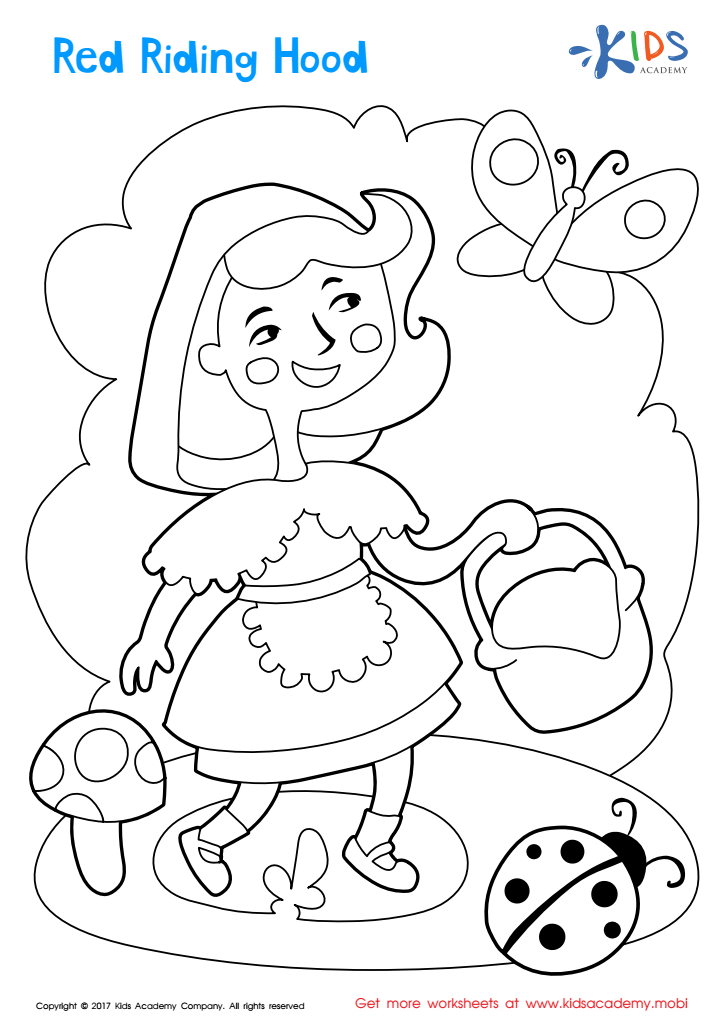
Red Riding Hood Coloring Page
Assign to My Students
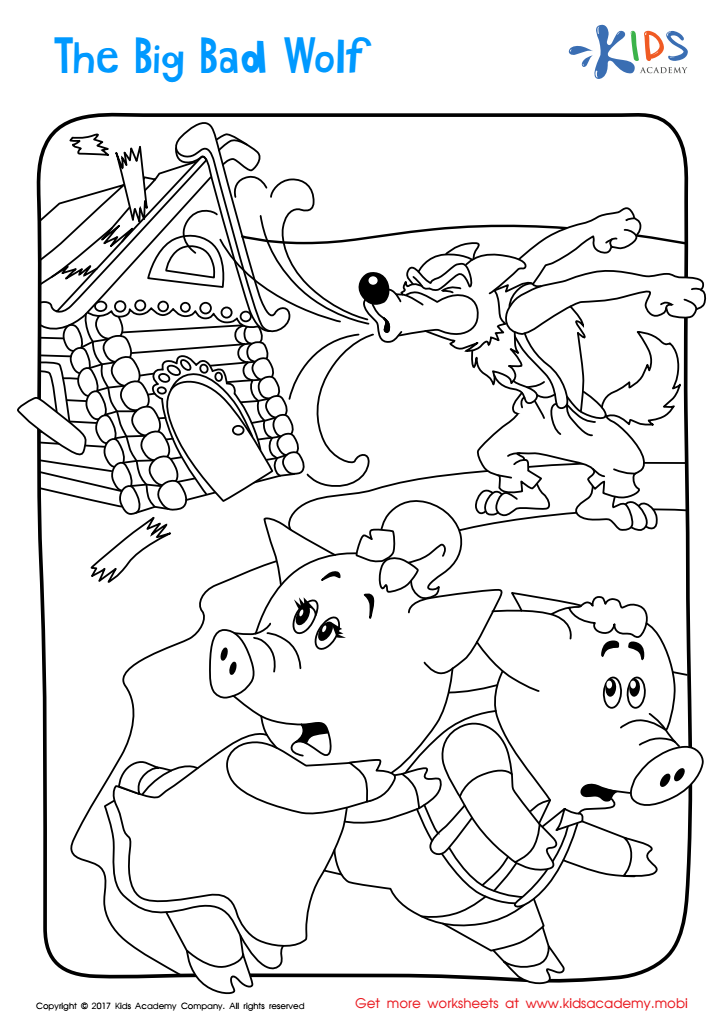
Big Bad Wolf Printable Coloring Page
Assign to My Students



.jpg)




Color recognition is a crucial early learning skill that plays a foundational role in a child's cognitive and language development. For 4-year-olds, engaging with color recognition through reading fiction can significantly enhance their learning outcomes. When children immerse themselves in colorful picture books, they learn to identify and name colors, linking them to objects and emotions, thereby expanding their vocabulary and contextual understanding.
Additionally, stories filled with vibrant illustrations captivate young children's attention and promote their imagination, helping them make connections between visuals and textual content. These experiences foster a love for reading, which is essential for future literacy skills. Teachers and parents should prioritize color recognition because it enriches children’s artistic and cognitive skills and supports their ability to classify, compare, and communicate.
Furthermore, mastering color recognition through fiction can build confidence as children describe their world using colors. This skill also lays the groundwork for more complex concepts such as patterns and categorization. Ultimately, incorporating color recognition into reading activities prepares children for successful learning experiences, enabling them to grasp more comprehensive educational concepts as they grow. Thus, both parents and teachers should actively engage children with vibrant stories that not only entertain but educate.








