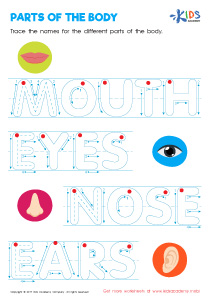
Categorization skills World Around Us Worksheets for 4-Year-Olds
3 filtered results
-
From - To
Enhance your 4-year-old's learning experience with our "Categorization Skills: World Around Us Worksheets." Designed to spark curiosity and creativity, these engaging worksheets introduce young learners to essential categorization concepts. Kids will explore various objects and themes, helping them develop critical thinking and organizational skills while having fun. Each activity is tailored to foster independence and cognitive growth, making it perfect for early education at home or in the classroom. Use our versatile worksheets to reinforce language, observation, and sorting skills as your child discovers the world around them. Start their journey of exploration and categorization today!
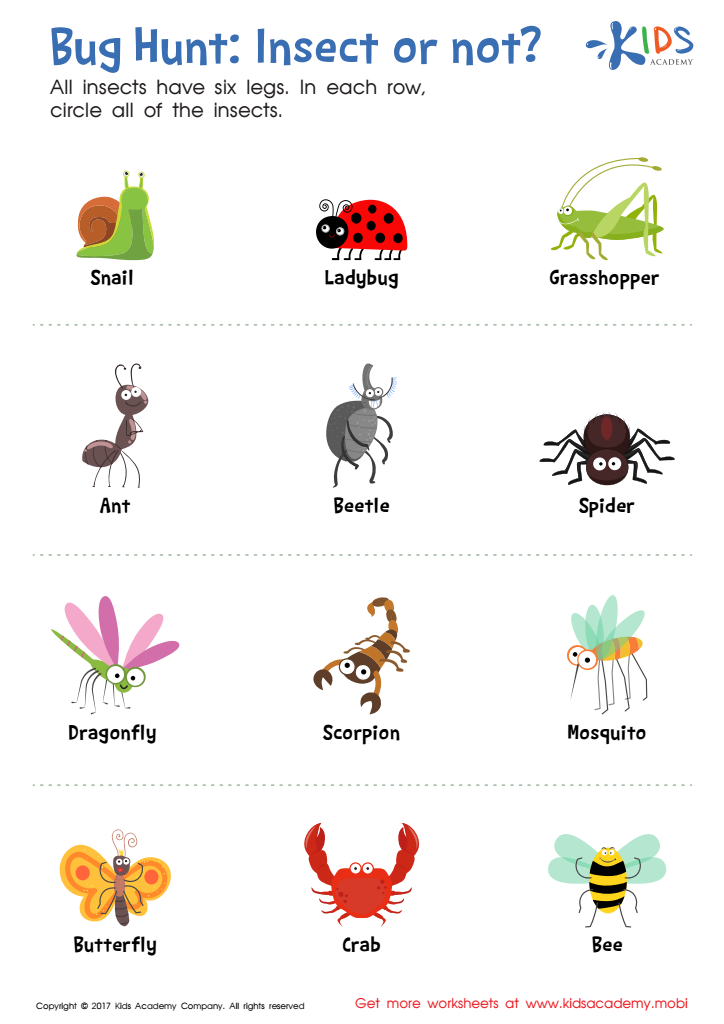
 Assign to My Students
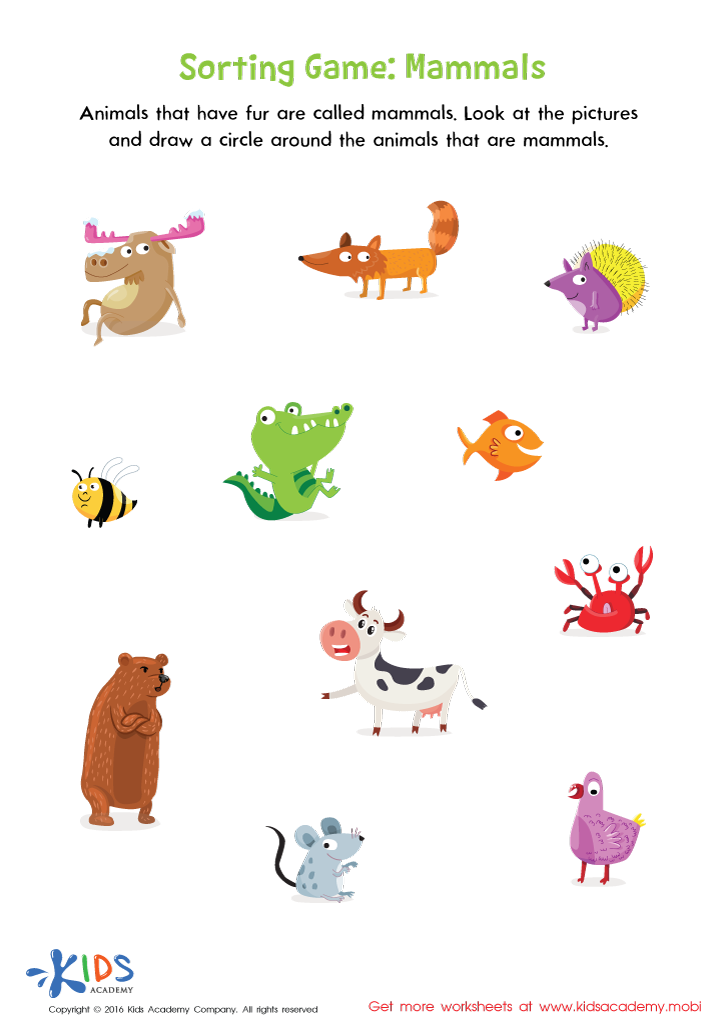
Mammals Sorting Worksheet
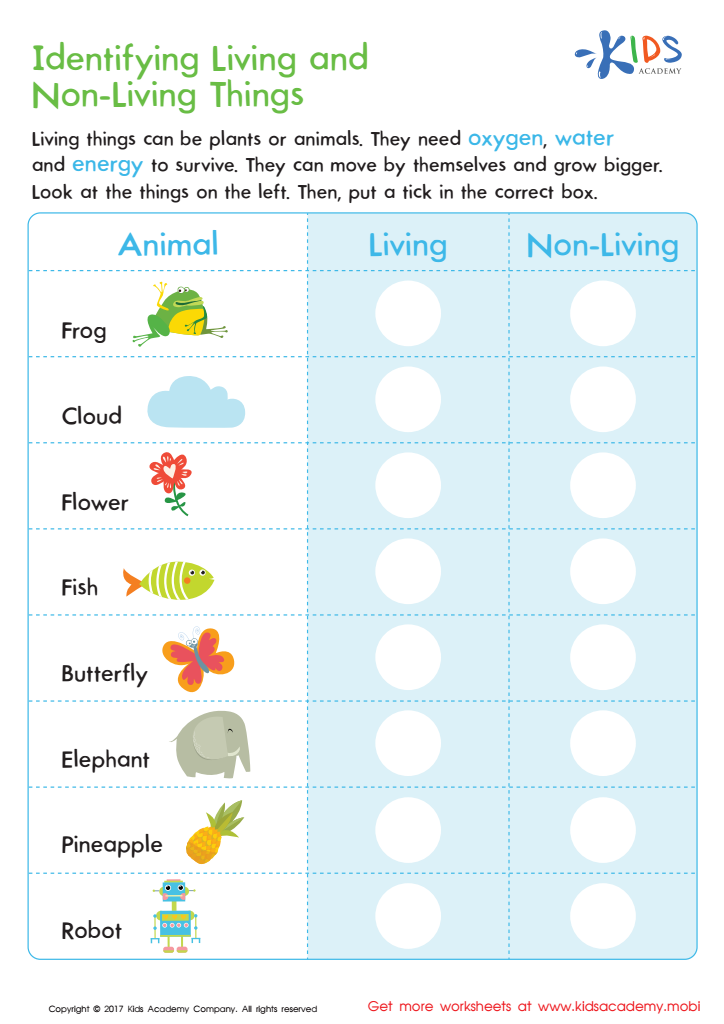
Identifying Living or Non–living Worksheet






Categorization skills are crucial for 4-year-olds as they lay the groundwork for cognitive development and help children make sense of the world around them. At this age, children are naturally curious and eager to explore, and categorization enables them to sort and classify their experiences, fostering critical thinking. By learning to group objects, ideas, or experiences based on shared characteristics, children develop the ability to recognize patterns, identify similarities and differences, and enhance their problem-solving skills.
For parents and teachers, nurturing these skills supports children’s language development, as they learn new vocabulary associated with categories. It also strengthens their understanding of concepts such as numbers, sizes, and colors, enriching their interactions with the environment. Moreover, effective categorization encourages social skills, as children learn to share, collaborate, and communicate about their findings with peers.
Investing in categorization activities—through play, storytelling, or hands-on projects—not only promotes intellectual growth but also boosts confidence and creativity. By prioritizing categorization skills, caregivers create a rich learning environment that empowers young learners to navigate their world with excitement and curiosity, fostering a lifelong love for learning.