Counting skills World Around Us Worksheets for 4-Year-Olds
5 filtered results
-
From - To
Explore our "Counting Skills World Around Us Worksheets" designed for 4-year-olds! These engaging worksheets help young learners develop essential counting skills through fun, interactive activities centered around their everyday environment. Our thoughtfully crafted resources introduce concepts like number recognition, quantifying objects, and basic addition, all while encouraging curiosity about the world around them. Perfect for at-home learning or classroom use, these worksheets foster a love for numbers and build a strong foundation for future mathematical understanding. Download now to support your child’s counting journey with playful exercises that make learning enjoyable!
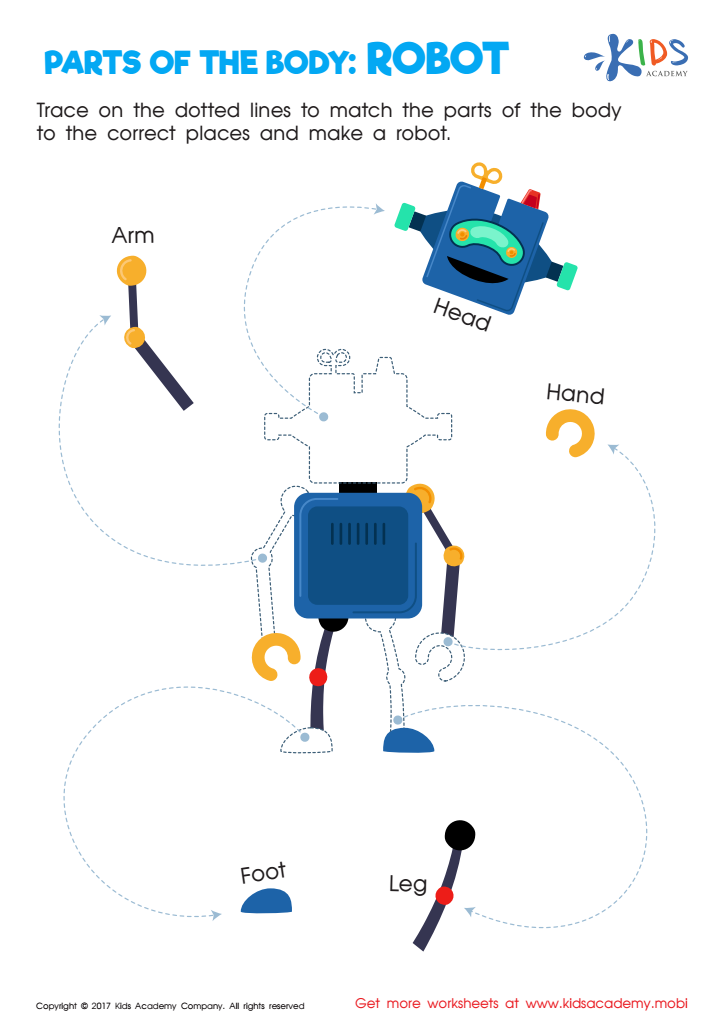
Robot Printable
 Assign to My Students
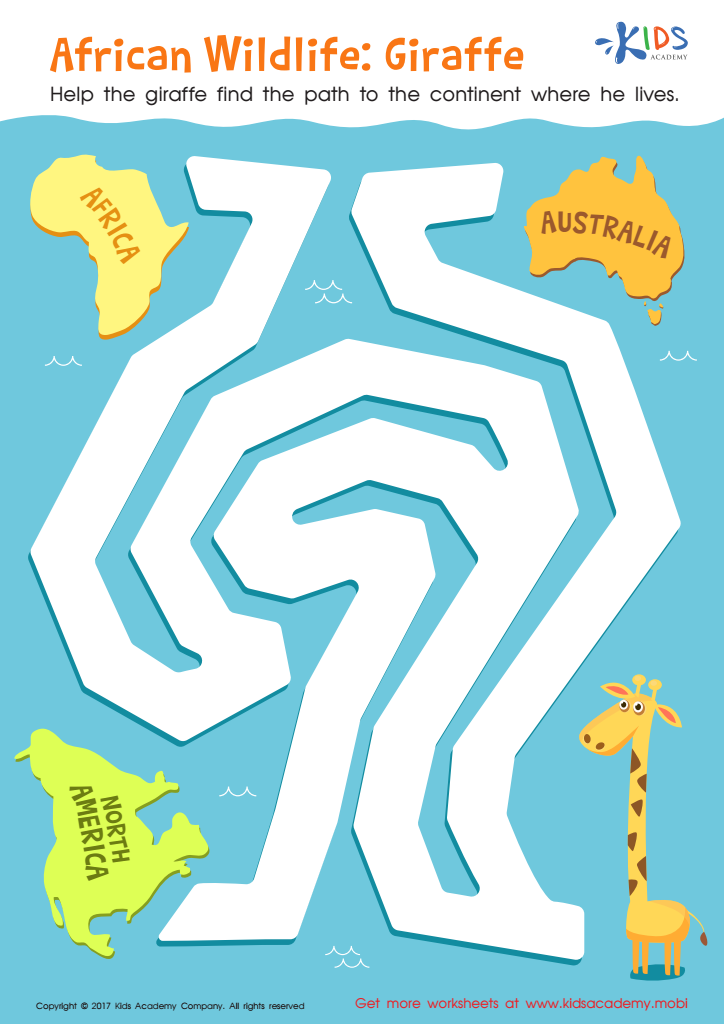
African Wildlife: Giraffe Worksheet
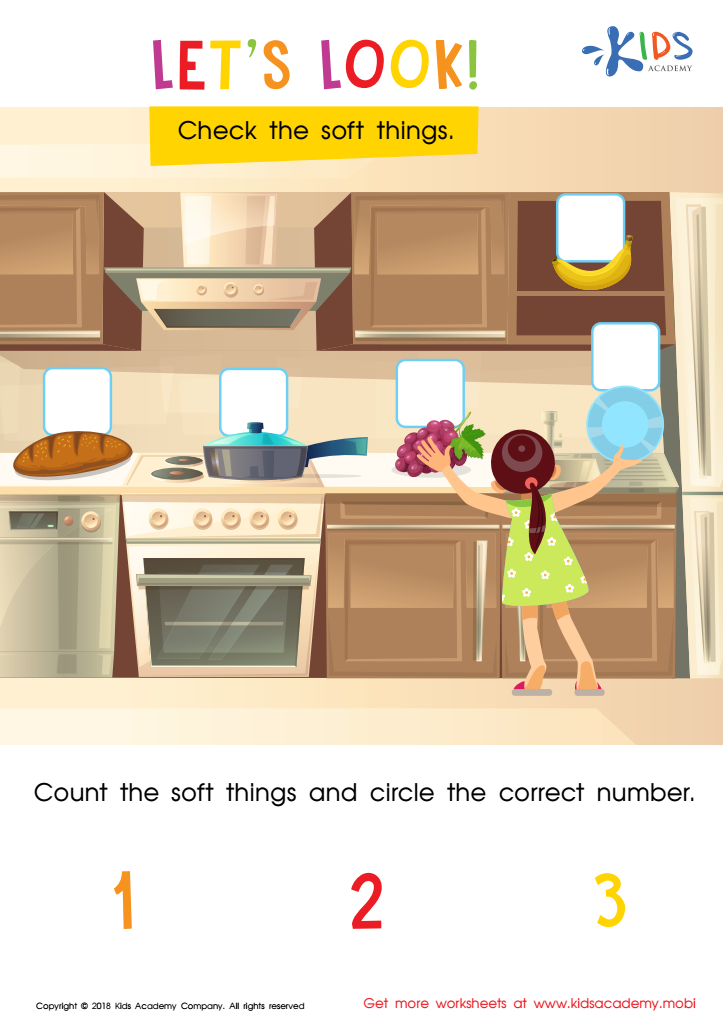
Let's Look! Assessment Worksheet
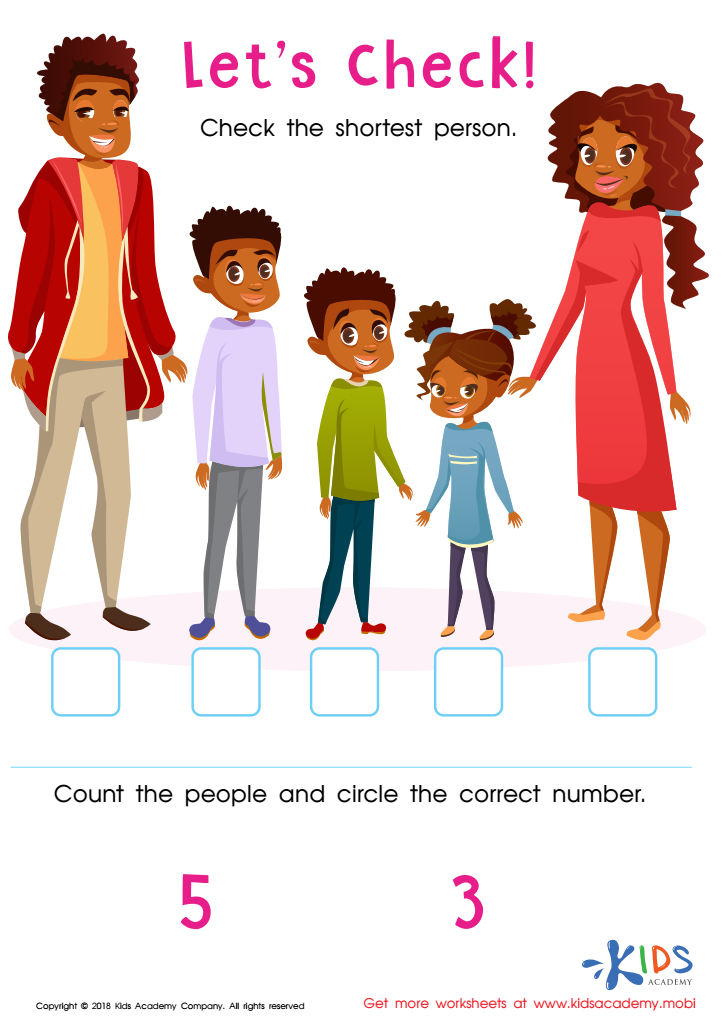
Let's Check! Assessment Worksheet
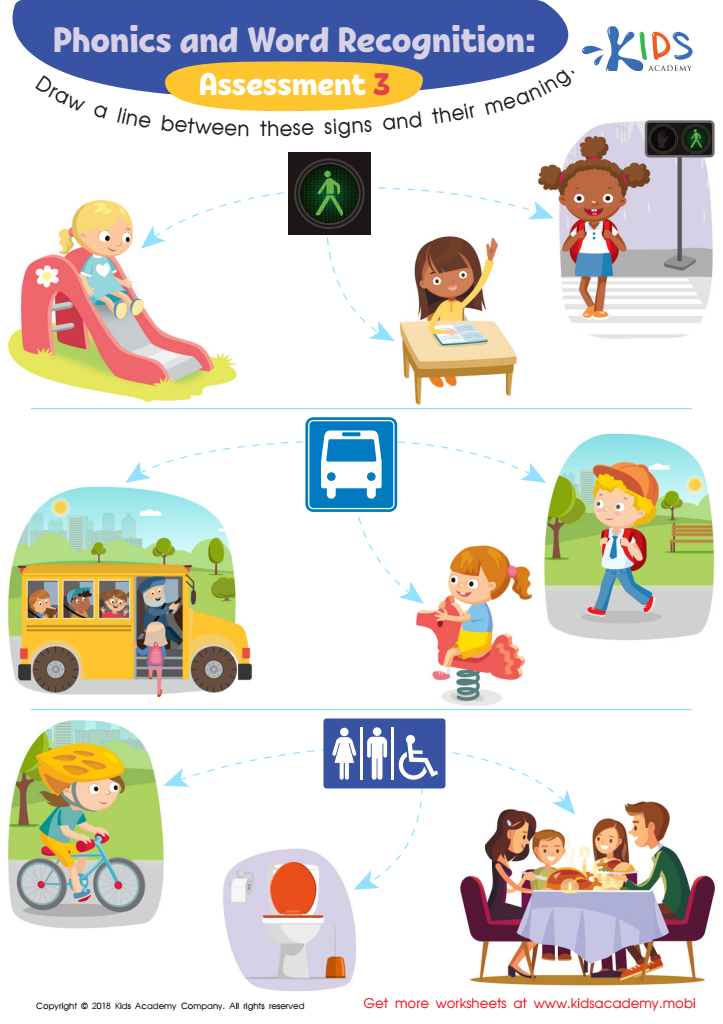
Phonological Awareness: Assessment 3 ELA Worksheet


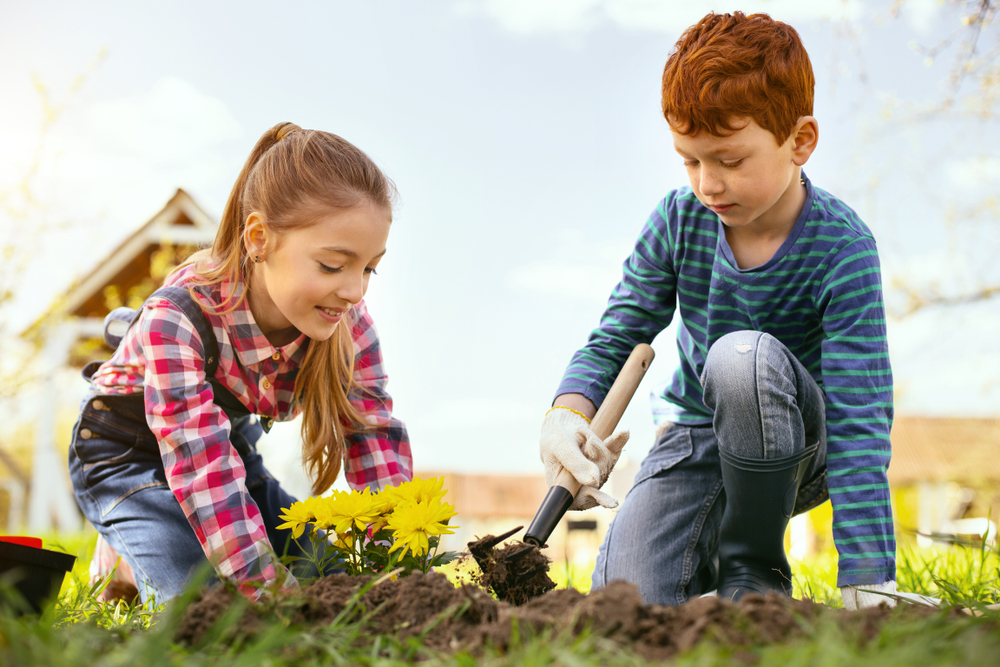
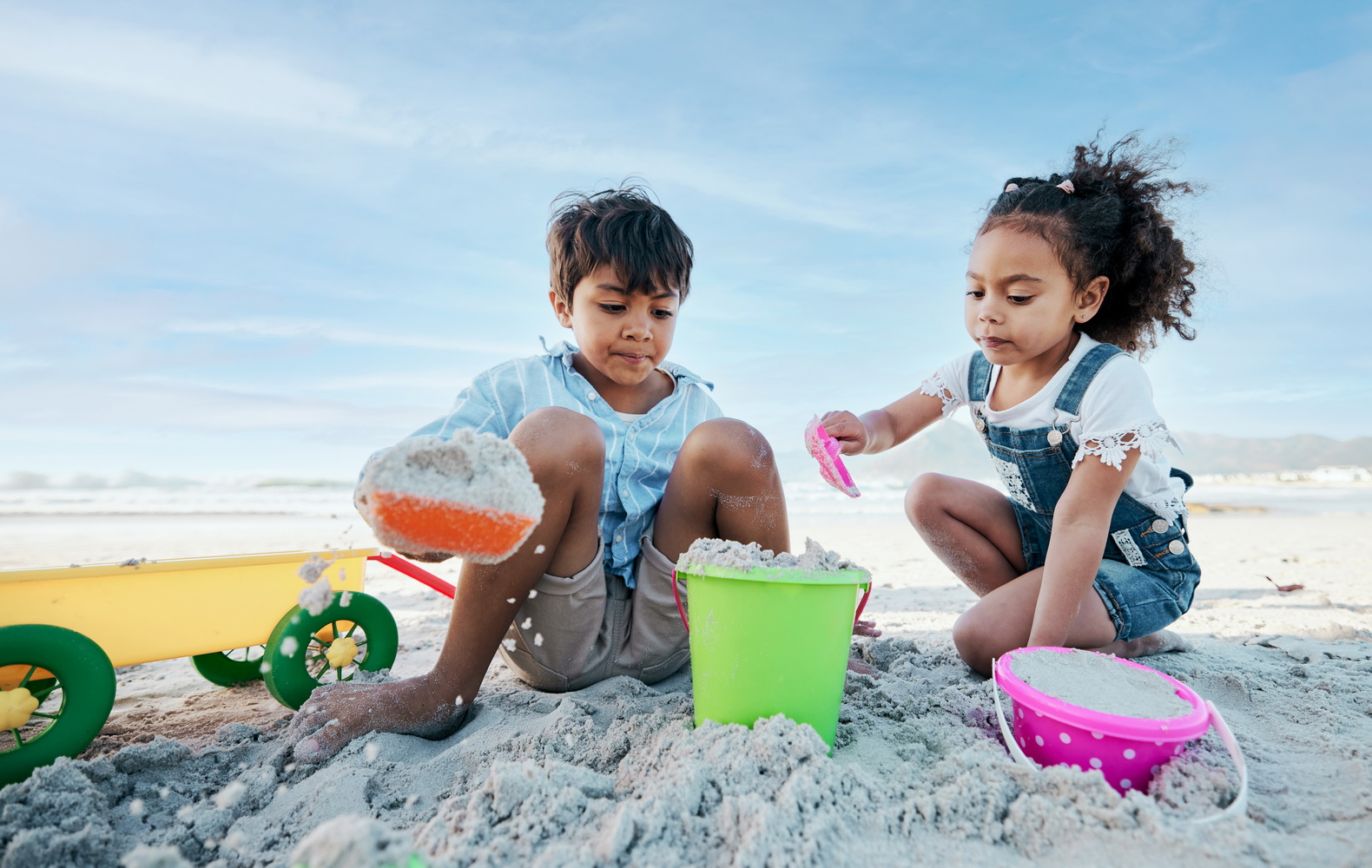
.jpg)
.jpg)


Counting skills are foundational for young children's cognitive development and are essential for their success in later math and literacy skills. For 4-year-olds, the world around them offers countless opportunities to explore numbers through engaging activities, whether at home or in the classroom.
Firstly, counting encourages critical thinking and problem-solving. Kids learn to identify quantities, compare groups, and make predictions based on numerical patterns, setting the stage for more complex math concepts later on. Additionally, by incorporating counting into everyday scenarios—like counting blocks, pieces of fruit, or steps taken—parents and teachers can make learning engaging and relevant.
Furthermore, counting skills are closely connected to language development. As children learn numbers, they also expand their vocabulary and enhance their ability to communicate mathematically, thereby strengthening their overall communication skills.
Lastly, these cognitive skills play a significant role in building confidence and independence. When children recognize their ability to count accurately, they develop a sense of accomplishment that boosts their self-esteem.
Overall, prioritizing counting skills in the early years empowers children not only in math but also in critical life skills, enriching their comprehension of the world around them and preparing them for future learning.