Verb identification Grammar Worksheets for 4-Year-Olds
3 filtered results
-
From - To
Our "Verb Identification Grammar Worksheets for 4-Year-Olds" are perfect for young learners embarking on their linguistic journey. These fun, engaging worksheets help children recognize and understand verbs, an essential part of speech, using age-appropriate exercises and colorful illustrations. Each activity is designed to captivate their interest and boost their language development, building a foundation for future grammar skills. Teachers and parents can use these printable worksheets to provide supportive practice that enhances kids' comprehension and usage of verbs, setting them up for success in reading and writing. Explore our collection to make learning verbs an enjoyable adventure!
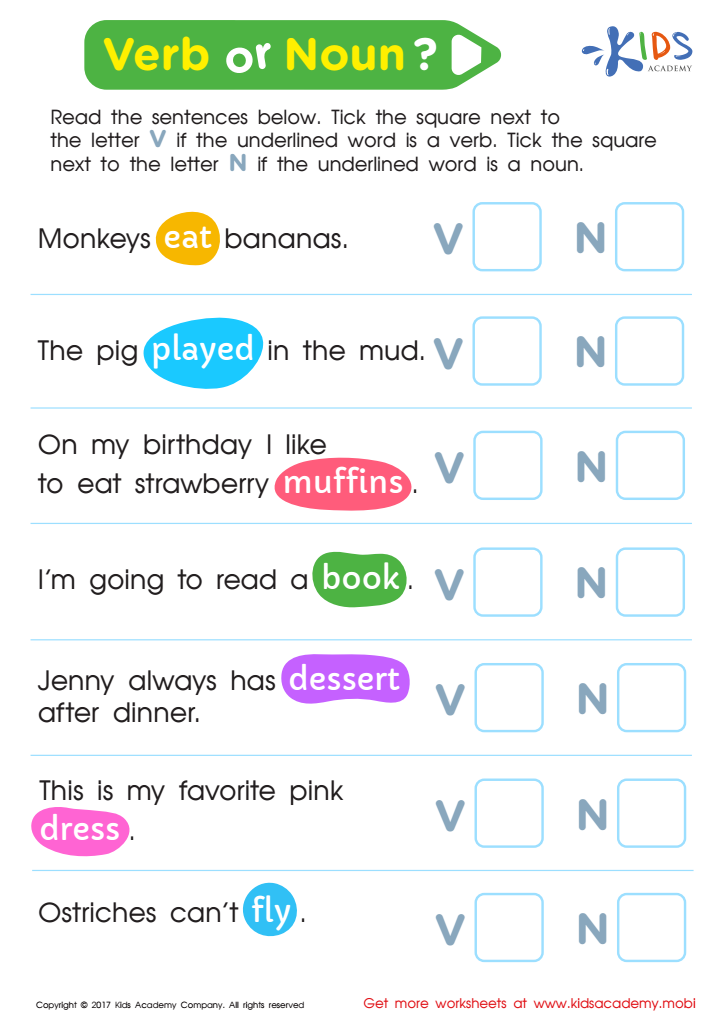
Verb or Noun Worksheet
 Assign to My Students
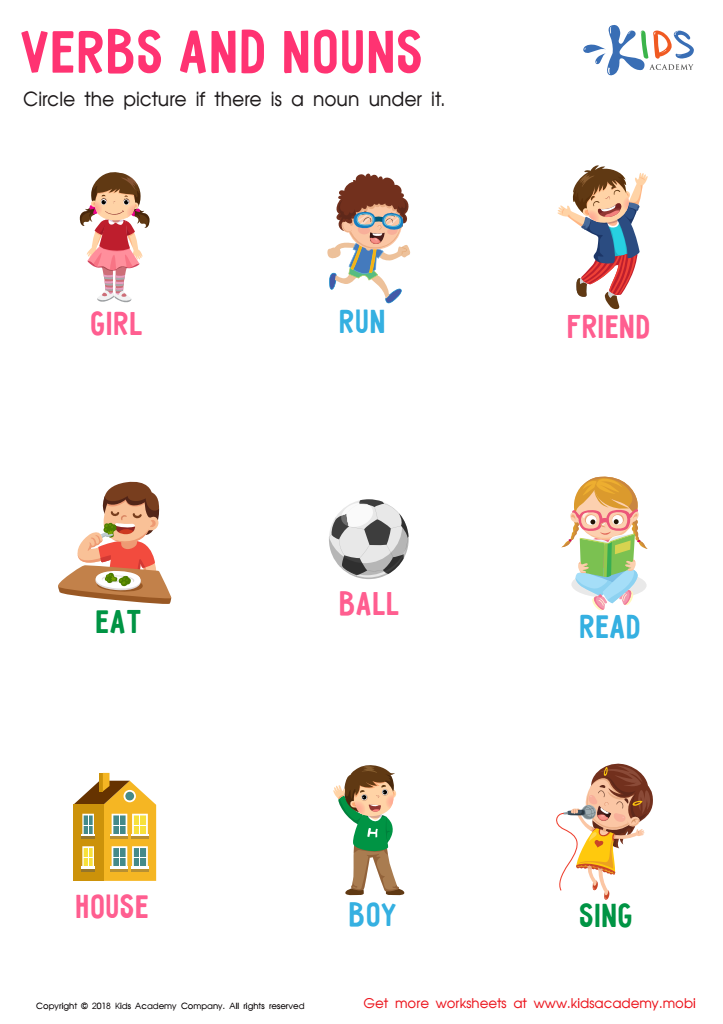
Verbs and Nouns Worksheet
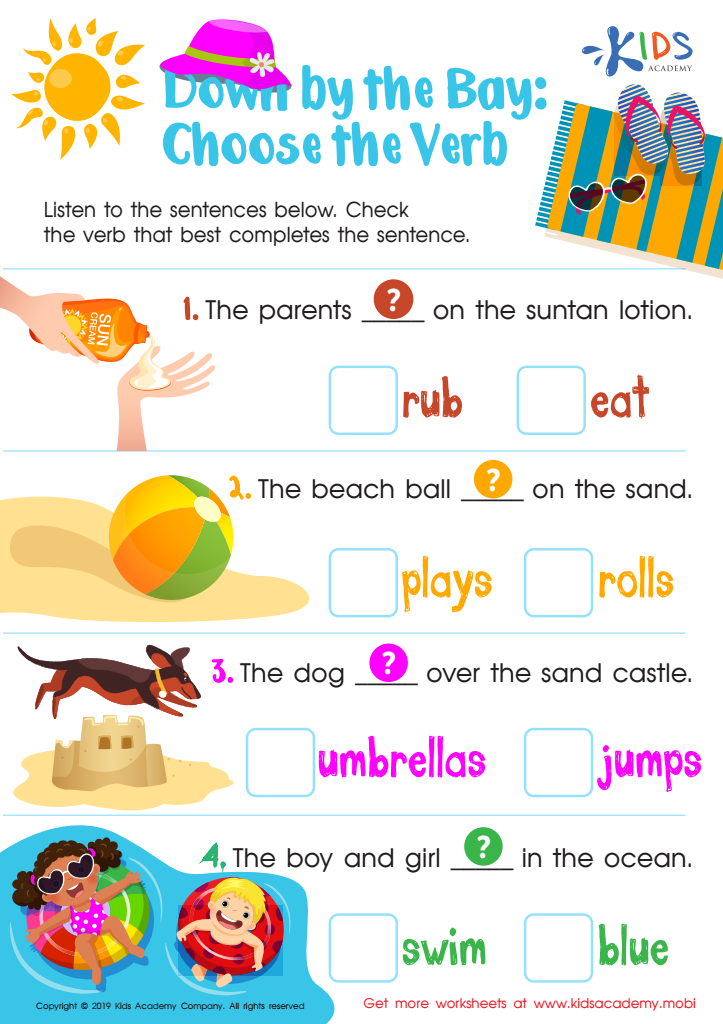
Down by the Bay: Choose the Verb Worksheet




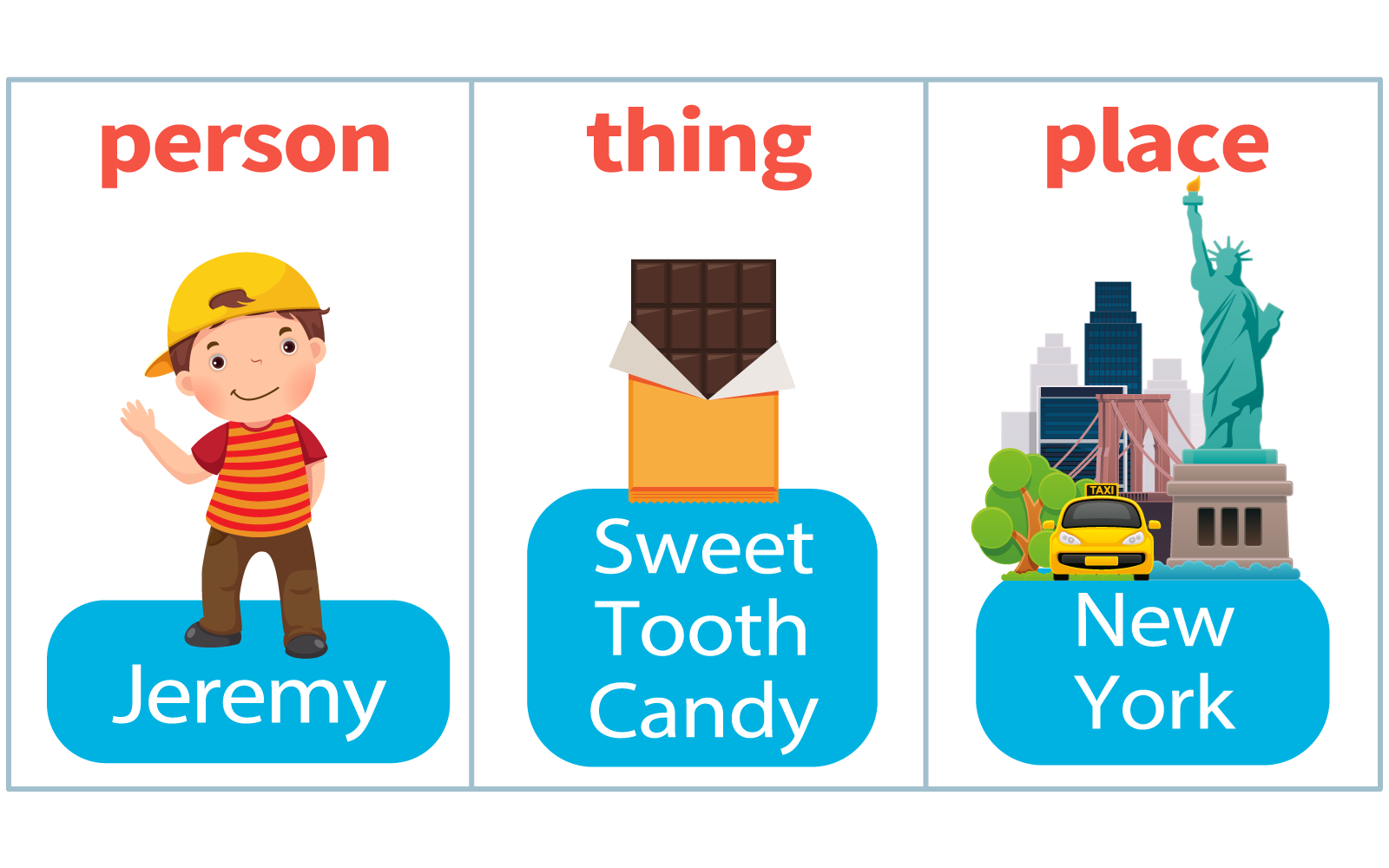
.jpg)


Verb identification plays a crucial role in language development for 4-year-olds, making it important for both parents and teachers to ensure kids grasp this concept early on. At this age, children are expanding their vocabulary rapidly and starting to form more complex sentences. Understanding verbs, which are action words, helps them express ideas and narrate experiences more efficiently.
Identifying verbs is foundational for grammatical development. When children know how to correctly use verbs, they can better articulate their needs, desires, and emotions, leading to fewer misunderstandings and more effective communication. It also aids in sequencing events and boosting overal narrative skills—important components of both storytelling and everyday conversation.
Moreover, early mastery of verb identification can influence reading comprehension and writing skills later on. As kids begin to read, recognizing verbs helps them understand the story's actions and characters' behaviors, making reading a more engaging and comprehensible activity. In writing, knowing where and how to use verbs properly allows them to construct clear, understandable sentences.
In essence, paying attention to verb identification supports a child's holistic language development, setting a strong foundation for future academic achievement and effective communication skills.








