Sentence construction Writing Worksheets for 4-Year-Olds
5 filtered results
-
From - To
Enhance your 4-year-old's early literacy skills with our engaging Sentence Construction Writing Worksheets! Designed specifically for preschoolers, these worksheets promote fun and interactive learning. Each activity encourages children to build simple sentences, fostering vocabulary development and comprehension. By guiding young learners in arranging words and phrases, our resources help nurture their creativity and critical thinking. Ideal for both classroom and home use, our worksheets provide a solid foundation for future writing skills. Encourage your child's love for language with enjoyable exercises that make sentence construction exciting and accessible. Explore our collection today for a delightful learning experience!
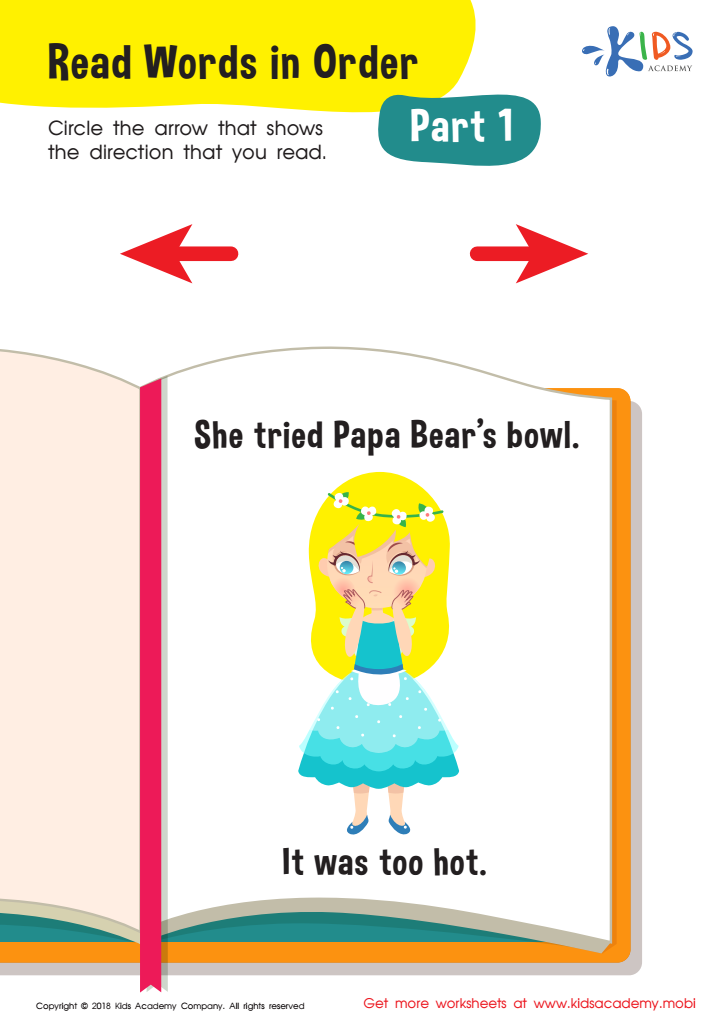
Read Words Order Part 1 Worksheet
 Assign to My Students
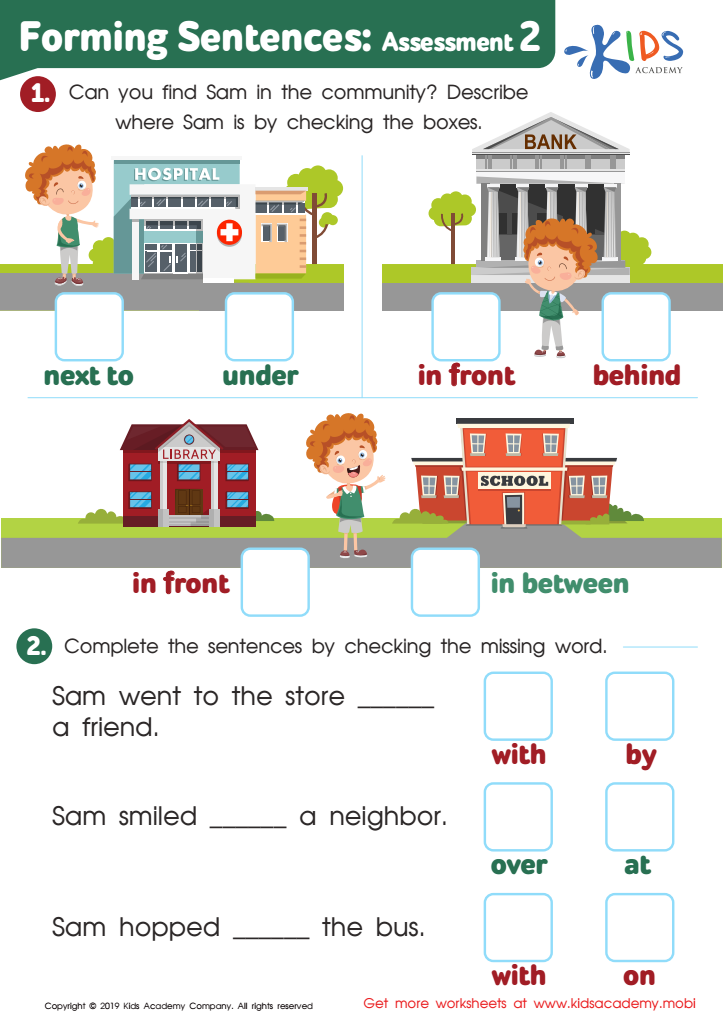
Forming Sentences: Assessment 2 Worksheet
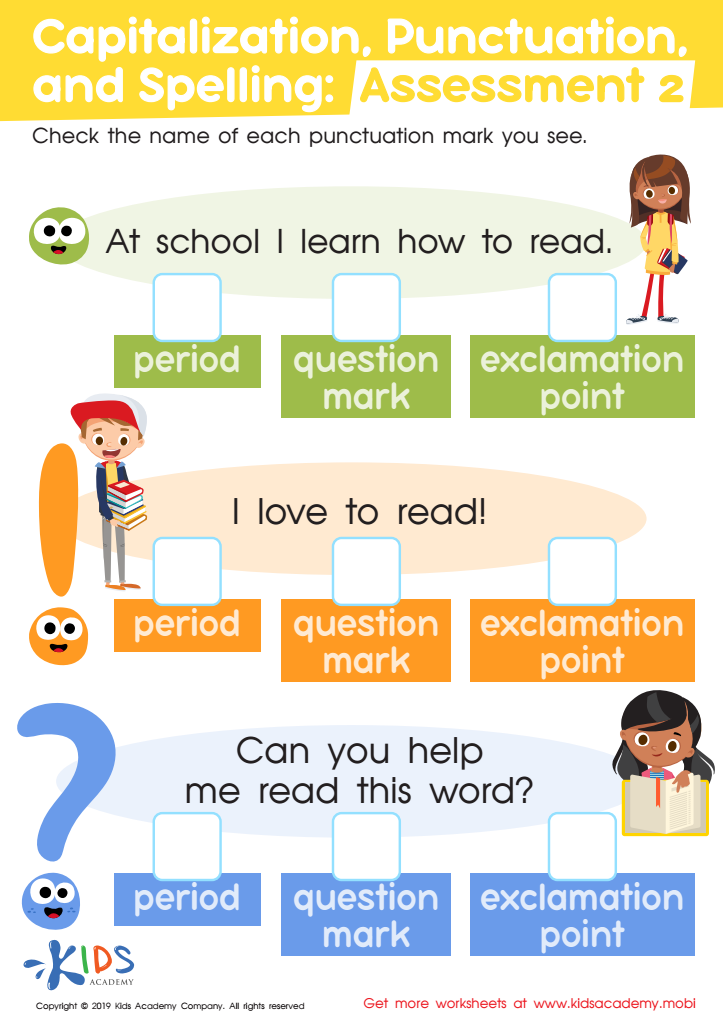
Capitalization. Punctuation. Spelling: Assessment 2 Worksheet
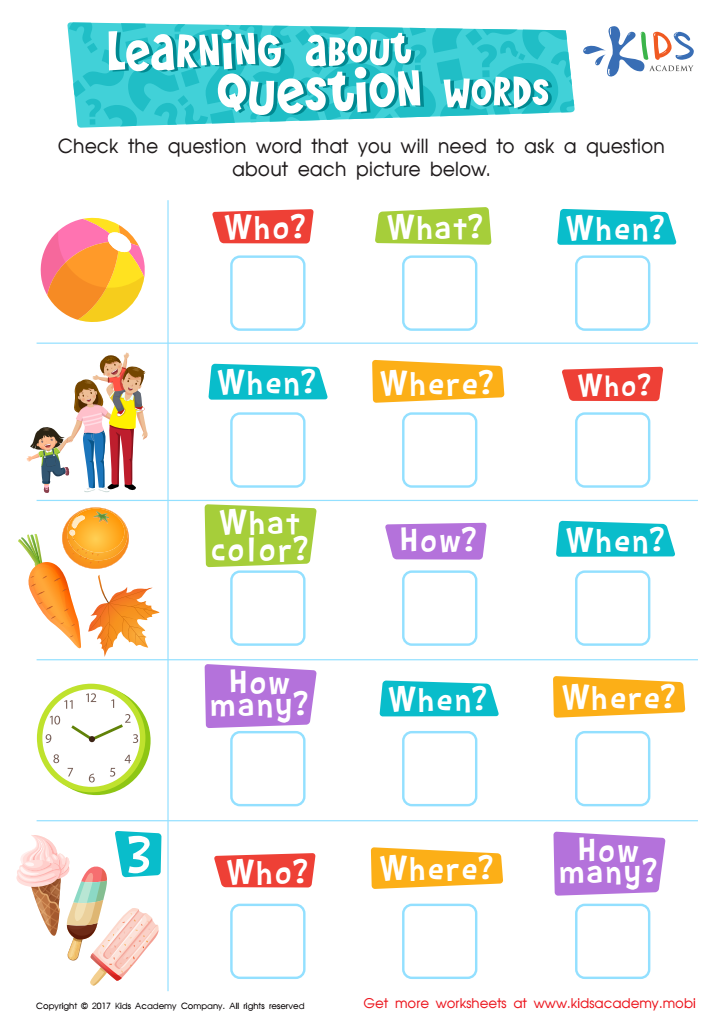
Learning about Question Words Worksheet
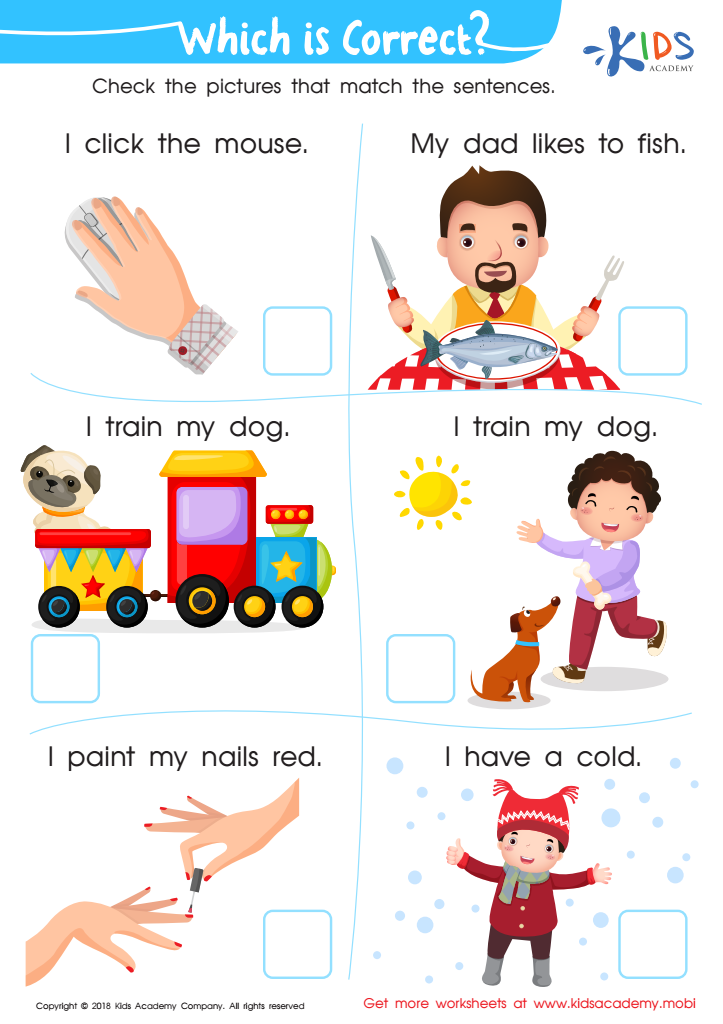
Which Is Correct? Worksheet



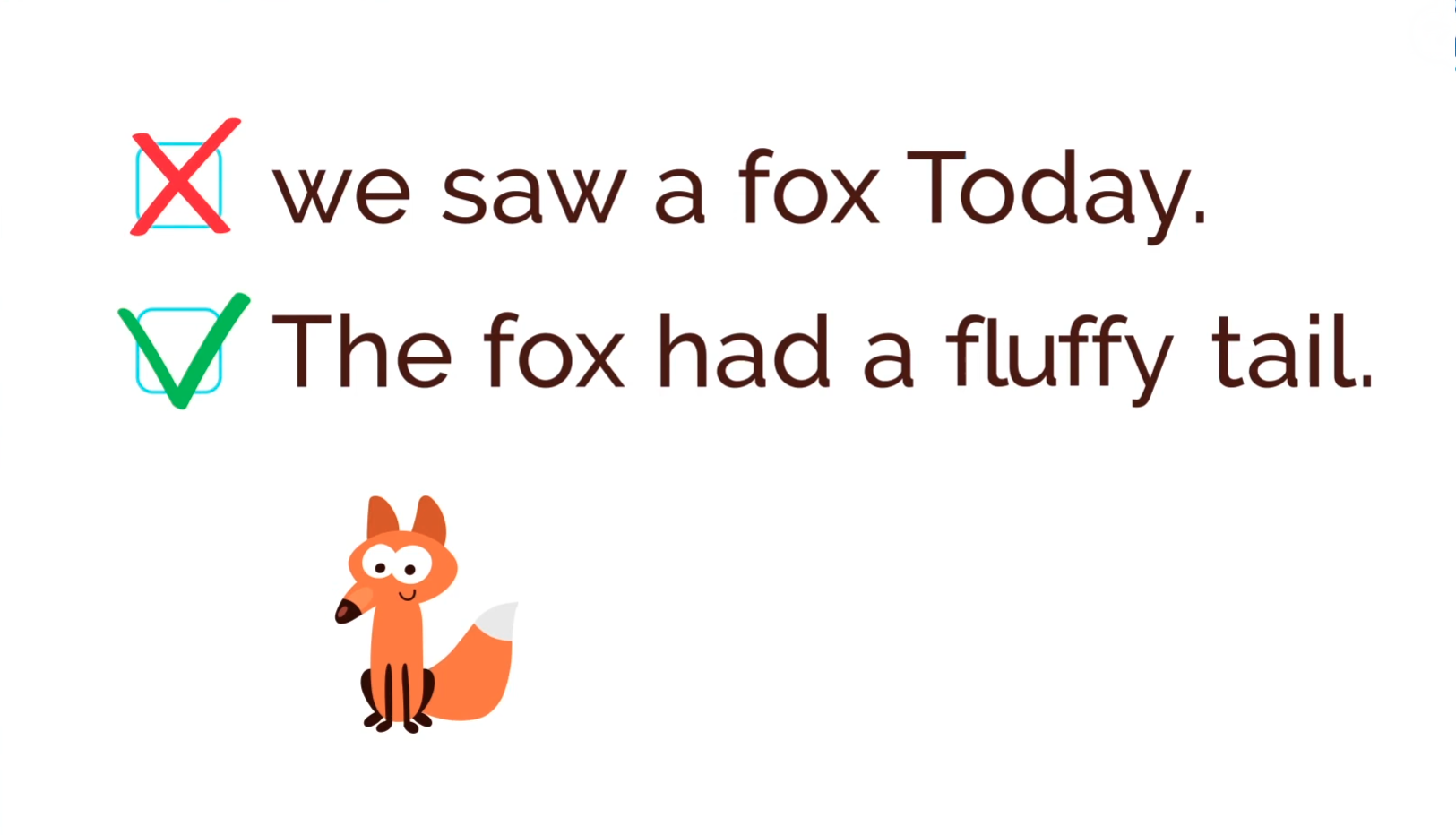



Sentence construction is vital for 4-year-olds as it lays the foundation for effective communication and language development. At this age, children begin to explore words and their meanings, understanding how they come together to express thoughts. Engaging in sentence construction activities helps enhance vocabulary, improves grammar skills, and fosters critical thinking.
Parents and teachers play a crucial role in nurturing these skills. By encouraging children to construct sentences, they promote creativity and expression, allowing kids to share their ideas and experiences confidently. During storytime or relatable conversations, adults can prompt children to form sentences, making language learning interactive and fun.
Additionally, mastering sentence construction boosts literacy skills essential for early reading and writing. Children who practice expressing themselves in complete sentences often develop better comprehension when they encounter written text. This foundational skill is crucial as they progress in their education and face more complex language tasks.
Furthermore, supporting young children in sentence construction aids in social development; children learn to communicate effectively, which fosters collaboration with peers. Overall, parents and teachers who focus on sentence construction pave the way for lifelong communication skills, critical for academic success and personal relationships.








