
Letter Tracing ABC Letters Worksheets for Ages 5-6
6 filtered results
Difficulty Level
Grade
Age
-
From - To
Subject
Activity
Standards
Nurture early writing skills with our Letter Tracing ABC Letters Worksheets, tailored for children ages 5-6. These engaging printable sheets from Kids Academy make alphabet learning fun and interactive. Each worksheet focuses on a specific letter, offering guided practice with clear, dotted lines to trace. Our expertly designed activities support fine motor development, letter recognition, and hand-eye coordination. Perfect for classroom or home use, these worksheets provide the foundation young learners need for successful writing adventures. Help your child master the ABCs in a playful, structured environment with our Letter Tracing Worksheets!
Favorites
With answer key
Interactive
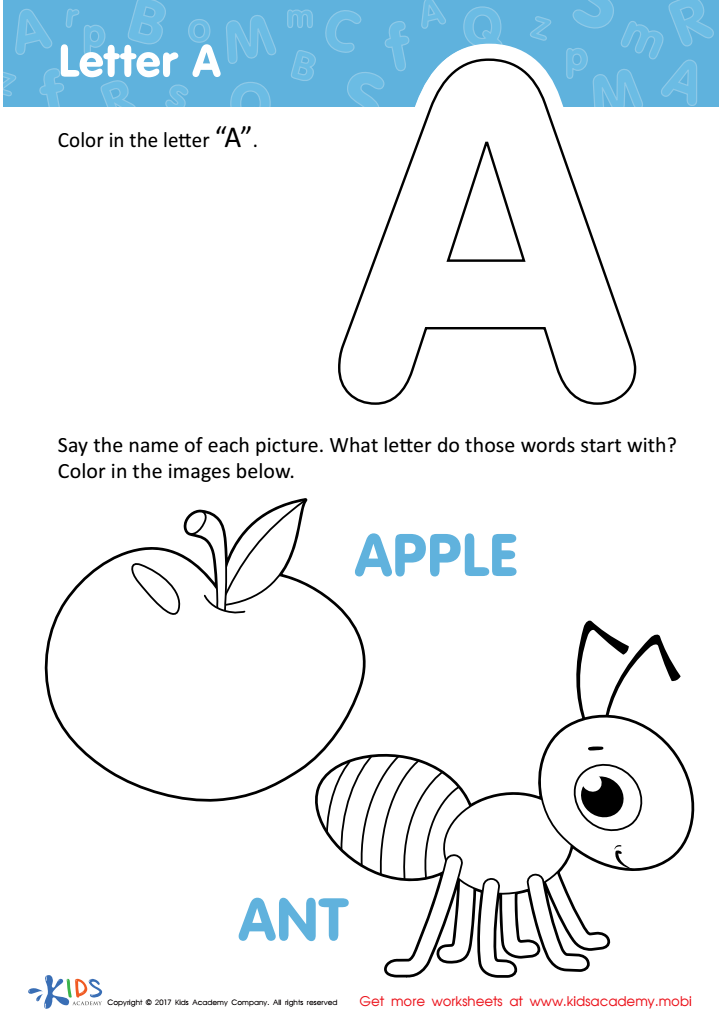
Letter A Coloring Sheet
This letter "A" coloring page is great for introducing kids to the alphabet! Let them exercise their creativity while they learn to recognize letters and sounds - it's a fun and easy way to help them get started.
Download (PDF)
 Assign to My Students
Assign to My Students
Letter A Coloring Sheet
Worksheet





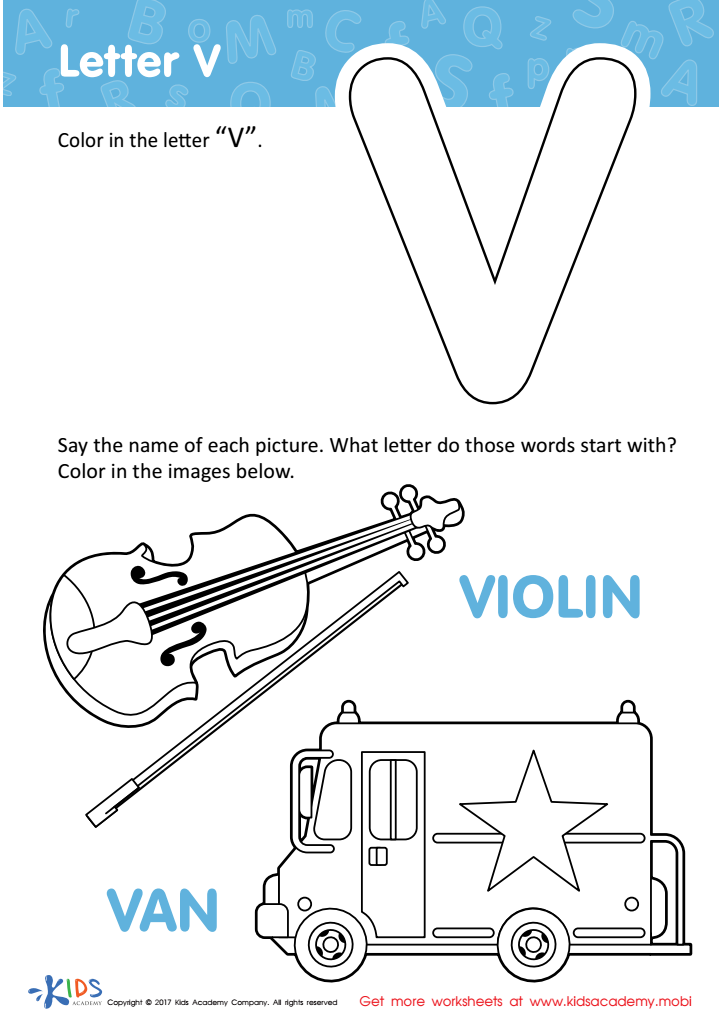
Letter V Coloring Sheet
This fun letter V coloring page can boost your child's knowledge of the letter "V" and its sound. Help them pronounce it correctly, too!
Download (PDF)
Assign to My Students
Assign to My Students
Letter V Coloring Sheet
Worksheet
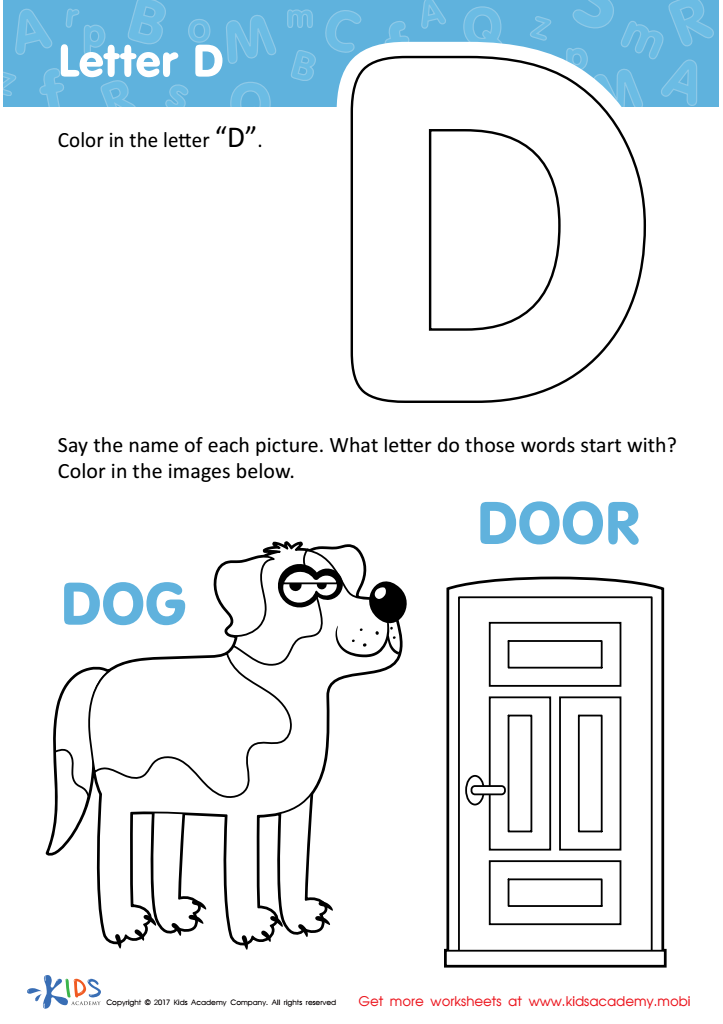
Letter D Coloring Sheet
Coloring with this letter "D" page is a great way to encourage your child's creativity while they learn the letter "D" and its sound. It's a fun activity to stimulate their imagination!
Download (PDF)
Assign to My Students
Assign to My Students
Letter D Coloring Sheet
Worksheet
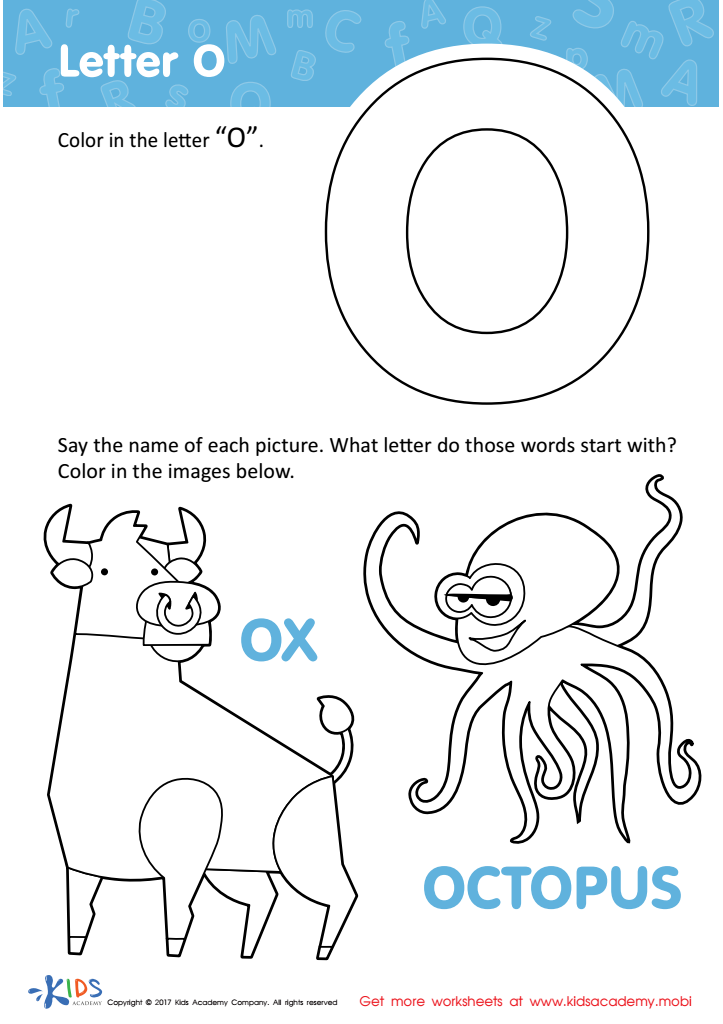
Letter O Coloring Sheet
Oh my! The letter "O" is so much fun. Coloring in the octopus and ox on this delightful letter "O" coloring page can help your child have fun while strengthening their recognition of the letter and sound.
Download (PDF)
Assign to My Students
Assign to My Students
Letter O Coloring Sheet
Worksheet
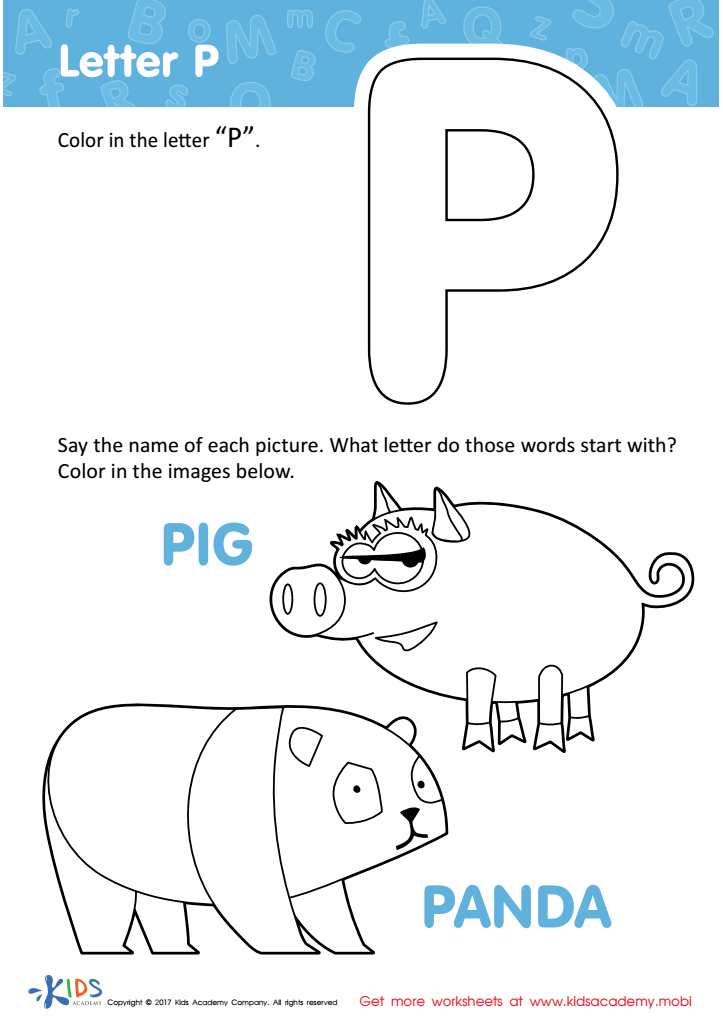
Letter P Coloring Sheet
Encourage your child's creativity and letter recognition with this "P" coloring page! Through coloring animals such as pigs and pandas, your little one will get to know the sound of the letter "P" and have fun too!
Download (PDF)
Assign to My Students
Assign to My Students
Letter P Coloring Sheet
Worksheet
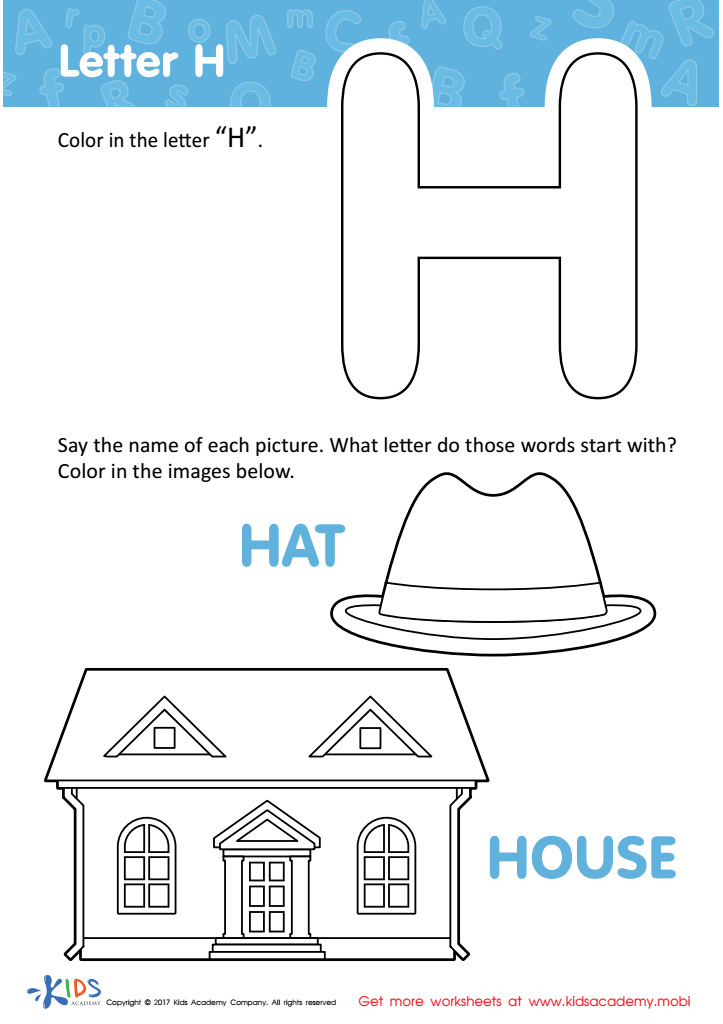
Letter H Coloring Sheet
This fun "H" coloring page will help your child recognize the letter and sound of "H"! With a hat and house to color, your little learner will have a blast picking colors and creating designs, all while learning about the letter "H"!
Download (PDF)
Assign to My Students
Assign to My Students
Letter H Coloring Sheet
Worksheet
Join Kids Academy for Free
Who is primarily going to use this learning content?







Letter tracing is pivotal for children ages 5-6 as it lays the foundation for early literacy and writing skills. At this age, kids are at the introductory stage of learning to read and write. Tracing letters helps improve their fine motor skills and hand-eye coordination, which is crucial for legible handwriting. It also enhances their ability to recognize and form letters correctly, a fundamental aspect of phonics, enabling them to connect sounds with symbols that appear on the page.
Parents and teachers need to understand that the repetitiveness of tracing activities reinforces muscle memory for letter formation. This paves the way for fluent writing skills needed in both academic settings and everyday communication. Additionally, letter tracing activities often incorporate fun elements like colors or simple words, which make learning engaging and enjoyable for young children.
More importantly, mastering letter tracing instills a sense of accomplishment and can boost self-confidence. When children can confidently write, they are more likely to participate in classroom activities, contributing to their overall cognitive development and social interaction. By valuing letter tracing exercises, parents and teachers not only promote essential academic skills but also support holistic aspects of a child's early development journey.







