Reading Skills Elementary Phonics Worksheets for Ages 5-6
5 filtered results
-
From - To
Enhance your child's reading skills with our engaging Elementary Phonics Worksheets tailored for ages 5-6. Designed to make learning fun, these printable worksheets focus on foundational phonics concepts, helping young learners master letter sounds and improve their reading fluency. Each worksheet is crafted to captivate young minds, featuring colorful illustrations and interactive activities that promote phonemic awareness. From letter recognition to blending sounds, these resources empower children to boost their confidence in reading. Ideal for parents and educators seeking effective tools to support early literacy development, our worksheets provide a seamless way to foster a love for reading in young learners. Explore today!
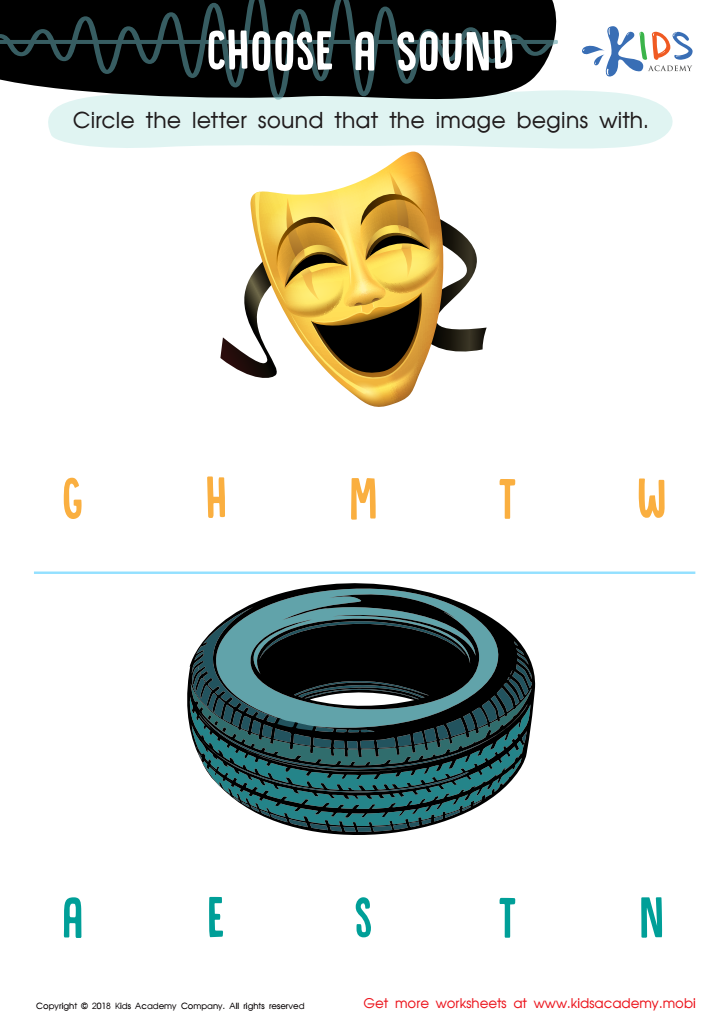
Choose a Sound Worksheet
 Assign to My Students
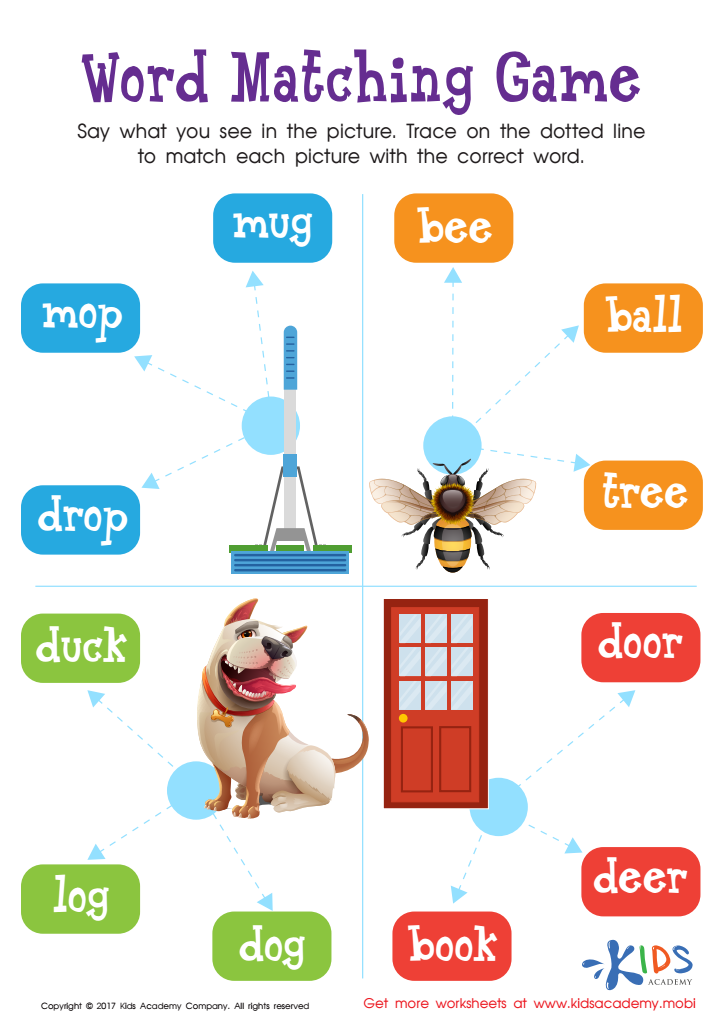
Word Matching Game Worksheet
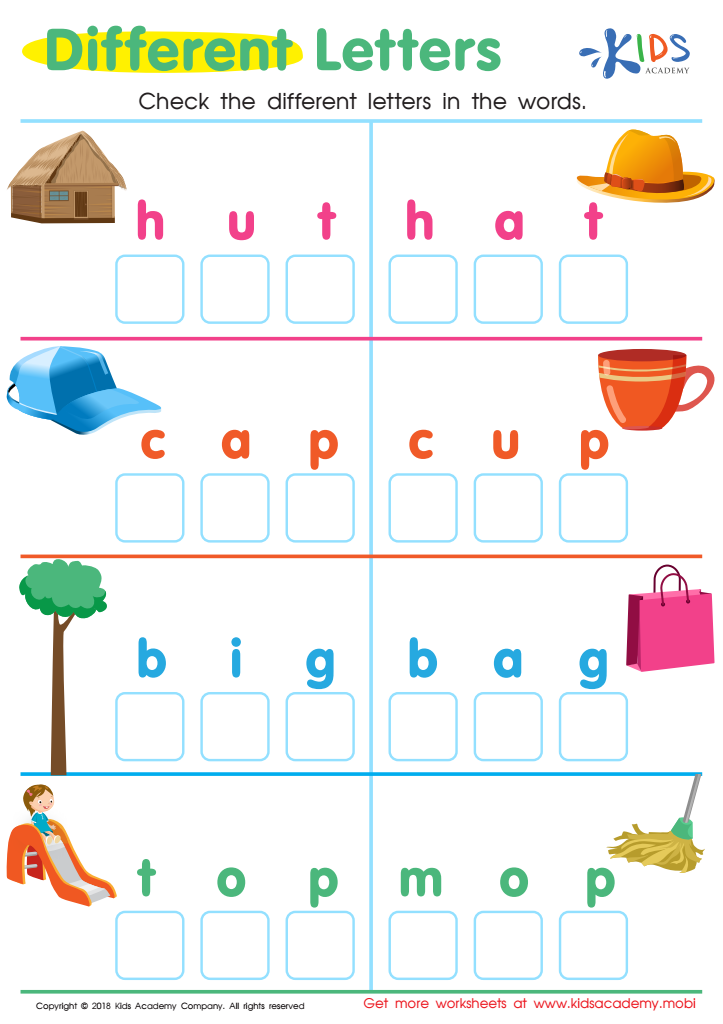
Different Letters Reading Worksheet
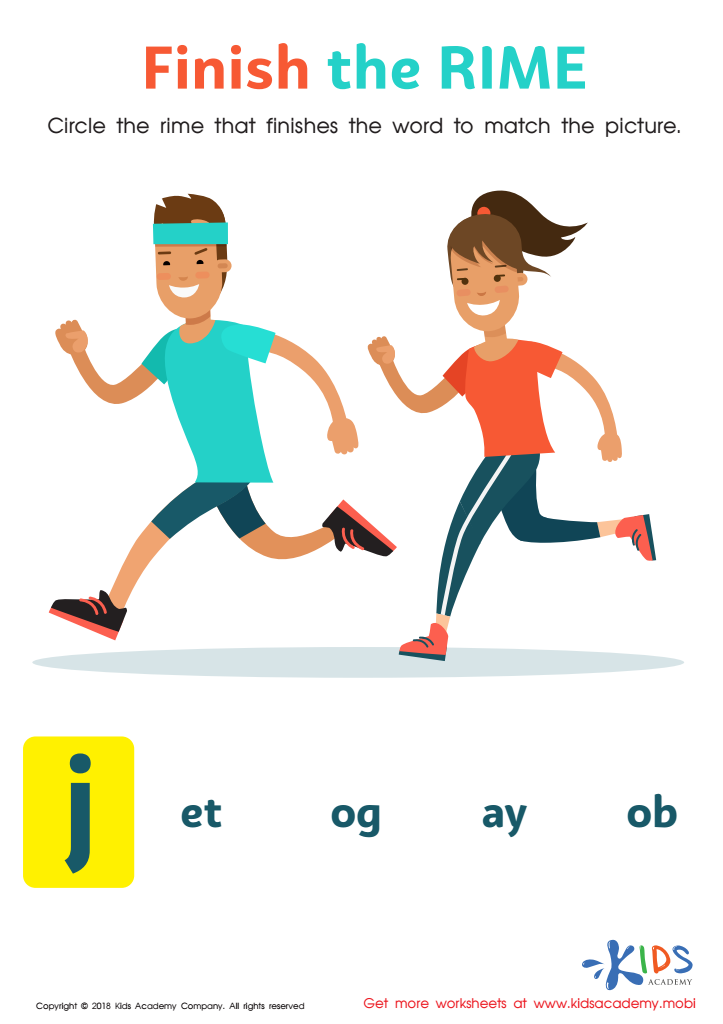
Finish the Rime Worksheet
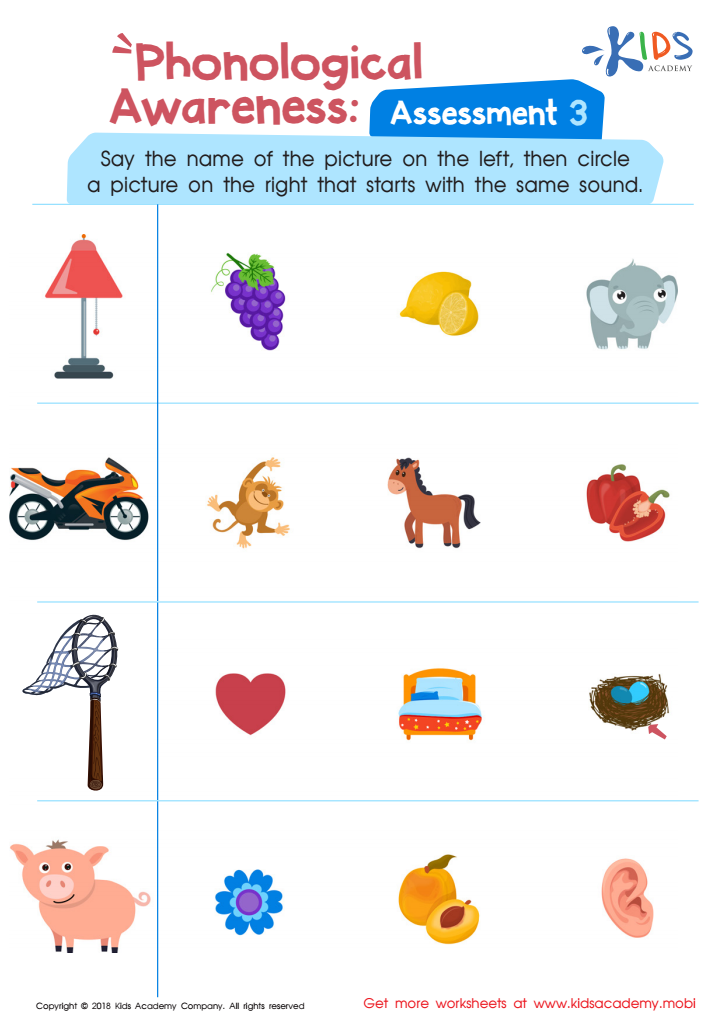
Phonological Awareness: Assessment 3 Worksheet




Reading skills, specifically through the lens of elementary phonics for ages 5-6, are crucial for young learners as they lay the foundation for future literacy. At this age, children are developing their ability to decode words, which enhances their reading fluency and comprehension. Phonics provides children with the tools to understand the relationship between sounds and letters, a key skill that helps them to read independently.
Parents and teachers should care about phonics because early reading proficiency is linked to overall academic success. Strong reading skills facilitate better performance in all subjects, as they foster critical thinking and improve information processing abilities. Additionally, proficiency in reading builds confidence, encouraging a lifelong love for literature and learning.
Furthermore, children who struggle with phonics may face challenges that can lead to negative self-esteem and decreased motivation in school. By prioritizing effective phonics instruction, adults can create a supportive learning environment, ensuring that every child has the opportunity to thrive academically.
In summary, investing in phonics education not only empowers children with essential literacy skills but also nurtures their love for reading, setting them up for lifelong academic and personal success.







