Alphabetical understanding Alphabet Worksheets for Ages 5-6
3 filtered results
-
From - To
Discover our engaging Alphabet Understanding Worksheets, specially designed for children aged 5-6. These worksheets help young learners grasp the essential skills of recognizing and organizing letters in alphabetical order. Through fun, interactive activities, kids will enhance their ability to identify, sequence, and categorize letters, building a strong foundation for reading and writing. With vibrant illustrations and diverse exercises, these worksheets keep children motivated while reinforcing their understanding of the alphabet. Perfect for home or classroom use, our resources empower students to develop critical literacy skills in an enjoyable way. Help your child become a confident reader with our Alphabetical Understanding Worksheets!
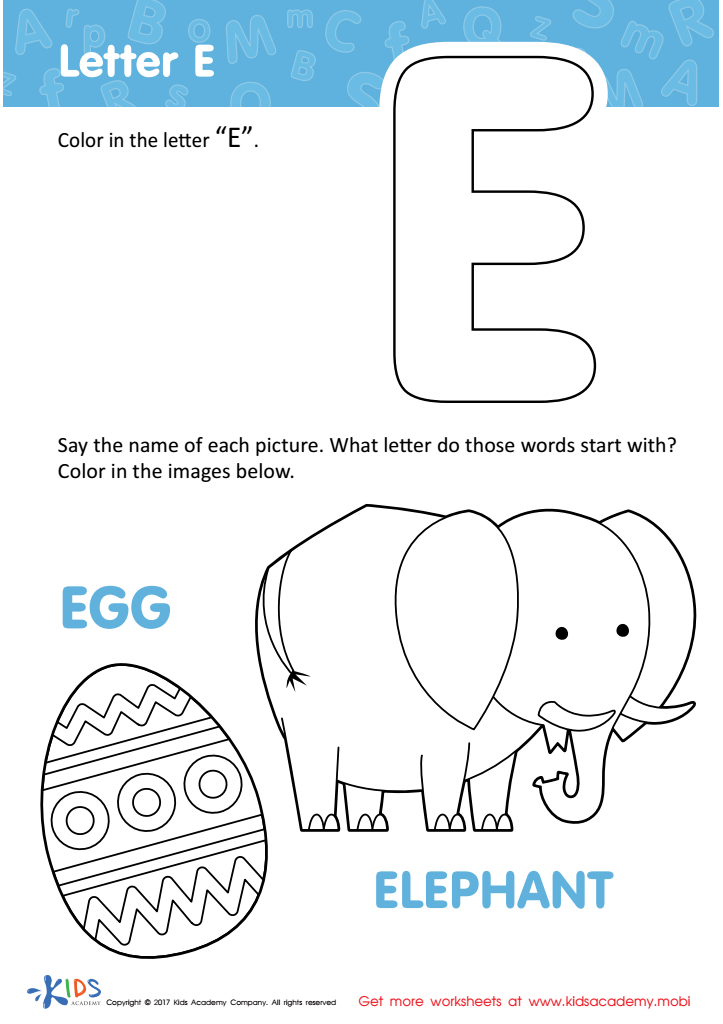
Letter E Coloring Sheet
 Assign to My Students
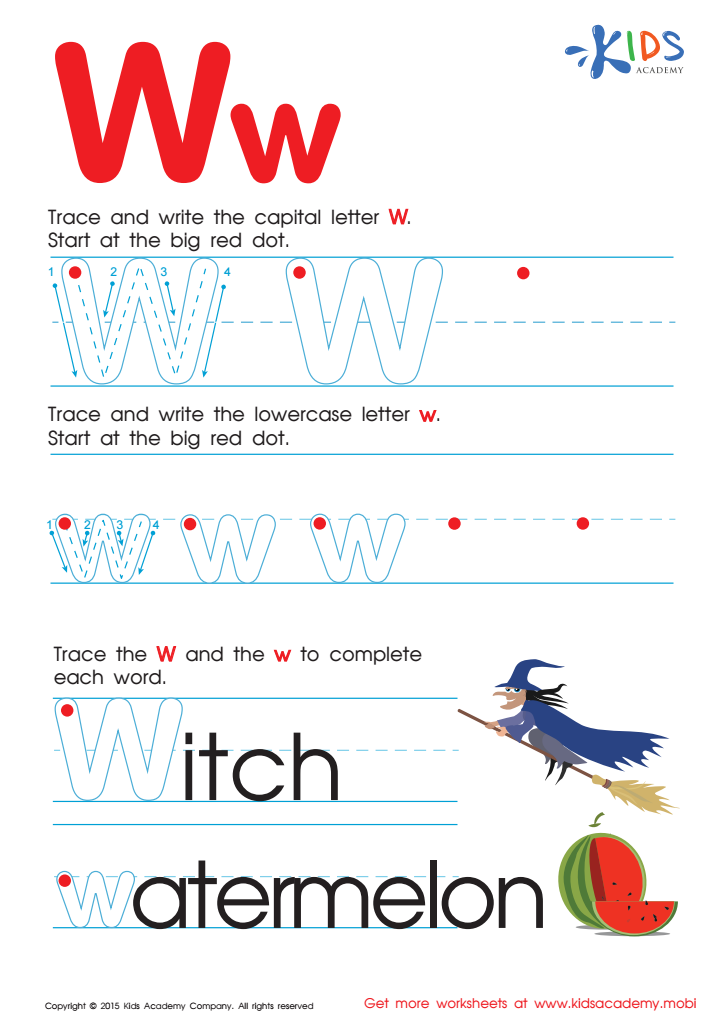
Letter W Tracing Page
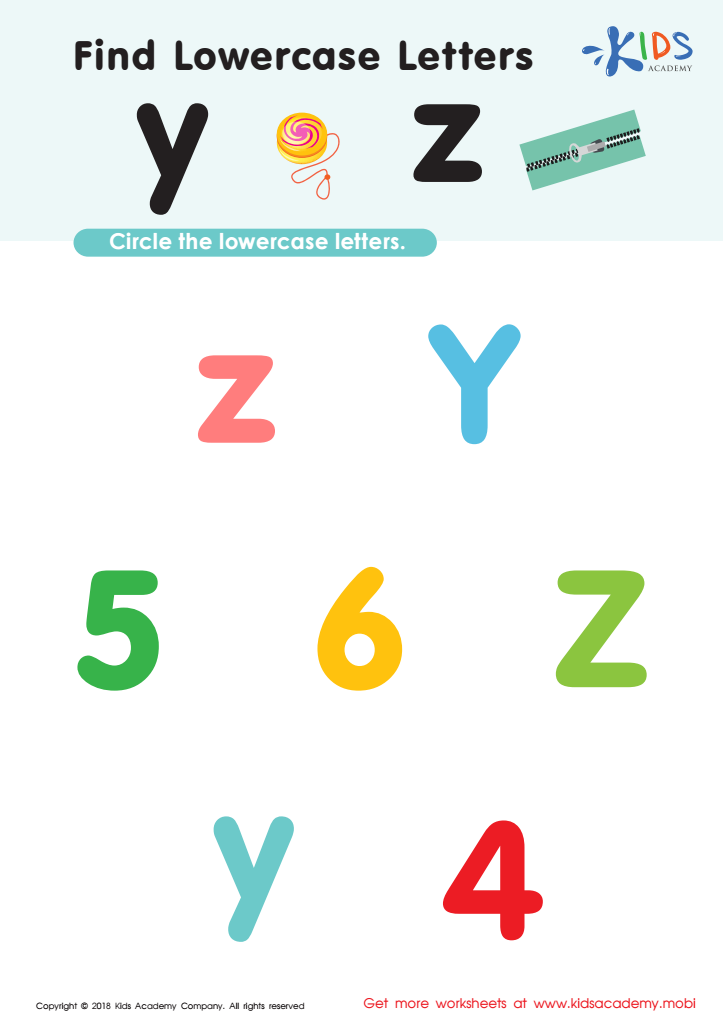
Find Lowercase Letters y z Worksheet








Alphabetical understanding is crucial for children aged 5-6 as it lays the foundation for literacy development. At this age, children are typically beginning their journey into reading and writing, and a solid grasp of the alphabet is essential for success in these areas. Recognizing letters and understanding their sounds enables children to decode words, which is vital for reading fluency.
Moreover, alphabetical understanding enhances children's phonemic awareness. When they learn that letters correspond to sounds, they become better equipped to blend sounds into words and segment words into sounds. This skill significantly boosts reading confidence, leading to increased motivation and enjoyment in learning.
Parents and teachers play a starring role in fostering this understanding. Engaging children through fun and interactive methods, like games, songs, and storytelling, can make learning the alphabet entertaining. Additionally, reinforcing these skills at home helps solidify knowledge.
Finally, a robust alphabetical foundation encourages children to appreciate the written word and fosters a lifelong love for reading, which is fundamental in a child’s educational journey. In essence, promoting alphabetical understanding in early education not only equips children with essential skills but also instills a positive attitude towards lifelong learning.







