Vocabulary expansion Alphabet Worksheets for Ages 5-6 - Page 2
41 filtered results
-
From - To
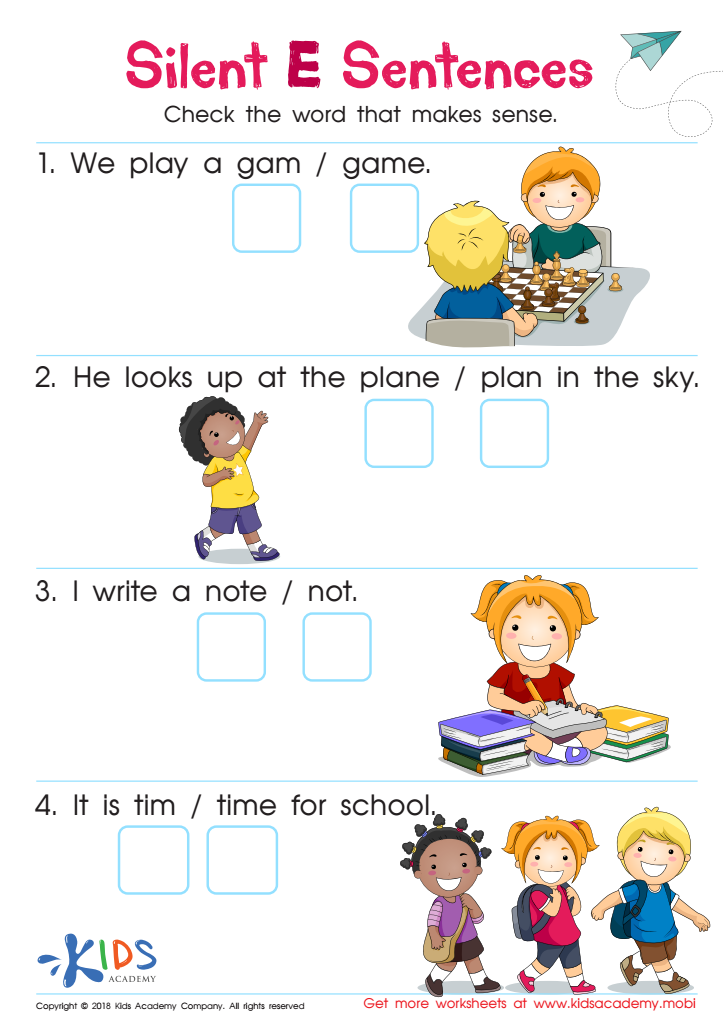
Silent E Sentences Worksheet
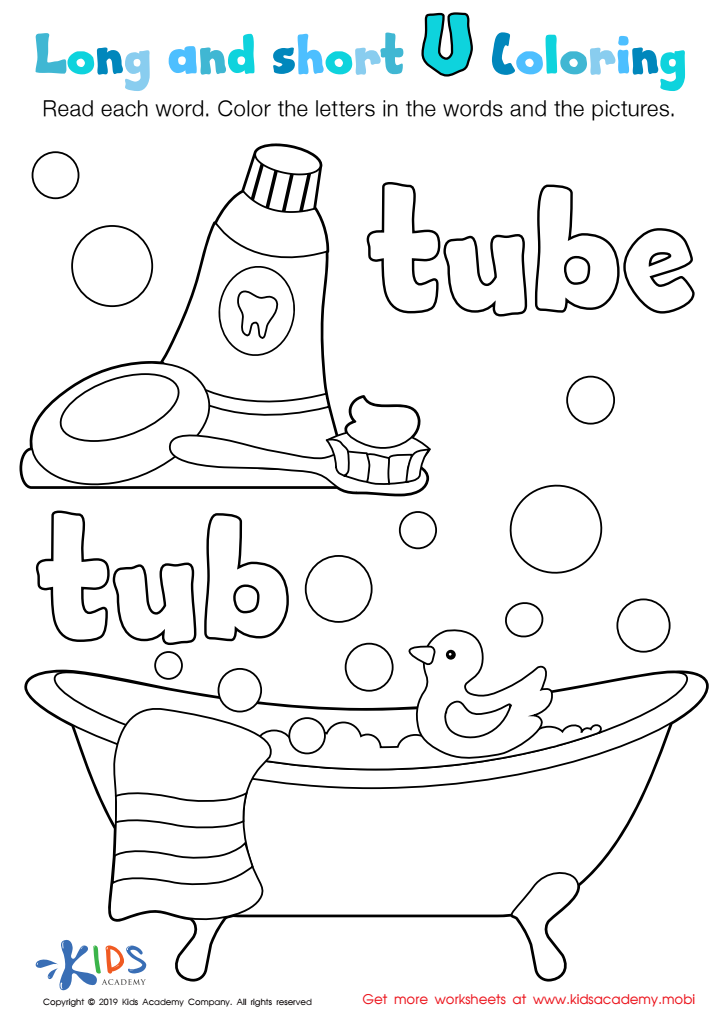
Long and Short U Worksheet
 Assign to My Students
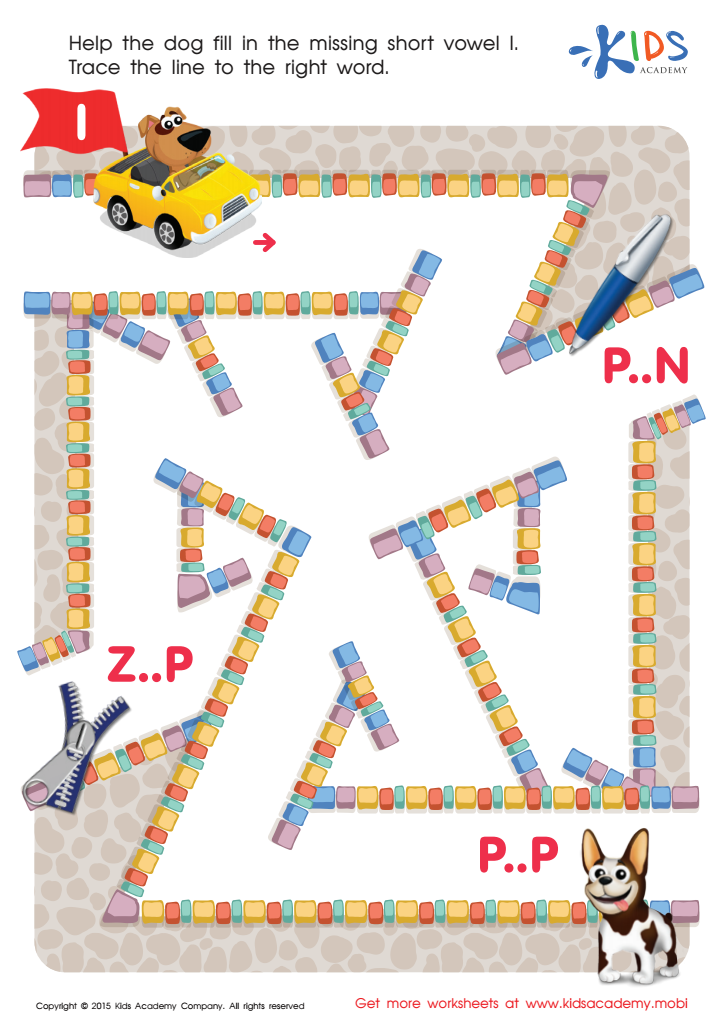
Short Vowel Sound I Worksheet
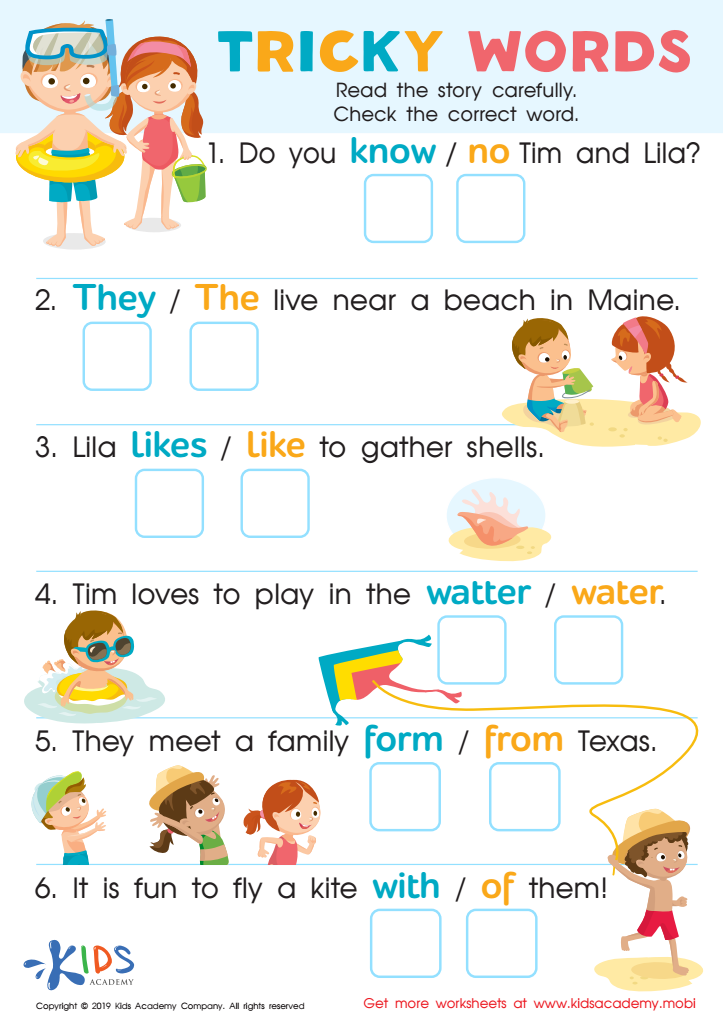
Tricky Words Worksheet
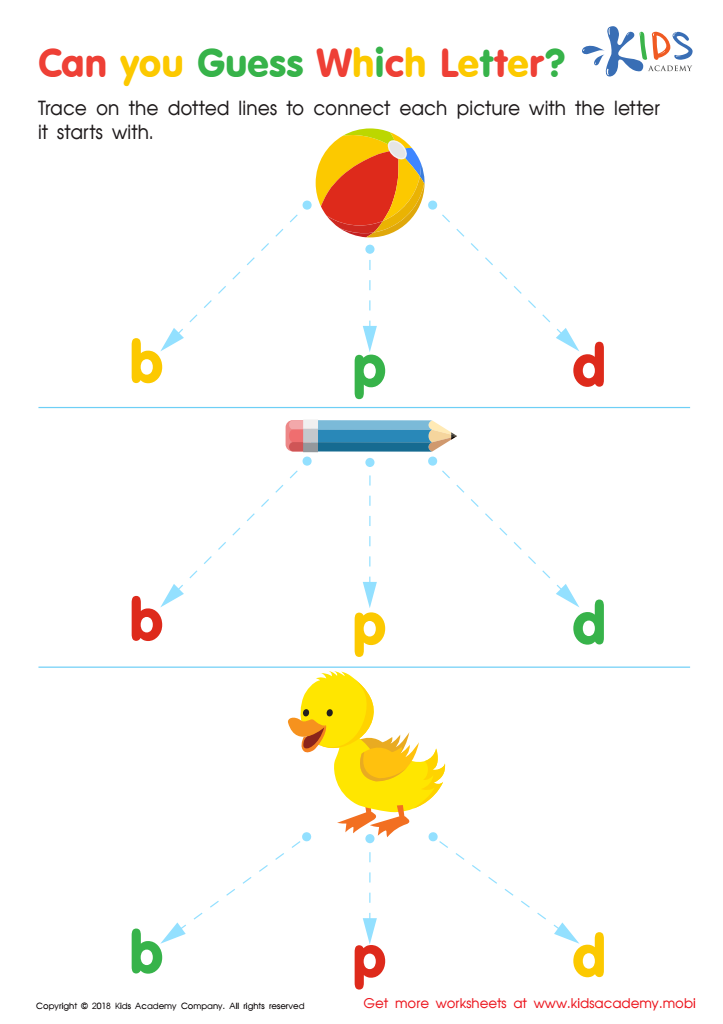
Can you Guess Which Letter? Worksheet
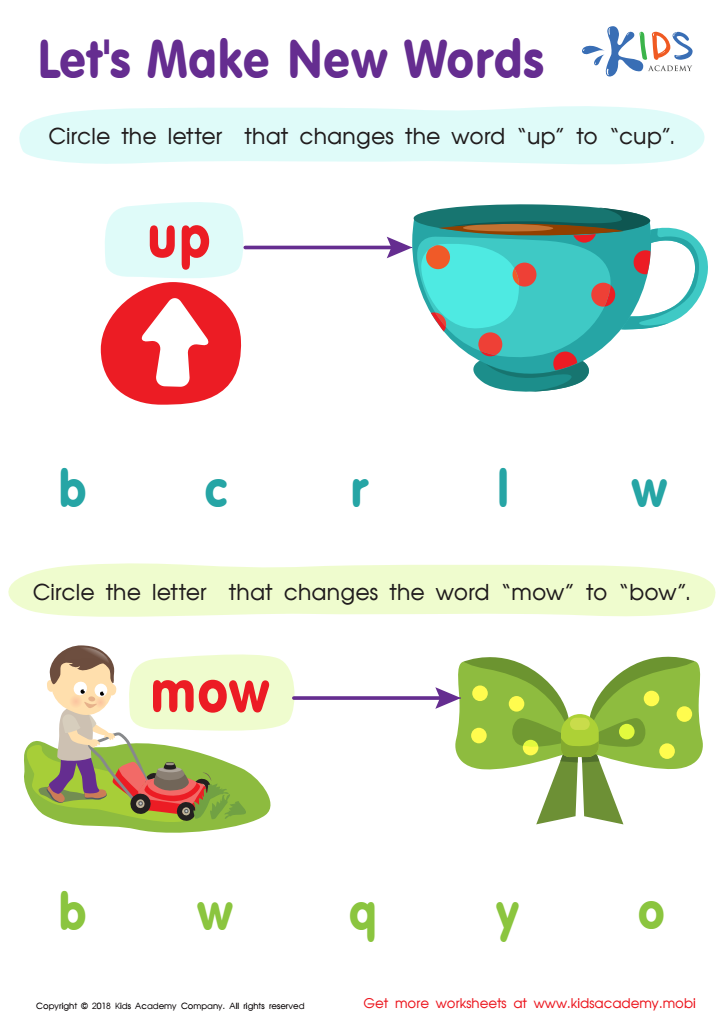
Let's Make New Words Worksheet
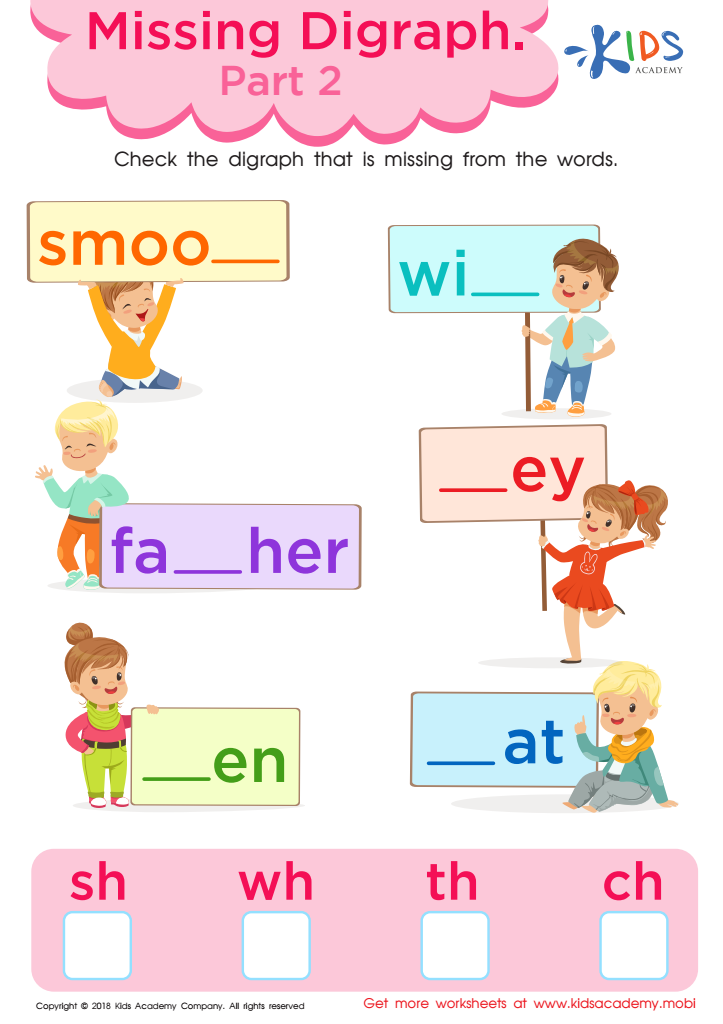
Missing Digraph: Part 2 Worksheet
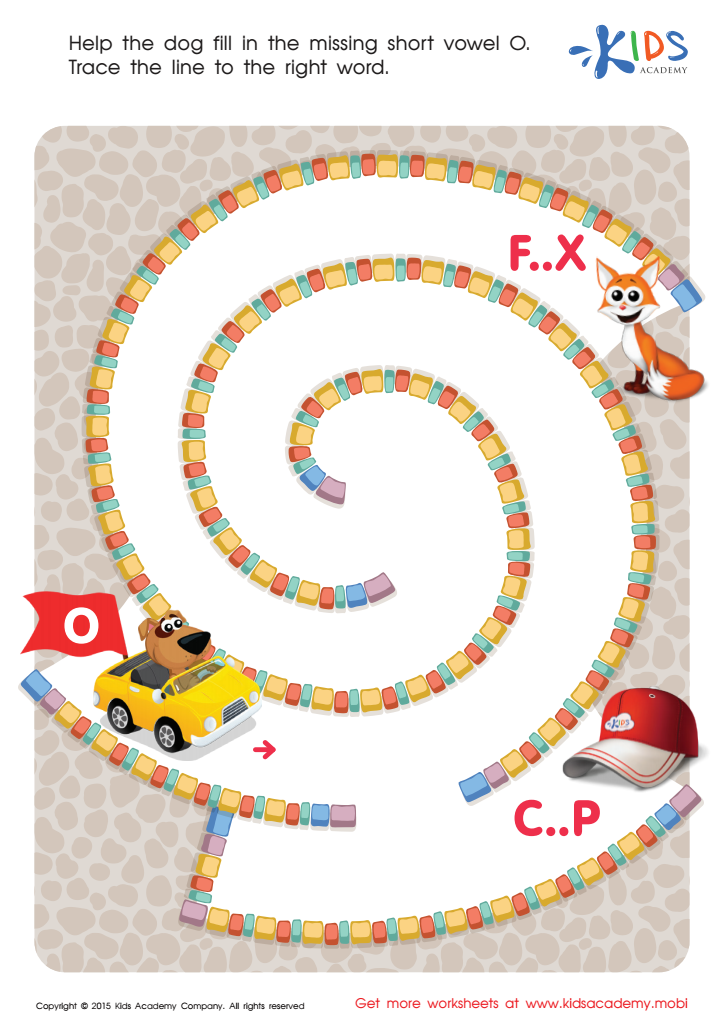
Short Vowel Sound O Worksheet
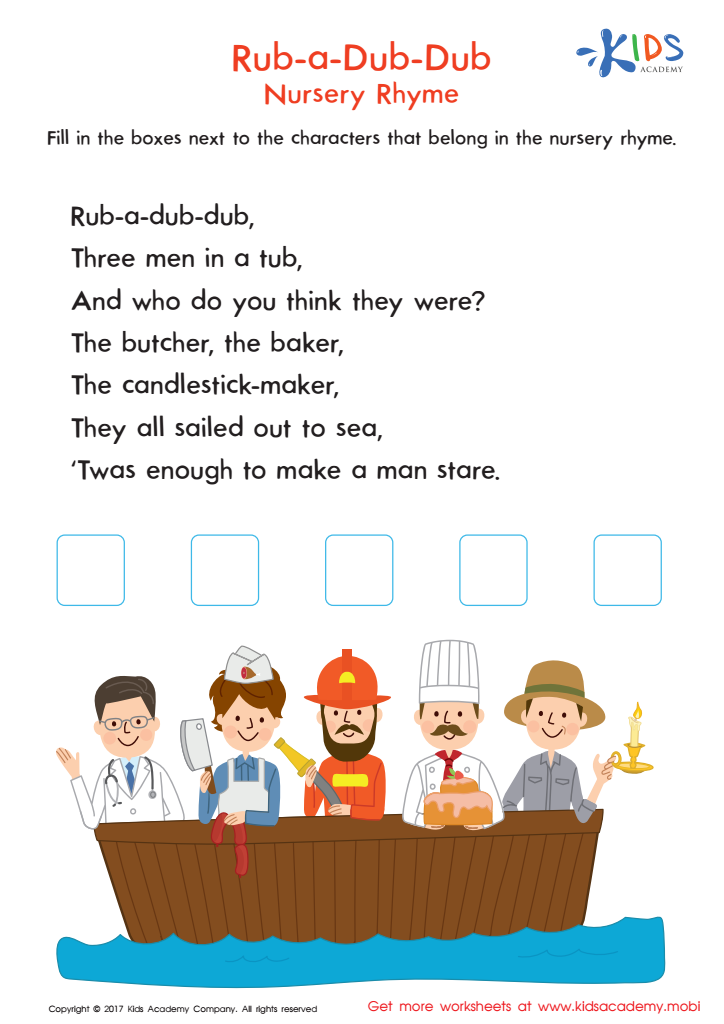
Rub a Dub Dub Printable
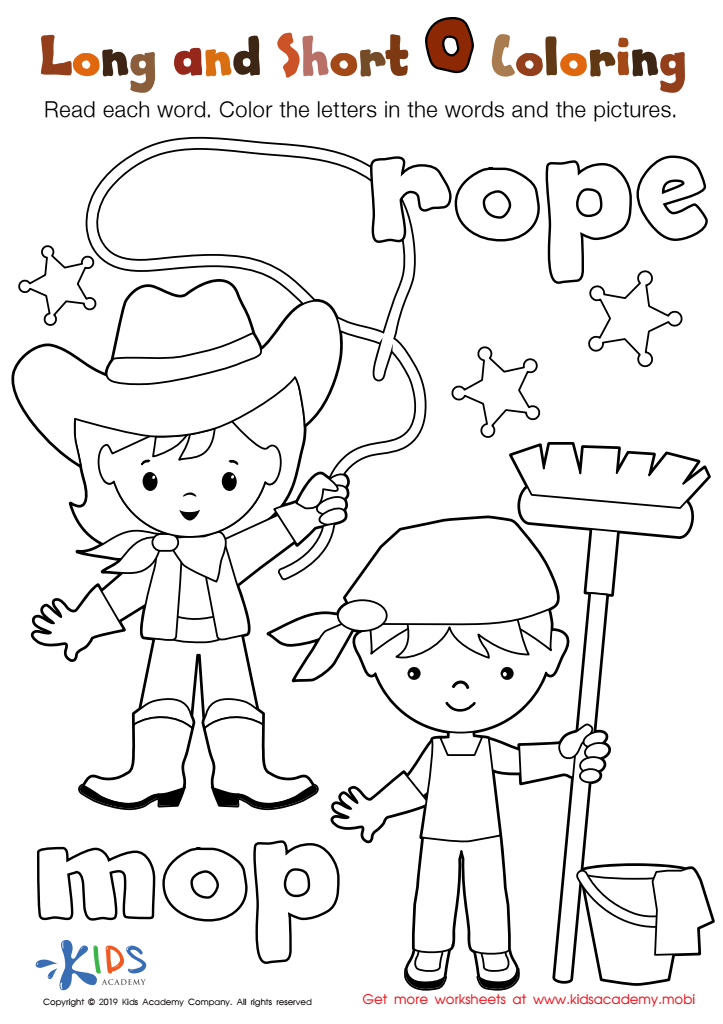
Long and Short O Worksheet
Assign to My Students
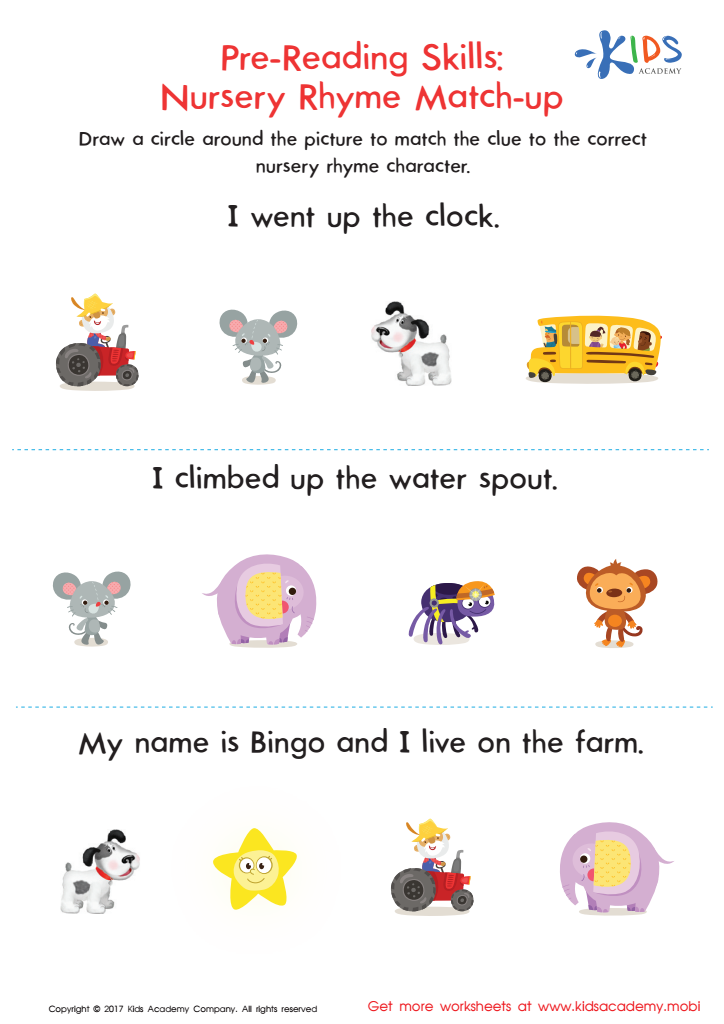
Nursery Rhyme Match–Up Worksheet
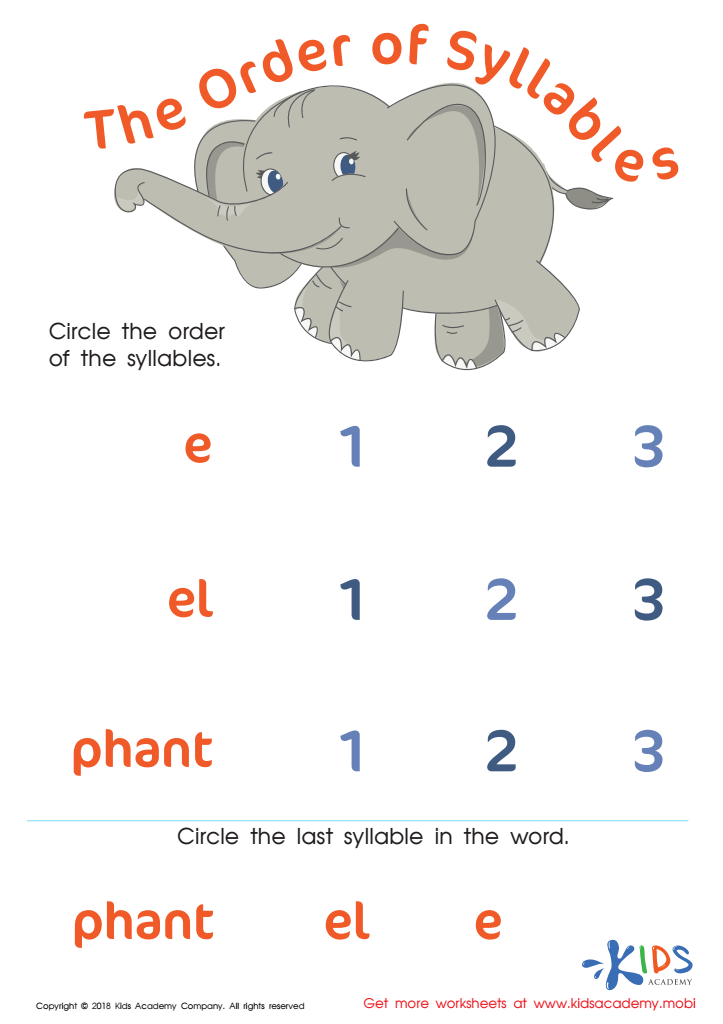
The Order of Syllables Worksheet
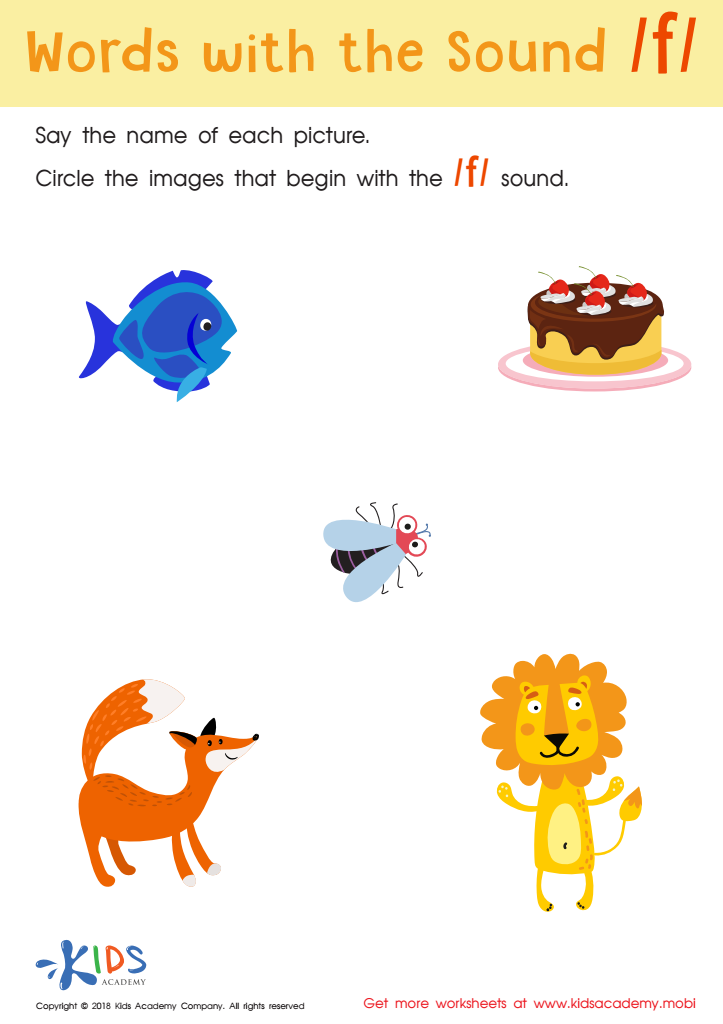
Words with sound f Reading Worksheet
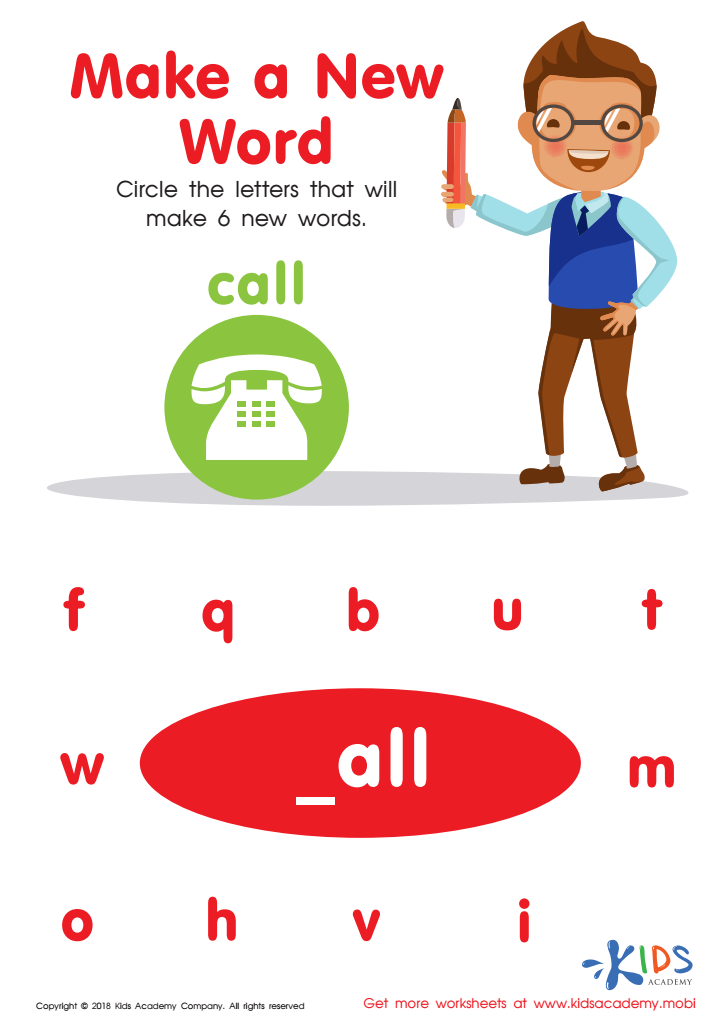
Make a New Word Worksheet
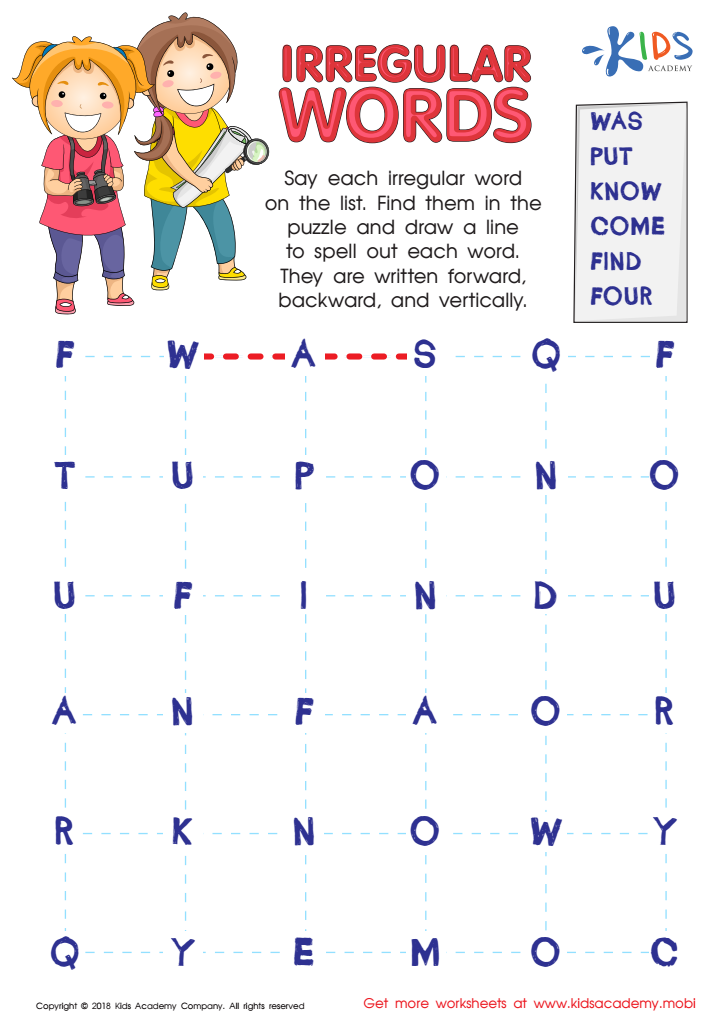
Irregular Words Worksheet
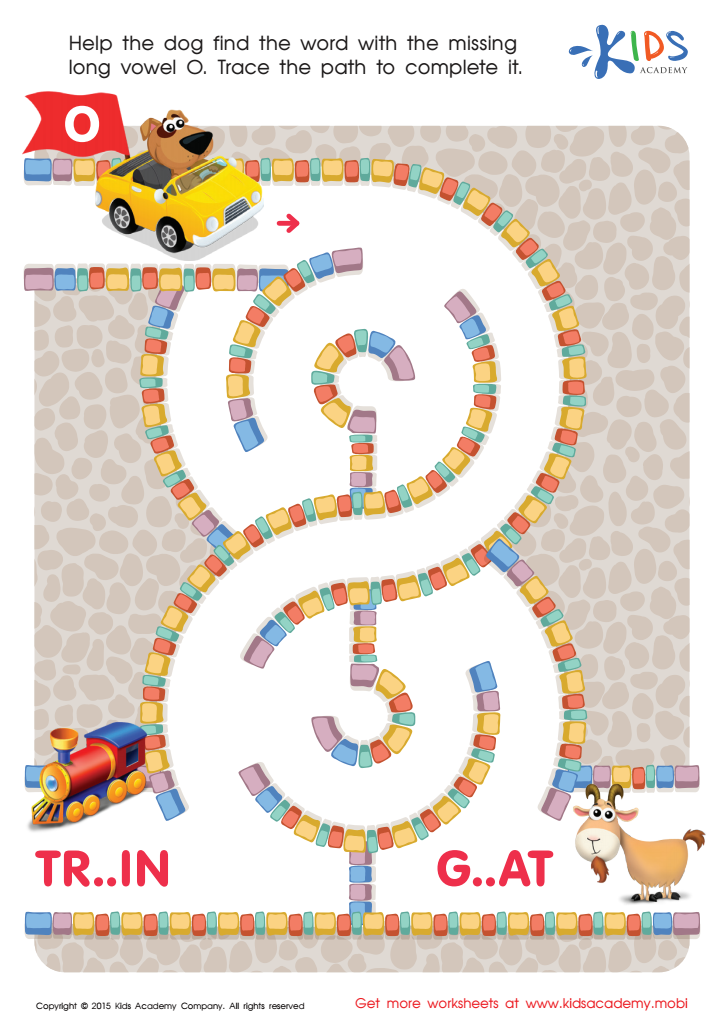
Long Vowel Sound O Worksheet
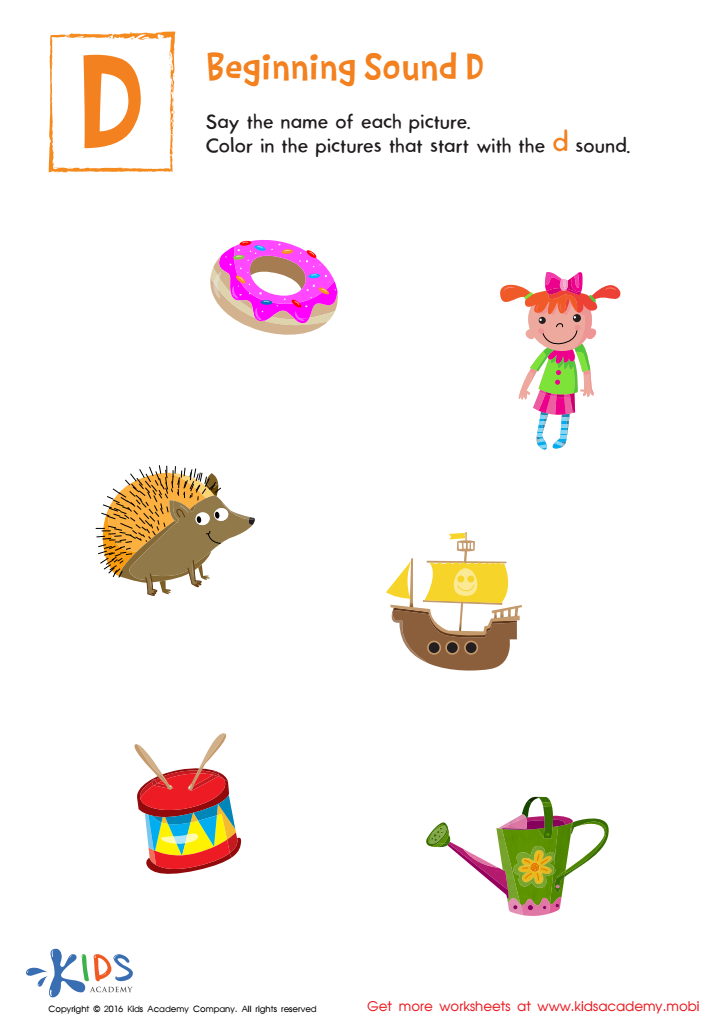
Beginning Sound D Worksheet







Vocabulary expansion in children aged 5-6 is crucial for several key developmental reasons. At this stage, children's brains are highly malleable and absorbing new information rapidly. Learning a rich vocabulary early fosters essential language skills that form the cornerstone for effective communication. When parents and teachers prioritize vocabulary building through alphabet activities, they provide children with the tools to express thoughts, emotions, and needs more clearly.
Reading ability is tightly intertwined with vocabulary knowledge. As children recognize letters and expand their word banks, they transition from letter-sound recognition to reading actual words and sentences. This builds their confidence, making them more eager to read independently—a critical predictor of long-term academic success.
Furthermore, vocabulary acquisition boosts cognitive development by enhancing memory, categorization, and listening skills. When children learn new words, they also develop comprehension skills that help in understanding more complex concepts.
Engaging in alphabet-based vocabulary exercises also nurtures curiosity and a love for learning, making children more willing participants in educational activities. For parents and educators, fostering vocabulary expansion equips children with a strong linguistic foundation, setting them up for overall academic and social success in the formative years and beyond.







