Word identification Alphabet Worksheets for Ages 5-6
4 filtered results
-
From - To
Discover our engaging Word Identification Alphabet Worksheets specifically designed for young learners aged 5-6. These worksheets provide a fun and interactive way for children to enhance their reading skills by identifying and matching words with corresponding images. The curriculum focuses on early language development, fostering a solid foundation in alphabet recognition and phonics. Perfect for both classroom and at-home practice, our printable activities help kids improve their spelling, enhance vocabulary, and promote literacy. Boost your child's confidence in reading with our expertly crafted worksheets, ensuring they build the essential skills needed for future academic success.
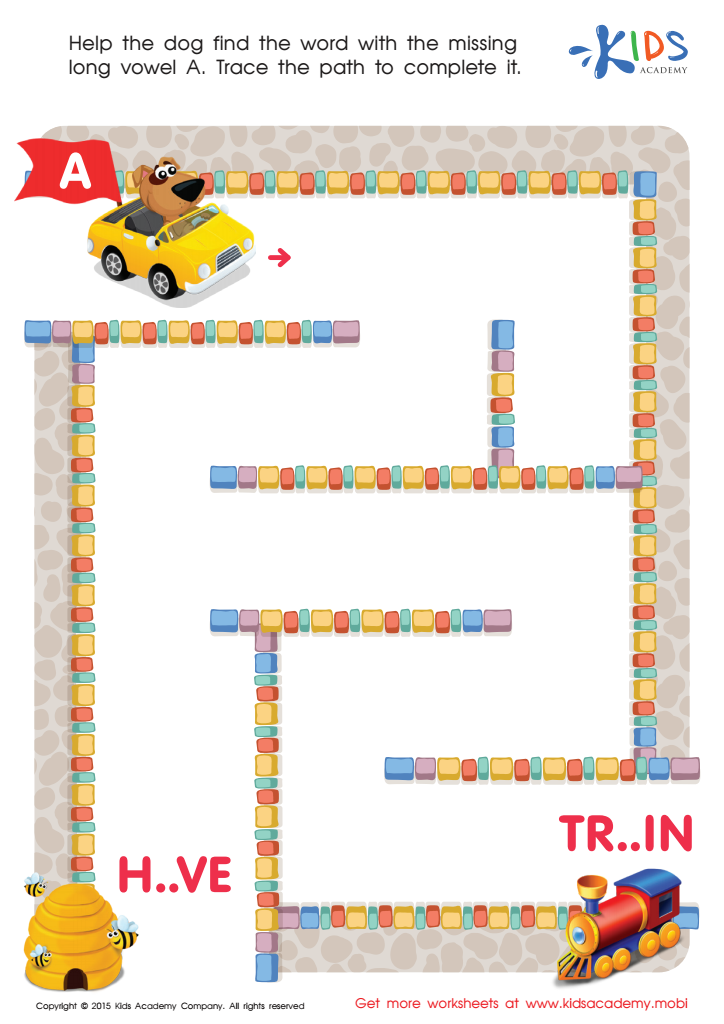
Long Vowel Sound A Worksheet
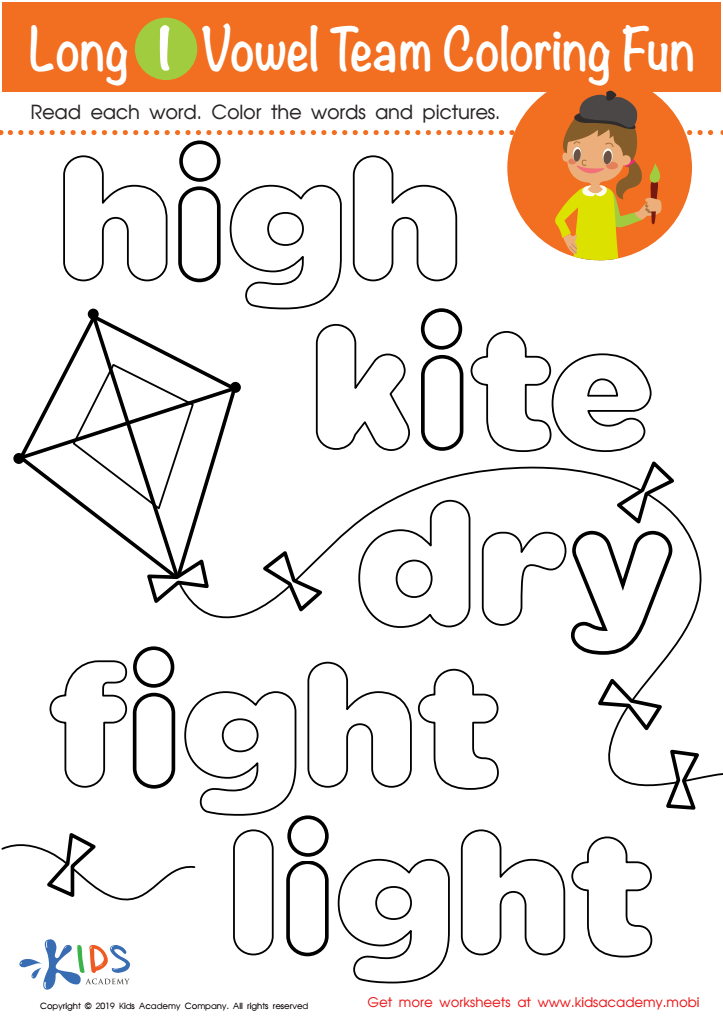
Long I Vowel Team Coloring Worksheet
 Assign to My Students
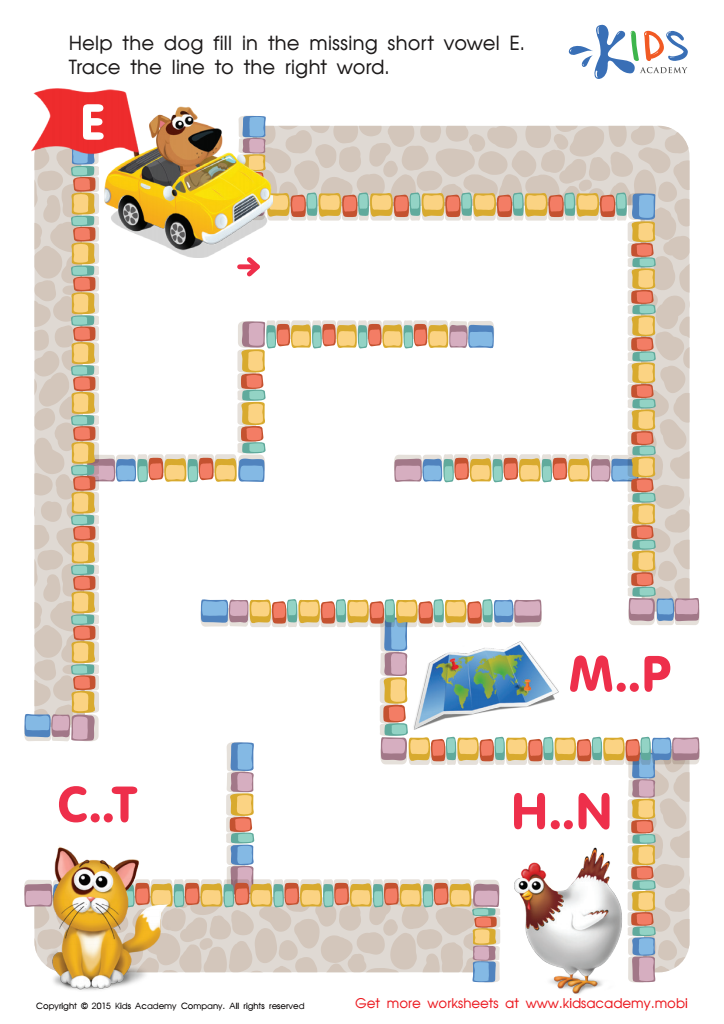
Short Vowel Sound E Worksheet
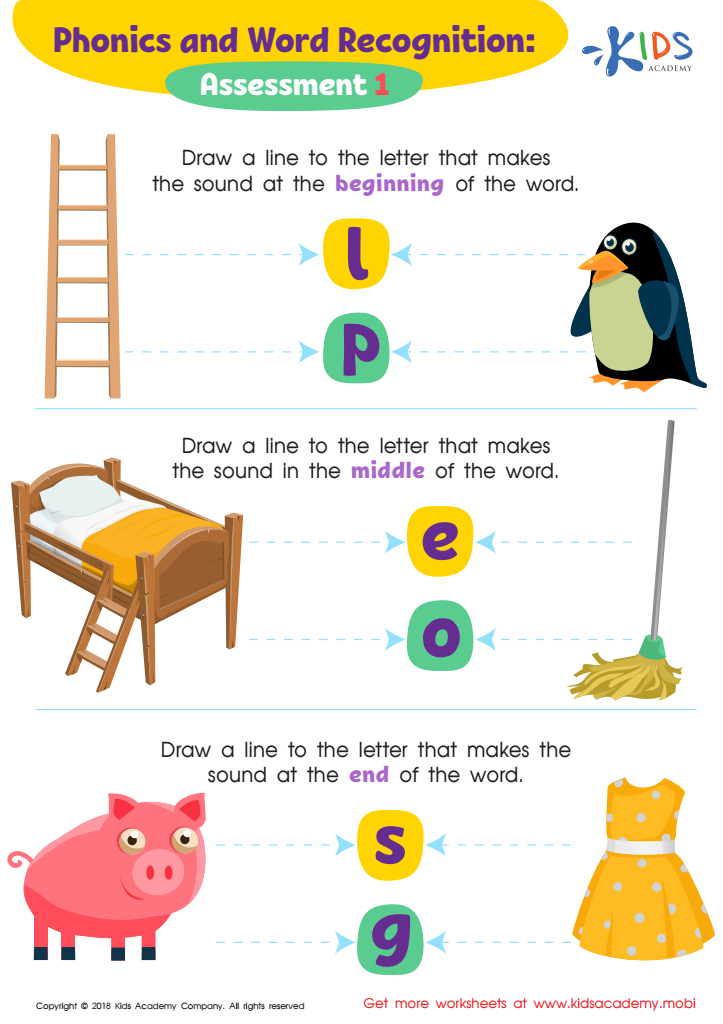
Phonics and Word Recognition: Assessment 1 ELA Worksheet






Word identification is a cornerstone of reading development, making it an essential skill for children aged 5-6. At this stage, children are in the early stages of literacy and learning to decode words is critical. Here's why parents and teachers should prioritize Word Identification Alphabet (WIA):
First, WIA aids in phonemic awareness, which is the ability to hear, identify, and manipulate individual sounds in spoken words. This skill is foundational for effective reading and spelling, helping children break down words into their component sounds.
Second, mastering word identification empowers children with the confidence to read independently. There’s a profound boost to their self-esteem as they correctly identify words and make sense of sentences on their own, fostering a love for reading.
Third, strong word identification skills have a direct link to vocabulary expansion. As children learn to identify new words, they also learn their meanings, usage, and context, thereby enhancing their language comprehension.
Lastly, proficient word identification practices set the stage for advanced reading skills. Once children can identify words swiftly and effortlessly, they can focus on higher-order skills like comprehension, inference, and critical thinking.
In sum, emphasizing Word Identification Alphabet at this critical age nurtures a sturdy foundation for lifelong learning, self-assurance in literacy, and fluent communication abilities.







