Phonics Skills Phonics Worksheets for Ages 5-6 - Page 3
50 filtered results
-
From - To
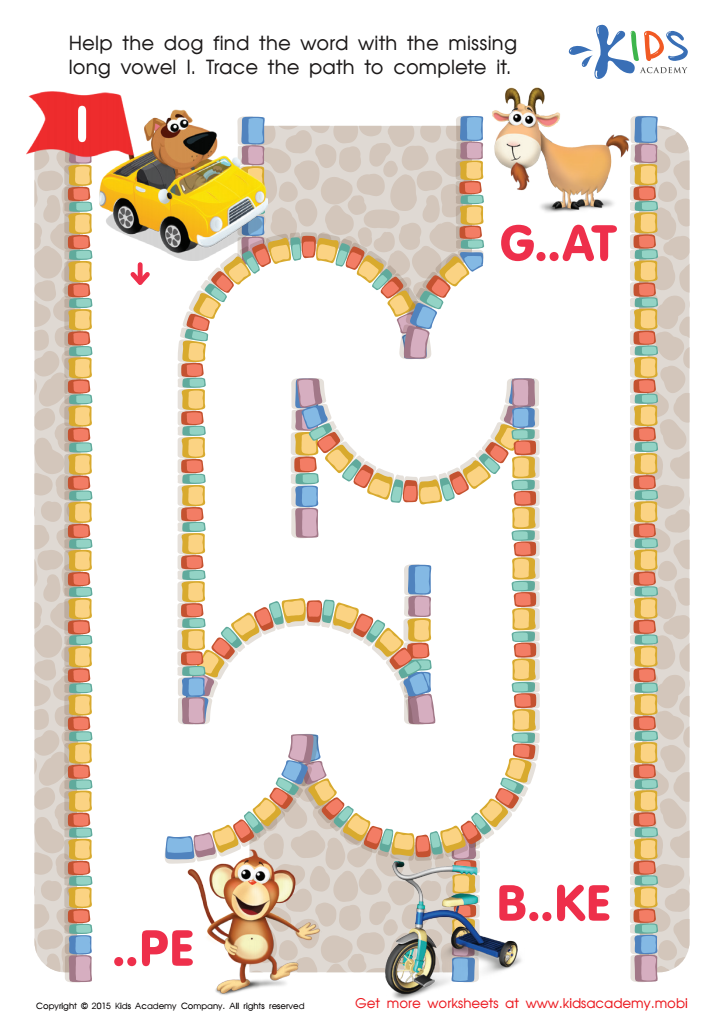
Long Vowel Sound I Worksheet
 Assign to My Students
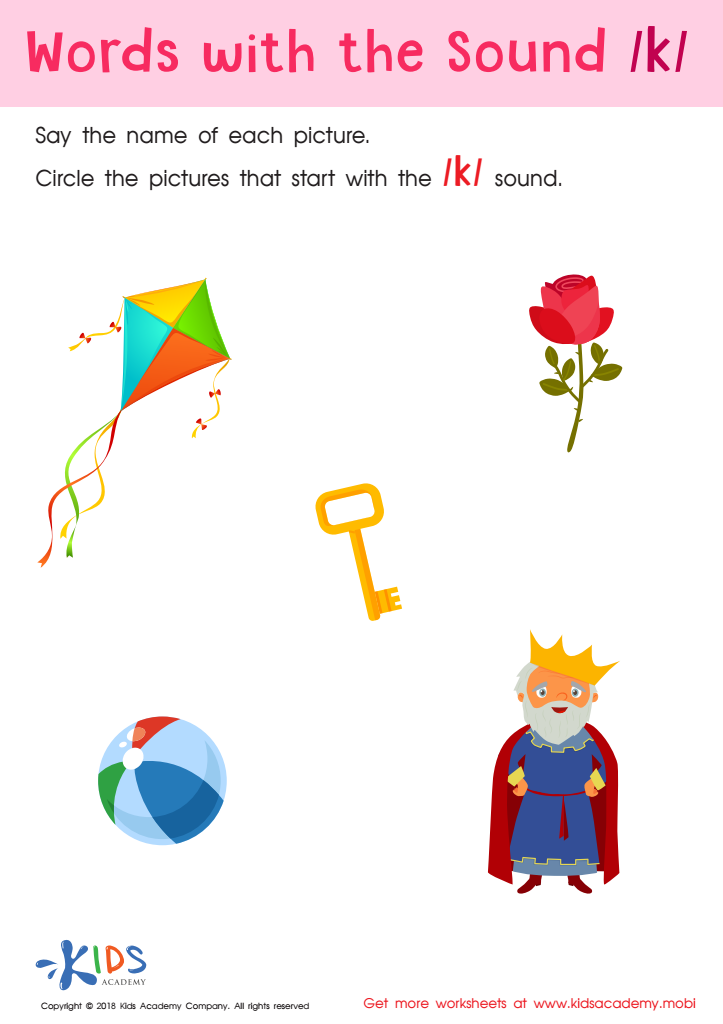
Words with sound k Reading Worksheet








Phonics skills are crucial for children aged 5-6 as they form the foundation for reading and writing. At this developmental stage, children are beginning to make connections between sounds and letters, which is essential for their literacy journey. Understanding phonics helps them decode words, making reading more accessible and enjoyable.
For parents and teachers, fostering phonics skills is vital not only for literacy but also for overall academic success. Children who struggle with phonics may face ongoing challenges in reading comprehensively and expressing themselves in writing. By supporting phonics development, adults can help to ensure children build confidence in their abilities, leading to a more positive attitude toward learning.
Furthermore, phonics instruction promotes other essential skills, such as vocabulary development and spelling. Engaged parents and teachers can create a nurturing environment that emphasizes phonics through games, songs, and interactive activities. This collaborative effort can significantly enhance children's language abilities, preparing them for future academic challenges.
Ultimately, prioritizing phonics skills in early education equips children with the tools they need for lifelong learning, fostering a love for reading that will benefit them well into adulthood.







