Word identification Phonics Worksheets for Ages 5-6
4 filtered results
-
From - To
Introduce your young learners to the foundational skill of word identification with our engaging phonics worksheets designed for ages 5-6. These thoughtfully created activities will help children recognize, decode, and understand words while enhancing their reading confidence. Each worksheet focuses on phonetic awareness, making learning fun through colorful illustrations and interactive exercises. Your child will explore various word patterns and gain essential skills necessary for reading fluency. Perfect for homeschooling or classroom settings, our printable worksheets support early literacy development while fostering a love for reading. Start your child’s literary journey today with our Word Identification Phonics Worksheets!
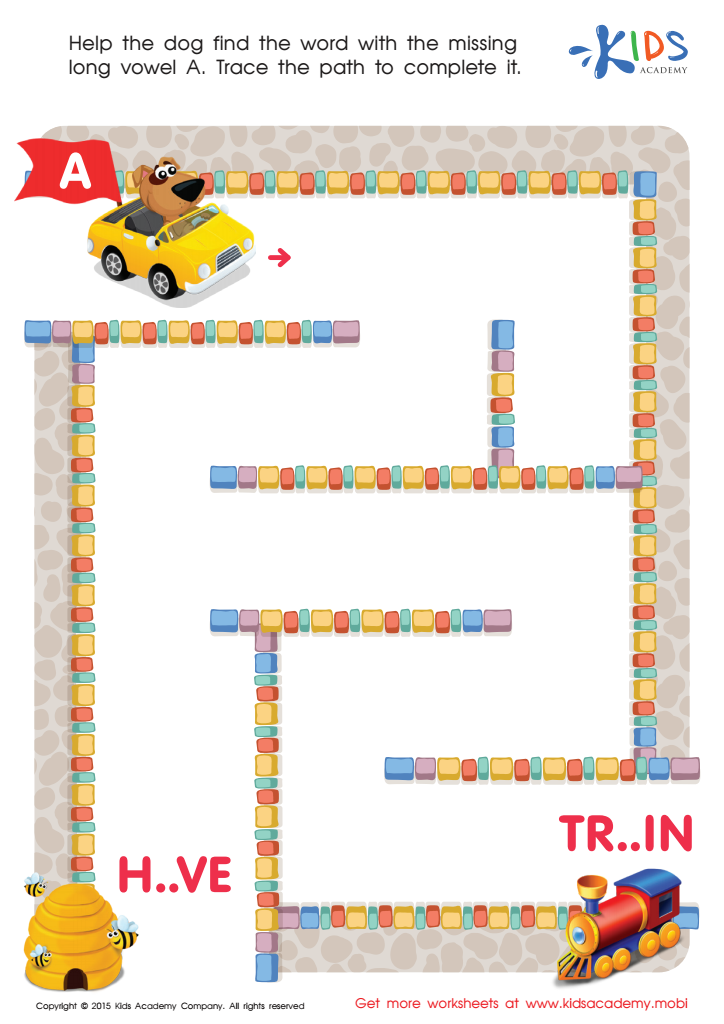
Long Vowel Sound A Worksheet
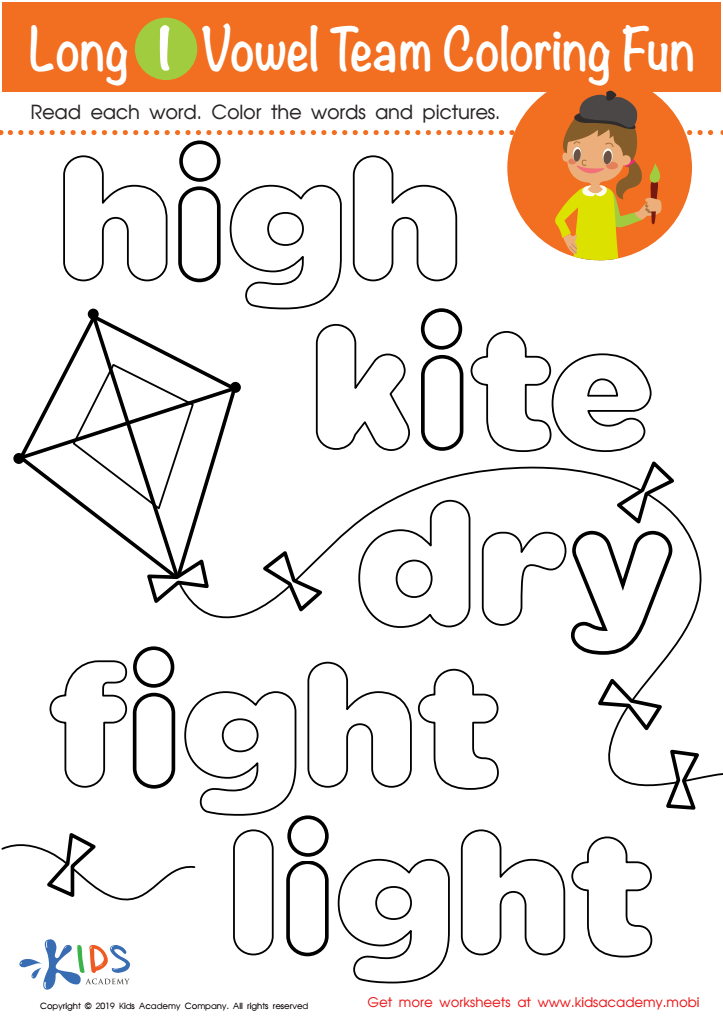
Long I Vowel Team Coloring Worksheet
 Assign to My Students
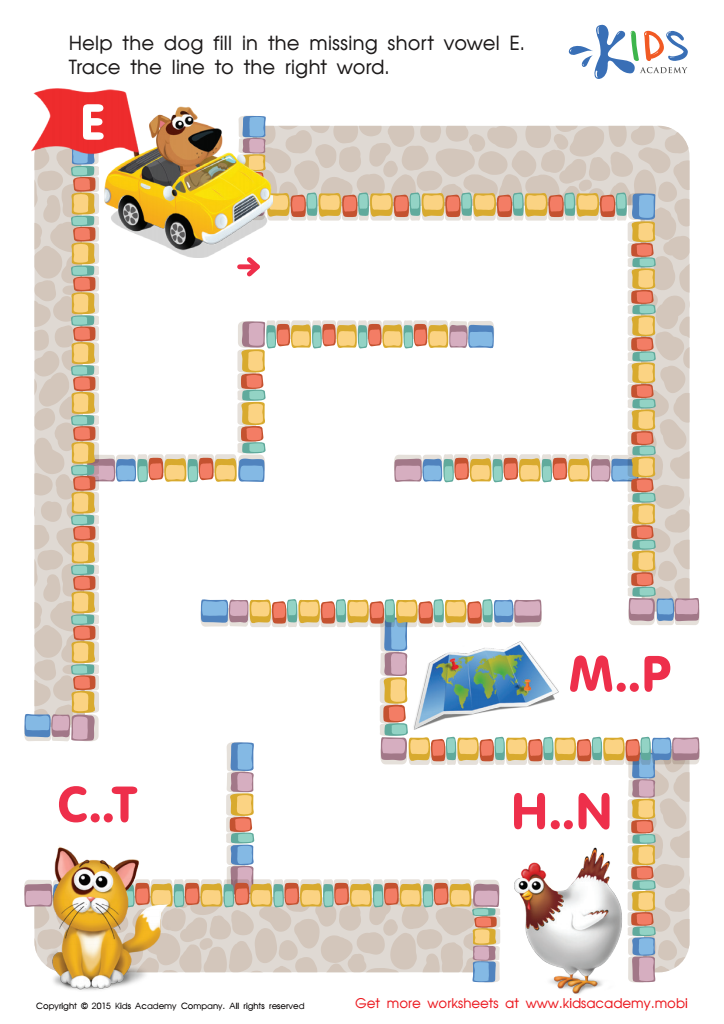
Short Vowel Sound E Worksheet
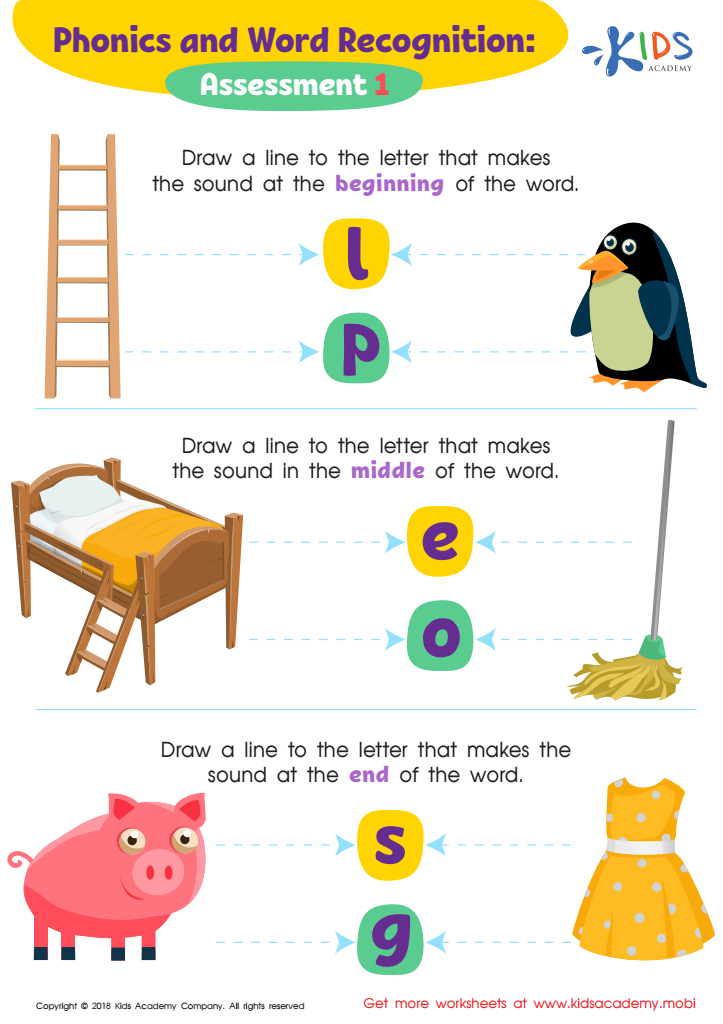
Phonics and Word Recognition: Assessment 1 ELA Worksheet








Word identification and phonics are foundational skills critical for children ages 5-6 as they embark on their reading journey. Understanding how letters correspond to sounds empowers young learners to decode words independently, enhancing their reading fluency and comprehension. By mastering phonics, children develop the ability to tackle unfamiliar words, reducing frustration and building confidence. This age group is particularly sensitive to effective reading instruction, as their early experiences can shape their attitudes towards literacy and education.
Moreover, consistent phonics instruction promotes a strong vocabulary base, helping children make connections between spoken and written language. As they learn to identify words phonetically, they also enhance their spelling and writing skills, which are vital for overall language development. Simple successes in word identification can stimulate a love for reading, encouraging children to explore books and storytelling.
For teachers and parents, advocating for phonics means investing in children’s long-term academic success. Early readers equipped with strong phonemic awareness are more likely to excel in later grades and across subjects. Ultimately, fostering a solid foundation in word identification through phonics can open doors to lifelong literacy and learning.







