Alphabet Recognition Tracing Letters Worksheets for Ages 5-6 - Page 2
28 filtered results
-
From - To

Uppercase Letters Y Z Worksheet
 Assign to My Students
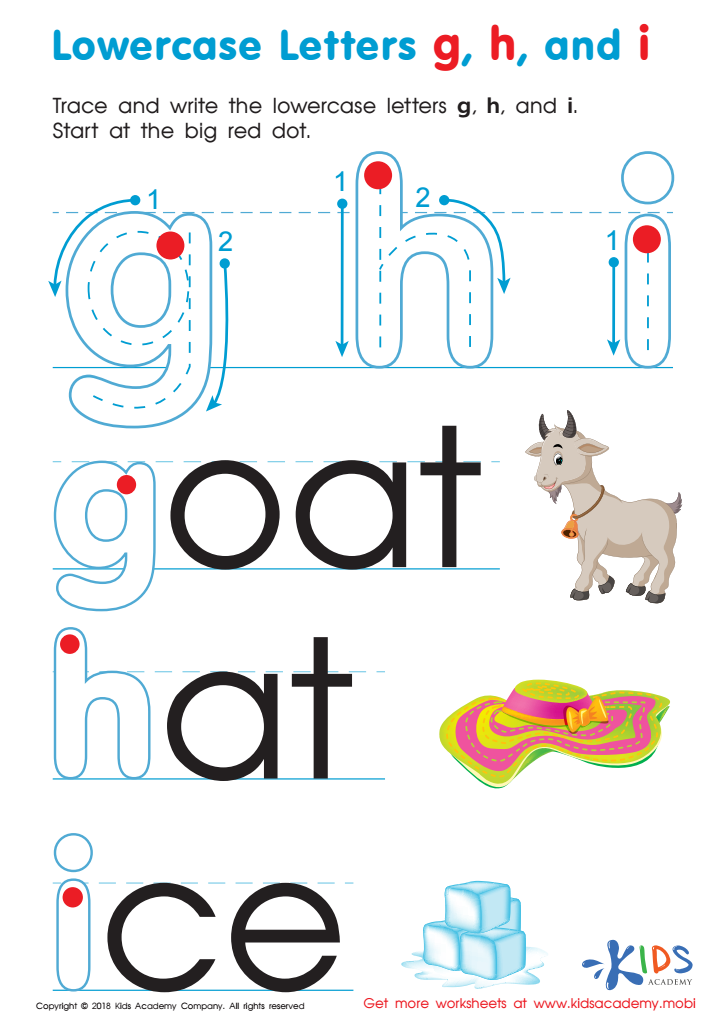
Lowercase Letters g h i Worksheet
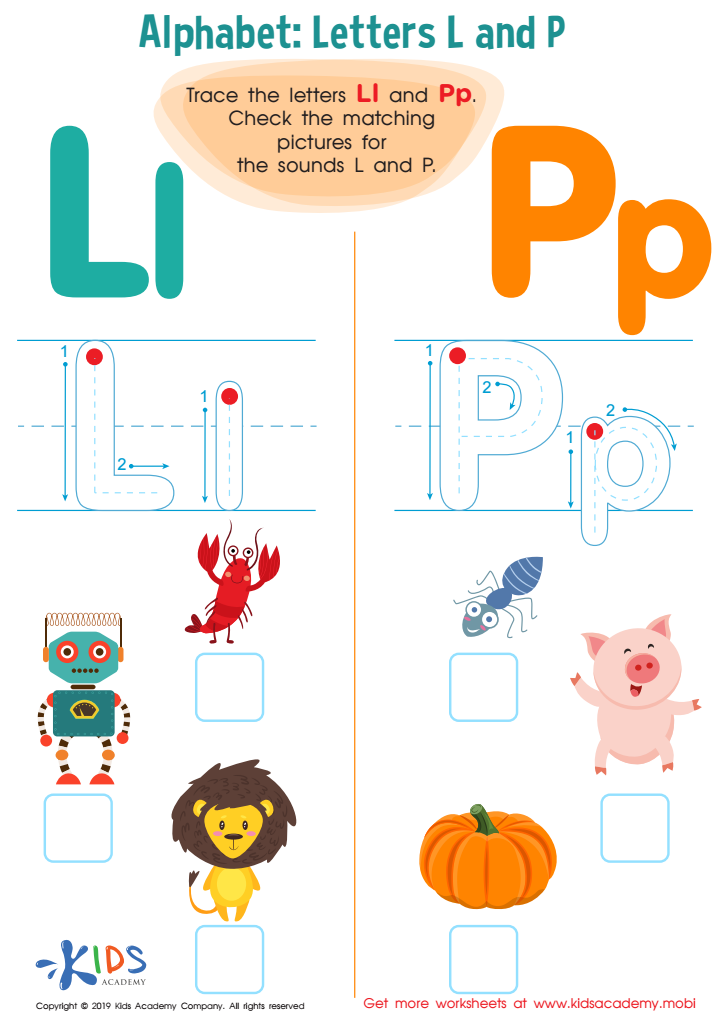
Letter L and P Tracing Worksheet
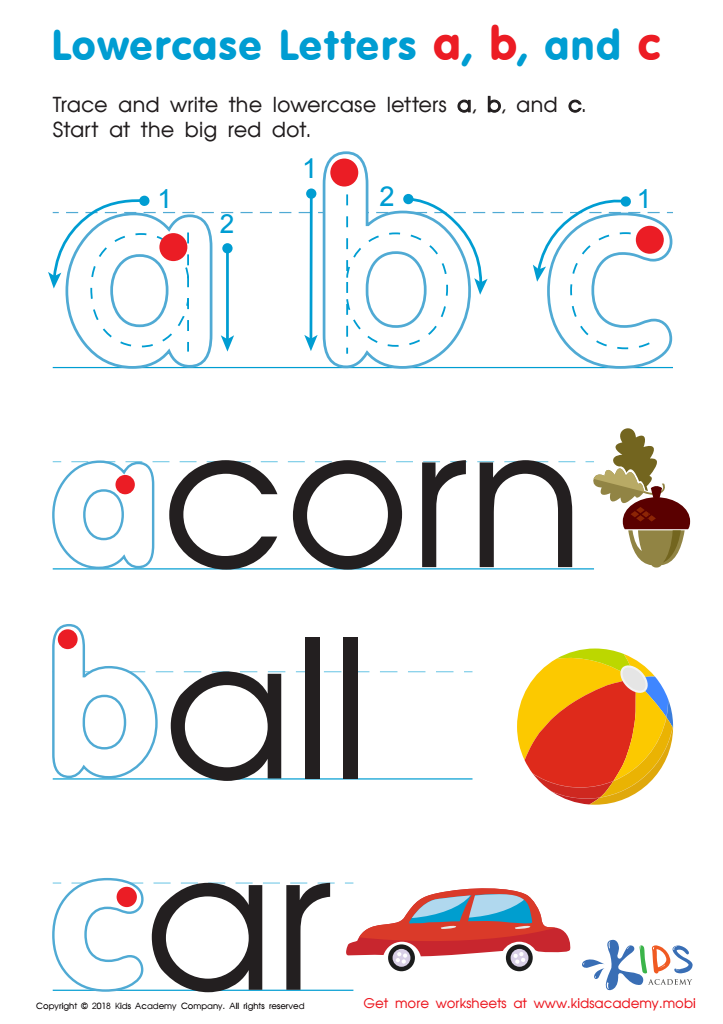
Lowercase Letters a b c Worksheet








Alphabet recognition and tracing letters are crucial skills for children aged 5-6, forming the foundation for literacy development. At this stage, children are beginning to grasp the connection between letters and sounds, which is essential for reading and writing. By recognizing letters, they learn to identify words, paving the way for effective communication and self-expression.
Teachers and parents should prioritize alphabet tracing activities as they not only enhance letter familiarity but also improve fine motor skills. Tracing requires children to use hand-eye coordination, helping develop the muscles needed for writing. These activities can also foster concentration and perseverance, as children practice the motions of forming letters correctly.
Additionally, focusing on alphabet recognition and tracing can create a more engaging learning experience. Parents and teachers who incorporate fun games and creative activities can motivate children to learn. This positive reinforcement encourages a love for reading and writing, which is vital for academic success in the future.
In conclusion, by emphasizing alphabet recognition and letter tracing, adults can support essential cognitive and physical skills that will benefit children well beyond their early educational experiences, preparing them for lifelong learning and development.








