Handwriting practice Upper & Lowercase Letters Worksheets for Ages 5-6
16 filtered results
-
From - To
Welcome to our Handwriting Practice Worksheets for Upper and Lowercase Letters, specially designed for children aged 5-6 years! These engaging printable worksheets provide young learners with the opportunity to practice their handwriting skills through fun and interactive activities. Each worksheet is tailored to enhance fine motor skills while reinforcing letter recognition and proper writing techniques. From tracing and writing activities to playful letter games, our resources make handwriting practice enjoyable and effective. Perfect for home or classroom use, these worksheets will help your child build confidence in their writing abilities and set a strong foundation for their academic journey.
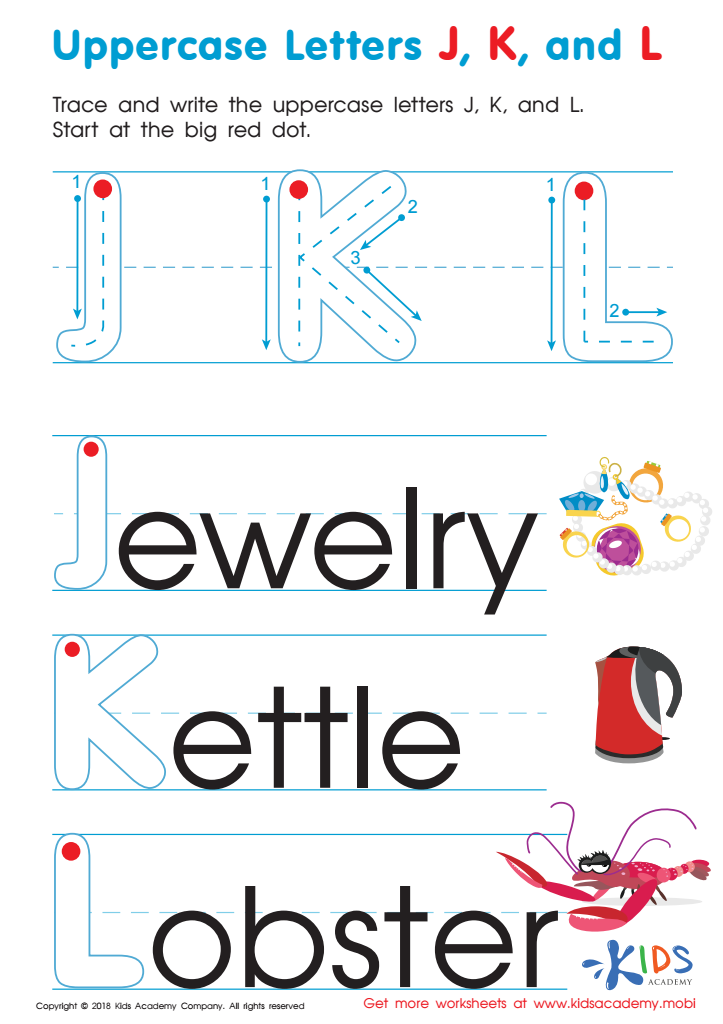
Uppercase Letters J, K, and L Worksheet
 Assign to My Students
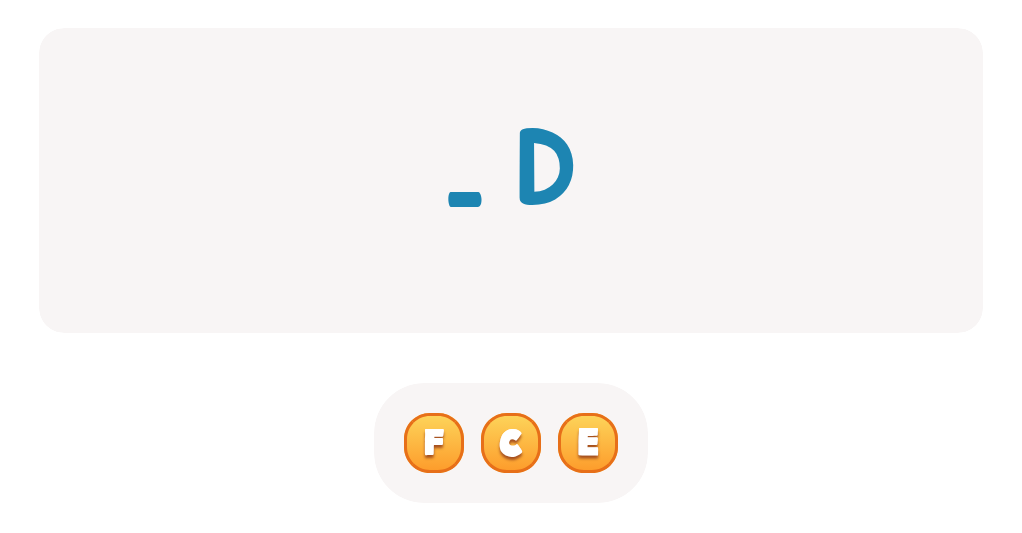

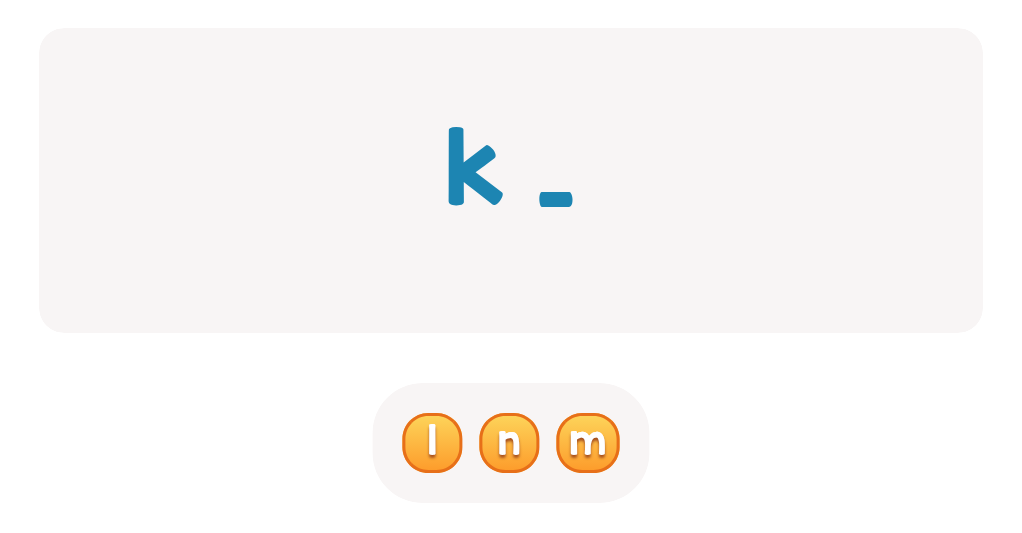
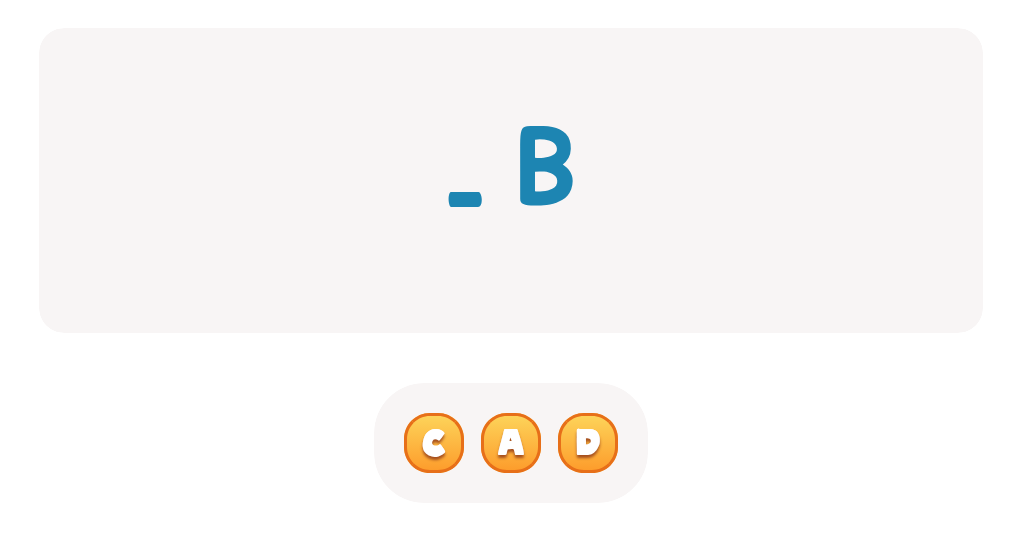
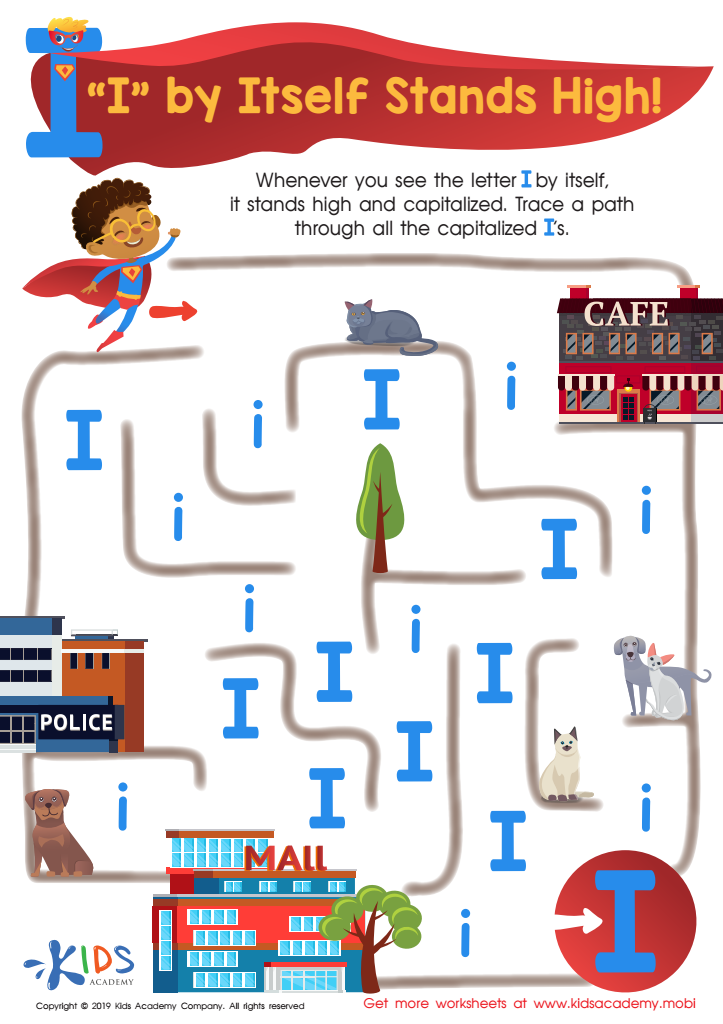
I Stands High Worksheet
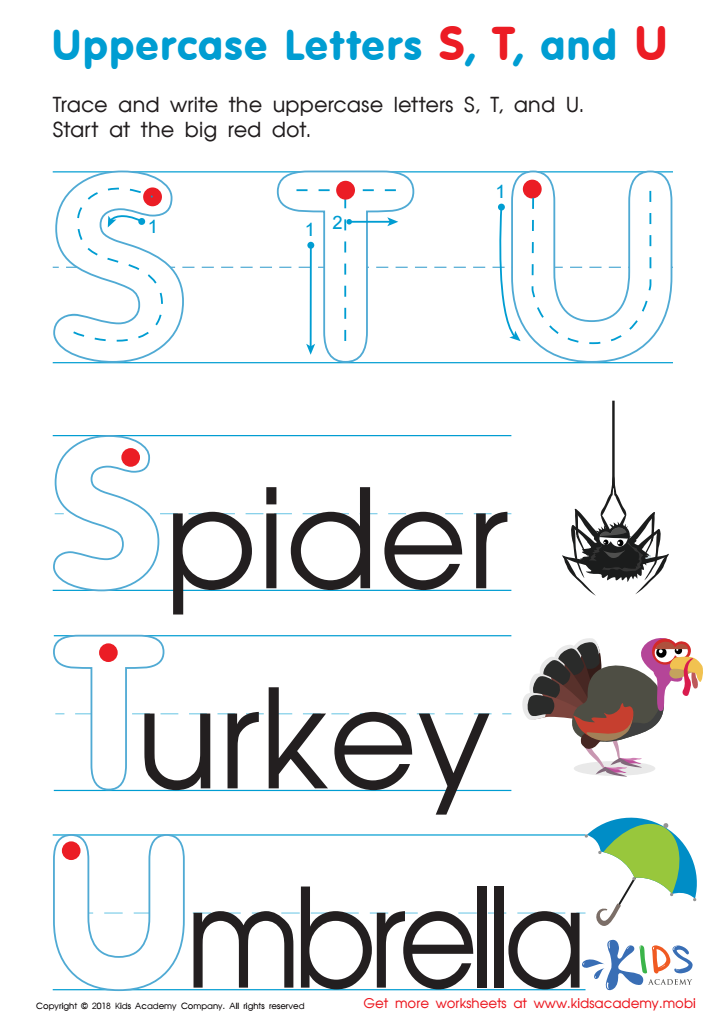
Uppercase Letters S, T, and U Worksheet
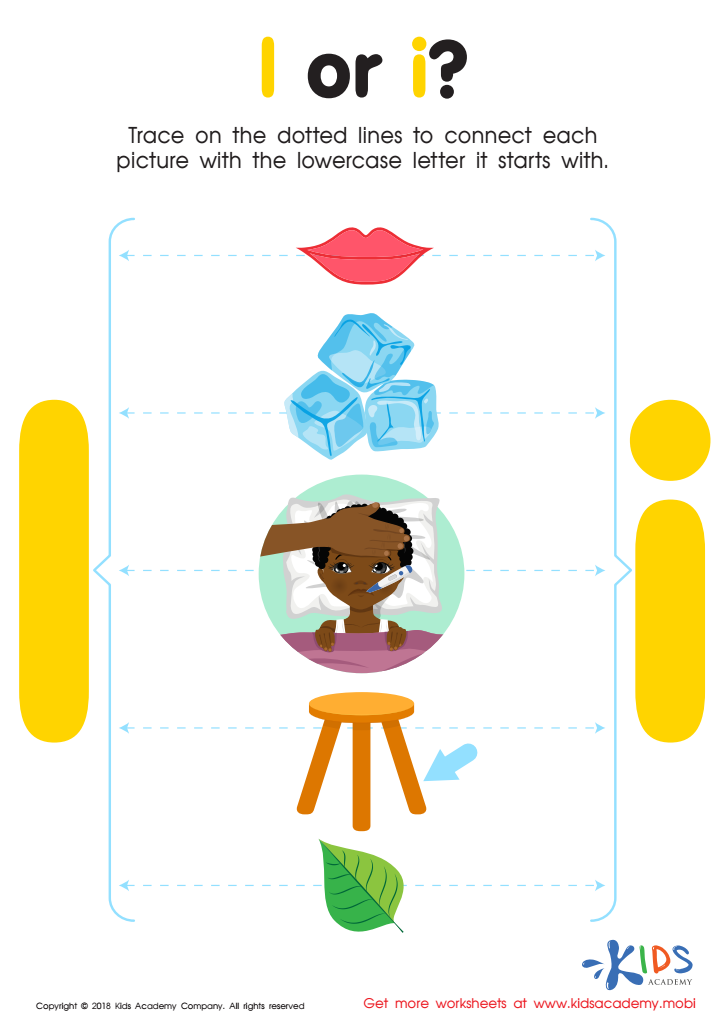
l or i? Worksheet
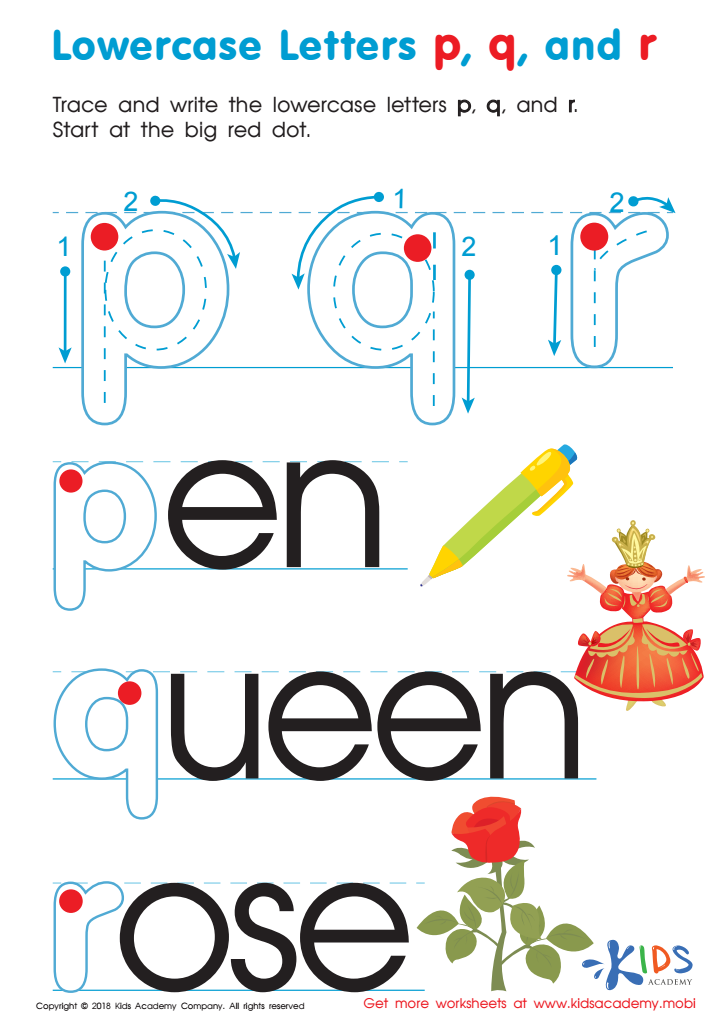
Lowercase Letters p q r Worksheet
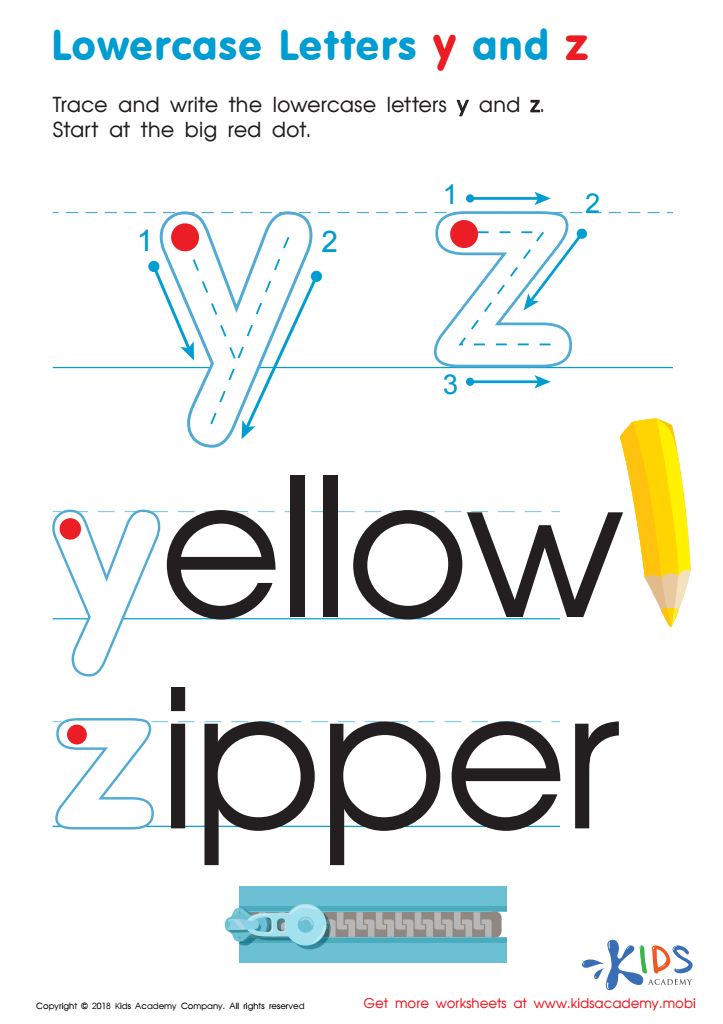
Lowercase Letters y z Worksheet
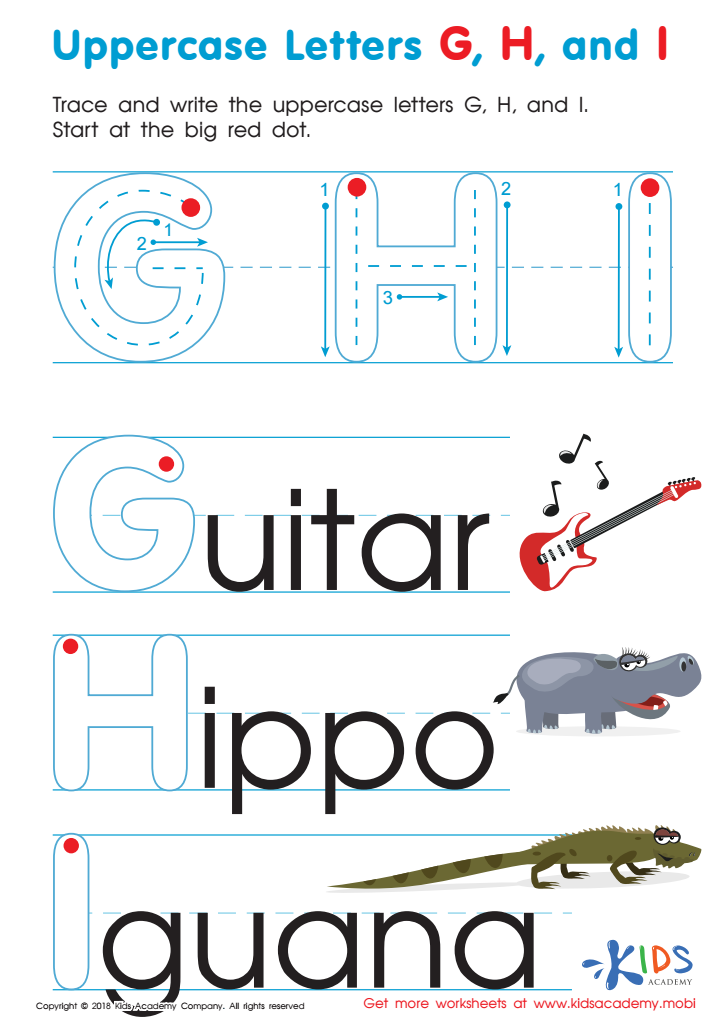
Uppercase Letters G, H, and I Worksheet
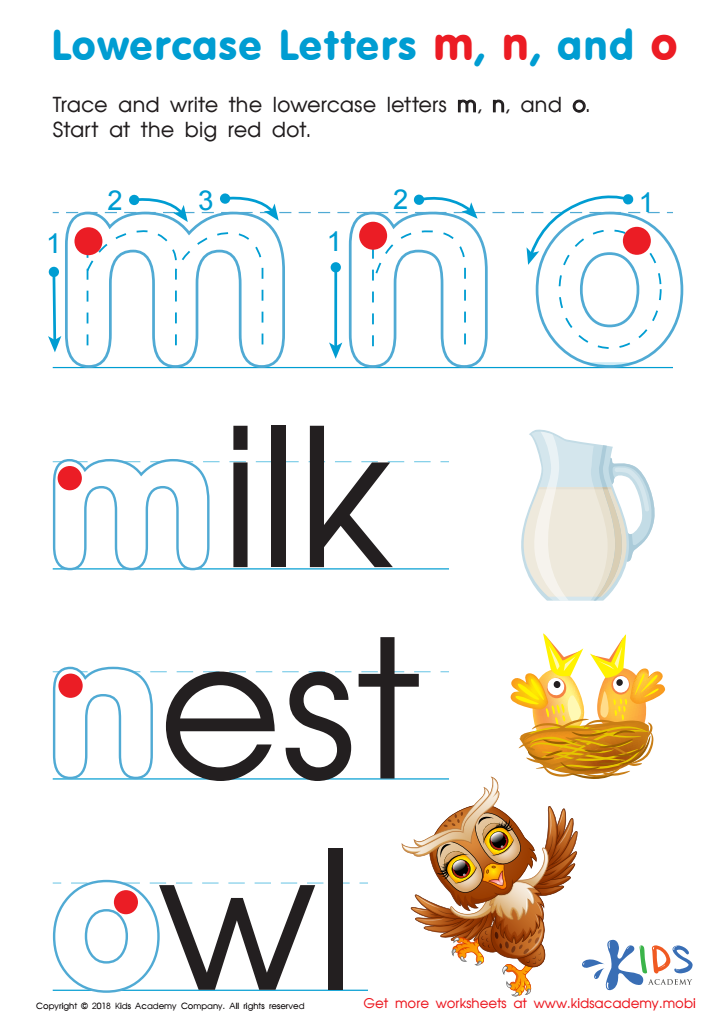
Lowercase Letters m n o Worksheet
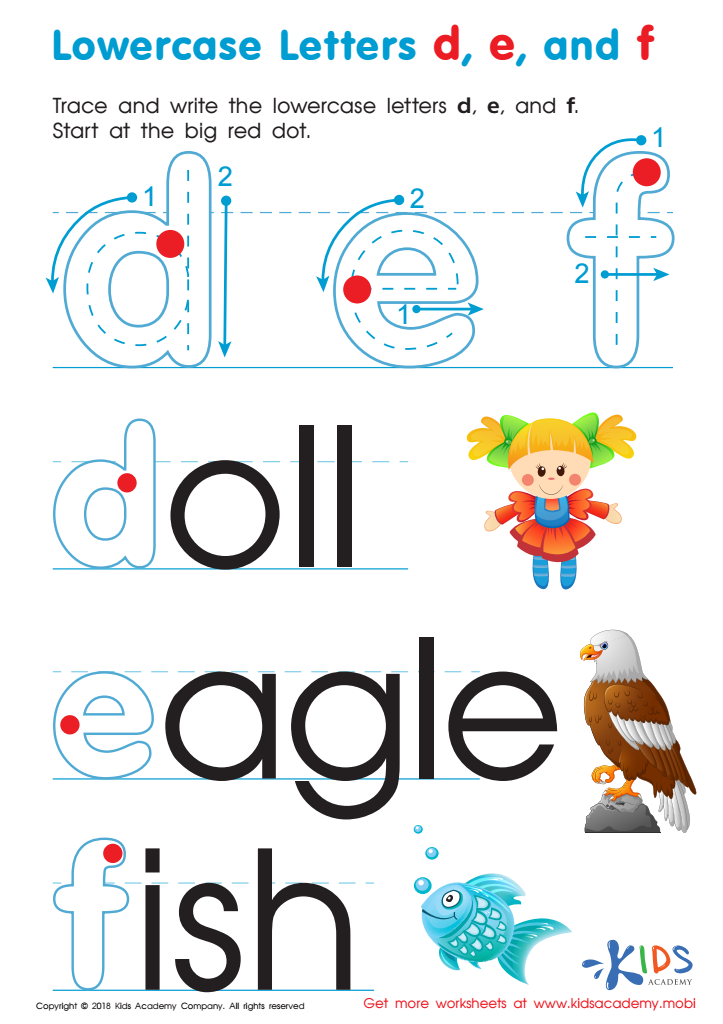
Lowercase Letters d e f Worksheet
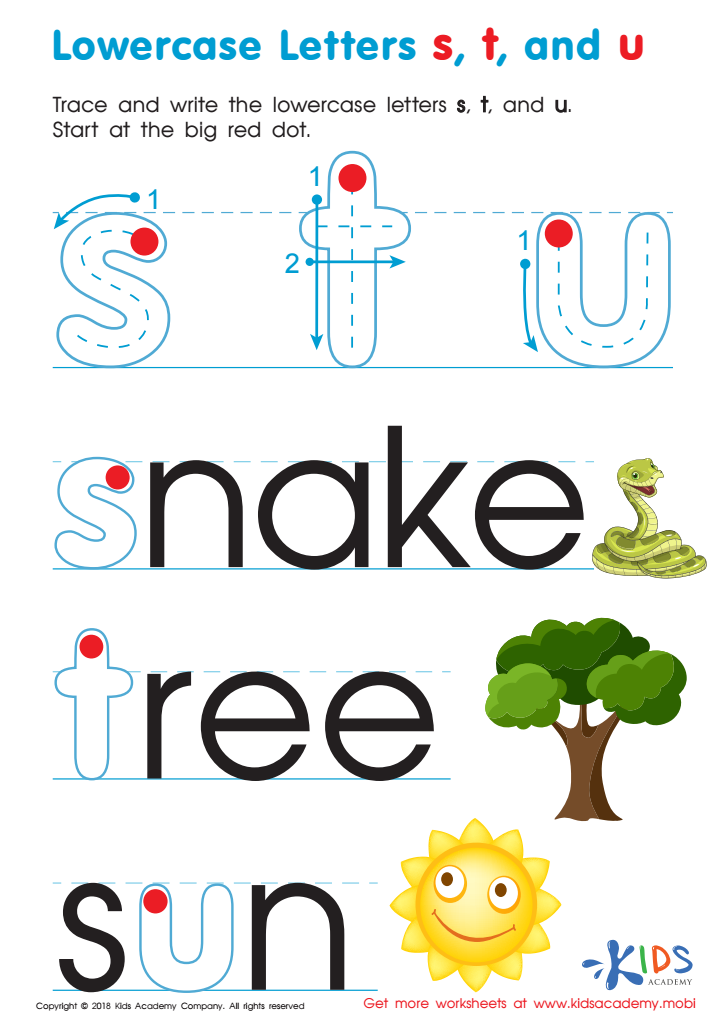
Lowercase Letters s t u Worksheet
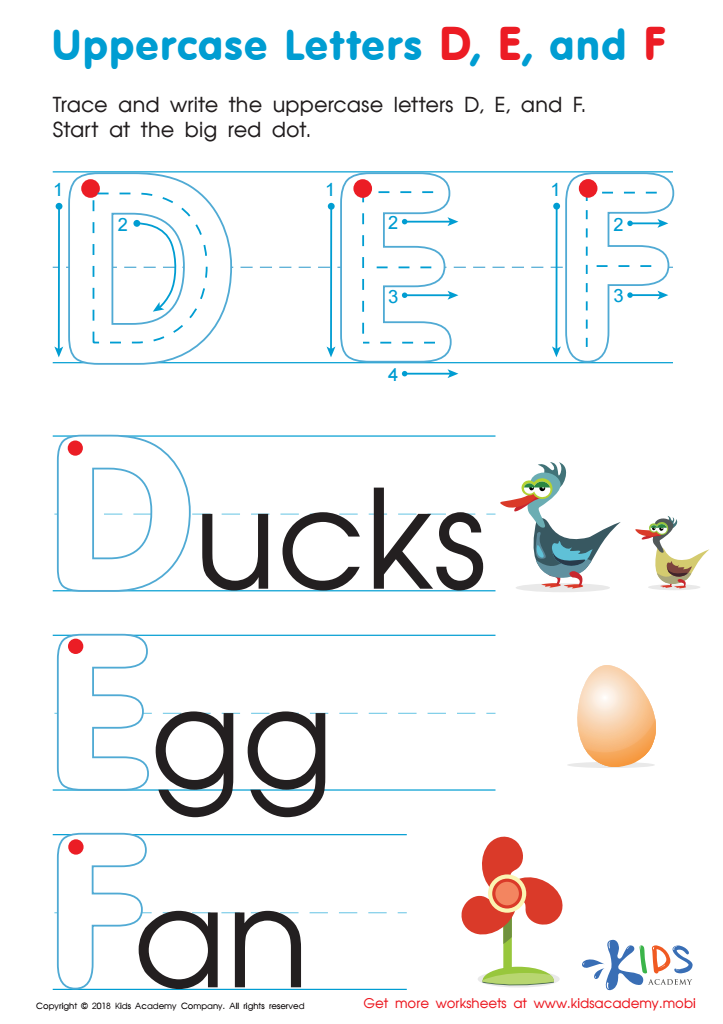
Uppercase Letters D, E, and F Worksheet
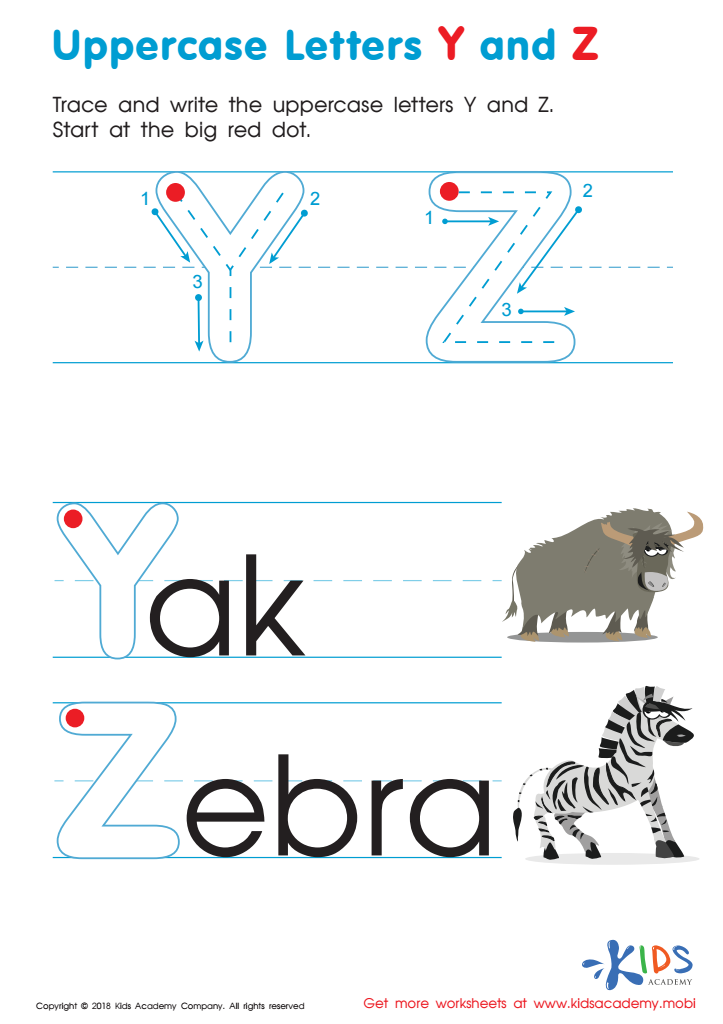
Uppercase Letters Y Z Worksheet
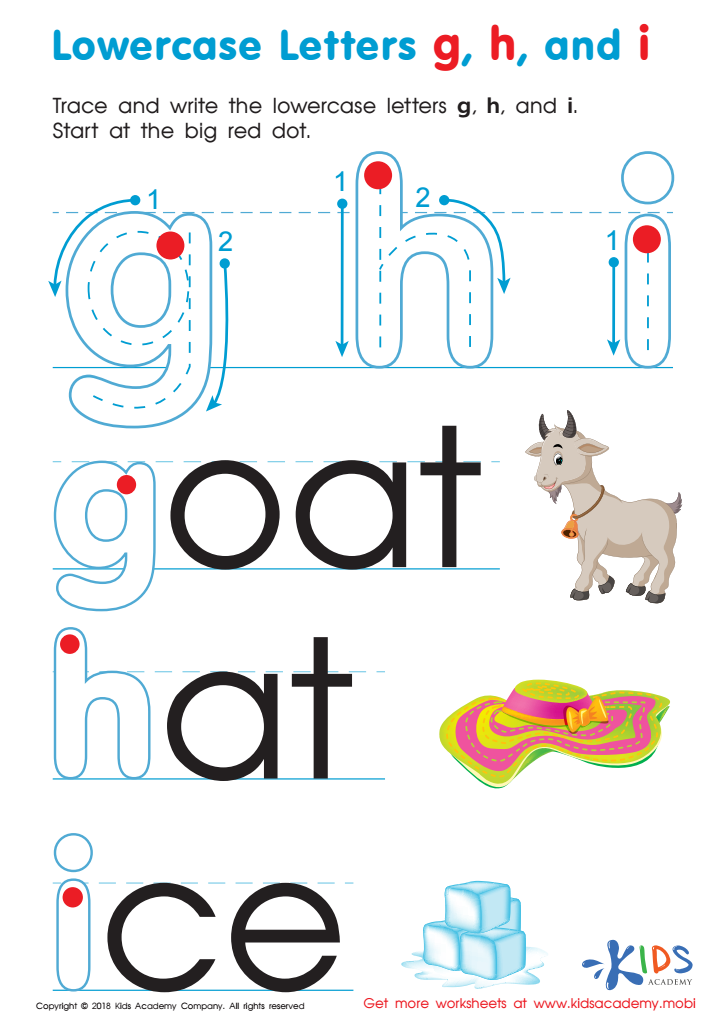
Lowercase Letters g h i Worksheet
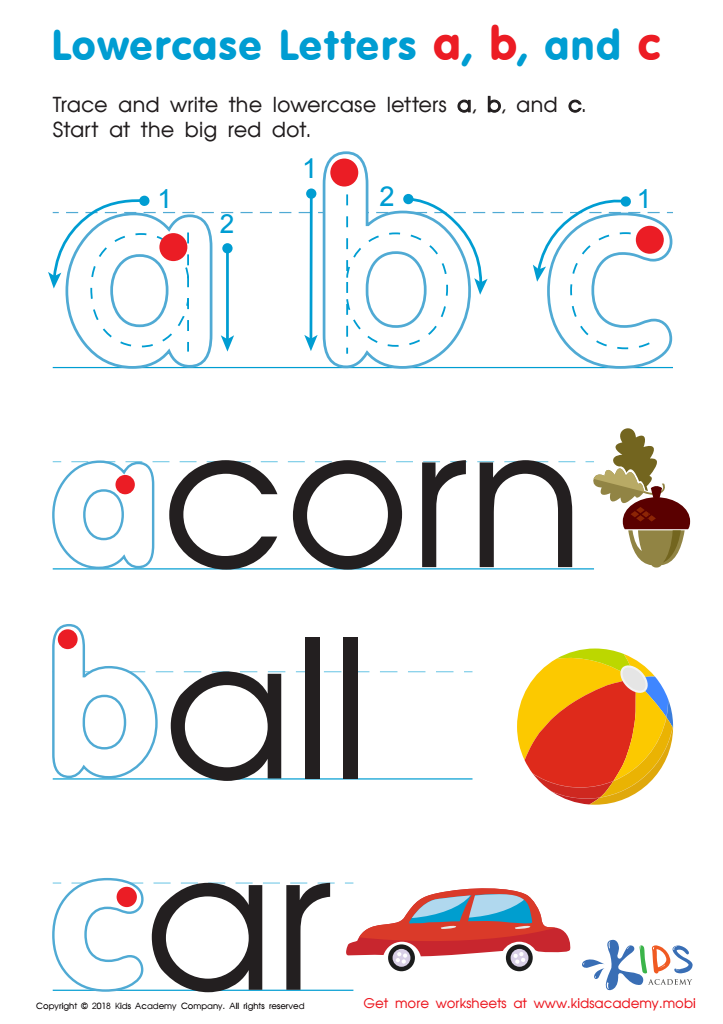
Lowercase Letters a b c Worksheet
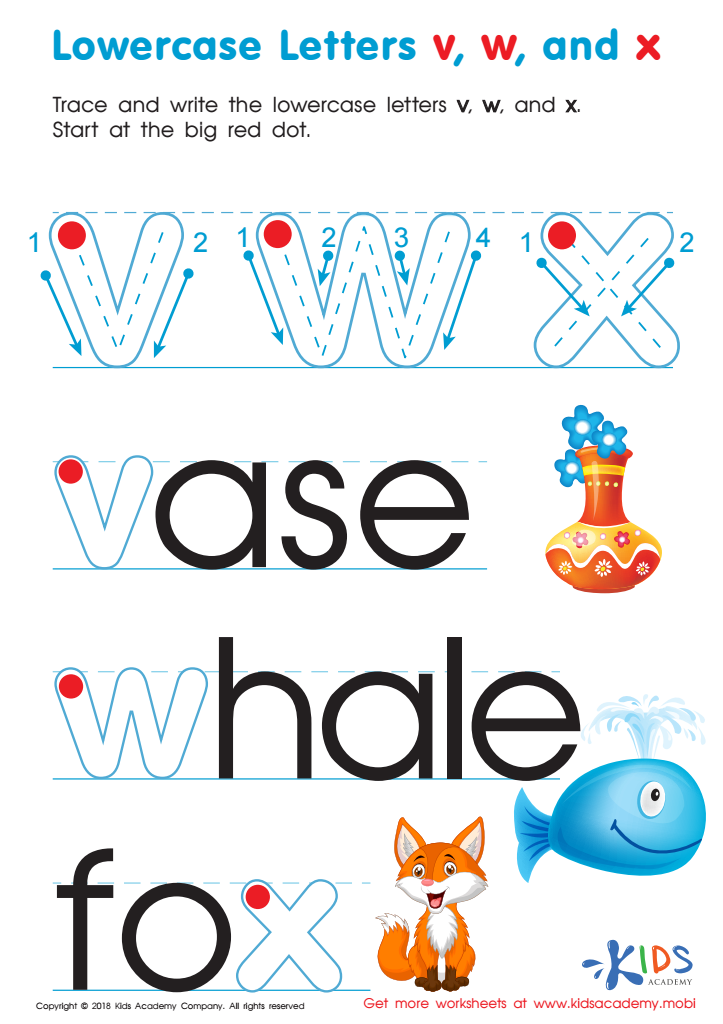
Lowercase Letters v w x Worksheet
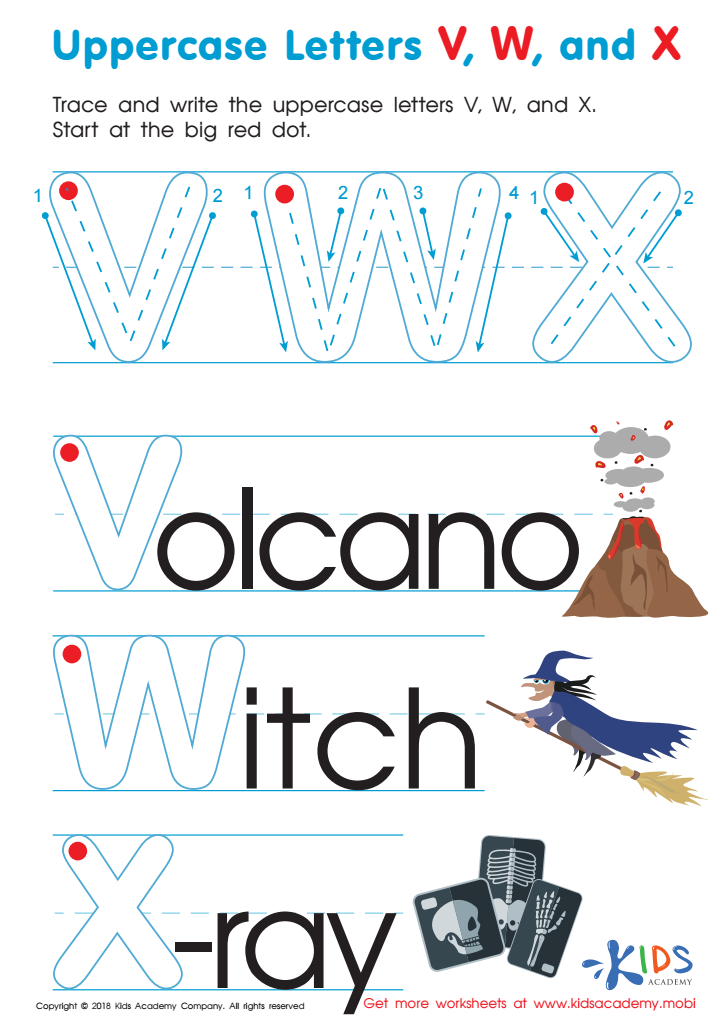
Uppercase Letters V, W, and X Worksheet






Handwriting practice for upper and lowercase letters is crucial for children aged 5-6 as it lays the foundation for their communication skills. At this developmental stage, children are refining their fine motor skills, and engaging in handwriting activities helps strengthen these essential abilities. The physical act of writing enhances hand-eye coordination and dexterity, both vital for various everyday tasks beyond writing.
Moreover, good handwriting contributes to literacy development. As children practice forming letters correctly, they also become more familiar with letter shapes and sounds, reinforcing their understanding of phonics and spelling. This familiarity aids in their reading development as well, allowing them to recognize and construct words more easily.
Additionally, practicing handwriting fosters a sense of accomplishment and boosts confidence. As children see their progress in creating neat letters, they gain pride in their work, promoting a positive attitude toward learning. Handwriting also encourages focus and patience, important qualities for academic success.
In summary, handwriting practice for upper and lowercase letters helps young children develop fine motor skills, enhances literacy, builds confidence, and cultivates essential learning habits that will benefit them throughout their educational journey. Therefore, parents and teachers should prioritize and support this critical aspect of early childhood education.







