Lowercase identification Upper & Lowercase Letters Worksheets for Ages 5-6
5 filtered results
-
From - To
Looking to help your young learners master both uppercase and lowercase letters? Our "Lowercase Identification Upper & Lowercase Letters Worksheets for Ages 5-6" offer engaging and effective practice to build foundational literacy skills. Designed specifically for early readers, these printable worksheets make letter recognition fun and interactive. Each worksheet is filled with activities that encourage matching, tracing, and distinguishing different cases, reinforcing alphabet familiarity. Perfect for classrooms or at-home learning, these resources will have your child ready to read and write with confidence in no time. Download today and watch your child’s literacy skills soar!
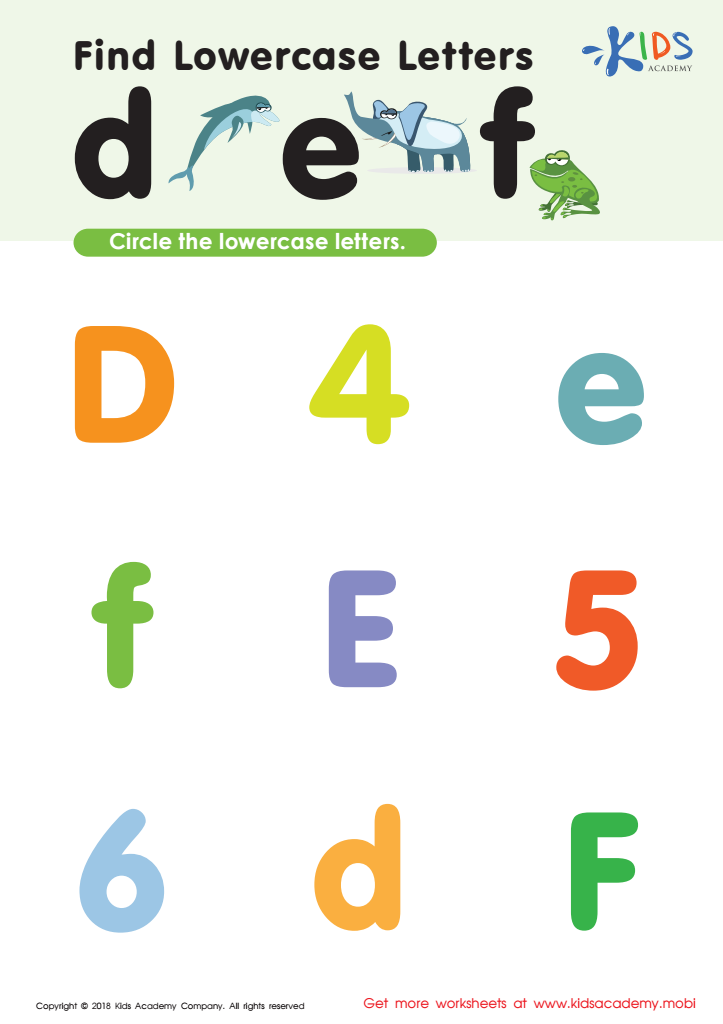
Find Lowercase Letters d e f Worksheet
 Assign to My Students
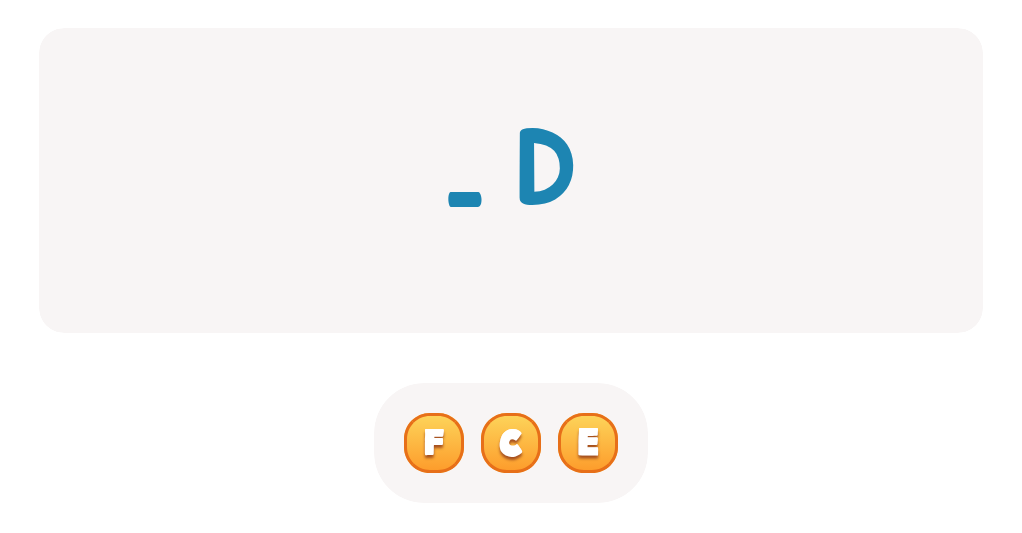

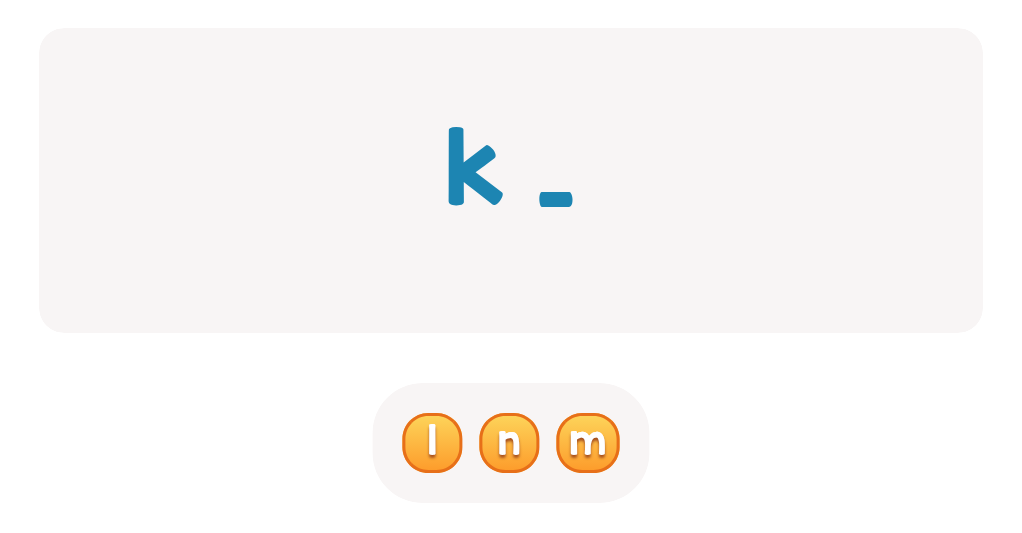
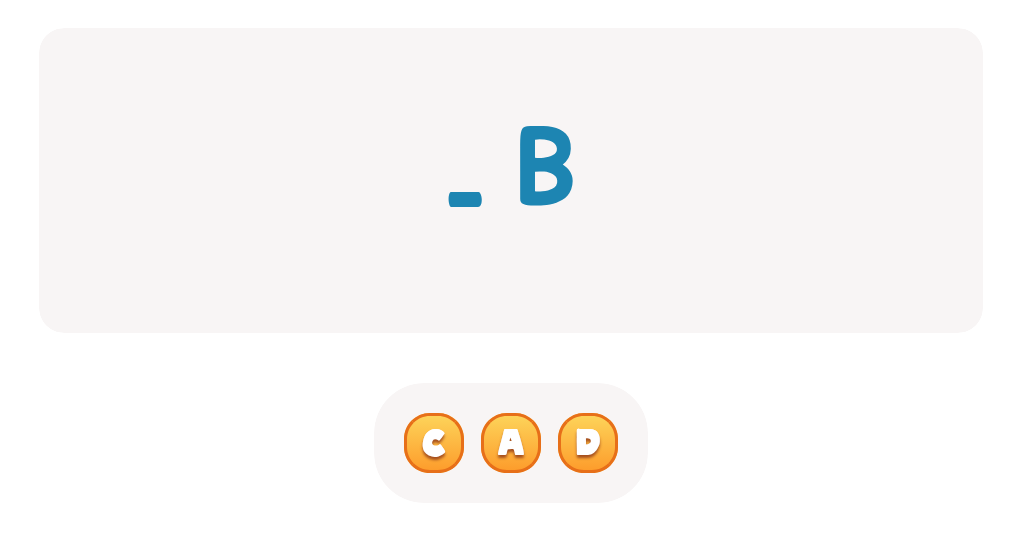
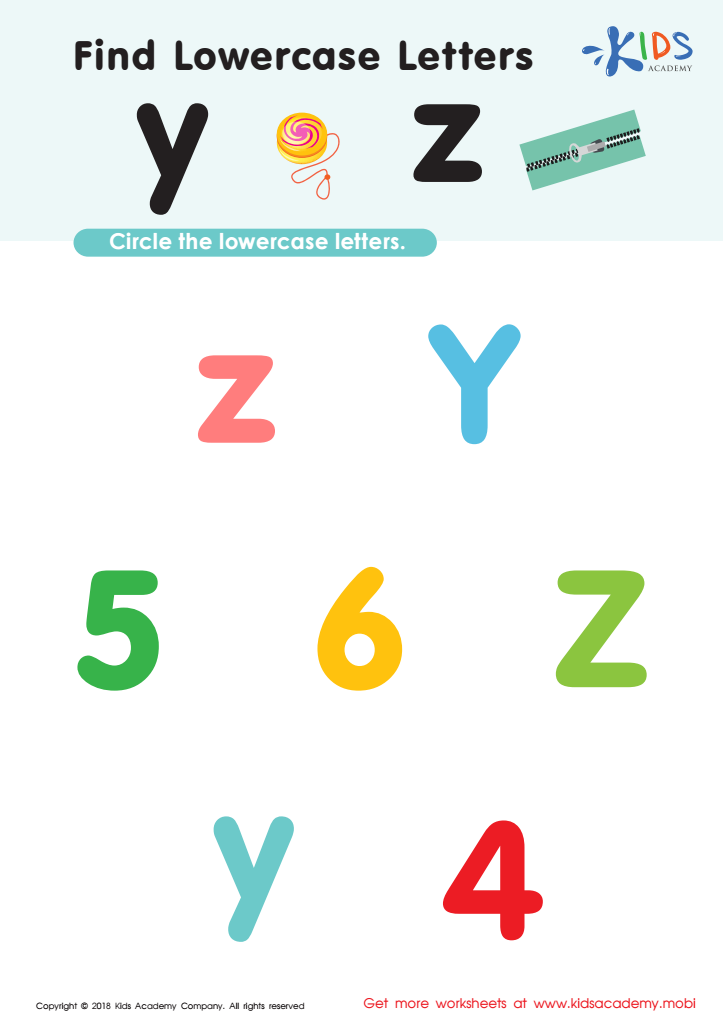
Find Lowercase Letters y z Worksheet
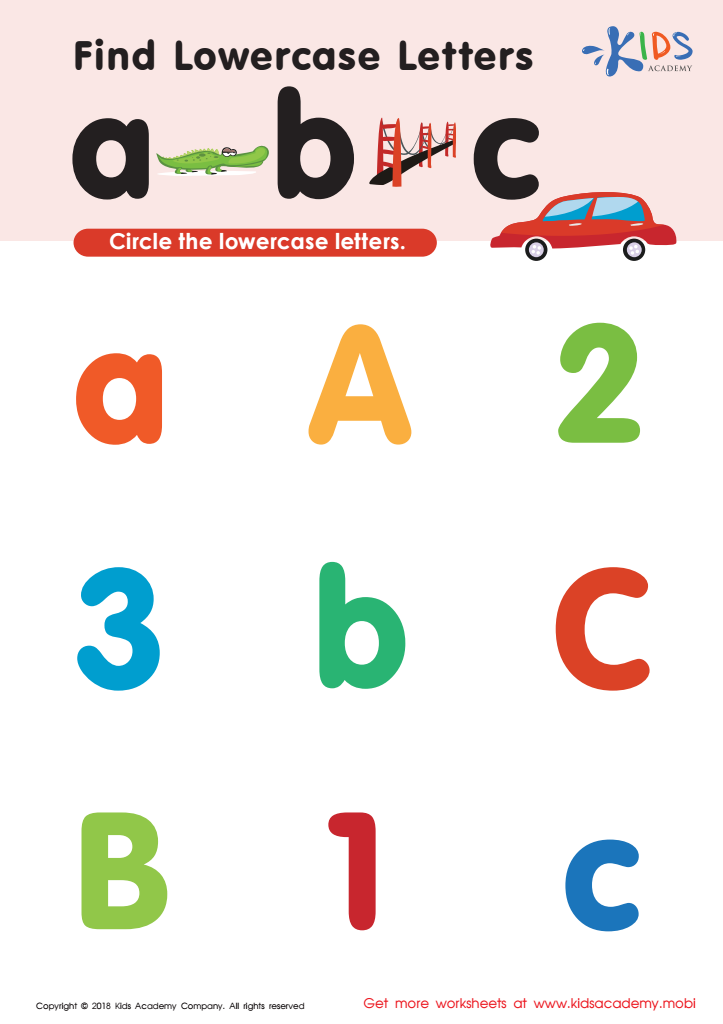
Find lowercase letters a b c Worksheet
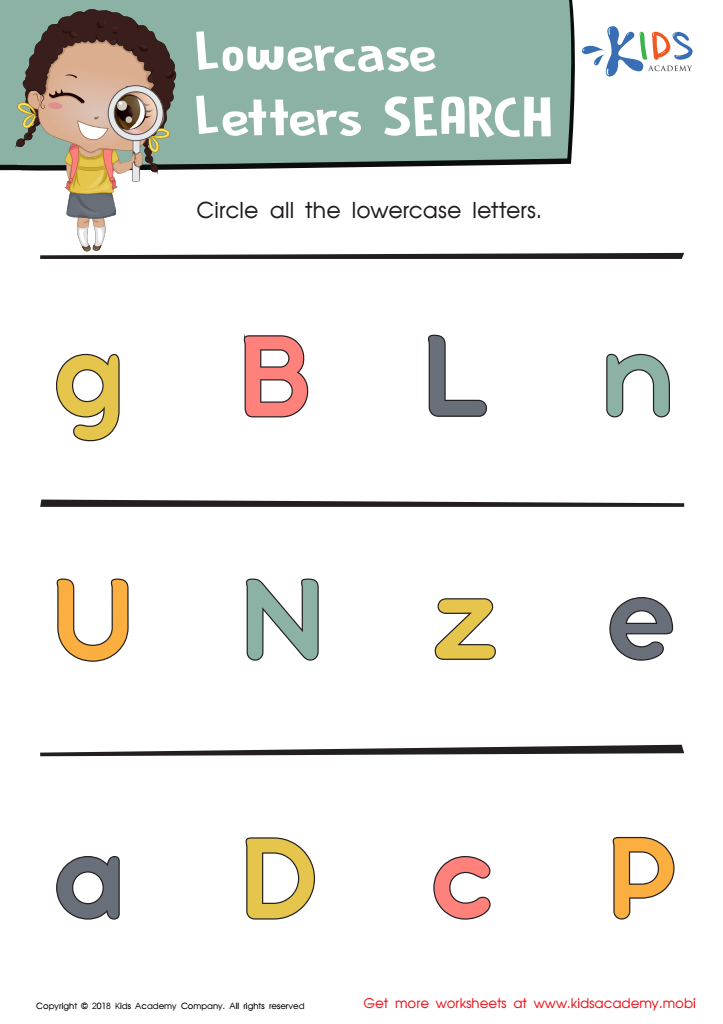
Lowercase Letters Search: Assessment Worksheet
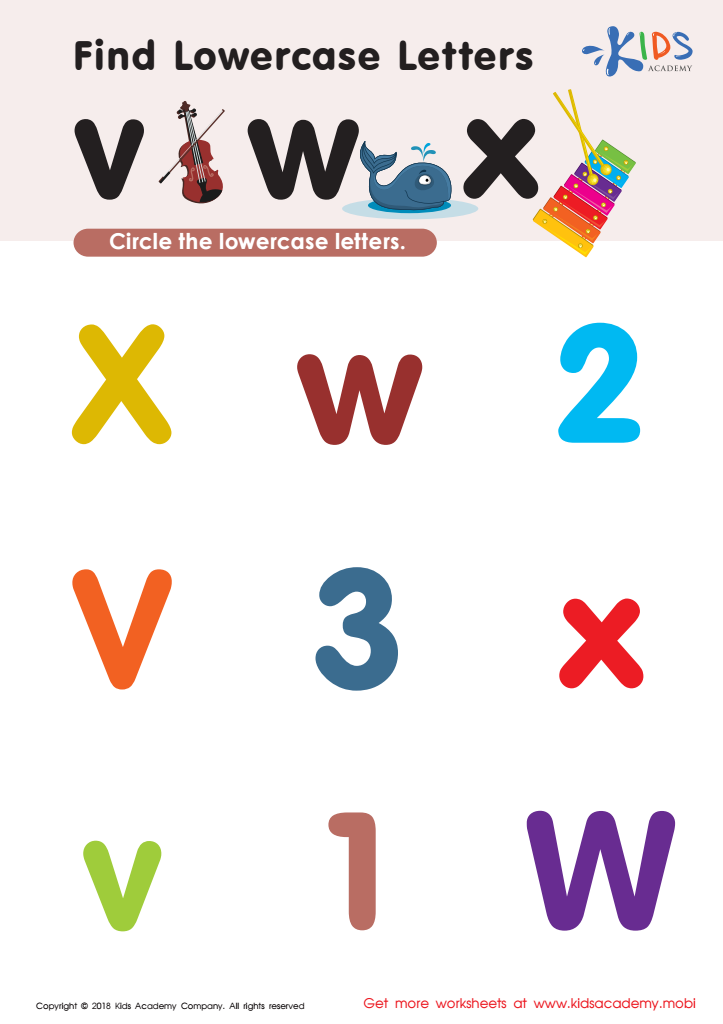
Find Lowercase Letters v w x Worksheet






Understanding the identification and distinction between uppercase and lowercase letters is vital for young children, especially those aged 5-6, as it forms the cornerstone of their literacy development. At this age, children are typically beginning to learn to read and write, and recognizing both forms of each letter is foundational to these skills. Parents and teachers should prioritize this because it enables children to gain fluency in reading; most print materials, such as books and worksheets, use a mix of both cases.
Moreover, proper letter recognition ensures that children can comprehend different text forms and styles, contributing significantly to their decoding and phonics skills. It also aids in accurate spelling and writing, as lowercase letters predominantly appear in written texts while uppercase letters are used selectively for proper nouns and sentence beginnings.
By fostering proficient lowercase and uppercase letter identification, parents and teachers also enhance children’s ability to follow instructions, engage in classroom activities confidently, and develop a keen attention to detail. This foundation supports future educational success, reduces frustration, and nurtures a positive attitude towards learning. Practice through engaging activities like games and storytelling can make this learning process enjoyable and effective. Consequently, investing in this aspect of early literacy provides children with tools essential for academic proficiency and a lifelong love of reading and writing.







