Fine Motor Skills English for Beginners Worksheets for Ages 5-6 - Page 3
62 filtered results
-
From - To
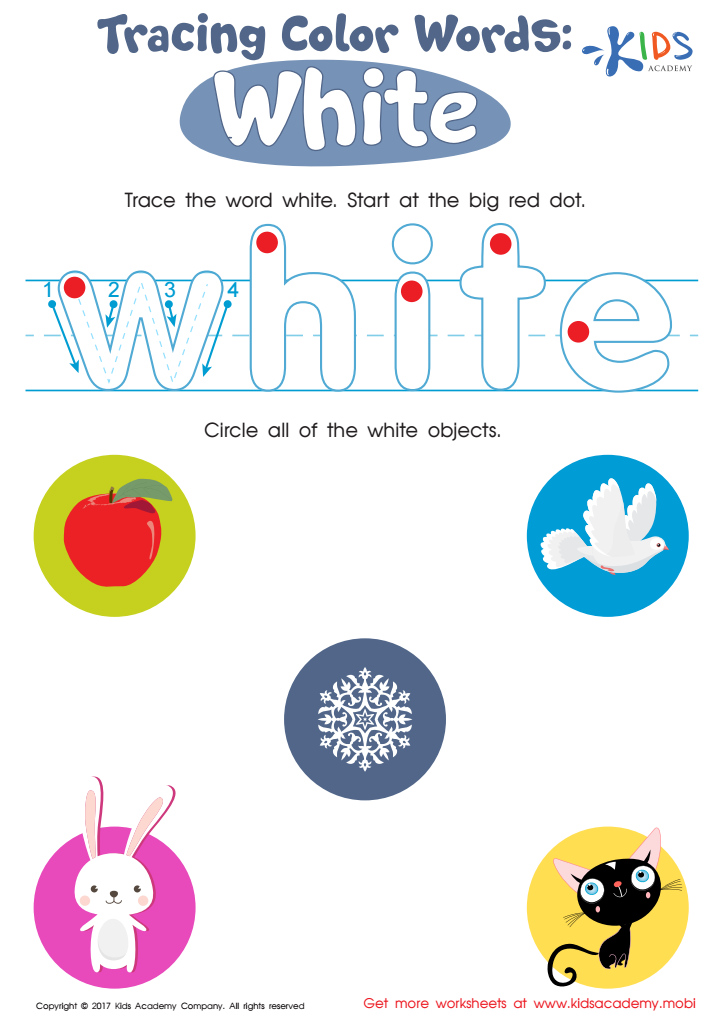
White Tracing Color Words Worksheet
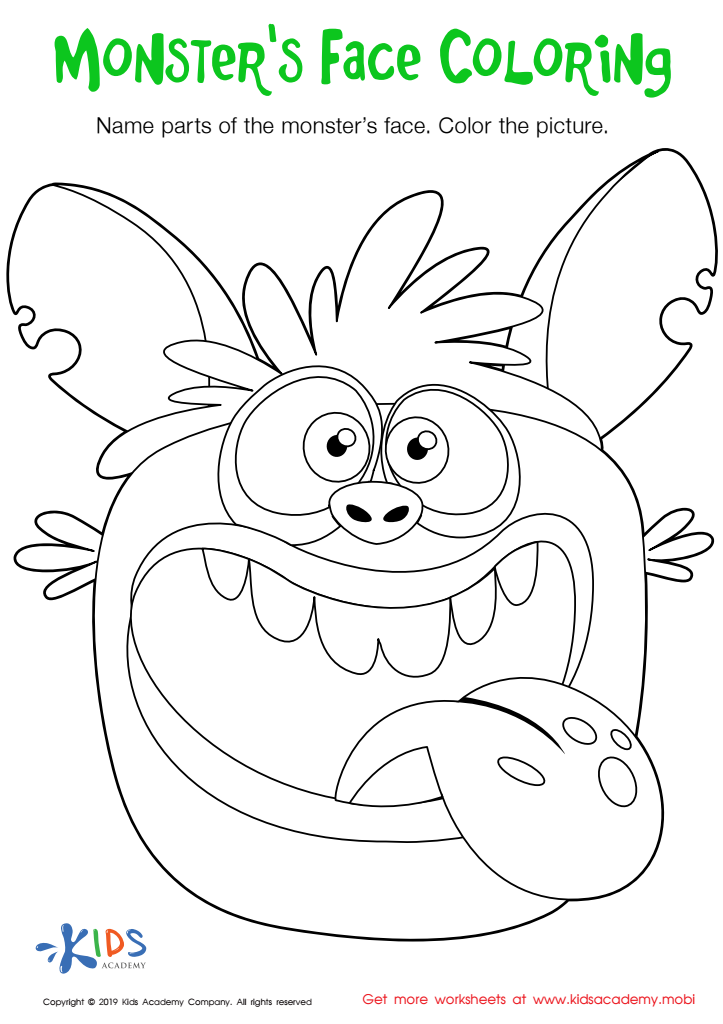
Monster's Face Coloring Worksheet
 Assign to My Students
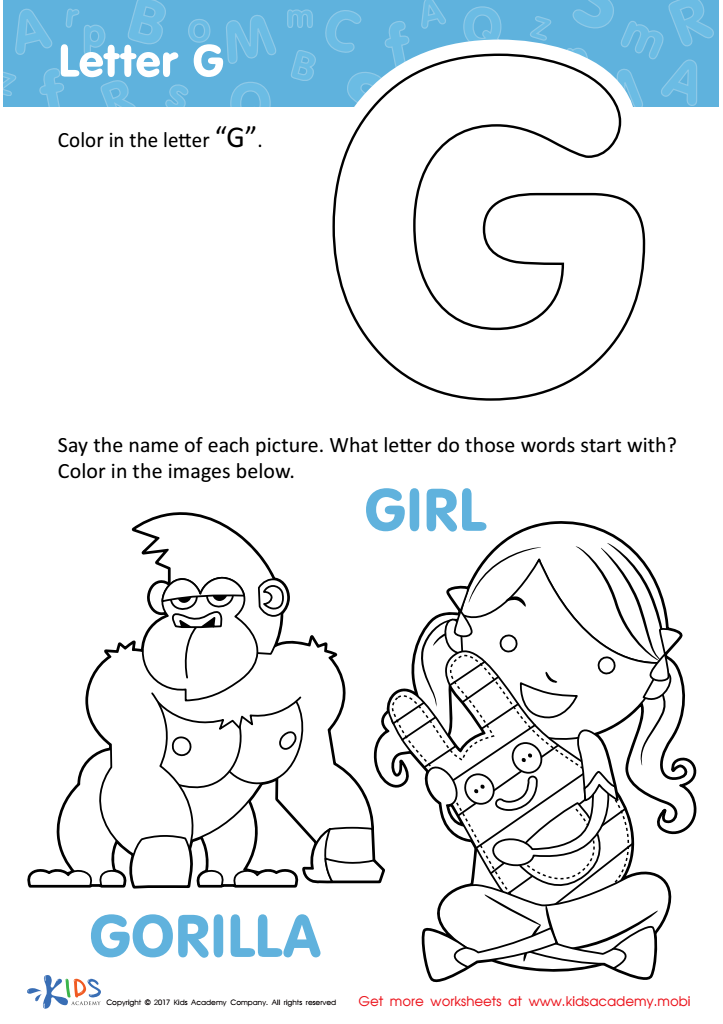
Letter G Coloring Sheet
Assign to My Students
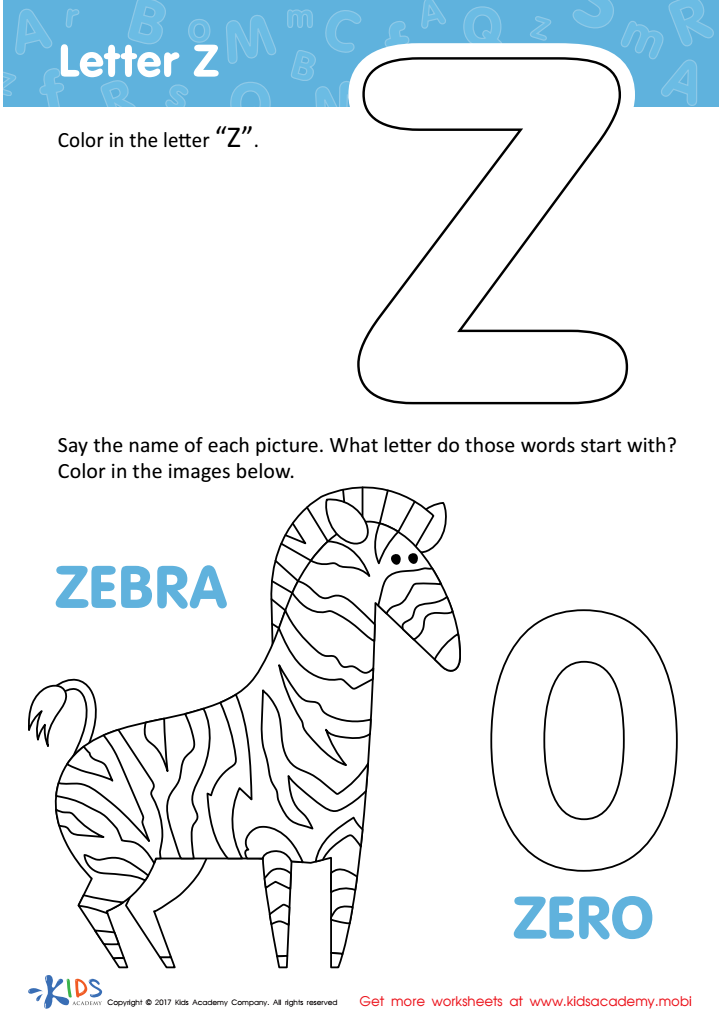
Letter Z Coloring Sheet
Assign to My Students
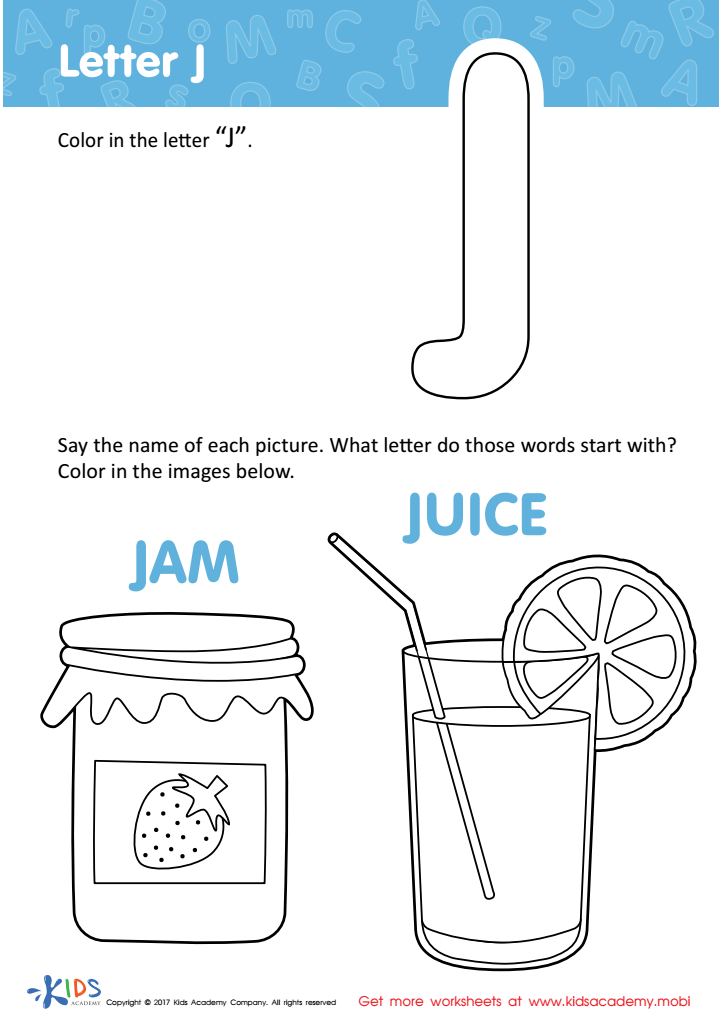
Letter J Coloring Sheet
Assign to My Students
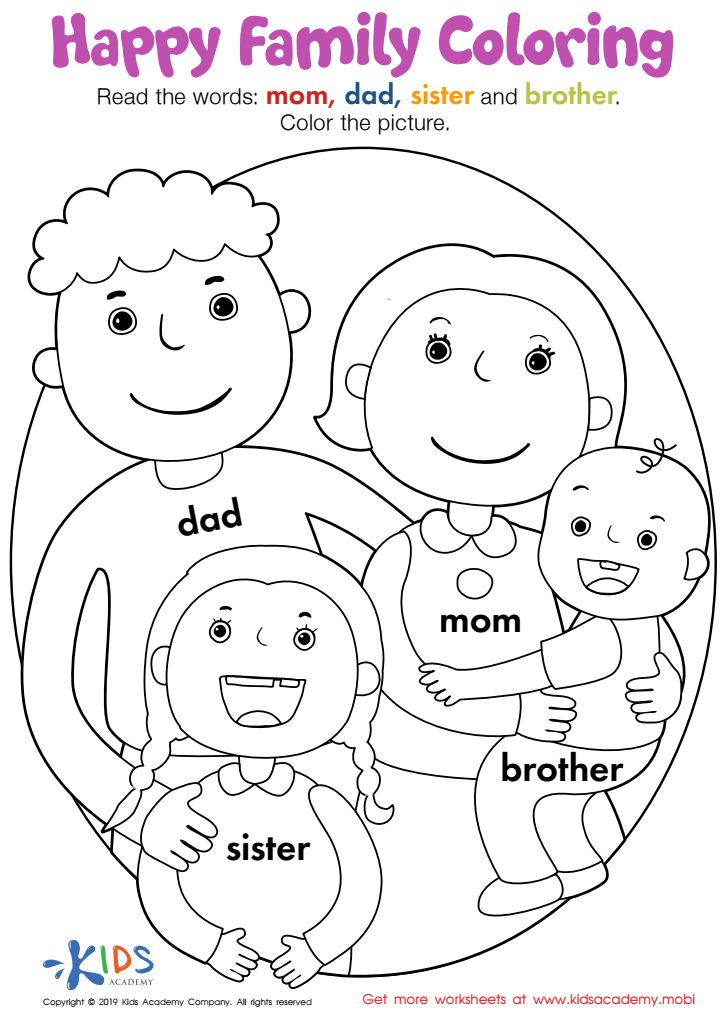
Happy Family Coloring Worksheet
Assign to My Students
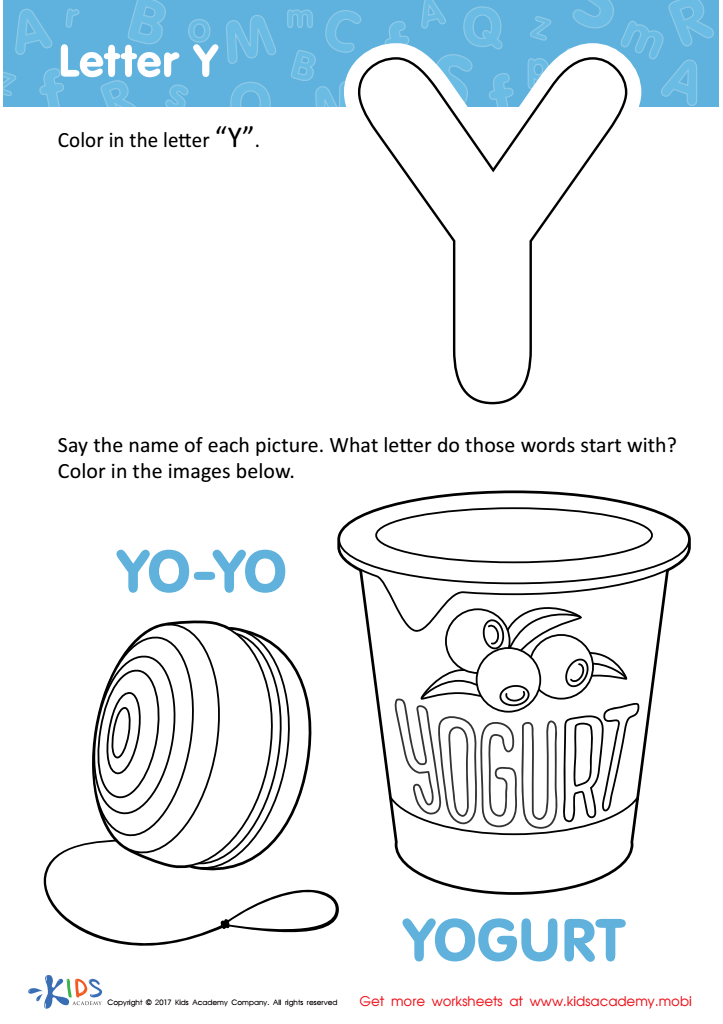
Letter Y Coloring Sheet
Assign to My Students
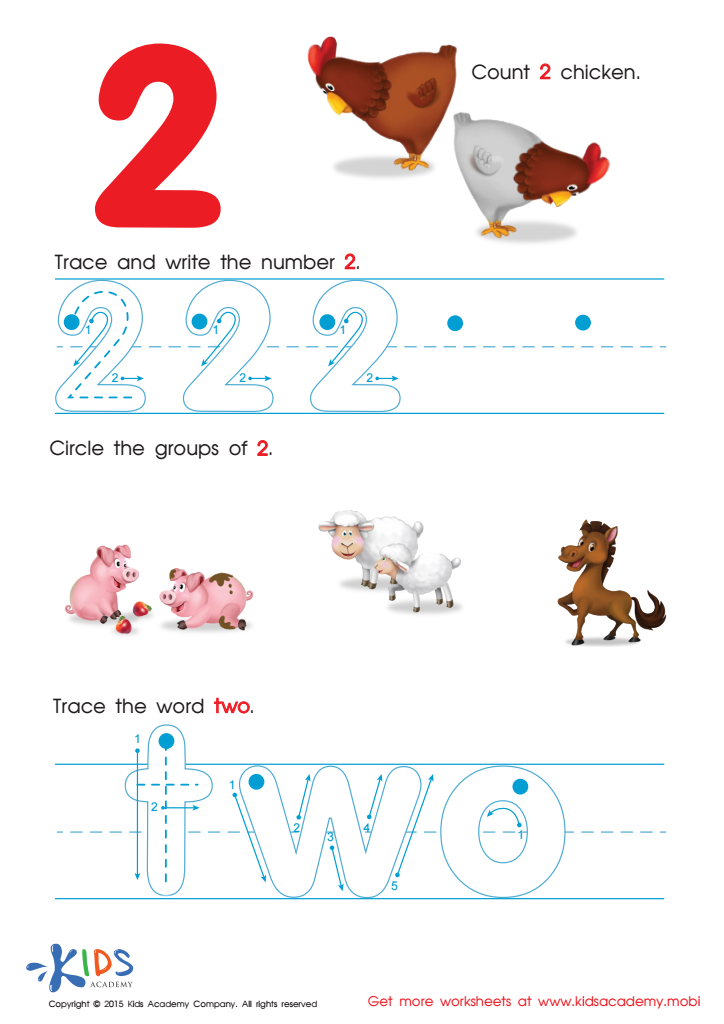
Learn to Write the Number 2 Worksheet

Letter F Tracing Page

White and Pink Coloring Fun Worksheet
Assign to My Students
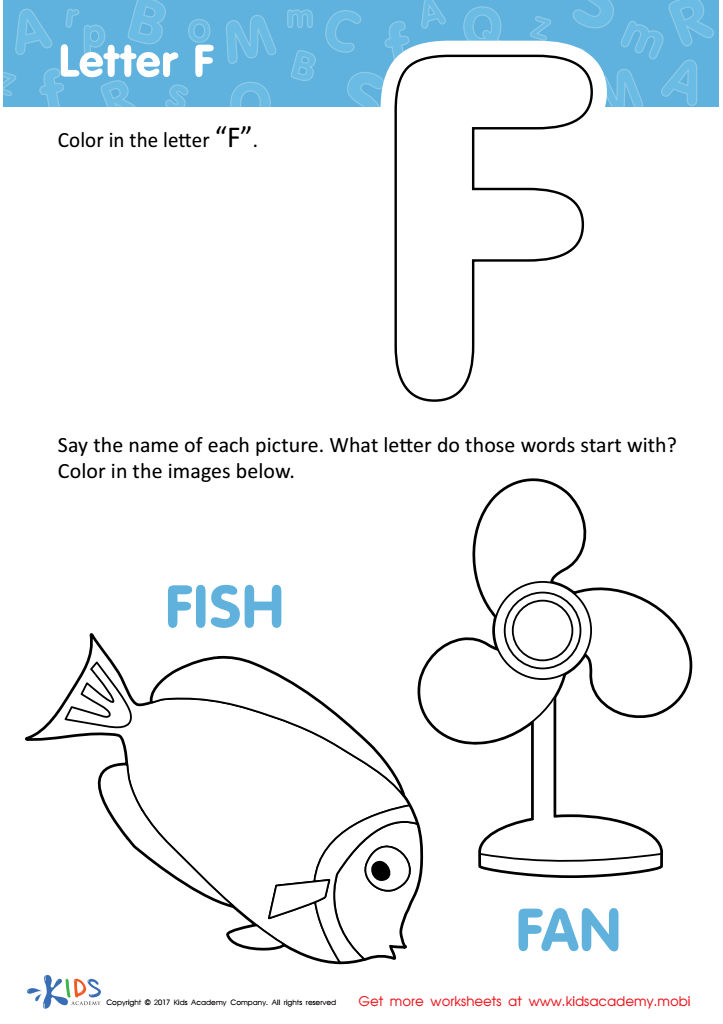
Letter F Coloring Sheet
Assign to My Students

Letter T Tracing Page

Letter N Coloring Sheet
Assign to My Students

Letter D Tracing Page





Fine motor skills are essential for young children, particularly for those aged 5-6, as they lay the foundation for various everyday tasks and academic skills. Parents and teachers should prioritize these skills because they significantly impact a child's ability to perform essential tasks such as writing, drawing, and cutting. Developing fine motor skills helps enhance hand-eye coordination and concentration, which are crucial for later learning in areas like math and literacy.
As children engage in activities that promote fine motor skills, such as lacing beads, playing with clay, or using scissors, they also cultivate patience and perseverance. These activities can lead to a sense of accomplishment and confidence in their abilities. Moreover, a strong grasp of fine motor skills can support their social interactions; children who can comfortably manage these tasks are more likely to participate in group activities.
In addition, early investment in fine motor skill development can alleviate potential difficulties later on in schooling. Encouraging these skills not only prepares children academically but also fosters their independence and self-esteem. Thus, recognizing the value of fine motor skills is crucial for both parents and educators in nurturing a child’s overall growth and academic readiness.