Analyzing data Worksheets for Ages 5-6
3 filtered results
-
From - To
Discover our engaging "Analyzing Data Worksheets" tailored for children ages 5-6! These interactive worksheets are designed to introduce young learners to the basics of data analysis through fun activities. With colorful visuals and user-friendly exercises, your child will explore concepts like sorting, categorizing, and comparing data. Each worksheet fosters critical thinking skills as students learn to interpret simple graphs and charts. Ideal for at-home learning or classroom use, our worksheets not only make data analysis enjoyable but also lay a strong foundation for future mathematical skills. Help your child become a confident data analyzer today with our captivating resources!
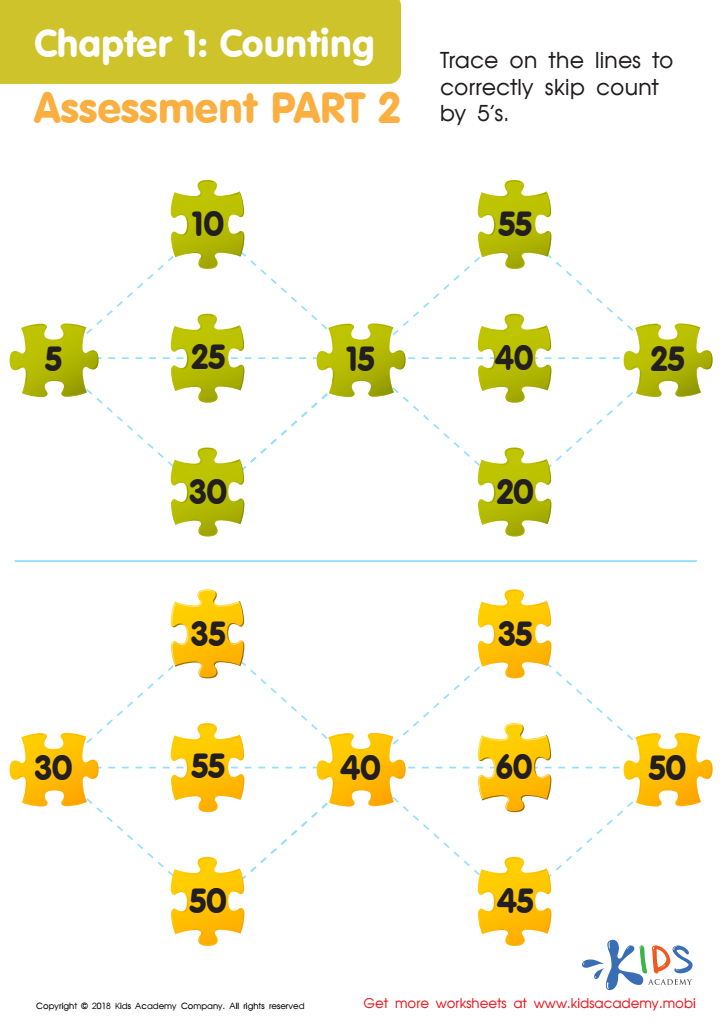
Counting: Assessment 2 Worksheet
 Assign to My Students
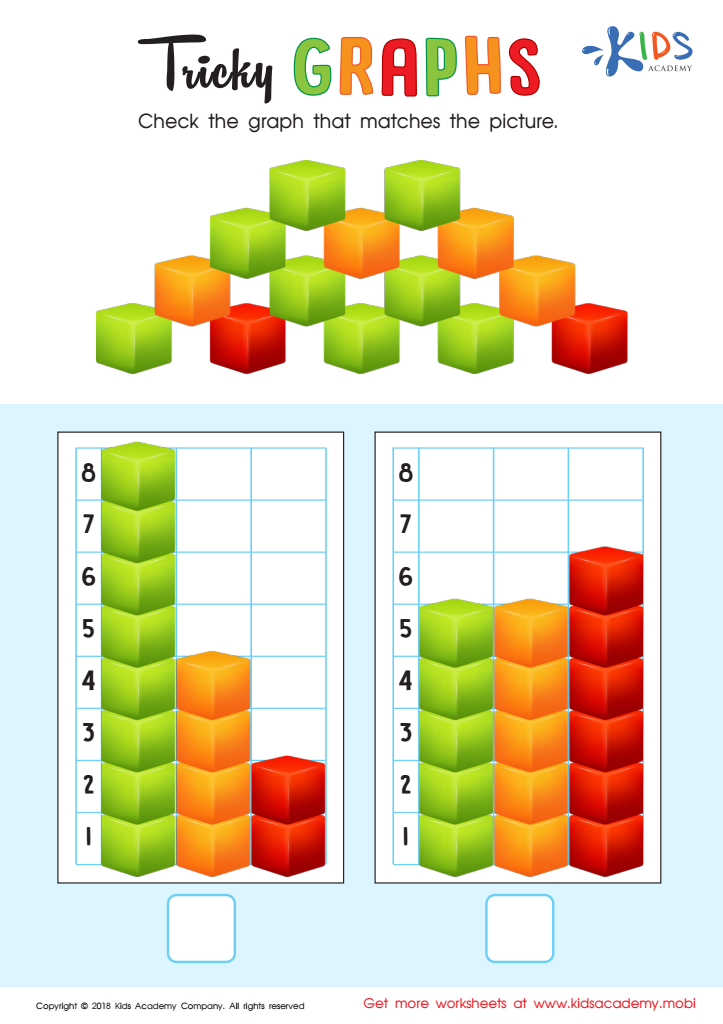
Tricky Graphs Worksheet
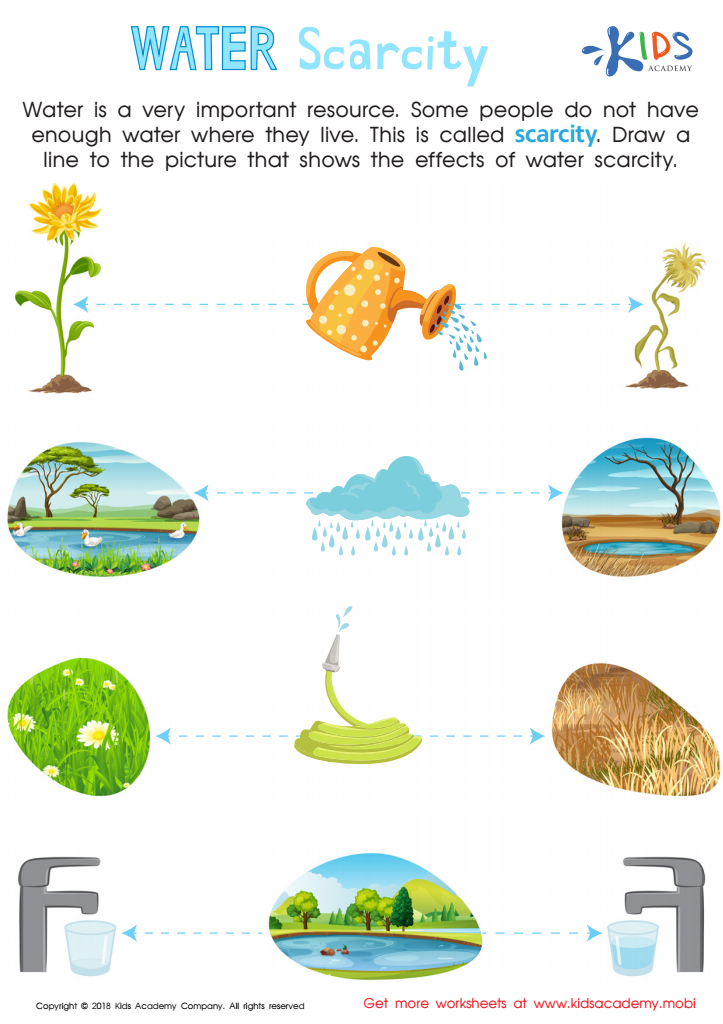
Water Scarcity Worksheet








Analyzing data for children aged 5-6 is crucial for parents and teachers as it plays a pivotal role in understanding early developmental milestones and learning progress. This age group undergoes significant cognitive, social, and emotional growth, and data provides insights into children's individual strengths and areas needing support. By systematically observing and recording behaviors, skills, and challenges, educators and parents can tailor learning experiences to meet each child's unique needs, fostering a more personalized learning environment.
Furthermore, data analysis helps track progress over time, allowing stakeholders to identify trends and patterns in a child's development. This information can guide interventions, ensuring that any learning challenges are addressed promptly. Understanding the effectiveness of teaching strategies and curriculum choices is also essential; by evaluating data, educators can adopt evidence-based practices that maximize engagement and cognitive growth.
In summary, analyzing data in early childhood education empowers parents and teachers. It not only enhances the learning experience but also fosters children's confidence and resilience through informed, responsive support. By prioritizing data analysis, adults can build a solid foundation for lifelong learning and development in young children, paving the way for a successful educational journey.








