Basic Addition Worksheets for Ages 5-6 - Page 2
53 filtered results
-
From - To
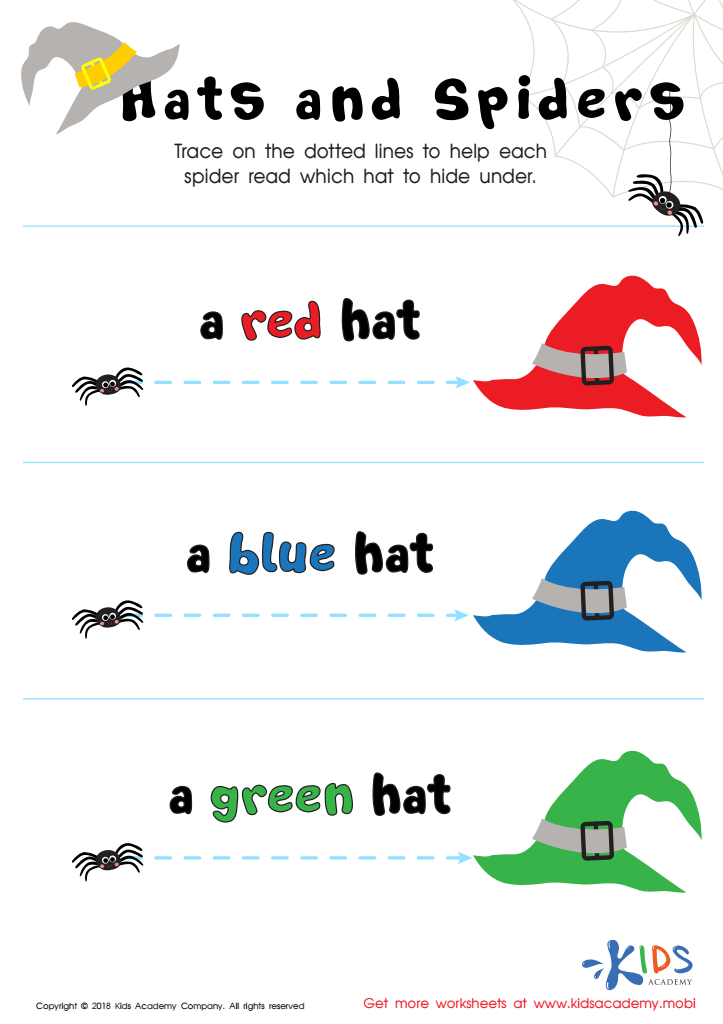
Read from Left to Right: Hats and Spiders Worksheet
 Assign to My Students
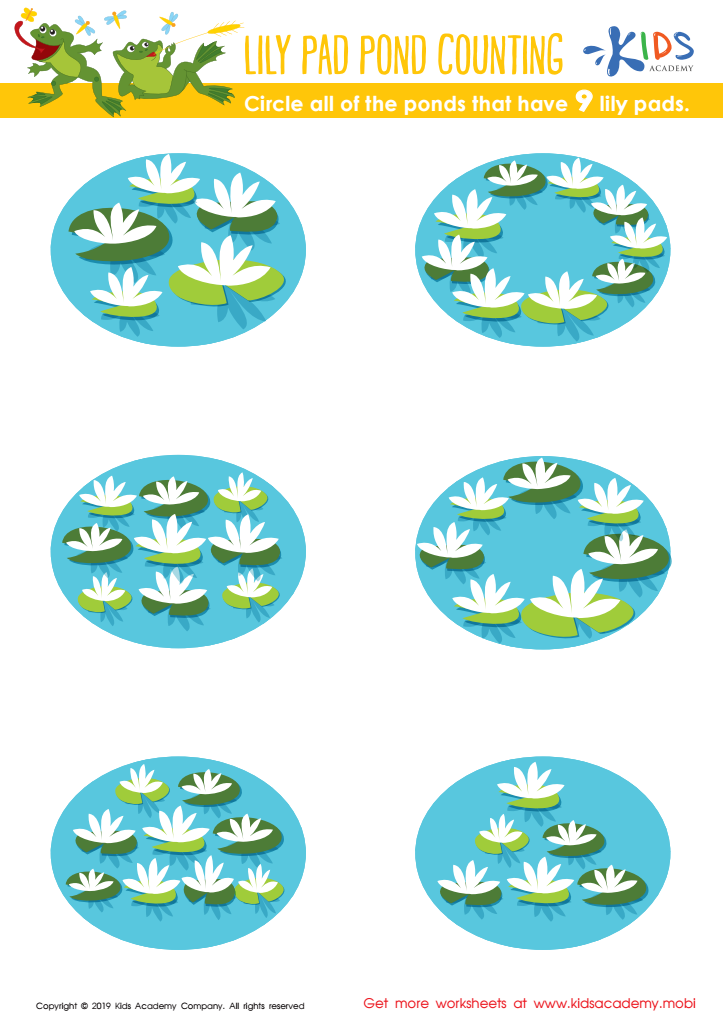
Lily Pad Pond Counting Worksheet
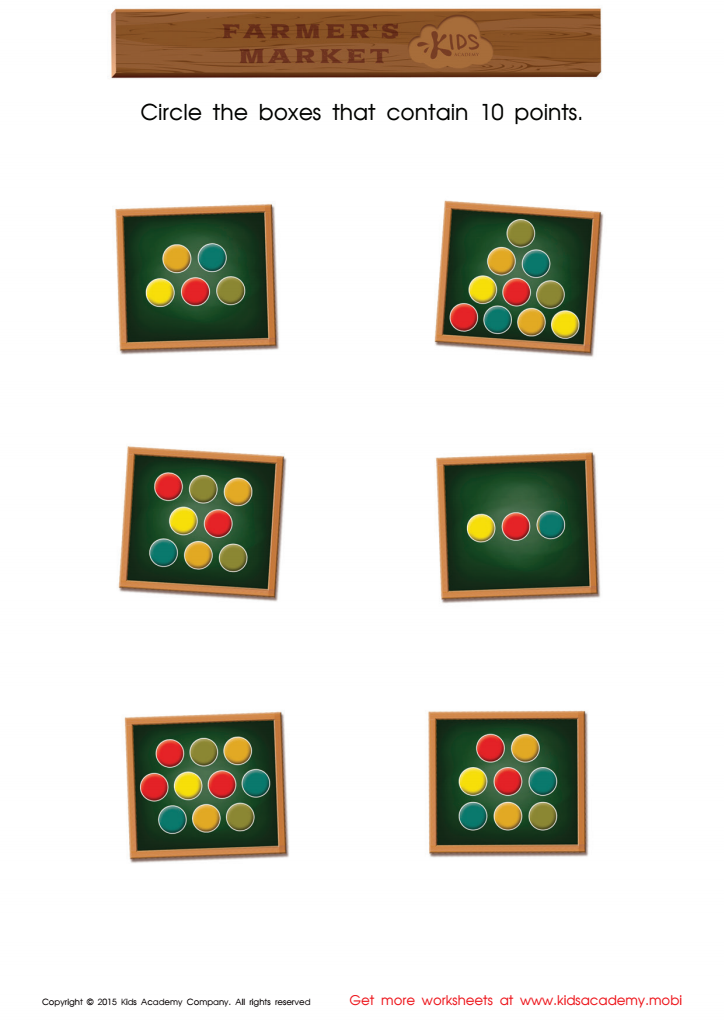
Count and Match Points 10 Math Worksheet
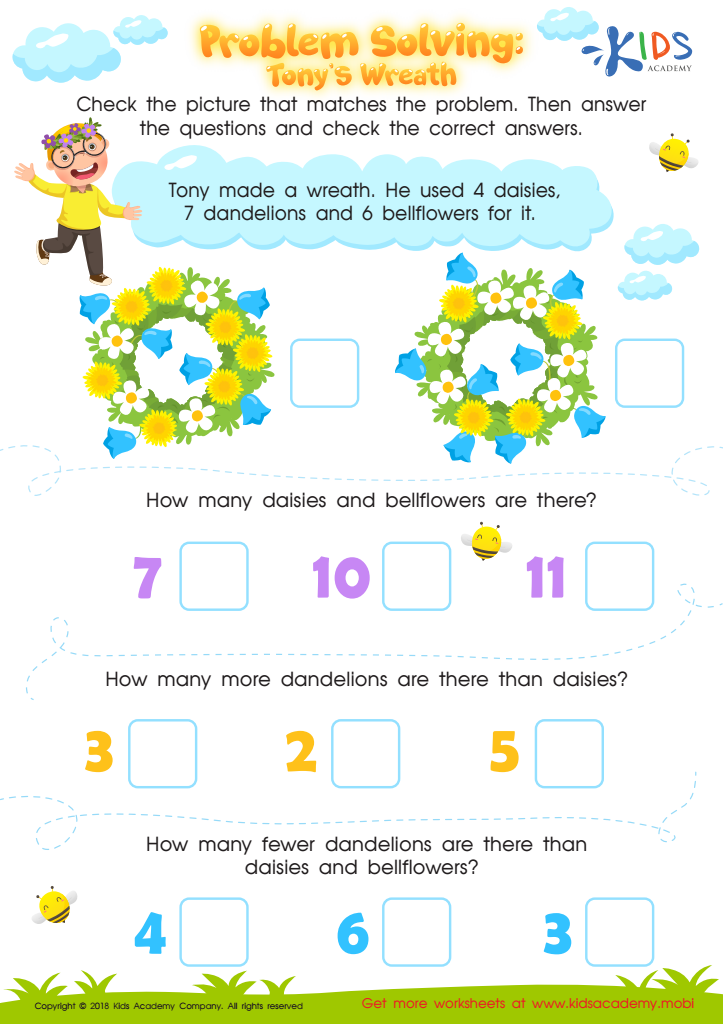
Problem Solving: Tony's Wreath Worksheet
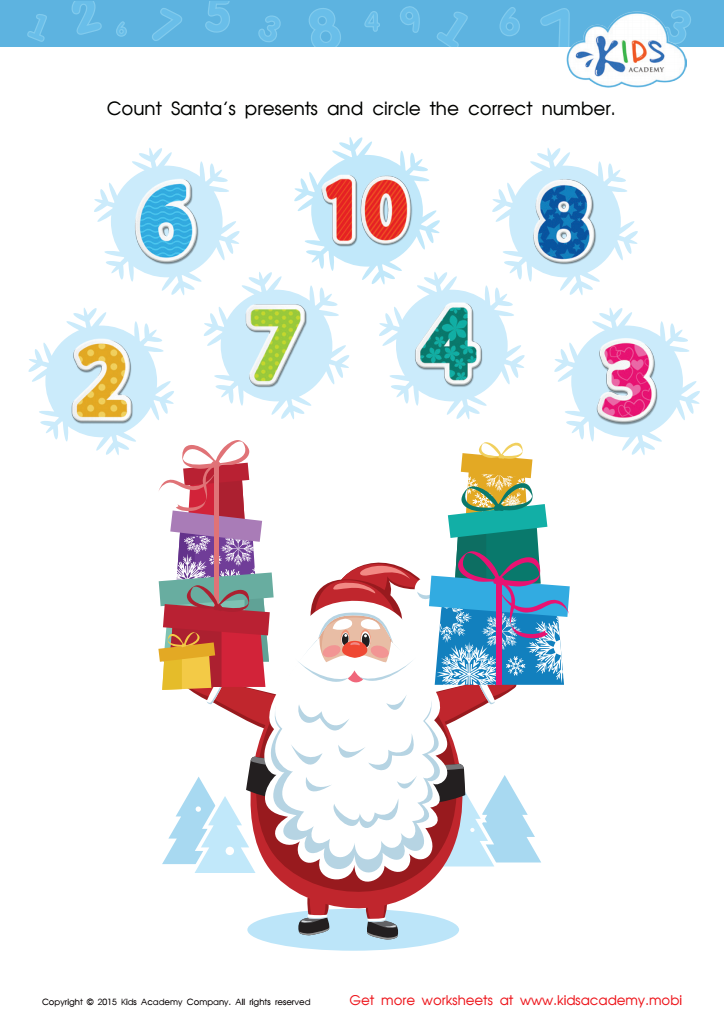
Count Santa's Presents Worksheet
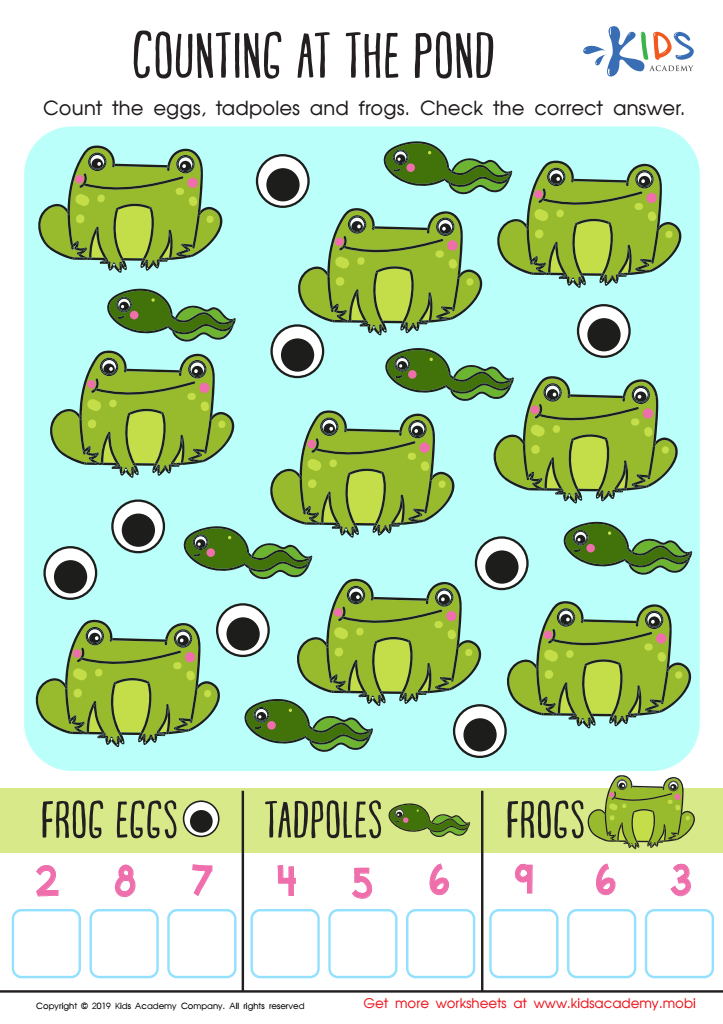
Counting at the Pond Worksheet
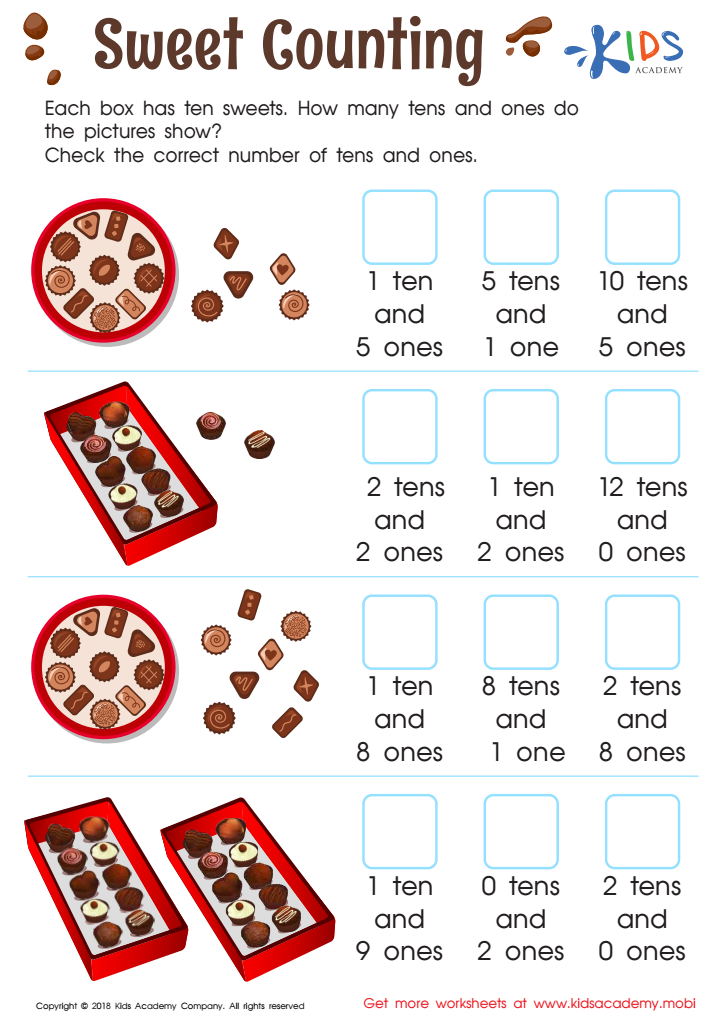
Sweet Counting - Part 2 Worksheet
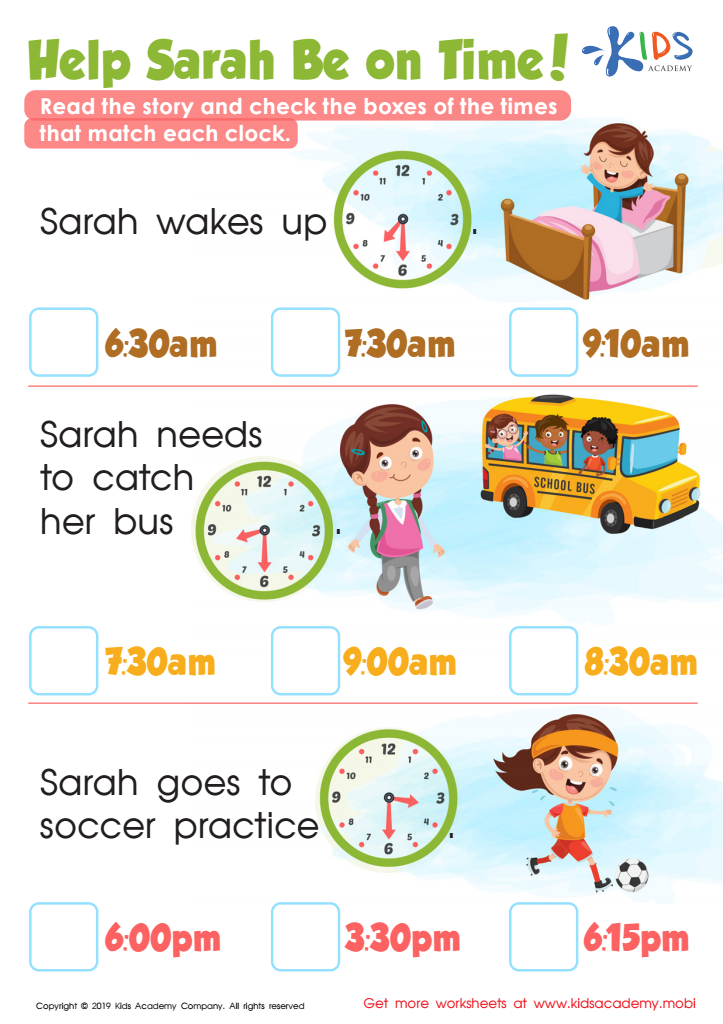
Help Sarah Be on Time! Worksheet
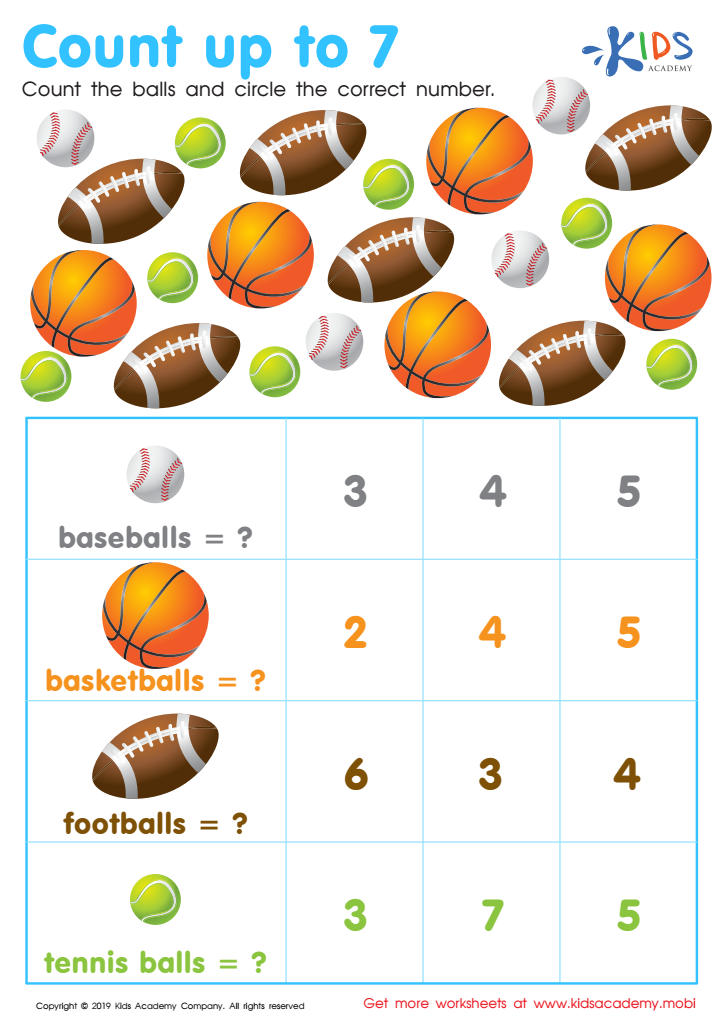
Count up to 7 Worksheet
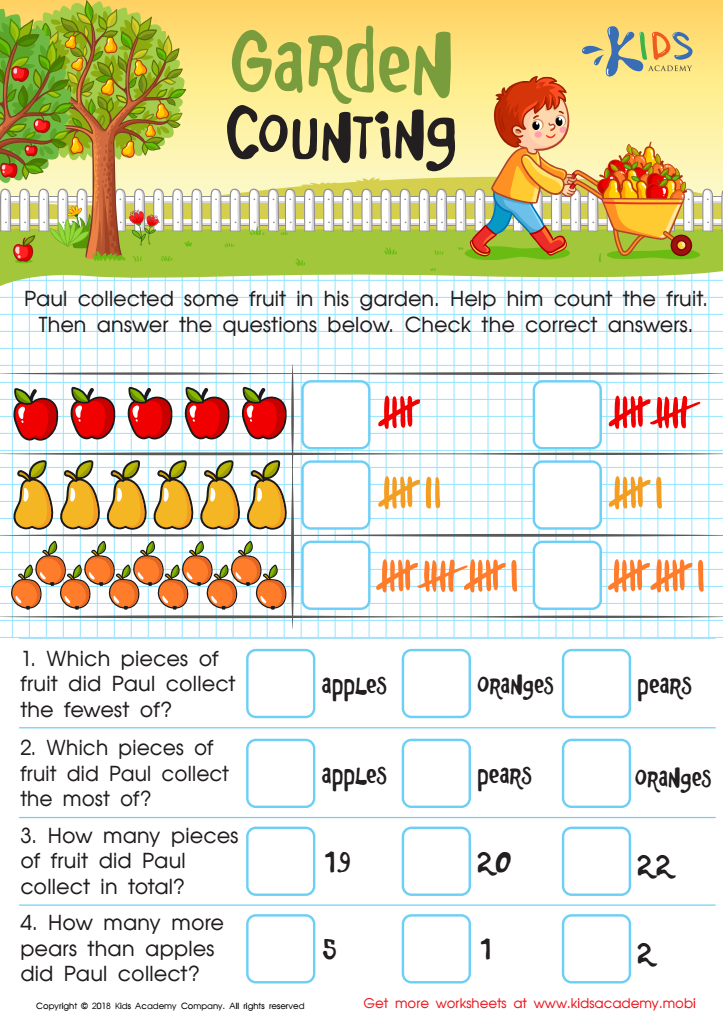
Garden Counting Worksheet
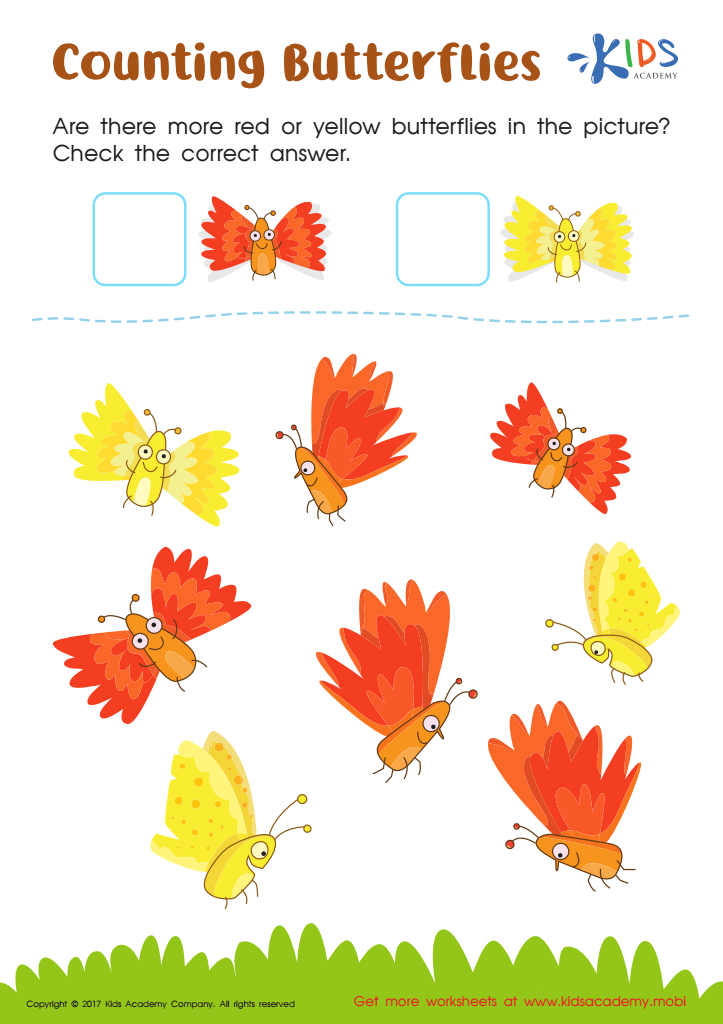
Counting Butterflies Worksheet
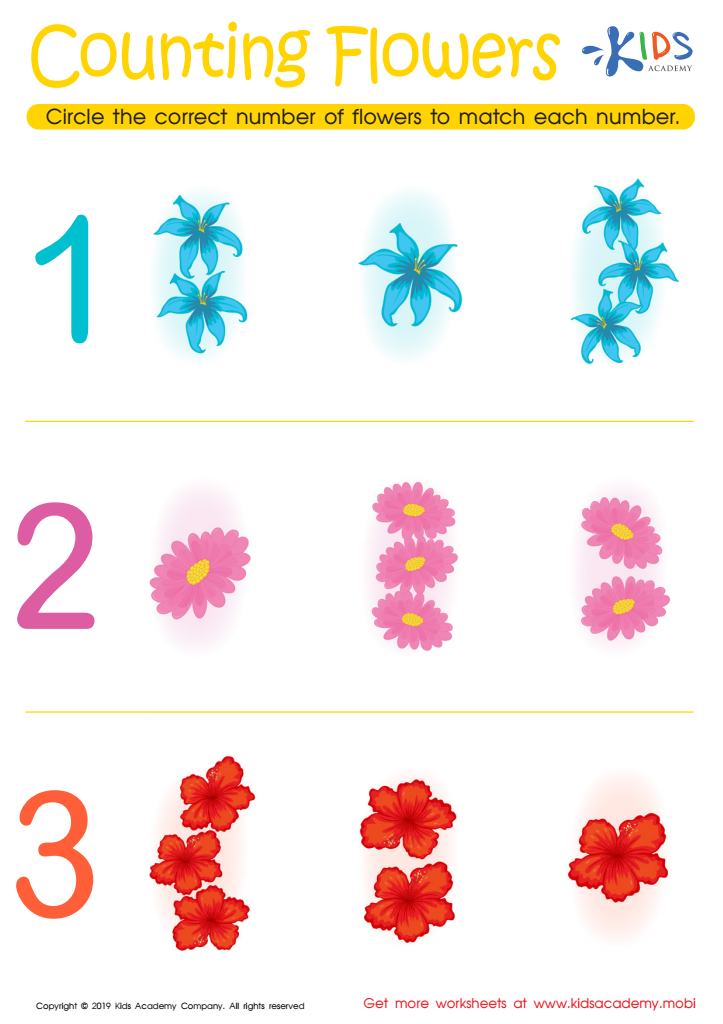
Counting Flowers Worksheet
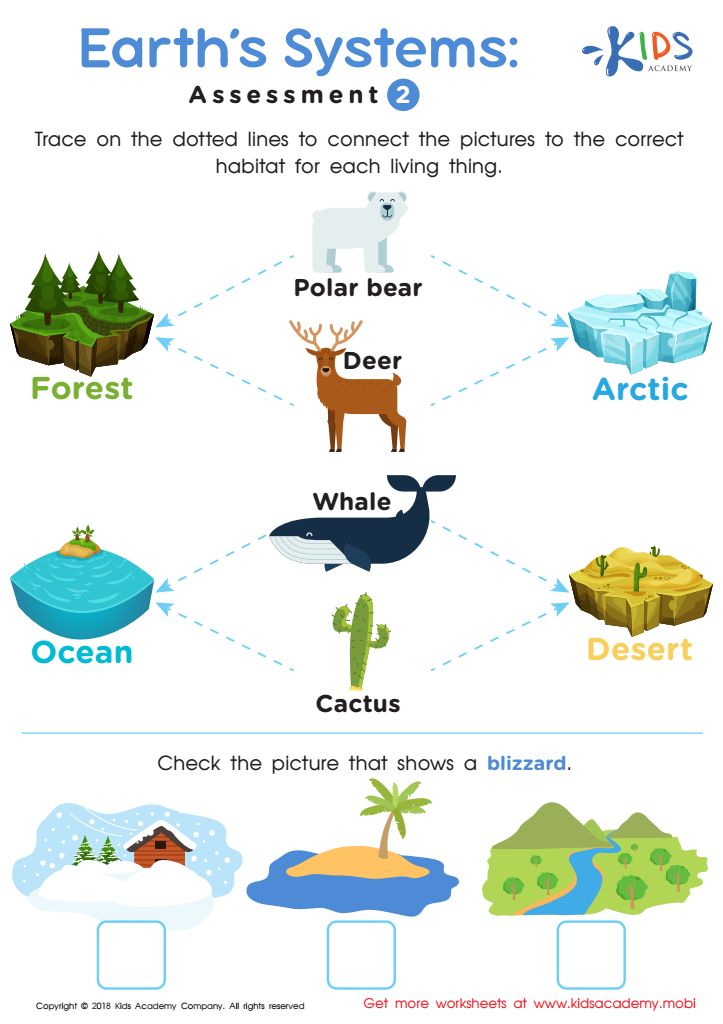
Earth's Systems: Assessment 2
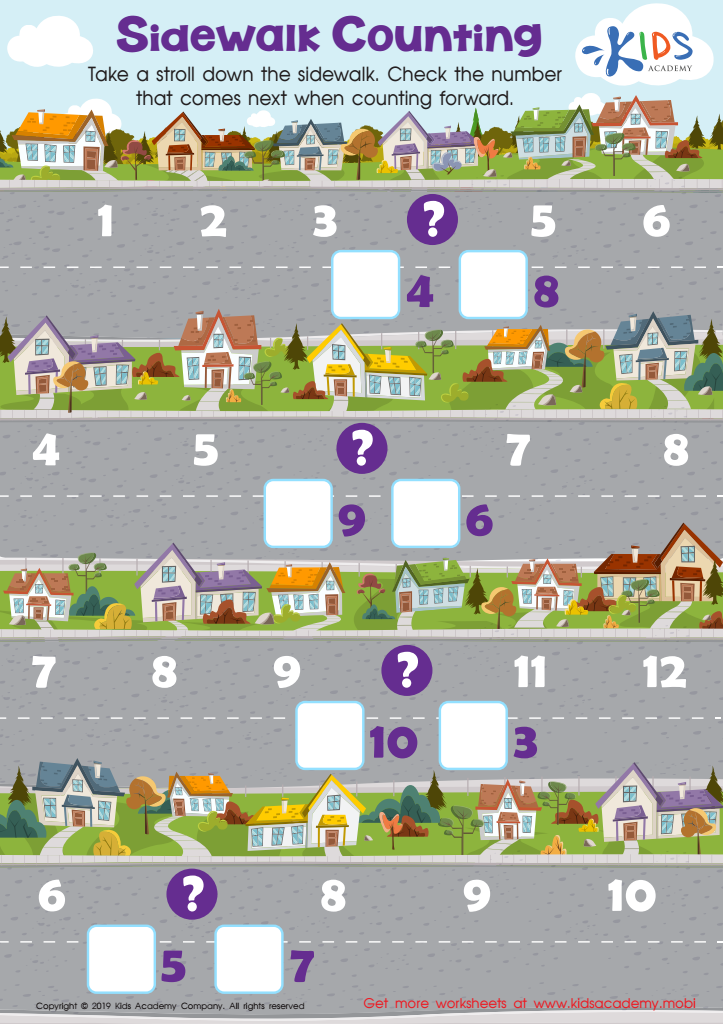
Sidewalk Counting Worksheet
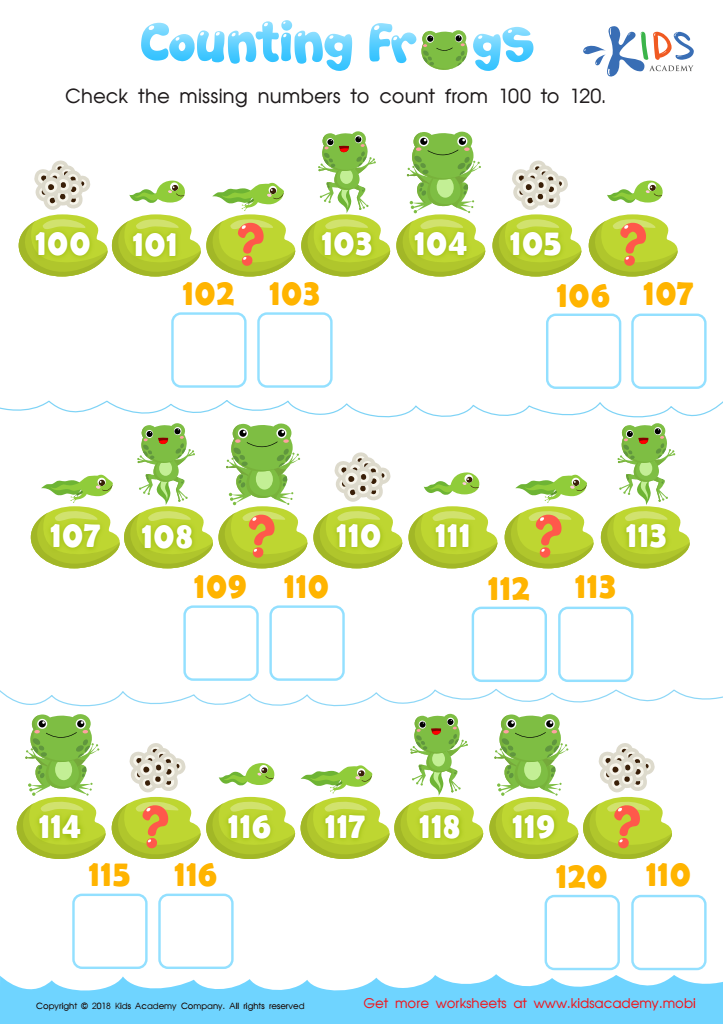
Counting Frogs Worksheet
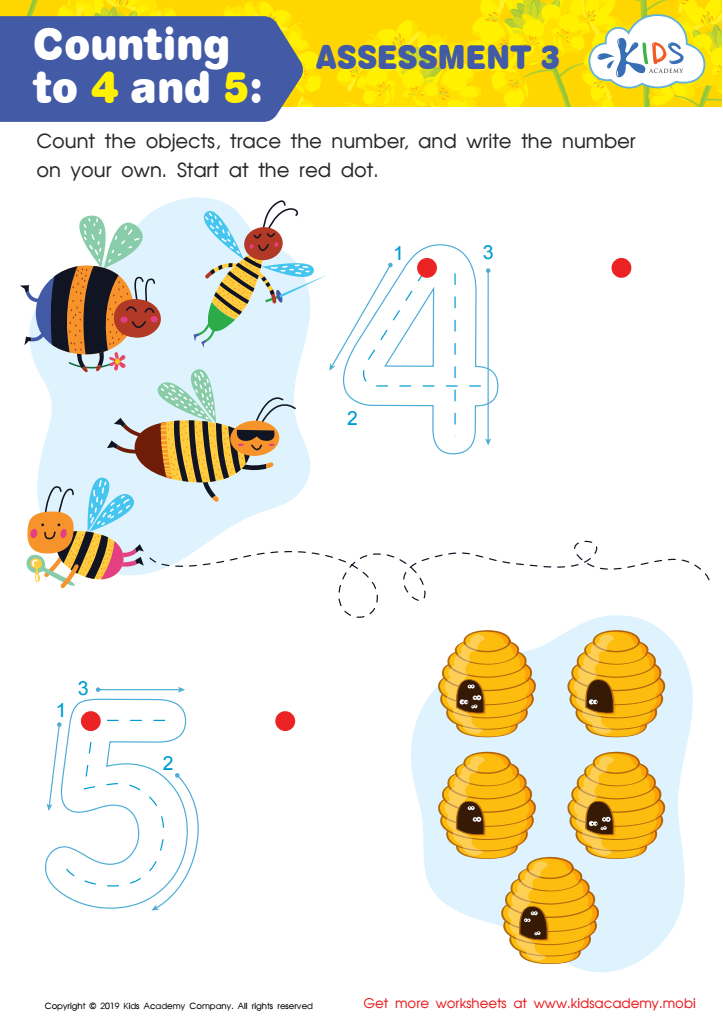
Counting to 4 and 5: Assessment 3 Worksheet
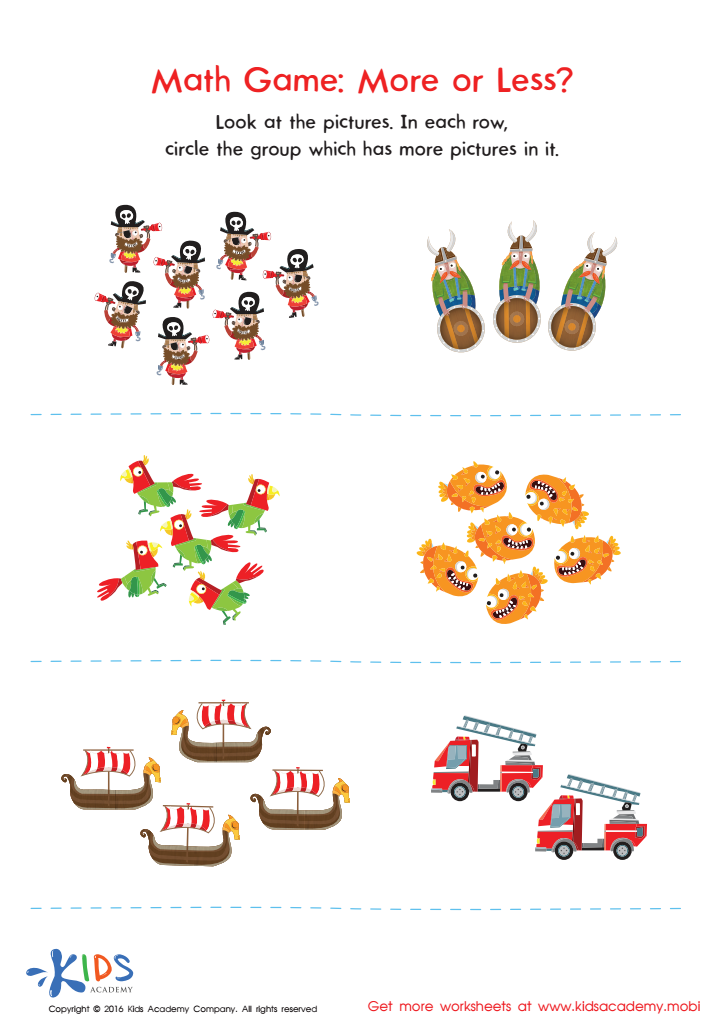
More or Less Worksheet
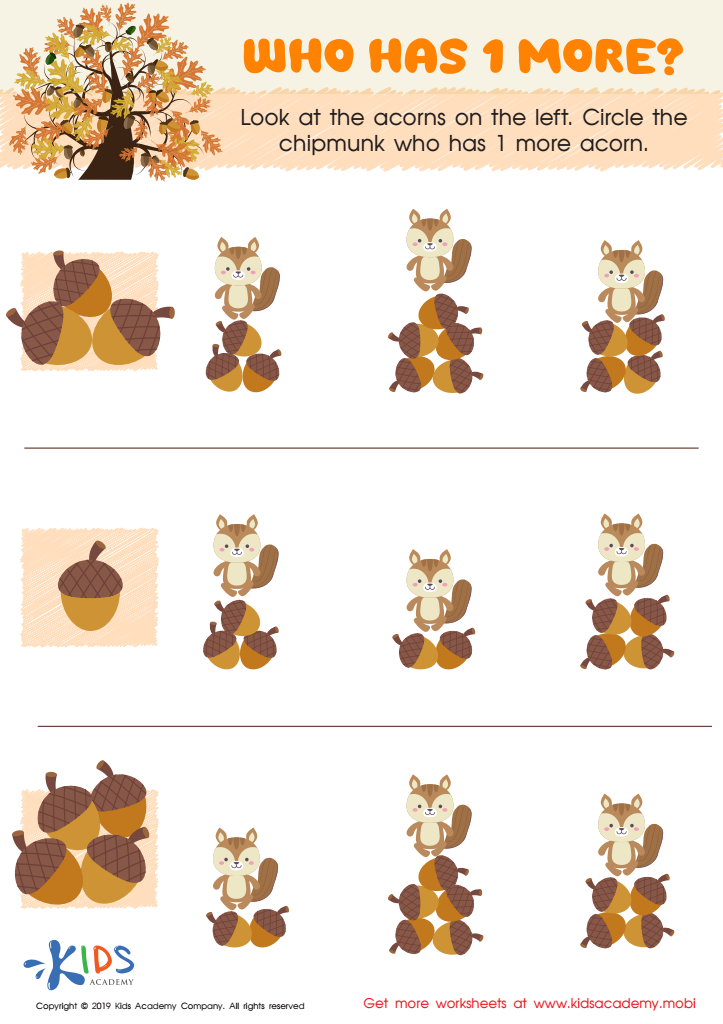
Who Has 1 More? Worksheet
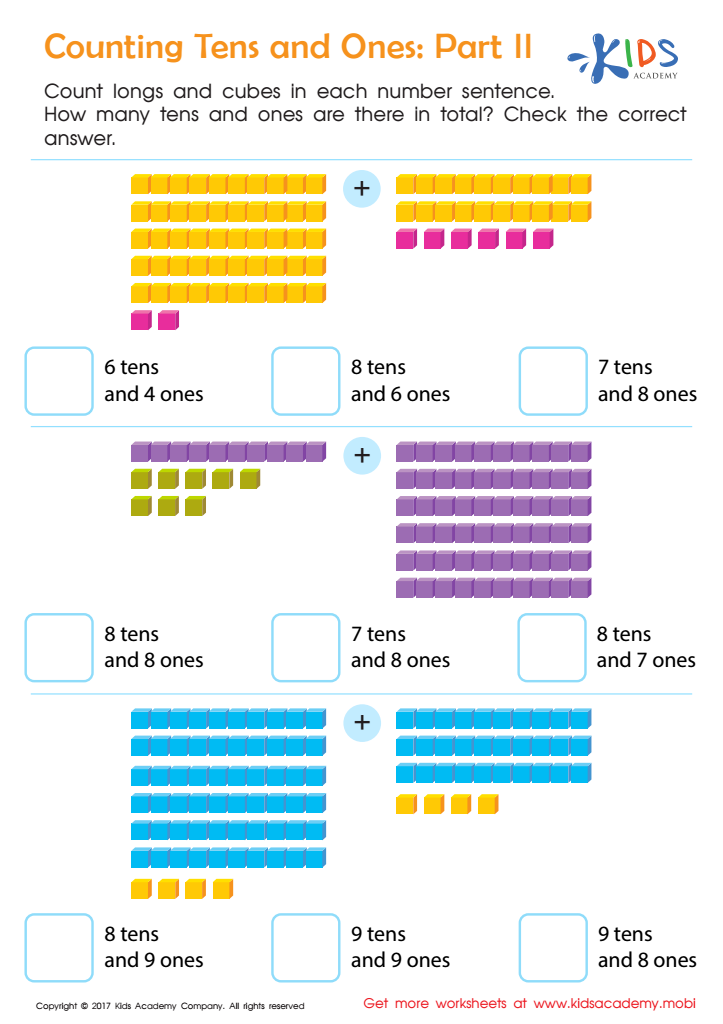
Counting Tens and Ones: Part 2 Worksheet
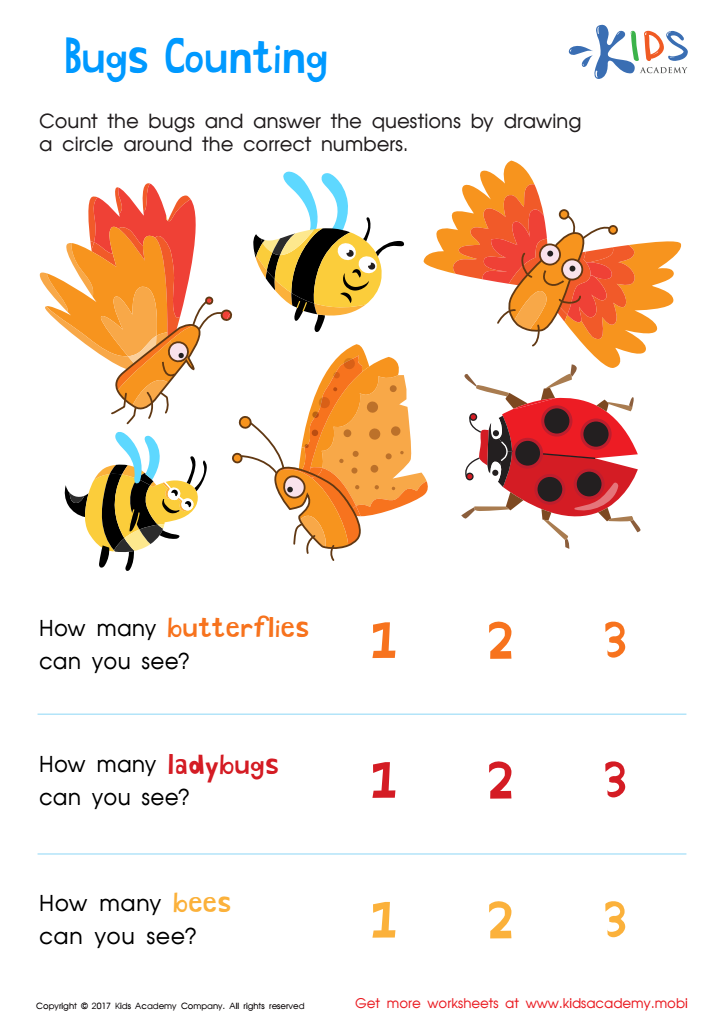
Bugs Counting Worksheet
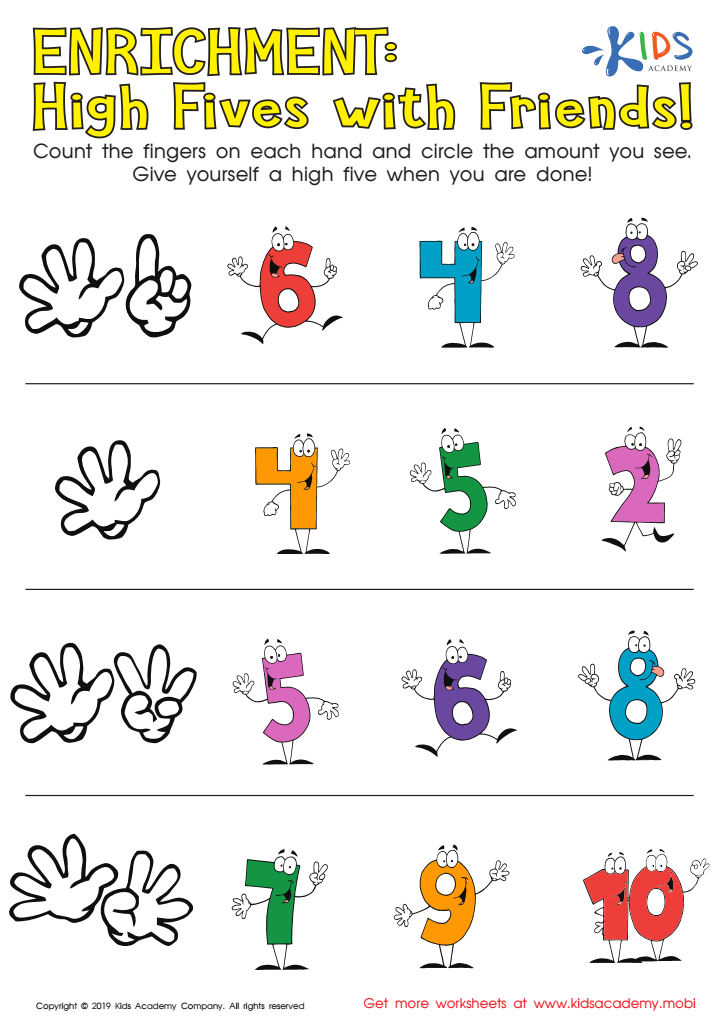
Enrichment: High Fives with Friends! Worksheet
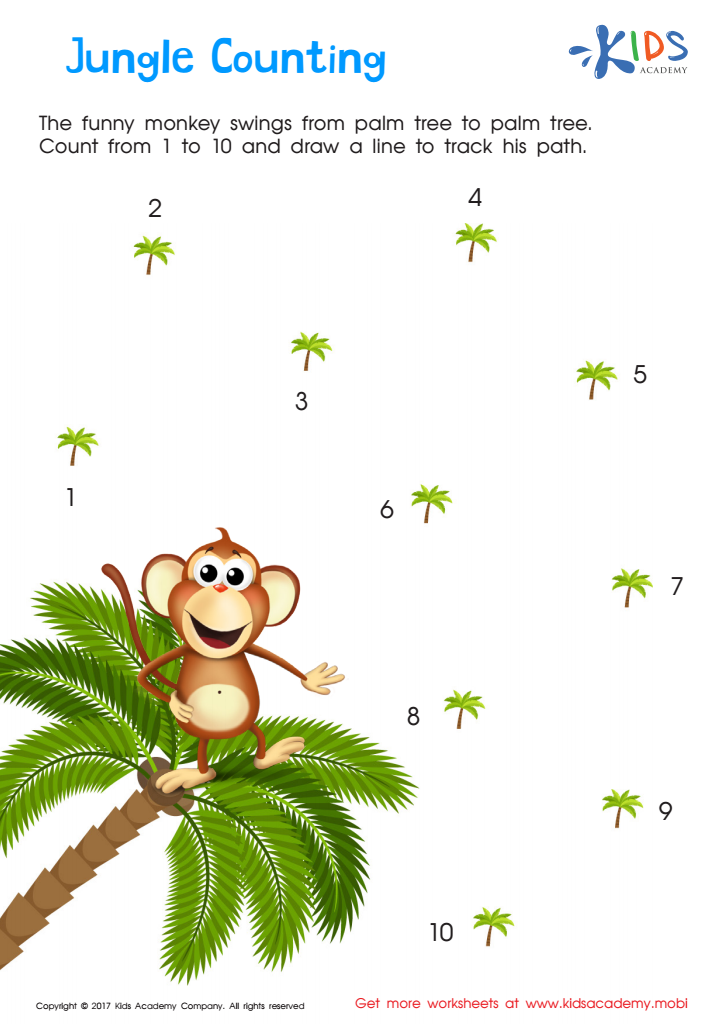
Jungle Counting Connect Dots Worksheet
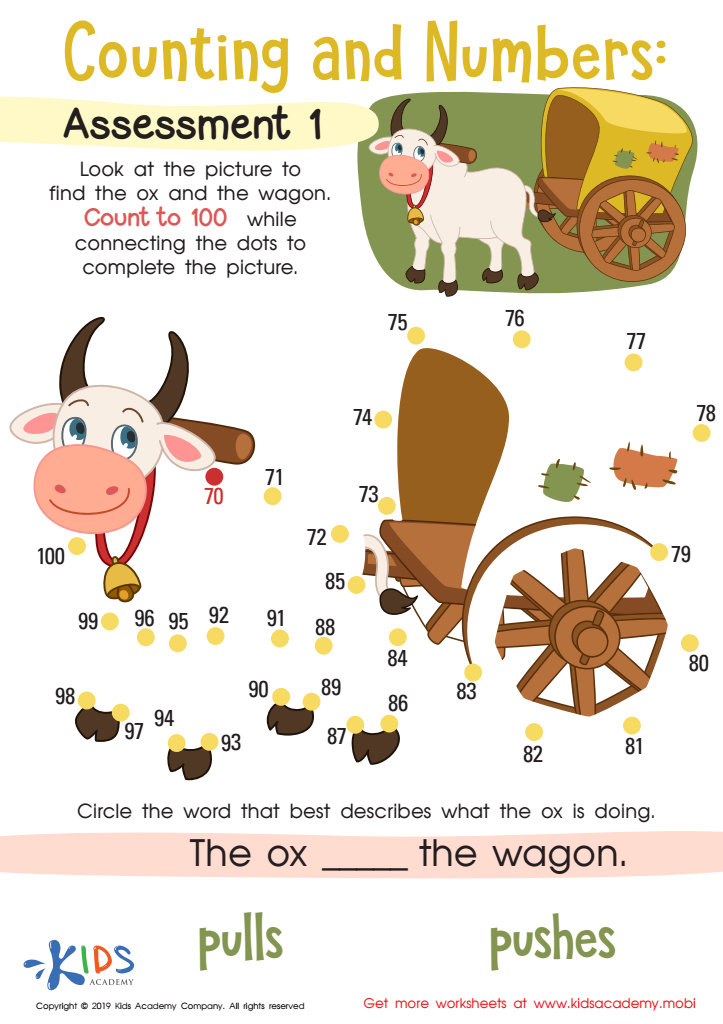
Counting and Numbers: Assessment 1 Worksheet
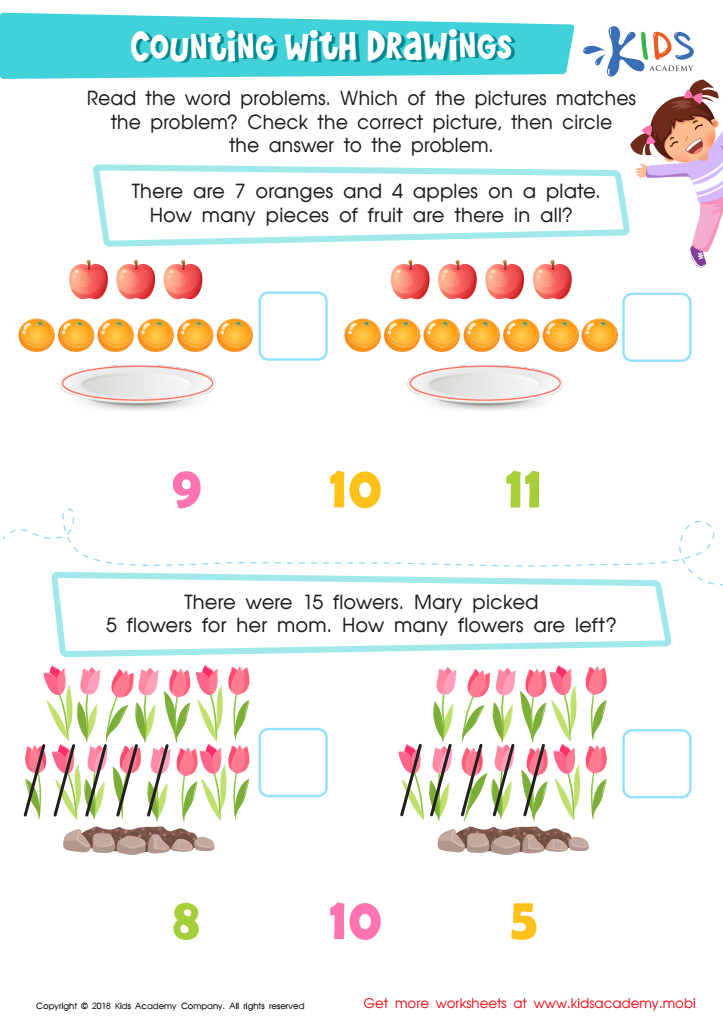
Counting with Drawings:Fruits & Flowers Worksheet







Basic addition is a foundational skill that sets the stage for a child’s future academic success. For children aged 5-6, mastering addition is crucial for several reasons. First, it promotes cognitive development by enhancing critical thinking, problem-solving abilities, and number sense. As children manipulate numbers, they learn to recognize patterns and relationships, paving the way for more complex math concepts down the road.
Moreover, basic addition supports language development. Discussing numbers and equations helps children expand their vocabulary and articulate mathematical thoughts. It also fosters communication skills as children explain their reasoning to others, developing social interaction and collaboration.
From a practical standpoint, proficiency in addition is vital for everyday activities, such as playing games, shopping, and understanding time. When children grasp basic math, they gain confidence in their abilities, which not only boosts academic performance but also nurtures a positive attitude towards learning.
For parents and teachers, investing time in teaching basic addition is equally significant. It empowers children to actively participate in their education, easing transitions into more advanced topics they will encounter later. In essence, nurturing basic addition skills is an investment that has long-term benefits, fostering a lifelong love for math and learning.








