
Counting objects Worksheets for Ages 5-6
15 filtered results
Difficulty Level
Grade
Age
-
From - To
Subject
Activity
Standards
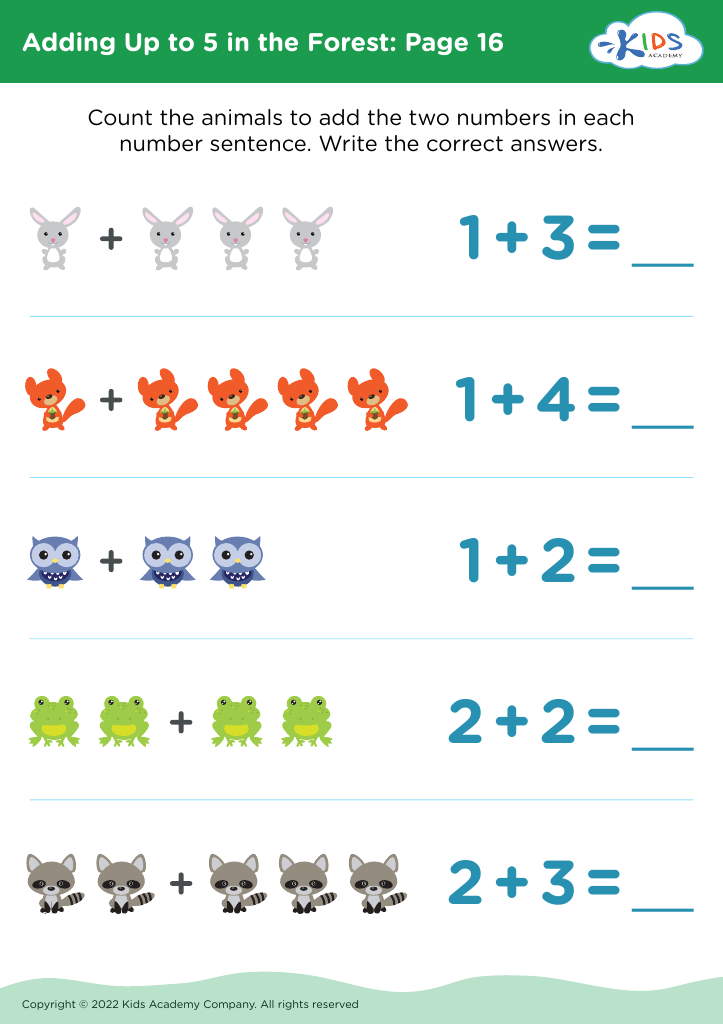
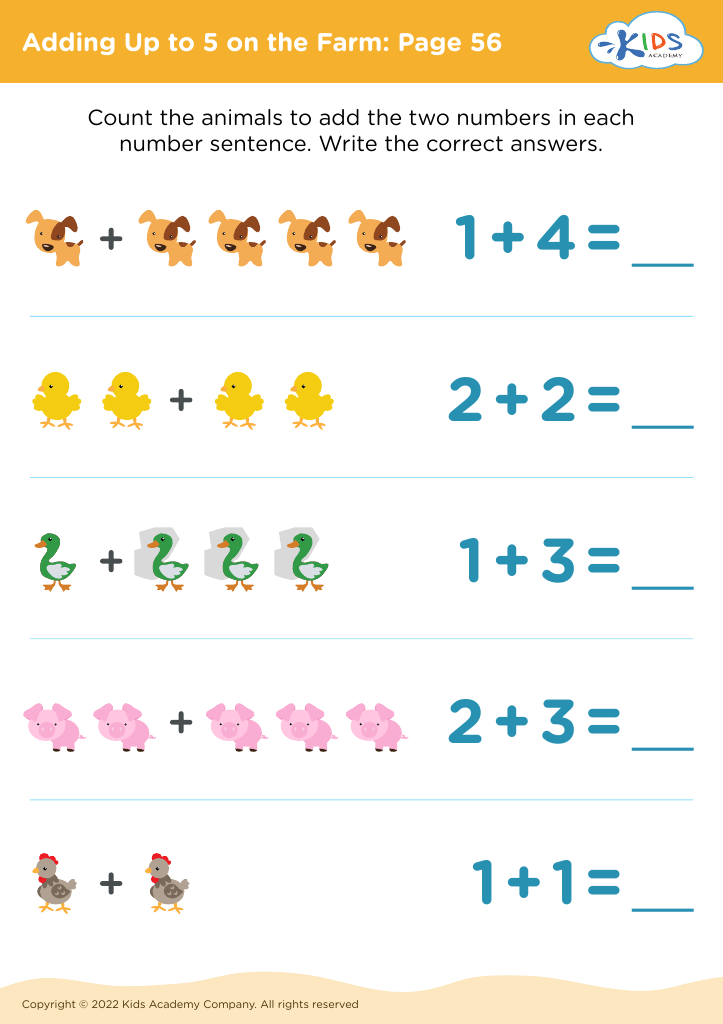
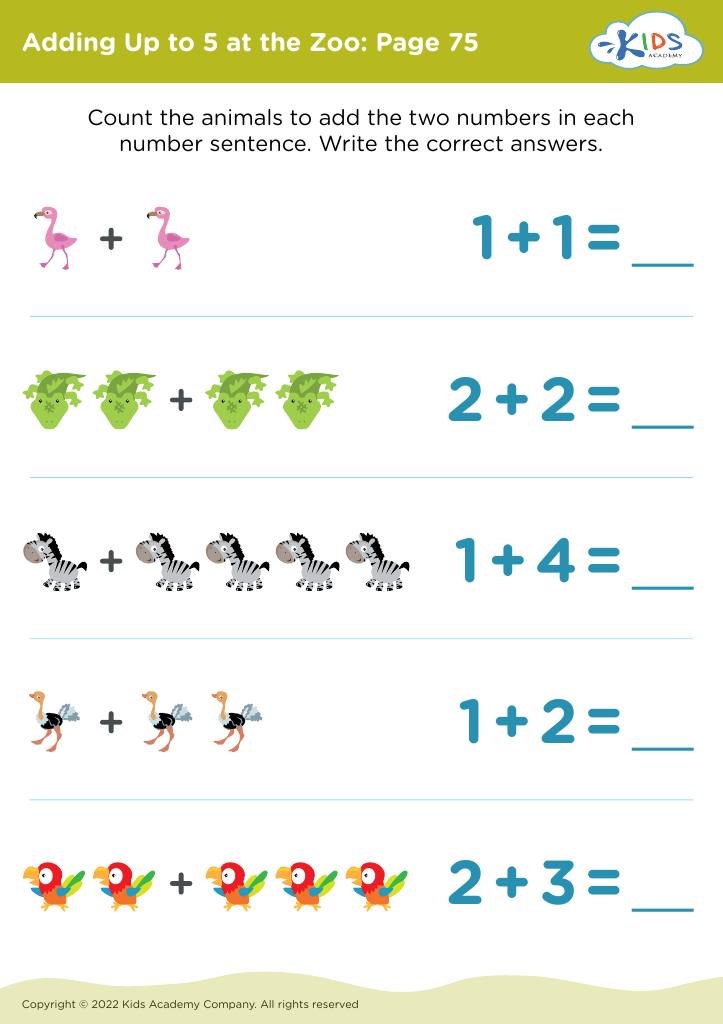
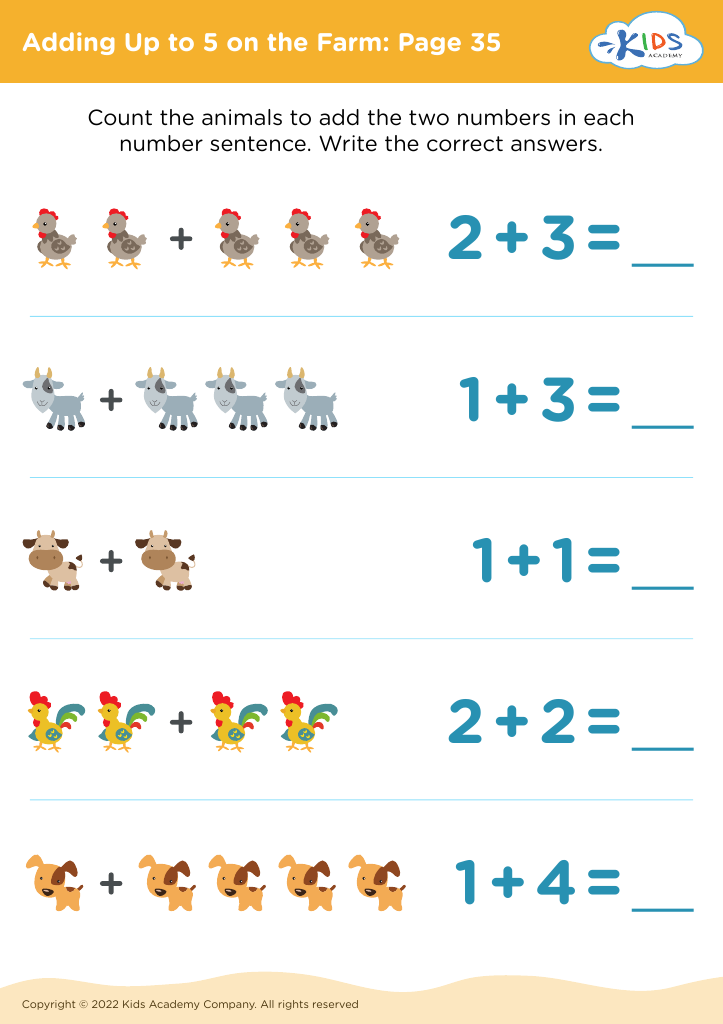
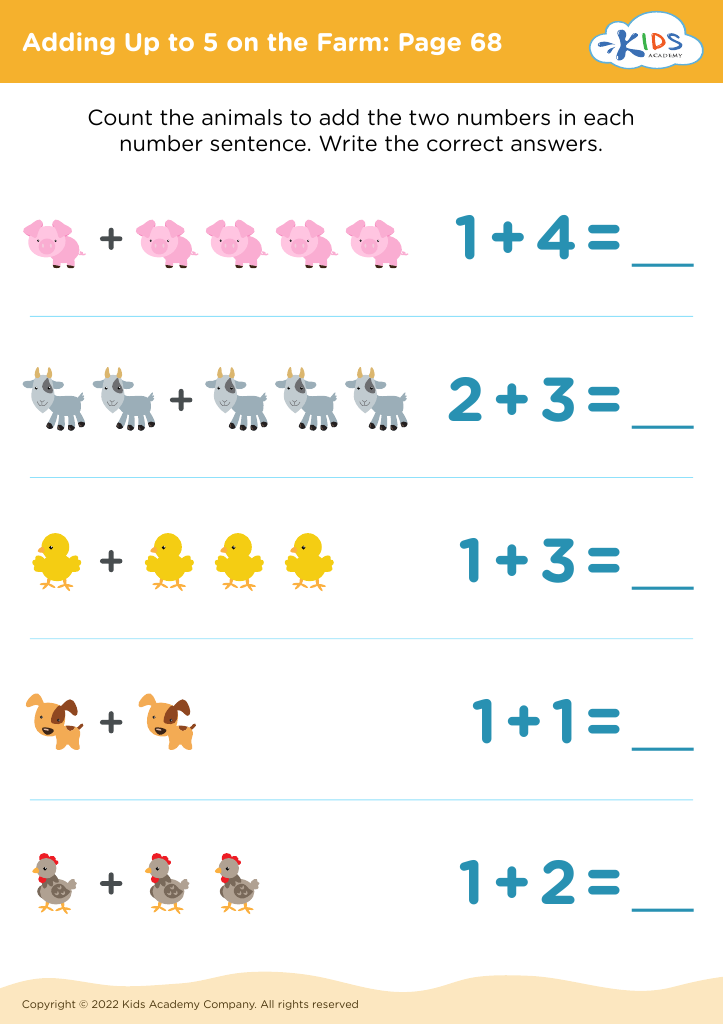
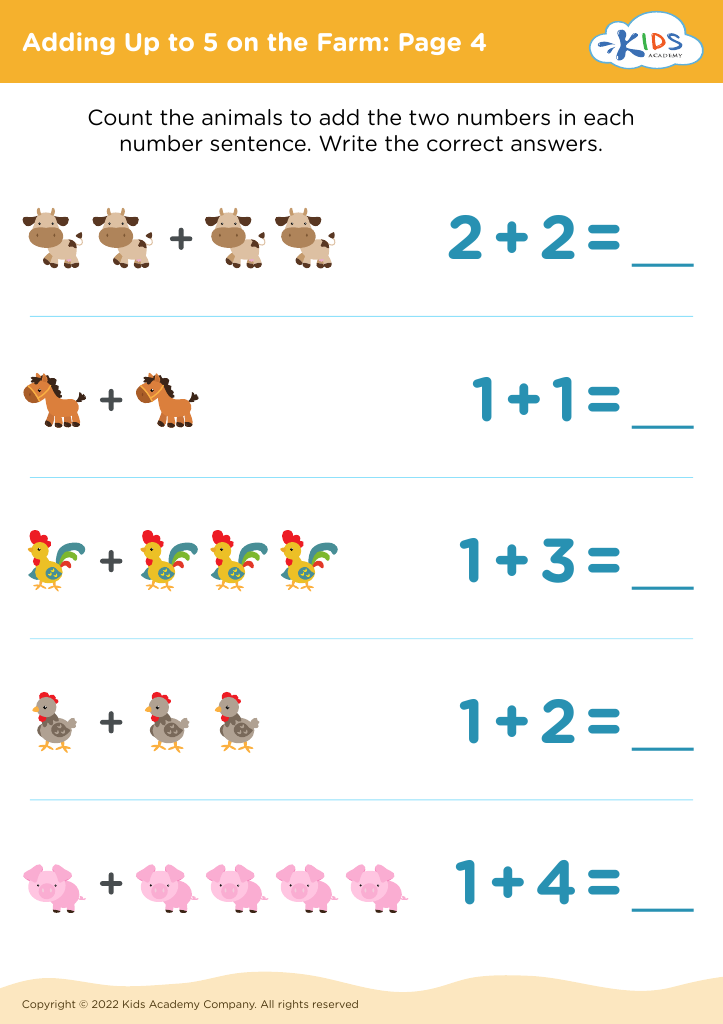
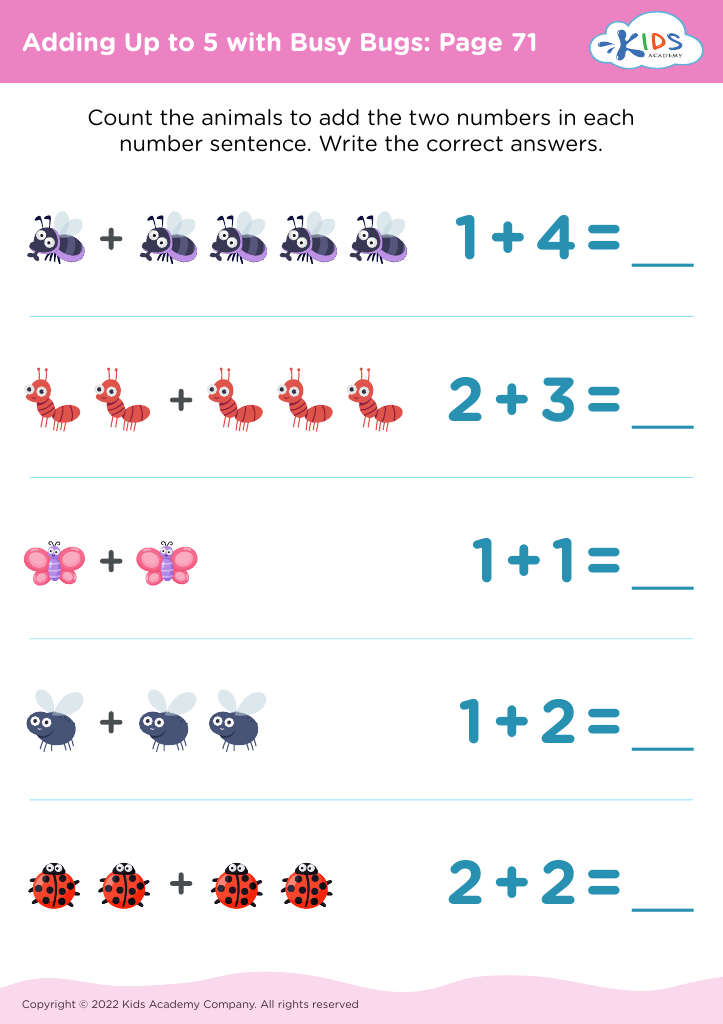
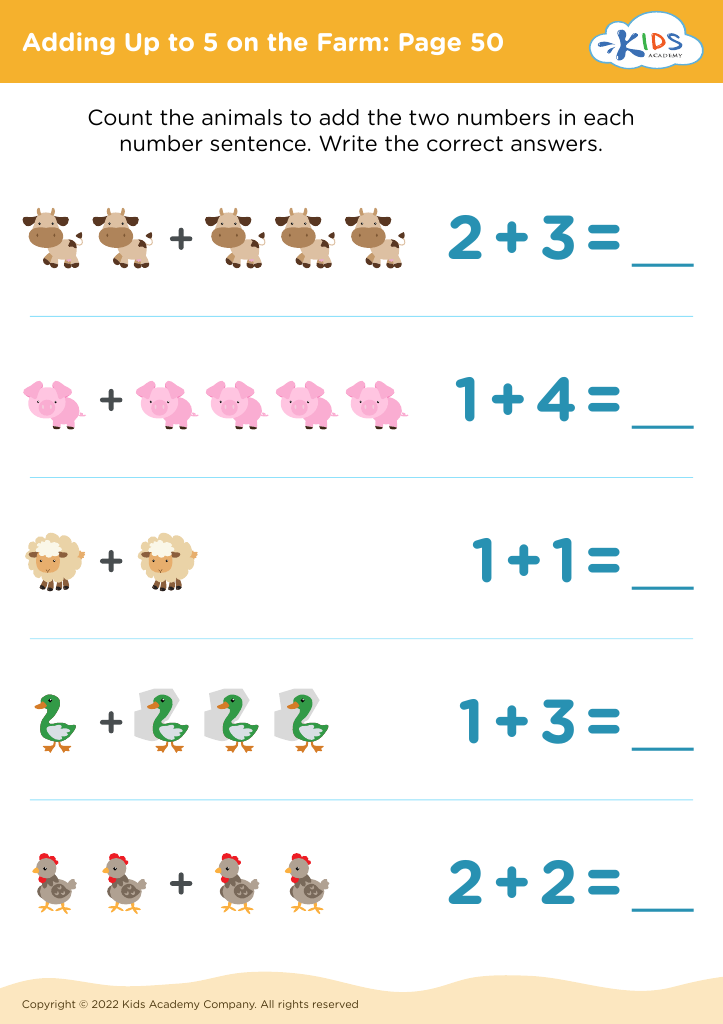
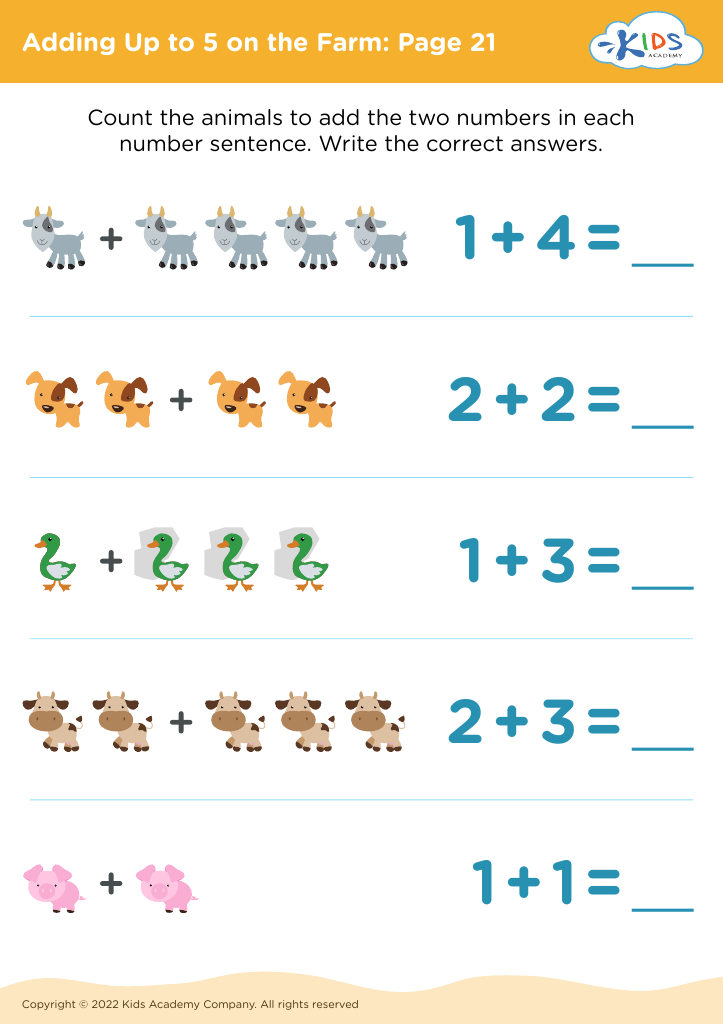
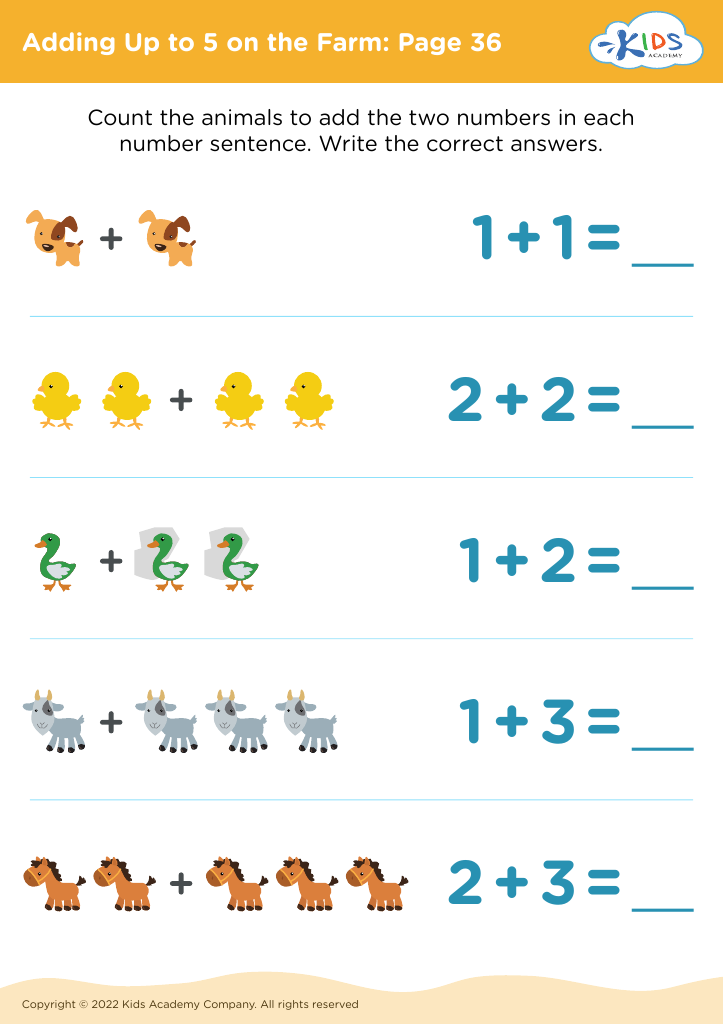
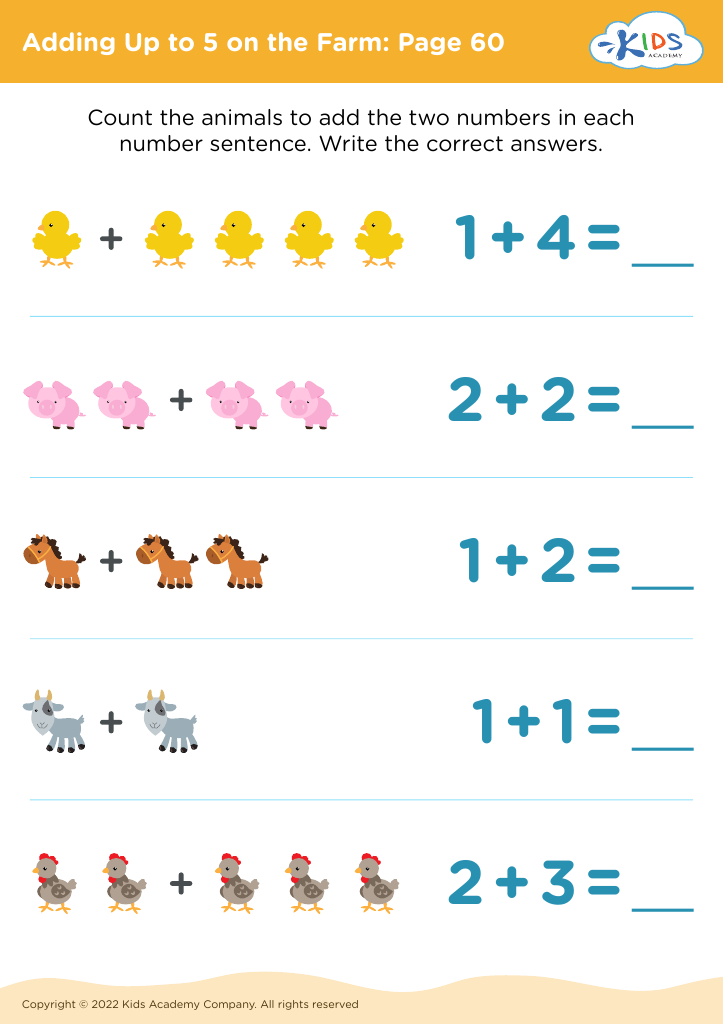
Discover a fun and engaging collection of Counting Objects Worksheets designed specifically for children ages 5-6. These worksheets foster essential math skills by encouraging young learners to count, compare, and identify quantities through colorful illustrations and interactive activities. Each worksheet is crafted to make learning enjoyable, helping kids build a solid foundation in early numeracy. With a variety of exercises that cater to different learning styles, your child will develop confidence in their counting abilities while honing their problem-solving skills. Perfect for use at home or in the classroom, these worksheets are an ideal resource for early childhood education.
Favorites
With answer key
Interactive
Earth's Systems: Assessment 1
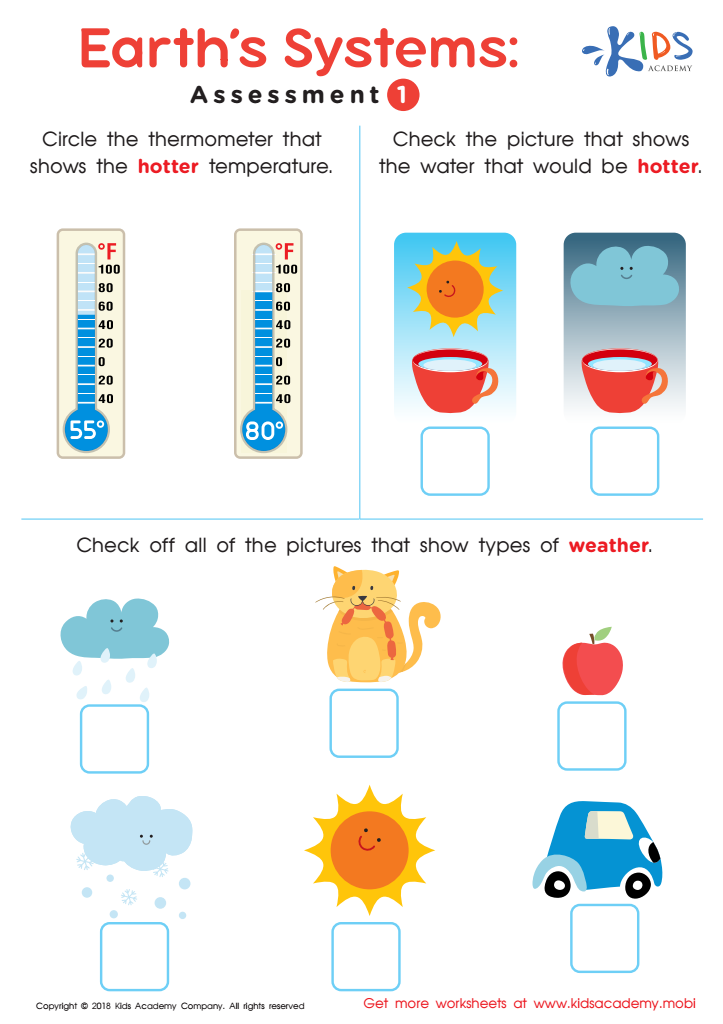
Check your child's knowledge of weather basics with this quick printable worksheet! Using colorful pictures, instruct them to determine which thermometer shows a hotter reading and if water would be warmer in the sun or under clouds. Encourage kids to identify types of weather on the bottom of the page. Assess their readiness to move on!
 Assign to My Students
Earth's Systems: Assessment 1
Worksheet
Jungle Addition Worksheet
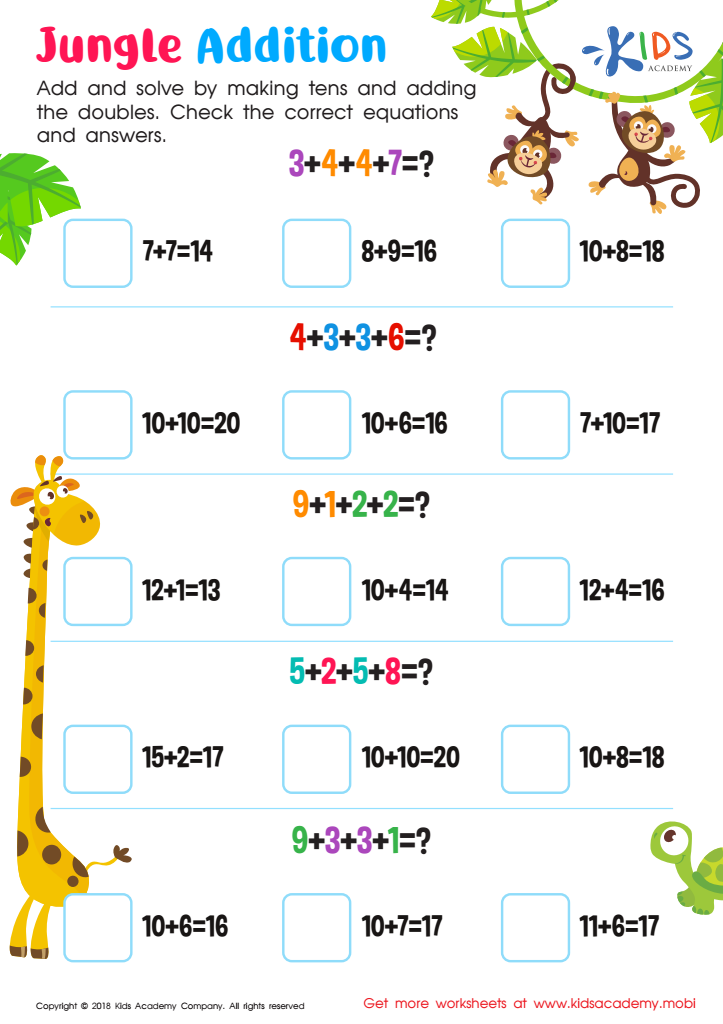
With this worksheet, kids can use the strategies of making tens and adding doubles to add numbers with more than three addends. They'll practice choosing the right method and become more confident in their calculations, enabling quicker, more efficient computation.
Jungle Addition Worksheet
Worksheet
Join Kids Academy for Free
Who is primarily going to use this learning content?





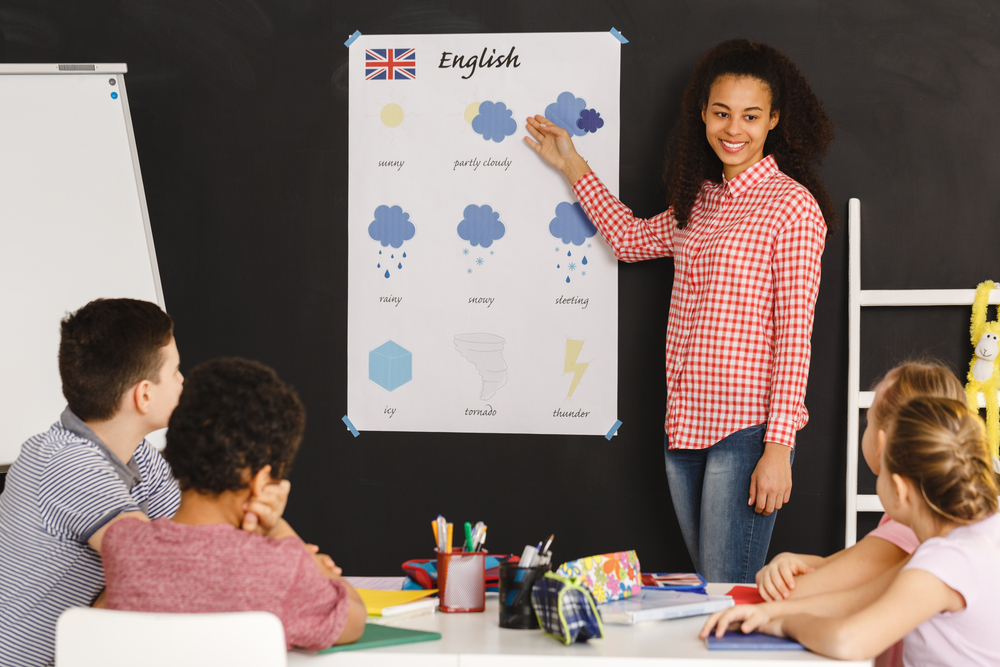
Counting objects is a foundational skill for children aged 5 to 6, integral to their early development and future learning. At this age, children are naturally curious and eager to understand their world. Teaching them to count objects helps build their numerical sense, enhancing cognitive development and supporting their mathematical understanding.
When children count objects, they develop critical skills such as one-to-one correspondence, which fosters an understanding of quantities. This foundational skill not only prepares them for more complex mathematics but also promotes problem-solving and logical thinking. Furthermore, counting enhances language development, as children learn vocabulary related to numbers, quantities, and comparison.
Engaging in counting activities can also promote fine motor skills, as children handle objects. These activities can be easily integrated into everyday life, allowing learning to happen organically in a fun, interactive manner. For parents and teachers, focusing on counting objects develops not just academic skills but also nurtures a love for learning, encouraging children to explore and ask questions.
Ultimately, counting objects contributes to a child's overall development, laying a solid groundwork for their future academic success and everyday life skills. Prioritizing counting activities is essential for building confident, capable learners.








