Filters

373 filtered results

Clear all filters
Favorites
With answer key
Interactive

373 filtered results

Difficulty Level

Grade


Check out this FREE "Counting skills" Trial Lesson for age 5-6!

Sorting Objects into 3 Categories

Favorites
With answer key
Interactive
  • 5-6
  • Counting skills
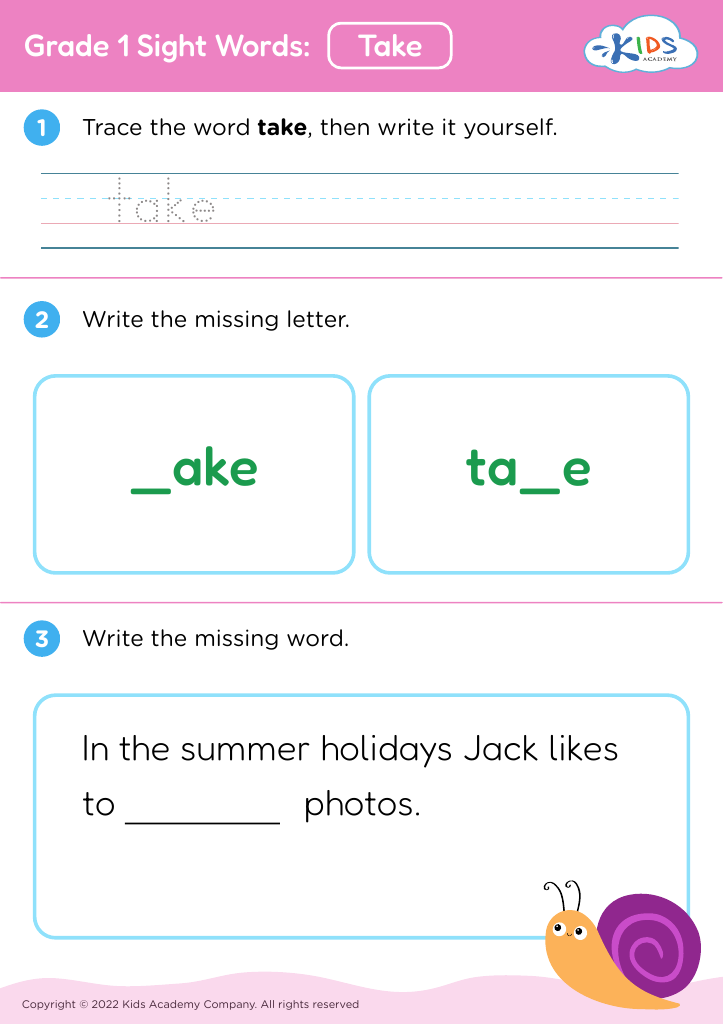
Grade 1 Sight Words: Take

Grade 1 Sight Words: Take

Grade 1 Sight Words: Take
Worksheet
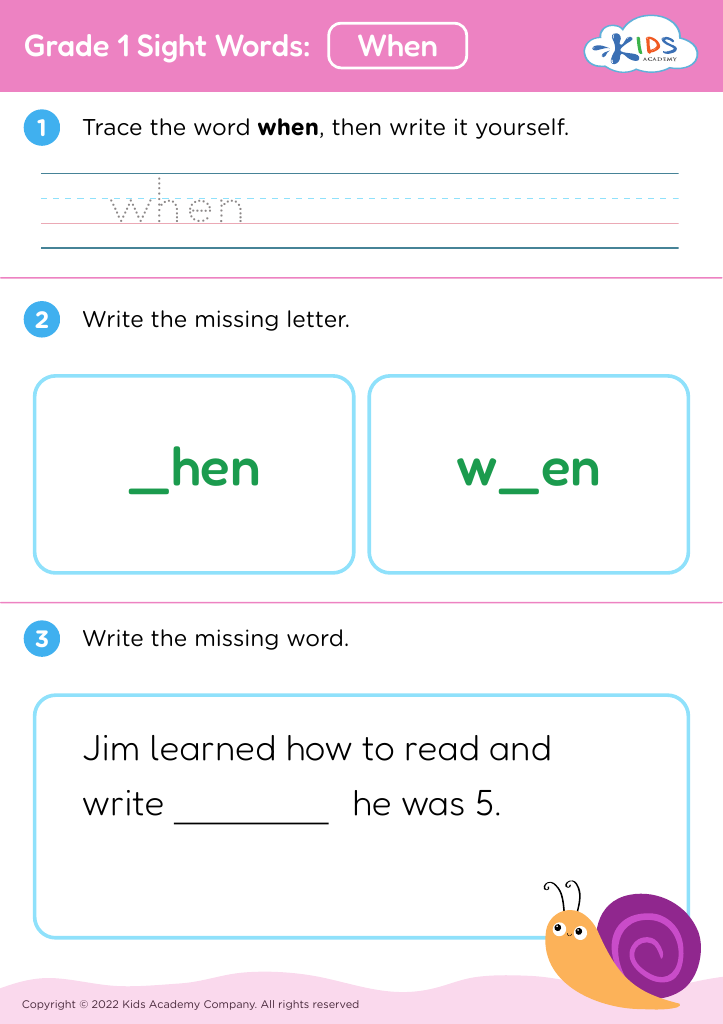
Grade 1 Sight Words: When

Grade 1 Sight Words: When

Grade 1 Sight Words: When
Worksheet
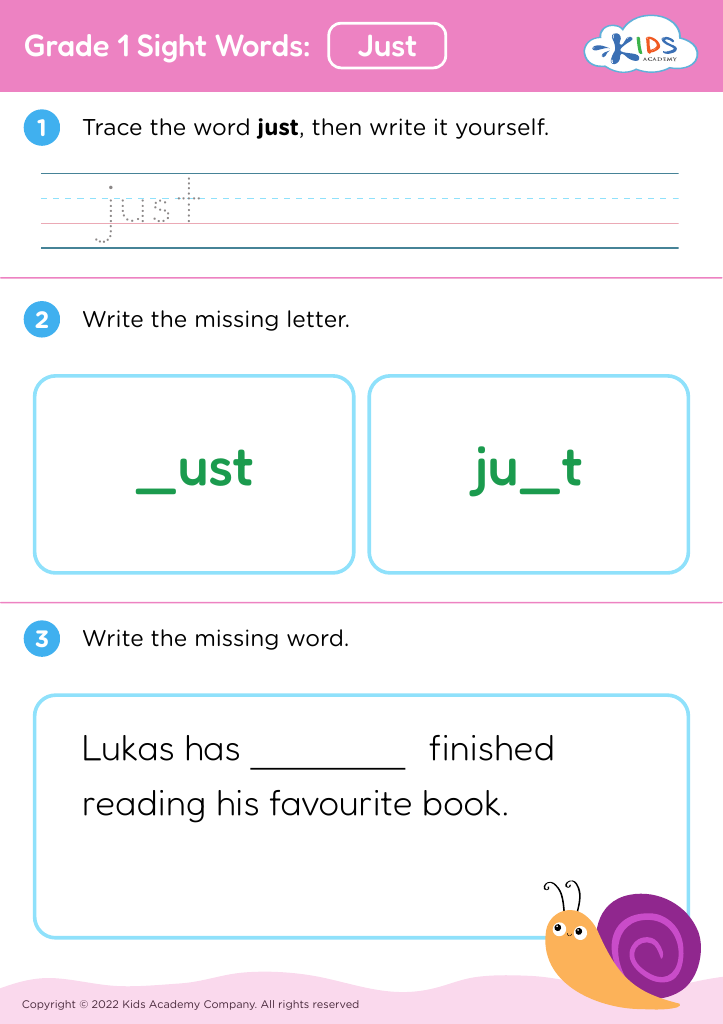
Grade 1 Sight Words: Just

Grade 1 Sight Words: Just

Grade 1 Sight Words: Just
Worksheet
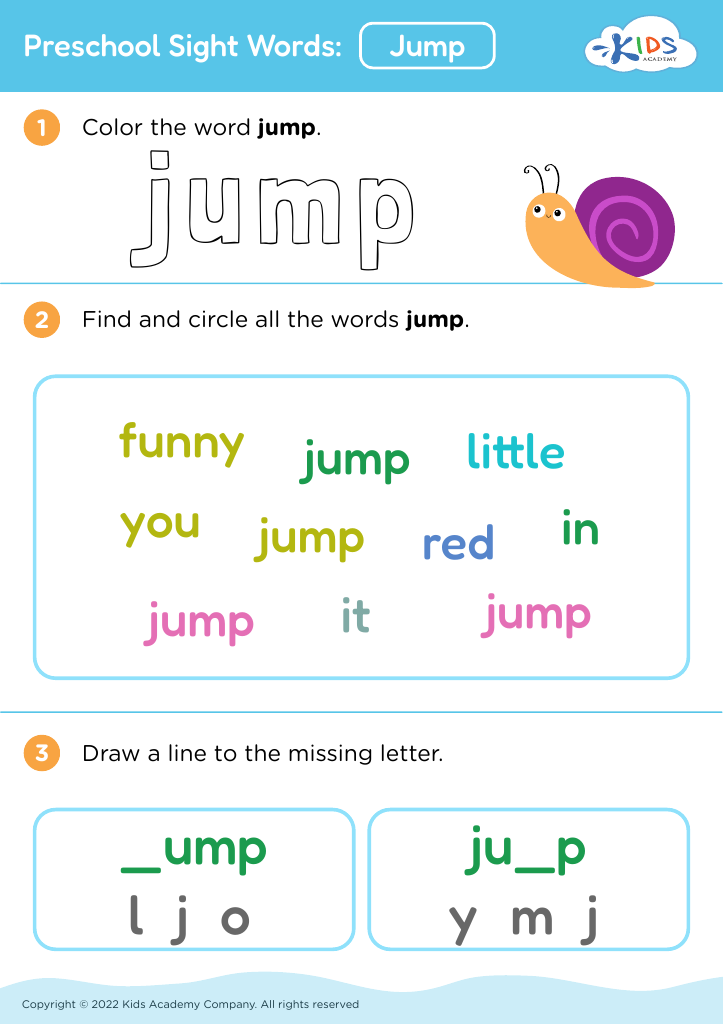
Preschool Sight Words: Jump

Preschool Sight Words: Jump

Preschool Sight Words: Jump
Worksheet
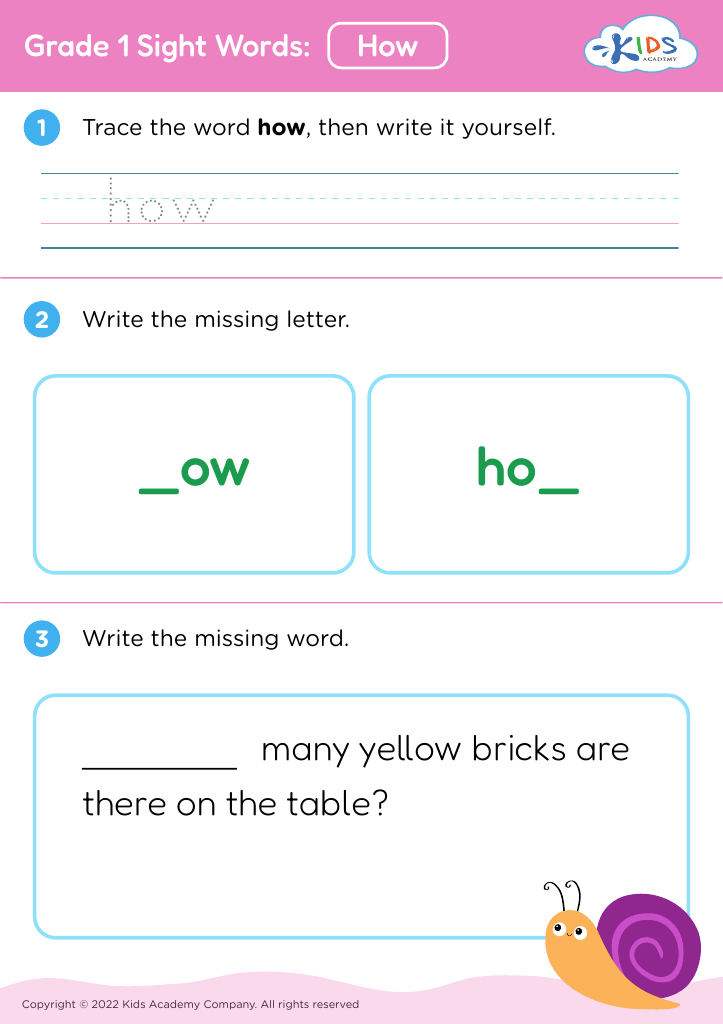
Grade 1 Sight Words: How

Grade 1 Sight Words: How

Grade 1 Sight Words: How
Worksheet
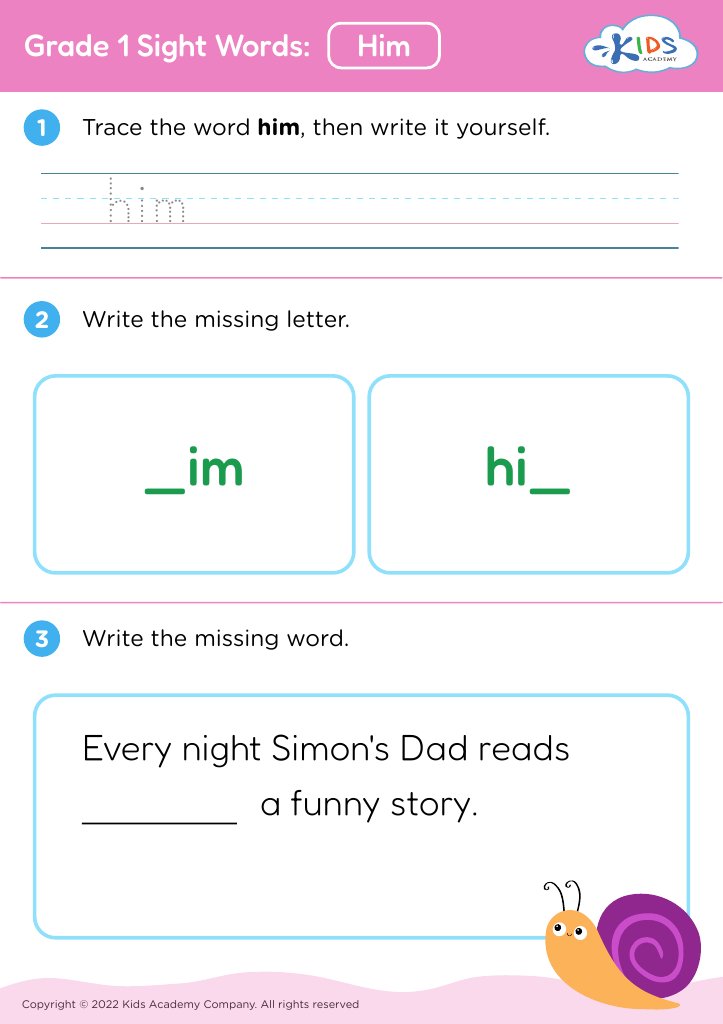
Grade 1 Sight Words: Him

Grade 1 Sight Words: Him

Grade 1 Sight Words: Him
Worksheet
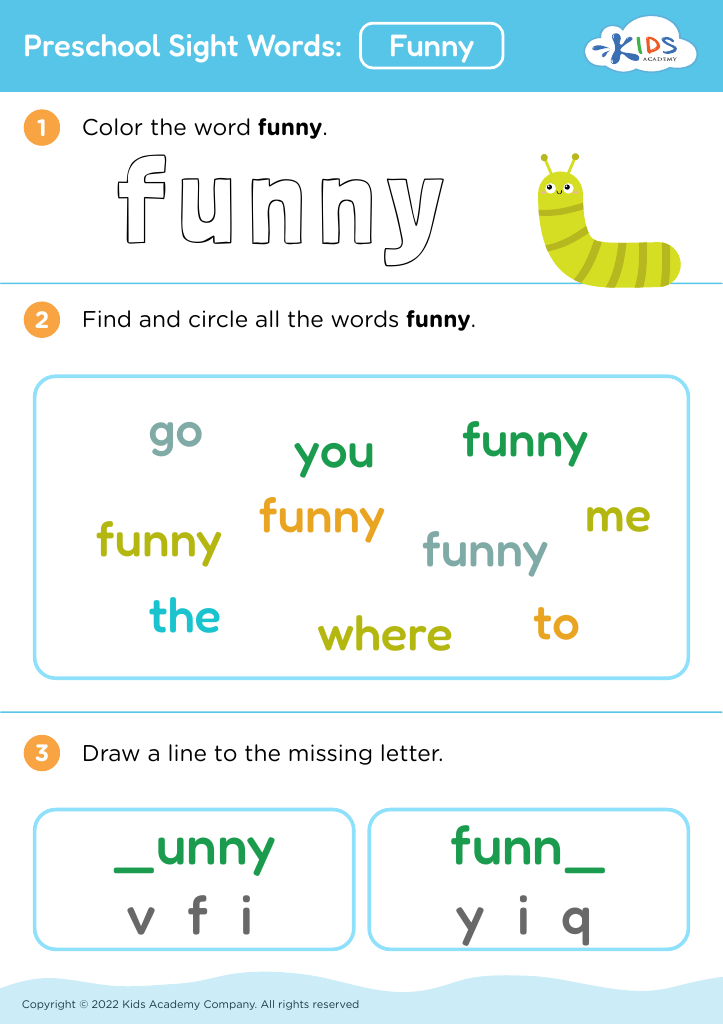
Preschool Sight Words: Funny

Preschool Sight Words: Funny

Preschool Sight Words: Funny
Worksheet
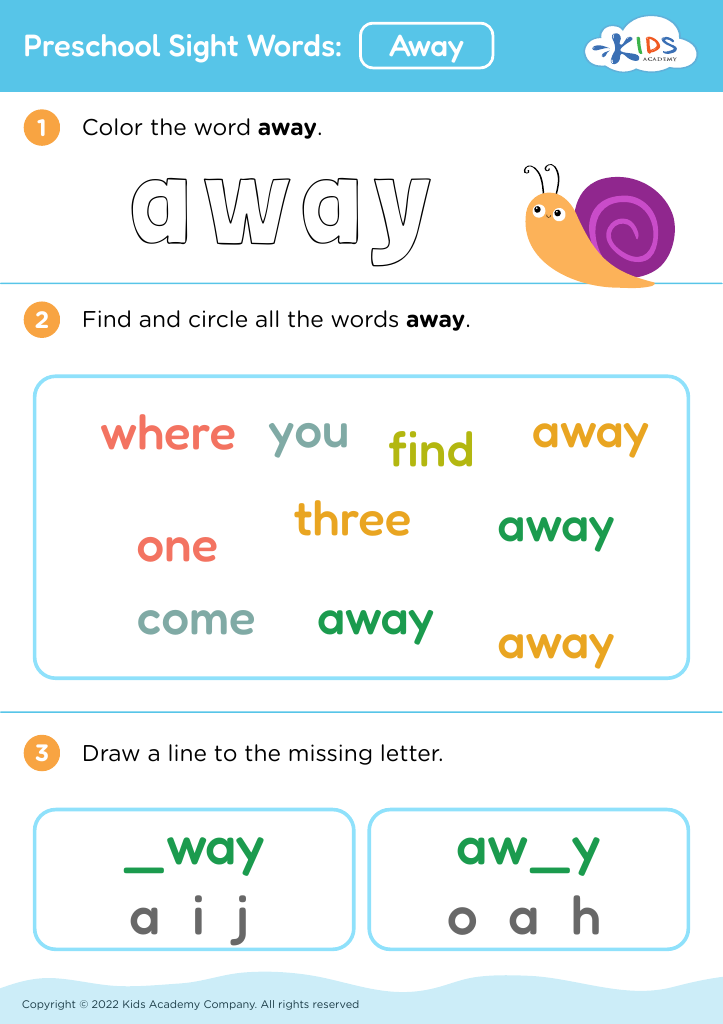
Preschool Sight Words: Away

Preschool Sight Words: Away

Preschool Sight Words: Away
Worksheet
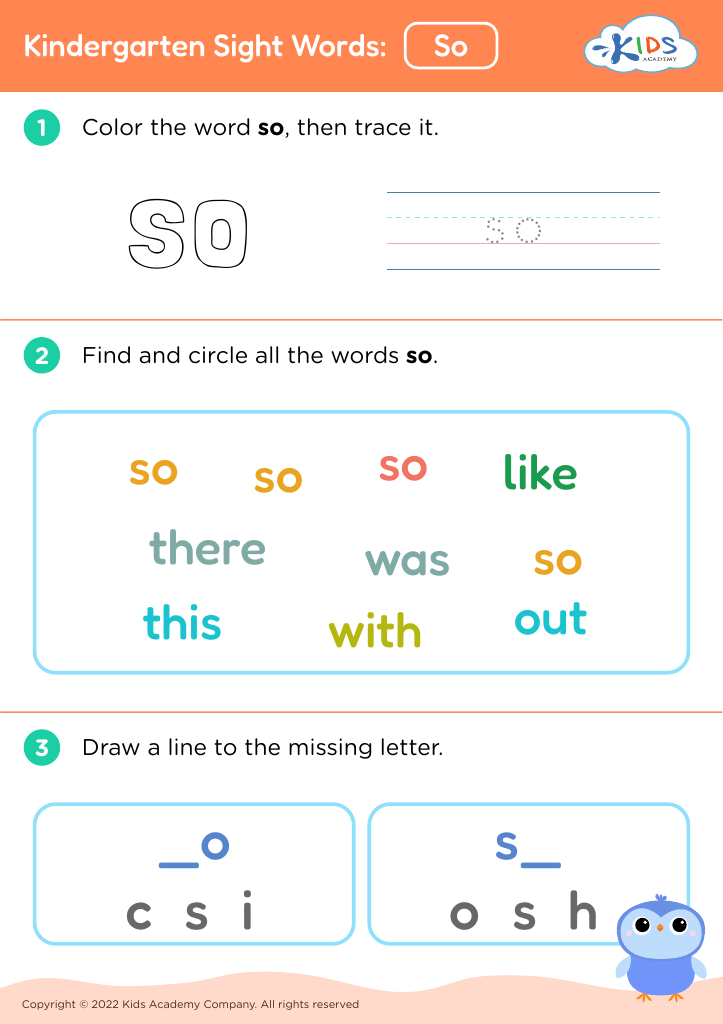
Kindergarten Sight Words: So

Kindergarten Sight Words: So

Kindergarten Sight Words: So
Worksheet
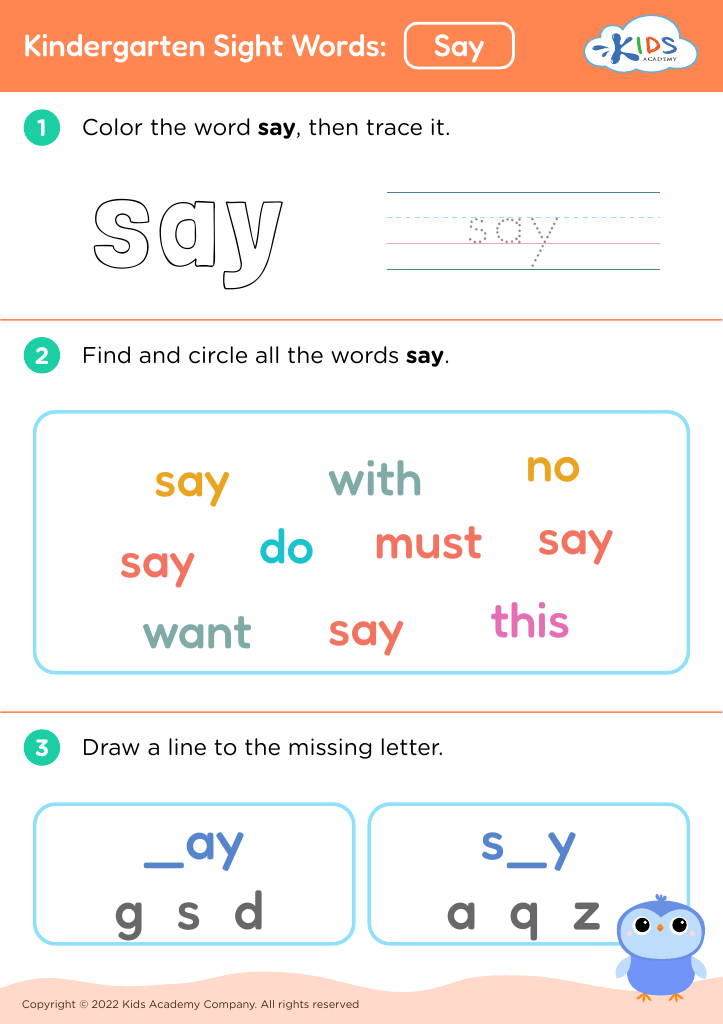
Kindergarten Sight Words: Say

Kindergarten Sight Words: Say

Kindergarten Sight Words: Say
Worksheet
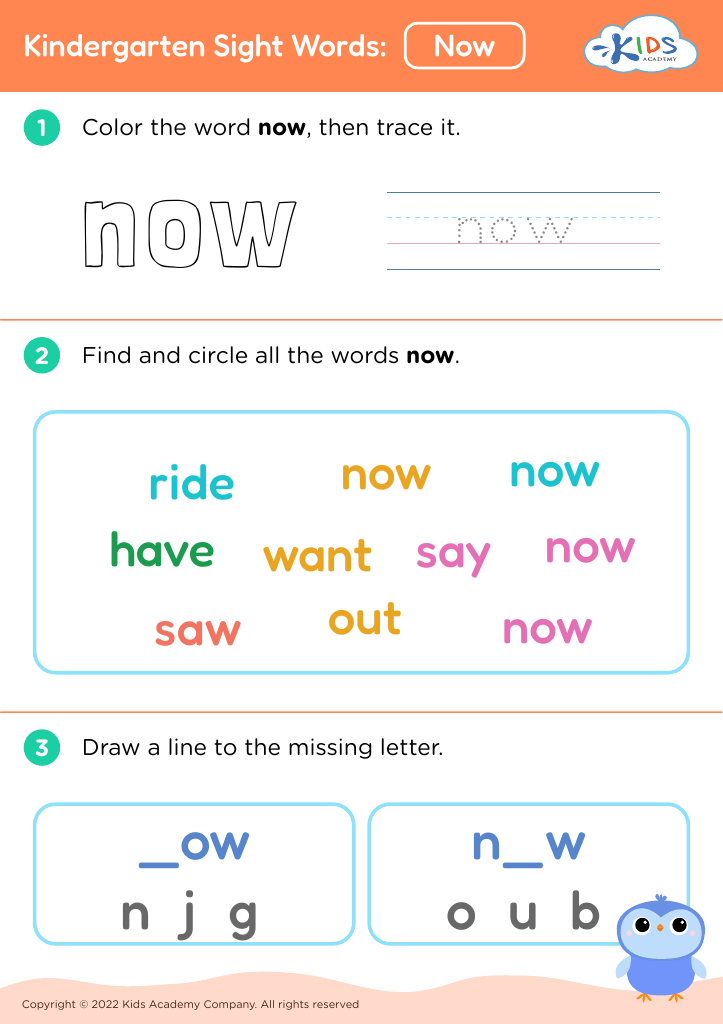
Kindergarten Sight Words: Now

Kindergarten Sight Words: Now

Kindergarten Sight Words: Now
Worksheet
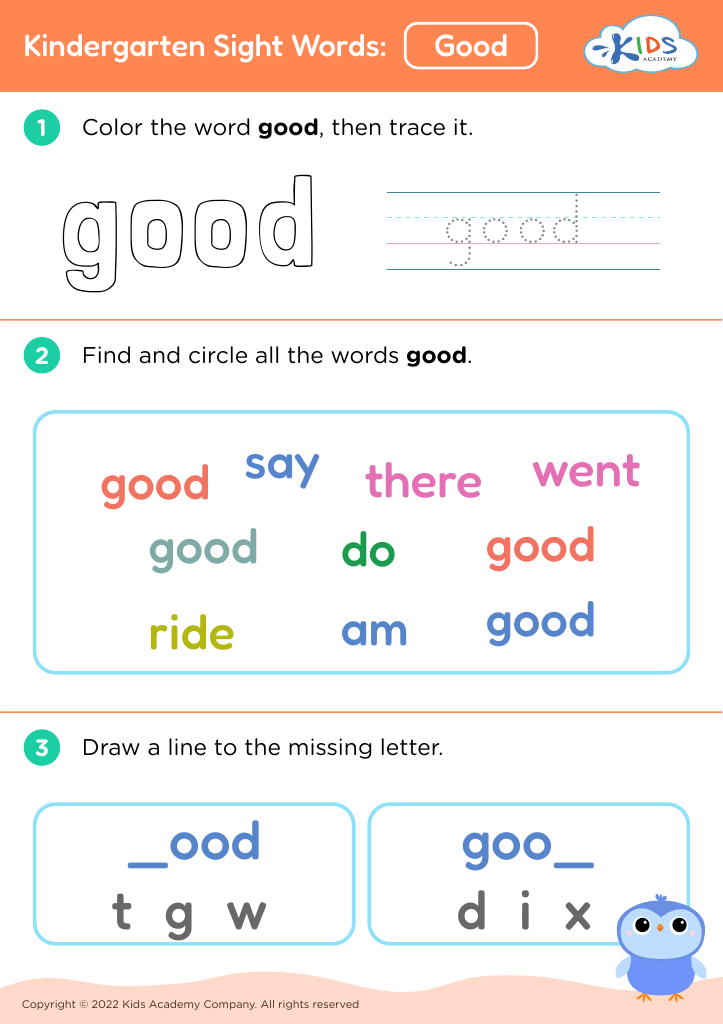
Kindergarten Sight Words: Good

Kindergarten Sight Words: Good

Kindergarten Sight Words: Good
Worksheet
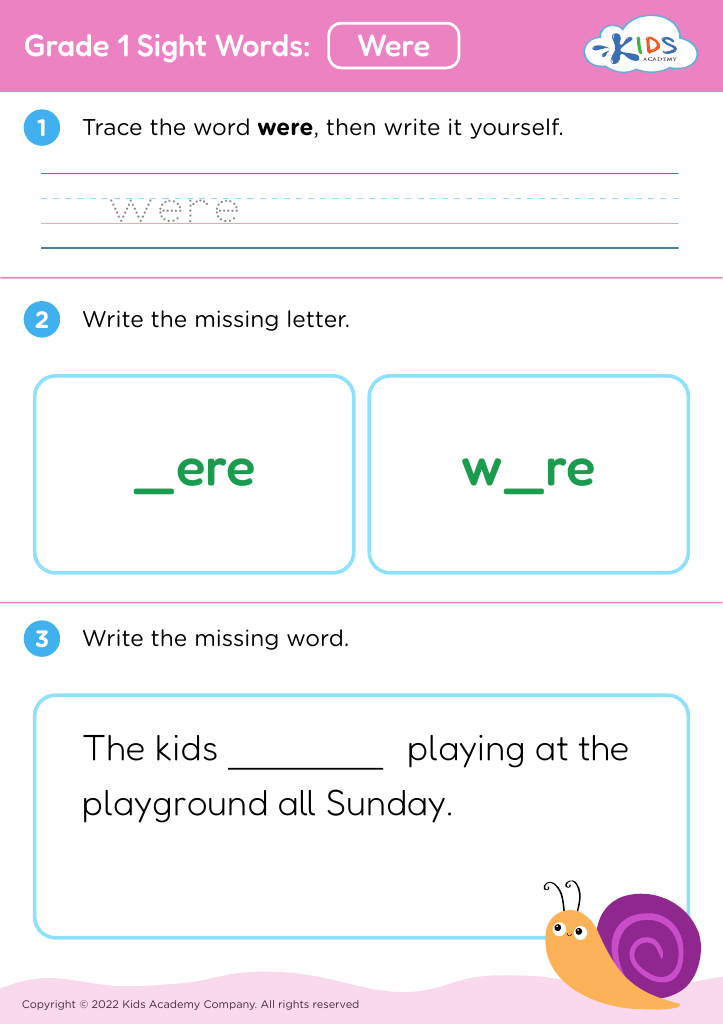
Grade 1 Sight Words: Were

Grade 1 Sight Words: Were

Grade 1 Sight Words: Were
Worksheet


... 15 16

Counting skills are fundamental building blocks in a child’s early mathematical development, especially for children aged 5-6. At this formative stage, fostering good counting abilities equips children with the tools they need for more complex mathematical concepts later on. For parents and teachers, focusing on counting skills has multiple benefits.

Firstly, it nurtures number sense, helping children understand the value of numbers, their sequence, and how they relate to each other. This foundational knowledge aids in everyday tasks such as recognizing patterns, comparing quantities, and even developing concepts of time and money.

Secondly, strong counting skills enhance cognitive development. Counting engages memory, attention, and logical thinking, helping children to develop more intricate brain functions necessary for problem-solving and analytical reasoning.

Furthermore, counting activities are generally interactive and fun, which can foster a love for learning mathematics. Positive early experiences with math can boost a child’s confidence and encourage a growth mindset toward lifelong learning.

Lastly, proficiency in counting can ease the transition into more structured and formal schooling environments. Children who enter school with well-developed counting skills are better prepared to tackle the academic challenges that lie ahead.

In summary, promoting counting skills in early childhood builds a strong mathematical foundation, supports cognitive growth, and sets a positive tone for future academic endeavors.