Fine motor development Worksheets for Ages 5-6
10 filtered results
-
From - To
Enhance your child's fine motor skills with our engaging and fun worksheets designed specifically for ages 5-6. These worksheets incorporate a variety of activities that promote hand-eye coordination, dexterity, and concentration, essential for early childhood development. From tracing and cutting exercises to fun coloring tasks, each worksheet is tailored to captivate young learners and build confidence as they explore their creativity. Our resources are perfect for homeschooling or supplemental learning in the classroom. Equip your child with the skills they need for academic success while ensuring they enjoy the learning process. Discover the power of play-based learning today!
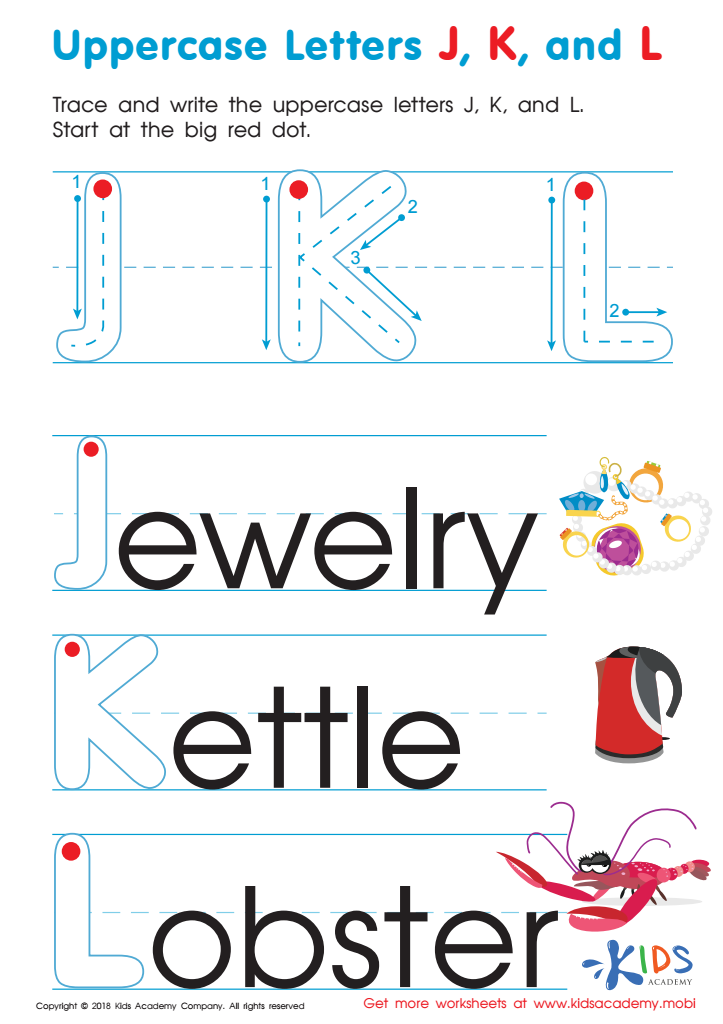
Uppercase Letters J, K, and L Worksheet
 Assign to My Students
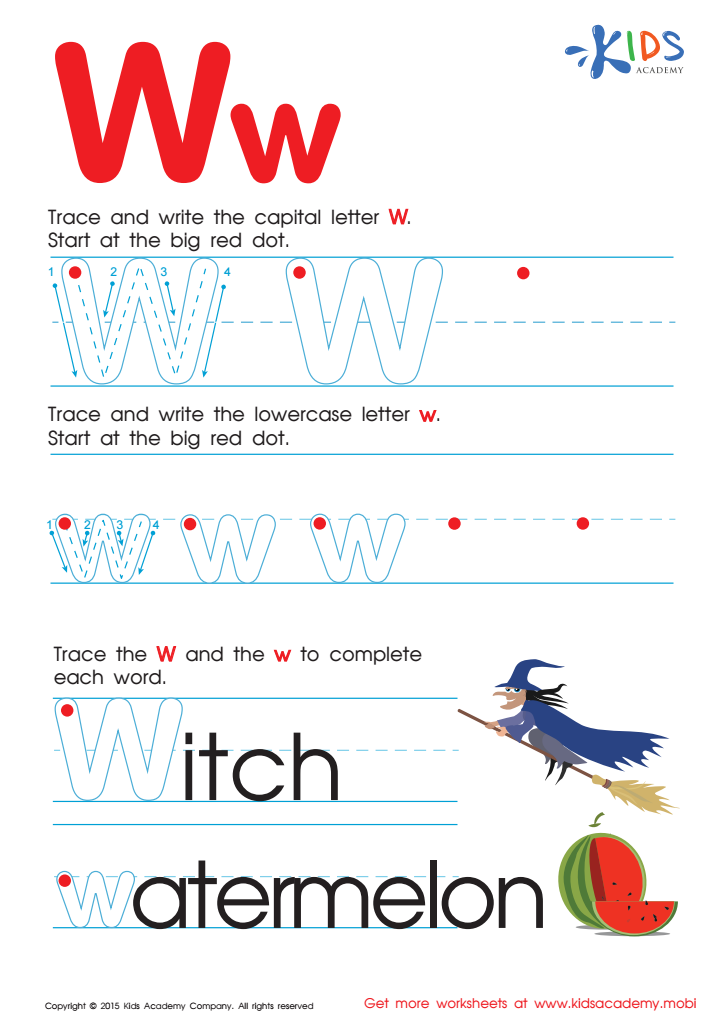
Letter W Tracing Page

Check Bingo Worksheet
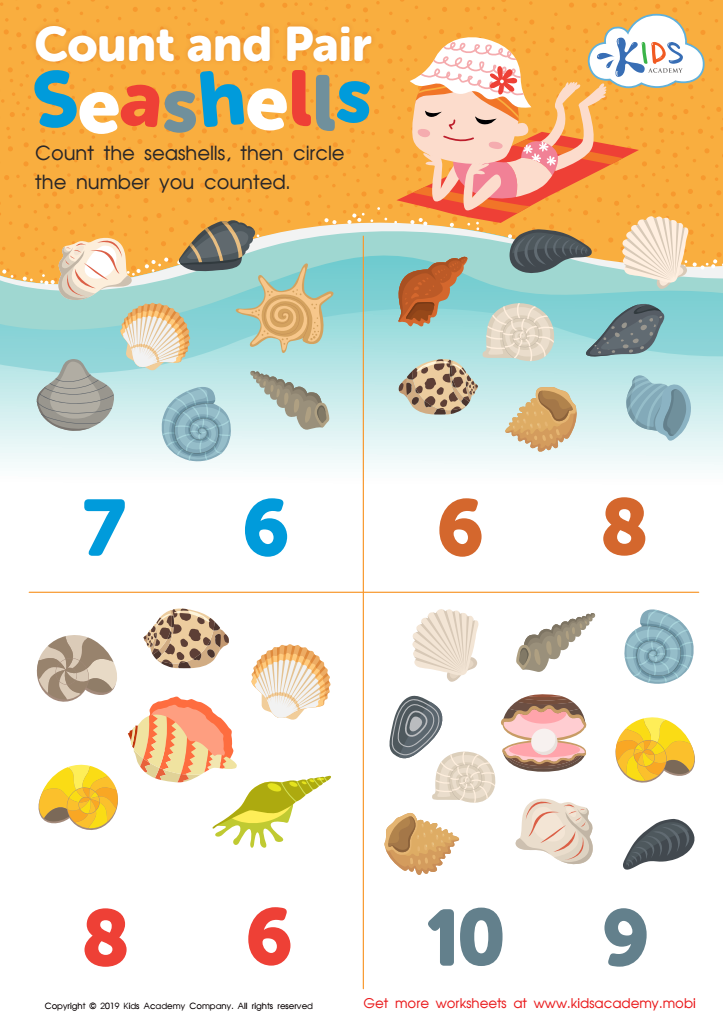
Count and Pair Seashells Worksheet
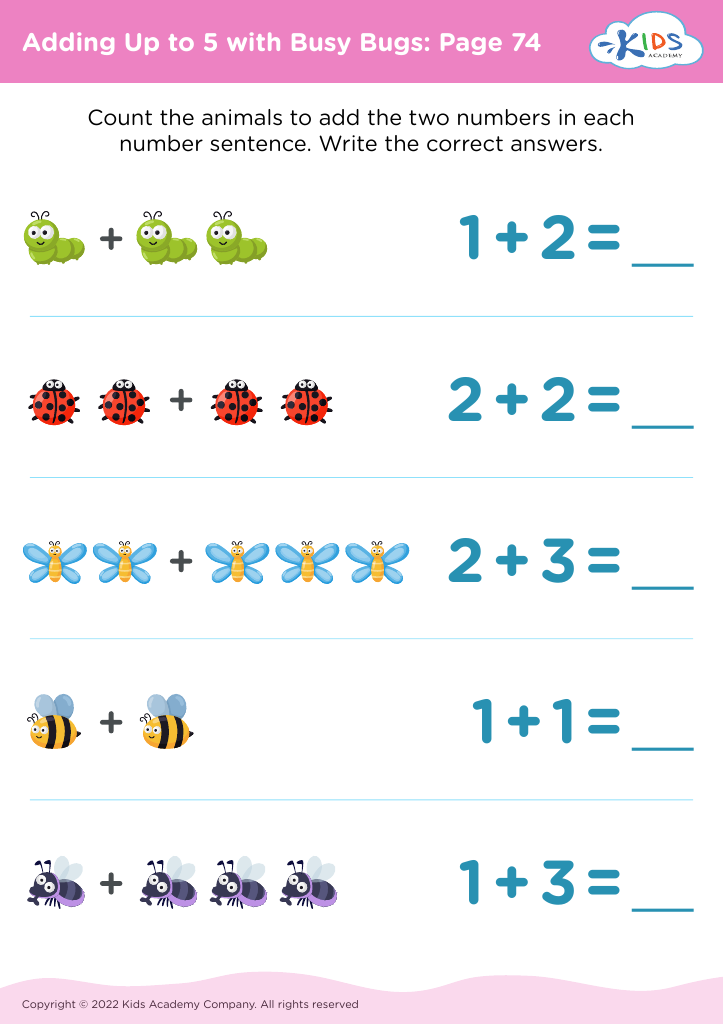
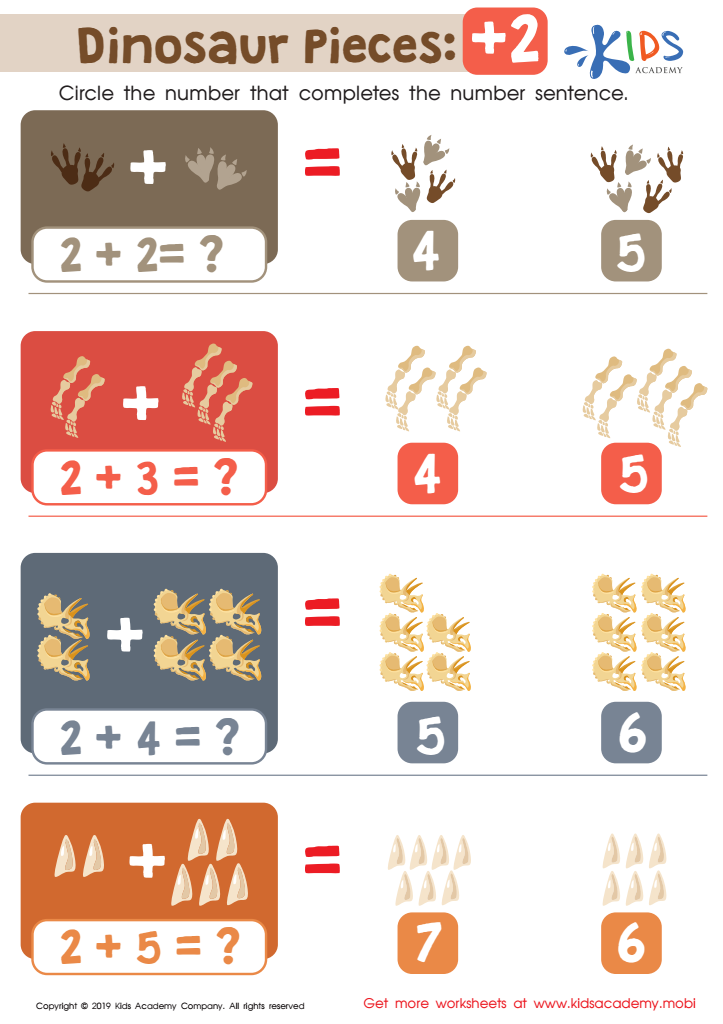
Dinosaur Pieces: +2 Worksheet

Shapes Worksheet
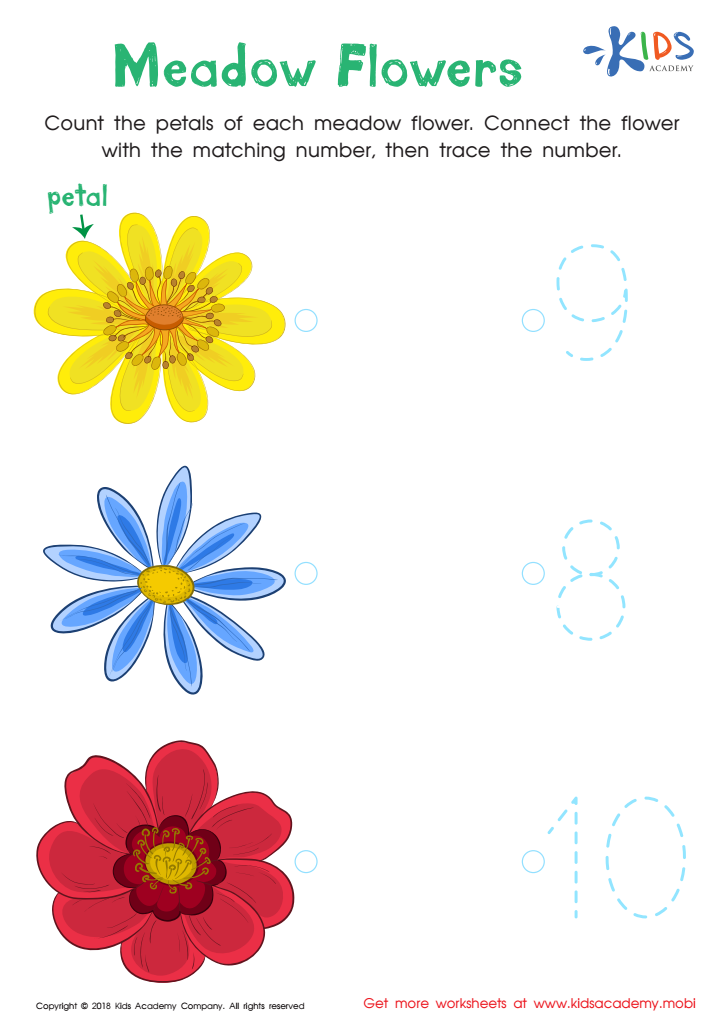
Kindergarten Number Tracing: Medow Flowers Worksheet





.jpg)



Fine motor development is crucial for children aged 5-6, as it significantly impacts their overall learning and daily functioning. During this developmental stage, children refine the small muscles in their hands and fingers, which are essential for tasks such as writing, using scissors, buttoning shirts, and self-feeding. These skills provide a foundation for more complex abilities needed in academic and everyday settings.
Parents and teachers should prioritize fine motor development because it aligns with children’s cognitive growth. Engaging in fine motor activities can enhance hand-eye coordination and concentration, vital for problems in math, reading, and other subjects. Moreover, improved fine motor skills boost children's confidence, allowing them to participate more fully in classroom and home activities.
Additionally, coordinated finger movements can aid in emotional development, encouraging children to express themselves through art and crafts, which, in turn, fosters creativity. Parents and educators can also better assess a child’s readiness for school tasks by observing their fine motor skills, making it a significant focus in early childhood education. Ultimately, supporting fine motor development can lead to greater independence and success in both academic and social situations, significantly benefiting the child's growth trajectory.








