Logical reasoning skills Worksheets for Ages 5-6
5 filtered results
-
From - To
Enhance your child's cognitive development with our Logical Reasoning Skills Worksheets designed specifically for ages 5-6. These engaging, age-appropriate activities foster critical thinking and problem-solving abilities, laying a strong foundation for future learning. Each worksheet encourages children to recognize patterns, categorize objects, and complete sequences, making learning both fun and educational. Crafted to align with early childhood learning standards, our worksheets are perfect for home or classroom use. Explore a variety of topics through colorful illustrations and appealing exercises that spark curiosity and promote analytical skills. Equip your little ones with the tools they need to think logically and independently!
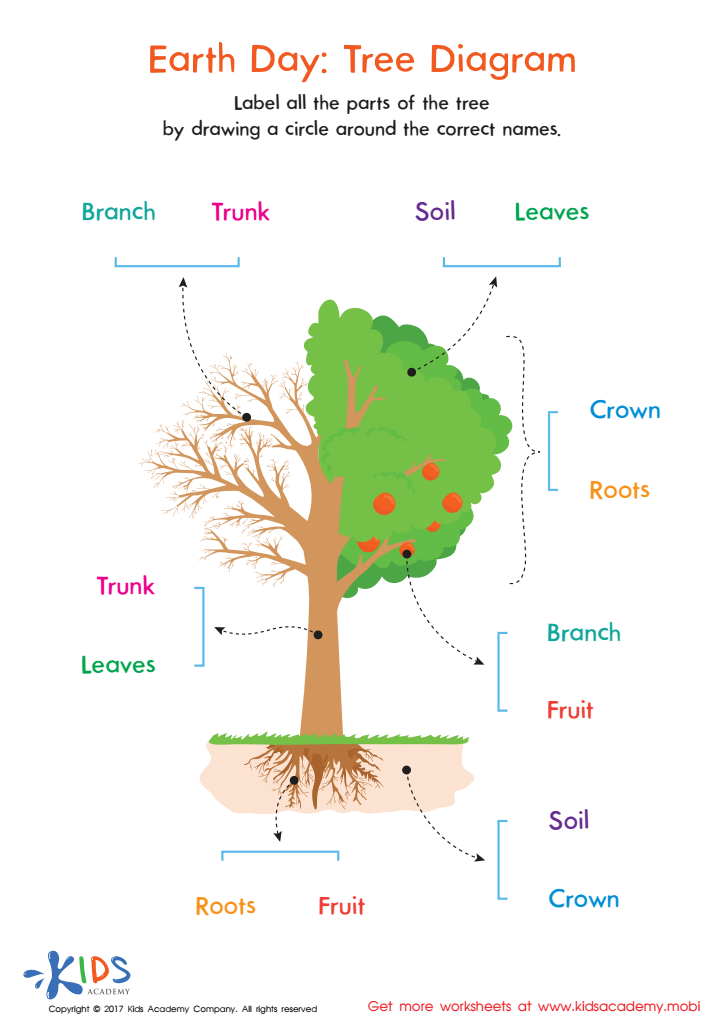
Earth Day: Tree Diagram Worksheet
 Assign to My Students
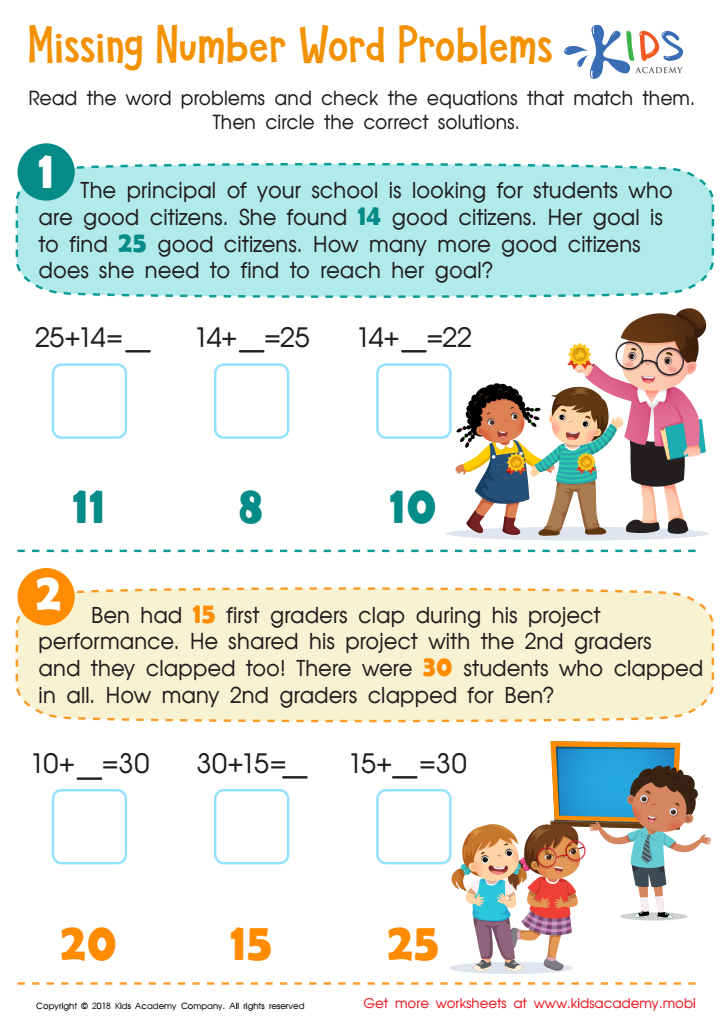
Missing Number Word Problems Worksheet
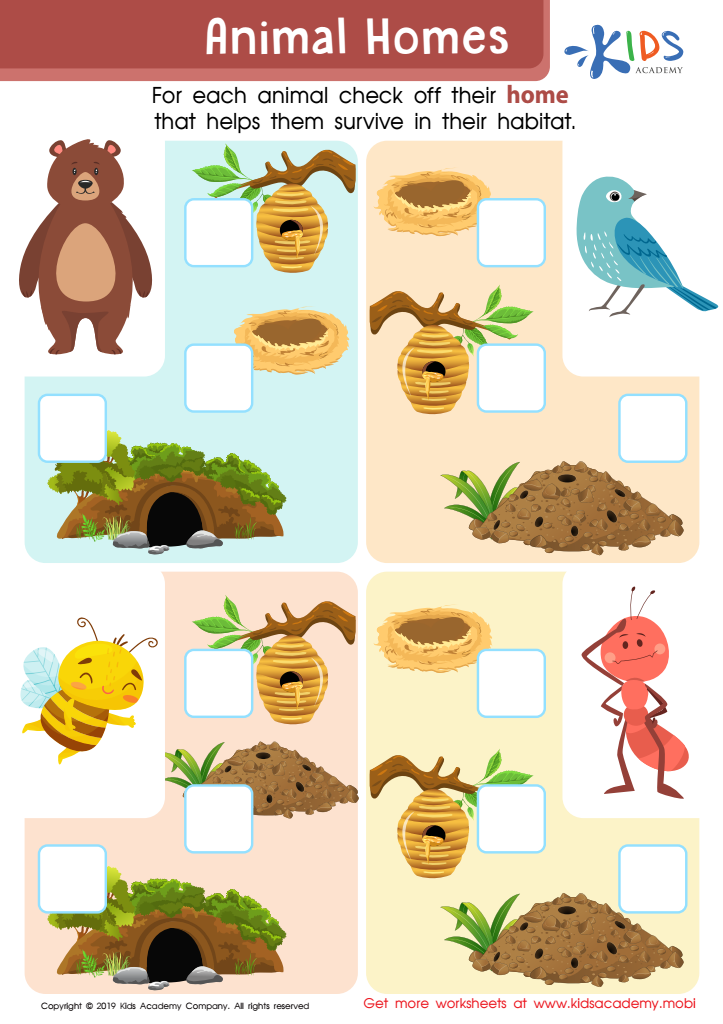
Animal Homes Worksheet

Logic Game Sorting Worksheet

Sudoku Worksheet








Logical reasoning skills are crucial for children aged 5-6, serving as a foundation for critical thinking and problem-solving abilities that will benefit them throughout their education and life. At this age, children are naturally curious and keen to explore their surroundings, making it the ideal time to cultivate these skills. Logical reasoning helps them make sense of patterns, understand cause and effect, and develop the ability to draw sensible conclusions from the information they gather.
Parents and teachers should care about fostering these skills because they support cognitive development and enhance academic performance in subjects like mathematics and science. Activities that encourage logical reasoning, such as puzzles, games, and scenario-based questions, promote creativity and logical sequence thinking, which is vital for independent learning. Furthermore, these abilities boost confidence as children learn to approach challenges with a systematic mindset.
Moreover, as children improve their logical reasoning, they are better equipped to navigate social situations, resolve conflicts intuitively, and make reasoned choices. This holistic development prepares them not only for educational success but also for future life scenarios. By prioritizing logical reasoning at a young age, caregivers equip children with essential tools for lifelong learning and adaptability.








