Phonics recognition Worksheets for Ages 5-6
19 filtered results
-
From - To
Explore our meticulously designed phonics recognition worksheets for ages 5-6. Tailored to develop foundational reading skills, these engaging activities help young learners recognize and pronounce different phonetic sounds. Each worksheet is crafted to enhance phonemic awareness through fun, interactive exercises, featuring colorful images and easy-to-follow instructions. Parents and educators can utilize these comprehensive resources to bolster children's confidence in reading. Perfect for both classroom and home environments, our worksheets ensure a solid start in literacy, setting the stage for future academic success. Visit Kids Academy for printables that make learning phonics an enjoyable adventure!
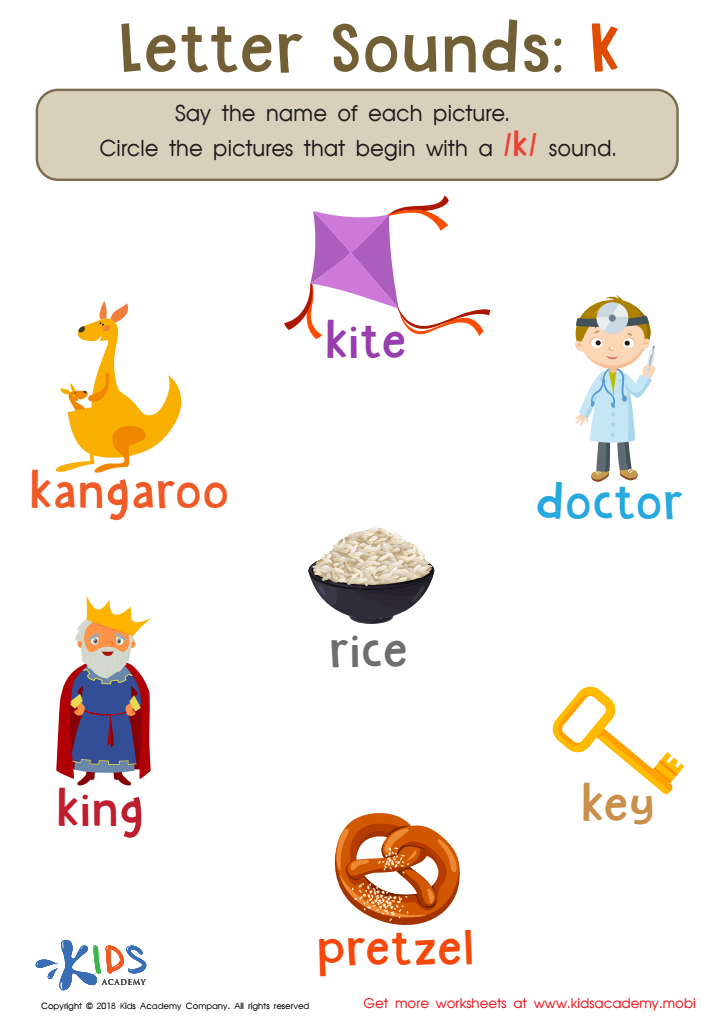
Letter K Sounds Worksheet
 Assign to My Students
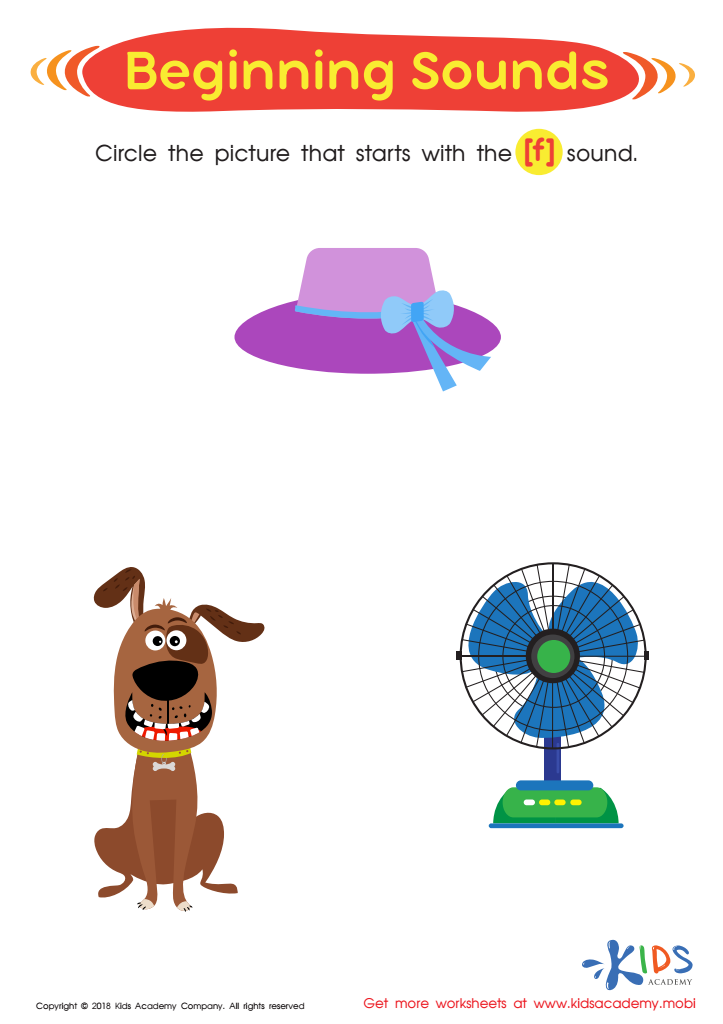
Beginning Sounds Assessment Printable
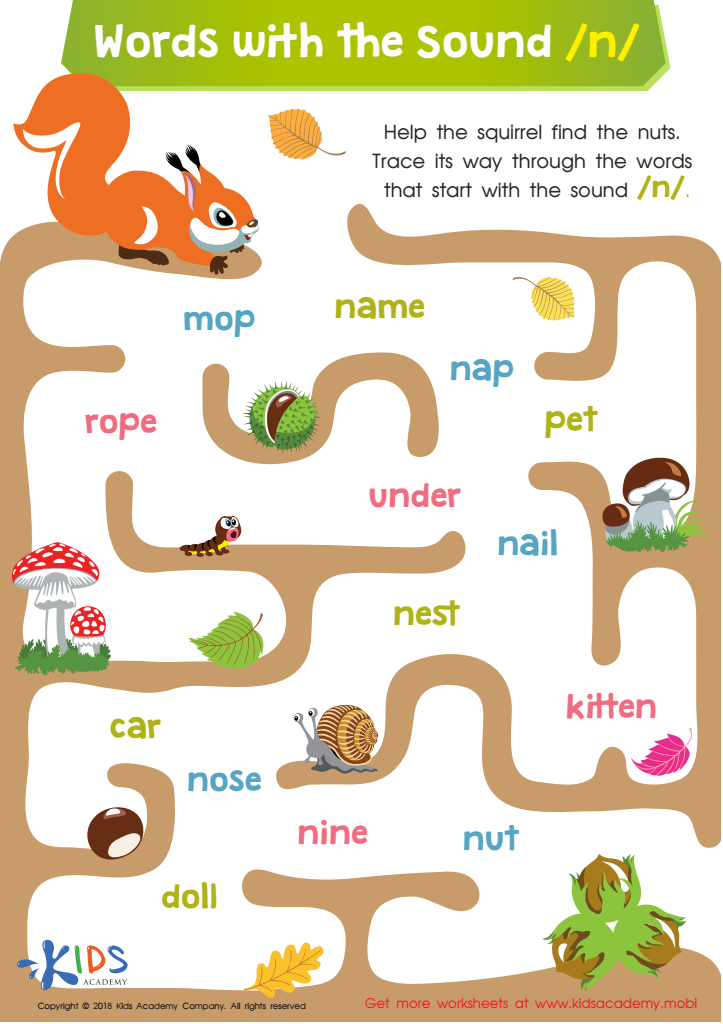
Words with Sound N Reading Worksheet
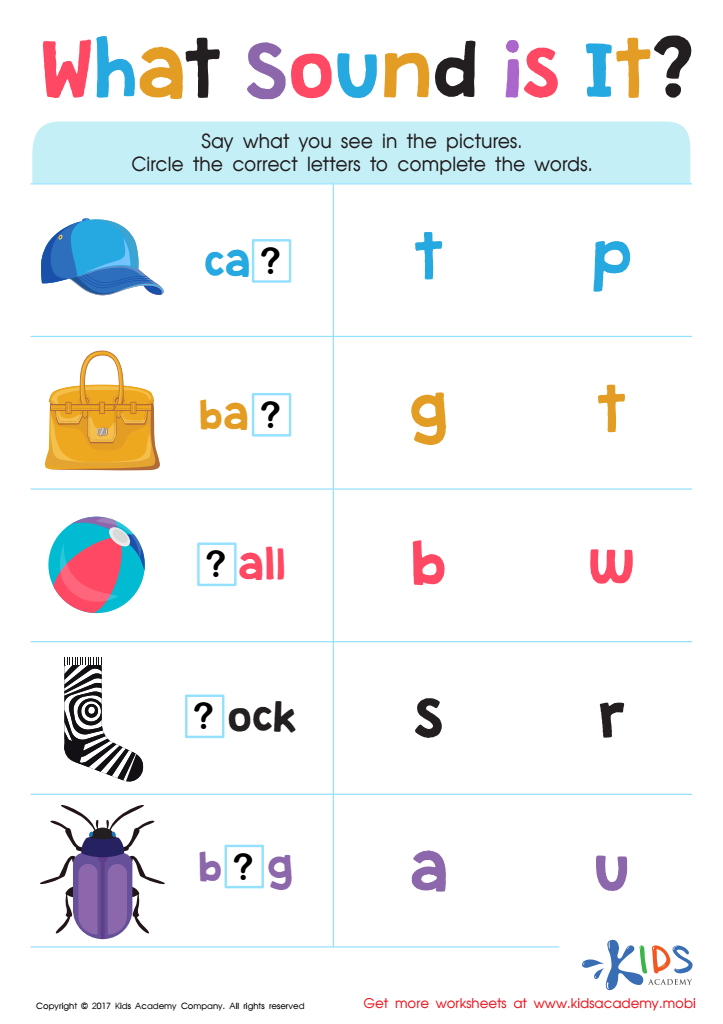
What Sound Is it? Worksheet
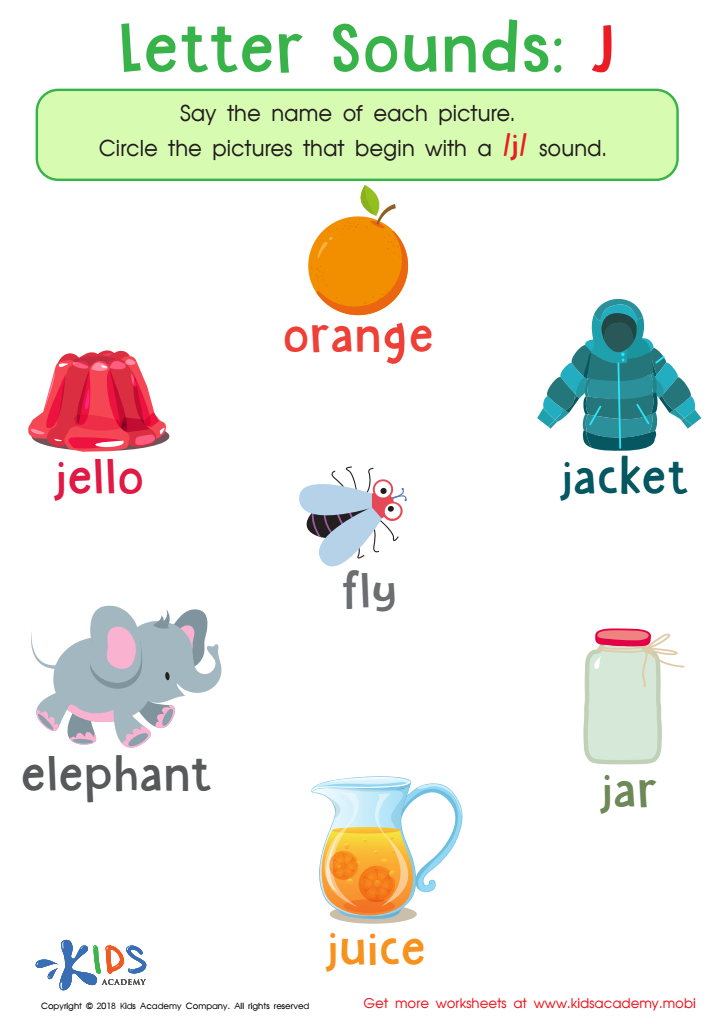
Letter Sounds: J Printable Worksheet
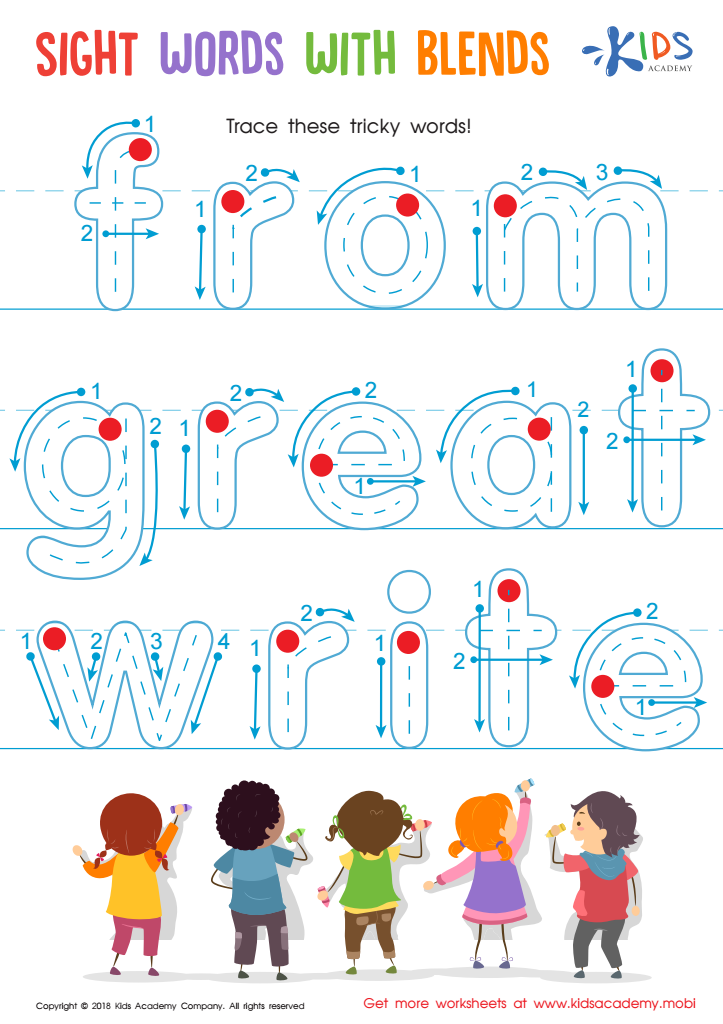
Sight Words with Blends Worksheet
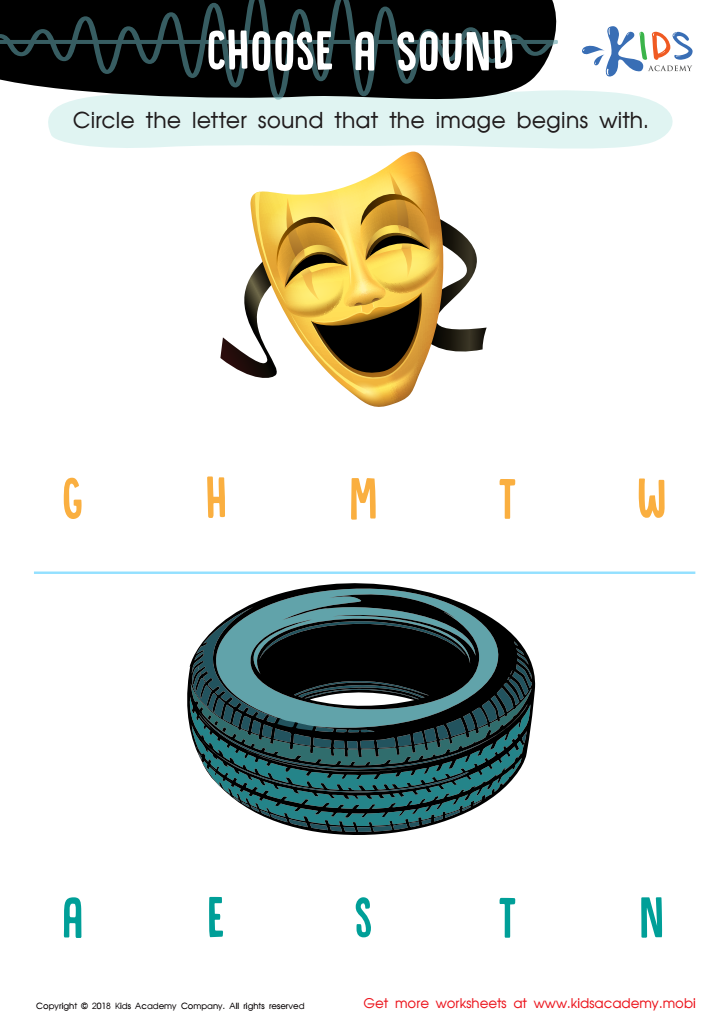
Choose a Sound Worksheet
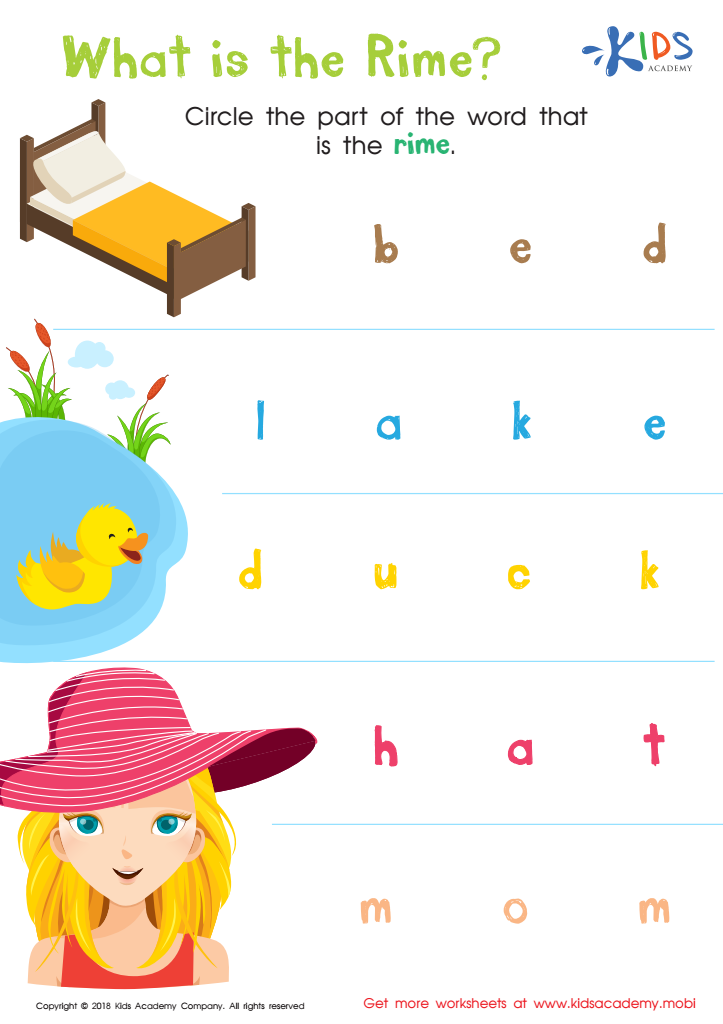
What Is the Rime? Worksheet
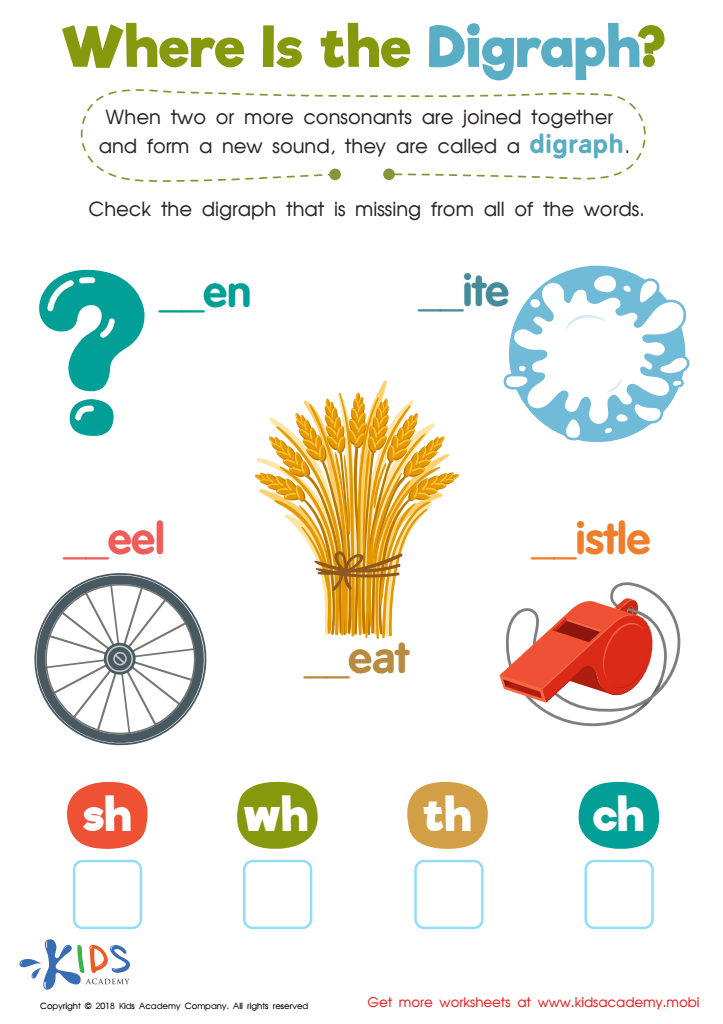
Where Is the Digraph? Worksheet
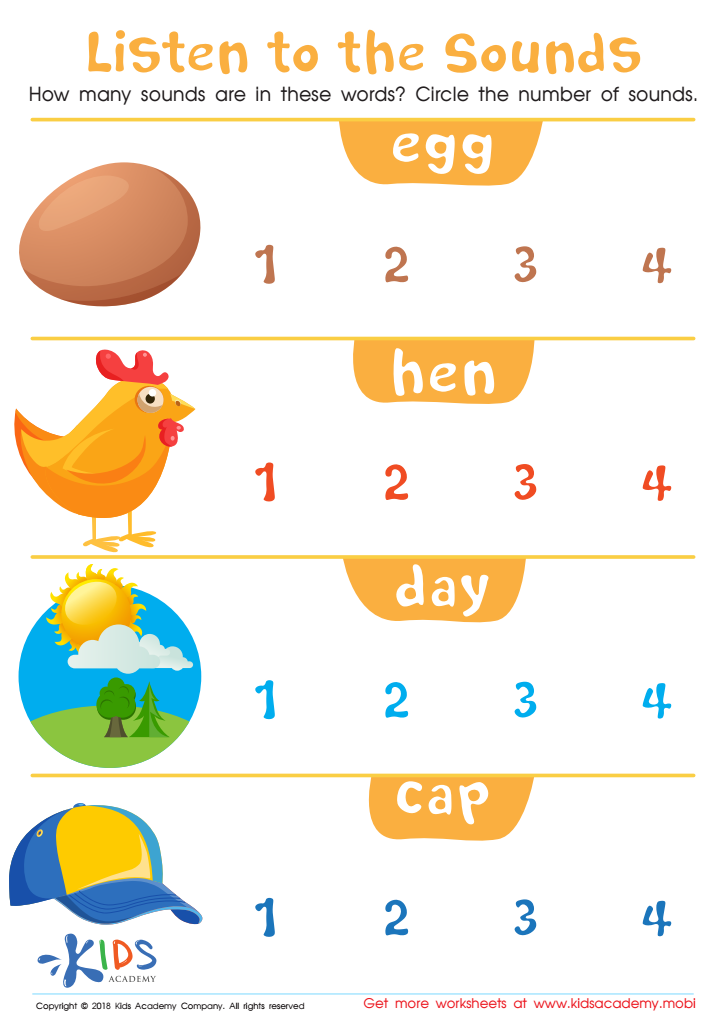
Listen to the Sounds Worksheet
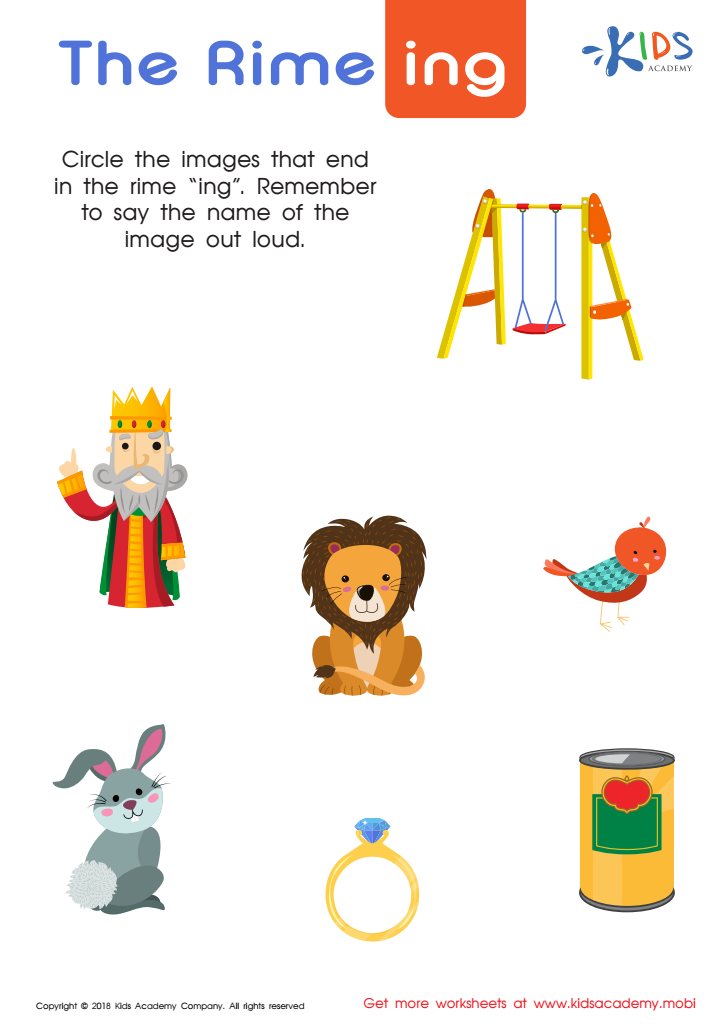
The Rime "ing" Worksheet
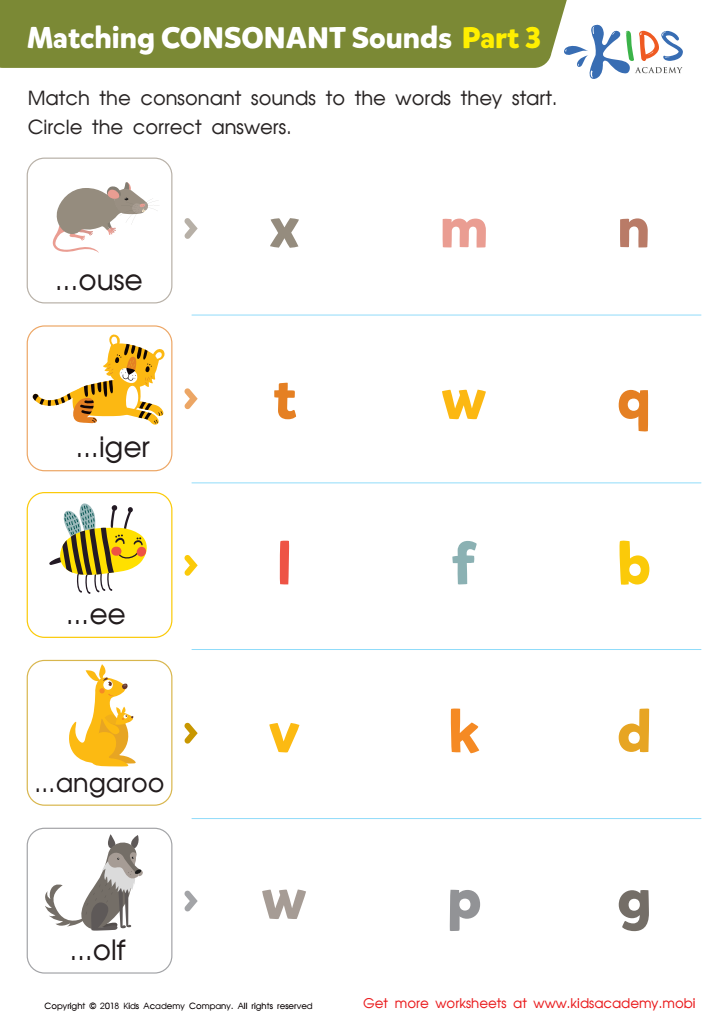
Matching Consonant Sounds: Part 3 Worksheet
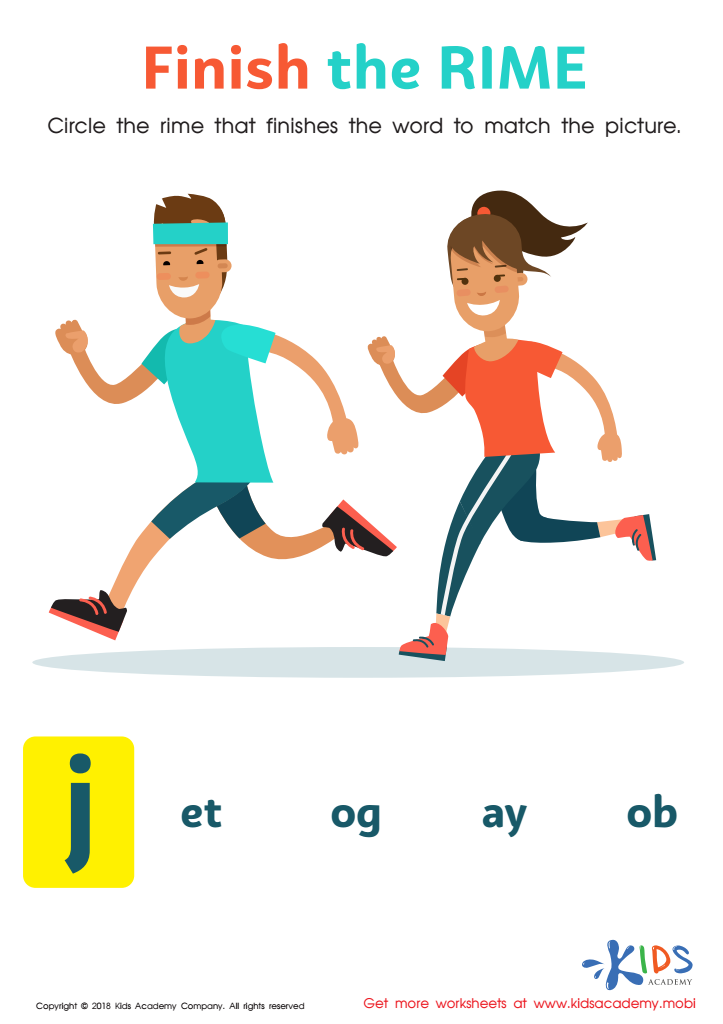
Finish the Rime Worksheet
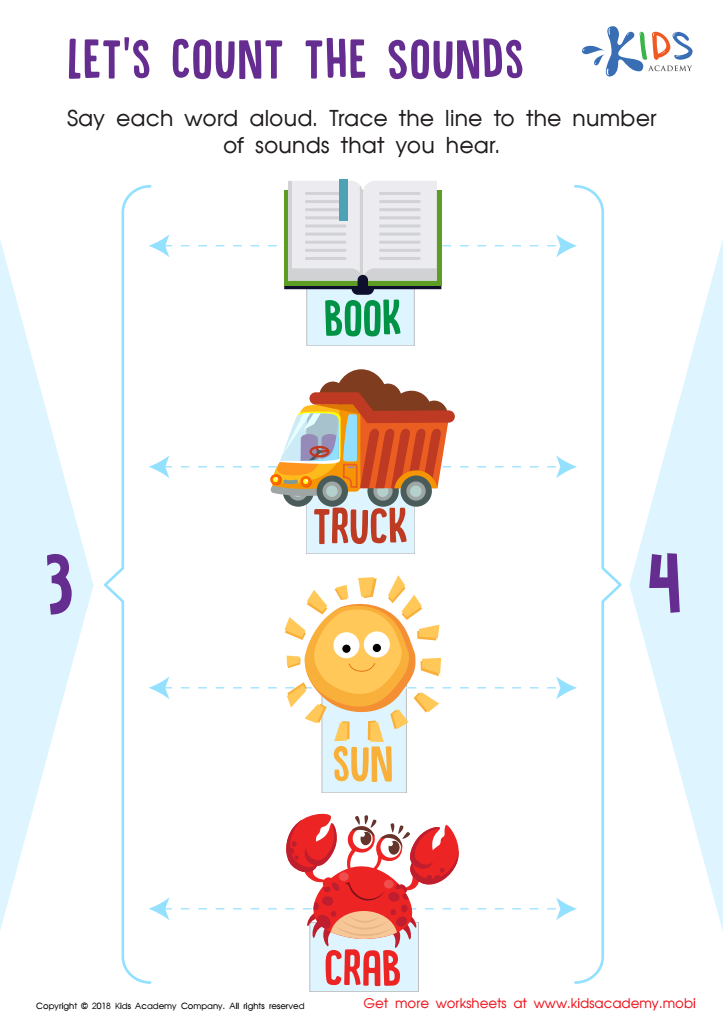
Let's Count the Sounds Worksheet
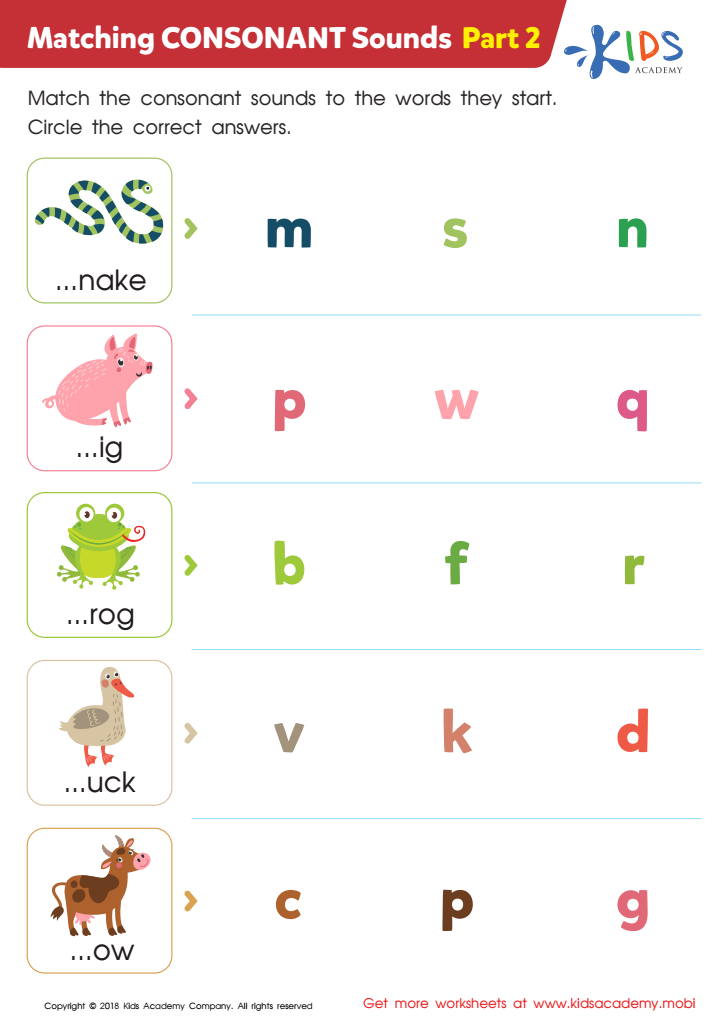
Matching Consonant Sounds: Part 2 Worksheet
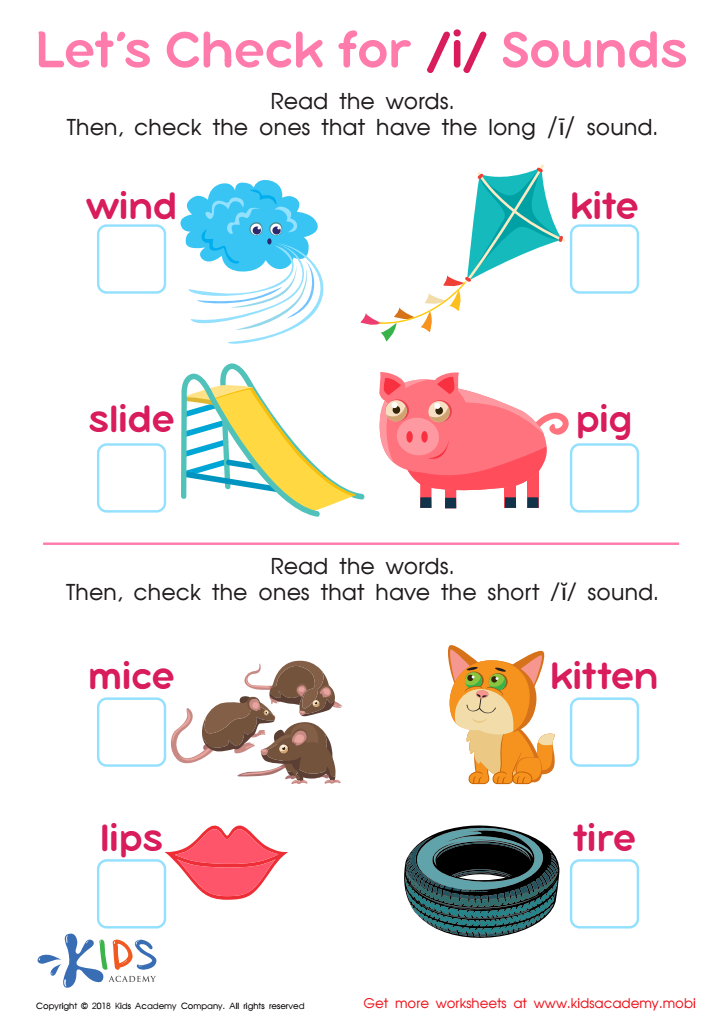
Let's Check for «i» Sounds Worksheet
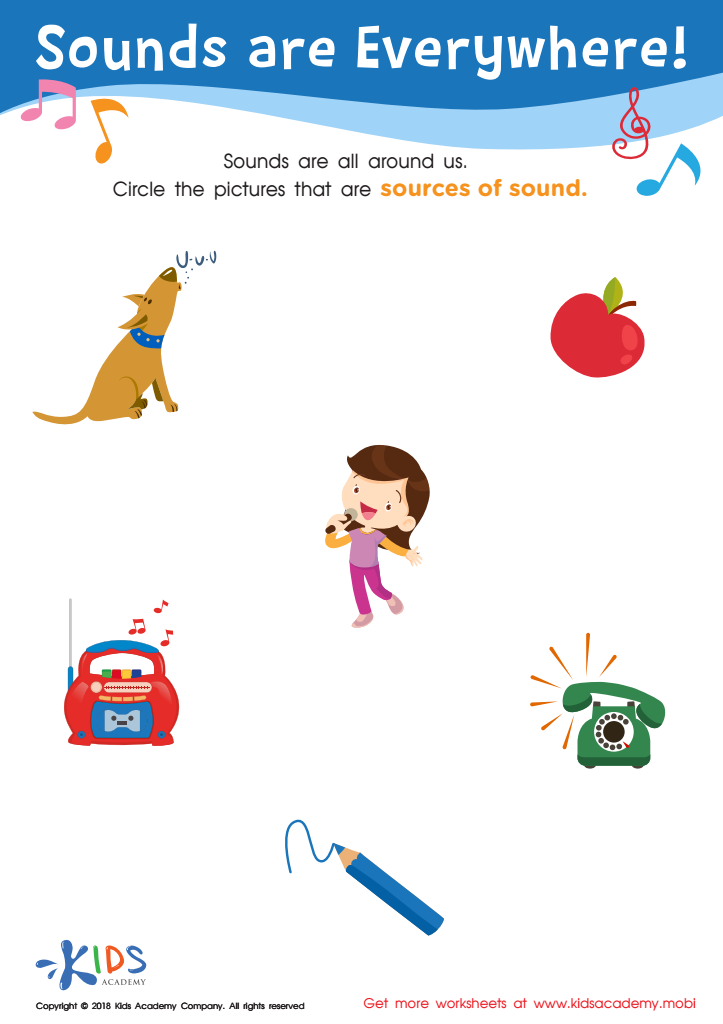
Sounds Are Everywhere! Worksheet
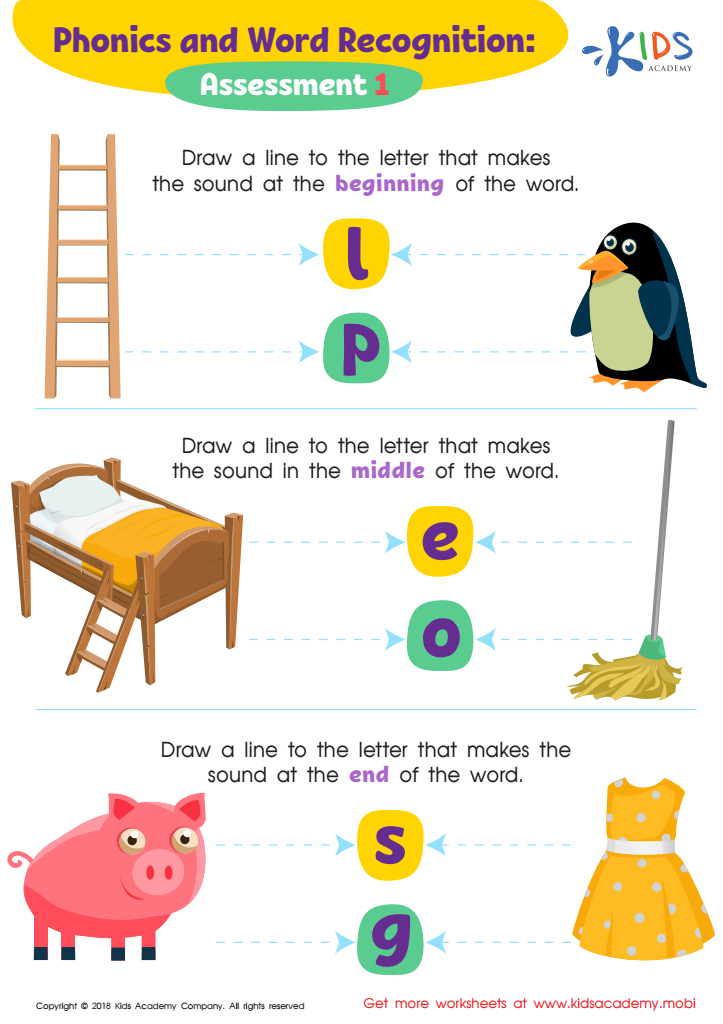
Phonics and Word Recognition: Assessment 1 ELA Worksheet
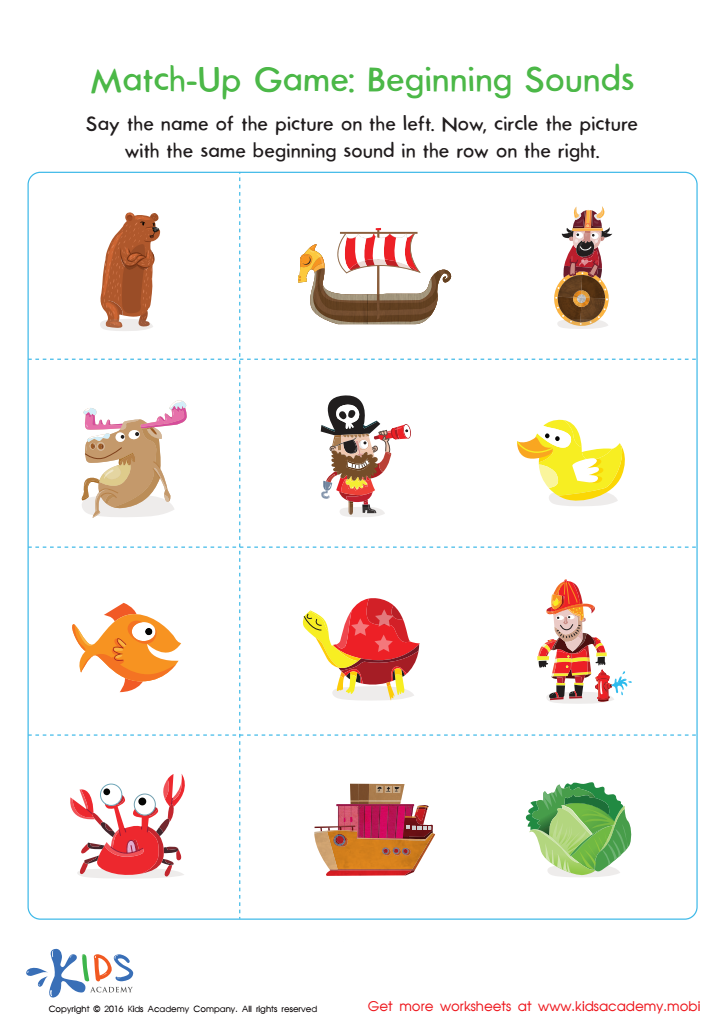
Match–Up Game: Beginning Sounds Worksheet






Phonics recognition is an essential component of early literacy that significantly impacts a child's reading and writing abilities. At ages 5-6, children are at a critical developmental stage where they are primed to understand the relationships between letters and sounds. Understanding phonics helps them decode new words, equipping them with the skills to read independently.
Parents and teachers should care about phonics recognition because it builds a solid foundation for all future learning. Children who grasp phonics early on tend to become confident readers. This confidence not only enhances their academic performance but also fosters a love for reading. Phonics instruction also aids in spelling, enabling children to write words accurately and express their thoughts effectively.
Furthermore, early phonics education can prevent reading difficulties. Research shows that children who struggle with reading in the early grades are likely to face academic challenges later. Thus, investing in phonics recognition helps mitigate long-term educational issues.
In addition, phonics instruction supports comprehension by allowing children to focus on understanding the meaning of the text rather than struggling to decode it. When children can read fluently, they can employ their cognitive resources to engage with content and think critically.
In summary, phonics recognition paves the way for academic success, self-confidence, and a lifelong interest in reading.








