Reading skills development Worksheets for Ages 5-6
6 filtered results
-
From - To
Discover our engaging Reading Skills Development Worksheets tailored for ages 5-6! Designed to enhance early literacy, these worksheets provide fun activities that reinforce essential reading skills. Children will explore sound recognition, vocabulary building, and comprehension through interactive exercises that captivate their interest. Our resources are ideal for homeschooling, classroom settings, or supplemental learning. With colorful illustrations and age-appropriate content, kids will enjoy boosting their reading confidence. Facilitate a love for reading with these expertly crafted worksheets that track progress and nurture skills necessary for a strong literacy foundation. Unlock your child's potential as they embark on an exciting reading journey today!
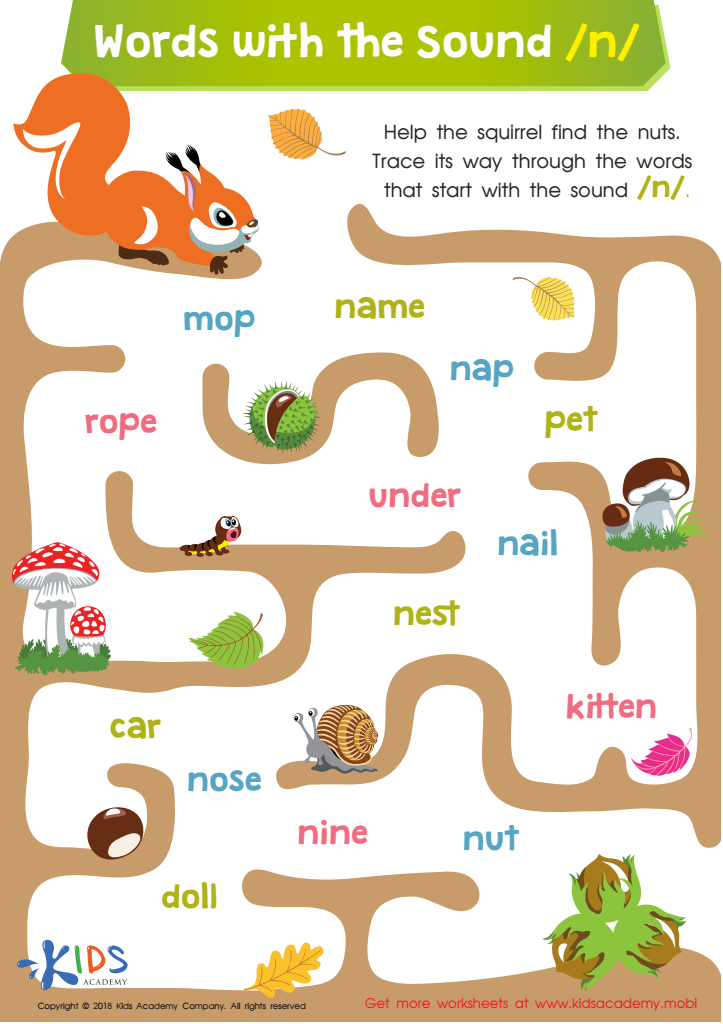
Words with Sound N Reading Worksheet
 Assign to My Students
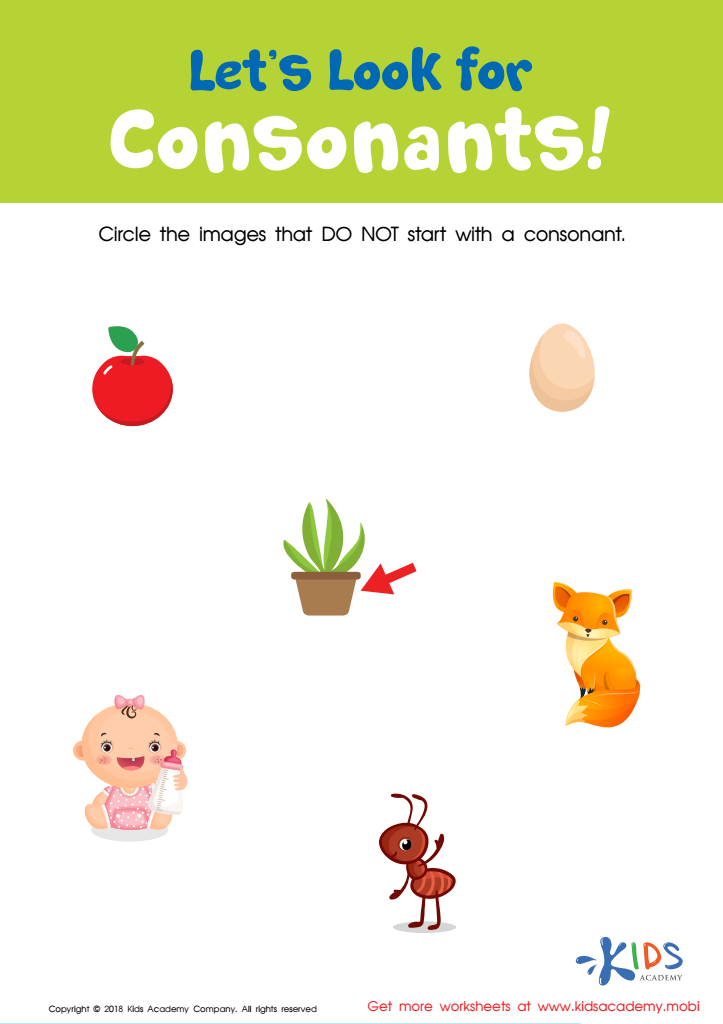
Let's Look for Consonants Worksheet
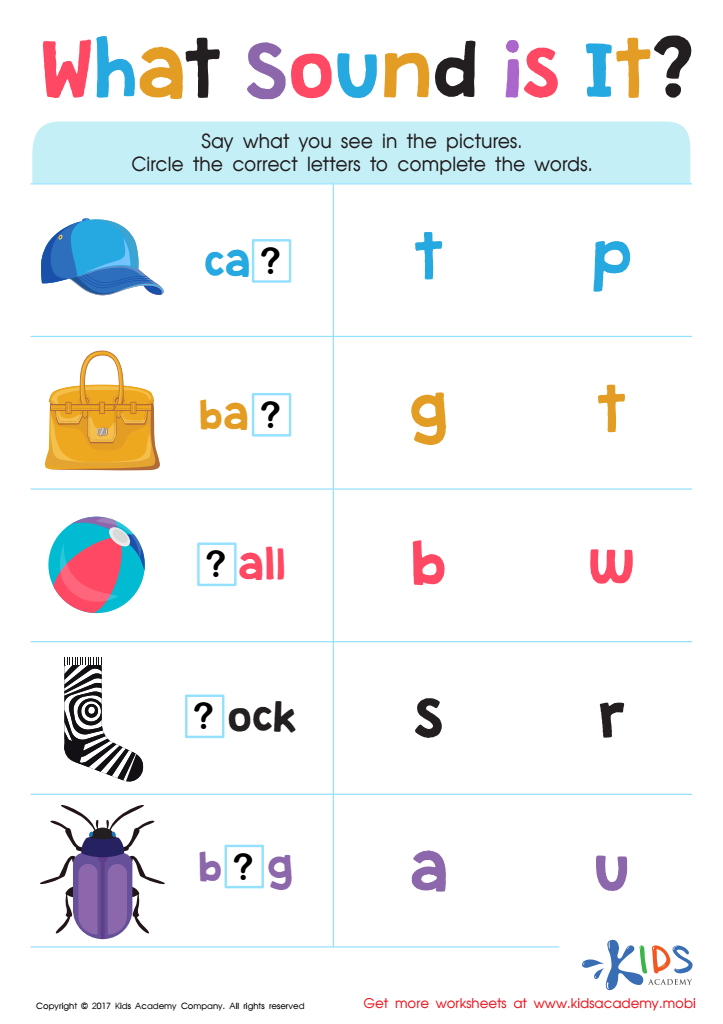
What Sound Is it? Worksheet
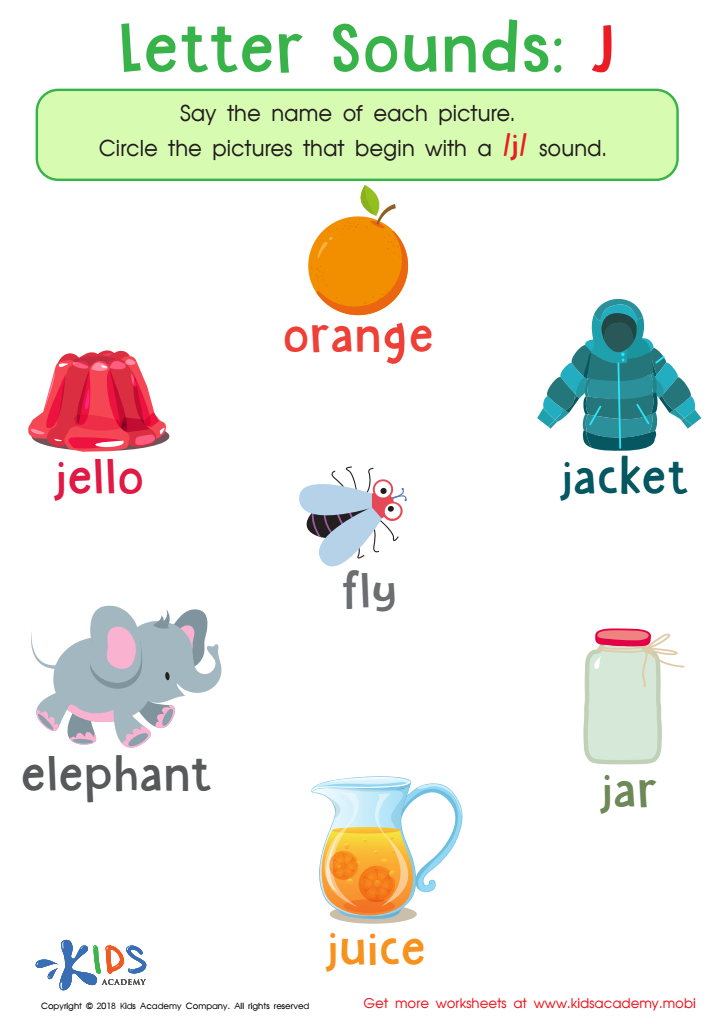
Letter Sounds: J Printable Worksheet
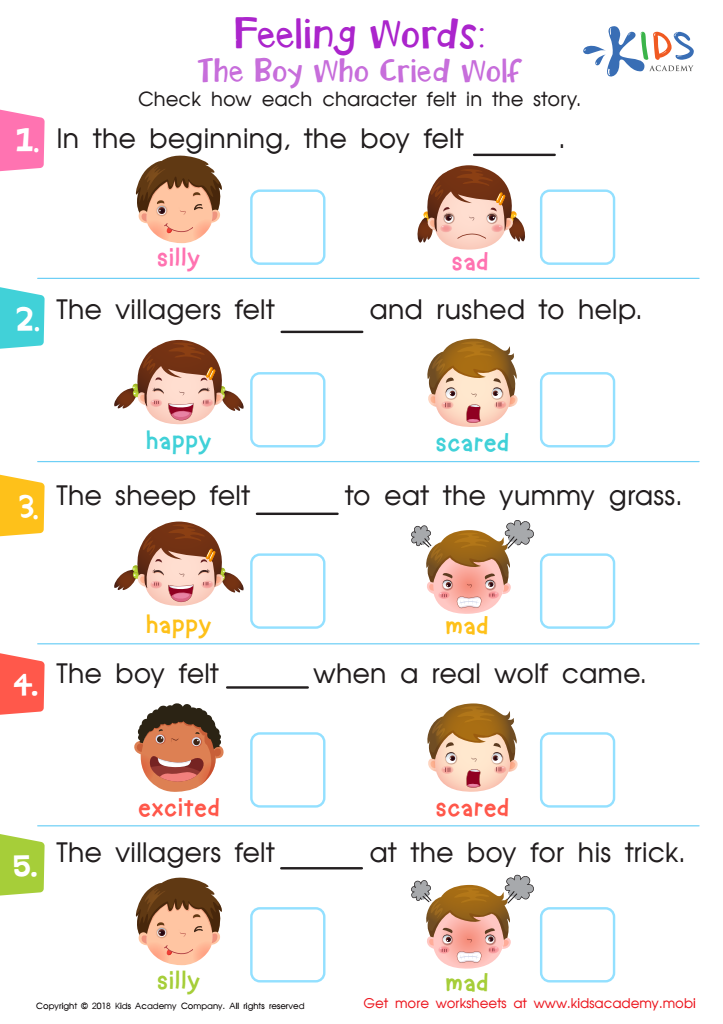
Feeling Words: The Boy Who Cried Wolf Worksheet
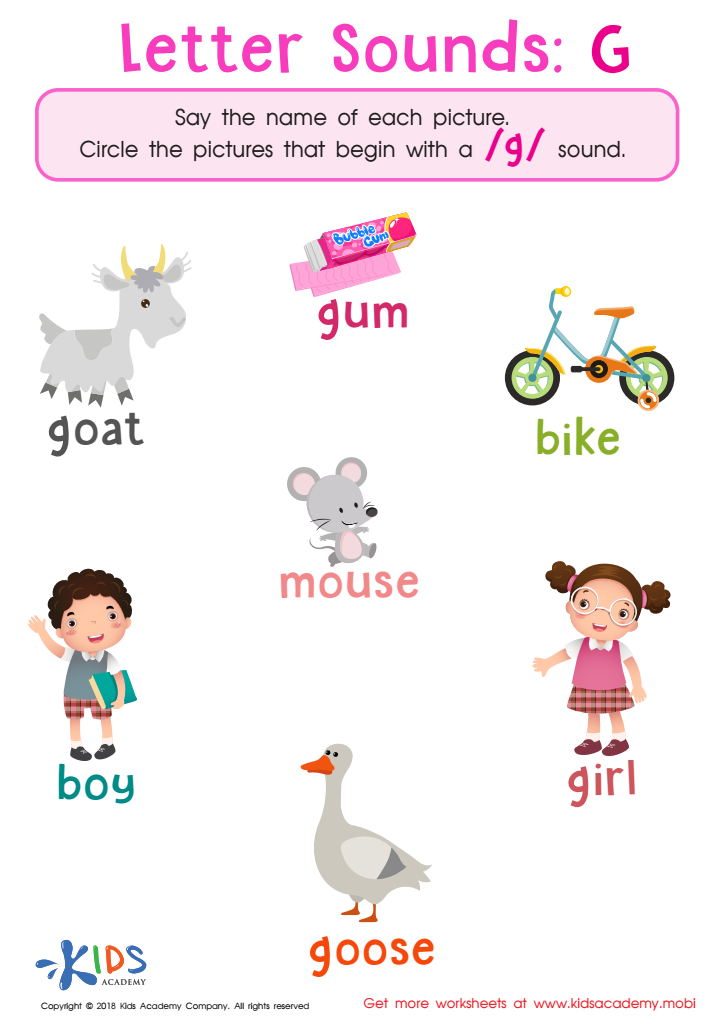
Letter G Sounds Worksheet






Reading skills development for children ages 5-6 is crucial for several reasons. Firstly, this stage is a foundational period where children begin to develop cognitive and language skills that position them for future learning. Early readers gain essential literacy skills that provide the tools necessary to understand and engage with more complex texts as they progress in their education.
Moreover, strong reading skills contribute significantly to academic success across all subjects. As children move through school, reading becomes a necessary skill for acquiring knowledge in areas like math, science, and social studies. By fostering reading skills early, parents and teachers help ensure that children remain interested and engaged in learning throughout their academic careers.
Reading also nurtures imagination and creativity; it opens the door to diverse worlds, cultures, and ideas, enhancing children’s empathy and critical thinking skills. Emotional development is further supported through stories, as children learn to understand and express their feelings.
In cultivating a love for reading, parents and teachers create lifelong learners who are better prepared to navigate an increasingly complex world. Investing in reading skills at this age promotes not just immediate academic benefits but also long-term personal growth and confidence.








