Sequence Understanding Worksheets for Ages 5-6
7 filtered results
-
From - To
Boost your child's cognitive skills with our "Sequence Understanding Worksheets for Ages 5-6"! Tailored for young learners, these engaging activities enhance logical thinking and problem-solving abilities through fun sequencing exercises. Kids will enjoy ordering events, identifying patterns, and storytelling, all designed to nurture their understanding of sequential order. Perfect for at-home practice or classroom use, our expertly crafted worksheets make learning enjoyable and effective. Watch as your child develops essential early learning skills with ease, setting a strong foundation for future academic success. Download today and unlock the power of sequence understanding!
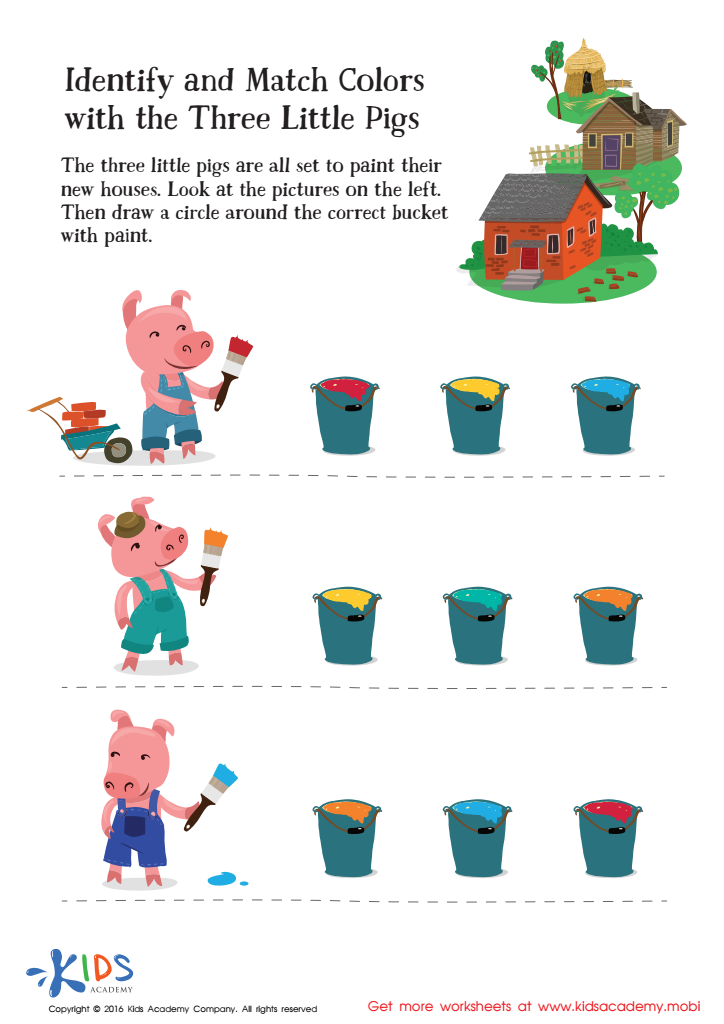
Fairy Tale Worksheet: Identify and Match Colors with Three Little Pigs
 Assign to My Students
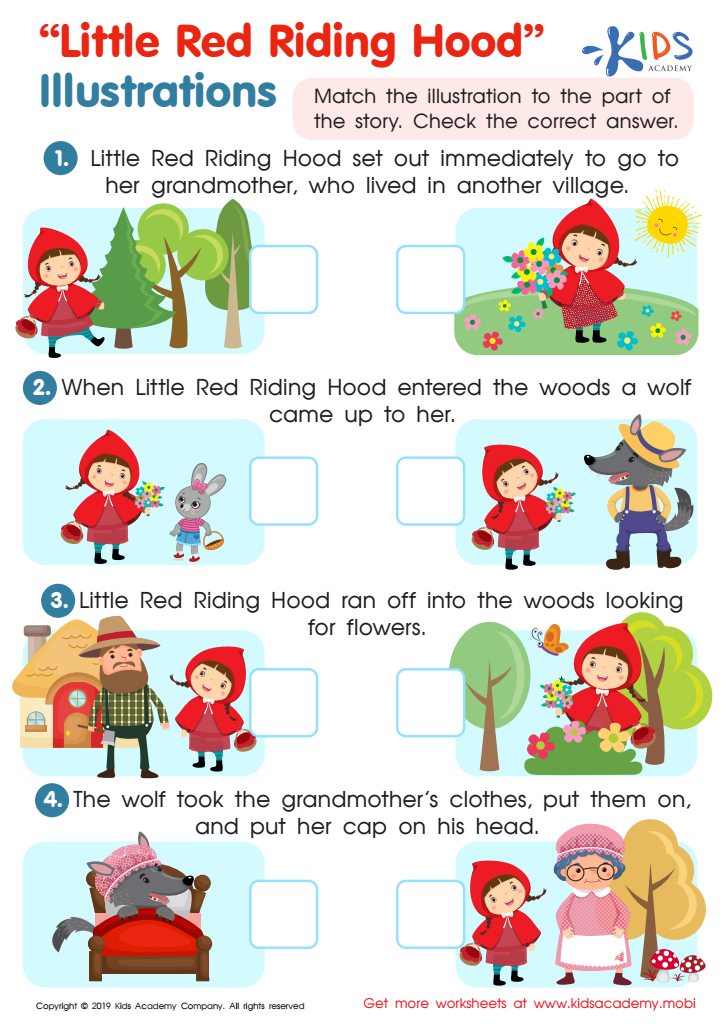
Little Red Riding Hood: Illustrations Worksheet
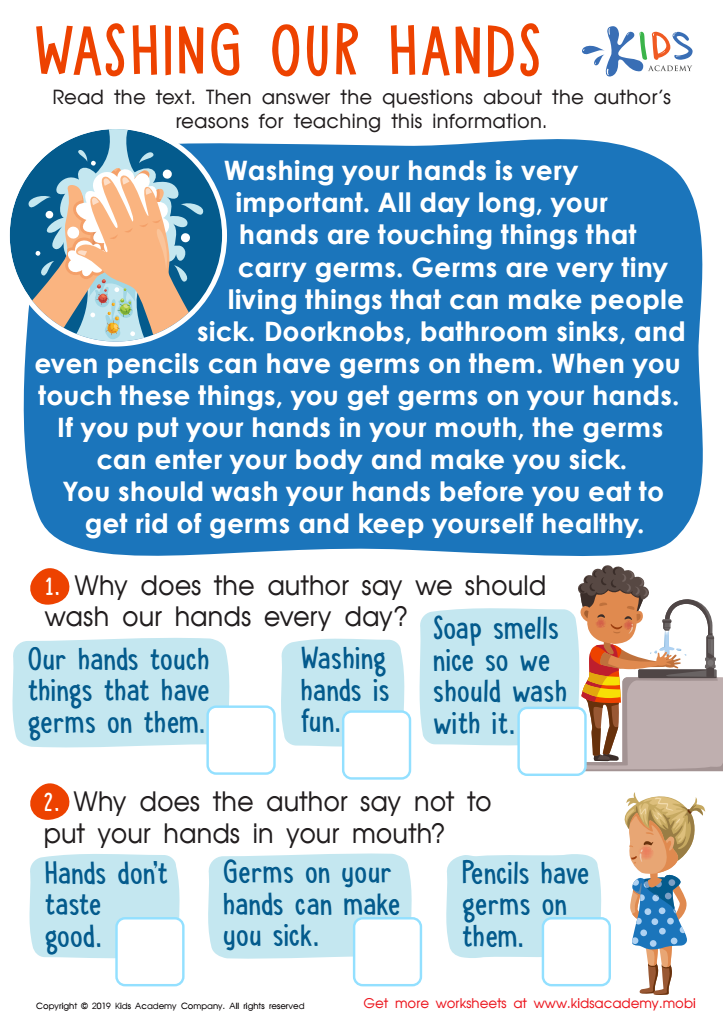
Washing Our Hands Worksheet
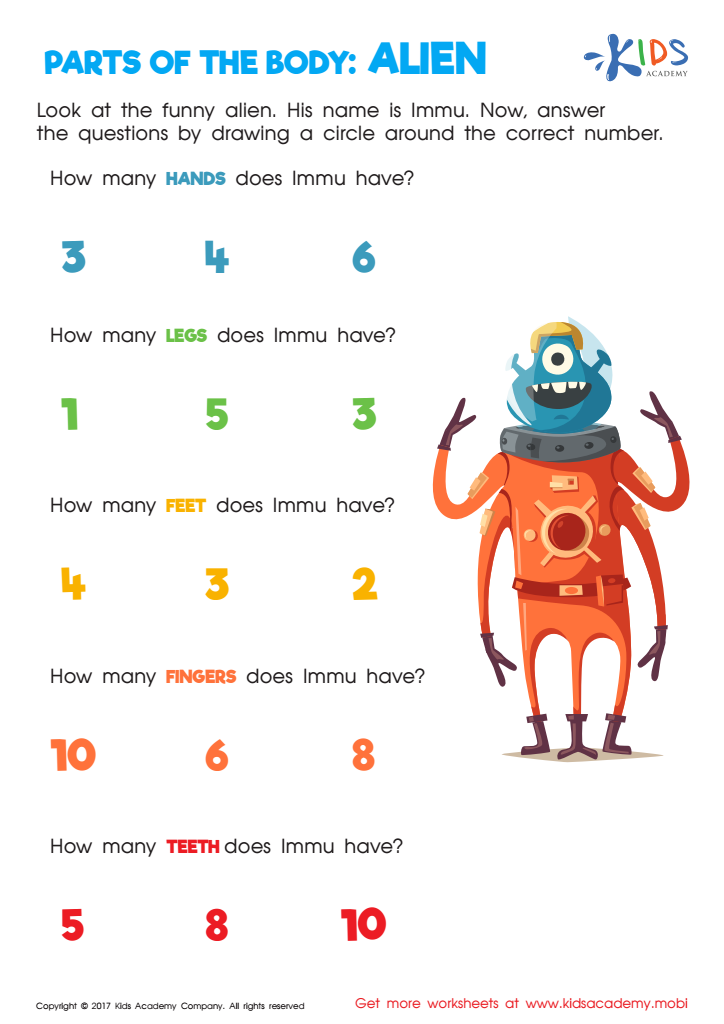
Alien Worksheet
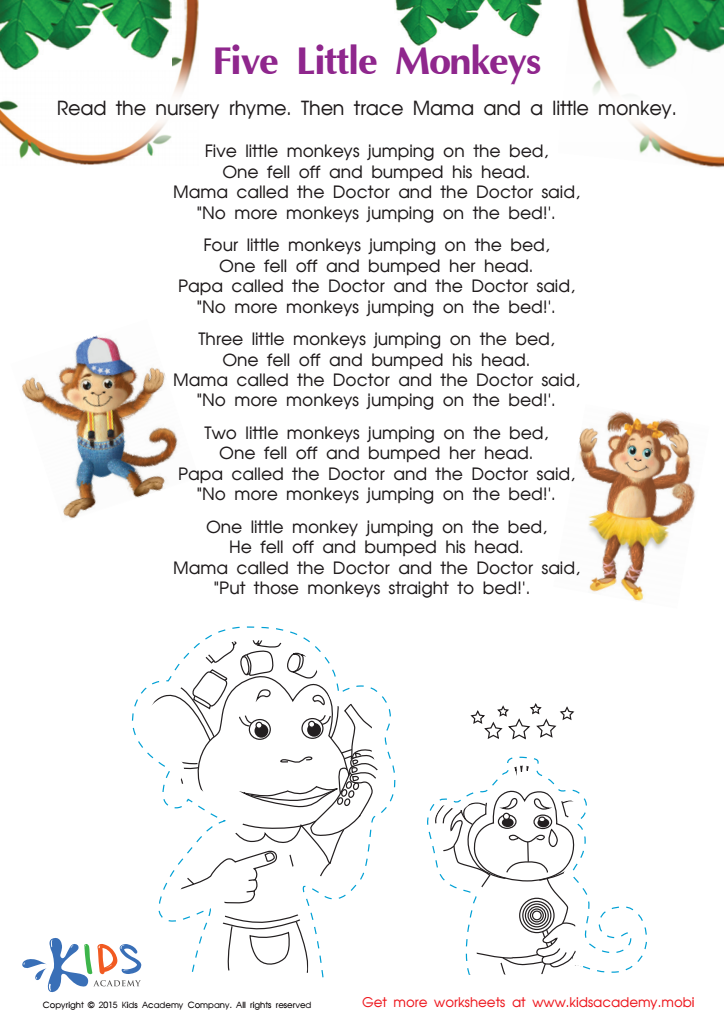
The Five Little Monkeys Nursery Rhyme Worksheet
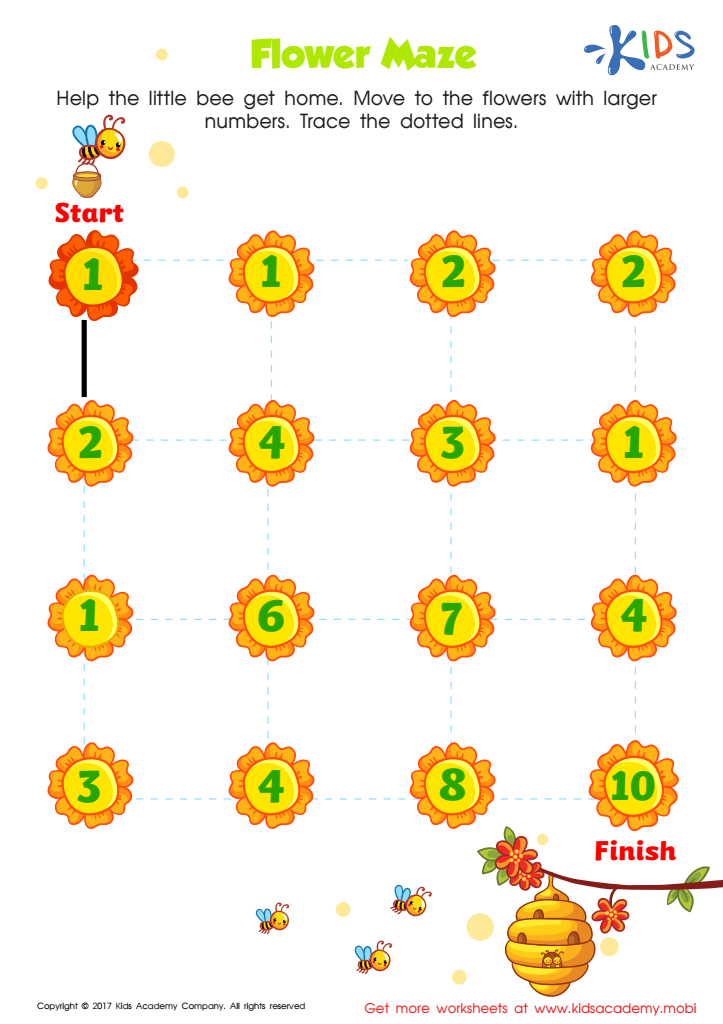
Number Maze For Kindergarten Printable
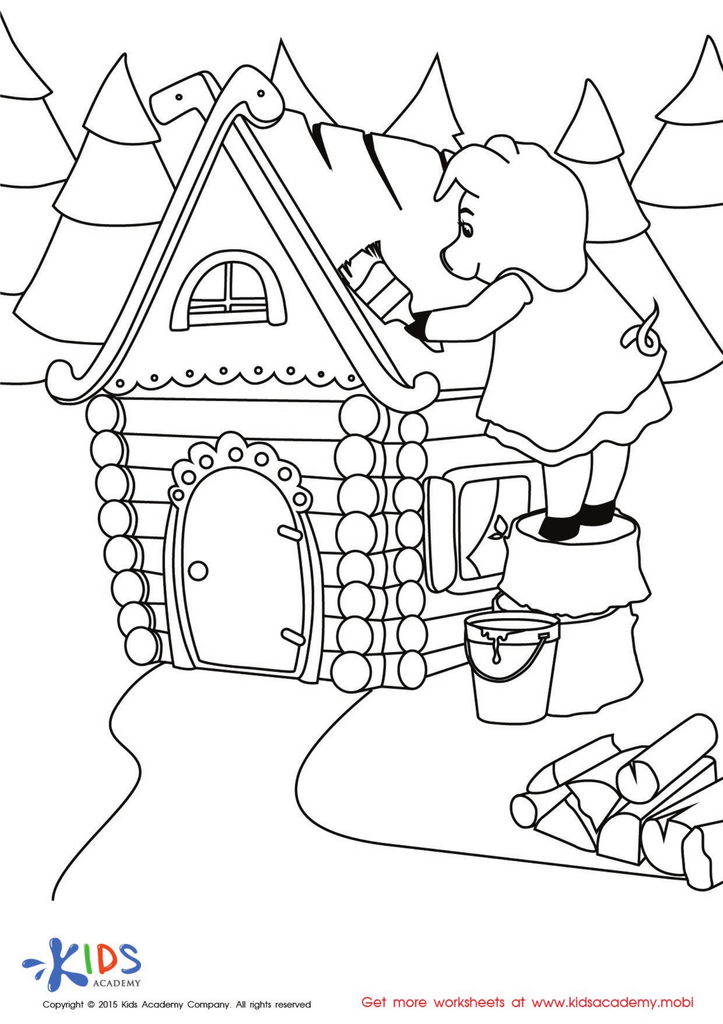
The Three Little Pigs Worksheet







Understanding sequences plays a critical role in the cognitive development of children aged 5-6. At this stage, kids are developing foundational skills crucial for future learning, and recognizing sequences helps in various domains.
First and foremost, sequence understanding aids in grasping basic math concepts. For example, counting, recognizing number patterns, and understanding order (1 comes before 2, which comes before 3) all rely on sequence skills. This comprehension also extends to literacy; kids learn that letters form words in a specific order, and sentences make sense because words are sequenced correctly.
Moreover, sequence skills are pivotal in developing logical thinking and problem-solving skills. When children are able to predict what comes next, they enhance their ability to make predictions and understand cause-and-effect relationships. This also underpins scientific reasoning, where observations are often based on sequences and patterns.
On a social and emotional level, daily routines heavily rely on sequence patterns—getting dressed, following a schedule, or steps to resolve a conflict—all of which contribute to a sense of stability and independence. Mastery in sequence recognition ensures children acquire essential skills for academic success and holistic development, making it vital for parents and teachers to encourage this at an early age.








